
 Hong Kong Island Travel
Guide
Hong Kong Island Travel
Guide
Paris is known around the world as the “capital of love,” and even if you don't understand the history of Paris at all

13 Hours
£5.70
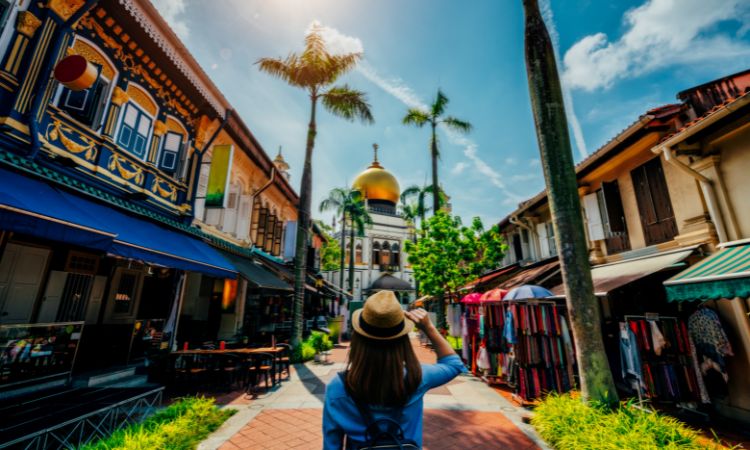
Hong Kong Island stands as one of Asia’s most dynamic urban centres, where futuristic skyscrapers rise alongside historic temples and colonial-era buildings. As a leading global financial district, Central is a showcase of modern architecture, while neighbourhoods such as Sheung Wan reveal traditional markets and artisanal shops. The contrast between bustling commercial zones and serene pockets—like the mid-level gardens or waterfront promenades—ensures that every traveler encounters fresh experiences at every turn. Efficient public transport, including the MTR, tramways, and Peak Tram, makes it effortless to navigate; seamless connectivity extends to Kowloon and the New Territories, enabling day trips beyond the island. Whether marveling at city lights from Victoria Peak at dusk or immersing in local life at dai pai dongs, visitors benefit from world-class infrastructure paired with authentic cultural flair.
Learn More
Food on Hong Kong Island is legendary, blending Cantonese classics with international influences. From humble street-side dai pai dongs serving wok-fried noodles and seafood to Michelin-starred fine-dining establishments, the island offers something for every palate and budget. Dim sum rituals in local tea houses reveal rich culinary traditions, while hip cafes in Sai Ying Pun and rooftop bars in Central showcase modern fusion creativity. Night markets and specialty dessert shops provide sweet conclusions after evenings exploring nightlife districts. Food tours and cooking classes further deepen appreciation for local ingredients like fresh seafood, seasonal produce, and Chinese medicinal herbs. With prices often displayed in HKD but convertible to British pounds (e.g., a pint average £5.70/HK$60) and meals ranging from affordable street eats to luxury tasting menus, culinary exploration is both thrilling and accessible.
Learn More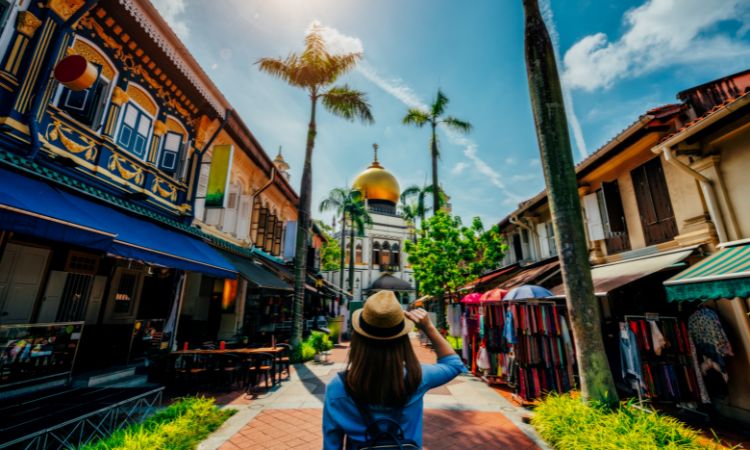
Shopping on Hong Kong Island spans luxury brands, local designers, and vibrant markets. Iconic shopping districts include Central’s high-end malls (e.g., IFC Mall), Causeway Bay’s bustling department stores, and boutique-lined streets in Sheung Wan. For bargains, short MTR rides lead to Mong Kok markets, while specialty shops in PMQ celebrate homegrown designers and creative crafts. Tax-free shopping status and frequent promotions during festival seasons appeal to deal hunters. Technology enthusiasts find the latest gadgets at competitive prices, and jewelry aficionados explore renowned gold and jade outlets. Evenings can be spent in award-winning bars or exploring night markets for souvenirs. The island’s compact yet varied shopping landscape ensures that visitors of all interests—luxury seekers, vintage hunters, or local craft supporters—find treasures to take home.
Learn More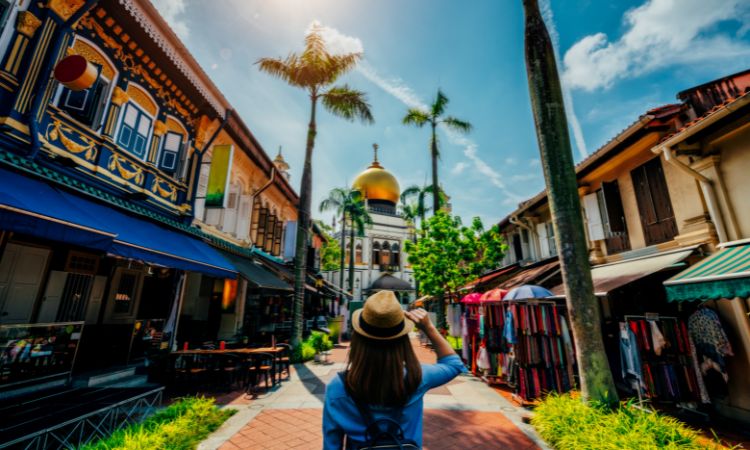
Contrary to perceptions of a concrete jungle, Hong Kong Island boasts compelling outdoor experiences. Trails such as Dragon’s Back offer sweeping coastal views, while Victoria Peak’s vantage points deliver panoramic cityscapes. Pok Fu Lam Country Park and Tai Tam reservoirs present quieter trekking and picnic spots amidst lush greenery. Coastal escapes at Repulse Bay and Shek O allow for beach days within easy reach of the urban core. The Central–Mid-Levels Escalator itself is an urban-nature interface, guiding visitors through hillside neighbourhoods. Guided hikes and nature walks reveal local flora, birdlife, and historic relics from colonial-era structures. For water-based adventures, kayaking around the southern coast or ferry trips to nearby islands provide fresh perspectives. These outdoor options complement city exploration, rewarding active travelers with rejuvenating escapes.
Learn More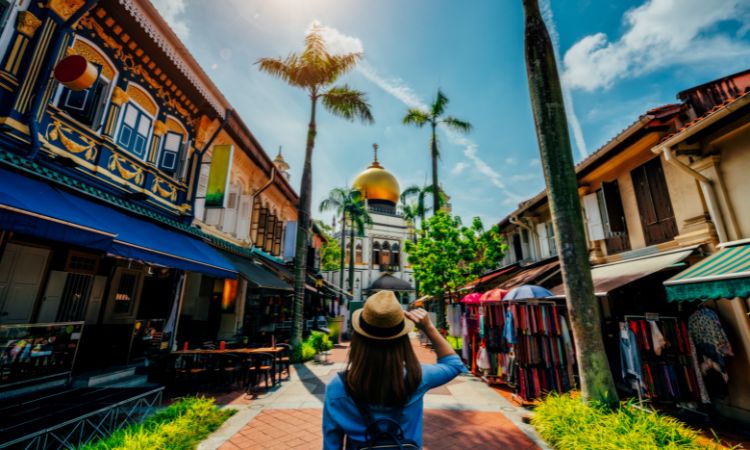
Hong Kong Island’s cultural tapestry is woven from centuries of Chinese heritage and colonial influences. Historic temples—Man Mo, Tin Hau—and festal events such as the Mid-Autumn Lantern Festival showcase traditions. Heritage sites in Central, like the Former Central Police Station (now Tai Kwun), blend conservation with contemporary arts programming. Museums and galleries, including M+ in West Kowloon (short ferry or MTR ride), present local and global art. Cantonese opera performances, tea ceremonies, and cultural trails through old neighbourhoods reveal deep-rooted customs. English-language signage and guides facilitate understanding for international visitors. Fusion of East-West culture is evident in architecture, cuisine, and bilingual festivals. Engaging with local artisans, attending workshops, or participating in seasonal celebrations enriches traveler insights into Hong Kong’s identity.
Learn More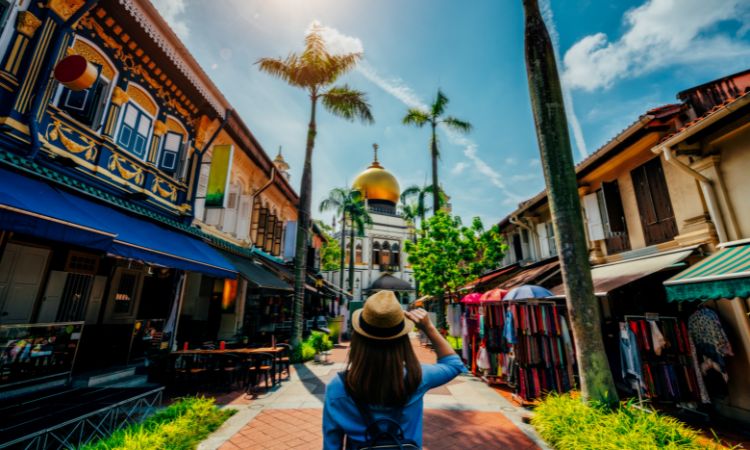
Hong Kong Island benefits from one of the world’s most efficient transport networks. The MTR Island Line connects key districts along the northern shore, complemented by cross-harbour lines to Kowloon. Hong Kong Tramways offers scenic rides along Victoria Harbour, while the Peak Tram provides a heritage experience ascending to Victoria Peak. Buses, minibuses, ferries, and the Central–Mid-Levels Escalator cater to diverse routes. Octopus card convenience ensures cashless travel. Connectivity extends beyond the island: high-speed rail, ferries to outlying islands, and easy airport access via the Airport Express and shuttle services. Signage and announcements in English and Cantonese ease navigation. Such seamless mobility maximizes sightseeing opportunities and minimizes transit stress, making Hong Kong Island highly traveler-friendly.
Learn More
Lorem ipsum dolor, sit amet consectetur adipisicing elit. At illo adipisci iusto
From

Because more than 268 other customers have loved us too

Demonstrates commitment to user data security through encryption and secure payment practices
Learn More
Demonstrates commitment to user data security through encryption and secure payment practices
Learn More
Demonstrates commitment to user data security through encryption and secure payment practices
Learn More
Demonstrates commitment to user data security through encryption and secure payment practices
Learn More
Quality as judged by customers. Book at the ideal price!


/ person
/ person
/ person
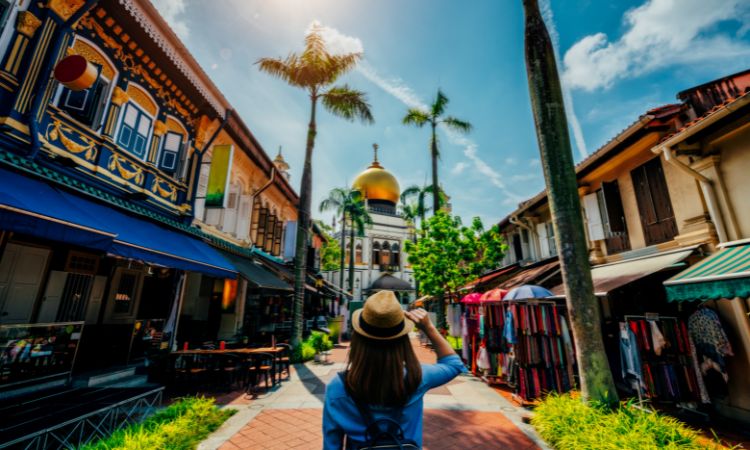
Hong Kong Island’s history is visible in its museums and preserved heritage sites, revealing layers from early fishing villages to a British colonial entrepôt to a modern global city. Central to this exploration is Tai Kwun, the revitalized Former Central Police Station compound, now a cultural hub combining heritage architecture with contemporary art exhibitions, performances, and dining experiences. Visiting Tai Kwun immerses travelers in narratives of law, order, and community evolution, with guided tours explaining conservation efforts and architectural details. Nearby, the Hong Kong Museum of Medical Sciences (in Sheung Wan) offers insights into colonial-era healthcare and local medical traditions, while the Hong Kong Maritime Museum (just across the harbour) contextualizes the island’s maritime heritage—though this requires a short ferry or MTR trip, it complements the island-focused narrative.For deeper dives into traditional culture, Man Mo Temple on Hollywood Road provides a living religious site where incense coils spiral overhead, and worshippers honor deities of literature (Man) and war (Mo). The intricate wood carvings and the ritual atmosphere transport visitors to old Hong Kong rituals. In Sheung Wan and Central, heritage walking trails guide through narrow alleyways, colonial-era shophouses, and hidden shrines, enabling encounters with local artisans preserving crafts such as calligraphy or herbal medicine. The University of Hong Kong campus on the island’s western flank offers colonial architecture landmarks like the Main Building (built in 1912) and the Fung Ping Shan building, revealing educational legacies intertwined with Hong Kong’s development.Museums such as the Hong Kong Visual Arts Centre and smaller galleries scattered in Sheung Wan showcase local artists reflecting on identity, history, and urban change. For maritime history closer to the island itself, visits to Aberdeen can include examining traditional fishing junks juxtaposed with modern yachts—illustrating the island’s coastal evolution. Victoria Peak’s historical Peak Tram station is itself a heritage site: riding this funicular inaugurated in 1888 affords not only panoramic views but also a sense of colonial-era engineering marvels. The Peak Tram Museum at the upper terminus displays artifacts, photographs, and anecdotes of how Hong Kong Island’s elite historically retreated from summer heat to higher altitudes.Seasonal exhibitions at heritage venues often celebrate festivals: Chinese New Year decorations in temples, Mid-Autumn lantern displays in public spaces, or special commemorations such as Hong Kong Museum of History pop-ups (accessible via short transit). Engaging with these offers authentic cultural context. Travelers can time visits to coincide with heritage open days or guided events led by local historians, enriching understanding of how Hong Kong Island’s identity has been shaped. This museum-and-heritage itinerary caters to curious minds seeking depth beyond skyline selfies, forging connections with the island’s past amid its fast-paced present.
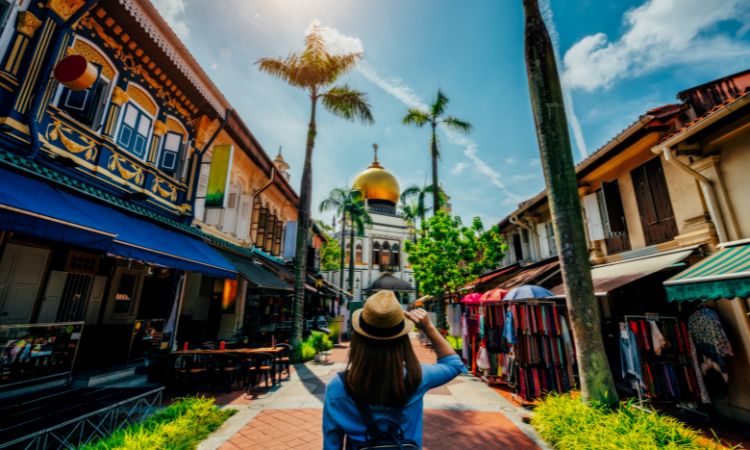
Exploring temples and traditional neighbourhoods on Hong Kong Island reveals the spiritual and communal fabric that underlies urban life. Man Mo Temple in Sheung Wan is among the most iconic: dedicated to the gods of literature and war, its courtyard filled with coils of incense overhead offers a sensory immersion into Cantonese worship practices. Observing local devotees and participating respectfully in rituals provides a window into enduring beliefs. Nearby, Luk Yu Tea House exemplifies a centuries-old tea culture, where sipping traditional Chinese tea in a heritage setting complements visits to spiritual sites.In Wan Chai, the Pak Tai Temple (built in 1863) stands as a testament to local beliefs in the Taoist sea deity Pak Tai; its vivid murals and guardian statues convey mythological stories. During certain festivals, processions invoke community participation, offering travelers a glimpse of living traditions. Tin Hau Temple in Causeway Bay and Stanley welcomes worshippers seeking protection for seafarers; visiting at dawn or dusk can coincide with residents making offerings, creating authentic photo opportunities without staged tourism.Neighbourhood walks through Shek Tong Tsui and Kennedy Town unveil clusters of old shophouses, dai pai dong remnants, and community centers where elders gather for mahjong or morning Tai Chi. These areas reflect Hong Kong Island’s evolution from fishing and trading villages to modern districts; architectural details such as tong lau (tenement buildings with verandas) tell stories of migrant families and early commerce. Guided walking tours led by heritage organizations or community groups bring anecdotes of daily life in bygone eras: hawker cultures, clan associations, and bilingual signage revealing past colonial governance.Mid-Levels side streets conceal small shrines tucked between modern developments; stumbling upon them evokes the layering typical of Hong Kong Island. Visiting markets like Graham Street Market exposes fresh produce stalls, seafood vendors, and dried goods shops, where transactions remain rooted in Cantonese bargaining culture. Sampling street snacks—fish balls, egg waffles, steamed buns—connects culinary discovery with neighbourhood character. Evening visits to traditional teahouses or old-style coffee shops (“cha chaan tengs”) showcase how locals unwind, with menus featuring comfort foods blending Western and Chinese influences.During festival seasons, neighbourhoods come alive: dragon boat races near Aberdeen or Cheung Chau (via ferry), lantern displays at Mid-Levels escalator areas, and nighttime temple fairs in older quarters. Engaging respectfully—observing dress codes at religious sites, following etiquette when taking photographs—ensures meaningful experiences. Such explorations deepen appreciation for Hong Kong Island beyond its signature skyline, revealing communities maintaining traditions amidst constant change.
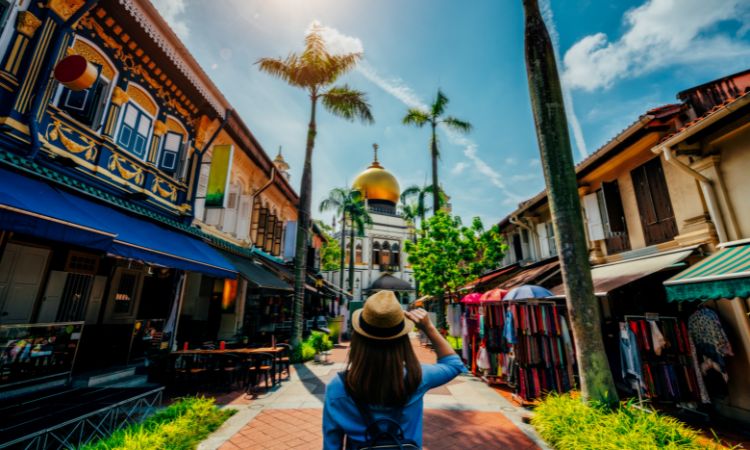
Hong Kong Island’s rugged topography provides surprising hiking opportunities that contrast sharply with its urban core. The Dragon’s Back trail, acclaimed internationally, offers a moderate 8.5 km trek traversing ridges with uninterrupted views of Shek O, Tai Long Wan, and the South China Sea. Starting near Shau Kei Wan MTR station or via bus to trailheads, hikers ascend undulating ridges, rewarded by panoramic vistas before descending to Big Wave Bay or Shek O for a well-deserved beach cooldown. This combination of coastal scenery and accessible transport epitomizes Hong Kong Island’s outdoor appeal.Victoria Peak remains the most iconic viewpoint: while many reach the summit by Peak Tram or bus, trails exist for enthusiasts seeking a more active ascent through Pok Fu Lam Reservoir or Lung Fu Shan. Trekking at dawn yields sunrise over the harbour, city lights dimming as the sun rises—an unforgettable experience. At the summit, the Sky Terrace 428 provides sweeping vistas, while adjacent paths lead to lesser-known vantage points where crowds thin. Guided sunrise hikes often begin pre-dawn, offering perspective on Hong Kong Island’s vertical layering of city and nature.For quieter escapes, Pok Fu Lam Country Park’s reservoir trails unveil verdant forests, birdlife, and historic waterworks relics. Interpretive signage explains the area’s role in early water supply for the burgeoning city. Tai Tam Country Park on the island’s eastern side offers longer circuits linking reservoirs, picnic spots, and forested slopes; these trails suit half-day excursions and connect to coastal viewpoints overlooking Stanley and Repulse Bay. Birdwatchers and nature photographers find respite among endemic flora and occasional sightings of local fauna.Seasonal considerations matter: winter months (November–February) tend to be cooler and less humid, ideal for longer hikes; spring brings intermittent haze and occasional rain, while summer’s heat and typhoon risk warrant early starts or avoiding higher ridges during peak heat. Always check weather forecasts, carry sufficient water, sun protection, and follow safety guidance. Trail markers are generally clear, but using mobile apps or guide maps ensures correct routing.Beyond the island’s main trails, coastal promenades such as the Aberdeen waterfront provide gentle strolls with views of fishing junks and modern marinas. Kayaking tours depart from Aberdeen or Stanley, allowing exploration of hidden coves and sea caves. For photographers, dawn or dusk from vantage points like Mount Parker yields dramatic city-and-sea contrasts. Such outdoor activities complement urban sightseeing, providing balance and insight into Hong Kong Island’s natural environment coexisting alongside its metropolitan identity.
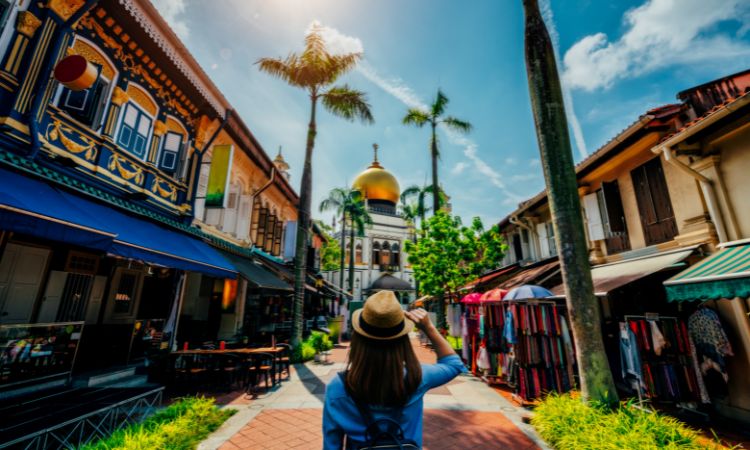
Despite its reputation as a dense metropolis, Hong Kong Island offers inviting beaches and coastal escapes, many within an hour of Central. Repulse Bay, one of the most renowned, features crescent-shaped sands framed by verdant hills and colonial-era buildings. Accessible by bus or taxi, it provides sunbathing, swimming, and beachside cafés. Nearby, Middle Bay and Deep Water Bay offer quieter alternatives, favored by locals seeking respite from crowds. Lifeguard services operate seasonally, and changing facilities make visits convenient. Sunset views here showcase the contrast of golden sands against high-rises across the harbour.Shek O, at the island’s southeastern tip, is a charming village accessible by minibus or taxi. Its sprawling beach is ideal for surfing or paddleboarding when swells permit, while the village’s casual eateries serve fresh seafood and local snacks. Accommodation options include guesthouses and hostels, enabling overnight stays to enjoy evening bonfires or stargazing away from city lights. Nearby trails, including the Dragon’s Back descent, connect hikers down to Shek O, making it a natural endpoint for an active day.Stanley, although technically on the southern shore reachable via bus or taxi, functions as a coastal retreat with a lively market, seaside promenade, and seafood restaurants overlooking the water. Afternoon strolls along the waterfront and visits to Murray House (heritage site) blend leisure with cultural interest. Ferries from Central occasionally operate to Stanley, offering scenic harbour views en route.For more secluded spots, guided boat tours can reach smaller bays and islets around the island, such as Po Toi Islands or Green Island, where snorkeling and marine life observations are possible. Scuba diving excursions depart from the southern harbour, exploring underwater ecosystems. Kayaking around Ap Lei Chau or Aberdeen’s harbour reveals hidden coves and local fishing operations. Safety briefings and equipment rentals are widely available, catering to beginners and experienced paddlers alike.Seasonal weather considerations are crucial: summer brings swimming season but also typhoon warnings; winter beach visits may be cooler but enjoy clearer skies. Checking local conditions and tide schedules ensures safe outings. Many beaches offer rental services for umbrellas and water sports gear, with prices in HKD convertible to British pounds for budgeting. These coastal escapes demonstrate Hong Kong Island’s unexpected seaside dimension, allowing travelers to balance city exploration with refreshing ocean experiences within easy reach.
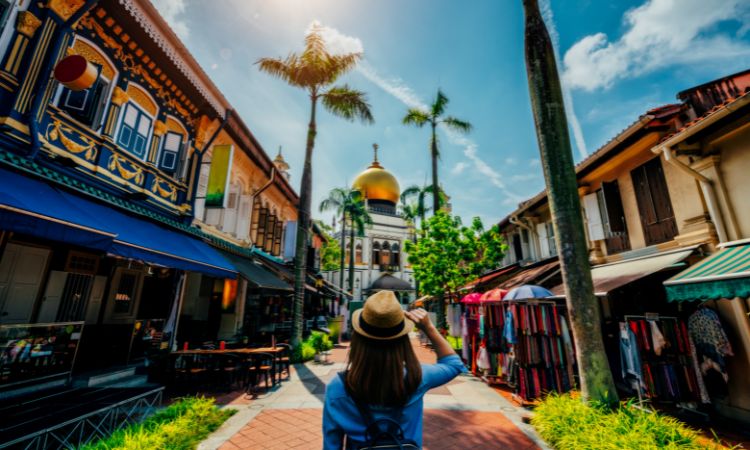
Hong Kong Island’s culinary tapestry shines at street food stalls and night markets, where flavors range from classic Cantonese bites to inventive modern twists. While some famous night markets lie in Kowloon (e.g., Temple Street), Hong Kong Island offers its own street-food highlights and evening bazaars easily reached via MTR or tram. In Wan Chai and Causeway Bay districts, pop-up stalls at night sell skewers, tofu pudding, and local desserts; exploring alleys reveals hidden gems favored by locals. These stalls often operate with modest setups: carts or temporary stands, requiring cash or Octopus card usage for small purchases.Seafood lovers can head to dai pai dongs (open-air food stalls) in areas like Central’s old quarters or Sham Shui Po (accessible by short transit); here, wok-tossed dishes showcase fresh ingredients—salt and pepper squid, stir-fried clams, or spicy crayfish. Portions are shareable, making street-food crawls sociable and cost-effective. Night markets on Hong Kong Island sometimes pop up during festivals or weekend events, featuring stalls selling local snacks like egg waffles, fish balls, and curry fishballs; sweet offerings include mango desserts and herbal jelly. Sampling these under neon-lit streets immerses travelers in local rhythms.For deeper dives, guided street-food tours in Sai Ying Pun or Sheung Wan lead to lesser-known shops serving specialties such as wonton noodles at small eateries, old-style cafes (“cha chaan tengs”) offering milk tea and pineapple buns, and peanut butter toast. These tours often include historical anecdotes tying dishes to community stories. Budgeting street-food crawls using British pounds: small bites often cost HK$10–30 (approx. £1–£4), while hearty noodle bowls may be HK$40–60 (£4–£6), allowing full meals under £10.Evenings at Temple Street in Kowloon are iconic, but Hong Kong Island visitors can experience smaller-scale night bazaars near Sheung Wan’s Hollywood Road or sidewalk fairs during festivals, selling souvenirs, accessories, and local handicrafts. Engaging in polite bargaining and sampling street snacks fosters authentic interactions. Safety is high, but being mindful of personal belongings in crowded spots is advised.Later-night delights include dessert shops open past midnight, serving tong sui (sweet soups) or egg tarts fresh from ovens. Pairing these with local milk tea at 24-hour cha chaan tengs provides a late-night local experience. Combining street-food hunts with visits to small bars or hidden speakeasies (pricing moderate to premium) creates a full evening of gastronomic adventure. These nocturnal culinary journeys on Hong Kong Island reveal the city’s zest for food culture, offering memorable tastes that reflect its multicultural heritage and inventive spirit.
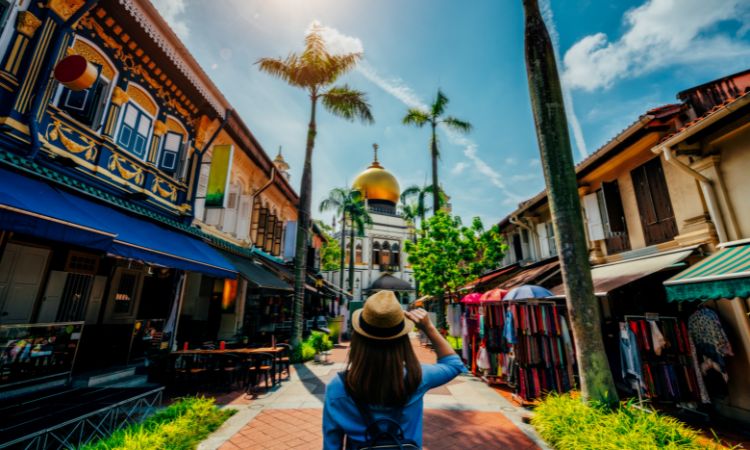
For travelers seeking refined culinary and cocktail experiences on Hong Kong Island, the options span acclaimed fine-dining establishments and sophisticated rooftop bars presenting panoramic city views. Central district hosts multiple Michelin-starred restaurants where chefs fuse Cantonese techniques with global influences; tasting menus here often range from HK$1,000–3,000 (approx. £100–£300) per person, offering immersive gastronomic journeys featuring premium seafood, seasonal produce, and artistic plating. Reservations recommended months in advance, especially during peak travel months (Oct–Dec).Rooftop bars, perched atop skyscrapers in Central or Admiralty, provide sweeping vistas of Victoria Harbour, Kowloon skyline, and the mountainous backdrop. Signature cocktails often incorporate local ingredients—lychee, chrysanthemum tea, or exotic botanicals—priced HK$150–250 (approx. £15–£25). Happy hour promotions and sharing plates (HK$100–200 / £10–£20) allow sampling without overspending. Venues adapt ambiance seasonally: cooler winter evenings invite outdoor terrace seating; summer nights offer indoor lounges with air conditioning. Dress codes tend to be smart-casual; some venues host themed events, live music, or DJ nights, blending socializing with fine tastes.Knowledgeable sommeliers guide wine pairings, often featuring premium selections from global regions; sake bars and whisky lounges also flourish, reflecting Hong Kong’s international palate. For fusion experiences, chef’s table offerings in hidden basements or private dining rooms merge local heritage dishes with modern techniques. Afternoon tea in luxury hotels provides an elegant daytime alternative, featuring delicate pastries with local twists (e.g., pineapple bun-inspired cakes) alongside traditional tea blends or creative infusions. Prices typically HK$300–500 (£30–£50).Accessibility: many venues accessible via MTR stations (Central, Admiralty), with clear signage in English and Cantonese. Some high-end restaurants offer scenic harbour views; others provide intimate urban panoramas. For those on a moderate budget, lunch set menus at fine-dining restaurants (HK$300–500 / £30–£50) allow tasting haute cuisine at lower cost. Seasonal festivals (Christmas, Chinese New Year) bring themed menus and festive décor, enhancing the experience.Safety and etiquette: reservations advised; tipping customs are modest but appreciated (service charge often included in bill). Dress smartly for upscale venues; arrival times aligned with sunset for rooftop bars maximize views. Combining a fine-dining dinner with a rooftop cocktail offers a memorable evening, highlighting Hong Kong Island’s blend of cosmopolitan flair and local character..
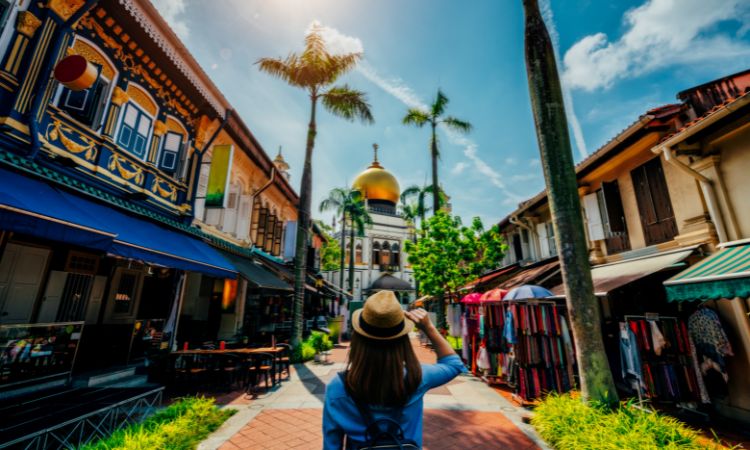
Hong Kong Island’s shopping landscape caters to luxury aficionados, tech enthusiasts, and bargain seekers alike. Central and Causeway Bay are epicenters of retail: IFC Mall and Landmark in Central house flagship stores of global luxury brands, while Times Square and Hysan Place in Causeway Bay offer mid-to-high-end fashion, beauty outlets, and tech stores. These malls feature year-round promotions and seasonal sales (e.g., Golden Week, Christmas), attracting both local and international shoppers. Tax-free policy enhances appeal, though prices are displayed in HKD; budgeting in British pounds (approximate conversion: £1 ≈ HK$10–11) helps plan expenditures.For tech and electronics, short trips to shop clusters in Causeway Bay or nearby Mong Kok (via quick MTR ride) provide latest gadgets at competitive prices. Jewelry districts in Central present gold, jade, and bespoke pieces; reputable shops offer authentication certificates, ensuring trust for high-value purchases. For fast fashion and local designers, PMQ in Central and boutique lanes in Sheung Wan showcase emerging Hong Kong designers, offering unique apparel, accessories, and homeware. These creative hubs often combine retail with galleries or workshops, allowing insight into craftsmanship.Street markets on Hong Kong Island include Graham Street Market (daily fresh produce and local snacks) and Stanley Market (weekend bazaar for souvenirs, artwork, and handicrafts) reachable by bus or taxi. Bargaining is part of the experience at markets, while malls operate fixed pricing. Specialty stores selling traditional Chinese medicine, teas, and dried seafood in Sheung Wan offer authentic goods; visitors can learn through guided visits how these items are sourced and used. For book lovers, island bookstores feature both English and Chinese selections; second-hand book markets occasionally pop up in community spaces.Entertainment complements shopping: integrated mall complexes often house cinemas, indoor activity centres, and themed cafes. After purchasing, travelers can relax at cafes or bars within malls, enjoying harbor views in waterfront complexes like Harbour City (accessible via short ferry to Kowloon) or rooftop terraces in Central. Facilities typically offer free Wi-Fi and comfortable seating for planning next destinations or sharing shopping finds online.Operating hours: most malls open 10:00–22:00; street markets vary (morning markets open early; night bazaars seasonal). Public transport accessibility and clear signage in English/Cantonese facilitate navigation. For duty-free purchases at departure, airport shops and e-shopping services allow deferred collection. Overall, Hong Kong Island’s shopping districts and malls blend luxury, local creativity, tech, and markets into a diverse retail tapestry that satisfies a wide spectrum of interests and budgets.
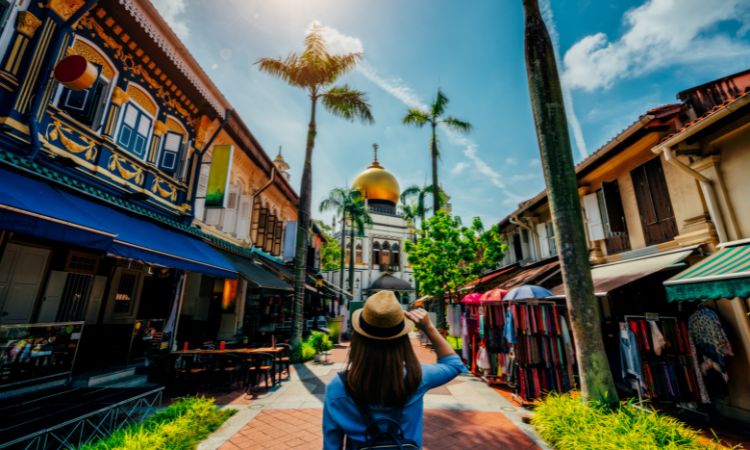
Once the sun sets, Hong Kong Island transforms into a playground of nightlife and entertainment, catering to varied tastes from laid-back lounges to high-energy clubs. Lan Kwai Fong and SoHo in Central are iconic nightlife districts: neon-lit streets lined with bars, pubs, and eateries attract international crowds. Early evenings often begin with happy hour promotions (drinks around HK$80–120 / £8–£12), then progress to live music venues or dance floors as the night deepens. Venues range from craft beer pubs and jazz bars to rooftop lounges offering panoramic harbour views, each with its distinct ambiance.For live performances, check schedules at venues such as Peel Fresco Music Lounge or The Wanch; local bands and international acts perform regularly. Comedy nights in English cater to expatriate communities and tourists. Karaoke lounges, popular among locals, offer private rooms for groups—a quintessential Hong Kong experience. Prices vary by location and time (midweek vs. weekend), with private karaoke rooms costing approximately HK$200–400 (£20–£40) per hour depending on group size and package.Club culture thrives in hidden basement venues and rooftop clubs; cover charges and drink minimums apply (e.g., HK$200–400 / £20–£40). International DJs frequently perform at major clubs in Central and Wan Chai, while themed party nights attract diverse crowds. Dress codes lean smart-casual; some exclusive venues enforce stricter attire policies. For a more relaxed evening, rooftop bars in Central or Admiralty offer cocktails with sweeping skyline views; live DJ sets or acoustic performances elevate ambiance.Cultural entertainment includes Cantonese opera performances at Xiqu Centre (reachable via short transit to West Kowloon) or local theatres hosting multilingual shows. Movie buffs can attend screenings at boutique cinemas showcasing independent or international films, often with English subtitles. Late-night dining options abound: from 24-hour cha chaan tengs serving milk tea and pineapple buns to upscale supper clubs offering tasting menus. Night markets in Sheung Wan occasionally feature street food stalls and artisanal crafts during festival seasons, blending shopping with evening leisure.Safety: Hong Kong Island is regarded as safe at night, though travelers should exercise standard precautions—keeping an eye on personal belongings and using licensed taxis or ride-hailing apps for late returns. Public transport such as MTR runs until around midnight; taxis and minibuses fill gaps thereafter. Many venues accept credit cards, though small bars may prefer cash or Octopus card for minor purchases. Checking event listings in advance ensures entry, as popular spots can fill quickly on weekends. Overall, Hong Kong Island’s nightlife and entertainment options offer memorable evenings that reflect the city’s cosmopolitan energy and local character.
No ads. No trails. No commitments


Alice Roses
London, England
51 ST MATTHIAS ROAD
NOTTINGHAM, NOTTINGHAMSHIRE
NG3 2HF
Hours: 8:00 - 17:00, Mon - Sat
support@johnsonholidays.com