 Dortmund Travel
Guide
Dortmund Travel
Guide
Paris is known around the world as the “capital of love,” and even if you don't understand the history of Paris at all

1 Hour
£2.60
Dortmund’s industrial past is not hidden but celebrated: former coal and steel sites have been transformed into museums, galleries, and cultural venues. Visitors can explore repurposed industrial architecture at places like the U-Tower’s Museum Ostwall, where contemporary art meets old brewery halls, or venture slightly beyond Dortmund to the UNESCO-listed Zeche Zollverein complex, offering guided tours and exhibitions on the Ruhr’s mining history. This blend of history and creativity provides a unique context: you witness how a city reimagines its legacy for modern life, offering enriching experiences for curious travelers who appreciate both authenticity and innovation.
Learn More
For football fans, Borussia Dortmund is a must-see: Signal Iduna Park, one of Europe’s largest stadiums, pulses with energy on matchdays. Even off-season, the German Football Museum immerses visitors in football heritage, with interactive exhibits and memorabilia tracing Germany’s storied football history. Beyond football, the city hosts sporting events, from local races in Westfalenpark to indoor and outdoor facilities for recreation. Embrace the local passion: join a guided stadium tour, pick up a match ticket if possible, or simply soak in the atmosphere at fan bars. Dortmund’s sporting culture showcases community pride and camaraderie, inviting visitors to share in the excitement of Europe’s football heartland.
Learn More
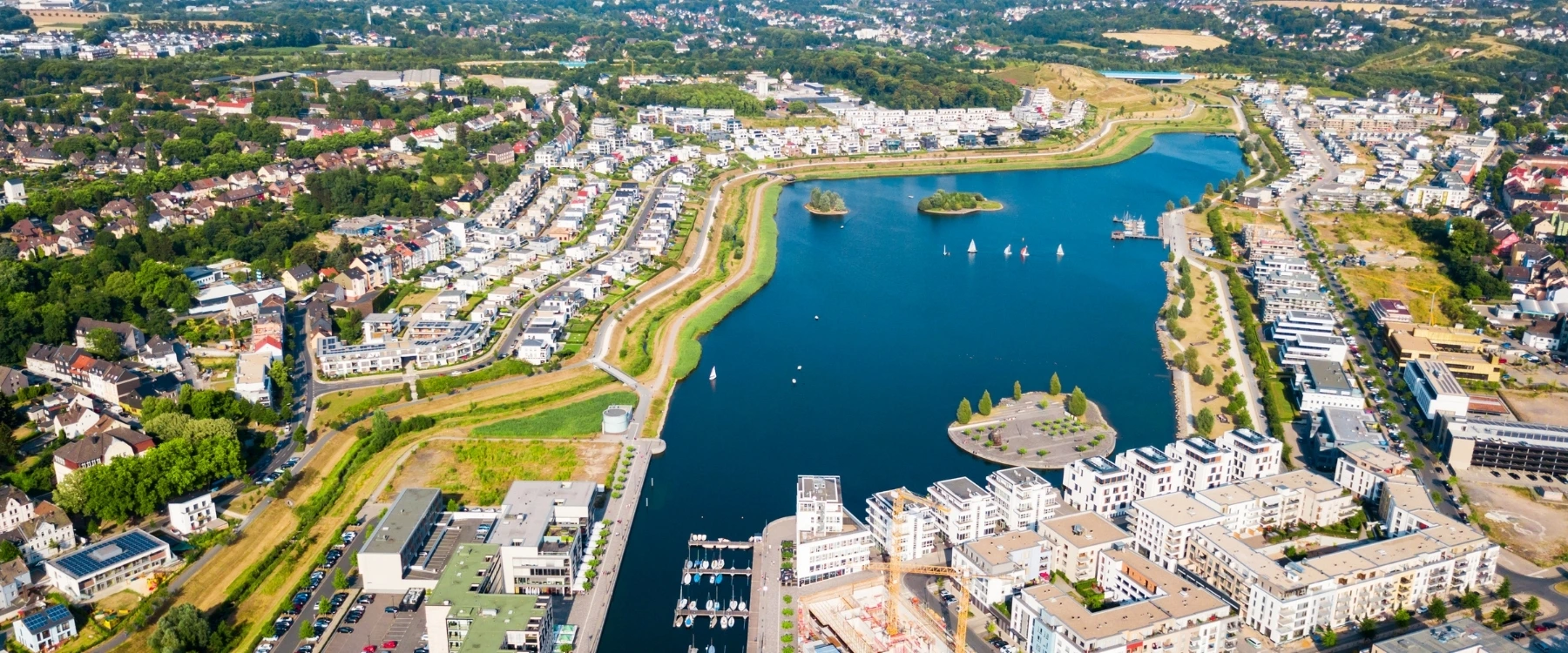
Despite its industrial roots, Dortmund offers abundant green respites. Westfalenpark spans wide lawns, themed gardens, and the iconic Florianturm, providing panoramic views of the city skyline and surrounding landscapes. Rombergpark Botanical Garden captivates with diverse plant collections, a tranquil lake, and shaded pathways ideal for leisurely strolls. Riverbanks and canals have been revitalized into waterfront promenades, perfect for cycling or walking. Seasonal events, such as summer open-air concerts and flea markets in park settings, combine outdoor enjoyment with cultural experiences. Nature enthusiasts can venture on day trips to nearby natural areas or enjoy urban hikes along the Emscher Valley Greenway, reflecting Dortmund’s commitment to sustainability and quality of life.
Learn More
Dortmund’s cultural landscape extends beyond industrial relics: theaters, music venues, and galleries host a diverse program year-round. The Konzerthaus showcases orchestral performances, while jazz aficionados gather at Domicil. Contemporary art exhibitions in repurposed industrial settings offer cutting-edge perspectives. Street art adorns certain neighborhoods, reflecting grassroots creativity. Historical architecture coexists with modern designs, visible in civic buildings and renovated warehouses. Cultural festivals—film, music, art—invite participation and reinforce Dortmund’s reputation as a creative hub in the Ruhr. Engaging in workshops, local tours, or performance evenings introduces travelers to the city’s artistic heartbeat, connecting them with local creatives and enriching their visit with authentic cultural exchange.
Learn More
Food in Dortmund mirrors its multicultural makeup: traditional German fare like hearty schnitzel and currywurst stands coexist with international restaurants reflecting immigrant communities. Brewery tours at Dortmunder Actien Brauerei offer insights into local beer heritage, while craft beer bars present modern twists. Markets such as Wochenmarkt Nordstadt showcase fresh local produce, cheeses, and artisanal products. Seasonal specialties and festival foods—ranging from grilled bratwurst at sporting events to sweet treats at Christmas Market—immerse visitors in local traditions. Dortmund’s dining scene caters to diverse tastes and budgets, from budget-friendly street eats to refined dining experiences, making it an appealing destination for food and drink enthusiasts seeking authentic flavors.
Learn More
Dortmund’s event calendar ensures there is always something happening: in summer, open-air concerts and music festivals enliven parks; autumn brings cultural weeks and art fairs; winter features one of Germany’s largest Christmas Markets, drawing millions with its towering natural Christmas tree and artisan stalls; spring sees flower festivals and local celebrations. Sporting events, trade fairs, and conventions attract international visitors. The city’s event infrastructure—modern venues, efficient transport, and welcoming hospitality—ensures smooth experiences. Timing your visit around a favorite festival or local celebration can deepen engagement with Dortmund’s community and traditions, providing memorable experiences beyond typical sightseeing.
Learn More
Lorem ipsum dolor, sit amet consectetur adipisicing elit. At illo adipisci iusto
From

Because more than 268 other customers have loved us too

Demonstrates commitment to user data security through encryption and secure payment practices
Learn More
Demonstrates commitment to user data security through encryption and secure payment practices
Learn More
Demonstrates commitment to user data security through encryption and secure payment practices
Learn More
Demonstrates commitment to user data security through encryption and secure payment practices
Learn More
Quality as judged by customers. Book at the ideal price!


/ person
/ person
/ person
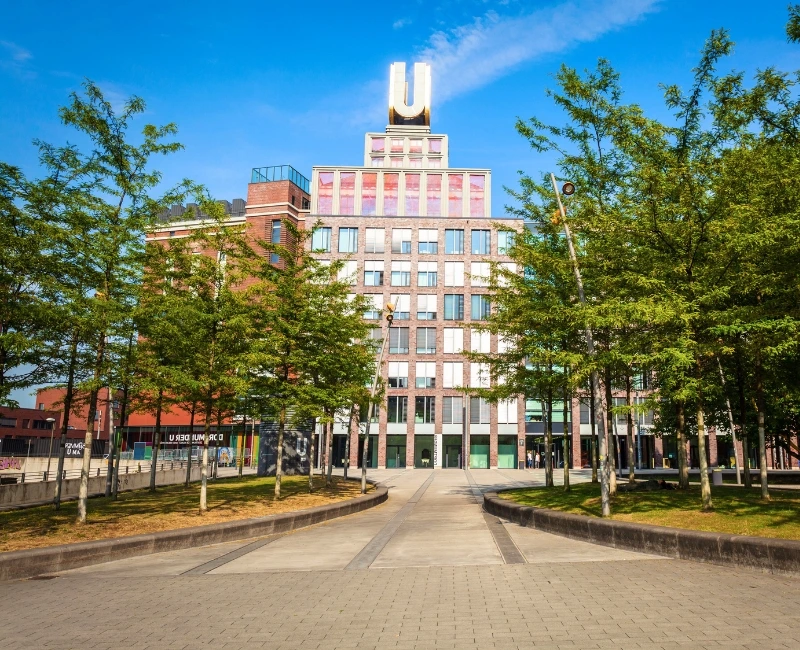
Dortmund’s cultural resurgence has given new life to its industrial heritage through a constellation of museums and galleries that fuse historical gravitas with contemporary creative vision. The centerpiece is the U‑Tower, once the Dortmunder Union Brewery’s grain silo, now home to the Museum Ostwall. Here, you’ll encounter rotating exhibitions of modern and contemporary art that traverse painting, sculpture, video installations, and immersive multimedia. Large‑scale works by both local talents and international figures coexist with site‑specific projects that respond directly to the U‑Tower’s raw concrete spaces. Interactive pieces invite you to shape the narrative, whether by contributing a voice‑recorded reflection or manipulating projected imagery.Just across the square lies the German Football Museum, a shrine to the sport that unites the nation. Spread over multiple floors, its exhibits blend rare memorabilia—historic jerseys, boots worn by legends, and original match tickets—with cutting‑edge technology. A panoramic “stadium bowl” envelopes you in a 360° audiovisual reenactment of pivotal matches. Touchscreen kiosks let you build your fantasy team or compare player statistics across eras. For families, a dedicated children’s gallery offers mini‑Goalkeeper Challenges and storytelling sessions about football’s social impact.History aficionados should not miss the Dortmund City Museum, located in a former brewery building. Exhibits chronicle the city’s trajectory from medieval Hanseatic port to 19th‑century steelmaking behemoth, through wartime devastation and, finally, to its present‑day role as a creative hub. Artifacts range from authentic guild records and merchant ledgers to salvaged blast‑furnace components. Oral‑history stations play interviews with former miners and factory workers, giving voice to the individuals who powered Dortmund’s prosperity.For design devotees, the Westphalian Design Archive presents rotating exhibitions of regional furniture, lighting, and industrial artifacts. Its collections span Jugendstil elegance to post‑war functionalism, highlighting local workshops that influenced German design at large. Temporary programs often juxtapose historical pieces with contemporary reinterpretations by emerging designers.Beyond these institutional highlights, Dortmund’s cultural fabric is woven through independent galleries in neighborhoods like Kreuzviertel, where converted warehouses and former factories showcase experimental art forms—light art, performance, and ceramics. Regular Open Studio weekends invite direct engagement with artists, while Street Art Tours lead you through urban canvases painted by local muralists. Annual events such as Museumsnacht extend opening hours into the nocturnal realm, pairing exhibitions with live performances, pop‑up lectures, and rooftop receptions.Immersing yourself in Dortmund’s museums and galleries offers more than static viewing—it reveals the city’s ongoing dialogue between past and present, industry and imagination. Whether you arrive for a blockbuster exhibition or a grassroots art walk, you’ll discover a metropolis that cherishes its history while boldly charting its creative future.
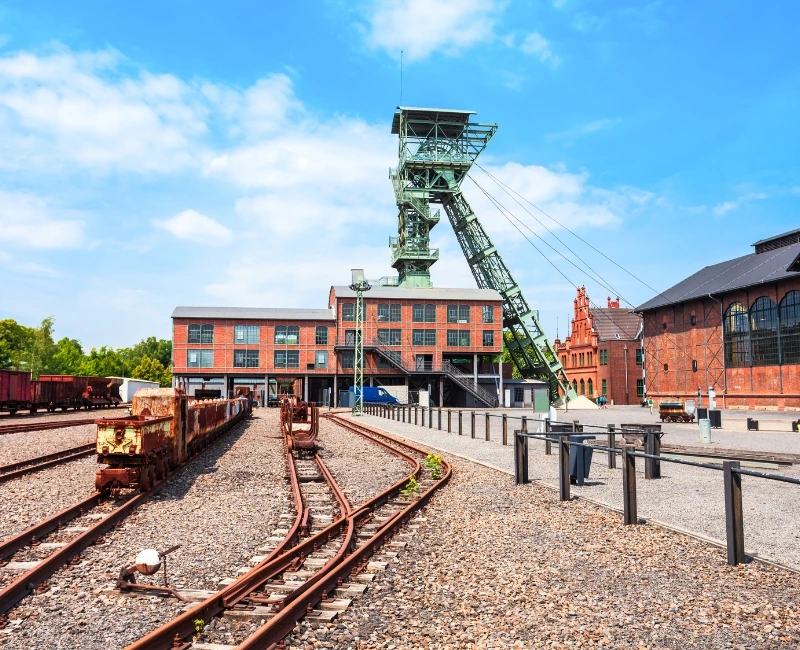
Dortmund’s built environment reads like a layered manuscript of European history, blending medieval vestiges with industrial-era behemoths and contemporary architectural statements. In the heart of the Altstadt, St. Reinoldi Church stands as both spiritual beacon and historical testament. Its origins date to the 13th century; after suffering wartime bombings, it rose anew in the 1950s. Inside, intricate stained‑glass windows depict biblical scenes alongside memorials to local figures, while the soaring spire offers panoramic city views from its viewing platform. The adjacent Reinoldikirche square pulses with life: outdoor cafés spill onto cobblestones, and periodic artisan markets breathe communal warmth into this centuries‑old hub.A short stroll brings you to the Altes Stadthaus and reconstructed merchant houses lining the historic market square. These structures evoke Dortmund’s membership in the Hanseatic League, when trade linked the city to ports across the Baltic and North Seas. Façades adorned with ornate gables recall Gothic and Renaissance influences, while interior exhibits trace medieval guild rituals, weighing scales, and ledgers.Contrast arrives in the form of the U‑Tower’s sleek glass-and-steel skin, which now crowns the former brewery silo as a beacon of cultural reinvention. Its façade—lit by programmable LED panels—transforms nightly, projecting digital art and civic messages. Inside, the Museum Ostwall occupies raw, cavernous floors, marrying industrial heritage with avant‑garde exhibitions.For an expansive dive into industrial heritage, take a regional train to Zeche Zollern or Zollverein in Essen—both UNESCO World Heritage Sites. Their coal wash towers and winding gear stand as monumental testaments to early 20th‑century engineering. Today, these complexes house museums of architecture and design, event halls, and innovation centers that champion adaptive reuse and sustainable retrofitting.Back in Dortmund, guided Architectural Walks trace the city’s evolution: medieval ramparts partially integrated into street layouts; 19th‑century factories whose brickwork now shelters loft-style offices; and post‑war civic buildings like the Stadthaus Dortmund, reflecting 1950s optimism through clean lines and open plazas. Public art installations—kinetic sculptures in plazas, interactive light columns along promenades—animate these architectural narratives, transforming everyday spaces into dialogues between form and function.For sweeping bird’s-eye perspectives, ascend the Florianturm in Westfalenpark. From its viewing deck, you can survey rivers, green belts, and urban blocks, noting how Dortmund’s planners have interlaced nature corridors—such as the Emscher Valley Greenway—with residential and commercial zones to foster sustainable urban living.Whether exploring ruins, repurposed factories, or modern civic icons, Dortmund’s architectural landmarks offer a comprehensive tapestry of resilience and ingenuity. Each stone, steel beam, and glass panel reveals a chapter in the city’s story—one defined by trade, industry, conflict, and ultimately, forward‑thinking renewal.
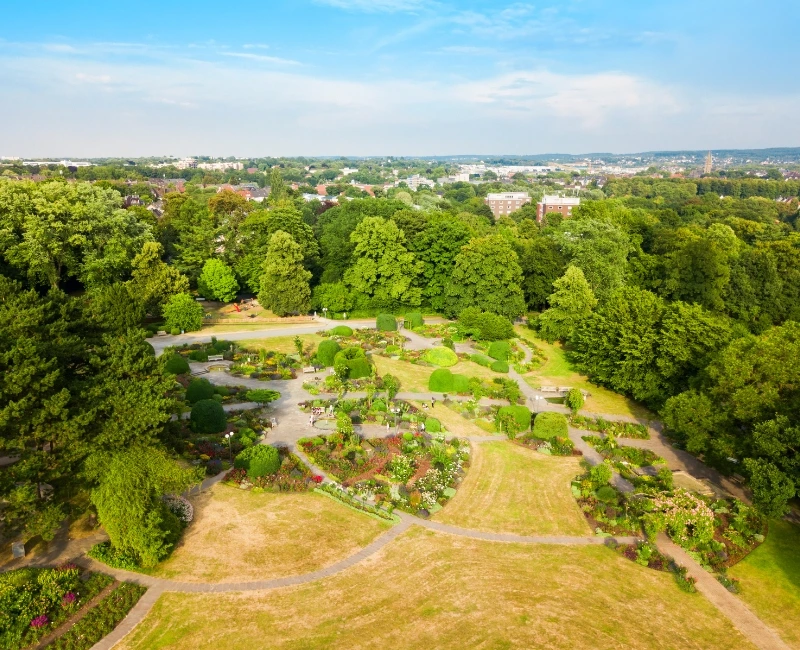
Westfalenpark reigns as Dortmund’s premier urban retreat, where expansive lawns, themed gardens, and architectural marvels converge to offer both relaxation and panoramic discovery. Spanning over 70 hectares, the park’s centerpiece is the Florianturm, a 220‑meter telecommunications tower with an observation deck and rotating restaurant providing 360° vistas of Dortmund’s skyline, the Ruhr’s industrial valleys, and verdant outskirts. Beneath its shadow, the German Rosarium captivates with more than 3,000 rose varieties arrayed in color‑coordinated beds—an annual highlight during summer’s peak bloom.Leisurely promenades along winding pathways reveal secluded ponds, fountains, and open‑air stages where seasonal festivals—jazz concerts, horticultural exhibits, and cultural performances—fill the air with music and laughter. The restored event pavilion—a sweeping canopy of tensile architecture—hosts experimental theatre, dance recitals, and digital art installations, exemplifying Westfalenpark’s commitment to merging nature with the avant‑garde.Cyclists follow marked trails that thread through wooded groves and manicured meadows, linking with the broader Ruhr Cycle Network, ideal for day trips out of the city. Parents and children gather at the playgrounds and picnic grounds, while the park’s lake offers pedal‑boat rentals and lakeside cafés serving light fare. Frequent open‑air cinemas under the stars entice film buffs, and summer markets showcase local crafts, fresh produce, and gourmet street food.Adjacent stands the Rombergpark Botanical Garden, one of Europe’s largest and oldest botanical collections. Here, thematic enclaves—tropical greenhouses, subtropical glasshouses, fern houses, and an arboretum—invite deep exploration. Conservation zones protect rare and endangered species, and guided tours educate visitors about biodiversity, climate change impacts, and the importance of plant preservation. Admission is free, encouraging repeated visits to observe seasonal transformations: tulip bursts in spring, exotic orchids in early summer, and vibrant autumn foliage.Beyond these anchors, Dortmund’s urban fabric features a mosaic of pocket parks and riverside promenades along the Emscher Canal, where reclamation projects have replaced polluted industrial waterways with green corridors. Community allotments and guerrilla gardens crop up in once‑vacant lots, offering hands‑on horticultural experiences. Birdwatchers stroll along restored riverbanks where kingfishers, herons, and native songbirds reclaim habitat.Throughout the year, seasonal celebrations mark nature’s cycles—spring flower festivals, midsummer solstice gatherings, autumn foliage walks, and winter light displays. Fitness enthusiasts partake in outdoor yoga classes on the lawns, while running clubs weave circuits beneath canopy‑lined avenues. For travelers seeking restorative respite, environmental programming—from guided mindfulness walks to tree‑planting volunteer days—offers deeper connections to Dortmund’s green ethos.By embracing its parks, botanical havens, and rehabilitated waterways, Dortmund exemplifies a post‑industrial metropolis that places nature and well‑being at its core, crafting restorative urban experiences that refresh body and mind alike.
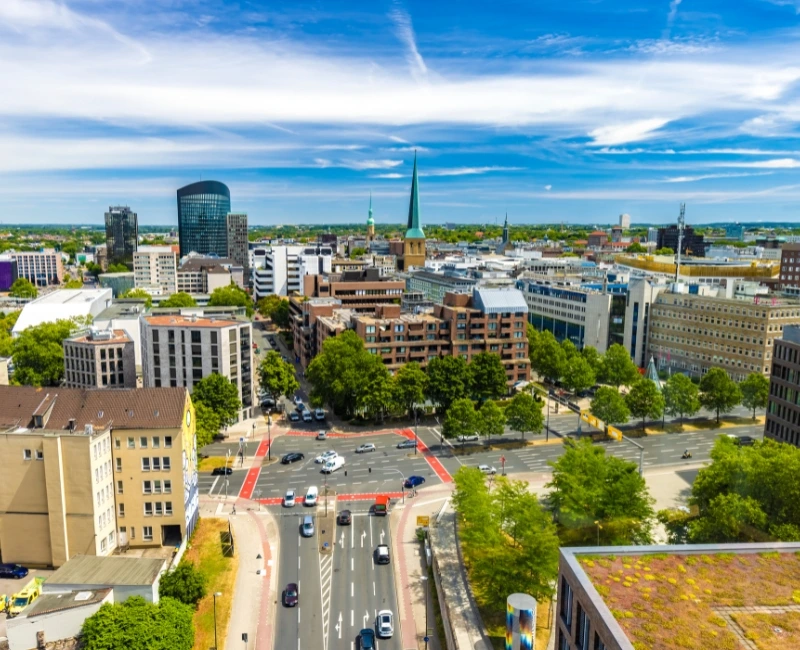
Dortmund’s central position in the Rhine‑Ruhr metropolitan region provides unparalleled access to a diversity of day‑trip destinations—ranging from historic cityscapes and UNESCO‑listed industrial complexes to pastoral countryside and grand baroque estates. The city’s Hauptbahnhof offers frequent regional express (RE) trains that whisk you to neighboring urban centers in under an hour.Head west to Essen to explore the Zollverein Coal Mine Industrial Complex, a UNESCO World Heritage Site celebrated as an architectural masterpiece of modern industrialism. The coal wash towers and winding gear have been impeccably preserved, now housing the Red Dot Design Museum and Ruhr Museum, where interactive exhibits and multimedia presentations narrate the region’s mining heritage and subsequent transition to a creative economy. Guided tours delve into the preserved machinery, offering rare insights into miners’ lives.Travel south to Düsseldorf, celebrated for its sleek MedienHafen district—where Gehry‑designed buildings flank the Rhine promenade—and the historic Altstadt, nicknamed “the longest bar in the world” thanks to its dense concentration of pubs. Sample local Altbier brews in centuries‑old breweries, stroll along the riverfront, and admire avant‑garde art installations scattered throughout the docks.Eastward, the picturesque university city of Münster enchants with its medieval Prinzipalmarkt—a vaulted arcade of gabled houses—and the monumental St. Paul’s Cathedral. Rent a bike to join the locals on bike‑friendly streets, or cruise the Aasee lake by paddleboat. The city’s well‑preserved fortifications and cobblestone lanes echo its Hanseatic past.For castle aficionados, the Westphalian Open-Air Museum in Hagen reconstructs rural life with historic farmhouses, workshops, and presentations of folk crafts. Or visit Burg Altena, perched on a rocky promontory above the Lenne River; its reconstructed medieval keep houses the world’s first youth hostel and offers awe‑inspiring valley views.Nature lovers can follow the RuhrtalRadweg, a cycling route paralleling the Ruhr River, weaving past meadows, forests, and revitalized riverbanks. E‑bike rentals make the 230‑km trail accessible in sections, with charming villages like Hattingen and Witten offering riverside cafés and art galleries.No matter where you roam—industrial landmarks in Essen, baroque splendor in Münster, or pastoral valleys along the Ruhr—you’ll return to Dortmund enriched by the Rhine‑Ruhr region’s tapestry of history, culture, and ecological renewal. Regional transport passes and coordinated train schedules make these day trips seamless, allowing you to sample multiple locales in a single holiday.
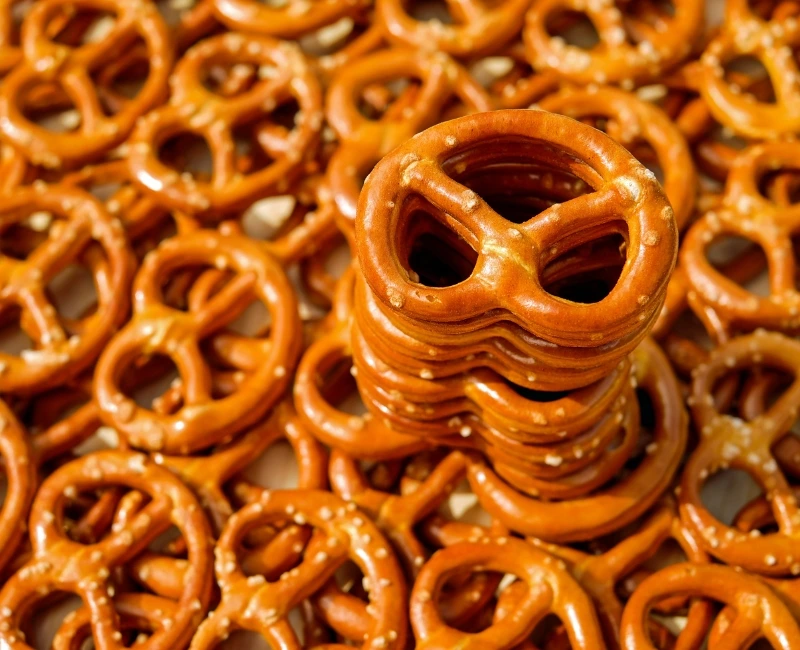
Dortmund’s food scene artfully melds hearty Westphalian traditions with global flavors, offering a culinary exploration that mirrors the city’s multicultural makeup. Start your morning at one of the city’s bustling Wochenmärkte—weekly farmers’ markets such as the Nordmarkt in Nordstadt or Märkischer Turm—where vibrant stalls display seasonal produce: juicy apples, plump berries, artisanal cheeses, and charcuterie crafted by local butchers. Pick up freshly baked Krupp’s pretzels or a slice of Streuselkuchen before moving on to the next market discovery.For an iconic street‑food experience, seek out Currywurst stands, where thick slices of bratwurst bathe in a tangy, paprika‑infused sauce. Pair your wurst with crisp Pommes Schranke—fries topped with curry sauce and mayonnaise—to complete this quintessential German snack. Bakeries beckon with an array of breads: dense Pumpernickel, seeded Vollkornbrot, and flaky Brötchen served fresh each morning.When hunger calls for a sit‑down meal, neighborhood Gaststätten serve Westphalian classics: Sauerbraten, a marinated beef roast simmered in a sweet‑sour sauce and accompanied by red cabbage and potato dumplings; and Westfälischer Pfefferpotthast, peppery beef stew originally prepared for traveling merchants. Wash these down with a pint of local Dortmunder Export—a smooth, pale lager once brewed for export markets—or explore innovative craft breweries like Mälzerei Stöckert, which experiment with IPAs and fruit‑infused ales.International flavors abound in districts such as Kreuzviertel and Borsigplatz, where Turkish Döner Kebabs, Balkan Ćevapi, and Asian fusion restaurants line pedestrian streets. Vegan and vegetarian eateries—like Go Pure—demonstrate Dortmund’s commitment to sustainable, plant‑based dining, sourcing produce from regional organic farms.For an elevated evening, reserve a table at one of Dortmund’s fine‑dining establishments, where chefs reinterpret local ingredients—cider‑braised pork belly, elderflower‑infused sorbets, or rhubarb crumble with artisanal ice cream—in tasting menus that spotlight seasonal produce.Dortmund also embraces culinary education: cooking workshops teach how to prepare Westphalian specialties, from preserving pickled vegetables to baking traditional cakes, often hosted in historic brewery halls. Food festivals, such as the Street Food Event Dortmund, showcase a rotating roster of vendors serving everything from gourmet tacos to artisanal chocolates.No culinary tour is complete without exploring Dortmund by night. Late‑night snack stands appear near club districts, offering sausages, pizza slices, and döner wraps to fuel nocturnal revelers. Meanwhile, wine bars and cocktail lounges in the city center craft inventive tipples using local spirits—herbal liqueurs distilled from forest botanicals—and seasonal fruit infusions.Whether you’re rummaging through market stalls at dawn, sampling robust stews in a cozy tavern, or sipping a craft brew in a repurposed industrial loft, Dortmund’s food and market scene invites you to taste the region’s heritage and innovation—one flavorful bite at a time.
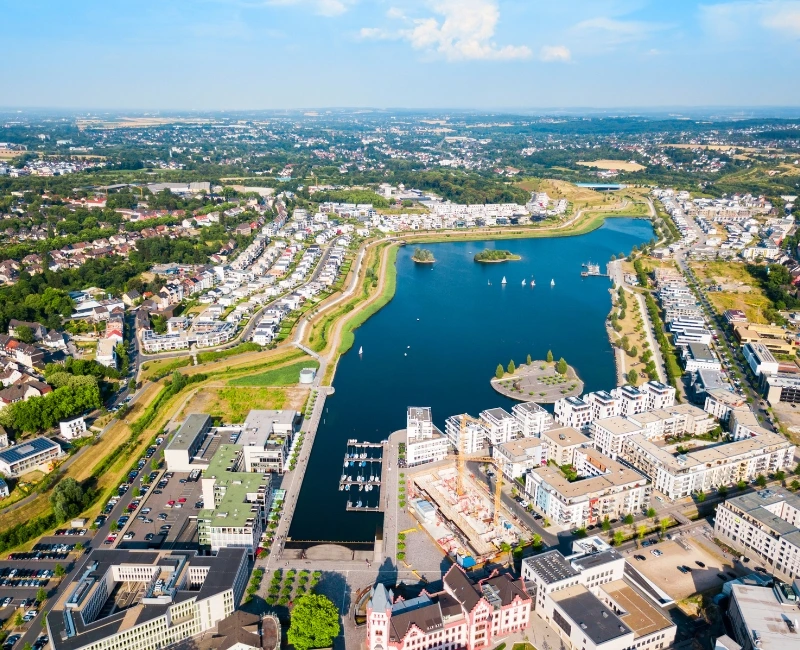
As dusk settles over Dortmund, the city’s nightlife ignites across a spectrum of venues—each offering a distinctive flavor of after‑dark entertainment. Signal Iduna Park, home to Borussia Dortmund, becomes a focal point on matchdays, when fans gather in pulsating fan zones brimming with merchandise stalls, beer gardens, and live DJ sets before cheering beneath floodlights. Even if you’re not a football devotee, the communal energy is infectious.For live music aficionados, Domicil Jazz Club stages nightly performances by local and international jazz ensembles in an intimate setting. Adjacent neighborhoods like Friedrich-Wilhelms-Hütte and Unionviertel boast underground venues where electronic music thrives—dark techno clubs and warehouse parties fuel all‑night dancing, punctuated by pop‑up art installations and immersive light shows.Yet Dortmund’s evening culture extends far beyond beats. The Konzerthaus Dortmund presents world‑class classical concerts and contemporary ensembles in a Bauhaus‑inspired acoustic hall, while Schauspiel Dortmund stages provocative theater productions ranging from modern dramas to multimedia experimental pieces. During summer, open‑air stages in Westfalenpark host opera nights, ballet performances, and international music festivals like Juicy Beats, which transforms green lawns into techno hotspots.Bar culture in Dortmund mirrors its diversity. Cocktail lounges in the city center craft inventive drinks that celebrate regional spirits—think gins infused with foraged forest herbs or liqueurs distilled from elderberries. Wine bars pair German Rieslings and Spätburgunders with small plates of cheese and charcuterie. For a more casual vibe, brewpubs like Kolpinghaus Dortmund offer flights of locally brewed lagers and ales alongside hearty pub fare.Street festivals further enliven the calendar: Sommeranjangsmarktplatz transforms historic squares into carnival‑like gatherings, with food stalls, artisan markets, and pop‑up stages hosting local bands. Seasonal light trails weave through parks in winter, guiding visitors past illuminated sculptures and hot‑chocolate stands, while Spring Sounds festivals amplify the city’s rejuvenation after dark.Late‑night munchies are readily available from vendors lining busy streets—expect currywursts, burgers, and late‑night döner shops ready to fuel revelers until dawn. Dortmund’s U‑Pass Night program ensures public transport runs deep into the night, making it easy to navigate between districts safely; ride‑shares and taxis supplement service.Whether you’re drawn to live jazz, symphony orchestras, techno raves, or simply a cozy bar to unwind, Dortmund’s entertainment scene delivers a rich mosaic of experiences. Its inclusive ethos—where cultural institutions, fringe scenes, and sports fandom converge—ensures every night holds the promise of discovery and communal joy..
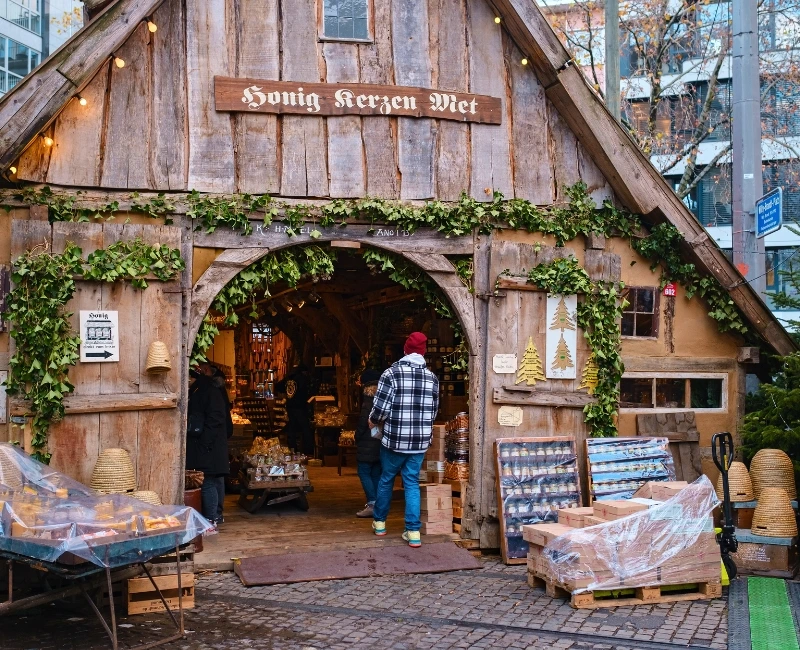
Dortmund’s event calendar unfolds like a tapestry of local tradition and contemporary flair, offering visitors immersive experiences year‑round. In late November through December, the city transforms into a winter wonderland for the Dortmund Christmas Market. Centered around a towering natural fir tree in the Markt square, the market sprawls across multiple plazas. Over 300 wooden stalls glow with festive lights, selling handcrafted ornaments, woolen goods, and regional delicacies such as Reibekuchen (potato pancakes) drizzled with apple compote. Sipping Glühwein from collectible mugs, you’ll wander beneath illuminated arches, catch daily nativity reenactments, and listen to choral performances in nearby churches.As winter fades, Easter markets appear in spring, festooned with pastel‑colored eggs, flower crowns, and artisanal chocolates. Rosenmontag carnival events—complete with parades, costumed revelers, and brass bands—lighten the mood before Lent. Spring beckons horticultural enthusiasts to the Westfalenpark Flower Festival, where floral sculptures, gardening workshops, and marketplace booths entice both amateurs and professionals.Summer in Dortmund means open‑air concert series in Westfalenpark and along the Emscherlandschaft promenades. The Juicy Beats festival draws electronic‑music crowds, converting green lawns into EDM arenas with international DJ lineups. Concurrently, the Ruhr Sommer program offers classical music recitals in historic venues. Street Food Festivals pop up around Sonnenplatz, inviting foodies to sample global cuisines in a casual, picnic‑style atmosphere.Autumn harvest fairs celebrate local agriculture: Kürbisfest (pumpkin festival) showcases creative pumpkin carving, cooking demonstrations, and children’s games. Artisans’ Markets in Kreuzviertel highlight leather goods, ceramics, and handmade jewelry, often set against leafy streets ablaze in fall color.Sports fans converge in summer and winter for football tournaments, marathon runs, and cycling races threading through the city. Signal Iduna Park hosts international friendlies as well as Bundesliga showdowns—matchday fan zones buzz with pregame entertainment.Beyond the highlights, Dortmund’s smaller, neighborhood‑focused events—Nacht der Industriekultur (Night of Industrial Culture) where factories open their gates for guided tours and light projections, and RuhrtalRadweg Bike Carnival—embed you in local rhythms. Pop‑up art shows, film screenings at historical cinemas, and charity runs round out a calendar so full you can tailor your trip to thematic passions.Attending these seasonal festivals and markets offers more than entertainment; it immerses you in civic spirit, connecting you with residents in communal celebrations that blend heritage, creativity, and modern fun—making every visit to Dortmund a uniquely timed, unforgettable experience.
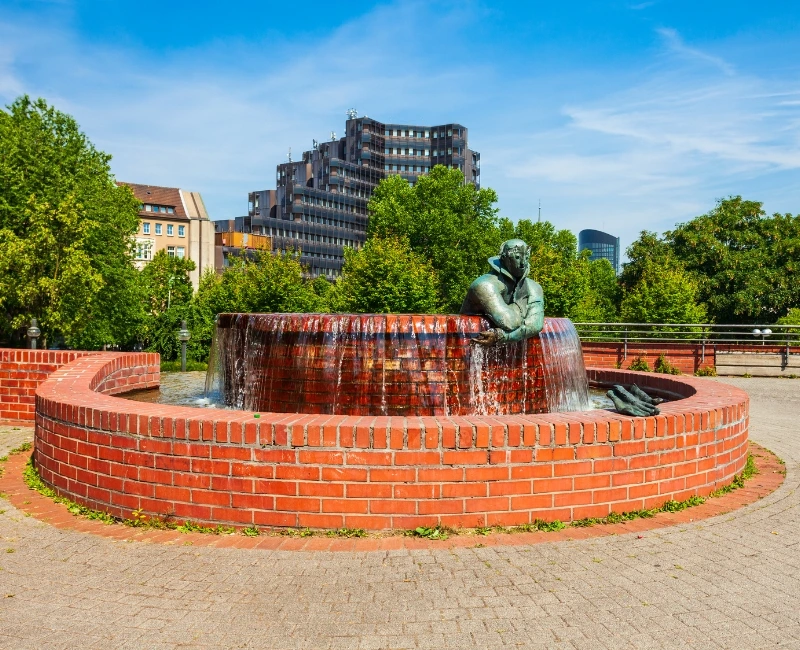
To uncover Dortmund’s hidden facets, venture beyond conventional sightseeing into curated experiences and local‑insider activities that reveal the city’s vibrant personality. Begin with a Street Art Tour in Nordstadt, where urban artists have transformed former industrial walls into sprawling murals. Guided by community activists, you’ll learn the social and political narratives behind each piece—from vibrant tributes to migrant communities to provocative installations addressing ecological concerns.For a taste of Dortmund’s brewing heritage, book a Craft Brewery Workshop at a microbrewery like Mälzerei Stöckert. Under the guidance of a master brewer, you’ll explore the malting, mashing, and hopping processes, sample experimental batches, and design your own small‑batch brew to take home in personalized bottles.Sports enthusiasts should not miss a behind‑the‑scenes tour of Signal Iduna Park, home to Borussia Dortmund. Walk through the players’ tunnel to the dugout, stand pitch‑side to feel the roar of 80,000 fans, and explore the trophy room’s hallowed displays. If you time it right, you may even catch a training session or meet youth‑team prospects backstage.Nature and sustainability buffs can join an Emscher Landscape Park Eco‑Walk, where environmental guides detail the transformation of polluted industrial waterways into thriving green corridors. You’ll visit restored wetlands that filter water, reclaimed canal paths now popular with cyclists, and floating wetlands that host migratory birds—illustrating the Ruhr area’s ecological revival.Culinary insiders recommend enrolling in a Westphalian Cooking Class, offered by local chefs in a historic brewery hall. Learn to prepare regional specialties such as Pfefferpotthast (peppery beef stew) and Westfälischer Knochenschinken (smoked ham), paired with tastings of Dortmunder Export and local ciders.Art lovers can attend Artist Talks at the U‑Tower, where curators and creators discuss the inspirations behind current exhibitions. Small‑group sessions allow direct dialogue and hands‑on experimentation with mixed media or digital art tools.Active travelers will relish renting a bike to tackle stretches of the RuhrtalRadweg, stopping at small towns like Witten or Hattingen. Pop into family‑run cafés for home‑baked cakes, or browse galleries hosting local photographers, all set against riverside backdrops.In the evening, uncover Hidden Cocktail Bars—speakeasy‑style lounges tucked behind unmarked doors. Sip craft cocktails infused with locally foraged botanicals or Ruhr valley schnapps, while DJs spin vinyl in candlelit rooms.For a final insider tip, check local tourist‑office bulletins for pop‑up events—from moonlit photography walks capturing illuminated industrial relics to community gardening days in urban allotments. Volunteering alongside residents not only offers a sense of place but also contributes to Dortmund’s ongoing regeneration.These unique experiences and insider recommendations ensure your Dortmund visit transcends the usual attractions, weaving you into the city’s cultural fabric, ecological renewal, and communal spirit for an authentically memorable journey.
No ads. No trails. No commitments


Alice Roses
London, England
51 ST MATTHIAS ROAD
NOTTINGHAM, NOTTINGHAMSHIRE
NG3 2HF
Hours: 8:00 - 17:00, Mon - Sat
support@johnsonholidays.com