 England Travel
Guide
England Travel
Guide
Paris is known around the world as the “capital of love,” and even if you don't understand the history of Paris at all

7.5 Hours
£4.00
England’s history spans millennia, from prehistoric sites to Roman ruins, medieval castles, Tudor palaces and Georgian architecture. Every region tells a story: walk the battlements of Warwick Castle, explore the grandeur of Bath’s Roman Baths and Georgian crescents, or reflect at Canterbury Cathedral—England’s ecclesiastical heart. Heritage trails guide you through centuries, with informative exhibitions and engaging guided tours bringing the past to life. For history enthusiasts, England is a treasure trove: explore UNESCO World Heritage Sites, preserved stately homes, and archaeological discoveries. The continuity of heritage, seamlessly integrated into modern life, makes England ideal for travellers seeking depth and context.
Learn More
From the rugged coastline of Cornwall and Dorset to the rolling hills of the Cotswolds, the wild moors of Yorkshire and the serene peaks of the Lake District, England’s landscapes are remarkably varied. National parks and Areas of Outstanding Natural Beauty offer scenic drives, walking routes, cycling trails and wildlife-watching opportunities. Coastal paths lead to dramatic cliffs and sandy bays, while inland waterways and reservoirs invite boating and fishing. Seasonal changes bring new vistas—spring blossoms, summer meadows, autumnal hues and crisp winter mornings. Whether you crave active exploration or quiet reflection in nature, England’s landscapes deliver diversity within reachable distances.
Learn More
England’s cultural scene is vibrant: West End theatre in London dazzles with musicals and plays, regional theatres showcase emerging talent, and festivals celebrate literature, music, film and art across the country. Galleries host masterpieces from the National Gallery to contemporary exhibitions. Music festivals range from major events to intimate folk gatherings. Literary pilgrims visit the haunts of Shakespeare in Stratford-upon-Avon or Jane Austen’s Bath. Museums cover art, science, maritime history and more. Culinary creativity thrives in city restaurants and rural gastropubs alike. This cultural tapestry ensures that regardless of your interests—be it fine art, live performance, or local crafts—England offers enriching experiences.
Learn More
England benefits from an extensive transport network: high-speed rail links London with major cities; intercity trains connect regions; motorways and scenic roads allow self-drive exploration. International airports serve global destinations, while domestic flights connect northern and southern regions quickly. Efficient coaches and local buses reach rural areas. Cycling routes and walking trails provide low-impact travel options. Public transport cards and advance booking save money. Accessibility features support travellers with mobility needs. The well-developed infrastructure allows you to optimize your itinerary, combining city breaks with countryside retreats, and ensures smooth transitions between varied experiences.
Learn More
England’s food scene has evolved beyond classic pub fare to innovative dining experiences. Regional specialties—Cornish pasties, Yorkshire puddings, Cotswold cheese, Somerset cider, Devon cream teas—reflect local produce and traditions. Farmers’ markets and artisan food halls showcase seasonal ingredients, while top restaurants reinterpret British cuisine with global influences. Pubs offer hearty comfort food paired with local ales, and craft breweries abound. Afternoon tea experiences range from traditional to contemporary. Food festivals celebrate harvests and culinary innovation. For food lovers, England offers an engaging journey through flavours, traditions and modern creativity.
Learn More
England is generally safe and tourist-friendly, with reliable public services and healthcare systems. English as the primary language simplifies communication for many international visitors. Tourist information centres, helpful signage and digital resources assist with planning. Local communities welcome visitors, offering authentic experiences—from friendly village pubs to guided local walks. Family-friendly facilities and accessible attractions cater to all ages and abilities. This combination of safety, hospitality and ease of communication ensures peace of mind, allowing you to focus on enjoying your holiday.
Learn More
Lorem ipsum dolor, sit amet consectetur adipisicing elit. At illo adipisci iusto
From

Because more than 268 other customers have loved us too

Demonstrates commitment to user data security through encryption and secure payment practices
Learn More
Demonstrates commitment to user data security through encryption and secure payment practices
Learn More
Demonstrates commitment to user data security through encryption and secure payment practices
Learn More
Demonstrates commitment to user data security through encryption and secure payment practices
Learn More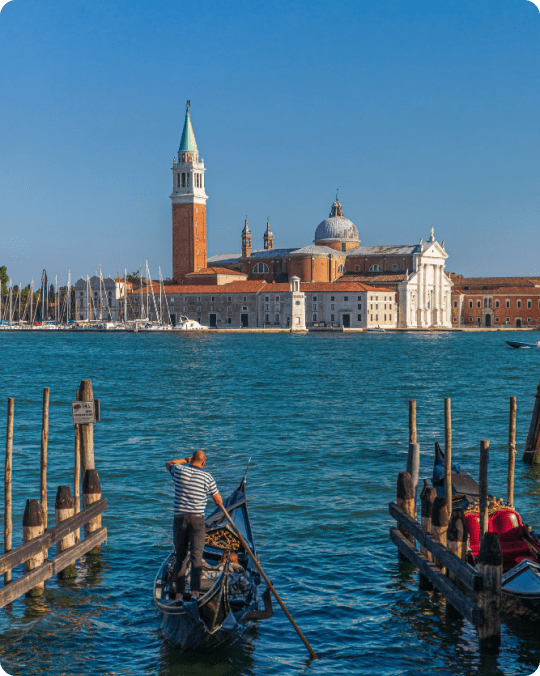
Quality as judged by customers. Book at the ideal price!


/ person
/ person
/ person
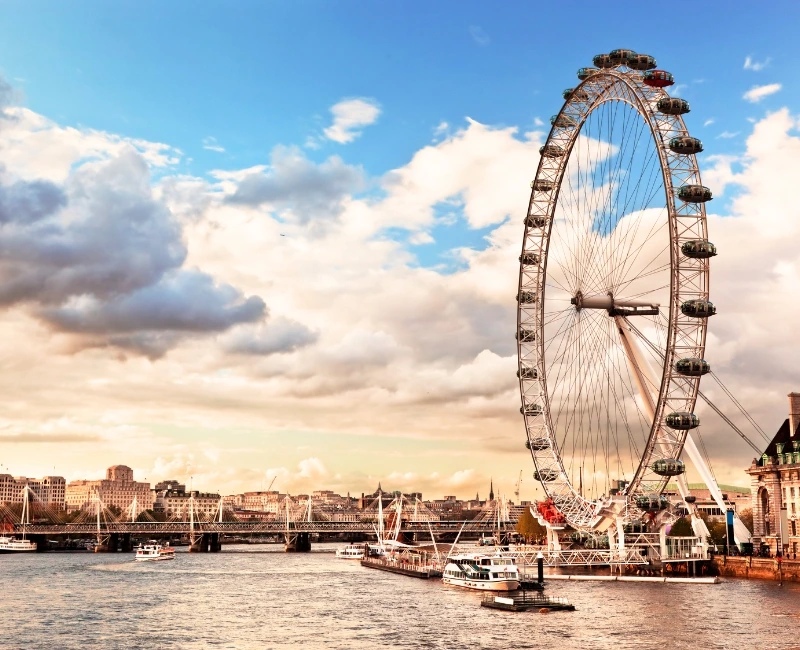
England’s history unfolds through its most celebrated landmarks, each offering a vivid glimpse into a different chapter of the nation’s story. In London, the Tower of London rises beside the Thames, its White Tower built by William the Conqueror framing centuries of royal drama, imprisonment and intrigue. Nearby Westminster Abbey has witnessed every coronation since 1066 and served as the setting for monarchs’ weddings and funerals, its Gothic chapels housing tombs of kings, poets and statesmen. A short walk along the river brings the Palace of Westminster, home to the Houses of Parliament and the Elizabeth Tower (Big Ben), whose chimes punctuate British political life. An evening cruise on the Thames lets you see these structures bathed in golden light.Outside the capital, Stonehenge stands on Salisbury Plain as an astounding testament to Neolithic engineering and ritual practice—its massive sarsen stones arranged to align with solstices, inviting speculation about its astronomical, spiritual and communal roles. In the north, Hadrian’s Wall traverses rolling moorland from coast to coast, its milecastles and forts revealing the northern edge of Roman Britain. Walking along restored sections immerses you in rugged landscapes once patrolled by Roman soldiers.York’s ancient city walls encircle a medieval warren of narrow “snickelways” leading to York Minster, one of Europe’s largest Gothic cathedrals. Climb its central tower for panoramic views over timber‑framed buildings and the River Ouse. In the northeast, Durham Castle and Cathedral perch above the River Wear in a World Heritage ensemble, where Norman stonework and cliff‑side position reflect ecclesiastical and feudal power interwoven.Further afield, Bath’s Roman Baths complex and elegant Georgian crescents testify to 2,000 years of social and architectural evolution—spa‑going Romans, 18th‑century high society and today’s visitors all drawn to the city’s thermal springs. Oxford and Cambridge showcase academic heritage through cloistered college quadrangles, historic libraries and ornate chapels, offering insight into centuries of scholarship.Smaller but no less compelling sites include Fountains Abbey in North Yorkshire, the largest Cistercian ruin in England, set amid tranquil water gardens and woodland; and Ironbridge Gorge in Shropshire, where the world’s first cast‑iron bridge heralded the Industrial Revolution. Many of these landmarks lie within protected landscapes—Areas of Outstanding Natural Beauty or national parks—making it easy to pair a morning hike or riverside stroll with a midday visit.To maximize your experience, book tickets online in advance—especially for Windsor Castle, the London Eye or the Roman Baths in summer—and consider themed guided tours focusing on literature, architecture or royal history. Wherever you go, England’s iconic landmarks invite you not just to admire their façades but to step back in time, connecting past and present through living heritage that continues to shape the nation’s identity.
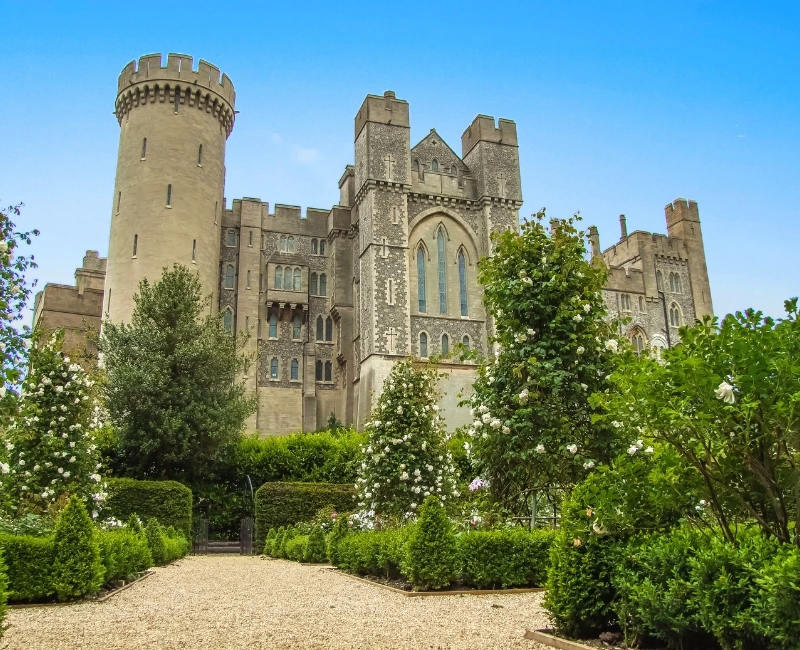
England’s landscape is speckled with fortresses and manor houses that span the medieval, Tudor and Georgian eras, each bearing witness to shifting power, wealth and tastes across the centuries. Start in the far north at Bamburgh Castle, its honey‑coloured ramparts clinging to a basalt outcrop above wild North Sea shores. Originally a Celtic fort and later a Saxon royal palace, its battlements and great hall tell tales of Viking raids, border wars and 19th‑century restoration by industrialist William Armstrong. A short ferry ride away, Alnwick Castle offers falconry displays and behind‑the‑scenes tours of its vast kitchens, evoking medieval life and feeding today’s film crews for productions like Harry Potter.Dover Castle commands the White Cliffs of Kent, its 12th‑century keep and labyrinthine tunnels—used in both world wars—underscoring its role as “Key to England.” Warwick Castle on the River Avon combines 14th‑century curtain walls with Victorian “Gothic revival” embellishments, hosting jousting tournaments and interactive exhibits that animate its martial heritage.By contrast, England’s great stately homes showcase aristocratic grandeur. Blenheim Palace in Oxfordshire, birthplace of Winston Churchill, stands as a monumental baroque masterpiece set amid Capability Brown’s sweeping parklands. Its state rooms display Imperial porcelain, family portraits and ornate furniture. Highclere Castle, familiar to Downton Abbey fans, offers an immersive experience of Victorian elegance with opulent reception rooms and private family quarters.In Derbyshire, Chatsworth House flanks landscaped gardens with fountains, cascades and contemporary sculpture in a harmonious blend of natural and designed beauty. Its art collection ranges from Rembrandt and Van Dyck to modern photography, while seasonal flower shows enliven the terraces from spring through autumn.Southeast England hosts Hampton Court Palace, Henry VIII’s Tudor retreat, where you can lose yourself among vast kitchens, the world’s oldest hedge maze and richly decorated Tudor apartments. In Oxfordshire, Stonor Park—home to the same Catholic family since medieval times—offers intimate tours of its 12th‑century chapel, staterooms and 17th‑century wall paintings.Many of these properties belong to the National Trust or Historic Houses Association. Membership or joint tickets grant access to multiple sites, making them ideal for multi‑day themed itineraries—such as the Cotswolds country‑house circuit or a Yorkshire stately‑home trail. Travel by car offers maximum flexibility, though some estates connect to bus routes or cycle paths. Seasonal events—Renaissance fairs, Christmas markets, outdoor theatre—add festive layers to your visit, while family activity packs and audio trails ensure younger guests stay engaged.Exploring England’s medieval castles and stately homes is more than sightseeing; it is a journey through architectural innovation, social stratification and cultural patronage—from Norman wooden motte‑and‑bailey beginnings to Georgian landscaped perfection—highlighting how power and prestige have shaped the nation’s world‑renowned heritage.
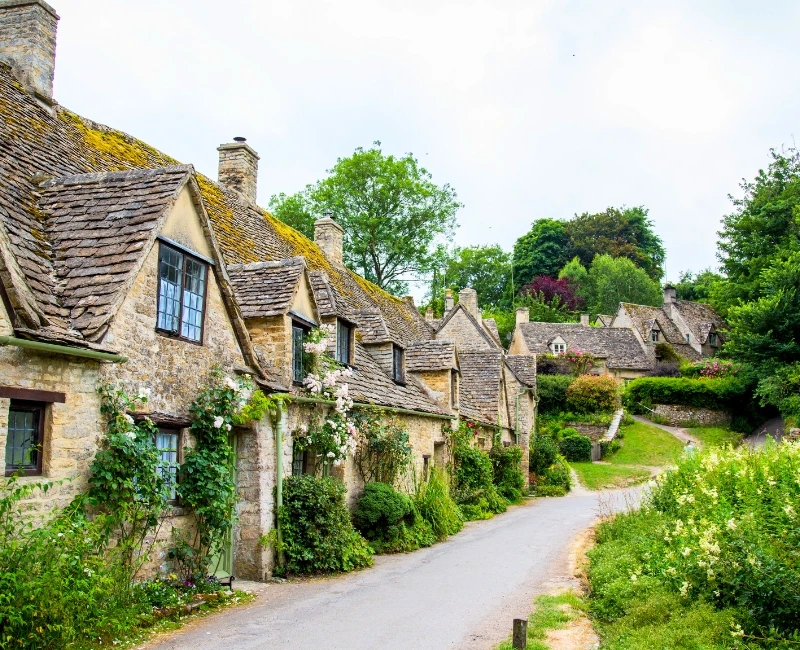
England’s countryside offers a rich mosaic of landscapes—rolling hills, verdant valleys, moorland expanses and tranquil lakes—that invite both active exploration and restorative downtime. The Lake District National Park, England’s largest, captivates with its fells and water bodies: Helm Crag and Scafell Pike challenge seasoned hikers, while Derwentwater and Windermere provide scenic boating, canoeing and gentle lakeside walks. Picture‑perfect villages such as Ambleside and Grasmere feature cosy pubs serving local delicacies like sticky toffee pudding and Cumberland sausage.South of the Lakes, the Peak District presents gritstone edges—Stanage and Froggatt, popular with climbers and walkers—alongside pastoral gritstock expanses around Bakewell and Buxton. The former Monsal Trail, a converted railway line, offers accessible cycling and walking across viaducts and through tunnels, ideal for families and casual explorers.The Yorkshire Dales are distinguished by dry‑stone walls, limestone pavements and historic market towns like Grassington and Hawes. Malham Cove’s limestone amphitheater and Gordale Scar’s dramatic gorge are geological marvels, while quieter routes lead to waterfalls like Aysgarth and Ingleton. In the northwest, the Northumberland National Park’s heather‑clad moorland and the Cheviot Hills provide solitude, and night skies here rank among the darkest in England, perfect for stargazing.In the southwest, Exmoor National Park combines moorland plateaus with rugged Atlantic coastlines—try the South West Coast Path for dramatic coastal scenery, or inland trails for bird‑watching in ancient woodlands. The Cotswolds Area of Outstanding Natural Beauty features rolling honey‑hued hills, chocolate‑box villages like Bourton‑on‑the‑Water, and scenic drives; stop at viewpoints above Broadway Tower or picnic by the River Windrush.Water‑based adventures extend beyond lakes: the Norfolk Broads offer calm waterways for canoeing, sailing and wildlife spotting among reed beds; the Jurassic Coast reveals fossil‑rich cliffs at Charmouth and Lulworth Cove’s sheltered bay. Cornwall and Devon supply surfing hotspots at Newquay and Croyde Bay, while seal colonies can be observed at Blakeney Point.Wild–flower displays in spring, summer’s verdant meadows, autumnal hedgerows, and winter’s frost‑tipped moors each transform landscapes. Rural accommodations range from farm stays offering home‑cooked breakfasts to luxury lodges with spa facilities overlooking dales. Guided nature walks and wildlife excursions introduce you to local ecology—red deer, golden eagles, otters and rare butterflies.Whether cycling canal‑side towpaths, ascending mountain ridges, or simply breathing fresh air beside a secluded lake, England’s countryside delivers an intimate connection with nature’s rhythms, rural heritage and the timeless appeal that has inspired artists, poets and travelers for generations.
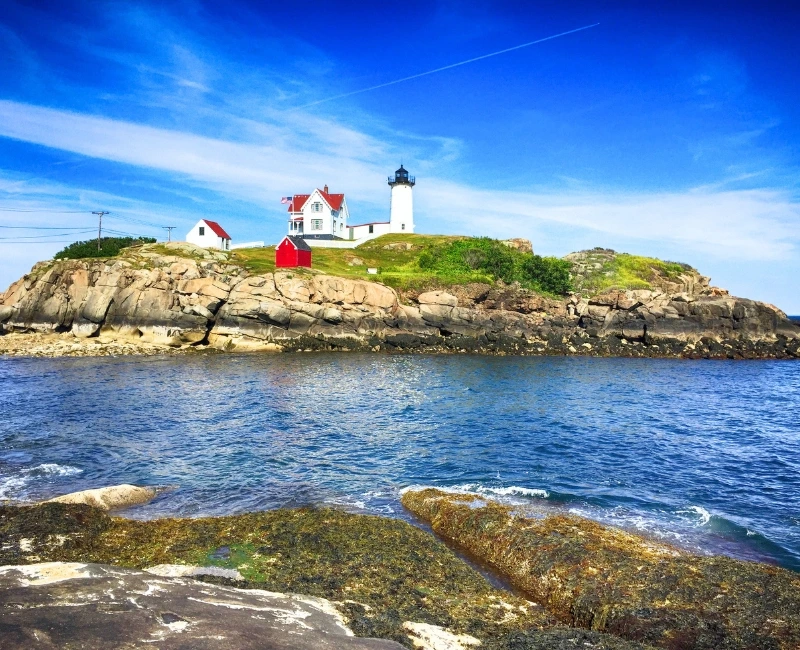
England’s coastline stretches over 7,700 miles, offering an astonishing variety of seaside experiences—from rugged cliffs and secret coves to golden sands and lively promenades. In Cornwall, surfers flock to Fistral Beach in Newquay for reliable Atlantic swells, while quieter spots like Kynance Cove reward visitors with turquoise water, white serpentine sands and dramatic serpentinite outcrops. Stroll sections of the South West Coast Path to discover hidden beaches and sampling fresh crab sandwiches at Smuggler’s Cove café.Devon’s Jurassic Coast—Britain’s only natural World Heritage Site—reveals 185 million years of geological history. Fossil‑hunters explore Charmouth’s beaches, while Lulworth Cove and Durdle Door provide iconic arches and sheltered bays. Further east, Dorset’s sandy beaches at Weymouth and Bournemouth blend Victorian piers, beach huts and modern attractions, including paddle‑board hire and beachfront cafés.In the southeast, Kent and East Sussex feature chalk cliffs and pebbled beaches. At Dover, the White Cliffs command views across the Channel, and nearby Folkestone’s creative quarter merges harbourside art with seafood eateries. For expansive dunes and wildlife, Norfolk’s Holkham Beach offers miles of sand, seal‑spotting opportunities and RSPB reserves like Titchwell Marsh. The Suffolk coast provides salt marshes, migratory birds and the quaint shingle village of Aldeburgh, famous for its fish & chips.Yorkshire’s coastline combines Victorian resorts—Scarborough, Whitby—with dramatic cliffs at Flamborough Head, where seabird colonies nest on offshore stacks. Further north, in Northumberland, Bamburgh Beach stretches beneath the ancient castle ramparts, while Druridge Bay offers unspoiled sands for long beach walks.The Isles of Scilly lie off the Cornish coast, revealing subtropical gardens, pristine beaches and turquoise waters reminiscent of the Caribbean—reachable by ferry or small charter plane. On the east coast, Lincolnshire and Essex offer vast, flat beaches ideal for cycling and kite‑flying, while the Thames Estuary merges industrial heritage with wildlife sanctuaries.Watersports abound: surfing at Croyde, kayaking in Dorset’s secluded coves, sailing around the Isles of Scilly, and paddleboarding in Cornwall’s sheltered bays. Coastal wildlife includes seals at Blakeney Point, dolphins off Cornwall’s Land’s End and puffins on Farne Islands.Accommodation ranges from beachfront cottages in St Ives and luxury cliff‑top hotels in Devon to family‑friendly caravan parks on East Anglia’s shores. Seasonal festivals—Cornwall Seafood Festival, Lyme Regis Arts Festival—combine coastal culture with local gastronomy. Whether chasing sunrise reflections at St Michael’s Mount, exploring sea‑stacks by kayak or simply sinking your toes into warm sands at sunset, England’s coastal escapes deliver both adventure and tranquil retreats by the sea.
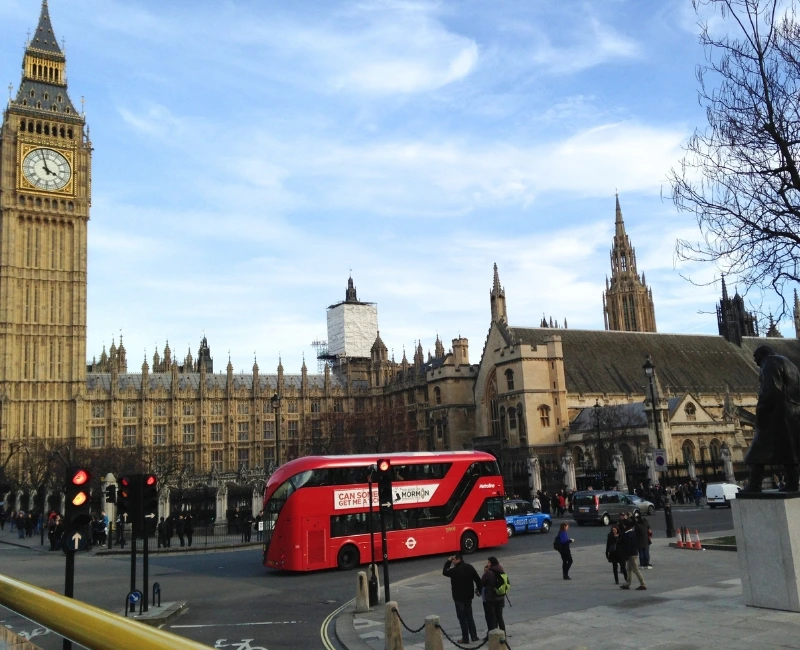
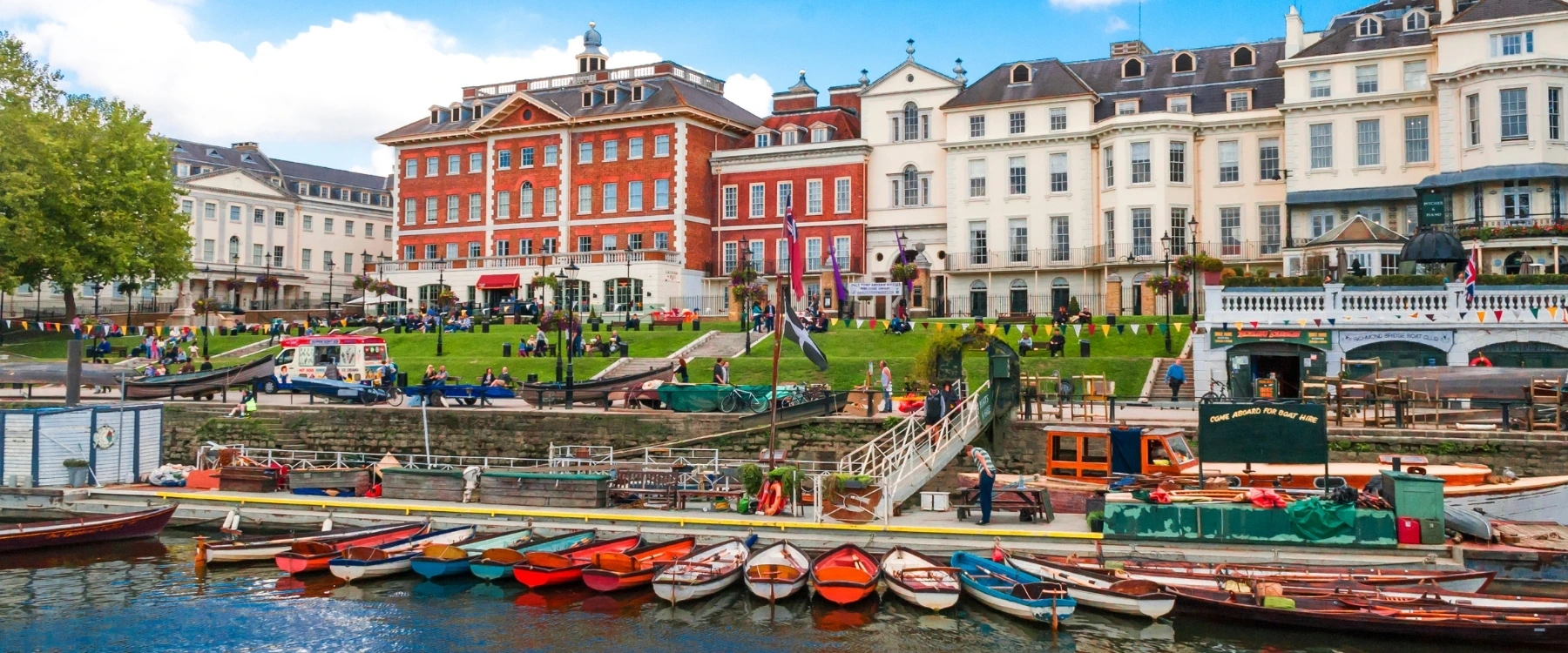
England’s urban centres blend deep history with vibrant modern culture, making them ideal for short but immersive city breaks. London, the global capital, offers everything from iconic landmarks—Buckingham Palace, the British Museum, Tower Bridge—to cutting‑edge West End theatre, contemporary galleries in Shoreditch and Michelin‑starred restaurants in Mayfair. Explore the South Bank’s cultural quarter, then escape to leafy Richmond Park for a taste of wild deer wandering ancient woodlands.Manchester, the cradle of British industry and music, thrives with venues such as the Manchester Arena and The John Rylands Library. Visit the Whitworth Gallery for contemporary art in a park setting, enjoy curry in the Curry Mile and trace musical heritage through the halls of the Hacienda’s legacy.Liverpool’s maritime history unfolds at the Royal Albert Dock, while The Beatles Story and Cavern Club celebrate its musical legends. Galleries like Tate Liverpool and the Walker Art Gallery showcase art spanning centuries, and waterfront cathedrals host summer concerts.Birmingham’s canal network—longer than Venice’s—winds past the Gas Street Basin and Ikon Gallery. Sample world cuisines in the Balti Triangle, visit the Barber Institute of Fine Arts, and browse the Bullring’s modern shopping complex juxtaposed with the historic Jewellery Quarter.Bath enchants with its Roman Baths and sweeping Georgian terraced crescents; book an evening spa session at Thermae Bath Spa. Oxford and Cambridge exude academic prestige: punt on the river, tour ancient colleges and attend open‑air theatre in historic quads.York, encircled by medieval walls, invites you to explore the Shambles, York Minster and the Jorvik Viking Centre. Nearby Leeds evolves as a creative hub with street art tours, independent shops and the Royal Armouries museum.Smaller cities such as Norwich, Bristol and Exeter boast thriving arts scenes, vibrant food markets and historic architecture. Across these urban centres, festivals—literature, film, music—await throughout the year. Shop local at farmers’ markets, dine in gastropubs serving seasonal British produce and enjoy late‑night jazz in intimate venues. With efficient public transport and pedestrian‑friendly neighbourhoods, England’s cities deliver a cultural immersion that balances heritage, creativity and contemporary life.
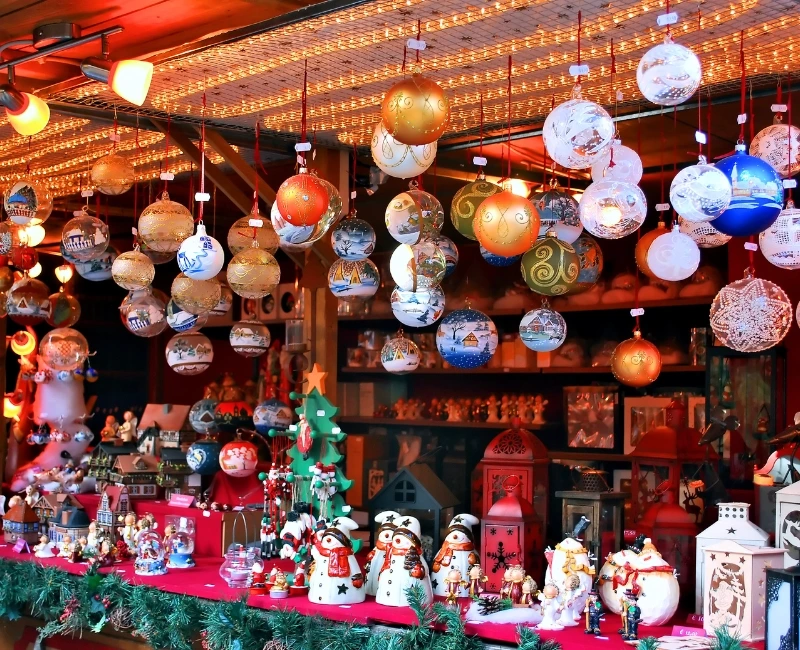
England’s festival calendar overflows with events celebrating everything from music and literature to food, heritage and sport, ensuring every season offers compelling reasons to visit. Summer kicks off with Glastonbury Festival in Somerset, the world’s most famous music gathering, and continues with the Proms at London’s Royal Albert Hall, where classical masterpieces resonate under open skies. The Edinburgh Festival Fringe and International Festival in August transform the Scottish capital into the globe’s largest arts stage—book shows months ahead and balance late‑night performances with morning strolls up Arthur’s Seat.Autumn brings harvest celebrations across rural communities: apple festivals in Herefordshire, mushroom fairs in Dorset and regional food trails showcasing game, cheeses and ciders. The Great Dorset Steam Fair revives steam‑powered nostalgia every August bank holiday, while literary aficionados gather at the Hay Festival in late May.Winter illuminates city centres with Christmas markets—from Bath’s artisan stalls to Manchester’s ice sculpture displays. London’s Winter Wonderland in Hyde Park offers rides, markets and mulled wine under festive lights. Hogmanay in Edinburgh blends torchlight processions, street parties and midnight fireworks against the castle backdrop, while other towns host more intimate New Year fairs.Throughout the year, folk music revives village halls at Towersey and Sidmouth Folk Festivals, blending dance, song and storytelling. Food lovers attend regional oyster festivals on the coasts of Essex and Whitstable, while urban street‑food gatherings in Bristol, London and Liverpool introduce global flavours alongside British comfort foods. Sporting events—from Premier League football to the Boat Race on the Thames—offer high‑energy spectator thrills.Plan around these events early—accommodation and tickets sell out fast. Combine busy festival days with countryside retreats for balance, or extend your visit to include related local traditions, such as May Day celebrations or autumnal ceilidhs. Participating in England’s festivals offers a window into regional identity, community spirit and contemporary creativity, enriching every journey with shared celebrations and lasting memories..

England’s diverse terrain—mountains, moors, coasts and waterways—beckons outdoor enthusiasts with a wealth of activities suited to all ages and abilities. In the Lake District, tackle iconic ridge walks like Striding Edge above Borrowdale or enjoy gentler lakeside trails around Derwentwater. The Peak District’s gritstone edges at Stanage and Froggatt offer scrambling and panoramic views, while the Monsal Trail repurposes a Victorian railway into a traffic‑free cycling and walking route through tunnels and over viaducts.Cycling adventures extend to the North Coast 500 loop—an 830‑mile circuit around Scotland’s northern shores—or the South West Coast Path on England’s southwest peninsula. For family‑friendly rides, railway‑trail conversions such as the Tissington and Monsal Trails in Derbyshire provide easy gradients amid scenic valleys.Watersports flourish on both coasts and inland waterways: surf schools in Newquay teach Atlantic breaks, while Pembrokeshire’s sea cliffs offer coasteering experiences that combine climbing into rock pools and guided cliff jumps. Kayaking and paddleboarding abound in sheltered coves along Dorset’s Jurassic Coast, and canoe trips on the Norfolk Broads reveal hidden waterways and birdlife. White‑water rafting in Manchester’s Adventure Valley and canoe slalom courses near Nottingham cater to adrenaline seekers.Rock climbers scale the Sea‑to‑Sky crags of Dorset and Devon, or indoor climbing centres provide training grounds year‑round. In winter, ski slopes at Nevis Range and Glenshee welcome snow sports enthusiasts, while snowshoeing and winter hiking take place in the Cairngorms under expert guidance.Family‑oriented outdoor centres in national parks offer orienteering, archery, wildlife safaris and nature trails, combining education with fresh‑air fun. Guided wildlife boat trips in Cornwall and Norfolk bring seal‑spotting and birdwatching to the fore, while guided foraging and nature photography workshops deepen appreciation of local ecosystems.Safety and sustainability are paramount: reputable operators provide equipment, expert instruction and environmental briefings to minimise impact. After a day of activity, unwind in country inns serving hearty fare or spa lodges offering wellness treatments. England’s active adventures meld physical challenge, natural beauty and local culture, creating unforgettable experiences against a backdrop of ever‑changing landscapes.

England’s culinary landscape has evolved far beyond roast dinners and fish and chips, showcasing a rich interplay of local produce, global influences and centuries‑old traditions. Start your journey in village farmers’ markets—found in towns from Borough Market in London to the weekly stalls at Bath and York—where truffle‑drizzled cheeses, artisan breads and heritage apples share space with international street food.Regional specialities anchor many menus: Cornish pasties in the southwest, Cumberland sausages in Cumbria, and Hampshire watercress salads in the southeast. The Midlands offers Balti curries reflecting South Asian heritage, while Yorkshire boasts shop‑front bakeries famous for puddings and tea rooms.Farm‑to‑table restaurants throughout the country collaborate with local growers and fishermen to craft seasonal tasting menus—imagine spring asparagus risottos, summer berry pavlovas and autumn game terrines enhanced by port reductions. In coastal towns, sample freshly caught crab, scallops and oysters at family‑run seafood shacks overlooking the sea.The craft beverage revolution has taken hold: boutique breweries produce IPAs, stouts and barrel‑aged ales, often using foraged botanicals. Craft gin distilleries in London and the Cotswolds infuse local juniper, heather and citrus, while southern England’s chalk‑soil vineyards yield sparkling wines rivalling Champagne in elegance.Food festivals offer immersive experiences: Abergavenny Food Festival in Wales‑border region, the Great British Food Festival at Hampton Court, and Whitstable Oyster Festival each draw producers, chefs and enthusiastic crowds. Cooking workshops teach techniques from pie‑making to foraging, set on working farms where you might gather eggs or pick herbs before returning to the kitchen.Gastropubs combine vintage equal parts of cozy atmosphere and inventive menus, while Michelin‑starred venues in cities like London, Birmingham and Bristol push culinary boundaries with multi‑course tasting menus. Ethnic enclaves—Brick Lane’s curry houses, Southall’s Punjabi cafés—provide authentic global flavours.Sweet treats await at chocolatiers crafting single‑origin truffles and tea rooms serving scones with clotted cream. Afternoon tea remains a quintessential British experience, best enjoyed in stately settings like the Ritz or more intimate country inns.Whether you’re tracing the origins of Stilton cheese, hopping between distilleries on the Speyside malt trail, or simply savouring a pie and pint in a countryside pub, England’s food and drink scene weaves together landscape, history and innovation—delivering a gastronomic adventure as varied as the regions themselves.
No ads. No trails. No commitments


Alice Roses
London, England
51 ST MATTHIAS ROAD
NOTTINGHAM, NOTTINGHAMSHIRE
NG3 2HF
Hours: 8:00 - 17:00, Mon - Sat
support@johnsonholidays.com