
 Lesbos Travel
Guide
Lesbos Travel
Guide
Paris is known around the world as the “capital of love,” and even if you don't understand the history of Paris at all

4.5 Hours
£4
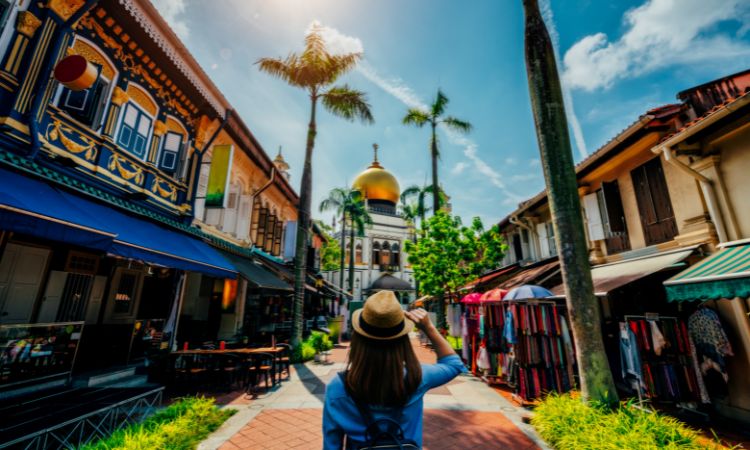
Lesbos boasts a layered past spanning ancient Greek, Roman, Byzantine, Genoese, and Ottoman eras. From the ancient city of Mytilene to medieval Molyvos castle perched on volcanic rock, history unfolds at every turn. Archaeological sites like the ancient theatre of Mytilene and the Temple of Messon showcase classical legacies, while Byzantine monasteries hidden in olive groves reveal spiritual traditions. Exploring the UNESCO-listed Petrified Forest near Sigri offers a journey into deep time, where fossilized trees from millions of years ago stand as natural monuments. This depth of heritage invites culturally minded travelers to delve into local museums, restored neoclassical mansions, and centuries-old churches. Walking through narrow alleys lined with traditional houses, visitors sense the island’s evolving story. Engaging with local historians or joining guided archaeological tours enhances appreciation. Whether marveling at ancient mosaics or imagining life in medieval settlements, Lesbos offers a tangible link to history that enriches any visit.
Learn More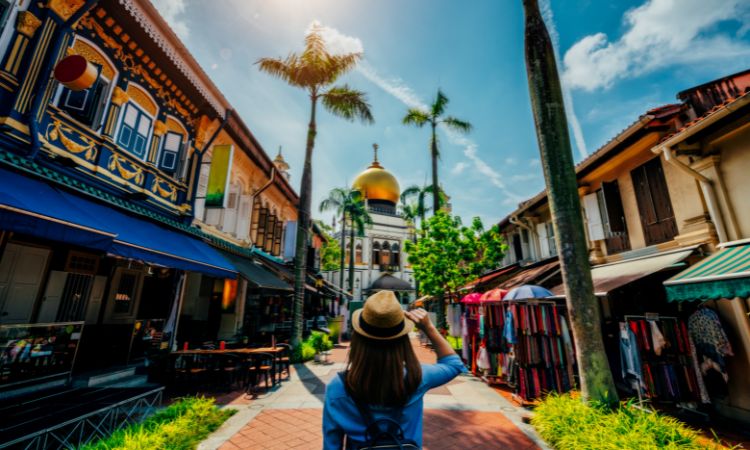
Lesbos is famed for its thermal springs reputed to have healing properties. Eftalou springs offer warm, mineral-rich waters overlooking the sea; Polichnitos springs nestle within olive groves and pine forests. Bathing in these natural pools soothes muscles, aids circulation, and offers serene escapes immersed in nature. Many wellness retreats incorporate thermal therapies alongside massages using local olive oil, pharmaceuticals derived from herbs, and mindfulness sessions with panoramic views. For travelers seeking relaxation or relief from joint or muscle discomfort, Lesbos’s springs provide accessible, affordable wellness. Beyond springs, the island’s unhurried pace, fresh sea breeze, and healthy Mediterranean cuisine contribute to rejuvenation. Yoga sessions on tranquil beaches or guided forest walks complement spa-like experiences. Booking accommodations near spring sites or planning day trips ensures visitors make the most of these therapeutic waters. This blend of natural wellness and cultural authenticity makes Lesbos ideal for restorative getaways.
Learn More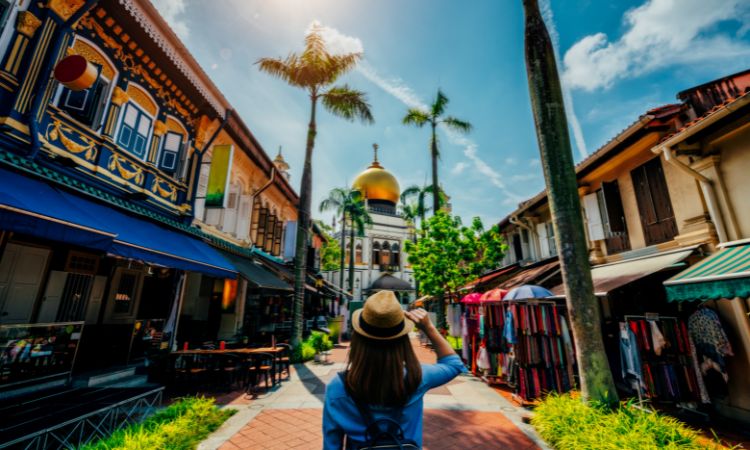
Culinary exploration on Lesbos centers around exceptional olive oil, fresh seafood, and island specialties. Lesbos is one of Greece’s largest olive-producing regions; tasting tours at family-run presses reveal the craftsmanship behind cold-pressed extra-virgin oil. Local tavernas serve grilled octopus, calamari, and fish caught daily, paired with simple salads dressed in fragrant olive oil and lemon. Unique regional dishes include skordalia (garlic dip), fried sardines, and meat stews flavored with herbs from surrounding hills. Sweet treats like spoon sweets made from local fruits or honey harvested from pine-clad slopes complete the gastronomic journey. Sampling ouzo and tsipouro at small distilleries, visitors learn distillation methods passed through generations. Cooking classes with local hosts offer hands-on experience preparing meze plates. Markets in Mytilene bustle with vendors selling olives, capers, citrus fruits, and cheeses. For food lovers, each meal is an immersion in island life and tradition, making Lesbos a destination for genuine Greek flavors beyond tourist menus.
Learn More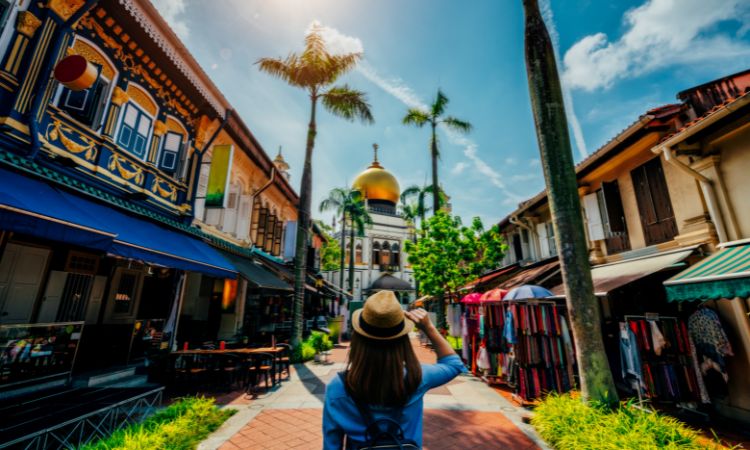
Lesbos’s coastline spans sandy beaches, sheltered bays, pebbly coves, and dramatic cliffs, catering to varied preferences. Family-friendly beaches such as Vatera and Skala Eressos feature shallow waters and amenities, while quieter bays like Agios Isidoros offer seclusion. Nature enthusiasts can visit the black sand beach at Thermi, warmed by nearby hot springs, or explore the rugged coastline near Molyvos where crystal-clear waters invite snorkeling. Sunset vistas at Petra and Molivos harbor are idyllic for evening strolls. Water sports enthusiasts can find windsurfing spots or kayaking routes around small islets. Coastal hiking trails reveal hidden coves and offer panoramic sea views. Beachside tavernas serve fresh seafood just steps from the water. Whether seeking lively beach scenes or tranquil hideaways, Lesbos’s coastline provides variety and authenticity without overcrowding. Its maritime character shapes the island’s rhythm, inviting sunbathers, swimmers, and explorers alike.
Learn More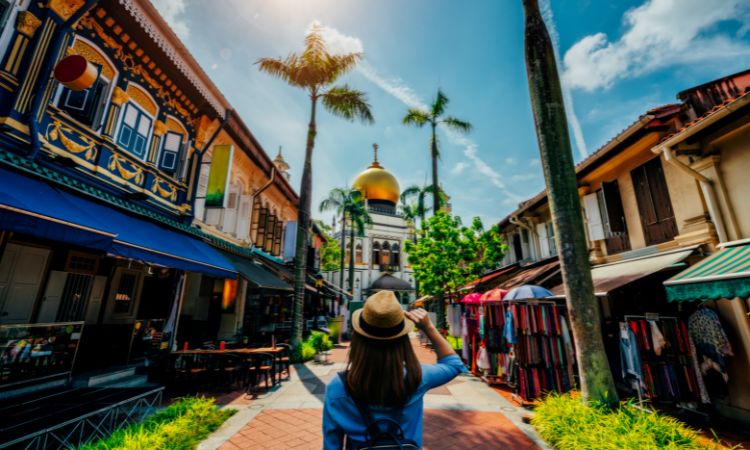
Lesbos lies on a major migratory bird corridor between Europe and Africa; each spring and autumn, birdwatchers converge to observe species such as flamingos in Kalloni Gulf wetlands, herons, egrets, and raptors soaring overhead. Guided birdwatching tours and hides facilitate close encounters with waders and migratory flocks. Inland, hiking trails wind through olive groves, pine forests, and hills offering opportunities to spot endemic plants and butterflies. The Petrified Forest, apart from geological interest, hosts unique flora and fauna adapted to volcanic soils. Nature trails around Vatera, Agiassos, and Polichnitos reveal both biodiversity and local agricultural landscapes. Photography enthusiasts capture dramatic scenes of migrating birds against sunset skies. For eco-conscious travelers, supporting local conservation efforts and small-scale guided tours ensures sustainable experiences. Lesbos’s rich natural tapestry appeals to those seeking tranquility and wildlife immersion.
Learn More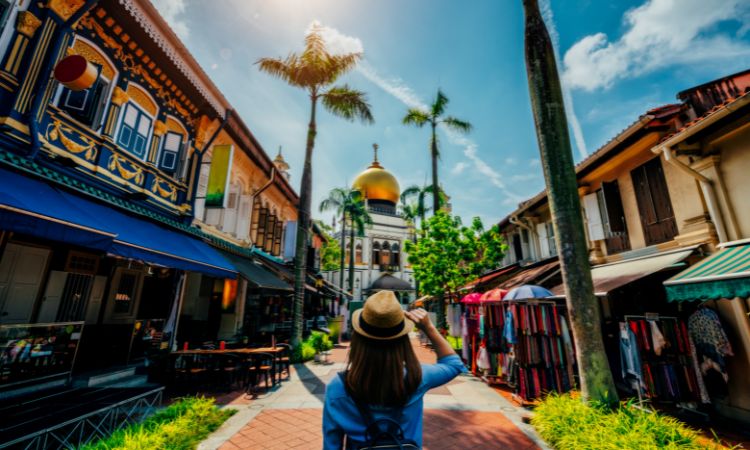
Traditional villages like Agiassos, Molyvos, and Dafia retain authentic character with stone-paved streets, neoclassical mansions, and friendly locals. Agiassos, renowned for woodcarving and religious festivals, offers cultural immersion through artisan workshops and local celebrations. Molyvos’s cobblestone alleys and castle overlook the sea, creating postcard-perfect scenes. Visiting small tavernas in hillside villages introduces travelers to everyday island life—sharing stories with hosts over coffee or raki. Participating in local festivals—olive harvest celebrations, Easter processions, or summer music events—provides insight into traditions passed through generations. Craft markets showcase pottery, textiles, and woodwork. Engaging with community-based tourism initiatives, visitors support local economies and foster genuine connections. Exploring villages off main roads reveals hidden chapels, ancient olive trees, and panoramic views of the Aegean. Lesbos’s villages encapsulate Greek hospitality at its warmest.
Learn More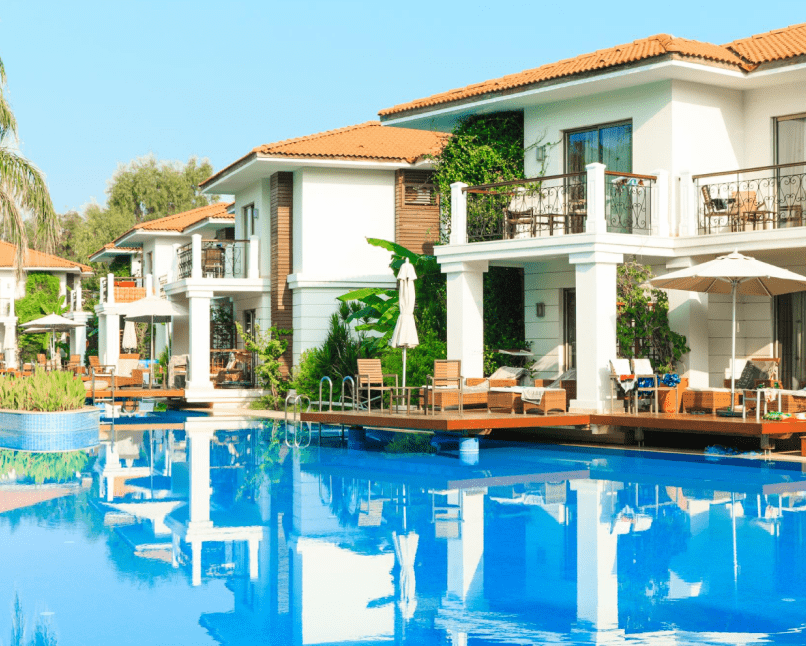
Lorem ipsum dolor, sit amet consectetur adipisicing elit. At illo adipisci iusto
From

Because more than 268 other customers have loved us too

Demonstrates commitment to user data security through encryption and secure payment practices
Learn More
Demonstrates commitment to user data security through encryption and secure payment practices
Learn More
Demonstrates commitment to user data security through encryption and secure payment practices
Learn More
Demonstrates commitment to user data security through encryption and secure payment practices
Learn More
Quality as judged by customers. Book at the ideal price!


/ person
/ person
/ person
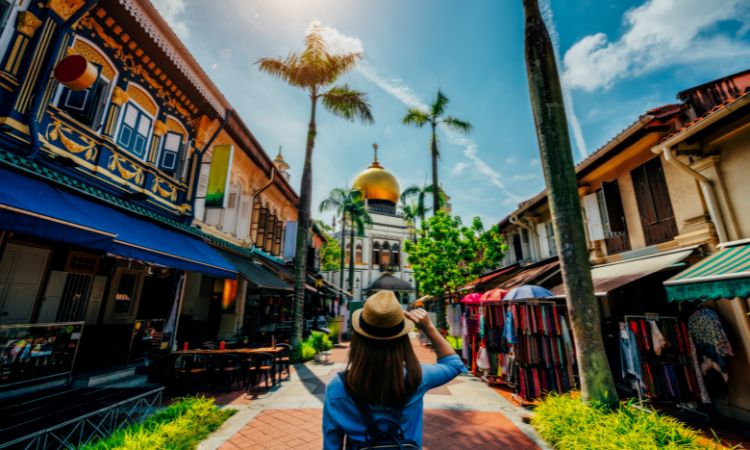
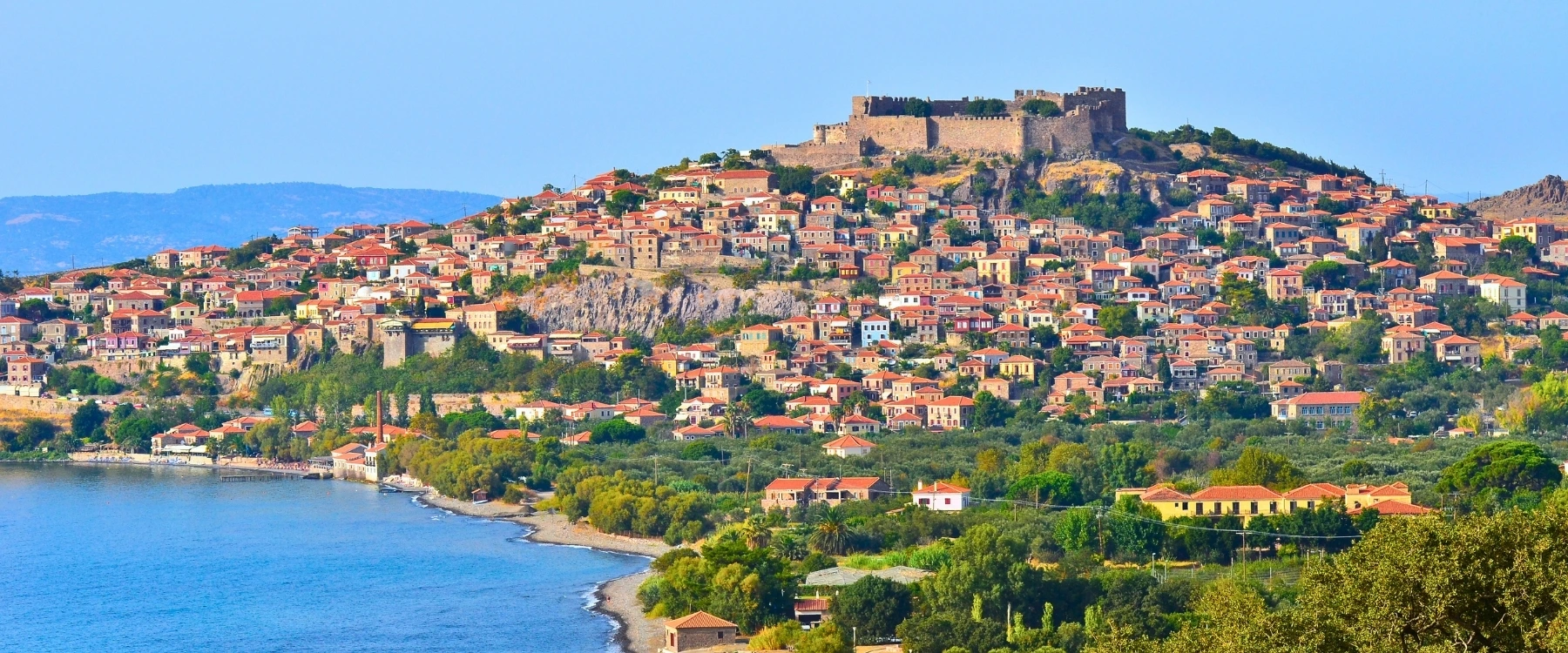
Lesbos’s layered past reveals itself through numerous archaeological sites and ancient ruins scattered across the island. Mytilene, the island’s capital, houses an ancient theatre dating to the 3rd century BC. Restored sections still host performances against a backdrop of Aegean vistas. Nearby, the archaeological museum displays artifacts—ceramics, statues, inscriptions—that illustrate Lesbos’s role in antiquity as a hub of literature, philosophy, and trade. Traveling northwest, the ancient city of Antissa (today near the modern village of Antissa) was once a significant settlement; remnants of walls and pottery fragments hint at past urban life. Molyvos (also called Mithymna) features a Genoese castle built upon older fortifications; climbing to its ramparts offers panoramic views over the harbor and distant islets, giving context to its historical strategic importance.Archaeological sites outside urban areas include the Temple of Messon, near Kalloni Gulf. Dating to the Archaic period, its Doric columns evoke the island’s ancient worship practices. Excavations have uncovered foundation remains and votive offerings, painting a picture of religious life. Further afield, ruins at Mantamados and around ancient thermal centers integrate culture and nature: pilgrims once visited shrines near healing springs. While many ruins stand partially excavated, their setting amidst olive groves and rolling hills creates evocative atmospheres for exploration. Engaging local guides or joining small-group tours enriches understanding: they share insights into ancient Lesbians like Sappho, whose poetic legacy still resonates.Beyond formal sites, strolling through traditional villages reveals vestiges of history: stone-built houses with arched doorways, Byzantine churches with fresco fragments, and inscriptions embedded in walls. Many communities preserve oral histories about local legends and past events. Visiting local museums—such as those in Sigri or Mytilene—provides context on island-wide archaeological finds, including discoveries from shipwrecks off the coast. The Petrified Forest, while primarily geological, also speaks to prehistoric epochs when Lesbos lay beneath volcanic activity; fossilized tree trunks stand as monuments to deep time.Accessibility is generally good: marked roads lead to main archaeological spots, and informational plaques (in Greek and often English) explain significance. For those seeking immersive experiences, volunteer programs or seasonal digs may occasionally be available through academic institutions. However, casual visitors can appreciate ruins simply by walking among weathered stones, imagining ancient gatherings or ceremonies. Photography opportunities abound, especially at sunrise or sunset when soft light accentuates textures of stone against the blue sea.Safety and preservation: visitors should follow local guidelines, avoid touching fragile remains, and respect fenced-off areas. Supporting local conservation efforts—through donations or mindful tourism—helps protect these sites for future generations. Whether you’re a history buff keen on classical civilizations or a traveler drawn to atmospheric ruins, Lesbos’s archaeological landscape offers compelling journeys into its ancient soul. Each site, nestled among olive trees or perched on cliffs, invites reflection on continuity between past and present, making archaeology an integral part of understanding and enjoying Lesbos.
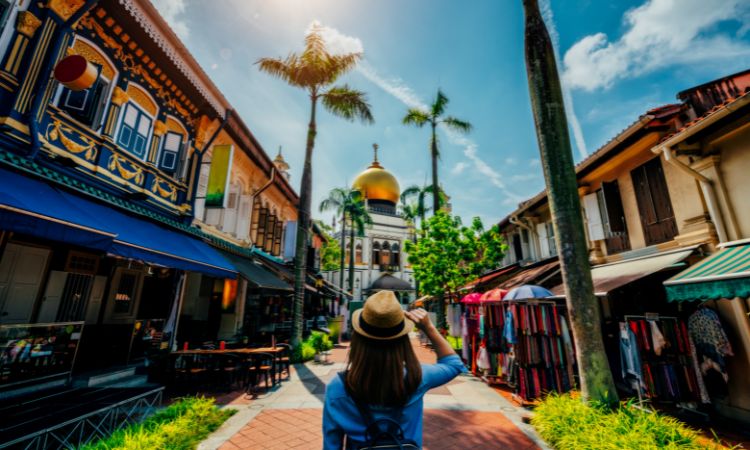
Lesbos’s villages encapsulate authentic island life through architecture, crafts, and communal traditions. Agiassos, perched on the slopes of Mount Olympus (Lesbos), is famed for its woodcarving tradition and annual festivals. Narrow, winding streets lead past stone houses adorned with carved wooden balconies and ornate doorways, reflecting craftsmanship passed through generations. Visiting workshops, travelers witness artisans shaping wood into religious icons, furniture, or decorative items, often using olive or plane wood sourced locally. The central church of Panagia Vrefokratousa, with its rich iconography, underscores the blend of spirituality and artistry in village life.Molyvos (Mithymna) epitomizes picturesque architecture: whitewashed houses cascade down from the Byzantine castle to a charming harbor. Cobblestone streets wind among stone-built homes with wooden shutters and bougainvillea-draped facades. Small plazas host cafés where locals gather for coffee or ouzo, sharing stories of island lore. Hiking paths lead from the village to nearby olive groves and sea overlooks, rewarding visitors with broader views of the coastline and neighboring islets. Accommodation options include restored traditional houses converted into boutique guesthouses, offering immersive stays within walls that have echoed centuries of daily life.Further south, Skala Eressos retains a bohemian spirit but also traditional architectural elements. Simple stone houses with flat roofs and shaded courtyards invite relaxation and socializing. The village’s low-rise profile ensures a human scale, fostering connections. Nearby villages like Plomari, renowned for ouzo distillation, combine neoclassical mansions built by affluent merchants with working distilleries. Guided visits to distilleries reveal architectural heritage tied to production: warehouses with vaulted ceilings and courtyards where grapes once dried.Dafia and Vrissa, inland villages surrounded by olive groves, feature traditional houses built of local stone. Quiet lanes lead past churches with frescoed interiors and small squares where olive harvest celebrations take place. Staying in family-run pensions often includes home-cooked meals in courtyard gardens under grape vines. Engaging in village life—joining olive picking or attending a local wedding feast—provides insight into customs intertwined with architecture and communal spaces.Preservation and sustainable tourism: many villages have programs to restore historic buildings while maintaining authenticity. Travelers are encouraged to choose locally owned accommodations and eateries housed in renovated structures, supporting conservation efforts. Photography etiquette—asking permission when photographing private properties or residents—respects community privacy. Seasonal visits to coincide with village festivals—Easter celebrations, feast days of patron saints, or harvest festivals—offer a window into living traditions within architectural settings.Transportation: renting a car or using local buses enables access to villages scattered across the island. Some village roads are narrow; parking near village centers may require walking. Guides or local hosts can facilitate deeper exploration, including visits to less-known hamlets. Overall, exploring Lesbos’s traditional villages and architecture immerses travelers in authentic Greek island life, where stone walls and wooden balconies carry stories of past generations, and communal rhythms continue through festivals, crafts, and hospitality.
Lesbos offers a varied coastline where sandy stretches, pebbly coves, and dramatic cliffs define beach experiences. Vatera Beach, one of the longest sandy beaches on the island, stretches across a broad bay with shallow, calm waters ideal for families and sun-seekers. Beachfront tavernas serve fresh salads and grilled seafood, allowing visitors to dine with toes in the sand. Further north, Skala Eressos attracts a more bohemian crowd with a lively beach atmosphere, colorful umbrellas, and nearby cafés offering light bites and local beverages. The sandy shore transitions into dunes and juniper shrubs, creating a natural backdrop that preserves the beach’s character.For those seeking quieter bays, Agios Isidoros features pebbly shores and crystalline waters, framed by pine-clad slopes. The absence of large resorts keeps the ambiance tranquil, making it perfect for reading, swimming, and snorkeling among small fish. Thermi Beach stands out with its unique black sand warmed by adjacent hot springs; visitors can alternate between thermal pools and the sea. The juxtaposition of warm mineral waters with cool Aegean waves provides a distinct wellness-and-recreation experience.Rocky coves near Molyvos and Petra reward explorers: small beaches accessible via walking paths lead to secluded spots where swimming feels private. Dramatic cliffs along the northern coast offer vantage points for panoramic views of the Aegean, especially at sunrise or sunset. Photographers and hikers alike appreciate coastal trails that connect villages and beaches, revealing hidden coves and ancient ruins overlooking the sea.Water activities enhance beach days: windsurfing or kite surfing can be found in bays with favorable winds; local operators occasionally offer equipment rental or lessons. Kayaking along sheltered inlets reveals sea caves and secluded beaches reachable only by water. Snorkeling near rocky outcrops introduces underwater life: small schools of fish, sea urchins, and occasional octopus sightings delight keen observers.Beach etiquette on Lesbos emphasizes respect for nature: removing trash, avoiding loud disturbances, and choosing locally operated beach services support sustainability. Facilities vary: larger beaches provide sunbeds and umbrellas, while remote coves may lack amenities, so packing essentials is wise. Access roads to some beaches can be narrow; checking local guidance or using GPS coordinates helps navigation.Sunset vistas from coastal viewpoints create memorable moments: watching the sun dip into the Aegean from Petra or Molyvos harbor transforms an ordinary evening into a lasting memory. Evening beach walks often segue into dinners at seaside tavernas, where the seafood catch of the day is paired with chilled ouzo or local wine. Whether seeking active water sports, family-friendly sands, romantic sunset spots, or secluded coves, Lesbos’s coastline offers diverse experiences. Its natural beauty, combined with authentic beachfront hospitality, makes coastal exploration a highlight of any Lesbos itinerary.
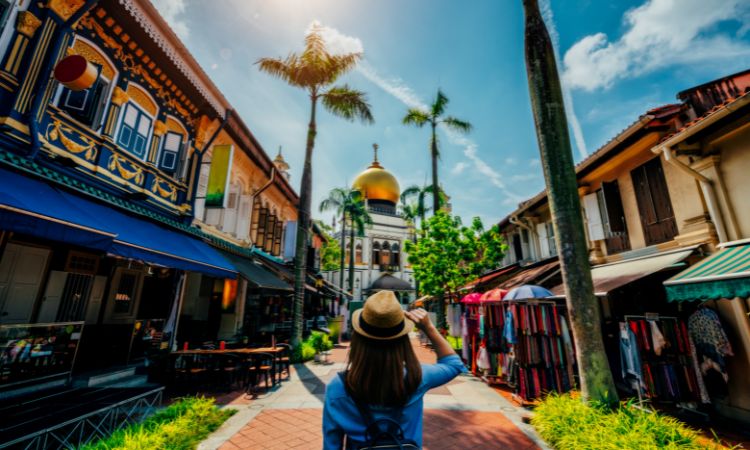
Lesbos’s interior unfolds through gentle hills, olive groves, pine forests, and thermal springs, offering rewarding hiking and wellness adventures. Well-marked trails lead from villages into scenic landscapes. From Agiassos, trails ascend through chestnut and pine woods toward panoramic viewpoints overlooking Kalloni Gulf. Along the way, hikers pass small chapels and ancient olive trees, pausing to rest in shaded clearings. The route’s moderate difficulty suits various fitness levels; local guides can enrich the journey with stories of flora, fauna, and local lore.Another popular trek starts near Polichnitos, winding through olive terraces and vineyards to reach natural hot springs. After a hike through changing terrain—rocky paths, gentle slopes, and occasional irrigation streams—arriving at thermal pools provides rejuvenation. Bathing in warm, mineral-rich waters amidst olive and pine surroundings creates a wellness reward after physical exertion. Similar experiences await at Eftalou: short hikes from the parking area lead to spring-fed pools overlooking the sea, where bathers alternate between hot soak and cool sea dips.For more adventurous hikers, routes around the Petrified Forest near Sigri traverse volcanic landscapes dotted with fossilized tree trunks. Trails here vary in length and difficulty: some loop through the forest floor, revealing geological wonders, while extended paths climb nearby hills, offering sea views and encounters with endemic plant species. The unique terrain requires sturdy footwear and awareness of changing weather. Guided tours provide geological context, explaining how volcanic activity millions of years ago created the current landscape.Birdwatching hikers follow trails around Kalloni wetlands, observing migratory species during spring and autumn. Paths skirt marshes and lagoons, with hides for close but respectful observation. The combination of walking and wildlife spotting appeals to nature enthusiasts seeking multi-faceted outdoor experiences. Seasonal variations influence trail choice: spring brings wildflowers carpeting meadows; summer offers early-morning or late-afternoon hikes to avoid heat; autumn provides cooler temperatures and migrating bird spectacles; winter hiking remains possible in mild weather but requires rain preparedness.Accommodation near trailheads varies from guesthouses in villages to small eco-lodges offering guided hikes and wellness packages. Many provide packed lunches with local produce—cheese, olives, bread, fruit—for picnics en route. Equipment rental or guide connections can be arranged in Mytilene or larger villages. Safety considerations include staying hydrated, wearing sun protection, and informing hosts of planned routes. Maps and GPS tracks are available through local tourism offices or guides.Combining hiking with hot springs exemplifies Lesbos’s holistic appeal: physical activity balanced by restorative baths, all set within olive-scented air and Aegean vistas. Whether seeking leisurely nature walks or more challenging treks, visitors find varied options that reveal hidden corners of the island. Emphasizing sustainable practices—staying on marked trails, respecting wildlife habitats, and supporting local guides—ensures preservation of Lesbos’s natural treasures while delivering enriching outdoor experiences.
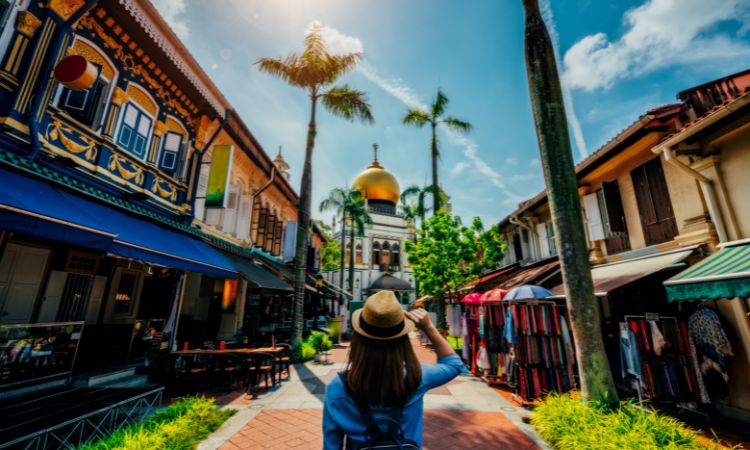
Lesbos’s culinary identity centers on olive oil, fresh seafood, and simple preparations highlighting local ingredients. The island ranks among Greece’s premier olive-producing regions; touring olive groves and family-run presses reveals the journey from fruit to extra-virgin oil. Visitors learn about traditional harvesting methods—hand-picking versus mechanical—and witness cold-press extraction that preserves flavors and healthful compounds. Tastings compare oils from different groves, noting nuances influenced by soil, microclimate, and olive varieties. Many producers pair oil tastings with breads or local cheeses, demonstrating how a drizzle transforms simple dishes.Seafood is equally central: coastal tavernas serve catch-of-the-day options like grilled octopus, sea bream, sardines, and calamari. Chefs often emphasize freshness: menus may change daily based on what fishermen bring in. Classic preparations include lightly grilled fish drizzled with olive oil and lemon, or fried small fish served alongside crisp salads. Kapamas (braised meats) appear in villages, but seaside dining often centers on seafood paired with local wines or ouzo. Sampling homemade spoon sweets—preserved fruits in syrup—offers a sweet counterpoint after savory courses; they reflect island preserves traditions.Organized culinary tours connect travelers with producers: visiting a distillery in Plomari to understand ouzo production, from fermenting grains to distillation, or sampling tsipouro (pomace brandy) in smaller establishments. Hosts explain cultural significance: communal distilling sessions often accompany family gatherings in autumn. Wine tours may involve small vineyards experimenting with local and international grape varieties suited to island conditions. Tastings in vineyards or cellar doors foster appreciation for Lesbos’s wine scene beyond mainstream imports.Cooking classes provide hands-on immersion: under local chefs’ guidance, participants prepare meze spreads—dips like skordalia, taramasalata, fava; vegetable dishes using seasonal produce; and traditional desserts. Classes often take place in home kitchens, fostering convivial atmospheres where stories accompany recipes. Guests learn to source ingredients at local markets in Mytilene or villages, selecting olive oil, herbs, cheeses, and vegetables. Market visits reveal array of produce: artichokes in spring, figs in summer, citrus in winter.Dining etiquette emphasizes sharing: meals linger over multiple small dishes, encouraging conversation and relaxation. Many tavernas are family-run, with owners greeting visitors warmly. Pricing remains reasonable compared to more touristy Greek islands, offering good value for quality. For budget-conscious travelers, exploring local bakeries for snacks or street markets for fresh produce provides authentic experiences.Seasonality affects offerings: spring brings wild greens used in pies; summer yields fresh tomatoes and eggplants; autumn harvests olives and grapes; winter markets feature citrus fruits. Aligning visits with olive harvest (October–November) or local food festivals adds depth. Travelers committed to sustainable tourism choose tours and eateries that respect local resources, minimize waste, and support small-scale producers. By prioritizing quality ingredients and traditional methods, Lesbos’s culinary experiences leave lasting impressions, nourishing body and soul while connecting visitors to island rhythms and flavors.
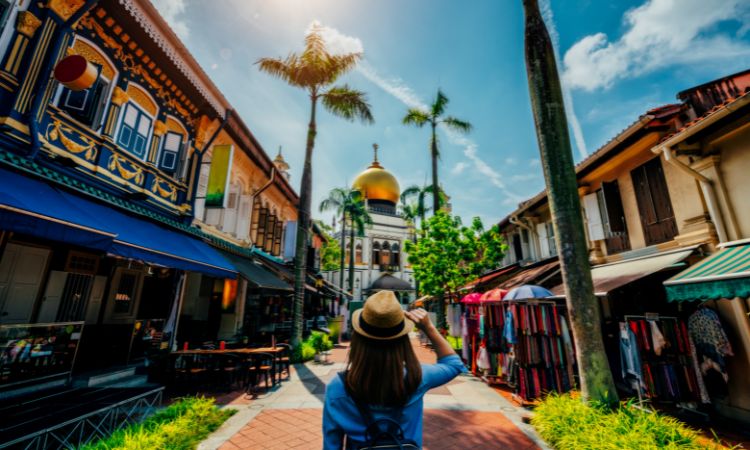
Lesbos’s beverage traditions invite exploration of ouzo, tsipouro, and emerging local wine offerings. Plomari, located on the southern coast, is renowned for ouzo production: distilleries open their doors to explain ancestral techniques. Visitors observe fermentation of grapes or grains, distillation in copper stills, and flavoring with aniseed. Tasting sessions showcase differences among brands, from smooth, subtly aniseed-forward varieties to robust flavors. Distillers often accompany tastings with small plates—olives, cheese, or seafood bites—that complement the spirit. Learning about ouzo’s cultural role—in convivial gatherings, festivals, and as a welcoming gesture—enriches appreciation.Tsipouro, a stronger pomace brandy, is produced in smaller batches by local families. Guided visits to traditional distillers reveal seasonal rhythms: after grape harvest, pomace is collected and distilled. Tasting tsipouro neat or in cocktails demonstrates versatility. Hosts share recipes for pairing tsipouro with meze: small fried fish, cured meats, or vegetable spreads. Some establishments offer tasting flights, comparing tsipouro from different villages or distilling methods, highlighting variations in aroma and strength.Wine production on Lesbos is modest but growing. Vineyards tend to be small-scale, experimenting with indigenous grapes like Chidiriotiko alongside international varieties that adapt to volcanic soils and island climate. Wine tours involve visits to boutique wineries where vintners explain vineyard challenges—wind exposure, water scarcity—and sustainable practices such as organic farming or limited irrigation. Tasting sessions often occur in picturesque settings: terraces overlooking olive groves or sea vistas. Samples may include crisp whites suited to seafood, light reds for meaty dishes, or rosés reflecting summer drinking. Some vintners offer cellar tours, revealing aging processes in oak or stainless steel.Combining beverage experiences with culinary pairings enhances understanding: olive oil drizzles on bread accompany ouzo; grilled sardines contrast with chilled white wine; dessert spoon sweets pair with tsipouro. Workshops may teach blending techniques—creating custom tsipouro infusions with local herbs or citrus peels. Seasonal events—harvest festivals or distilling celebrations—invite participation in communal traditions, from grape stomping to late-night distilling gatherings.Visitors should plan ahead: some distilleries and wineries operate by appointment, especially smaller producers. Transportation logistics matter: arranging local guides or driver services ensures safe travel between sites. Many experiences include light meals, so a moderate appetite is helpful. Ethical considerations: choosing distilleries that follow sustainable practices, respect local water resources, and avoid large-scale commercialization supports community resilience. Souvenir purchases—bottles of ouzo, tsipouro, or limited-run wines—allow taking home island flavors, but travelers should respect customs and transport regulations.Overall, Lesbos’s beverage culture offers a window into island heritage: from age-old distilling traditions passed down through families to innovative vintners responding to climate and terroir. Whether savoring ouzo by the harbor at sunset, sipping tsipouro after a meal in a mountain village, or discovering emerging wines on a vineyard terrace, these experiences deepen connection to Lesbos’s rhythms and flavors, leaving lasting memories of conviviality and taste..
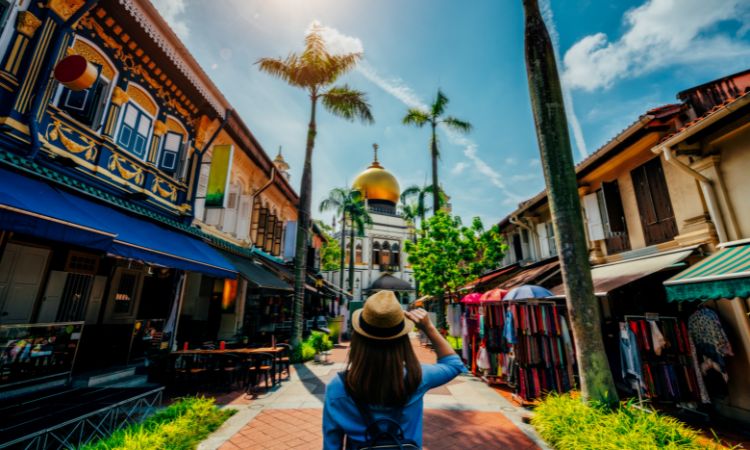
Lesbos’s natural thermal springs form the heart of island wellness offerings. Notable sites include Eftalou, Polichnitos, and Therma (near Mytilene), where mineral-rich waters bubble from underground sources. Eftalou’s springs sit adjacent to the sea: pools built into rock basins overlook the Aegean, allowing visitors to alternate between warm soak and cool sea dip. The mineral composition is said to benefit skin conditions and muscle relaxation. Nearby amenities may include simple changing facilities and small cafés offering refreshments, preserving a rustic charm rather than commercial spa complexes.Polichnitos springs, surrounded by olive groves and pine trees, provide a tranquil setting. Bathing facilities range from tiled pools to rock-edged basins; local operators sometimes offer massage services using olive oil or aromatic herbs grown locally. The serene environment encourages mindfulness: listening to bird calls, feeling the gentle breeze through foliage, and absorbing natural scents. For those seeking guided wellness retreats, some guesthouses package accommodations with thermal visits, yoga sessions at sunrise, and healthy Mediterranean meals emphasizing local produce.Therma, on Lesbos’s northeastern coast, features smaller but authentic springs where locals and visitors gather. The hot water emerges near the beach, enabling combined beach-and-spa experiences. Early mornings or late afternoons tend to be quieter, ideal for reflective soaking. Safety: water temperatures vary; signage or local guidance indicates recommended bathing durations. Visitors should stay hydrated and avoid prolonged immersion. Combining thermal visits with light walks or gentle hiking in nearby trails enriches the experience: transitioning from warm spring pools to shaded forest paths invigorates body and mind.Beyond springs, Lesbos supports wellness through its environment: olive-scented air, pine forests, and gentle sea breezes foster relaxation during simple activities—walking along the shore, meditating at sunrise, or practicing yoga on a quiet beach. Accommodation options include eco-lodges and boutique guesthouses offering wellness packages: healthy breakfasts featuring olive oil, honey, fresh fruit; herbal teas from local plants; and optional treatments such as massages or aromatherapy using island-sourced ingredients.Seasonal considerations: spring and autumn are ideal for wellness trips when temperatures are moderate and springs less crowded. Summer visits benefit from combining early-morning soaks before beach crowds. Winter may allow off-season retreats, though facilities may operate on reduced schedules; the mild climate still permits outdoor activities. Booking in advance ensures access, especially in peak periods.Respectful behavior includes observing local customs: modest swimwear when locals frequent springs, maintaining quietude around communal bathing areas, and disposing of any waste properly. Supporting small operators—family-run guesthouses or locally managed spring facilities—helps maintain authentic experiences and contribute to community livelihoods.In summary, Lesbos blends natural thermal resources with serene landscapes to offer holistic wellness. Whether seeking relief from physical tension, mental relaxation, or mindful connection with nature, visitors find simple yet profound experiences in warm spring waters, olive-scented surroundings, and gentle rhythms of island life. Embracing these offerings fosters rejuvenation that resonates long after departure.
Lesbos occupies a pivotal location on the migratory route between Europe and Africa, making it a premier birdwatching destination. Each spring and autumn, wetlands around Kalloni Gulf become staging grounds for thousands of migratory birds: flamingos, herons, egrets, waders, and raptors pass through or overwinter here. Birdwatchers can join guided tours led by experienced local ornithologists who know seasonal patterns, best viewing hides, and migration timings. Well-placed observation hides allow close but respectful encounters: binoculars and cameras capture images without disturbing habitats. Educational sessions often accompany tours, explaining species behavior, conservation status, and local efforts to protect wetlands.Beyond wetlands, Lesbos’s varied habitats support diverse fauna: pine forests and olive groves host songbirds, woodpeckers, and small raptors. Hiking trails in Polichnitos or Agiassos regions provide opportunities to spot endemic or resident species. Seasonal wildflower blooms attract insects, contributing to a balanced ecosystem. Eco-tourism operators may organize guided nature walks combining birdwatching with botanical exploration, teaching visitors to identify plants used in traditional medicine or cuisine.Community-based eco-initiatives involve local families hosting visitors in agritourism settings: staying in traditional farmhouses surrounded by olive groves, participating in olive harvesting, and learning about sustainable agriculture. Such experiences highlight connections between farming practices and biodiversity: traditional low-intensity cultivation supports wildlife corridors. Visitors may assist in olive picking or vineyard work, gaining insights into local livelihoods and fostering appreciation for environmental stewardship.Conservation volunteer programs occasionally offer visitors the chance to contribute directly: monitoring bird populations, participating in habitat restoration, or assisting at local nature centers. These programs usually require advance arrangement but reward with deeper understanding and meaningful impact. Supporting local NGOs or purchasing through eco-certified providers ensures contributions to conservation efforts.Photography workshops focus on capturing wildlife and landscapes: instructors guide composition techniques and ethical practices for minimal disturbance. Early mornings and late afternoons are optimal for light and wildlife activity. Coastal cliffs and inland hills provide vantage points for panoramic shots of wetlands and sea vistas. Responsible photography includes staying on marked paths, avoiding intrusive behavior, and respecting breeding seasons.Seasonal considerations: spring (April–June) and autumn (September–October) are peak migration periods; summer birdwatching focuses on resident species, often requiring early starts to avoid heat. Winter visits may observe wintering populations in wetlands, while mild weather still allows outdoor activities. Travelers should pack appropriate clothing—layered attire, waterproof gear in case of rain, sturdy footwear—and bring their own binoculars if possible, though rentals may be available.Lesbos’s eco-tourism extends beyond birds: marine life exploration via snorkeling or boat tours highlights coastal ecosystems; geological excursions to the Petrified Forest showcase ancient volcanic landscapes; night-time stargazing away from light pollution reveals clear skies. Combining these elements fosters holistic appreciation of natural heritage. By choosing responsible operators, visitors help preserve habitats and support local communities. Birdwatching and eco-tourism on Lesbos thus become not only memorable experiences but contributions to safeguarding the island’s biodiversity for future generations.
No ads. No trails. No commitments


Alice Roses
London, England
51 ST MATTHIAS ROAD
NOTTINGHAM, NOTTINGHAMSHIRE
NG3 2HF
Hours: 8:00 - 17:00, Mon - Sat
support@johnsonholidays.com