 Dkhila Travel
Guide
Dkhila Travel
Guide
Paris is known around the world as the “capital of love,” and even if you don't understand the history of Paris at all

3 Hours
£1.30
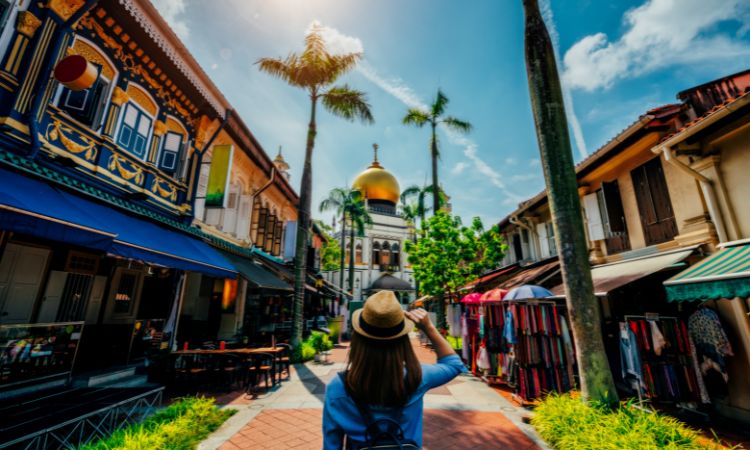
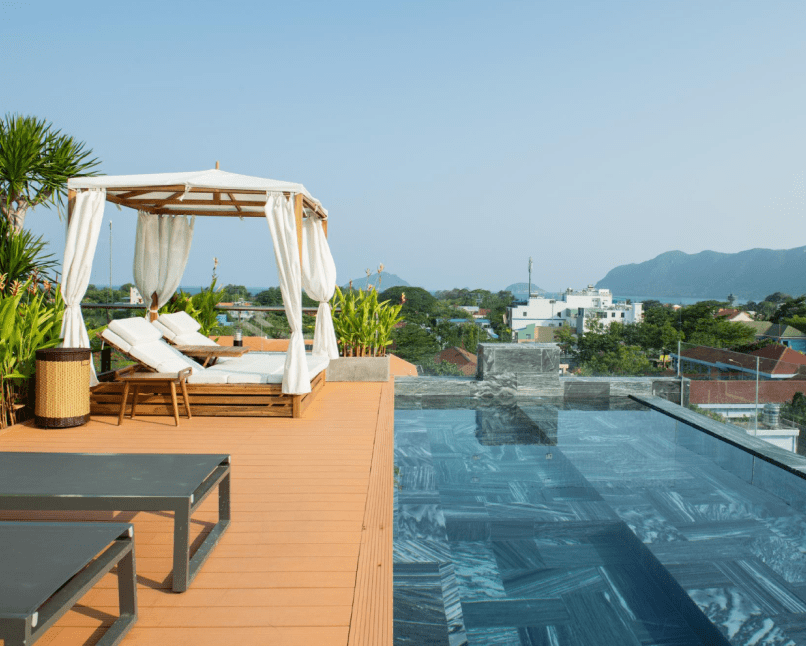
Discover a quieter side of Tunisia’s Mediterranean coast, where beaches remain less crowded and local life flourishes. Dkhila’s shoreline offers calm waters for swimming, gentle dunes for walking, and stunning sunrises that invite early risers. The pace here contrasts with busier resorts, providing an authentic sense of place grounded in Tunisian hospitality. Visitors appreciate engaging directly with family-run guesthouses and small-scale eateries, savoring home-cooked flavors rather than standard buffet fare. This genuine environment makes for a restorative getaway that feels personal and unique.
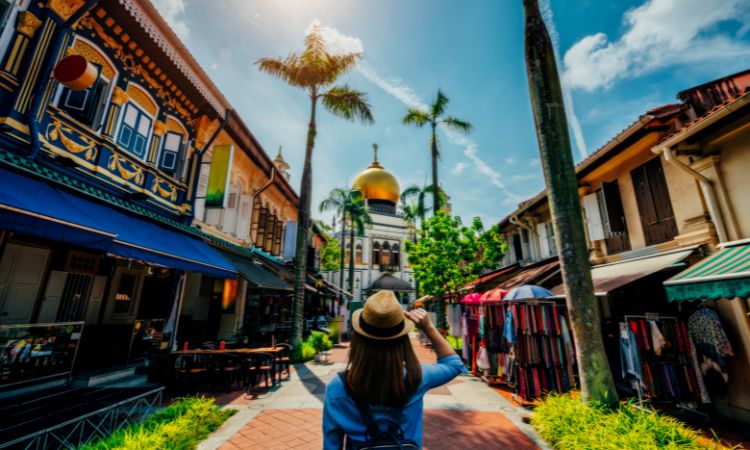
From Dkhila, it’s straightforward to explore nearby historical gems such as the Ribat of Monastir, Roman amphitheatre at El Jem, and the Medina of Sousse. Day trips reveal Tunisia’s layered past, from ancient Carthaginian influences to Ottoman architecture. In quieter afternoons, return to Dkhila’s coastal rhythms, reflecting on discoveries over mint tea or fresh seafood at sunset. The balance between heritage tours and laid-back beach time makes Dkhila appealing for travellers seeking both enrichment and relaxation.
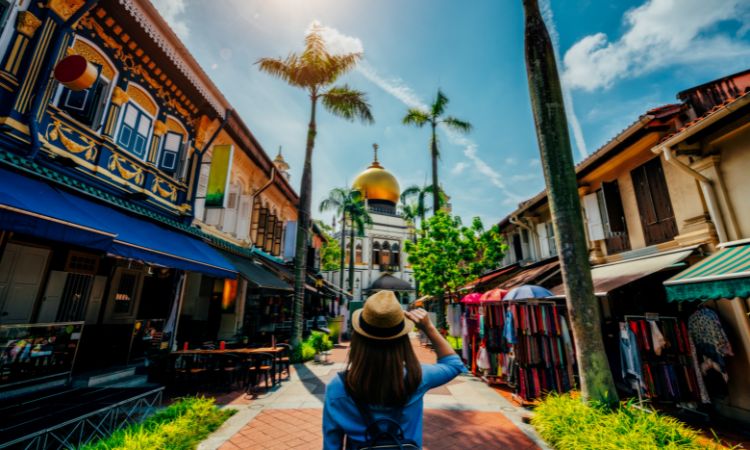
Whether you crave gentle water sports, cultural immersion, or light adventure, Dkhila accommodates varied interests. Kayaking or paddleboarding along the calm coast, guided walks through olive groves, and seasonal excursions to oases offer a blend of active and contemplative experiences. Family travellers value safe shallow beaches, while couples enjoy sunset walks and intimate dining. Solo explorers find welcoming guesthouses and opportunities to join local artisans for craft workshops. This versatility ensures each visit can be tailored to personal preferences.
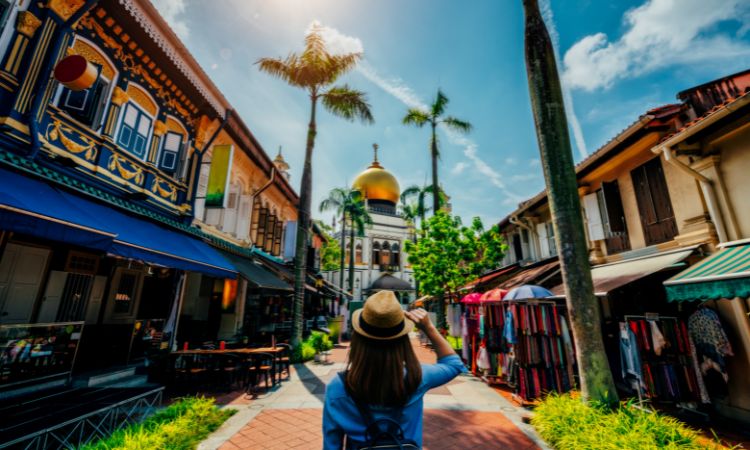
Well-connected by road to Monastir Habib Bourguiba International Airport (MIR), Enfidha–Hammamet International Airport (NBE), and Tunis Carthage Airport (TUN), Dkhila remains accessible without the bustle of major resort hubs. Transfers typically range from 1 to 3 hours, enabling seamless arrivals. Yet, once there, travellers step into a quieter environment that feels removed from mass tourism. This blend of convenience and seclusion appeals to those seeking to explore Tunisia beyond standard package-tour itineraries.
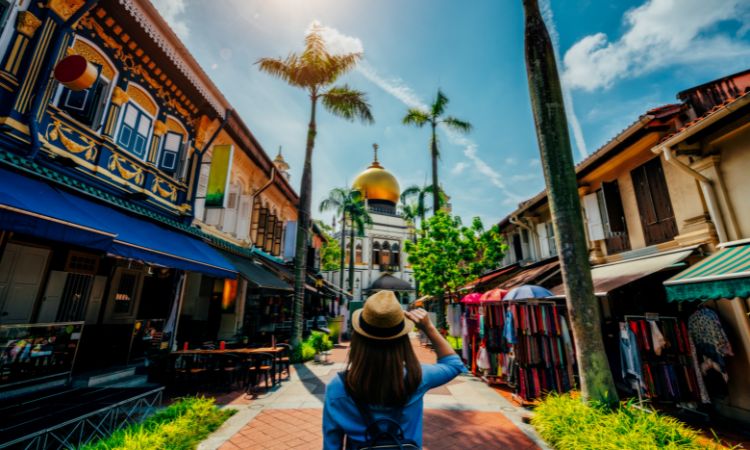
Engage with Tunisia’s rich culinary tapestry by sampling dishes in family-run cafes and seaside restaurants. From freshly caught grilled fish to hearty couscous and flavorful brik pastries, Dkhila showcases Mediterranean and North African tastes. Local markets offer seasonal produce and spices; olive oil tastings and seaside picnics can be arranged. Wine enthusiasts can explore nearby vineyards, while those preferring non-alcoholic options enjoy Tunisian mint tea and locally roasted coffee. This gastronomic variety enhances any stay.
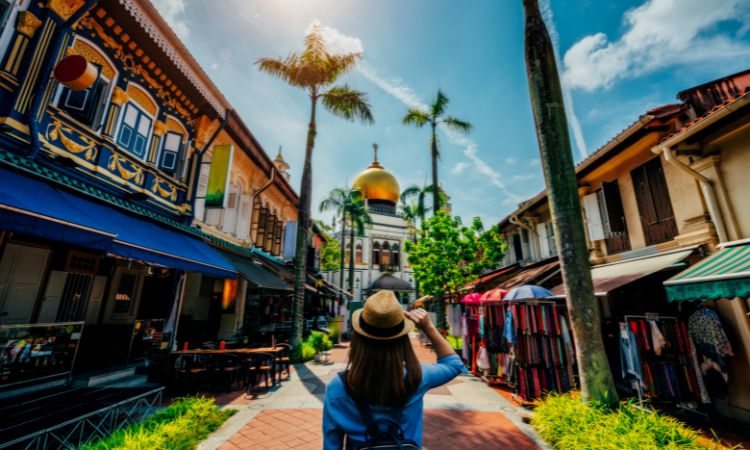
Compared to more developed resorts, Dkhila often delivers better value for accommodation and dining without compromising quality. Many operators emphasize sustainable practices: conserving water, using renewable energy, and supporting community-based projects. Travellers can contribute positively by choosing eco-friendly lodgings and local services. Budget-conscious visitors appreciate off-season rates in shoulder months, while eco-focused guests find opportunities to participate in responsible tourism initiatives, making Dkhila a conscientious choice.
Lorem ipsum dolor, sit amet consectetur adipisicing elit. At illo adipisci iusto
From

Because more than 268 other customers have loved us too

Demonstrates commitment to user data security through encryption and secure payment practices
Learn More
Demonstrates commitment to user data security through encryption and secure payment practices
Learn More
Demonstrates commitment to user data security through encryption and secure payment practices
Learn More
Demonstrates commitment to user data security through encryption and secure payment practices
Learn More
Quality as judged by customers. Book at the ideal price!


/ person
/ person
/ person
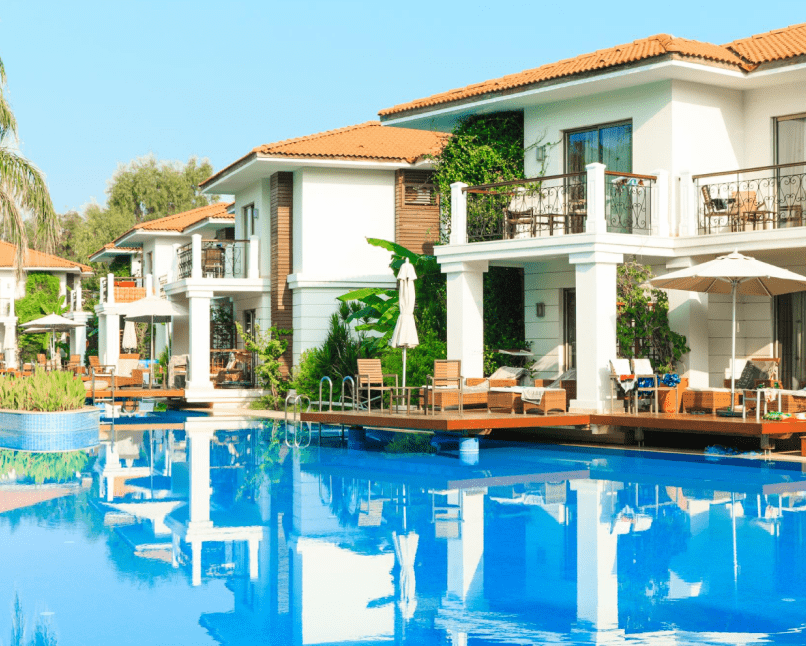
Dkhila’s coastline unfolds in a series of gently sloping beaches characterized by fine golden sand and tranquil Mediterranean waters. These beaches are ideal for travellers seeking a restful seaside retreat without the crowds found in larger resort towns. Early mornings offer the best ambience: as the sun rises, the shoreline is bathed in soft light, inviting contemplative walks or yoga sessions on the sand. Swimmers can enter calm waters, perfect for floating or gentle laps, while families appreciate shallow zones safe for children. Many beachfront guesthouses provide sun loungers and umbrellas, and small kiosks offer mint tea or light snacks. Midday brings a chance to retreat to shaded patios or inland cafes, sampling traditional Tunisian dishes such as grilled fish platters accompanied by salads dressed in olive oil and lemon. Afternoons might be reserved for reading under palm trees or napping to the sound of waves. For those desiring light activity, paddleboarding and snorkeling reveal underwater life near rocky outcrops, and small boat excursions allow glimpses of hidden coves. At sunset, beaches transform into gathering spots for locals and visitors alike: groups meet to share tea or a small seafood grill, watching the sky shift through warm hues. Evenings can be spent at beachfront restaurants offering candlelit tables overlooking the sea. Menus often feature catch-of-the-day specials, blending Mediterranean flavors with North African spices. Local wines and non-alcoholic herbal infusions accompany meals. After dinner, a stroll on the sand under star-filled skies can be magical, with the gentle sound of waves providing a soothing soundtrack. Some establishments host live music or traditional performances on selected nights, allowing travellers to experience Tunisian culture in an intimate setting. Practical tips include bringing reef-safe sunscreen and refillable water bottles to reduce plastic use. While sunbeds may be available, consider supporting smaller vendors by purchasing refreshments locally. If visiting in peak summer months, arrive early to secure a shaded spot; in shoulder seasons, the beaches are quieter, and water temperatures remain pleasant through late October. Overall, Dkhila’s beach escapes balance relaxation and light exploration, offering a rejuvenating coastal experience that showcases Tunisia’s quieter seaside charm.
For active travellers, Dkhila presents a variety of water sports that capitalize on its calm, clear Mediterranean waters. Paddleboarding is particularly popular: rentals and basic lessons are often available at beachfront operators. Beginners can find stable boards suitable for the gentle waves, paddling close to shore to observe underwater flora and small fish. More experienced paddleboarders may venture slightly farther, exploring rocky points or using boards for yoga sessions on water. Snorkeling offers another gateway to coastal exploration. In shallow bays, underwater visibility is good, revealing rocky reefs inhabited by colorful marine life. Equipment rentals may be arranged through guesthouses or local dive shops. While not known for extensive dive sites, casual snorkeling near rocks yields engaging discoveries: small fish, sea urchins, and varied seabed flora. Those interested in deeper dives can arrange day trips to nearby dive centers in Monastir or Sousse, though these typically require transport outside Dkhila. Kayaking is also feasible on calm days, with single and tandem kayaks available for rent. Paddling along the coast offers a unique perspective: the shoreline’s geological features, occasional cliff segments, and small hidden coves become accessible. These excursions may include brief stops at secluded spots for swimming or picnicking. Morning and late afternoon sessions are often most pleasant, avoiding midday heat and offering better light for photography. Windsurfing and kitesurfing are less widespread here due to generally moderate wind conditions; however, on breezier days in shoulder seasons, local operators may organize lessons or board rentals for intermediate enthusiasts. It’s advisable to check wind forecasts and coordinate with operators in advance. Fishing excursions can be arranged for those keen on angling: small boats head into deeper waters for opportunities to catch Mediterranean species. These trips often include local guides who know seasonal patterns and best spots, culminating in a fresh-catch meal back onshore if permitted. Safety is paramount: always wear life vests, follow local guidance, and be mindful of changing weather. Water temperatures remain comfortable from late spring through autumn, but wetsuits may be recommended if you plan longer sessions in early or late seasons. Respect marine life and avoid disturbing sensitive habitats; use reef-safe sunscreen and refrain from touching or removing marine organisms. For families, supervised paddle sessions and shallow snorkeling close to shore provide safe, enjoyable experiences. Overall, water sports in Dkhila blend gentle adventure with an appreciation for the Mediterranean’s natural richness.
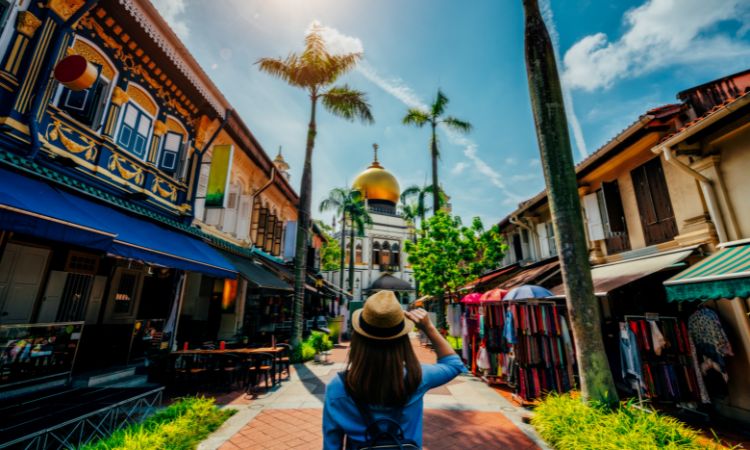
Though primarily a coastal locale, Dkhila serves as a doorway to Tunisia’s desert fringes, where arid landscapes reveal another dimension of the country. Organized day trips or overnight stays can be arranged to nearby oasis villages and desert camps. These excursions often depart early morning, traveling inland by 4x4 or comfortable minibus, traversing changing scenery from olive groves to sandy plains. Along the way, travellers pass small settlements with architecture adapted to semi-arid conditions—flat-roofed houses, palm groves sustaining agriculture, and occasional caravanserais hinting at historic trade routes. At desert-edge camps, accommodations range from simple tents to more organized glamping setups. Even a brief visit offers insight into Bedouin culture: guided walks among date palms, demonstrations of traditional irrigation (foggaras), and discussions about life in arid zones. Camel treks can be arranged for short rides at sunset, allowing travellers to witness the desert’s shifting colors. Evening brings clear skies perfect for stargazing; without urban light pollution, constellations appear vivid, and some operators include local storytelling around campfires, sharing tales of desert lore. Cuisine in desert excursions often features hearty, local dishes: tagines cooked over coals, couscous with seasonal vegetables, and sweet dates or nuts for dessert. Tea ceremonies illustrate hospitality customs, inviting travellers to participate in mixing mint tea and savoring flavours amidst quiet surroundings. Overnight stays may include basic bedding in tents; ensure to confirm comfort levels in advance—some prefer day trips only, returning to Dkhila’s hotels by night. Morning light in the desert is cool and crisp, ideal for photography as dunes and rocky outcrops reveal textures and shadows. Seasonal considerations matter: summer heat can be intense inland, so excursions often focus on early mornings or late afternoons. Shoulder seasons (spring and autumn) provide moderate temperatures and blooming desert flora near oases. Bring appropriate clothing: lightweight, breathable fabrics, sun protection, and layers for cooler nights. Hydration is critical; carry sufficient water and heed guides’ advice on pacing. Respect local customs: modest dress when interacting with village communities, and ask permission before photographing individuals. Beyond the immediate desert camps, some excursions include visits to salt flats, fossil sites, or ancient ruins scattered in arid zones. Guides knowledgeable about geology and history enrich the experience by explaining how these landscapes evolved and their roles in trade and settlement. While Dkhila itself is coastal, incorporating desert excursions transforms a seaside holiday into a broader Tunisian adventure, revealing the country’s geographic diversity and deep cultural roots tied to both land and sea.
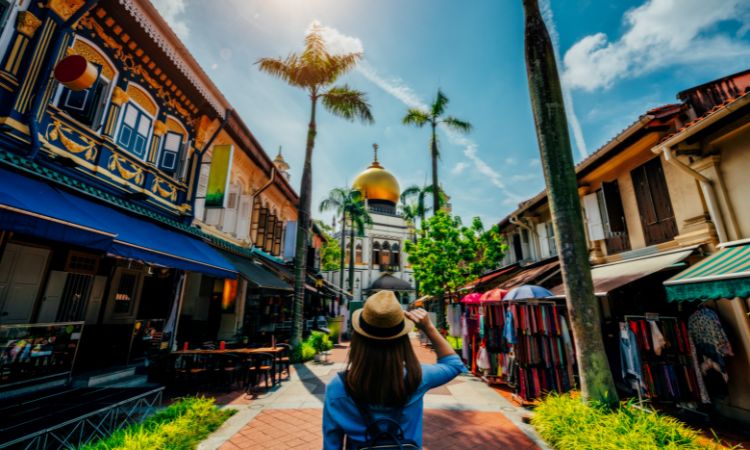
Dkhila’s location makes it an excellent base for exploring Tunisia’s rich historical tapestry. One of the nearest major landmarks is the Ribat of Monastir—an imposing medieval fortress built for defense and spiritual retreat. Visitors can climb its towers to enjoy panoramic coastal views, imagining how guards once watched approaching ships. Guided tours often include explanations of the Ribat’s architectural features, defensive strategies, and its role in Islamic scholarship. Nearby, the Great Mosque of Monastir and Monastir’s old Medina provide further immersion: narrow alleys lined with artisan shops, centuries-old doorways, and lively market stalls. El Jem’s Roman amphitheatre, a UNESCO World Heritage site, lies within a couple of hours’ drive. This nearly intact arena once held tens of thousands of spectators; walking its corridors evokes ancient spectacles of gladiators and chariot races. Audio guides or local experts narrate the site’s history, construction techniques, and the broader context of Roman Africa. Complementary nearby attractions include a small museum displaying mosaics and artifacts uncovered in the region, underscoring the area’s significance during antiquity. Sousse, another hour from Dkhila, features a well-preserved Medina and fortress walls overlooking the sea. The Medina’s maze-like alleys host traditional souks selling textiles, ceramics, and local crafts. Visitors can climb the Kasbah for coastal vistas and explore small museums showcasing Islamic art and archaeology. Sousse’s archaeological museum contains one of North Africa’s finest mosaic collections, revealing intricate designs from Roman villas. These sites collectively illustrate Tunisia’s layered past—from Punic and Roman periods through Islamic dynasties and Ottoman rule. For those interested in more off-the-beaten-path history, guided visits to rural Ksour (fortified villages) or ancient Berber settlements can be arranged. These often require coordination with specialized tour operators, but provide insight into pre-modern rural life, traditional architecture, and local legends. Seasonal festivals sometimes re-enact historical events, featuring traditional music and dance. Participating in or witnessing such events deepens understanding of local identity and continuity of cultural practices. Practical advice: start early to avoid midday heat when touring outdoor ruins, carry water and sun protection, and wear comfortable shoes for uneven terrain. Book guided tours in advance during peak season, as sites like El Jem can get busy. Combining visits to multiple sites in one or two-day circuits maximizes time, but consider dedicating full days to major landmarks for deeper engagement. Returning each evening to Dkhila allows for a restorative beachside stay after full-day explorations. Ultimately, the interplay of coastal relaxation and heritage discovery makes Dkhila an ideal hub for travellers seeking both sun and story.
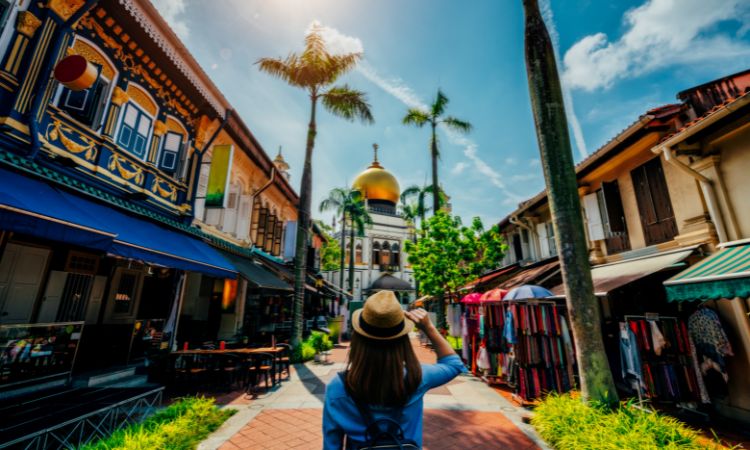
Tunisian cuisine reflects Mediterranean influences mingled with North African spices, and Dkhila offers a gateway to authentic local flavours. Small seaside cafes serve freshly caught fish and seafood, often grilled or prepared in light stews with tomatoes, olives, and capers. Sampling a grilled sea bream or calamari at sunset, accompanied by a simple salad dressed in olive oil and lemon, embodies the region’s culinary ethos: fresh ingredients treated with minimal fuss to highlight natural tastes. In town markets nearby, vendors display seasonal produce: ripe tomatoes, peppers, aubergines, and olives. Guided visits to these markets introduce travellers to selecting ingredients for cooking classes or private dining experiences. Some guesthouses arrange hands-on workshops where visitors learn to prepare brik (a thin pastry filled with egg and tuna or meat), couscous crafted with local semolina, and tagines simmered with vegetables or lamb. These sessions often conclude with communal meals where guests share dishes they helped create, deepening cultural connections through food. Traditional Tunisian condiments play a central role: harissa (a chili paste), preserved lemons, and olive oil from nearby groves. Visitors can tour small olive farms to see production processes and taste different olive oil varieties. Seasoned with herbs like thyme and rosemary, local oils enhance salads and grilled dishes. Olive harvest occurs in autumn; travellers visiting then may participate in picking olives, pressing them, and understanding the seasonal rhythms that shape local gastronomy. For a sweet finish, Tunisian pastries such as makroud (date-filled semolina cakes) or bambalouni (fried doughnuts dusted with sugar) offer a taste of traditional desserts. Many pastries accompany afternoon coffee or tea; visiting a family-run patisserie yields insight into recipes passed down through generations. Local cafés serve strong coffee, mint tea, or sometimes locally produced wines or craft beers available in larger towns. Sampling beverages alongside small plates fosters convivial moments and showcases the hospitable culture. Dining etiquette: polite to accept invitations to share tea or coffee, and modest portions can be requested if sampling multiple dishes. Prices in Dkhila tend to be moderate compared to larger resorts, but quality remains high; support small businesses by choosing family-run establishments. For special occasions, travellers may arrange a private beachfront dinner with a set menu featuring seafood, salads, and local desserts, often accompanied by live acoustic music. These experiences combine taste, ambiance, and scenery, creating memorable culinary highlights of a Tunisian stay centered in Dkhila.
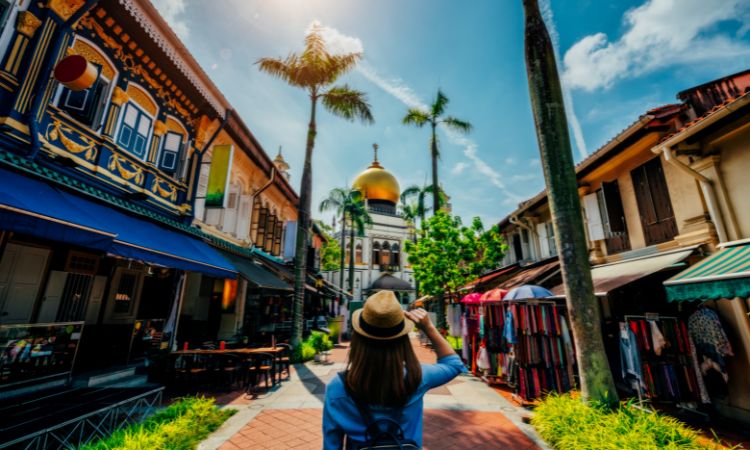
Tunisia hosts numerous festivals throughout the year celebrating music, heritage, and local traditions, and while Dkhila itself may not host large-scale events, its proximity to Monastir, Sousse, and other regional centers provides easy access to vibrant celebrations. In spring, cultural festivals often showcase Andalusian and Malouf music in historic venues, offering travellers melodic encounters with local and regional artists. Festival schedules vary yearly, so planning visits around key dates enhances the cultural experience. Summer months bring open-air concerts and theatre performances in amphitheatres or beachfront stages. For instance, Monastir’s festival calendar may include music nights featuring traditional instruments or contemporary performances under the stars. Participating in these events allows travellers to witness how Tunisians blend modern entertainment with heritage settings. Smaller village festivals celebrate agricultural cycles: olive blossom events, date harvest gatherings, and market fairs where artisans exhibit handicrafts such as pottery, weaving, and jewelry. Religious and communal celebrations also offer insight into local life: Ramadan evenings feature special iftar meals and social gatherings; Eid festivals bring families together for feasting and communal prayers. While travellers should respect the solemnity during daytime fasting periods, evening events can be warm social experiences, with streets and cafes coming alive after sunset. Understanding local customs around these periods enriches interactions and fosters respectful participation. Film festivals and arts exhibitions occasionally occur in Sousse or Tunis; Dkhila-based travellers can arrange day trips to attend screenings or gallery openings. Some events focus on documentary or short films highlighting North African narratives, enabling deeper awareness of social issues and creative expression. Workshops or talks may accompany screenings, inviting dialogue with filmmakers or critics, beneficial for culturally curious visitors. For those timing visits around festivals, booking accommodation in advance is advised, especially during peak event dates. Even if Dkhila lodgings fill up, nearby towns have options with shuttle connections. Engaging with local guides or cultural associations helps identify lesser-publicized events: rural music gatherings, pottery-making demonstrations tied to festival themes, or community-based performances. These grassroots events often provide the most authentic window into Tunisian life beyond main tourist circuits. Travellers should plan for comfortable transport: festivals may run late into the evening, so pre-arranged transfers or car rentals ensure safe returns. Dress codes vary by setting—open-air concerts may be casual, while visits to religious sites require modest attire. Bringing a small gift (e.g., sweets) when invited to private gatherings can be appreciated. Overall, leveraging Dkhila as a base for cultural festival exploration combines seaside relaxation with enriching heritage experiences, creating a well-rounded Tunisian journey..
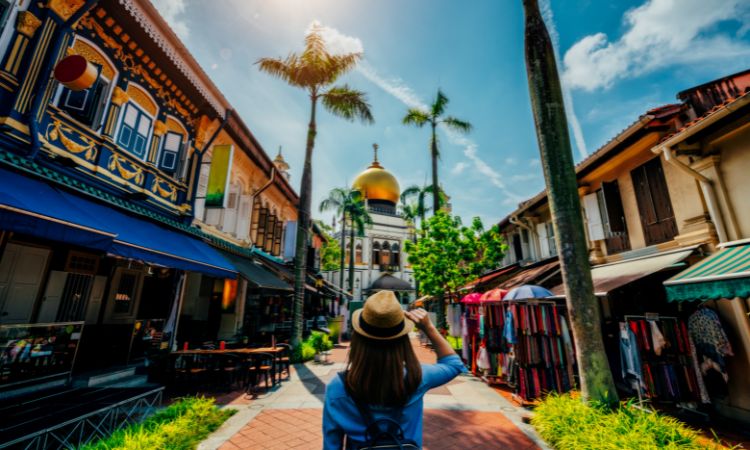
The tranquil environment around Dkhila makes it conducive to wellness-focused travel. Many accommodations incorporate spa services—massages using local oils, traditional hammam experiences, and yoga sessions on terraces overlooking the sea. Start mornings with guided yoga or meditation on the beach, where the gentle sound of waves supports mindfulness practices. Some guesthouses partner with certified instructors for small-group classes or private sessions tailored to different skill levels. Hammam rituals, part of North African bathing culture, offer rejuvenation through steam, exfoliation with black soap and kessa mitt, and nourishing body wraps. Participating in a communal or private hammam provides insight into local customs and promotes well-being. Facilities vary from simple setups in guesthouses to more sophisticated spa centers in nearby towns; booking in advance is recommended to secure preferred times. Combine hammam with massage treatments using olive oil or argan oil blends, often infused with lavender or rose water for soothing aroma. Nutrition-focused experiences include healthy cooking classes emphasizing fresh, seasonal produce and balanced meals. Learning to prepare dishes prioritizing vegetables, whole grains, and lean proteins aligns with wellness goals and encourages travellers to continue healthy habits at home. Local dieticians or chefs may guide sessions, explaining nutritional benefits of olive oil, legumes, and herbs prevalent in Tunisian cuisine. Follow up with mindful dining in serene settings—garden patios or beachfront terraces—immersing in slower-paced meals. For deeper relaxation, some accommodations arrange sound therapy or aromatherapy sessions. Natural surroundings—sea breeze, olive groves, and open skies—enhance the calming ambiance. Mindful walking paths along the coast or through nearby groves allow gentle exercise and reflection. Birdwatching can be integrated for nature connection, especially during migratory seasons when coastal wetlands nearby host diverse bird species. This low-intensity activity supports mental well-being by fostering presence in the natural environment. Seasonal retreats may include workshops on stress management or mindfulness led by visiting experts. These often combine theory with practice: guided breathing exercises on the beach at sunrise, journaling sessions in tranquil courtyards, and group sharing circles to reflect on experiences. Wellness travellers should plan for off-peak visits to enjoy quieter settings and more personalized attention. Accommodations promoting eco-friendly practices align with holistic well-being by supporting sustainability and respect for local communities. Practical advice: pack comfortable activewear, swimwear suitable for gentle exercise in the sea, and any personal items for spa treatments if preferred (e.g., essential oils). Hydrate adequately, especially during summer, and balance activity with rest periods. Engage with hosts about dietary preferences or restrictions to tailor culinary offerings. By combining physical relaxation, mindful practices, and nutritious cuisine, a wellness retreat in Dkhila becomes a restorative chapter in a broader Tunisian exploration.
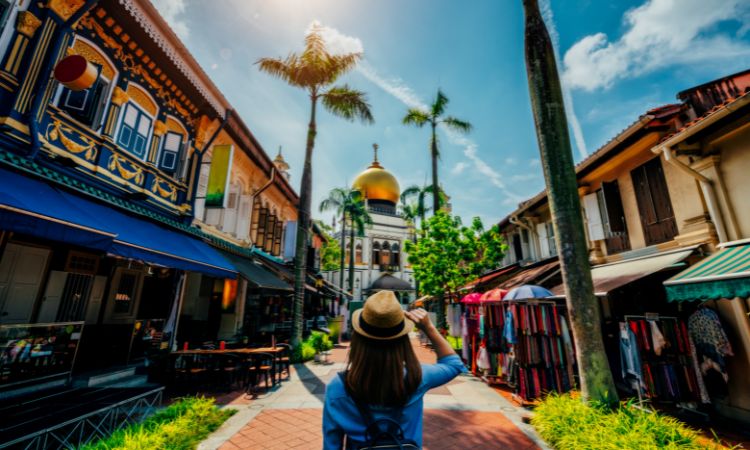
Shopping in and around Dkhila emphasizes artisanal and locally produced items reflecting Tunisian heritage. While large shopping malls are rare here, small souks in nearby towns like Monastir or Sousse offer vibrant markets where visitors can browse textiles, pottery, metalwork, and leather goods. These markets typically feature family-run stalls where bargaining is customary; travellers should engage respectfully, starting with polite inquiries and guided haggling to arrive at fair prices that support local artisans. Pottery from artisan workshops often displays traditional motifs—geometric patterns, arabesques, and vivid glazes. Some workshops allow visitors to observe potters at work or even try their hand at shaping clay, providing memorable hands-on experiences. Ceramics include decorative plates, bowls, and tagine dishes; when purchasing, consider practicality (e.g., weight for transport) and local customs regarding care and use. Many items can be shipped home via courier services arranged by shops, facilitating transport of fragile pieces. Textiles present another highlight: handwoven blankets, shawls, and scarves made from wool or cotton, often dyed with natural pigments. These pieces showcase regional weaving techniques and can serve practical or decorative purposes. Younger artisans may blend traditional designs with modern aesthetics, resulting in unique fashion accessories. Visitors intrigued by weaving processes can seek out cooperative workshops where demonstrations occur, supporting local women’s cooperatives devoted to preserving craft skills. Olive wood carvings and small wooden items—kitchen utensils, decorative figurines—are souvenirs reflecting the region’s olive groves. These items combine functionality and natural beauty; ensure wood is sustainably sourced. Spice mixes and preserved products (e.g., preserved lemons, jars of harissa) can be purchased from reputable vendors; packaging for export is often available. When selecting food items, verify export regulations and shelf life to avoid spoilage. For jewelry, look for silver or beaded pieces incorporating local symbols. Markets may feature amber from nearby desert regions or turquoise-inspired designs. Authenticity matters: choose vendors who clarify materials used. Leather goods—bags, belts, sandals—are often locally made; inspect stitching quality and leather tanning methods to ensure ethical production. Supporting small-scale leatherworkers contributes to local economies and preserves craftsmanship traditions. Beyond shopping, consider visiting cooperative-run craft centers where proceeds support community programs. Some centers host workshops teaching craft skills to travellers interested in immersive learning. When traveling with limited luggage space, prioritize small, high-quality items or arrange shipping. Always inquire about prices in Tunisian Dinar and convert to home currency using current exchange rates; carrying cash in local currency ensures smoother transactions in smaller markets. In Dkhila itself, small gift shops and hotel boutiques may stock locally produced items—postcards, small ornaments, or local olive oil jars—suitable for last-minute souvenirs. For more extensive shopping, day trips to larger souks in Monastir or Sousse provide broader selections. Bringing purchases home as mementos not only recalls Tunisian experiences but also supports artisans preserving cultural heritage.
No ads. No trails. No commitments


Alice Roses
London, England
51 ST MATTHIAS ROAD
NOTTINGHAM, NOTTINGHAMSHIRE
NG3 2HF
Hours: 8:00 - 17:00, Mon - Sat
support@johnsonholidays.com