 Poznan Travel
Guide
Poznan Travel
Guide
Paris is known around the world as the “capital of love,” and even if you don't understand the history of Paris at all

2 Hours
£2.80
Poznan’s role as one of Poland’s earliest political centers is evident in its landmarks: the Old Market Square’s Renaissance town hall, Cathedral Island where the nation’s first cathedral stands, and the Imperial Castle reflecting 20th-century history. Walking these storied streets connects visitors to pivotal chapters of Polish identity, offering depth beyond a typical city break.
Learn More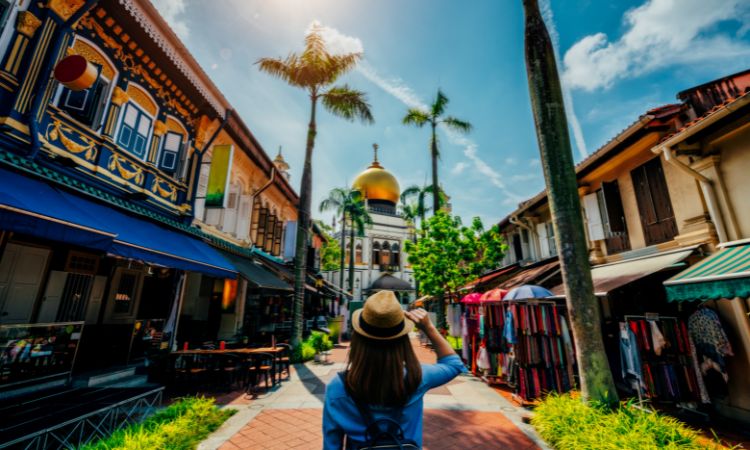
The core of Poznan is easily navigable on foot, allowing travelers to explore multiple attractions in a single day. Charming pedestrian lanes link cafés, galleries, and shops, eliminating long commutes and making spontaneous detours effortless. This accessibility enhances immersion, whether one is browsing a museum or pausing at a riverside bench.
Learn More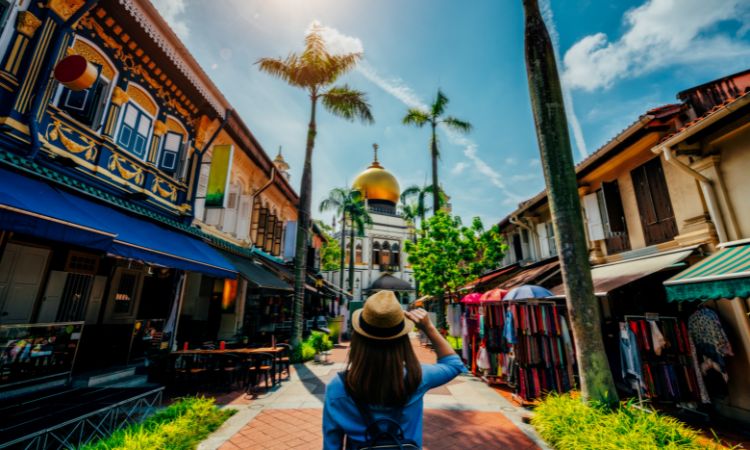
Poznan pulses with festivals, concerts, and exhibitions year-round. From classical performances in historic venues to cutting-edge art installations in renovated industrial spaces, the city caters to diverse tastes. Student-driven creativity brings dynamic street art and pop-up events, ensuring each visit reveals fresh cultural facets.
Learn More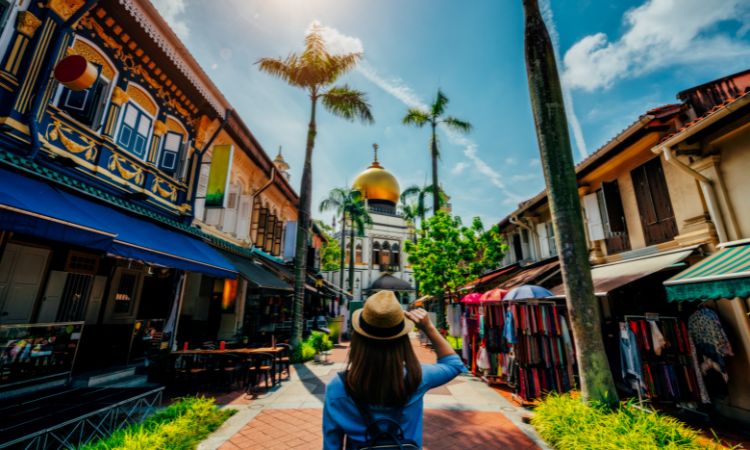
Compared with many European destinations, Poznan offers excellent value: comfortable accommodation, hearty meals, and entertainment at moderate costs. Sampling local specialties—pierogi, regional meats, craft beers—won’t break the bank, and transport via trams or the City Card enhances budget-friendly exploration without sacrificing comfort.
Learn More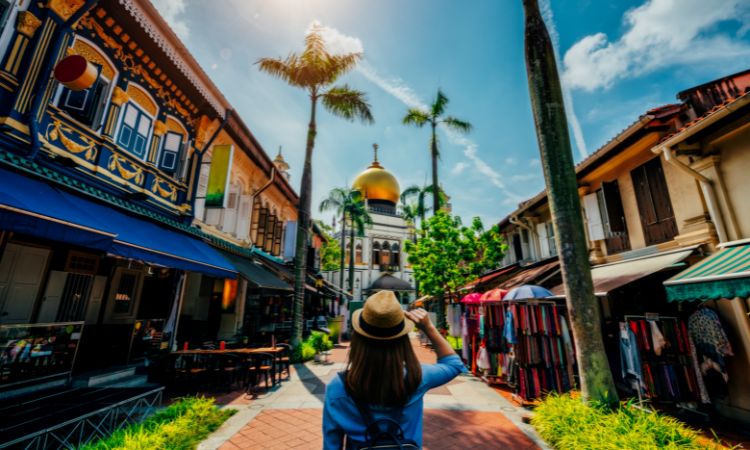
Beyond the urban core, Lake Malta and Citadel Park provide green respites and active pursuits: boating, cycling, nature walks, and seasonal activities like ice-skating. These areas integrate recreation with history, as park fortifications house exhibitions, ensuring that outdoor time also enriches understanding of Poznan’s evolution.
Learn More
Poznan’s location in Greater Poland makes it a gateway to historical sites like Gniezno (Poland’s first capital), Rogalin’s oak forests, and regional wineries. Well-connected transport and manageable day-trip distances let visitors deepen their experience of Polish heritage and landscapes without extensive travel planning.
Learn More
Lorem ipsum dolor, sit amet consectetur adipisicing elit. At illo adipisci iusto
From

Because more than 268 other customers have loved us too

Demonstrates commitment to user data security through encryption and secure payment practices
Learn More
Demonstrates commitment to user data security through encryption and secure payment practices
Learn More
Demonstrates commitment to user data security through encryption and secure payment practices
Learn More
Demonstrates commitment to user data security through encryption and secure payment practices
Learn More
Quality as judged by customers. Book at the ideal price!


/ person
/ person
/ person
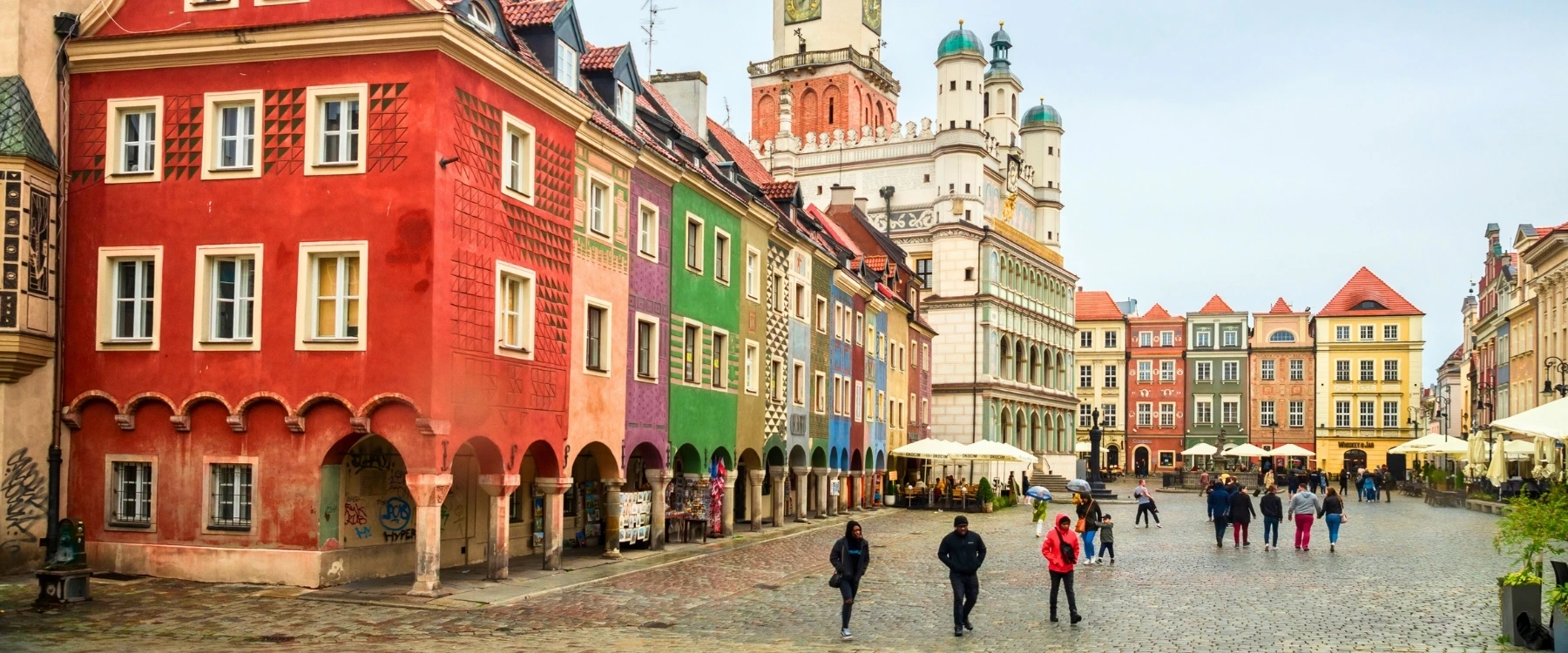
Poznan’s Old Market Square (Stary Rynek) is a compact yet richly layered urban space, where pastel-hued merchant houses encircle the Renaissance-style Town Hall. Early mornings offer a quieter atmosphere: soft light reveals architectural details such as ornate gables and baroque façades. At noon, the Town Hall clock’s famous billy goats butting heads draws a small crowd, a charming tradition symbolizing local folklore. Inside the Town Hall Museum, exhibits trace Poznan’s evolution from medieval trading hub to modern city, providing context for the surrounding streets.Cafés and eateries bordering the square serve Wielkopolska specialties—pierogi with seasonal fillings and comforting soups—alongside contemporary dishes. Outdoor terraces allow visitors to soak in the square’s ambiance: people-watching, sampling craft beers, or enjoying specialty coffees. Artisan stalls occasionally appear, offering handmade crafts and local delicacies, reinforcing the square’s role as a living marketplace.Afternoons are ideal for guided walking tours that reveal hidden courtyards, historic plaques, and narratives behind statues or reliefs on façades. Photographers find golden-hour light particularly rewarding: capturing the interplay of shadows on cobblestones and intricate details of the Town Hall and surrounding buildings. Practical tips: wear sturdy footwear for uneven cobbles and consider a City Card for discounted access to nearby museums.As evening falls, ambient lighting transforms the square into a romantic setting. Street performers may add a festive touch, while nearby bars offer local beers at moderate prices (approx £1.42 per pint). Seasonal markets—such as Christmas fairs—introduce stalls selling handcrafted ornaments and warming treats, enhancing the square’s year-round appeal. Whether lingering with coffee, sketching façades, or joining a folklore-focused tour, Old Market Square encapsulates Poznan’s synthesis of history and contemporary vibrancy.
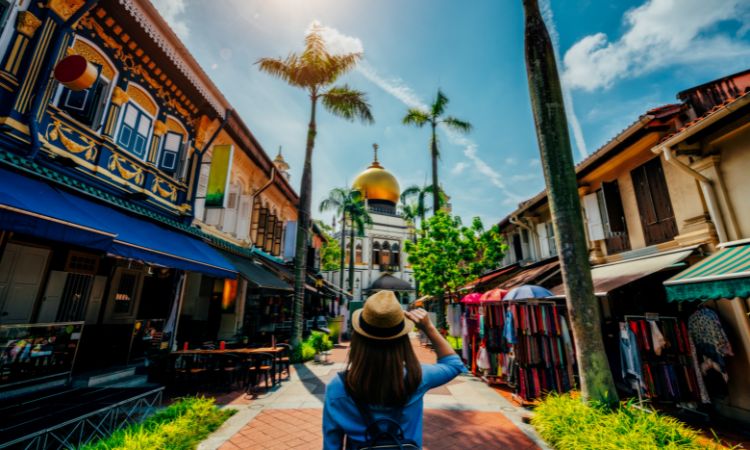
Ostrów Tumski (Cathedral Island) is the cradle of Polish statehood, accessible via charming pedestrian bridges over the Warta River. The Archcathedral of St. Peter and St. Paul, with origins in the 10th century, invites visitors to explore its ornate interior, crypts of early rulers, and exhibits on ecclesiastical art. Climbing the cathedral tower rewards travelers with panoramic views of Poznan’s rooftops and riverbanks, illustrating how the city expanded from this spiritual nucleus.Surrounding lanes and gardens offer a tranquil contrast to the busy center. Informational plaques recount significant events, such as Mieszko I’s baptism, anchoring Poznan’s role in Poland’s foundation. The nearby Archaeological Museum showcases artifacts from early settlements, reinforcing the island’s historical significance. Many displays include bilingual descriptions, aiding international visitors in understanding complex narratives.Cafés near the riverbank provide refreshment spots overlooking calm waters. Morning mist or sunset reflections offer evocative photo opportunities. For families, interactive museum sections engage younger visitors with hands-on medieval life reconstructions. Practical advice: check cathedral service and concert schedules for enriched experiences; wear comfortable shoes for stone floors; visit early to avoid crowds. Combining the island visit with a riverside stroll toward Citadel Park or a short boat tour offers varied perspectives on Poznan’s landscape and heritage. Cathedral Island’s serene ambiance and profound historical resonance make it indispensable for understanding the city’s roots.
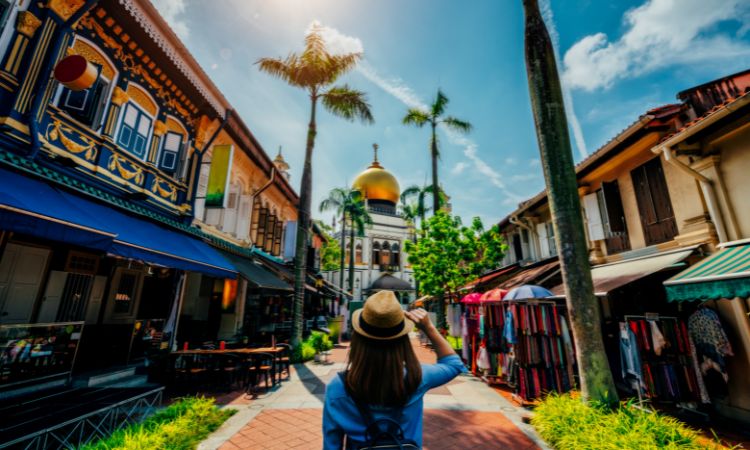
Poznan’s culinary scene balances regional heritage with innovative trends. Traditional dishes include pierogi featuring local mushrooms or meats, hearty żurek soup served in bread bowls, and seasonal specials like rogal świętomarciński (St. Martin’s croissant) in November. Food markets, notably St. Roch’s Market, bustle with stalls offering artisanal cheeses, cured meats, honey, and baked goods—ideal for sampling local flavors and meeting producers.Cafés and bakeries open early, filling streets with aromas of fresh bread and pastries. Specialty coffee spots showcase single-origin brews. Craft beer is prominent: microbreweries offer tasting flights of pale ales, lagers infused with regional hops, and seasonal brews. Pair tastings with bar snacks—pickled vegetables, artisanal cheeses, regional sausages—creating convivial evenings. Prices remain affordable compared to many European cities.Contemporary restaurants fuse Polish techniques with global influences: vegetarian and vegan options using local produce are increasingly available. Sweet offerings include cakes layered with seasonal fruits and ice-cream parlors experimenting with flavors like blackcurrant. Practical tips: reserve tables at popular eateries, especially weekends; use City Card for possible discounts; consider guided food tours to deepen cultural understanding. Food festivals in spring and autumn showcase multiple vendors, cooking demos, and tastings in one venue, making them excellent for exploring a range of specialties. Engaging with Poznan’s gastronomic landscape reveals how culinary traditions adapt in a modern, dynamic urban context.
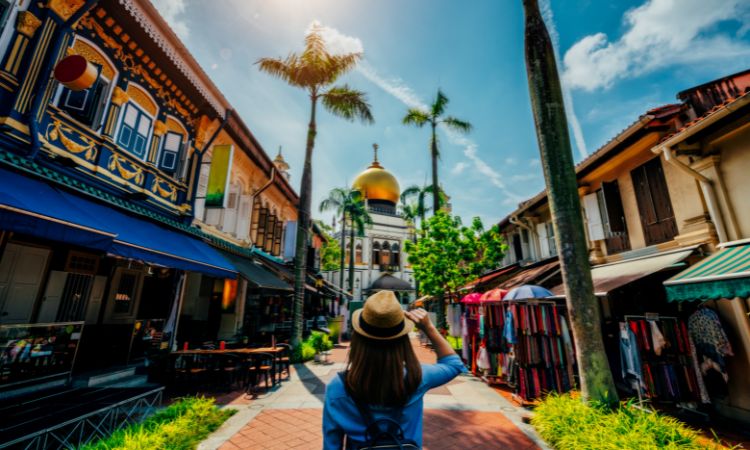
Lake Malta, an artificial reservoir east of the city center, is a versatile recreational area year-round. In summer, calm waters host paddleboarding, kayaking, and boat rentals, while lakeside promenades encourage cycling or jogging along scenic routes lined with greenery. On-site bike rental stations facilitate exploring the full perimeter. Cafés and ice-cream kiosks along the shore provide refreshing breaks after active pursuits. Families enjoy miniature golf and playgrounds; adults find nearby botanical gardens or treetop adventure parks for varied experiences.Winter transforms Lake Malta into a seasonal attraction: ice-skating rinks open when conditions permit, and adjacent Malta Ski lift invites skiing or snowboarding without leaving the city limits. Cozy cafés serve hot drinks with views over frozen waters. Seasonal events—outdoor concerts, film screenings, Christmas fairs—leverage open spaces for communal gatherings. Health and wellness offerings include outdoor yoga sessions and fitness classes by the water, while birdwatchers observe migratory species along the banks. Photographers capture sunrise over misty waters or vibrant sunsets reflecting off ripples, framed by the city skyline.Practical advice: pack swimwear and towel for summer activities; rent bikes early to secure availability; check equipment rental schedules; wear layered attire for winter; consult weather forecasts for outdoor plans. Lake Malta’s blend of leisure, sport, and natural beauty within easy reach of Poznan’s core provides a refreshing complement to urban exploration, ensuring visitors can balance cultural sightseeing with active relaxation.
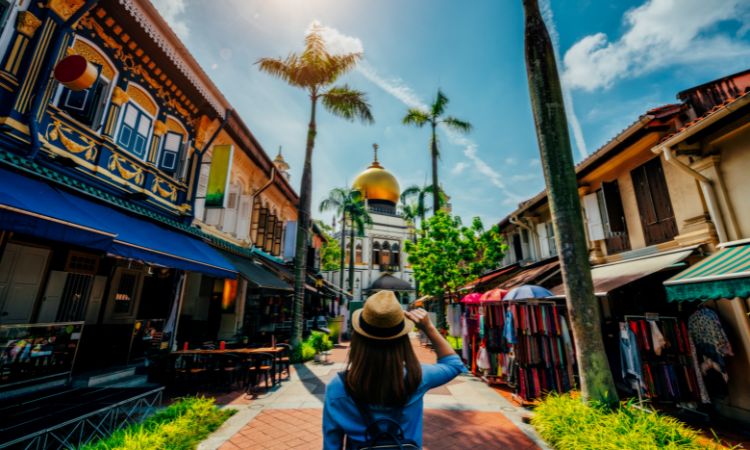
Citadel Park (Park Cytadela) occupies a former fortress site, now a broad green expanse dotted with historical relics, art installations, and panoramic viewpoints. Tree-lined avenues lead to 19th-century fortification remnants, accompanied by interpretive panels detailing the area’s military past and its reinvention as public space. Open lawns host picnickers, while winding paths through wooded sections invite joggers, cyclists, and casual strollers.Sculptures and monuments commemorate historical events; the Military Museum within the park exhibits artifacts relating to both World Wars and regional defense history. Nearby, the Poznan Army Museum deepens insights for history enthusiasts. The contrast between solemn memorials and lively recreational zones encourages reflective exploration punctuated by leisure moments. Birdwatchers spot diverse species in quieter corners; photographers capture interplay of nature and stone architecture, especially during autumn when foliage adds vivid color.Families benefit from playgrounds and open areas for children to play safely, while adults relax on shaded benches. Seasonal programming—open-air concerts, fitness classes, cultural gatherings—animates the park throughout the year. Practical considerations: wear comfortable footwear; carry water or snacks or use nearby cafés; check museum opening hours if planning indoor visits; use a map or smartphone for navigation, as the park is extensive. Citadel Park’s integration of history, art, and nature epitomizes Poznan’s ethos of honoring heritage while fostering vibrant public life.
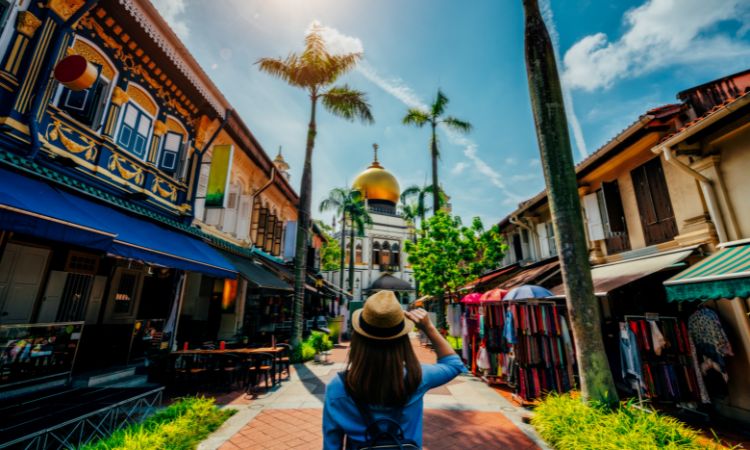
Gniezno, Poland’s first historical capital, lies within easy reach by train or car from Poznan. The centerpiece is Gniezno Cathedral, renowned for its bronze doors depicting scenes from Saint Adalbert’s life, exemplifying medieval craftsmanship and spiritual heritage . Inside, chapels and crypts reveal layers of dynastic history; guided tours share narratives of early Polish statehood, enriching understanding of national origins.The Old Town’s quiet streets host museums exhibiting archaeological finds from early settlements, offering tangible links to centuries past. Local eateries serve Wielkopolska specialties in atmospheric settings, allowing cultural immersion through cuisine. Seasonal markets may appear, providing artisanal crafts and regional foods for sampling and souvenirs. Surrounding landscapes of lakes and forests invite light hiking or cycling: renting a bike locally opens routes through scenic villages and natural spots. Summer visitors can kayak on nearby lakes, while autumn’s changing foliage enhances photography opportunities.Trains depart regularly from Poznan’s main station, making Gniezno a convenient day-trip destination. Practical tips: check attraction opening hours; consider a guided excursion including transport and expert commentary for deeper insights; wear comfortable, weather-appropriate clothing and footwear. A Gniezno visit complements Poznan’s urban experience by tracing Poland’s earliest chapters amid a serene regional backdrop..
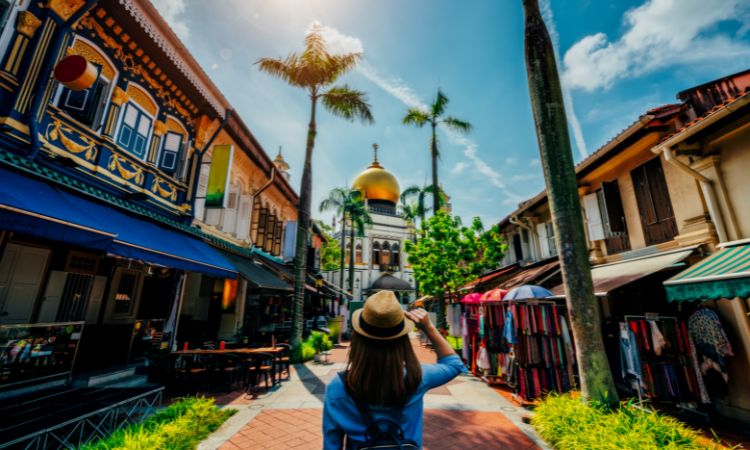
Poznan’s creative scene extends into craft beer, artisan workshops, and local design. Begin at microbreweries where brewmasters explain methods and offer tasting flights: from pale ales to lagers highlighting regional hops and seasonal specialties. Pair tastings with bar snacks—pickled vegetables, artisanal cheeses, local sausages—creating convivial evenings in relaxed taproom settings.Reimagined industrial quarters host artisan studios producing pottery, textiles, or woodcraft. Many workshops welcome visitors for hands-on sessions—crafting ceramics or weaving under local artisan guidance—fostering deeper connections to Poznan’s cultural fabric. Boutique shops in the city center feature locally designed jewelry, clothing, and homeware reflecting modern Polish aesthetics rooted in tradition. Galleries and pop-up markets highlight emerging designers, often accompanied by live music or street performances.Guided craft routes blend brewery visits with studio tours and market stops, offering insights into sustainable practices: breweries sourcing local grains, artisans repurposing materials, and initiatives linking creativity with environmental awareness. Specialty cafés serving locally roasted coffee provide relaxed interludes, pairing drinks with homemade pastries crafted by local bakers. Practical advice: check opening hours which may vary by weekday; reserve brewery tours in advance; bring a reusable bag for purchases; follow local event listings for pop-up artisan fairs. This trail showcases Poznan’s modern identity anchored in tradition, appealing to travelers seeking authentic, hands-on cultural experiences beyond conventional sightseeing.
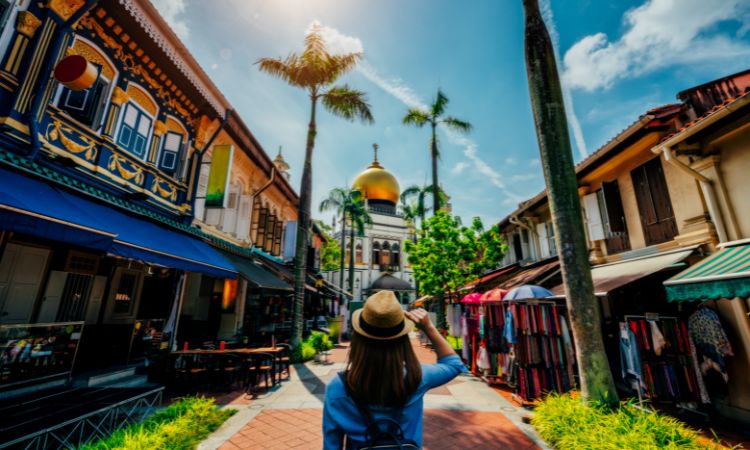
Poznan’s dynamic calendar offers festivals and events year-round, reflecting the city’s creative vitality. Summer brings open-air concerts in parks and squares, including Malta Festival Poznań featuring experimental theatre, dance, and installations across public spaces. Ethno Port attracts world music enthusiasts; film festivals like Ale Kino! engage younger audiences; art biennales and independent cinema showcases appear throughout the year.Food-themed events celebrate regional produce: street food fairs and culinary festivals allow sampling of local specialties in lively environments. The Poznań International Fairgrounds host large-scale trade fairs, some open to public exhibitions on design, technology, and gastronomy trends. Seasonal highlights include Christmas markets (“Betlejem Poznańskie”) with handcrafted goods, mulled drinks, and ice sculpture festivals adding festive charm in winter .Planning ahead is advisable: book accommodation early during major festivals; secure tickets for popular performances or exhibitions in advance; check weather forecasts for outdoor events and dress in layers for unpredictable conditions. Even outside headline events, smaller happenings in cafés, cultural centers, or university venues spotlight local talent, offering intimate glimpses of Poznan’s creative pulse. Practical tips: carry portable charger and water for long festival days; learn basic Polish greetings to engage with locals; follow event hashtags to connect with fellow attendees. Participating in Poznan’s festivals and events transforms a city break into a memorable, immersive experience, revealing the living culture that animates historic streets and modern venues alike.
No ads. No trails. No commitments


Alice Roses
London, England
51 ST MATTHIAS ROAD
NOTTINGHAM, NOTTINGHAMSHIRE
NG3 2HF
Hours: 8:00 - 17:00, Mon - Sat
support@johnsonholidays.com