 Sicily Travel
Guide
Sicily Travel
Guide
Paris is known around the world as the “capital of love,” and even if you don't understand the history of Paris at all

3 Hours
£4.25
Sicily’s sites span the Greek, Roman, Byzantine, Arab, Norman, and Spanish eras, offering a continuous narrative across millennia. From the Valley of the Temples in Agrigento to the Roman mosaics at Villa Romana del Casale, each archaeological site reveals layers of past civilizations. Medieval and Baroque towns—Palermo’s Palatine Chapel, Monreale’s cathedral, Noto’s golden-hued old town—embody architectural splendor. Engaging local guides brings history to life: walking through ancient theatres in Taormina or exploring Syracuse’s Greek ruins immerses travellers in storytelling traditions. This concentration of UNESCO World Heritage sites in varied landscapes makes Sicily a unique open-air museum, inviting culturally curious visitors to uncover its storied past in a way few destinations can match.
Learn More
From the active slopes of Mount Etna—the tallest active volcano in Europe—to rugged mountain ranges (Madonie, Nebrodi) and inviting coastlines, Sicily’s varied terrain caters to every preference. Outdoor enthusiasts can hike volcanic trails, cycle through olive-lined countryside, or kayak along limestone cliffs. Beach lovers enjoy golden sands in Cefalù, Scala dei Turchi, and hidden bays along the Aeolian and Egadi Islands. Nature reserves like Zingaro and Vendicari offer birdwatching, coastal hikes, and pristine coves. This diversity allows blending relaxation with adventure: morning treks above vineyards followed by afternoons lounging on Mediterranean beaches. Sicily’s landscapes create a backdrop for photography, wellness retreats, and immersive nature experiences.
Learn More
Sicilian gastronomy, shaped by centuries of influence, delivers vibrant, flavourful dishes. Street foods—arancini, panelle, sfincione—are ideal for on-the-go tasting. Signature recipes like pasta alla Norma, caponata, and fresh seafood preparations highlight local produce. Citrus orchards and almond groves yield granita and desserts like cannoli. Vineyard tours around Etna and Marsala showcase indigenous wines, while olive oils and cheeses (pecorino Siciliano) add regional authenticity. Cooking classes and market visits allow travellers to learn traditional techniques. Seasonal festivals celebrate ingredients—saffron in San Vito Lo Capo, pistachios in Bronte—providing edible souvenirs and deeper cultural insight. Sicily’s cuisine alone is reason enough to book a journey.
Learn More
Compared to many Western European destinations, Sicily offers moderate costs for accommodation, dining, and activities. Mid-range daily budgets can range from £50 to £100 per person, depending on season and style of travel. Dining at local trattorie and markets often costs significantly less than in major continental cities, while wine tours and excursions are competitively priced. Even peak summer stays maintain better value relative to popular Mediterranean hotspots. For budget-conscious and mid-tier travellers alike, Sicily delivers high-quality experiences—from heritage tours to coastal retreats—without steep price tags, making it accessible for a broad spectrum of visitors.
Learn More
Throughout the year, Sicily bursts into celebratory life with religious processions, carnivals, and local feasts. Events such as the Feast of Saint Agatha in Catania, the Infiorata di Noto flower festival, and the Almond Blossom celebrations in Agrigento highlight deep-rooted traditions. These festivals fuse faith, folklore, music, and cuisine, allowing travellers to witness authentic communal expressions. Participating in local celebrations offers cultural immersion beyond typical sightseeing, forging personal connections and understanding of Sicilian identity. The rhythmic blend of solemn processions and lively street parties makes festival attendance a memorable highlight of any Sicilian itinerary.
Learn More
Sicily’s multiple airports (CTA, PMO, TPS, CIY, LMP, PNL) connect directly to major European cities, with average flight times from London under three hours. Ferries link Sicily to the mainland and neighboring islands, facilitating multi-destination exploration. A reliable network of trains and buses, combined with car rentals, enables flexible travel inland and along coasts. Well-developed tourist infrastructure in popular hubs—Taormina, Palermo, Catania—ensures accessible tours, transfers, and services. This connectivity supports seamless trip planning, whether travellers seek city breaks, island hopping, or road-trip adventures, making Sicily a practical yet varied destination.
Learn More
Lorem ipsum dolor, sit amet consectetur adipisicing elit. At illo adipisci iusto
From

Because more than 268 other customers have loved us too

Demonstrates commitment to user data security through encryption and secure payment practices
Learn More
Demonstrates commitment to user data security through encryption and secure payment practices
Learn More
Demonstrates commitment to user data security through encryption and secure payment practices
Learn More
Demonstrates commitment to user data security through encryption and secure payment practices
Learn More
Quality as judged by customers. Book at the ideal price!


/ person
/ person
/ person
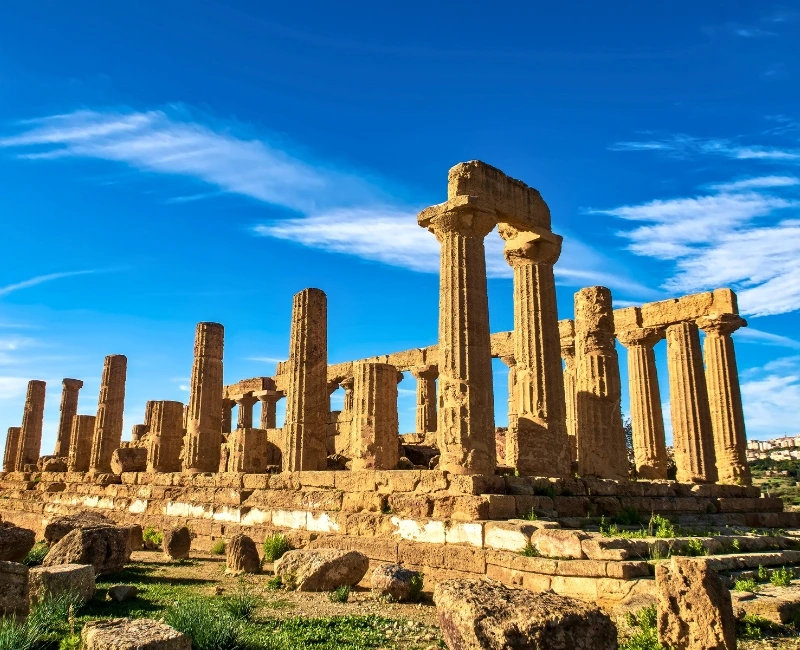
Sicily’s landscape is dotted with monumental remnants of ancient civilizations, reflecting the island’s role as a Mediterranean crossroads. The Valley of the Temples in Agrigento, one of the most significant archaeological parks in the world, showcases remarkably preserved Doric temples from the 5th century BC. Walking among the columns of the Temple of Concordia, visitors feel the weight of classical antiquity. Nearby, the ancient city layout and burial sites offer insight into Greek urban planning and funerary practices. Moving east, Syracuse’s Neapolis Archaeological Park features a vast Greek theatre carved into limestone, capable of hosting thousands of spectators. The adjacent Roman amphitheatre and the Latomia del Paradiso quarries further reveal layers of cultural adaptation and reuse across eras. In Selinunte and Segesta, scattered ruins bear testament to Greek colonies that once thrived along the coasts, with temples perched atop hills overlooking the Mediterranean Sea, blending architectural grandeur with natural panoramas.Beyond Greek heritage, Norman and Arab influences emerge in Palermo’s Palatine Chapel, where Byzantine mosaics merge with Islamic-inspired muqarnas ceilings, illustrating a synthesis of art and religion. The Cappella Palatina’s gilded iconography and intricate wooden ceilings speak to the cultural fusion that defined medieval Sicily. Exploring Monreale’s cathedral yields further marvels: golden mosaics depicting biblical scenes set against a backdrop of Norman architectural elements and Arabic calligraphic patterns, symbolising a period of tolerance and artistic exchange. In the baroque towns of the Val di Noto (e.g., Noto, Ragusa Ibla), post-earthquake reconstruction in the 18th century birthed elegant facades, sweeping staircases, and ornate balconies, now recognised as UNESCO World Heritage sites. These towns illustrate resilience and creativity in the face of adversity, where urban planning and decorative arts converged to craft a cohesive yet varied architectural identity.Every ancient ruin has a modern narrative: guided tours often involve local storytellers who share legends and myths tied to each site—tales of gods, heroes, and local traditions. Interactive experiences such as night-time archaeological visits with atmospheric lighting deepen the immersion, allowing travellers to connect emotionally with the past. Museums across Sicily, like Palermo’s Regional Archaeological Museum and Catania’s Castello Ursino Museum, house artefacts ranging from Greek vases to Roman mosaics and medieval reliquaries, enabling deeper study and context. These institutions help visitors bridge the gap between uncovered ruins and the daily lives of ancient inhabitants.Exploring Sicily’s ancient wonders thus becomes more than sightseeing; it is an odyssey through epochs, inviting reflection on cultural continuity, adaptation, and human creativity. Each temple, theatre, or cathedral stands as a chapter in Sicily’s unfolding story, making the island an indispensable destination for history enthusiasts seeking both academic insight and sensory wonder.
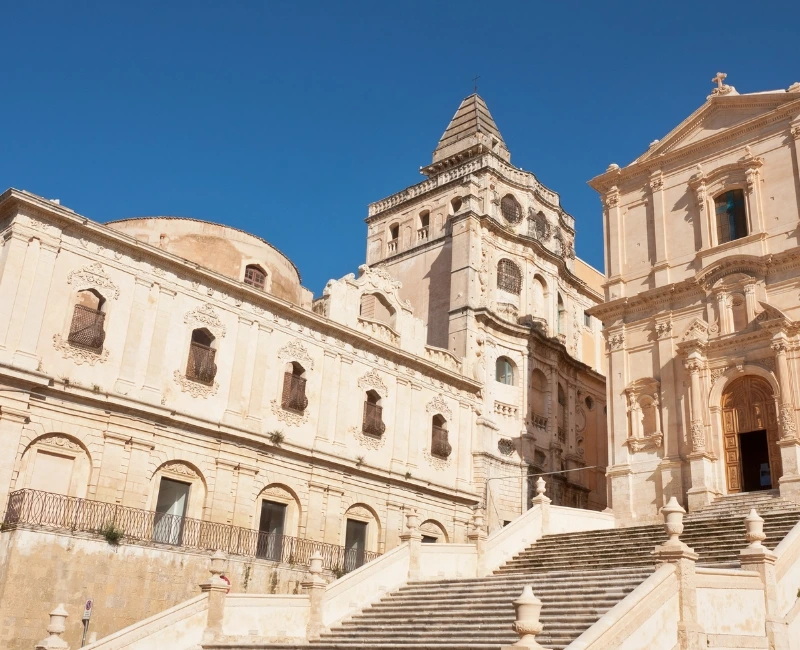
After the catastrophic earthquake of 1693, southeastern Sicily underwent extensive reconstruction, giving rise to a distinctive Sicilian Baroque architectural style evident in towns such as Noto, Ragusa Ibla, and Modica. Noto’s broad avenues lined with honey-coloured limestone palazzi culminate in grand churches with elaborately decorated façades, their intricate carvings bathed in golden light at sunset. Ragusa Ibla’s labyrinthine alleys open onto scenic piazzas framed by Baroque balconies—an urban tapestry where art and daily life converge. Modica’s cascading streets lead downward to the beautiful Cathedral of San Giorgio, whose monumental staircase and domed interior reflect both aesthetic grandeur and the spiritual zeal of its builders. These towns, collectively designated UNESCO World Heritage sites under “Late Baroque Towns of the Val di Noto,” exemplify resilience in reconstruction, merging functionality with artistry.Beyond facades, Baroque townscapes reveal social and cultural narratives: local craftsmen honed skills in stone carving, woodwork, and ironwork, leaving ornate details on doorways, balconies, and lanterns. Seasonal festivals animate these towns: religious processions wind through narrow streets, while open-air concerts underscore the harmony between architecture and performance. Culinary traditions complement the architectural journey: tasting local chocolate in Modica—a legacy of Spanish influence and artisanal methods—adds sensory depth to the historical exploration. Visitors can join guided walking tours focusing on architectural elements—pilasters, volutes, mascarons—understanding how earthquakes, seismic design innovations, and artistic trends intertwined to shape resilient urban forms.In smaller towns like Scicli and Caltagirone, Baroque meets vernacular charm: Scicli’s pastel-hued buildings and intimate squares foster a relaxed ambience, while Caltagirone’s famed ceramic art adorns staircases, façades, and public installations, reinforcing the link between art and daily environment. Workshops in Caltagirone offer hands-on experience in pottery, allowing travellers to craft souvenirs while learning about centuries-old clay traditions tied to local geology.Photography enthusiasts find endless compositions: the play of light on carved stone; reflections in narrow canals; the contrast of Baroque opulence against rugged Sicilian landscapes beyond town limits. Many of these towns host cultural events—film screenings in historic courtyards, theatrical performances in restored palazzi—extending Baroque heritage into contemporary creativity.Thus, exploring Sicily’s Baroque towns transcends architecture; it illuminates a community’s response to disaster through artistry, the interplay of local materials and craftsmanship, and living traditions that honor the past while energizing the present. A journey through these townscapes offers a profound appreciation for human ingenuity and the enduring beauty born from resilience.
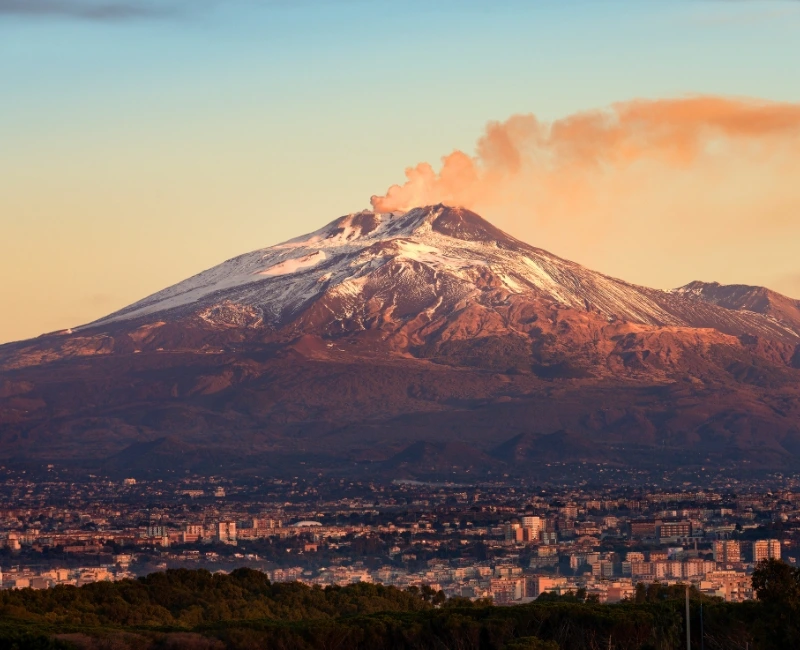
Mount Etna, Europe’s tallest active volcano, looms over eastern Sicily as both a dramatic landmark and a gateway to unique adventures. Standing at over 3,400 meters, its slopes exhibit constantly evolving landscapes: from fertile vineyards at lower elevations to lunar-like lava fields and ash-strewn ridges nearer the summit. Guided excursions traverse volcanic trails, where expert volcanologists explain Etna’s geological significance, ongoing eruptions, and lava formations. Visitors may ascend by cable car and specialized vehicles, then hike toward summit craters—weather and volcanic activity permitting—to witness steaming vents and panoramic views of the Ionian Sea. The sense of standing atop a living volcano imbues travellers with awe and respect for natural forces.Beyond summit treks, Etna’s foothills offer less intense but equally rewarding experiences. Trekking through chestnut forests, olive groves, and vineyards reveals the symbiosis between volcanic soils and agriculture: wineries produce Etna DOC wines, characterized by mineral notes and volcanic terroir, which can be sampled in tasting sessions at family-run estates. Guided bike tours wind through slopes, combining moderate exercise with cultural stops at hilltop villages like Zafferana Etnea, where local honey and pastries reflect volcanic influences on flora. In cooler months, Etna’s peaks may see snowfall, enabling winter hiking or, on rare occasions, skiing experiences on volcanic slopes—a striking contrast to coastal warmth below.Adrenaline seekers can try canyoning in nearby gorges, exploring water-carved ravines fed by volcanic aquifers. Paragliding flights launch from Etna’s slopes, offering aerial panoramas of craters, sea, and countryside. For a different perspective, helicopter tours provide bird’s-eye views of lava flows, ancient forests, and coastal fringes. Wildlife enthusiasts encounter endemic species adapted to volcanic habitats, such as specific birds and plant species, illustrating ecological resilience.Educational programmes and workshops delve into volcanology: visitors can learn to identify rock types—basaltic lavas, pumice—and understand Etna’s role in shaping island topography and local culture. Evenings may involve watching Etna’s glow from safe vantage points, a spectacle of molten rock illuminating night skies.Safety and environmental stewardship are emphasized: certified guides adhere to monitoring updates, ensuring responsible exploration. Visiting Etna thus becomes a holistic experience combining adventure, science, gastronomy, and reflection on humanity’s relationship with powerful geological processes. Whether hiking, tasting volcanic wines, or simply admiring its presence from a coastal town, encountering Mount Etna is an essential chapter in any Sicilian journey.
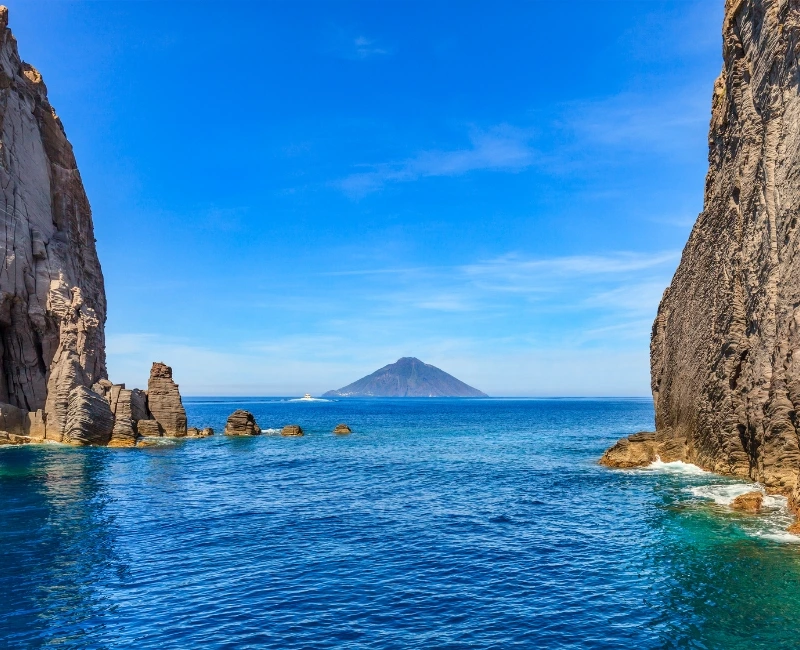
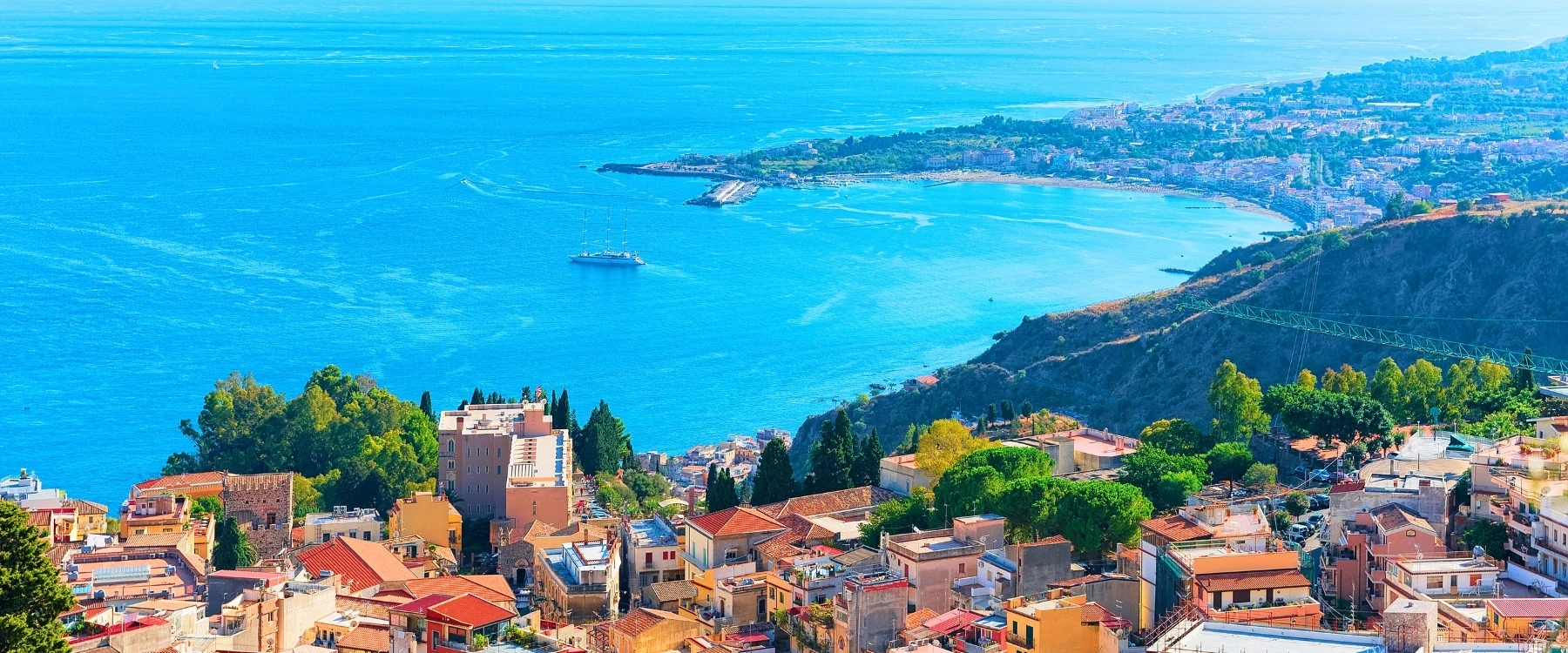
Sicily’s coastline extends over 1,400 km of varied seascapes—golden sandy beaches, rugged cliffs, hidden coves, and vibrant seaside towns. The island’s strategic position invites exploration of surrounding isles: Aeolian Islands (Lipari, Stromboli, Vulcano), Egadi Islands (Favignana, Levanzo), and Pelagie Islands (Lampedusa, Linosa). Boat tours enable day trips to volcanic islets with hot springs and black-sand beaches, while multi-day sailing charters allow dive stops at underwater archaeological sites.Beach aficionados can relax at Taormina’s Isola Bella, Cefalù’s crescent bay, or Mondello’s lively shores near Palermo, where calm waters and beach clubs cater to families and social gatherings. For quieter retreats, head to Vendicari Nature Reserve’s unspoiled beaches, accessible via short hikes through salt pans and birdwatching spots, or discover the dramatic Scala dei Turchi’s white marl cliffs descending into turquoise waters—ideal for photography and sunset views. Water activities abound: snorkeling among seagrass meadows, scuba diving to explore submerged ruins and marine life, kayaking around coastal caves, or paddleboarding in calm bays.Island hopping offers contrasts: Stromboli’s nightly eruptions provide an extraordinary spectacle for evening boat cruises; Vulcano’s sulphur springs invite mud baths; Lipari’s pastel-hued town and archaeological museum reveal ancient island life; Favignana’s turquoise coves and bike-friendly landscapes encourage leisurely exploration; Lampedusa’s Rabbit Beach often ranks among world’s best beaches, with fine sand and sea turtles nesting nearby. Ferries and hydrofoils connect main ports—Milazzo, Palermo, Trapani—to these islands, facilitating both spontaneous escapes and structured itineraries.Marine reserves protect biodiversity, ensuring clear waters and abundant fish populations. Guided scuba dives and snorkeling tours educate visitors on Mediterranean ecosystems, coral habitats, and conservation efforts. Sailing enthusiasts can charter yachts to cruise between ports, combining relaxation with culinary delights—fresh seafood lunches on board, anchored in secluded bays.Sunsets along the coast take on magical hues, and seaside dining at family-run trattorie emphasizes catch-of-the-day preparations and local wine pairings. Coastal festivals—sea processions, regattas—add cultural dimension to seaside stays.These coastal and island experiences blend leisure, adventure, and environmental awareness. Whether soaking in thermal springs on Vulcano, exploring marine life beneath waves, or simply unwinding on sandy shores framed by historic villages, Sicily’s maritime offerings epitomize Mediterranean allure.
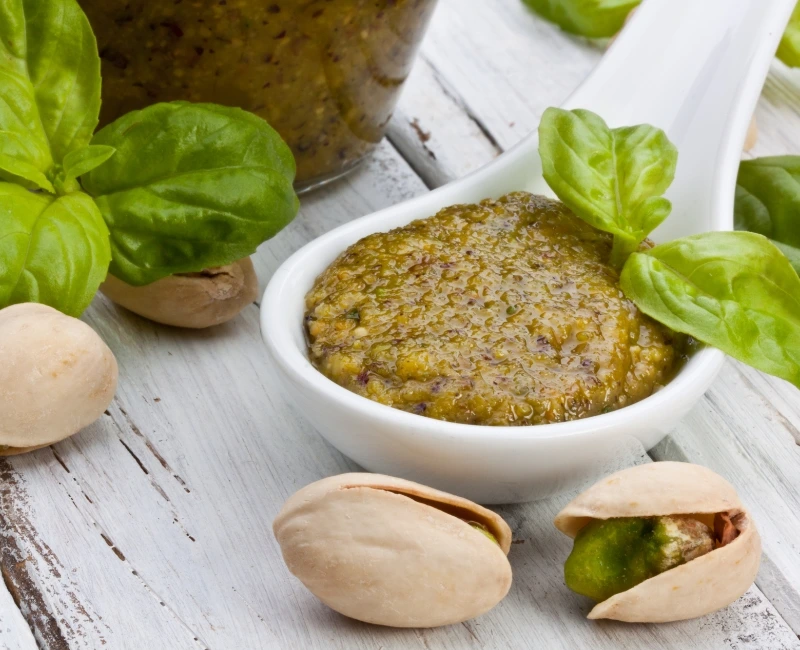
Embarking on a Sicilian food trail reveals the island’s diverse terroirs and culinary heritage shaped by millennia of exchanges. Start in Palermo, where street-food markets like Ballarò and Vucciria serve iconic snacks: arancini filled with ragù or pistachio pesto, panelle (chickpea fritters), sfincione (thick focaccia with tomato, onions, cheese), and pani ca meusa (spleen sandwich). Market stalls brim with seasonal produce—citrus, tomatoes, eggplants—demonstrating the island’s agricultural abundance. Engaging local vendors and joining guided street-food tours illuminate preparation techniques and social rituals tied to communal eating.Venture to eastern Sicily, sampling granita and brioches in Catania for a breakfast ritual, and participating in cooking classes that teach pasta alla Norma or caponata. In Taormina and Messina, seafood dominates menus: fresh swordfish, sardines, and octopus appear in dishes like pasta con le sarde. Agrigento’s surroundings offer olive oil tastings and visits to mill sites where artisanal methods preserve flavor. In the Madonie region, small villages host almond and pistachio festivals: tasting locally produced pastries, pesto alla trapanese, and sweets reflects seasonal cycles and local pride.Wine routes thread through Etna, Marsala, and Vittoria areas. On Etna’s slopes, iconic estates produce Etna Bianco and Rosso DOC wines, reflecting volcanic soils in mineral-driven flavors. Guided vineyard tours explain cultivation at varying altitudes and vinification methods, followed by cellar visits and tastings of indigenous grapes like Carricante and Nerello Mascalese. In western Sicily, Marsala’s eponymous fortified wines offer sweet, dry, and aromatic expressions; tasting sessions contextualize historical export significance and modern innovations. Vittoria’s Cerasuolo di Vittoria DOCG blends Nero d’Avola and Frappato grapes, delivering a light yet structured red. Pairing wines with regional cheeses, cured meats, and local breads enhances sensory appreciation.Culinary workshops in agriturismi (farm stays) allow travellers to cook traditional dishes—homemade pasta, sauces, desserts—with ingredients sourced on-site. Olive harvest participation in autumn or grape harvest in late summer offers immersive seasonal experiences. Ethical and sustainable tourism practices are emphasised in many agritourism settings, fostering respect for land and traditions.Olive oil tasting sessions reveal differences between cultivars, pressing methods, and harvesting times. Honey tasting in Etna foothills showcases floral diversity, from chestnut to citrus blossoms. Cheese-making demonstrations in rural cooperatives share methods for ricotta, pecorino, and other local varieties.These Sicilian food trails weave together markets, workshops, vineyard visits, and festivals, inviting travellers to taste history and environment in each bite. Culinary exploration becomes a way to connect deeply with local communities, understand cultural narratives, and savour the island’s authentic flavours beyond restaurant menus.
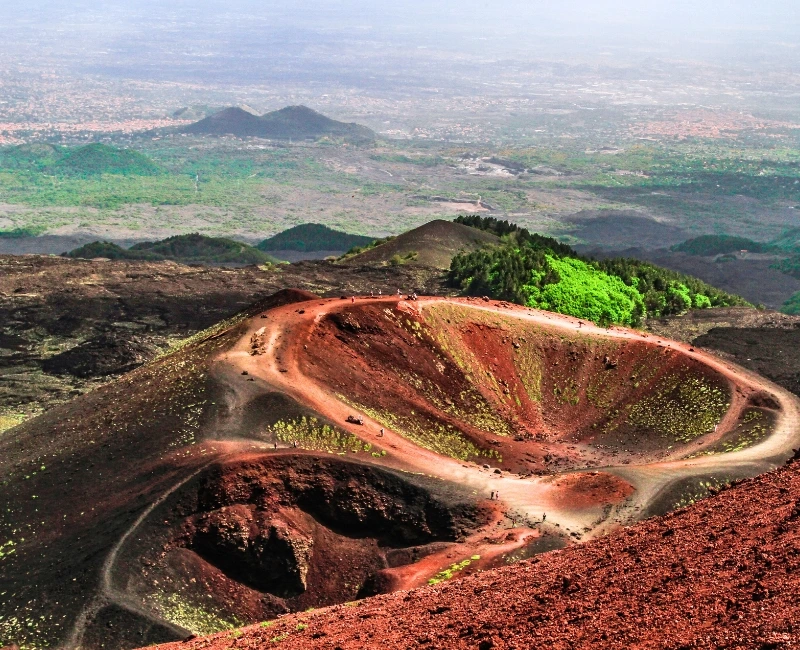
The volcanic slopes of Mount Etna host a burgeoning wine scene celebrated for vibrant expressions of terroir and tradition. Etna DOC wines reflect the mineral-rich soils, altitude variations, and microclimates of eastern Sicily. Vineyards perched between 400 and 1,000 meters elevation produce grapes with bright acidity and nuanced aromas. Visiting family-owned wineries offers insight into sustainable viticulture practices: many estates prioritize organic or biodynamic methods to preserve volcanic ecosystems and ensure authentic flavour profiles.Guided tours typically begin with a walkthrough of vineyards, where winemakers explain the challenges and advantages of cultivating vines on volcanic ash and lava rock substrates. The porous soils provide excellent drainage, while temperature fluctuations between day and night concentrate flavours. In cool mornings, mist rising from lower slopes creates ideal conditions for slow ripening. Visitors learn to identify indigenous grape varieties such as Carricante (white) and Nerello Mascalese (red), tasting raw grapes or must to appreciate inherent characteristics before fermentation.Cellar visits reveal traditional and modern techniques: fermentation in oak barrels or steel tanks, maturation periods, and blending decisions. Tasting sessions pair Etna wines with local produce—fresh cheeses, charcuterie, honey—highlighting complementary flavors and textures. Winemakers share stories of intergenerational knowledge transfer, resilience in face of eruptions, and recent innovations that elevate Etna’s global reputation. Seasonal events, such as grape harvest celebrations (vendemmia), allow participation in picking grapes and communal meals under vine pergolas.Agritourism accommodations—farmhouses converted into guest lodgings—provide immersive stays amid vineyards or orchards. Mornings may begin with fresh pastries and coffee overlooking terraces, followed by vineyard walks at dawn. Evenings feature multi-course dinners showcasing regional cuisine paired with estate wines, fostering connections between hosts and guests. Workshops on food-and-wine pairing deepen understanding of how volcanic terroir shapes both wines and local dishes.Beyond wine, Etna agritourism often includes excursions into nearby nature reserves, exploring chestnut forests or lava caves, illustrating interplay of geology and biodiversity. Educational elements cover volcanic geology, environmental conservation, and sustainable agriculture. Some estates offer wellness experiences—yoga sessions among vineyards or spa treatments using volcanic muds—combining relaxation with setting appreciation.This focus on Etna’s wine and agritourism embodies Sicily’s blend of nature, tradition, and innovation. Travellers emerge with a holistic sense of how land, climate, and human stewardship converge to produce distinctive wines and authentic hospitality, making Etna a must-visit for oenophiles and culture seekers alike..
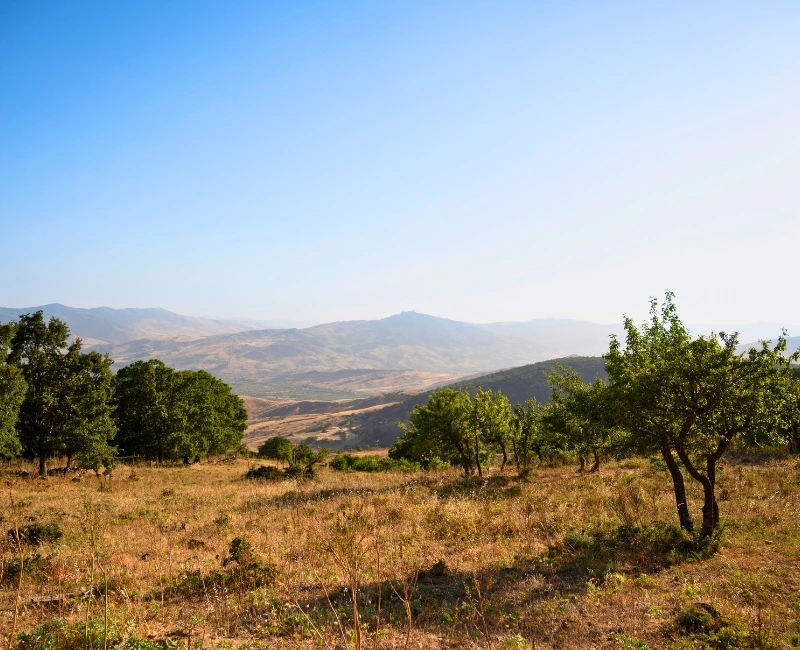
For adventure seekers, Sicily offers a diversity of activities harnessing its landscapes: hiking, cycling, water sports, and more. Mountain trails in the Madonie and Nebrodi ranges present routes through chestnut forests, panoramic viewpoints, and wildlife spotting—ideal for guided hikes focusing on endemic flora and fauna. Cycling enthusiasts can tackle coastal roads or inland routes that weave through vineyards and olive groves, with rental options ranging from road bikes to e-bikes for varied fitness levels. Climbing and via ferrata routes in limestone cliffs provide thrilling vertical challenges for experienced climbers.Mount Etna’s slopes enable volcano trekking, with guided ascents to craters and exploration of lava fields under expert supervision. Paragliding from Etna or coastal cliffs around Taormina grants aerial perspectives of Sicily’s mosaic of sea, mountains, and towns. Canyoning in gorges like Alcantara River involves descending waterfalls and swimming through refreshingly cool pools—a dynamic combination of hiking, swimming, and climbing.Coastal activities include scuba diving around Aeolian and Egadi islands, exploring underwater caves and submerged ruins; snorkeling in marine reserves; and kayaking along sea cliffs, discovering hidden grottos. Windsurfing and kite surfing find spots along windy stretches such as Marsala or southern beaches. Sailing charters allow island hopping with emphasis on marine wildlife sightings—dolphins, turtles—and sunset cruises providing romantic experiences.Equestrian tours through countryside estates or along scenic trails connect travellers with rural landscapes. In winter months, Etna may offer rare skiing or snowshoeing experiences, juxtaposed against coastal warmth. Adventure providers emphasize safety and environmental respect, ensuring minimal impact and educating participants on ecosystem preservation.These activities cater to solo travellers, families, and groups, with tailored itineraries balancing adrenaline with cultural immersion. After active days, wellness options such as thermal baths near volcanic areas or yoga retreats amid vineyards aid recovery. Adventure in Sicily thus merges excitement with discovery of the island’s natural diversity and cultural context, leaving participants with lasting memories and deeper appreciation for Sicily’s dynamic environments.
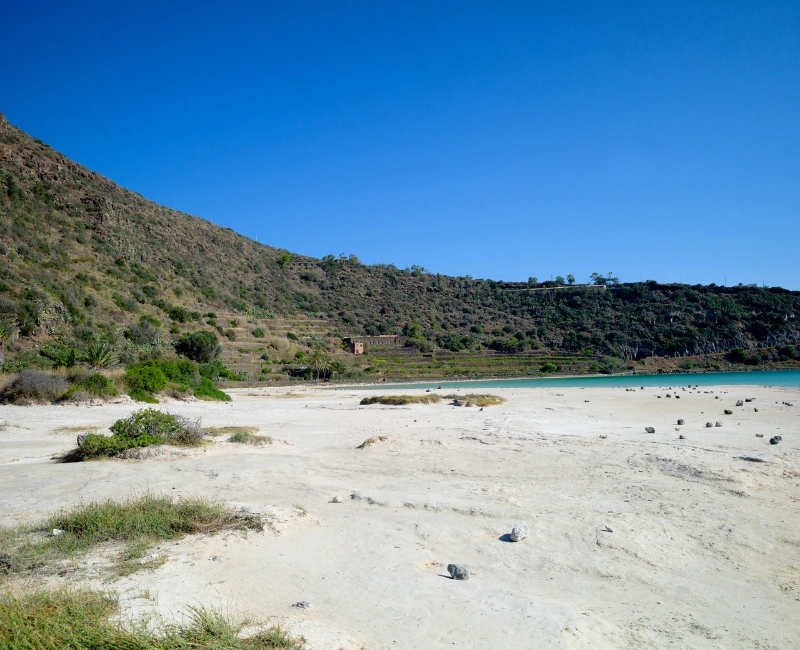
Beyond active pursuits, Sicily caters to wellness travellers seeking balance and rejuvenation. The island’s thermal springs—such as those on Vulcano Island and in Sciacca—offer therapeutic mud baths and mineral-rich waters reputed for skin and joint benefits. Bathing in volcanic thermal pools, surrounded by natural scenery, combines relaxation with connection to Sicily’s geological heritage. Spa facilities in resorts around Taormina, Palermo, and Cefalù integrate local ingredients—olive oil, citrus extracts, almond oils—into treatments that celebrate regional produce and traditions.Yoga and meditation retreats often take place in agriturismi or seaside villas, where mornings begin with sunrise sessions overlooking vineyards or the Mediterranean, and healthy Sicilian breakfasts feature fresh fruits, whole grains, and local cheeses. Wellness programmes may include guided nature walks through orchards or coastal trails, combining gentle exercise with mindfulness practice. Workshops on Sicilian culinary wellness highlight Mediterranean diet principles: olive oil benefits, fish-based protein, abundant fruits and vegetables, aligning diet with holistic wellbeing.Retreats sometimes incorporate creative activities: pottery classes in Caltagirone, mindful cooking sessions focusing on simple, seasonal recipes, or art therapy inspired by Sicily’s landscape and light. Meditation in historic settings—church cloisters or quiet archaeological sites—offers contemplative experiences linking past and present. Evenings might feature stargazing in less light-polluted areas, such as the Nebrodi or Etna foothills, fostering a sense of connection to nature and cosmos.Accommodation for wellness travellers ranges from boutique hotels offering spa packages to rural retreats with on-site gardens and small-scale organic farming. Sustainable practices—solar-heated pools, eco-friendly amenities—underscore environmental consciousness. Local guides lead activities on foraging for herbs and aromatic plants, teaching uses in teas, infusions, or cosmetics, embedding tradition into wellbeing routines.Wellness in Sicily thus transcends mere pampering: it weaves geology, agriculture, gastronomy, and cultural heritage into holistic programmes. Travellers emerge refreshed physically and mentally, with deeper insights into Mediterranean lifestyle and Sicilian landscapes. Whether soaking in thermal springs, practising yoga amid vineyards, or savouring mindful meals of local produce, these retreats offer restorative interludes within the broader Sicilian adventure.
No ads. No trails. No commitments


Alice Roses
London, England
51 ST MATTHIAS ROAD
NOTTINGHAM, NOTTINGHAMSHIRE
NG3 2HF
Hours: 8:00 - 17:00, Mon - Sat
support@johnsonholidays.com