
 Negombo Travel
Guide
Negombo Travel
Guide
Paris is known around the world as the “capital of love,” and even if you don't understand the history of Paris at all

10.5 Hours
£0.90
Negombo’s shoreline offers tranquil beaches with soft golden sands, ideal for sunrise or sunset walks and lazy sunbathing sessions. The calm waters of the Indian Ocean near Negombo are suitable for gentle swimming and introductory water sports such as paddleboarding or short boat trips. Beachfront accommodations frequently provide direct access to the sand, letting you step out for a morning sea breeze or unwind to the sound of waves at dusk. Whether you seek a serene retreat or a base to explore nearby coastal attractions, Negombo’s seaside charm ensures a soothing environment to recharge and enjoy Sri Lanka’s tropical coastline.
Learn More
Known locally as “Little Rome” for its strong Roman Catholic presence and ornate churches dating back to Portuguese and Dutch colonial eras, Negombo invites travelers to delve into a unique cultural tapestry. St. Mary’s Church and St. Sebastian’s among others showcase elaborate frescoes and architecture. Beyond churches, local temples and mosques reflect the multi-religious fabric of the community. Culinary traditions, festival celebrations, and community life centered around fishing and markets offer authentic encounters. Guided heritage walks and local interactions reveal the city’s storied past and its role as a historic maritime port, enriching your travel experience with meaningful cultural insights.
Learn More
Negombo lies a mere 9 km from Sri Lanka’s main international airport (Bandaranaike International, CMB), making it the first convenient stop for arriving or departing travelers. After long flights, relaxing by the beach or exploring local markets in Negombo provides a gentle introduction to Sri Lanka. Similarly, on departure days, a short transfer ensures timely airport access without sacrificing final hours of leisure. For those with tight schedules, Negombo’s close airport link means minimal travel time and maximized comfort, reducing transit stress and allowing more time to savor Sri Lanka’s coastal offerings before onward journeys.
Learn More
As a historic fishing hub, Negombo’s seafood scene is exceptional. Morning fish auctions at the lagoon introduce visitors to the day’s freshest catch, which local restaurants transform into flavorful curries, grilled specialties, and street-food delights. Crab, prawns, and local fish feature prominently, often prepared with Sri Lanka’s signature spices. Beyond seafood, bakeries and cafés offer local sweet treats and international options. Cooking classes in town let visitors learn authentic techniques, from preparing sambols to curries, ensuring a deeper appreciation of Sri Lankan culinary traditions. Negombo’s vibrant food culture promises both taste adventures and insight into daily life.
Learn More
The sprawling Negombo Lagoon, with its mangroves and waterways, provides opportunities for boat safaris to witness birdlife and observe traditional fishing methods. Birdwatchers can spot species inhabiting the mangroves, while photography enthusiasts capture scenic waterways framed by coconut palms. Boat tours often include visits to local fish farms and stilt fishermen platforms, offering a window into age-old livelihoods. Exploring the lagoon at sunrise or sunset highlights the interplay of light on water, creating memorable moments. Negombo Lagoon’s natural spectacle adds a refreshing dimension to beach-focused itineraries.
Learn More
From Negombo, travelers can easily embark on day trips to Colombo (approx. 20–30 minutes via expressway), ancient cities like Anuradhapura or Sigiriya (with longer transfers), or cultural hubs in the Western Province. The city’s transport links—road and rail—facilitate exploring broader Sri Lanka while maintaining a convenient base. For those preferring organized tours, many operators offer half-day to multi-day excursions departing from Negombo. This strategic location makes Negombo not only a destination in itself but also an efficient starting point to uncover Sri Lanka’s diverse attractions, balancing coastal relaxation with cultural exploration.
Learn More
Lorem ipsum dolor, sit amet consectetur adipisicing elit. At illo adipisci iusto
From

Because more than 268 other customers have loved us too

Demonstrates commitment to user data security through encryption and secure payment practices
Learn More
Demonstrates commitment to user data security through encryption and secure payment practices
Learn More
Demonstrates commitment to user data security through encryption and secure payment practices
Learn More
Demonstrates commitment to user data security through encryption and secure payment practices
Learn More
Quality as judged by customers. Book at the ideal price!


/ person
/ person
/ person
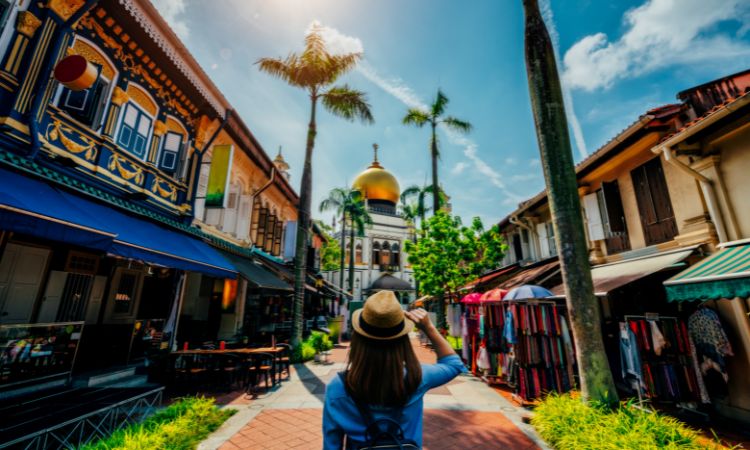
Negombo’s coastal charm is woven through centuries of colonial influence—from Portuguese and Dutch to British rule—best experienced by exploring its historic churches and waterways. Begin your heritage journey at St. Mary’s Church, whose soaring neoclassical columns and vaulted ceilings are painted with vivid frescoes depicting Marian scenes. Inside, marble altars gleam beneath ornate chandeliers, while local parishioners maintain centuries‑old traditions through vibrant festivals and processions.A short walk brings you to St. Sebastian’s Church in Katuwapitiya. Rebuilt after wartime damage, its façade combines pastel baroque curves with intricately carved wooden doors. Attend a weekday Mass to hear choir hymns echoing off polished terrazzo floors. Talk with church caretakers to learn how these sanctuaries have served Negombo’s Catholic majority since the 16th century.Next, venture onto the Hamilton Canal, engineered by the Dutch in the early 1800s to link Negombo’s lagoon with Colombo’s ports. Embark on a guided boat ride along its placid waters: your local captain will point out moss‑clad sluice gates, decaying warehouse walls, and stone bridges that once ferried cinnamon and pepper. Watch traditional fishermen in slender outrigger canoes resetting their fish traps—practices unchanged for generations.Step ashore to visit a small heritage museum housed in a colonial-era warehouse. Exhibits showcase maritime maps, ship logs, and antique trading ledgers illustrating how Negombo shifted from a royal Sinhalese port to a contested colonial prize. Community centers often host rotating displays of old photographs—sepia‑toned views of Dutch convoys and bustling spice markets.Continue on a walking tour through Katunayake and Kurana neighborhoods, where rowhouses with shuttered windows and carved lintels reveal how colonial planners zoned residential quarters. Local guides will explain place‑name origins—“Dutch Street” still marks where Dutch overseers once lived—and point out hidden fresco fragments beneath peeling plaster.For a taste of colonial-era cuisine, dine at a family‑run eatery blending Portuguese and Dutch influences with Sri Lankan spices. Sample lamprais-style rice parcels steamed in banana leaves, and cassava–coconut stews reminiscent of European adaptation to tropical ingredients.Throughout your explorations, pause for conversation with market vendors selling hand‑woven mats, or boat operators mending nets by the lagoon’s edge. Each interaction underscores how Negombo’s people have preserved and repurposed colonial legacies into a living, evolving culture. Photographers will find endless subjects—from church spires backlit by dawn light to fishermen silhouetted against rippling canal waters. By tracing these historic churches and waterways, you connect with Negombo’s layered past and the resilient spirit that defines its present.
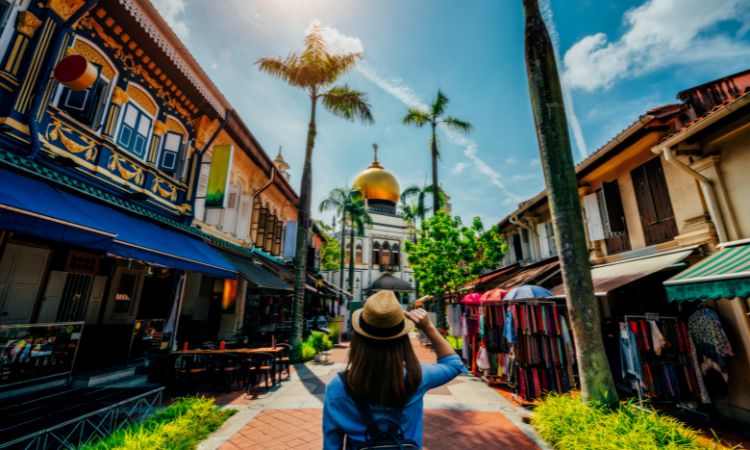
Negombo’s rich tapestry of faiths—Catholic, Buddhist, Hindu, and Muslim—comes alive through its year‑round festivals, offering visitors an immersive cultural experience. Plan your trip to coincide with the St. Sebastian’s Feast (late January–early February), one of the city’s most exuberant events. Streets erupt in color as devotees carry the patron saint’s statue on ornate floats, accompanied by rhythmic drumming, brass bands, and brightly costumed dancers. Witness floral canopies suspended overhead and taste complimentary fare—rice cakes and spiced meats—shared generously by local families.Following the Catholic calendar, Easter Week in Negombo features dawn processions around St. Mary’s Church, where congregants bear statues of the Virgin in flower‑strewn platforms. Wildflower garlands and hand‑painted banners frame parishioners in traditional attire. If you arrive early, join a behind‑the‑scenes workshop to help craft paper-rosette decorations, learning how these symbols reflect centuries‑old devotional practices.Negombo’s Christian festivals coexist with local Buddhist and Hindu observances. In nearby suburbs—Katunayake and Kandana—temples host Vesak Poya (May) with elaborate lantern displays, candlelit vigils, and community almsgiving. Visitors are invited to place lotus offerings and observe monks chanting sutras under banana‑leaf pavilions. Hindu Poojas at small kovils welcome respectful onlookers into color-drenched courtyards where garlands of jasmine and marigold frame carved deities. Ask for a blessing from the temple priest to deepen your understanding of ritual significance.During Ramadan and Eid al‑Fitr, Negombo’s Muslim neighborhoods—particularly around Katunayake Road—come alive with communal prayers and street stalls offering sweet sewaiya (vermicelli pudding) and biryani. While non‑Muslims cannot enter prayer halls during services, you’re welcome to observe from designated areas and sample festival treats from roadside vendors.For hands‑on engagement, enroll in a festive cooking workshop timed with Easter, Vesak, or Eid, where local chefs demonstrate how to prepare seasonal delicacies: sweet coconut buns for Easter, sesame‑seed thoran for Vesak, or date‑filled pastries for Eid. Markets bristle with stalls selling festival goods—bonsai rangoli pigments, colorful cloth for processional umbrellas, and trays of spiced nuts.Between celebrations, take a cultural heritage tour with community organizations that showcase church choir rehearsals, temple restoration projects, and traditional dance workshops. Photographers will capture glowing oil lamps, painted effigies, and joyous crowds bedecked in ceremonial dress.By participating respectfully—wearing modest attire, observing timing guidelines, and following local etiquette—you’ll witness Negombo’s communal bonds and interfaith harmony in full display. These living traditions reveal how this coastal city navigates its diverse heritage, uniting people through ritual, music, and shared celebration.
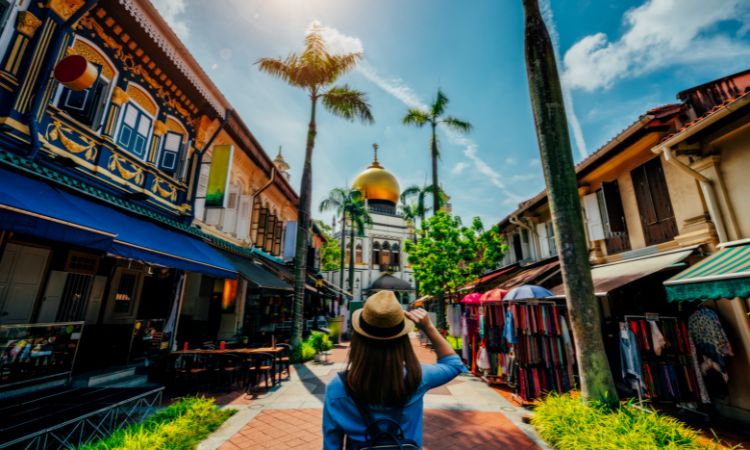
Negombo Lagoon, a sprawling wetland interlaced with emerald mangroves and winding channels, offers an intimate encounter with Sri Lanka’s coastal ecosystems. Set out just before sunrise or in the golden hour before dusk—when birds are most active—on a guided boat safari. Local operators, often third‑generation fishermen, pilot slender motorized boats or traditional outrigger canoes along narrow canals. As the first light filters through mangrove canopies, you’ll spot statuesque herons, sleek kingfishers, and flocks of egrets casting dancing reflections on glassy waters. Migratory plovers and sandpipers join resident species seasonally, creating a chorus of calls that guides your binocular‑trained gaze to nests tucked among tangled roots.Along the way, your guide will pause at stilt‑fishing platforms—perched bamboo poles where expert fishermen balance patiently, dropping lines into tidal channels. Observe their ancestral methods: no nets, only sharp eyes and steady hands catching small fish for market. Some tours include a hands‑on demonstration, letting you handle traditional fish traps and learn how tidal rhythms and lunar phases shape fishing schedules.For a deeper adventure, rent a kayak or stand‑up paddleboard to slip silently into quieter branches of the lagoon. With minimal motor noise, you’ll often find mangrove kingfishers hovering overhead and monitor lizards sunning themselves on exposed roots. Guides share knowledge of local flora—Rhizophora and Avicennia species whose buttressed roots stabilize shorelines and foster rich nurseries for juvenile fish.Conservation‑focused excursions pause at mangrove fringes for short shore walks on raised wooden walkways. Here, you’ll learn about challenges like illegal sand mining, plastic pollution, and invasive species threatening the lagoon’s health. Many operators partner with NGOs; a portion of your tour fee supports replanting efforts and community education programs.Photographers will covet the lagoon’s ethereal light—coconut palms lining sinuous channels, fishermen’s boats silhouetted against glowing horizons, and birds in mid‑flight mirrored on still surfaces. Whether you seek tranquil communion with nature or a window into centuries‑old fishing cultures, Negombo Lagoon safaris and birdwatching trips deliver an unforgettable blend of wildlife spectacle, cultural insight, and eco‑adventure.
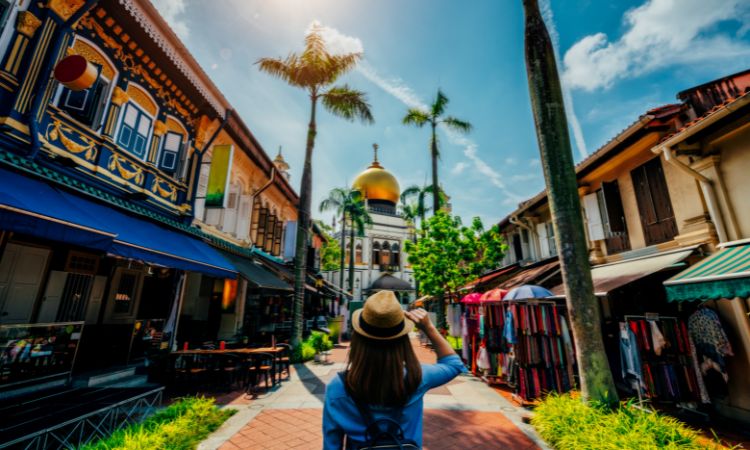
Negombo’s shoreline beckons beyond mere relaxation, offering active travelers a playground of coastal pursuits. Start at dawn with a beach yoga or Tai Chi session on the damp sand under pastel skies. As the sun climbs, join locals for a jog along the Galle Road promenade, where swaying palms and sea breezes clear the mind and limber the body.When the tide’s gentle, local operators rent stand‑up paddleboards and sea kayaks for exploring shallow bays. Paddle silently through calm waters to view shorebirds probing mudflats, and discover hidden coves where coconut palms bend to kiss the sea. For adrenaline seekers, seasonal swells—best from January to March—allow beginner windsurfing or kitesurfing lessons on protected lagoon inlets. Certified instructors guide you through safety protocols before launching you into the trade winds that funnel down the coast.If you prefer to stay on dry land, the beach walk from Negombo point extends north and south for several kilometers. Meander past stilt‑fishing poles, colorful oruwa fishing boats hauled ashore, and clusters of beach shacks dispensing fresh coconut water. Keep an eye out for spontaneous beach volleyball games or cricket matches as local youth chase the ball in the sand.For underwater exploration, arrange a snorkeling excursion or introductory dive to nearby reef patches. Local dive centers provide certified guides, safety gear, and short boat rides to modest coral outcrops where you’ll encounter tropical fish in clear, warm waters. While marine biodiversity here is more subdued than in the south, it still offers a worthwhile glimpse into Sri Lanka’s coastal reefs.Late afternoon brings a shift in activity: volunteer with beach cleanup initiatives, collaborating with conservation groups removing plastics and restoring turtle nesting habitats. This eco‑tourism option connects you with locals committed to preserving their shoreline.As daylight wanes, return to a seafood grill shack for a beachfront barbecue. Prawns, crabs, and fish fresh from lagoon nets sizzle over charcoal, seasoned simply with curry leaves and chili. Toast the day with a cold local lager or mango‑ginger mocktail as the sun dips into the horizon. Even in monsoon‑touched months (May–August, October–December), intermittent showers bring cooler air—perfect for capturing dramatic seascapes and enjoying a warm cup of ginger tea in a seaside café. Overall, Negombo’s beaches are a versatile stage for fitness, adventure, and community‑driven conservation, ensuring every traveler finds their coastal rhythm.
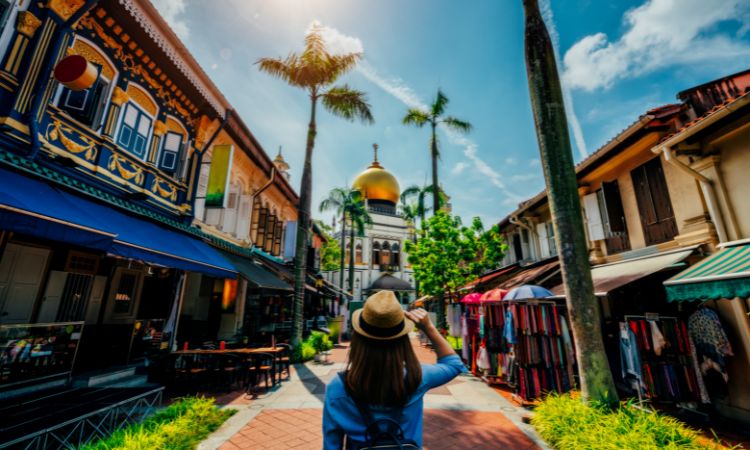
Negombo’s centuries‑old fishing heritage sets the table for a seafood lover’s paradise. Wake before dawn to visit the Negombo Fish Market, where fishing boats return laden with tuna, snapper, prawns, and crabs. Amid the cacophony of vendors calling bids, observe the auction process—buyers inspect glistening catches, slap down bids, and huddle over wooden crates to seal deals. Knowledgeable guides explain grading standards: firm flesh and bright eyes signal peak freshness.For a hands‑on experience, purchase your chosen catch and accompany guides to a nearby cookhouse where local chefs transform fish into iconic Sri Lankan dishes. Learn how to craft a crab curry with roasted curry leaves, coconut milk, and freshly ground spice paste. Watch as each ingredient—cumin, coriander, fenugreek—is pounded by hand mortar and pestle to release its essential oils.Wander next to the vegetable and spice market, where vendors display vibrant arrays of mangoes, papayas, pineapples, and coconuts. Piles of cinnamon sticks, cloves, and peppercorns emit heady perfumes. Ask for cooking tips: a pinch of “curry powder” here means a fragrant blend unique to each stallholder. Savor samples of pol sambol (coconut relish) balanced with red onion and lime, or dhal curry tempered with mustard seeds and turmeric.At lunchtime, gather at a beachside shack for grilled lobster basted in lime‑chili oil, and prawn maluwa—a soupy curry spiced with pandan leaves and tamarind. Street‑food carts entice with fish cutlets—crispy, spiced croquettes perfect for nibbling with sweet chili sauce. Don’t miss egg hopper breakfasts topped with pol sambol and a fried egg, capturing Sri Lanka’s sweet‑savory breakfast tradition.Afternoons lend themselves to a cooking class in a heritage villa. Under an experienced chef’s guidance, you’ll balance spice levels for dishes like lamprais—steamed rice parcels baked in banana leaves alongside braised meat and vegetables. Classes end in communal feasts where stories and laughter accompany each bite.As evening falls, sample fusion desserts at contemporary cafés: mango sorbet spiked with arrack, or coconut pannacotta set on jaggery beds. For a nightcap, sip coconut toddy at licensed toddy taverns—fermented sap prized in coastal communities. Alternatively, raise a local craft beer to another day of discovery.Through market visits, cooking workshops, and seafood feasts, you’ll taste how Negombo’s maritime bounty, colonial spice routes, and indigenous ingenuity combine to create a culinary tapestry that celebrates flavor, tradition, and community.
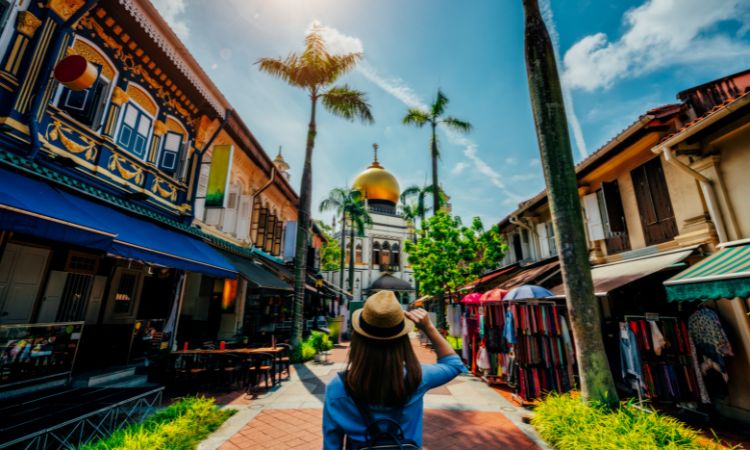
While Negombo is famed for fresh fish, its evolving café culture offers cozy retreats and evening charm. By mid‑morning, specialty coffee shops along Danish Lane and Galle Road come alive. Baristas serve single‑origin Ceylon coffee, sourced from highland estates and roasted locally. Opt for a pour‑over or cold brew to accentuate citrus notes, paired with a flaky cassava‑coconut pastry or a cardamom‑spiced muffin.Many cafés feature open‑air terraces under palm canopies, where travelers trade travel tales amid the hum of motorbikes and distant waves. Seek out outlets offering book exchanges, art showcases by local photographers, and community events like poetry readings or acoustic open‑mic nights.As the sun arcs westward, indulge in Sri Lankan sweets—wattalappam (cardamom‑coconut custard), pani walalu (honey‑glazed fritters), and kandos (jaggery‑coated donuts). These are available at modern bakeries infusing traditional flavors into Western‑style bakes: cinnamon rolls laced with clove sugar, or banana‑bread studded with cashews.Evenings invite a shift in pace. Beachside lounges set up low tables in the sand, illuminated by string lights and kerosene lanterns. Order lemon‑basil mocktails or arrack‑infused toddy cocktails, and watch fishermen paddle home against a fiery sunset. Soft world‑music or jazz playlists underscore the relaxed vibe—perfect for unwinding.On select nights, small resorts host live folk‑dance performances or drumming circles, showcasing Kandyan dancers in vivid costumes. Join in with a drum to feel the beat of Sri Lankan traditions. Alternatively, find a quiet corner at an artisan wine bar, sampling local fruit wines—mango, ambarella, or cashew‑apple—fermented by boutique producers.Night markets sometimes spring up along the lagoon front, where stalls peddle handicrafts, lamps, textiles, and souvenirs. Sample kothu roti sizzling on hot griddles, or slurp bowls of steaming isso wade (prawn fritters) dusted in spice. The communal atmosphere—families strolling, kids chasing sparklers—captures everyday local life.For a final moment of calm, take a moonlit beach walk, listening to gentle surf and the occasional bark of a fishing dog. Pause to gaze at star reflections in lagoon pools, or join a group gathering around a beach bonfire (where permitted) to share stories. Negombo’s café scene and evening leisure blend global café trends, local flavor, and seaside serenity, ensuring every visitor finds their perfect evening rhythm..
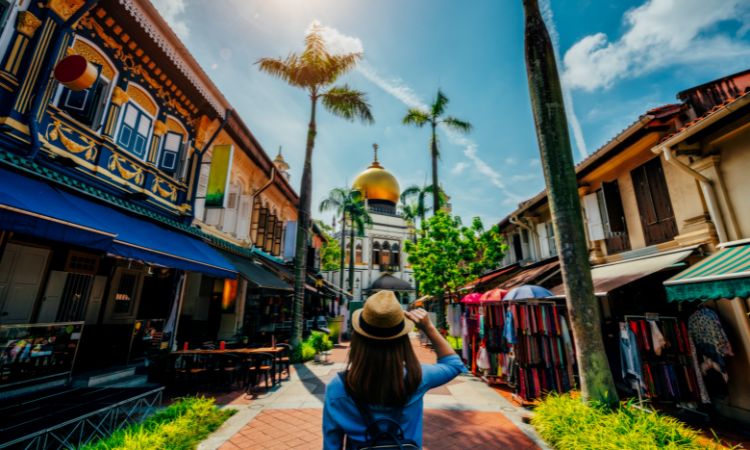
Negombo’s proximity to Sri Lanka’s commercial capital makes it an ideal base for day‑trip adventures into Colombo and beyond. A swift 20–30 minute drive on the Katunayake Expressway delivers you into the heart of Colombo, where colonial architecture, vibrant markets, and modern skyscrapers stand side by side.Begin strolling the historic Fort District. Admire the 17th‑century Dutch Hospital, now a chic dining and boutique hub; visit Old Parliament grounds and the Presidents’ House exterior. Cross the street to Galle Face Green, a broad urban promenade where families fly kites, vendors grill corn, and the Arabian Sea breeze cools midday heat. Savor local street bites—isso wade (prawn cakes) or kiri pani (sweet coconut yogurt)—from mobile carts.For spiritual insights, head to Gangaramaya Temple, a mix of modernist and Victorian architecture. Its museum houses elaborate offerings, antique Buddha statues, and a serene lakeside seclusion. A short walk away is Beira Lake, where the Seema Malaka meditation pavilion floats on lotus‑fringed waters—a tranquil oasis amid city bustle.Lunch at a seaside mall café or explore Pettah Market, a labyrinth of narrow lanes brimming with textiles, electronics, and colorful spice shops. Haggling is part of the fun—negotiate friendly prices and practice your Sinhala or Tamil greetings.In the afternoon, art aficionados can visit the National Museum, home to Kandyan paintings, ancient ivory carvings, and colonial memorabilia tracing Sri Lanka’s history. Alternatively, the Colombo Port Maritime Museum charts the island’s seafaring past with navigation instruments and ship models.For nature lovers, extend your journey to Muthurajawela Marsh, a UNESCO‑protected wetland just south of Negombo. Guided boat tours through reed‑choked channels reveal endemic birds, monitor lizards, and traditional Fisherfolk villages. Or opt for a half‑day safari at Wilpattu National Park—less than three hours away—for a chance to glimpse Sri Lanka leopards, sloth bears, and elephants in their natural habitat.If you’re eager for a cultural deep dive, head to Kandy on an early‑morning train through hill‑country tea plantations—though best done as an overnight trip. There, visit the Temple of the Sacred Tooth Relic, stroll the Royal Botanical Gardens, and return the next day to Negombo’s shores.Whether you prioritize urban exploration, wildlife encounters, or a blend of both, Negombo’s strategic location and transport links ensure a wealth of day‑trip options. By mid‑evening, return to your coastal retreat to unwind with a lagoon view and reflect on your discoveries.
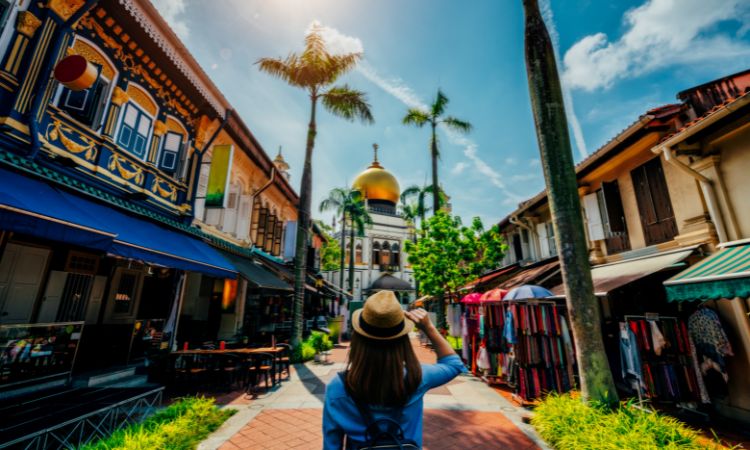
Negombo’s tranquil beaches and surrounding countryside cater equally to adventure seekers and wellness travelers. Retreat packages and day‑trip experiences blend physical challenges with restorative practices, ensuring holistic rejuvenation.Adventure Options:Sea Kayaking & Paddleboarding: Launch from Negombo’s lagoon edge to explore narrow mangrove channels. Experienced guides teach paddling techniques and eco‑principles, pointing out waterbirds, shellfish beds, and floating biomass accumulation.Bicycle Tours: Rent a sturdy bike and pedal through coconut plantations, paddy‑field mosaics, and riverside villages. Many operators design routes with stops at toddy‑tapping huts, traditional brick kilns, and rural markets where you can sample fresh jackfruit or sugarcane juice.Fishing Expeditions: Join local fishermen at dawn for a real‑world fishing trip. Learn to set gill nets, identify seasonal fish stocks, and haul in morning catches. Some packages include a beach barbecue of your own catch later that day.Diving & Snorkeling: Day‑trips to reef sites off the western coast reveal coral gardens and reef fish in depths reachable by beginner divers. Certified instructors lead small groups, focusing on safety and marine conservation.Wellness Offerings:Ayurvedic Retreats: Select resorts near the lagoon offering multi‑day Ayurvedic programs. A typical package includes an initial health consultation, daily herbal massages (Abhyanga), steam treatments (Swedana), and dietary plans emphasizing kitchari (mung bean porridge) and detoxification protocols. Yoga and meditation sessions held on open‑air pavilions complement these therapies.Yoga & Meditation: Beach or garden yoga classes cater to all levels—Sun Salutations facing sunrise, restorative Yin sessions amidst coconut fronds, and guided meditation at dusk overlooking water reflections. Instructors often weave breathwork (pranayama) and mindfulness into poses.Spa & Massage: Boutique spa centers in Negombo offer hot‑stone massages, aromatherapy, and reflexology, using locally sourced essential oils—cinnamon leaf, lemongrass, and coconut. Book in‑room treatments for private serenity.Holistic Workshops: Participate in holistic cooking classes focusing on plant‑based Sri Lankan fare—learn to brew medicinal herbal teas (ginger, turmeric, holy basil) and prepare raw vegan desserts using dates and local fruit.Hybrid Retreats: Some operators combine light adventure with wellness: morning beach runs followed by Ayurvedic foot baths, afternoon kayak explorations capped by seaside Thai yoga massage, or evening sound‑bath meditations under palm shadows. Accommodation packages bundle lodging, meals, licensed transport, and activity bookings for seamless planning.Whether you crave adrenaline‑pumping excursions or nurturing self‑care, Negombo’s adventure and wellness offerings cultivate both resilience and restoration—leaving you invigorated, balanced, and deeply connected to Sri Lanka’s coastal rhythms.
No ads. No trails. No commitments


Alice Roses
London, England
51 ST MATTHIAS ROAD
NOTTINGHAM, NOTTINGHAMSHIRE
NG3 2HF
Hours: 8:00 - 17:00, Mon - Sat
support@johnsonholidays.com