 Cork Travel
Guide
Cork Travel
Guide
Paris is known around the world as the “capital of love,” and even if you don't understand the history of Paris at all

1.5 Hours
£4.50
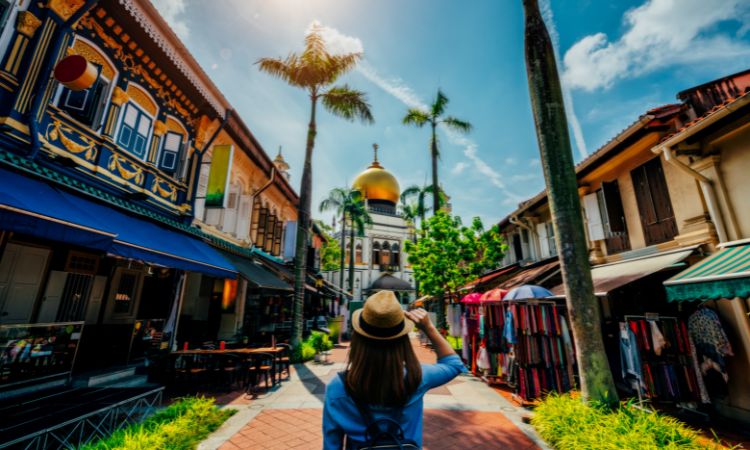
Cork’s past stretches from early medieval settlements to Viking incursions and Norman influence. Visitors can wander ancient city walls, explore historic churches, and delve into museums that preserve local narratives. Iconic landmarks such as Blarney Castle and its legendary Blarney Stone offer both heritage appeal and picturesque gardens, while Cork City Gaol and Cork Butter Museum reveal industrial and social histories. The layering of eras is visible in architecture, from Georgian quarters to contemporary cultural centres. For travelers passionate about history, Cork provides a tangible link to Ireland’s evolving story, making each exploration deeply rewarding.
Learn More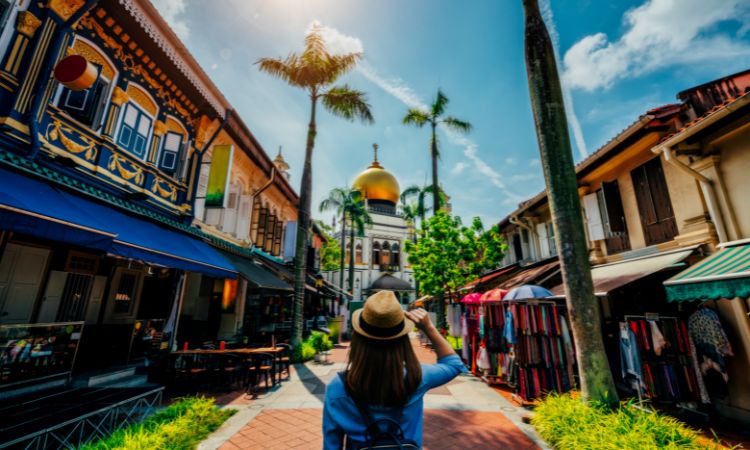
Cork is celebrated as Ireland’s gastronomic heartland. The famous English Market showcases local producers offering artisan cheeses, organic meats, fresh seafood, and seasonal produce. Renowned chefs and independent eateries draw inspiration from this abundance, creating menus that blend traditional flavors with modern creativity. Seafood chowders, farmhouse cheeses, hearty stews, and freshly baked goods delight food enthusiasts. Craft breweries and distilleries in the region produce unique beers and spirits, while cosy cafés serve specialty coffee alongside locally sourced treats. For those who travel to taste, Cork’s vibrant food scene is a compelling reason to book.
Learn More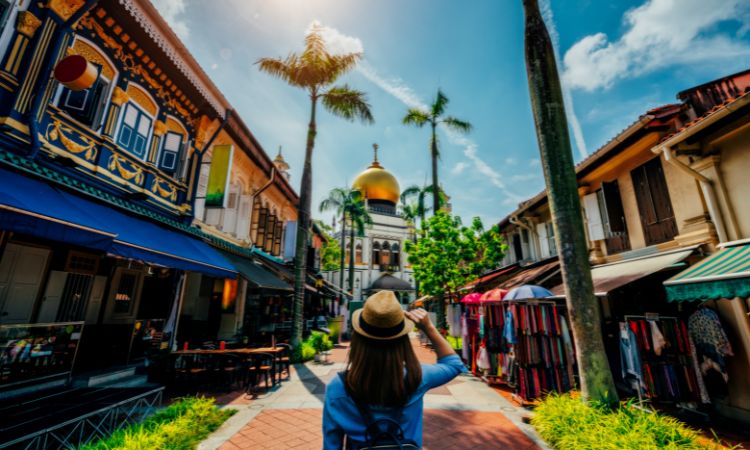
From the dramatic cliffs along the Wild Atlantic Way to serene inland lakes and rolling hills, County Cork’s landscapes offer diverse outdoor experiences. Coastal drives reveal sweeping ocean vistas, secluded beaches, and colourful fishing villages. Inland routes lead to lush valleys, forest trails, and tranquil nature reserves ideal for hiking, cycling, and wildlife spotting. Photographers and nature lovers will appreciate the changing light across fields and seascapes. Whether you crave adrenaline via water sports or peaceful retreats amid greenery, Cork’s natural settings accommodate a wide range of outdoor pursuits, making it a top destination for scenery seekers.
Learn More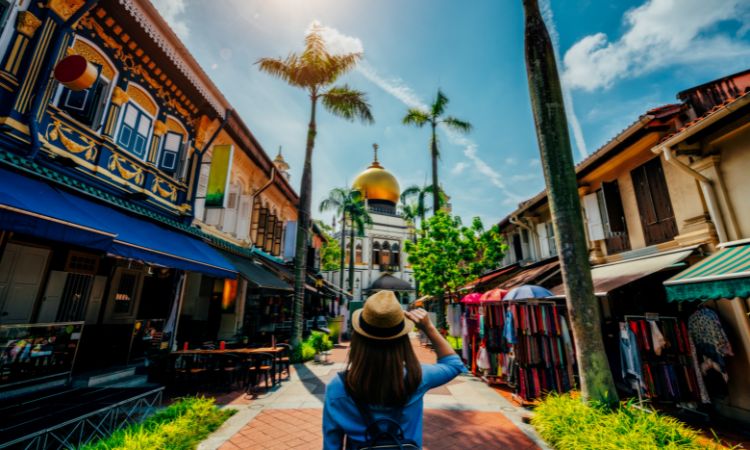
Cork pulses with cultural energy year-round. Traditional music sessions in local pubs create authentic Irish evenings, while theatres and galleries host performances, exhibitions, and festivals celebrating arts, literature, and music. Annual events such as jazz festivals, film showcases, and food fairs bring the city to life and attract international visitors. Independent bookstores, craft workshops, and street art contribute to a creative atmosphere. Engaging with Cork’s artists and musicians provides insight into contemporary Irish culture and ensures a memorable itinerary for culturally curious travelers.
Learn More
A hallmark of Cork is its welcoming people. Whether asking for directions in the city centre, enjoying conversation over a pint in a cosy pub, or receiving personalized service in a family-run guesthouse, visitors often note the genuine warmth and helpfulness of locals. This hospitality transforms a trip into an immersive experience, enabling travelers to uncover hidden gems, hear authentic stories, and feel at home despite being thousands of miles away. For those seeking connection and friendliness, Cork stands out as an inviting destination.
Learn More
Cork is well-connected by air, road, and rail. Cork Airport offers direct flights from major UK hubs and selected European cities. Regular train and bus services link Cork city with Dublin, Limerick, and other Irish destinations, enabling seamless travel. Within the region, car rentals facilitate exploration of remote coastal areas and rural attractions. Public transport and guided tours also provide options for those preferring not to drive. Efficient connectivity means less time in transit and more time enjoying Cork’s offerings, making it a convenient choice for short breaks or extended stays.
Learn More
Lorem ipsum dolor, sit amet consectetur adipisicing elit. At illo adipisci iusto
From

Because more than 268 other customers have loved us too

Demonstrates commitment to user data security through encryption and secure payment practices
Learn More
Demonstrates commitment to user data security through encryption and secure payment practices
Learn More
Demonstrates commitment to user data security through encryption and secure payment practices
Learn More
Demonstrates commitment to user data security through encryption and secure payment practices
Learn More
Quality as judged by customers. Book at the ideal price!


/ person
/ person
/ person
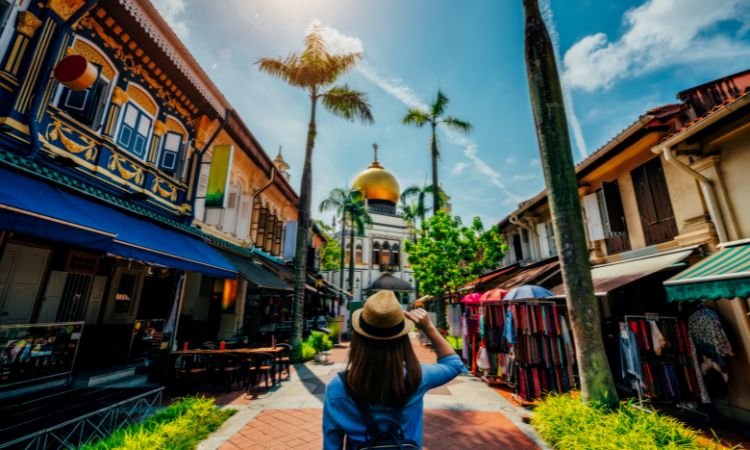
Exploring Cork’s city centre on foot reveals layers of history seamlessly interwoven with the pulse of modern life. Begin at the English Market, a trading hub since the late 1700s, where artisan cheeses, fresh seafood, and baked goods reflect the city’s enduring culinary pride. Engage with stallholders to uncover the heritage behind each product, enriching your sense of place.From here, wander through narrow lanes adorned with Georgian and Victorian façades. Look up to see intricate iron balconies and read the heritage plaques that tell tales of merchants, traders, and craftspeople. Continue to the Cork Butter Museum, a fascinating stop that explores how butter production propelled Cork onto the world stage in the 18th and 19th centuries.A short stroll brings you to St. Fin Barre’s Cathedral, a Gothic revival masterpiece whose spires, mosaics, and stained glass windows reward careful study. As you walk along the River Lee’s quays, note the multiple bridges linking islands—remnants of Cork’s medieval origins as a marsh settlement.Climb the walls of Elizabeth Fort for sweeping city views before heading to Shandon. There, St. Anne’s Church invites you to ring the famous Shandon Bells and survey the skyline from its tower.Along the route, independent boutiques, artisan workshops, and vibrant street art breathe contemporary life into historic streets. Pause at a local café for a warm drink and people-watching before concluding your walk. This itinerary can be adapted to your interests—art lovers can detour to galleries, history buffs to hidden alleys, and foodies to more market stalls. Dedicate half a day to absorb Cork’s past and present in a single engaging journey.
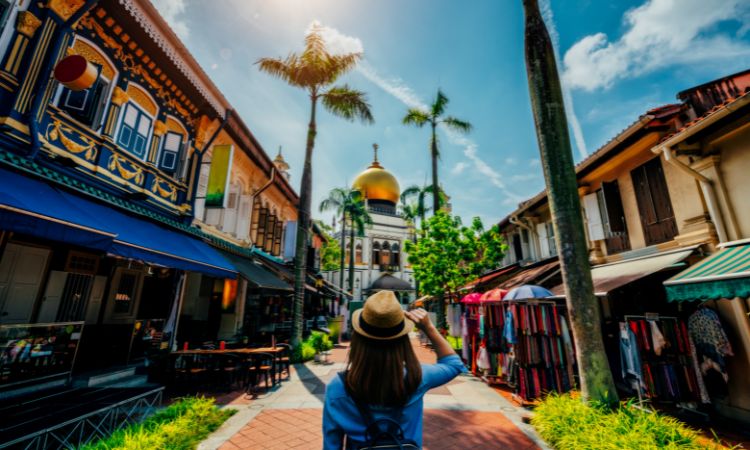
Cork’s museums and galleries provide a curated gateway into the city’s creative spirit and layered history. Begin at the Cork Public Museum in Fitzgerald Park, where archaeological artefacts, decorative arts, and historic documents chart the city’s evolution. Stroll through the surrounding park’s leafy paths before heading onward.The Crawford Art Gallery is a cultural gem, housing an impressive collection of Irish and European works from classical sculpture to bold contemporary pieces. Detailed curator notes and temporary exhibitions ensure every visit offers something new.Seek out Cork’s independent galleries, which frequently host exhibitions by emerging and mid-career artists. These intimate spaces often allow you to meet creators during openings, offering personal insights into the local art scene. Maritime history enthusiasts will appreciate exhibitions highlighting Cork Harbour’s strategic importance, including tales of emigration and global trade.Nano Nagle Place tells the inspiring story of a pioneering educator and social reformer, blending historical exhibits with peaceful gardens. The collections at University College Cork further reveal aspects of regional history, from political movements to cultural milestones.Many institutions are free or donation-based, making them accessible for all visitors. Plan a full day, breaking your itinerary with café stops or strolls through nearby green spaces.Check for seasonal highlights—gallery late openings, cultural festivals, and themed days provide fresh reasons to return. By dedicating time to Cork’s cultural institutions, you’ll gain a deeper understanding of the city’s heritage and creative energy.
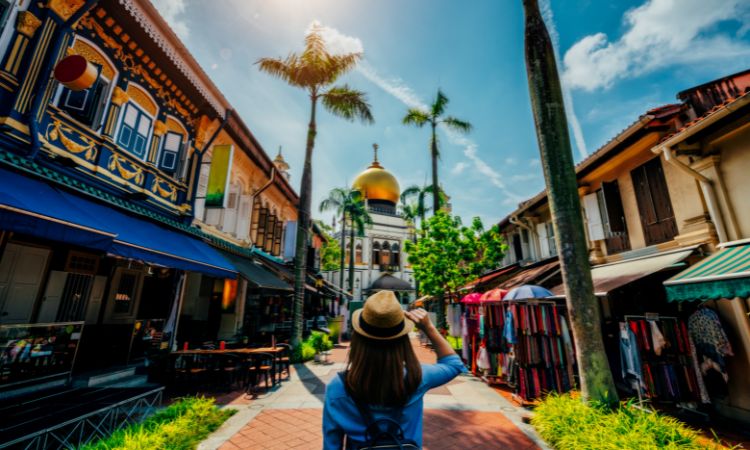
Cork’s reputation as Ireland’s culinary capital is well earned, blending tradition with innovation. Start at the English Market, where farm-fresh cheeses, charcuterie, seafood, and artisan breads tempt every palate. Speak with vendors to learn about seasonal produce and traditional preparation methods.Dine in restaurants championing farm-to-table dining, where menus showcase local ingredients: think pan-seared hake with garden vegetables, lamb slow-cooked in stout, or vibrant vegetarian dishes featuring organic greens. For a richer experience, join a guided food tour to meet producers and chefs, gaining behind-the-scenes insight into Cork’s gastronomic network.Indulge in sweet treats at artisanal chocolatiers and ice-cream makers using locally sourced fruits and cream. Visit craft breweries and distilleries to taste unique beers and whiskeys infused with regional character, with tours explaining brewing traditions.Pubs offer hearty meals such as seafood chowder or open-faced sandwiches, often accompanied by live music. Seasonal events—summer food fairs, oyster festivals, and harvest celebrations—add festive variety.For hands-on immersion, attend a cooking class or cheese-making demonstration, forging a tangible connection with Cork’s food culture. Whether enjoying a gourmet dinner or sampling street food, each bite tells a story of land, sea, and skilled hands.
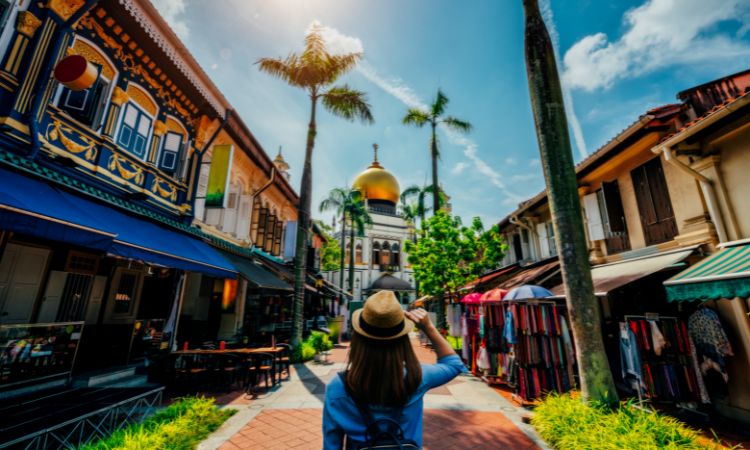
Cork’s traditional pubs are gateways to its social heart, where music, conversation, and hospitality flow as easily as the pints. Evenings see locals and visitors gathered for traditional Irish music sessions, with fiddles, flutes, and bodhráns carrying melodies passed down for generations.Seek out pubs favoured by locals rather than tourist hotspots—these venues offer authenticity, where seasoned musicians play for the joy of sharing tunes. Alongside the music, savour pub classics: hearty stews, fresh seafood, or artisanal cheese boards.Whiskey enthusiasts can explore specialist bars offering tasting flights of Ireland’s finest, while craft beer fans sample microbrewery creations unique to Cork. During festivals, pubs often host themed nights or special performances, adding vibrancy to the experience.Daytime visits to historic inns reveal architecture, local stories, and a quieter charm. A pub evening is as much about the atmosphere—friendly banter, warm lighting, the clink of glasses—as it is about the music.Consider booking a table at a nearby restaurant before heading to a music session, creating an evening that blends Cork’s culinary and cultural delights. Whether you’re a music aficionado or simply seeking convivial company, Cork’s pubs deliver enduring memories.
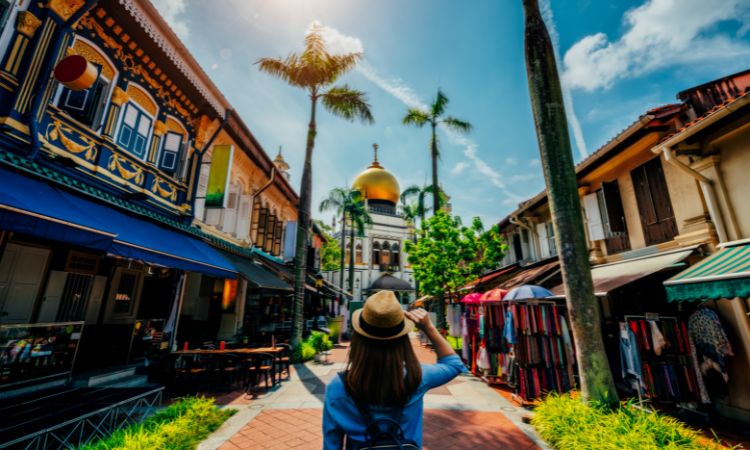
County Cork’s stretch of the Wild Atlantic Way showcases some of Ireland’s most breathtaking seascapes. Set out on a self-drive or guided excursion along rugged cliffs, stopping for panoramic views of the Atlantic’s shifting blues and greys.Quaint fishing villages such as Baltimore and Castletownbere invite exploration, offering harbourside cafés serving fresh seafood and boat trips for dolphin or whale watching. Coastal trails vary from gentle shoreline paths to dramatic cliffside hikes alive with seabirds and the roar of waves below.The Beara Peninsula rewards travellers with winding roads, mountain passes, and ancient stone circles, while the coastline around Kinsale offers sheltered bays ideal for sailing and kayaking.Photographers will find inspiration in the ever-changing light—misty mornings, sunbursts through clouds, and golden sunsets over the ocean. Weather can be unpredictable, so pack layers and waterproofs.Nature tours reveal coastal flora and marine life, while roadside lay-bys hide picnic-perfect viewpoints. Fuel stations are scarce in remote areas—plan accordingly.A day or two immersed in these coastal routes reveals the raw beauty and maritime heritage of Cork’s Atlantic edge, leaving an indelible impression.
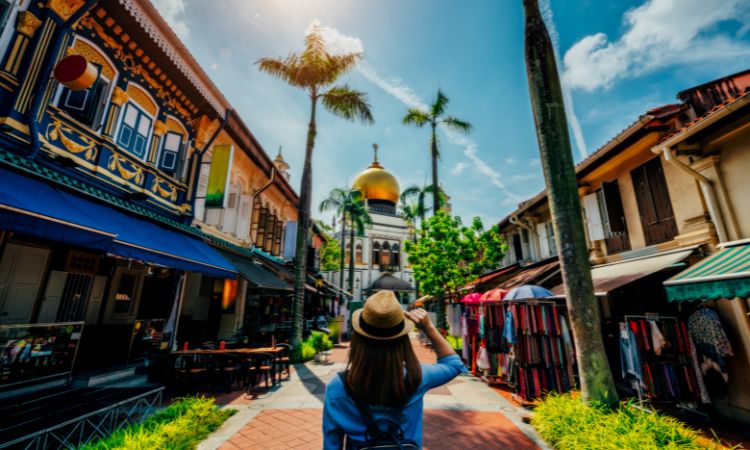
Kinsale, just a short drive from Cork city, is a harbour town bursting with colour, culinary excellence, and maritime heritage. Stroll along the waterfront, visit historic forts guarding the harbour, and explore artisan shops lining cobbled streets.Kinsale’s dining scene is world-class, reflecting its history as a fishing port. Enjoy freshly caught seafood, locally sourced produce, and creative dishes in award-winning restaurants.Nearby, villages like Courtmacsherry and Clonakilty exude laid-back coastal charm. Sandy beaches, dune walks, and weekly markets offer an authentic slice of rural life. Cycle routes link these towns through scenic countryside, while sailing trips explore hidden coves rich in wildlife.History buffs can delve into maritime museums or visit remains of centuries-old fortifications.In quieter months, the slower pace is perfect for reflection and photography. Accommodation ranges from boutique guesthouses to seafront lodges, many with sweeping views.Active travellers can kayak or paddleboard in sheltered bays, watching seabirds and seals in their natural habitat. Check tide times and tour schedules before setting out. Combining Cork city with these coastal gems creates a balanced itinerary of culture, food, and nature..
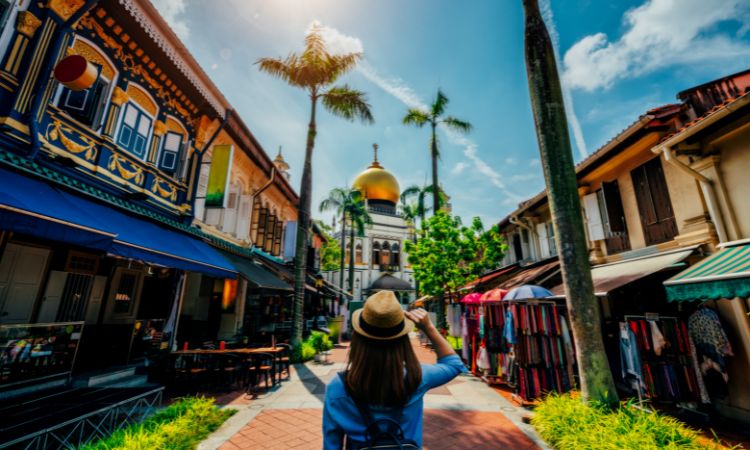
No visit to Cork is complete without Blarney Castle, home to the legendary Blarney Stone, said to bestow eloquence on those who kiss it. Climb the medieval tower for sweeping views and a chance to join the centuries-old tradition.The castle grounds are equally enchanting. Wander themed gardens: the Poison Garden with its intriguing plants, lush fern gardens, rockeries, and tranquil water features.Follow woodland trails dotted with benches, or visit Blarney House to admire period interiors and 19th-century design. On-site cafés serve light meals, perfect for a midday pause.Just 20 minutes from Cork city, Blarney pairs easily with nearby attractions. Families may enjoy Fota Wildlife Park, while whiskey enthusiasts can tour the Jameson Distillery in Midleton.Arrive early to avoid queues, particularly in peak summer. Car rental or guided tours offer convenience, and parking is available on-site.Blending history, legend, and natural beauty, Blarney Castle offers a full, satisfying day trip that appeals to all ages.
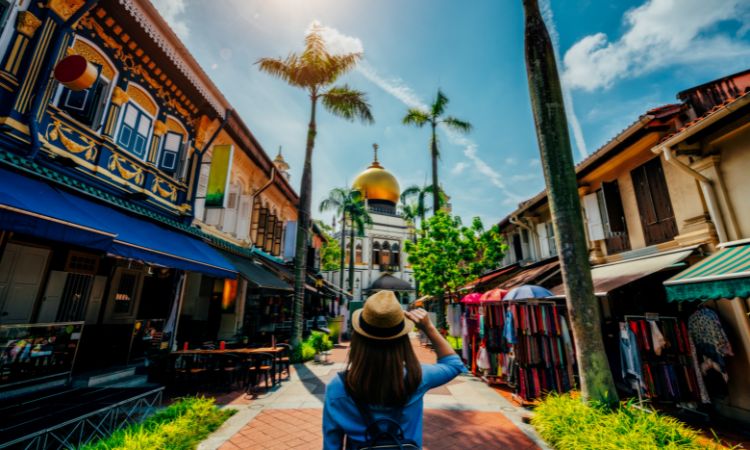
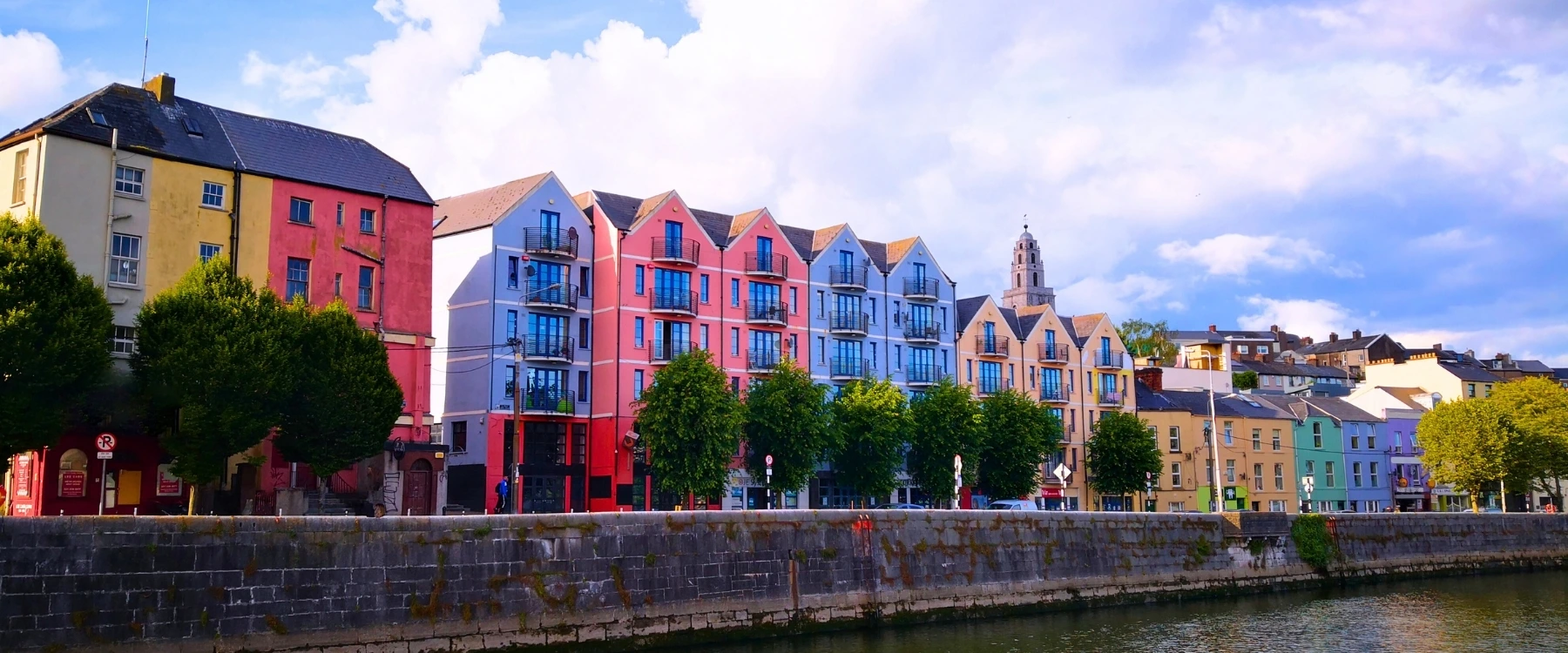
Cobh is a picturesque port town steeped in maritime history, known as the final stop of the Titanic and a departure point for millions of emigrants. At the Cobh Heritage Centre, explore interactive exhibits on emigration, shipping, and local heritage.Stroll the colourful waterfront, join a guided walking tour, or take a boat trip to spot seabirds and marine life.From Cobh, travel east to Youghal, a seaside town with sandy beaches, medieval walls, and the Clock Gate Tower telling stories of pirates, merchants, and townsfolk. East Beach offers relaxed coastal walks, perfect for families or quiet reflection.Browse craft shops, enjoy fresh seafood in waterfront cafés, and explore heritage sites linking Cork to Ireland’s wider maritime narrative.Travel between Cork, Cobh, and Youghal is straightforward by car, train, or bus, making them ideal for a combined day trip. Dress for changeable coastal weather, and allow time for scenic stops along the way.Blending Cobh’s poignant history with Youghal’s seaside charm gives a rounded picture of Cork’s coastal heritage.
No ads. No trails. No commitments


Alice Roses
London, England
51 ST MATTHIAS ROAD
NOTTINGHAM, NOTTINGHAMSHIRE
NG3 2HF
Hours: 8:00 - 17:00, Mon - Sat
support@johnsonholidays.com