 Rabat Travel
Guide
Rabat Travel
Guide
Paris is known around the world as the “capital of love,” and even if you don't understand the history of Paris at all

3 Hours
£3.12
Rabat’s history spans over a millennium, from its founding in the 12th century under the Almohads to its designation as Morocco’s capital in 1912. Visitors can explore the Hassan Tower, an unfinished minaret symbolizing ambition and architectural prowess, and the adjacent Mausoleum of Mohammed V, featuring exquisite marble work and traditional motifs. The Chellah necropolis, originally a Phoenician and Roman site later repurposed as a medieval burial ground, reveals layers of civilizations through crumbling walls and lush gardens where storks nest. Meandering through the medina uncovers centuries-old mosques, artisan souks, and preserved city gates. This deep historical tapestry provides an immersive experience for those seeking to understand Morocco’s past in a less frenetic setting than larger cities.
Learn More
The Historic City of Rabat—encompassing the kasbah of the Udayas, the Hassan Tower and Mausoleum, and the Chellah—holds UNESCO World Heritage status, signifying global recognition of its cultural significance. Wandering these sites, one appreciates the harmony between Islamic architecture and Atlantic vistas: the whitewashed Kasbah des Oudayas perched above the river features intricately tiled courtyards and a charming café overlooking the water. In the Chellah’s overgrown gardens, birdsong mingles with ruins, creating a contemplative atmosphere. This official heritage designation ensures preservation and thoughtful presentation of key monuments, offering travelers assured quality experiences steeped in authentic context.
Learn More
Rabat’s coastal position on the Atlantic and the estuary of the Bou Regreg River provides refreshing breezes and scenic vistas. Sandy beaches near the city invite relaxed afternoons sunbathing or seaside walks, while cafés along the promenade serve mint tea or light seafood dishes. River cruises on the Bou Regreg afford unique perspectives of the Kasbah des Oudayas and Salé’s opposite bank, especially at sunset when the sky glows orange. The coastal setting moderates temperatures compared to inland cities, making Rabat a pleasant destination year-round. This seaside dimension distinguishes Rabat as both a cultural hub and a beach-adjacent retreat.
Learn More
As Morocco’s administrative capital, Rabat boasts a burgeoning cultural infrastructure. The Mohammed VI Museum of Modern and Contemporary Art showcases Moroccan artists alongside global works, set in a modern facility with thoughtful galleries. Seasonal events like the Mawazine music festival attract international performers and celebrate cultural exchange. Local theaters and galleries present traditional music, dance, and visual arts, allowing visitors to engage with Morocco’s evolving creative expressions. Workshops in artisanal crafts—ceramics, leatherwork, weaving—offer hands-on insights and connections with local artisans. This dynamic cultural scene enriches any itinerary focused on authenticity and contemporary creativity.
Learn More
Rabat’s culinary offerings range from intimate riad dining to modern cafés and rooftop terraces. Traditional Moroccan cuisine—from fragrant tagines with preserved lemons and olives to harira soup—can be savored in family-run establishments within the medina. Coastal proximity ensures fresh seafood dishes, such as grilled fish or seafood pastilla, accompanied by mint tea or local wines in select venues. Contemporary chefs reinterpret classics, blending local ingredients with global influences. Bakeries offer Moroccan pastries like sellou, while street stalls feature snacks such as msemen pancakes. Food tours provide curated tastings and behind-the-scenes visits to spice markets, enriching understanding of Moroccan gastronomy.
Learn More
Strategically positioned, Rabat serves as an ideal base to explore other Moroccan highlights. Day trips to Meknes and Volubilis reveal imperial city and Roman ruins; Fes is reachable by train or car for a deeper immersion into historic medinas. The Atlantic coast extends to Essaouira and Casablanca for varied seaside experiences. Inland, the Middle Atlas Mountains offer scenic landscapes and cedar forests with Barbary macaques. Rabat’s transport infrastructure—train station, highway links, and manageable airport—facilitates these excursions. Travelers can combine city exploration with broader Moroccan adventures while returning to Rabat’s calmer ambiance each evening.
Learn More
Lorem ipsum dolor, sit amet consectetur adipisicing elit. At illo adipisci iusto
From

Because more than 268 other customers have loved us too

Demonstrates commitment to user data security through encryption and secure payment practices
Learn More
Demonstrates commitment to user data security through encryption and secure payment practices
Learn More
Demonstrates commitment to user data security through encryption and secure payment practices
Learn More
Demonstrates commitment to user data security through encryption and secure payment practices
Learn More
Quality as judged by customers. Book at the ideal price!


/ person
/ person
/ person
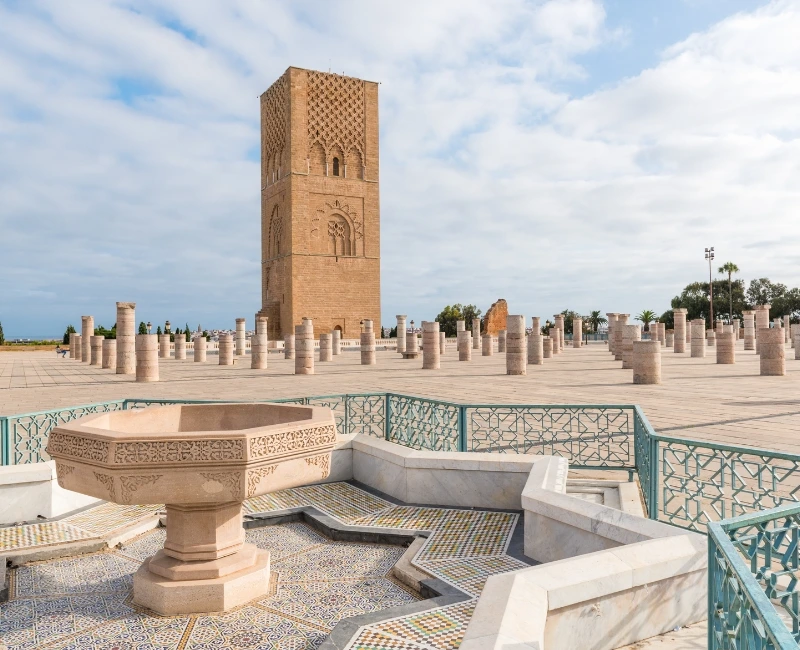
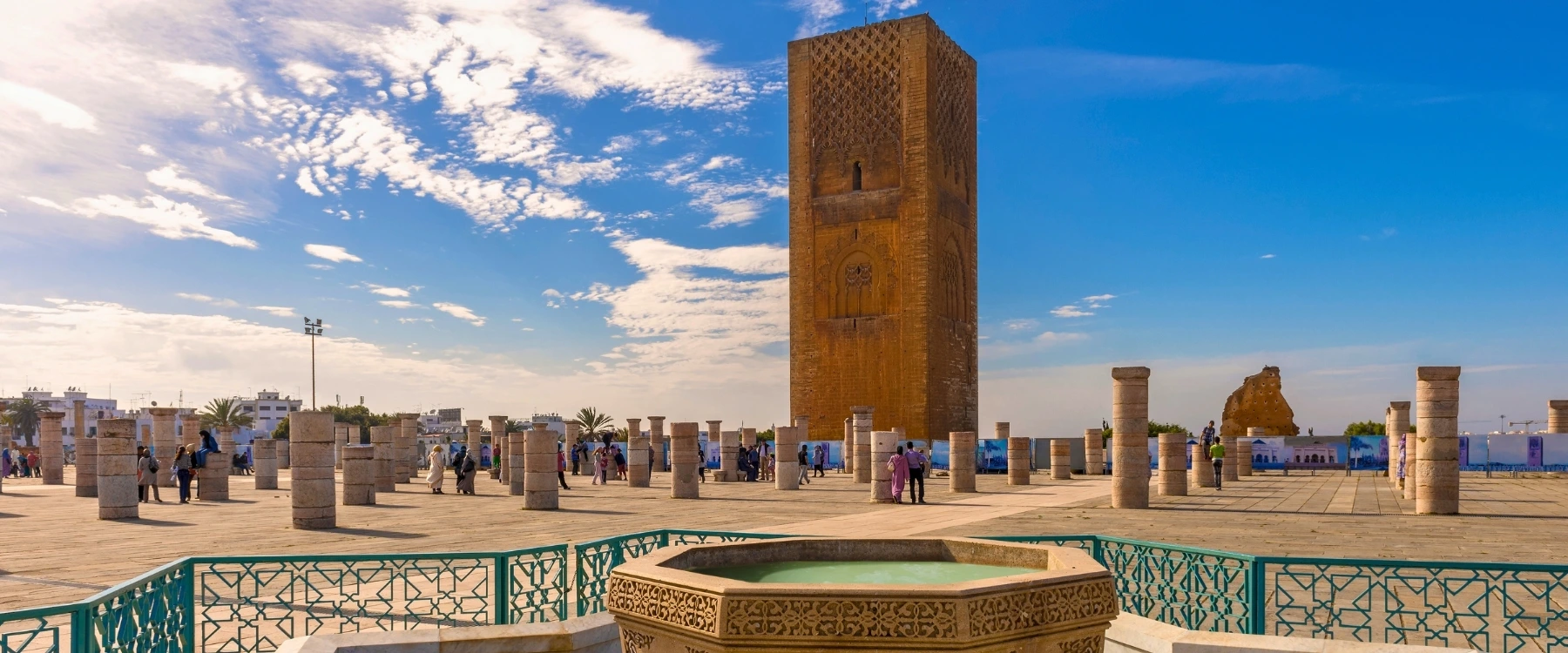
The Hassan Tower complex stands as Rabat’s most iconic monument, a testament to the grand vision of the Almohad dynasty in the late 12th century. Commissioned by Sultan Yacoub al‑Mansour, the original plan for a monumental mosque envisioned a towering minaret rising over 80 meters; today, the unfinished red sandstone shaft still reaches an impressive 44 meters, its ribbed columns and fluted corners offering a raw glimpse into what might have been. As you approach the site, the sheer scale of the columns strewn across the esplanade impressively conveys the original ambition. In the early morning light, the interplay of shadow and sun on the stonework creates texture and depth that photography enthusiasts will relish.Adjacent to the ruins lies the Mausoleum of Mohammed V, constructed in the 1960s yet evoking classical Moroccan craftsmanship. Its crisp white marble façade glows under the sun, punctuated by horseshoe arches adorned with deep-green zellij tile mosaics. Carved cedar-wood ceilings and intricate plasterwork underscore the continuing traditions of Moroccan artisans. Inside, the tombs of King Mohammed V, King Hassan II, and Prince Abdallah rest upon pedestals of onyx and alabaster, each covered by ornate, hand‑woven brocades. Soft, concealed lighting accentuates geometric patterns on the decorated columns and overhead ceilings, creating a hushed, reverent atmosphere.A walk through the shaded courtyard gardens—planted with fragrant orange trees and fountain pools—offers a moment of calm reflection. Benches line the perimeter, inviting visitors to linger and absorb interpretive panels that recount the history of the site: from the sultan’s untimely death in 1199, which halted construction, to the mausoleum’s role in post-independence nation‑building. Audio guides and guided tours enrich the experience, pointing out features such as Kufic inscriptions high on the minaret and star‑shaped openings that once funneled light into the prayer hall.Timing your visit is key: early arrivals beat the crowds and the summer heat, while late-afternoon light bathes the red sandstone in a warm glow, perfect for striking photographs framed against a deep-blue sky. On weekends, consider watching the changing of the guard ceremony at the mausoleum, a dignified pageant of traditional uniforms and precise drills. Whether you’re a history buff, an architecture aficionado, or simply a traveler seeking a contemplative space, the Hassan Tower and Mausoleum complex offers an immersive journey through Morocco’s dynastic grandeur and living cultural heritage.
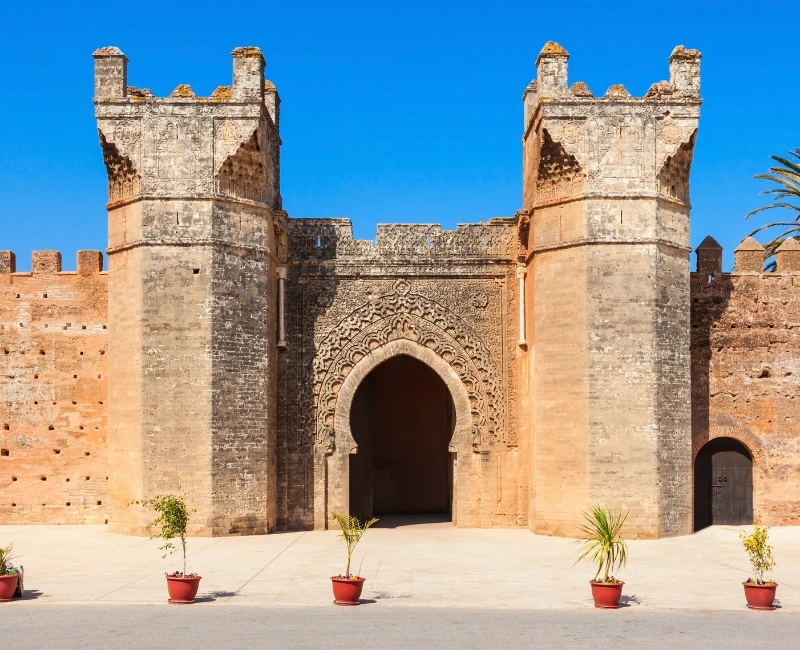
Nestled just beyond Rabat’s city core, the Chellah Necropolis unfolds within thick, crenellated walls overlooking the Bou Regreg estuary. This layered archaeological site traces Rabat’s evolution from a Phoenician trading post to Sala Colonia under Rome, and later to a Marinid royal necropolis in the 14th century. Entering through the monumental gate, you step into a world where crumbling Roman columns and tombstones lie side by side with carved merlons and Islamic minaret remnants, draped in wild vines and dotted with fragrant jasmine.Strolling the winding pathways, you’ll encounter interpretive displays that map the site’s chronology—inscriptions in Latin and Arabic etched into stone stelae, marble capitals repurposed as architectural fragments, and the base of a towering minaret where white storks nest each spring. Their clattering beaks and plaintive calls lend a living soundtrack to the ruins, heightening the sense of timeless continuity. In the heart of the complex stands a small museum housed in a restored Marinid pavilion, showcasing mosaics, ceramics, and gilded glass discovered on site; detailed labels explain how each artifact reflects changing funerary and domestic customs.Photography lovers will find the early morning mist especially atmospheric, as slender shafts of light pierce through broken arches and spotlight emerald moss carpeting fallen stones. In golden-hour warmth, the site’s ochre hues glow against the deep blue of the river beyond. For birdwatchers, the adjacent wetlands attract herons, kingfishers, and migrating waders—bring binoculars to catch glimpses near the water’s edge.After exploring Chellah’s archaeological heart, follow the riverside promenade south toward the Kasbah des Oudayas. This scenic walk passes citrus groves and olive trees, with occasional benches set beneath tamarisk stands. Along the way, street vendors offer mint tea in delicate glasses, perfect for a mid‑morning pause. Cafés near the riverbank serve freshly squeezed orange and pomegranate juices accompanied by almond pastries, providing local flavors in a tranquil setting.Chellah’s open-air layout and ample shade mean it’s accessible year‑round; spring brings blooming wildflowers, while autumn offers softer light and cooler breezes. Wear comfortable shoes, bring sun protection, and plan at least two hours to absorb the site’s layered narratives. Whether you arrive as a history enthusiast, nature lover, or photographer, Chellah Necropolis delivers a contemplative escape into Rabat’s most ancient chapters.
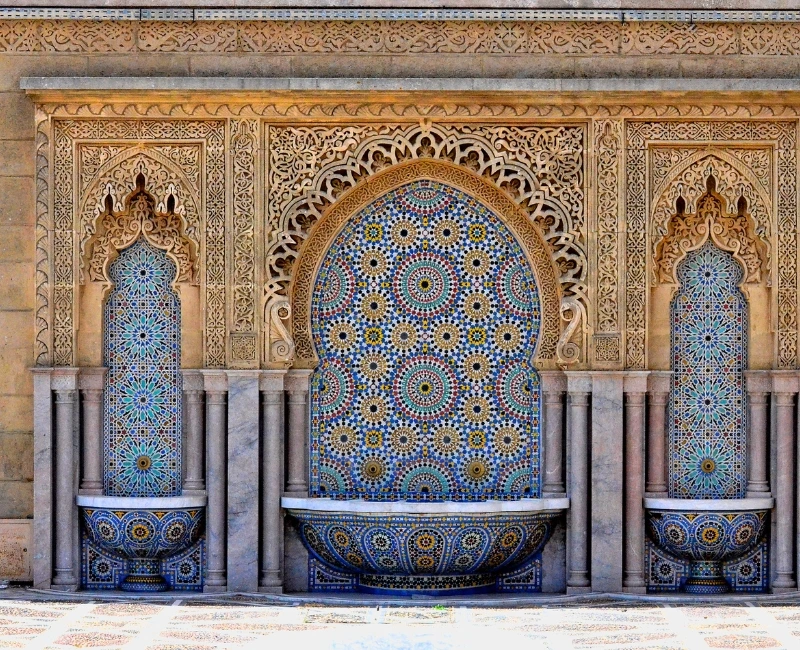
Opened in late 2014, the Mohammed VI Museum of Modern and Contemporary Art marks a bold statement in Rabat’s cultural landscape. Situated along the scenic Bou Regreg riverfront, the museum’s exterior blends cutting‑edge design with references to traditional Moroccan patterns: its concrete façade is pierced by a lattice of geometric mashrabiya motifs, filtered light glimmering across open-air terraces. The museum’s location, adjacent to urban promenades and parklands, makes it an inviting stop whether you arrive on foot, bicycle, or ferry.Upon entering, you’ll find two levels of spacious, white‑walled galleries suffused with natural light from skylights and high windows. The permanent collection highlights pivotal works by 20th‑century Moroccan modernists, including painters whose bold brushstrokes bridged colonial and post‑independence eras, and sculptors who fused local materials—olive wood, red clay—with avant-garde forms. In contrast, rotating exhibitions showcase emerging Moroccan and international voices working in diverse media: video installations that interrogate urbanization, mixed‑media collages responding to global migration, and interactive digital art pieces prompting visitor participation.Interpretive labels are provided in Arabic, French, and English; audio guides delve deeper into artists’ biographies and creative processes. Knowledgeable docents lead themed tours—“Women in Moroccan Art,” “Reflections on Identity,” or “Art and the Environment”—and regular artist talks and workshops allow hands‑on engagement. If you’re traveling with family, the museum’s educational space hosts drop‑in art labs where children can experiment with mosaic tile patterns or papier-mâché sculpture.Take a break at the upstairs café, where floor‑to‑ceiling windows overlook the river and the Kasbah des Oudayas across the water. The café menu features light Moroccan and Mediterranean fare—olive‑studded salads, smoked salmon sandwiches with harissa aioli, and delicate pastries—paired with artisan coffee and mint tea. Adjacent, the museum shop stocks curated books on regional art, limited‑edition prints, and jewelry by local designers, perfect for thoughtful souvenirs.Check the museum’s event calendar before your visit: film screenings, poetry readings, and performance art evenings make the Mohammed VI Museum a dynamic hub after dark. Photography is generally permitted without flash, though guided tours may highlight no‑photo zones. Whether you’re an art aficionado or first-time museum visitor, this institution offers a panoramic view of Morocco’s creative present and an inspiring glimpse of its artistic future.
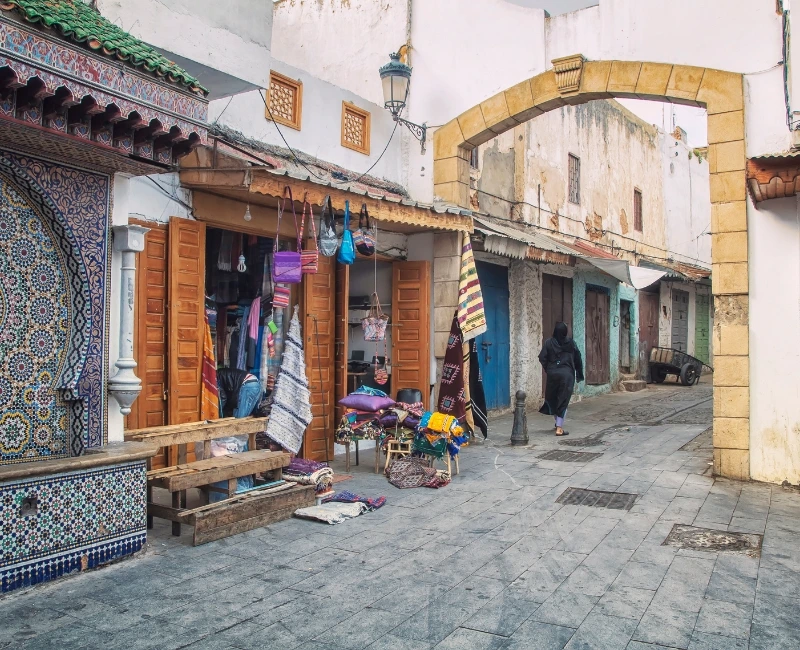
Rabat’s medina, though more compact than those of Fez or Marrakech, offers an intimate labyrinth of winding alleys where centuries‑old craftsmanship thrives alongside daily life. As you step through one of the modest gates, you enter a sensory world: the tang of vegetable dyes, the earthy aroma of cedarwood shavings, and the muted clack of artisan tools at work. Unlike larger, more tourist‑saturated souks, Rabat’s market lanes feel lived‑in, with neighborhood vendors and cooperative workshops where you can observe—and participate in—traditional trades.Leather tanning remains a hallmark: in courtyards ringed by low walls, hides soak in vats of olive oil and henna, then pass to dyeing pits where natural pigments in shades of saffron yellow, indigo blue, and deep crimson breathe color into supple skins. Tanners often allow small groups to witness the process, explaining how tannic compounds in olives preserve leather. Nearby, saddle‑makers stitch lamp‑black‑dried hides onto wooden frames, while tool benches display embossed belts and pouches.Pottery workshops open onto narrow streets, ovens glowing with heat as terracotta vessels emerge, hand‑painted in signature blues and turquoise before glazing. Many potters invite visitors to shape a small bowl on the wheel, its surface later adorned with brushwork motifs—palm fronds, geometric patterns—that echo Islamic art’s emphasis on non‑figurative design. Wool weavers sit at horizontal looms in shadowed alcoves, feet tapping pedals to interlace threads dyed with cochineal, weld, and pomegranate dye; their rugs—woven with Berber symbols—tell stories of regional identity.Beyond craft lanes, specialty souks beckon with spice merchants stacking pyramids of ras el hanout blends, cumin, ginger, and saffron threads. Aromatic oils—argan, eucalyptus, rose—are sold in glass bottles topped with ornate metal pourers, while dried fruits and nuts glint under soft lantern light. Pause at a tea stall: carpets of kilim cushions invite you to sip freshly brewed mint tea from intricately etched glasses, served with bravura by hosts who pour from heights to oxygenate foam.For deeper immersion, pre‑arranged workshops let you dye a leather bookmark, paint a ceramic tile, or weave a simple tapestry motif under expert guidance—experiences often facilitated by cooperatives dedicated to preserving endangered crafts. A knowledgeable guide can lead you to hidden cooperatives where profits support women’s artisan associations.As daylight fades, lanterns flicker on, and alleys cool. The medina’s quieter evening hours offer cooler air for browsing, though some workshops may close—plan visits between mid‑morning and early afternoon for full access. Whether seeking one‑of‑a‑kind souvenirs or simply a window into Morocco’s living traditions, Rabat’s medina souks and artisan workshops deliver an authentic, hands‑on journey into centuries‑old crafts still vibrant today.
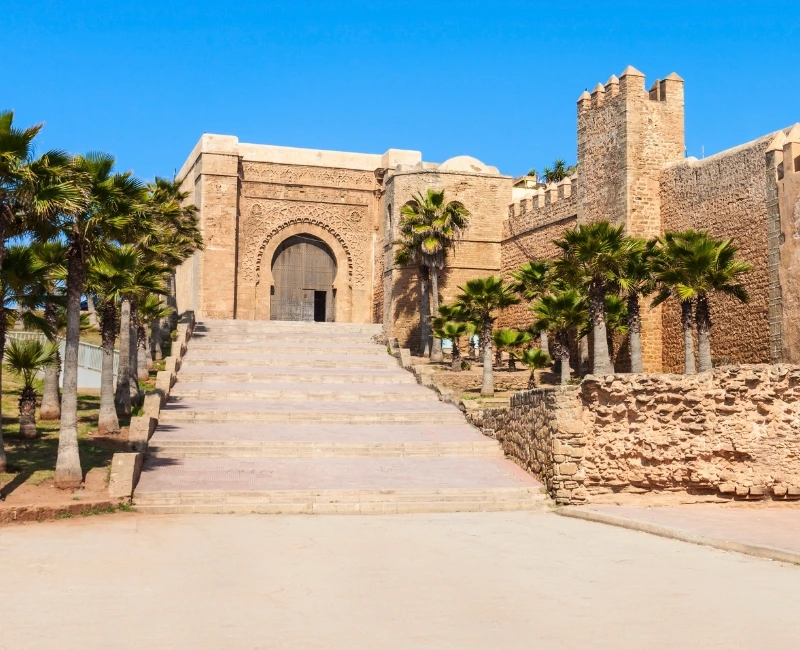
Perched at the confluence of the Bou Regreg River and the Atlantic Ocean, the Kasbah des Oudayas offers a compact microcosm of Rabat’s defensive heritage and aesthetic elegance. Originally constructed in the 12th century under the Almohads, its stout ochre walls shield a tranquil quarter of whitewashed houses accented by cobalt-blue shutters—an architectural homage to Andalusian exiles from Granada. Enter through the austere Bab Oudaya gate, its horseshoe arch flanked by fluted columns and carved medallions, and find yourself ascending narrow alleyways lined with bougainvillea‑clad façades.Moments later, the sound of trickling water heralds the Andalusian Gardens. These tiered terraces—reimagined in the 1910s—feature shaded pathways under fragrant orange and lemon trees, beds of purple lavender, and wrought‑iron fountains that once served the local garrison. Marble benches positioned beside fountains invite reflection as the salty breeze from the river mingles with the scent of citrus blossoms. Benches along tiled mosaics—each tile laid by hand—offer intimate corners for reading or sketching.Continue uphill to the Upper Terrace viewpoint, where a sandstone pavilion frames sweeping panoramas: the fortified river mouth below, the ramparts of Salé across the water, and, on clear days, the distant mist of the Atlantic horizon. This is one of Rabat’s premier photo‑ops, especially at sunrise when the kasbah walls catch the first light.Within the kasbah lies the Oudayas Museum, housed in a restored 17th-century palace. Its exhibits pivot between local history—antique weaponry, manuscript collections, and historic maps—and temporary art shows that spotlight contemporary Moroccan painters. The museum’s shaded courtyard, tiled in blue and white zellij, serves as an occasional venue for small classical concerts under starry skies.For refreshment, head to the Café Maure, where servers in traditional djellabas present steaming trays of mint tea accompanied by nutty almond pastries and date-filled briouats. Terrace seating overlooks the river, making it a romantic spot at dusk. If you visit on weekends, check the kasbah’s cultural calendar: you may encounter outdoor calligraphy workshops, Andalusian music performances, or guided poetry readings.Access is straightforward on foot from central Rabat—follow signs west from the U.S. Ambassador’s residence—or by a short taxi ride. The kasbah’s compact scale means you can fully explore in two to three hours, though leisurely visitors may linger longer. Wear comfortable shoes for the cobbled lanes and bring sun protection. Whether marveling at centuries‑old fortifications, wandering perfumed gardens, or sipping tea above the estuary, the Kasbah des Oudayas encapsulates Rabat’s blend of history, horticulture, and enchanting vistas.
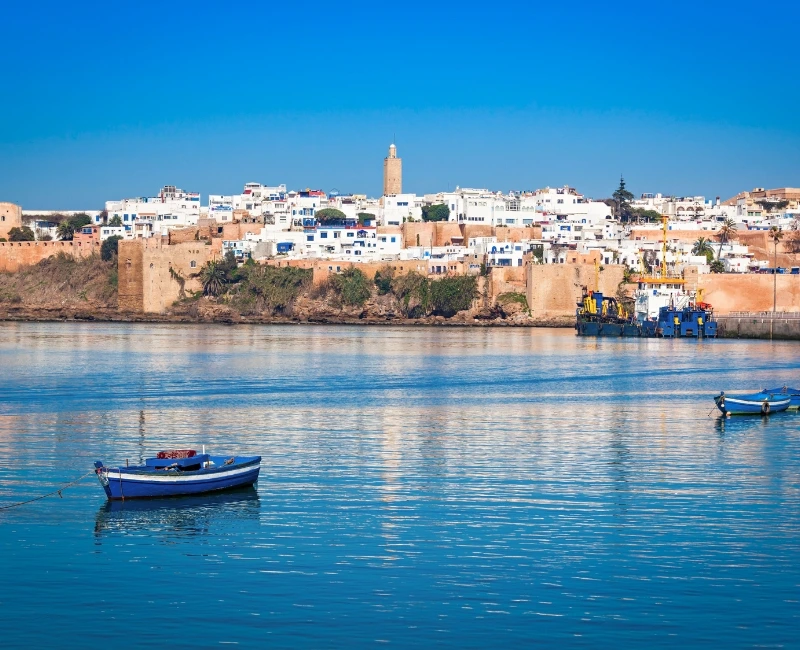
Rabat’s natural landscapes extend far beyond its historic core, inviting visitors to explore both riverine pathways and Atlantic shorelines. The Riverside Promenade along the Bou Regreg River stretches several kilometers, connecting the Kasbah des Oudayas in Rabat to the medina of Salé. Broad sidewalks and dedicated cycling lanes wind beneath arching palm and sycamore trees, their leaves casting dappled shade on joggers, rollerbladers, and families strolling with children. Interpretive signage outlines the river’s ecological importance and flood‑control history, while benches spaced at regular intervals offer rest stops overlooking tidal flats below.A favorite morning ritual among locals is to join gentle yoga classes held on riverfront platforms at sunrise, accompanied by the soft clapping of oars from traditional wooden floukas gliding past. Boat operators offer two‑hour excursions—narrated tours relating the area’s maritime heritage, from corsair lore to modern riverfront regeneration projects. Sunset cruises are especially popular: as the city lights flicker on, golden hues reflect off the water, and the river’s gentle current provides a tranquil backdrop.Beyond the river mouth, head to Temara Beach, accessible via a 20‑minute local bus ride or short taxi journey south of Rabat. Here, wide sandy bays stretch toward the horizon, punctuated by rocky outcrops favored by sunbathers and weekend picnickers. Seasonal lifeguard stations operate from June through September; outside these months, swimming remains possible but requires caution due to stronger currents. Windsurfing and kitesurfing schools dot the shoreline, offering lessons and equipment rental for beginners and advanced riders alike.For a quieter coastal escape, the Plage des Nations lies closer to Rabat’s city limits. This crescent of golden sand features shallow tidal pools at low tide—ideal for paddling and spotting small marine life. Food stalls line the edge, selling grilled sardines on skewers, keftas in flatbread, and freshly squeezed pomegranate juice. Picnic tables shaded by wooden pergolas provide communal dining areas, while children play in the sand under parental supervision.Coastal footpaths link Temara and Plage des Nations, tracing cliff tops and sand dunes dotted with marram grass. Birdwatchers can spot herons hunting along estuarine shallows and, in migration seasons, flocks of flamingos roosting in inland wetlands. Guided nature walks organized by local environmental groups offer insights into coastal ecosystems and conservation challenges.Whether you seek active recreation—cycling, paddling, wind‑sports—or simply a restorative seaside afternoon watching waves and seabirds, Rabat’s riverbanks and beaches deliver a versatile outdoor escape. Bring sunscreen, appropriate footwear, and a reusable water bottle; pack a light windbreaker for ocean breezes. From tranquil promenades to lively beachfronts, Morocco’s capital offers diverse natural settings within easy reach of its urban heart..
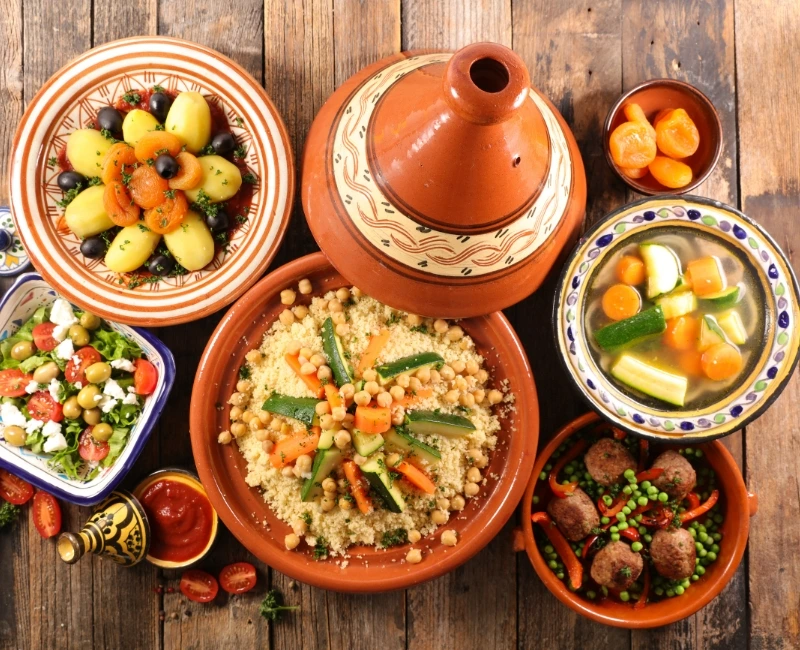
Rabat’s culinary tapestry weaves together centuries of imperial influences, coastal bounty, and contemporary innovation. Begin your gastronomic journey at the medina’s sprawling spice markets, where vendors heap fragrant mounds of saffron, turmeric, cumin, and ras el hanout in rainbow‑bright pyramids. The air is perfumed with ground cinnamon, dried rose petals, and frankincense. Knowledgeable merchants are happy to explain regional blends—some include over a dozen spices—and will scoop small sample bags, making it easy to take home your own signature mix.Next door, the fresh‑produce souk pulses with activity: farmers from the Rif Mountains sell citrus fruits—blood oranges in winter, fragrant mandarins in spring—and seasonal vegetables ranging from plump tomatoes to crisp early‑harvest artichokes. Fishmongers nearby display the Atlantic’s catch: silver sardines, firm swordfish steaks, and plump red mullet iced on beds of seaweed. If you arrive at dawn, you’ll witness the first shouts of haggling and see street‑food stalls frying msemen—flaky, buttery pancakes served hot with honey—or briouats: triangular pastries filled with spiced meat or sweet almond paste.For hands‑on experience, book a cooking class in a traditional riad. Expert chefs will guide you through preparing classic dishes: simmering a harira soup infused with lentils, chickpeas, and coriander; layering chicken and preserved lemon in a tagine; or steaming couscous with root vegetables and saffron‑kissed broth. You’ll learn knife skills, spice‑blending techniques, and the art of plating. Classes typically conclude with a shared meal on courtyard cushions, where participants discuss flavors over mint tea perfumed with fresh spearmint sprigs.Lunchtime brings a host of casual dining options. Gravel‑floored snack bars serve kefta tagines ladled over mounds of fluffy couscous, while rooftop cafés near the Kasbah overlook the river as you sample zaalouk—roasted eggplant dip drizzled with olive oil—and grilled calamari skewers. Seek out contemporary bistros where innovative chefs reinterpret Moroccan classics: beetroot‑cured salmon with preserved lemon crème fraîche, or lamb tagine served with truffle‑infused polenta.As evening falls, the city’s fine‑dining scene comes alive. Reservations are recommended at establishments blending Moroccan spices with global techniques—think slow‑braised lamb shoulder with miso harissa glaze or chocolate and date millefeuille. Bars paired with restaurants showcase Moroccan wines—saffron‑hued rosés from Meknès or full‑bodied reds from the Atlas foothills—alongside craft cocktails incorporating argan oil bitters or prickly pear syrup.Don’t miss the city’s burgeoning dessert culture: pâtissiers craft French‑style éclairs filled with orange blossom pastry cream, while street stalls fry hollow choux pastry and fill them tableside with whipped cream. Markets selling olives (green cracked with cumin, black marinated with garlic) and nuts (honey‑glazed almonds, spiced pistachios) make perfect late‑night snacks.Whether you’re a foodie chasing flavors or a casual traveler sampling street eats, Rabat delivers a culinary adventure grounded in tradition yet alive with innovation. Plan your itinerary around market opening hours—typically 8 AM to 2 PM—and restaurant dinner services that often start after 7 PM, especially outside of Ramadan. Bring an appetite and an open palate for a journey through Morocco’s richest tastes.
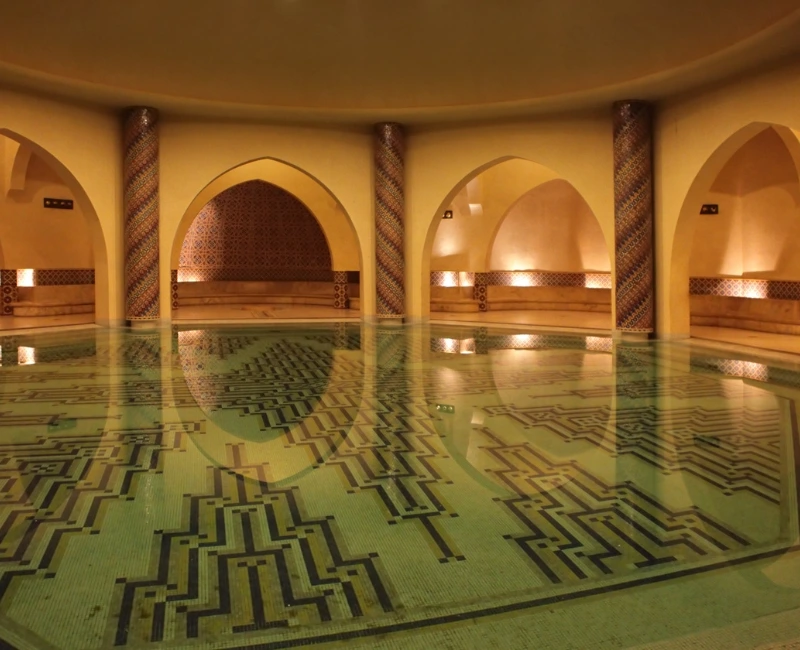
After days of exploring Rabat’s historic monuments and bustling medina lanes, surrender to the restorative powers of Moroccan wellness traditions at a local hammam or modern spa. The traditional hammam experience is rooted in centuries‑old purification rituals: begin by entering a steam‑filled marble chamber (the “warm room”), where moist heat opens pores and eases muscle tension. Attendants clad in djellabas guide you to the exfoliation stage—using coarse kessa mitts and indigenous black soap made from olive oil and eucalyptus—to slough away dead skin. A gentle lather of ghassoul clay mask follows, drawing impurities while nourishing minerals absorb into the skin, leaving it soft and radiant.For a more private indulgence, upscale spas throughout Rabat offer hybrid treatments that marry Moroccan customs with international techniques. Book a body wrap incorporating rosewater tonics and argan oil massage for deep hydration, or opt for an aromatherapy session blending essential oils of orange blossom, lavender, and rosemary. Many spas feature thermal suites—saunas, cold plunges, and relaxation lounges where you recline on heated stone benches beneath star‑mosaic ceilings. After treatment, sip mint tea or rose‑petal‑infused water beside indoor fountains, embracing the meditative quiet.Riads and boutique hotels often house intimate hammams behind ornate wooden doors, their interiors tiled in blue‑green zellij with carved plaster niches. Booking a private session ensures a serene atmosphere; some include Moroccan pastries and scented candles to heighten the ambiance. Couples’ packages are popular—shared steam sessions precede side‑by‑side massages using local black soap and heated basalt stones.Beyond bathing rituals, Rabat’s leisure retreats encompass yoga and mindfulness workshops hosted on rooftop terraces or within olive‑grove courtyards. Certified instructors lead sunrise Vinyasa flows, while twilight meditation classes use guided breathing to unwind. Herbal remedy workshops delve into Moroccan apothecary—teas brewed from verbena, sage, or thyme; topical infusions of prickly pear seed oil for skin; and homemade scrubs combining sea salt and almond powder.For active leisure, the Royal Golf Dar Es Salam lies a short drive south of Rabat, its 27‑hole championship course designed by the Ben Sayers family. Overlooking cork‑oak forests, the course challenges golfers of all levels with strategic bunkers and undulating fairways. Clubhouses offer light fare—grilled chicken sandwiches, green salads, and freshly squeezed juices.Evening cultural events can also be part of a leisure retreat. Small‑venue Andalusian music concerts in restored palaces or live storytelling sessions at literary cafés transport guests into Morocco’s artistic heritage. Spa boutiques and wellness shops around the city sell high‑quality souvenirs—cold‑pressed argan oil, rosewater sprays, amber incense, and handcrafted soaps—for continued pampering at home.Whether you seek traditional purification, modern spa luxe, or holistic mind‑body renewal, Rabat’s hammams and leisure retreats cater to every preference. Dress comfortably for treatments, bring swimwear for thermal pools, and arrive at least 15 minutes early to settle into relaxation. Let the city’s warm hospitality and time‑honored rituals rejuvenate both body and spirit.
No ads. No trails. No commitments


Alice Roses
London, England
51 ST MATTHIAS ROAD
NOTTINGHAM, NOTTINGHAMSHIRE
NG3 2HF
Hours: 8:00 - 17:00, Mon - Sat
support@johnsonholidays.com