 Bali Travel
Guide
Bali Travel
Guide
Paris is known around the world as the “capital of love,” and even if you don't understand the history of Paris at all

16 Hours
£2

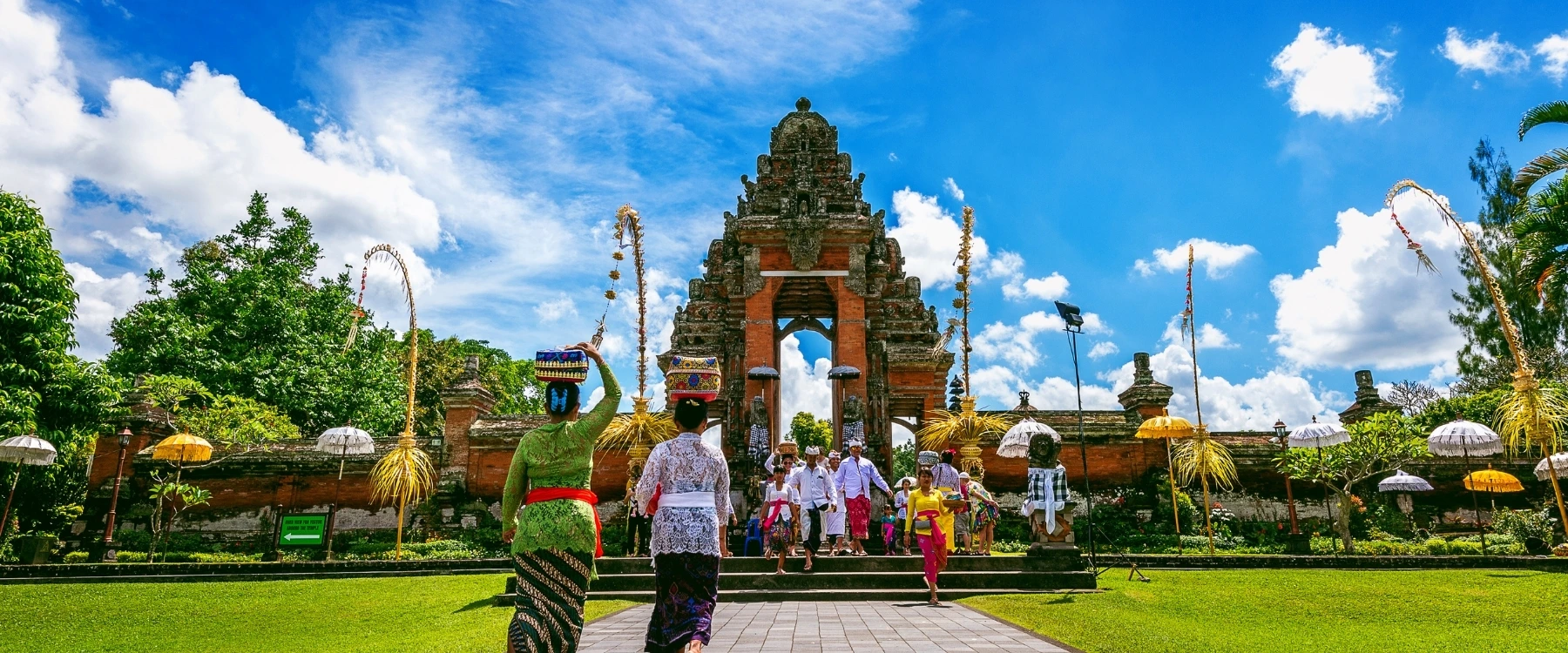
Balinese culture is a tapestry woven from centuries-old traditions, ceremonies, and artistic expressions. From daily offerings at family shrines to grand temple festivals like Galungan and Nyepi, visitors witness a living heritage. Artisans across Ubud and surrounding villages craft intricate wood carvings, silver jewellery, and batik textiles, providing opportunities to learn and support local craftsmen. Traditional dance performances, such as the Legong or Kecak fire dance at sunset, offer immersive experiences into Balinese storytelling. Engaging with these customs fosters deeper appreciation of local life and values. Many travellers find that cultural immersion in Bali enriches their journey beyond sightseeing, creating lasting memories of meaningful connection. Although flights and accommodation are affordably priced when converted to British pounds, the rewards of engaging authentically with Balinese heritage are priceless, making Bali an exceptional choice for culturally-minded travellers.
Learn More
Bali’s landscapes span terraced rice fields, volcanic peaks, dense rainforests, and coral-fringed coastlines. In Ubud, the emerald rice terraces of Tegallalang and Jatiluwih invite tranquil walks amid lush greenery. Adventurers can trek Mount Batur at dawn to witness a spectacular sunrise over a caldera lake, an experience often combined with breakfast cooked in volcanic steam. Northern Bali’s waterfalls—Sekumpul, Munduk, Gitgit—offer refreshing swims in serene settings. Beach lovers can choose from lively south-coast shores at Kuta and Seminyak to quieter bays in East Bali or black-sand beaches in the west. Underwater, snorkelling and diving reveal vibrant marine life around Amed and Menjangan Island. These natural wonders, combined with affordable guided tours and self-drive options, ensure travellers can explore varied terrain without stretching budgets in British pounds. Embrace Bali’s natural diversity for unforgettable adventures.
Learn More
Bali has earned a reputation as a global wellness hub. Yoga studios and retreat centres abound in Ubud and tranquil northern villages, offering daily classes, detox programmes, and meditation workshops. Spa treatments incorporate local ingredients—coconut oil massages, volcanic clay masks, herbal baths—delivered at rates often under £30–£50 per session. Holistic healing experiences include sound healing ceremonies, Balinese purification rituals at holy springs, and Ayurveda-inspired therapies. Experienced instructors guide participants of all levels in yoga, pilates, or breathwork, often set amid lush gardens or rice-field vistas. Many retreat packages combine accommodation, meals, and activities at competitive prices when converted to British pounds. For travellers seeking rejuvenation or deeper introspection, Bali provides an ideal environment to reset mind and body.
Learn More
Whether it’s catching waves in Canggu, rafting down the Ayung River, or exploring hidden waterfalls, Bali caters to thrill-seekers and nature lovers alike. Surf beginners can take lessons at gentle breaks, while experienced surfers test skills on renowned waves around Uluwatu. Rafting excursions provide adrenaline thrills amid jungle scenery. Cycling tours navigate rural lanes and traditional villages. Diving and snorkelling unveil colourful coral reefs and shipwrecks. Climbing Mount Agung or exploring active volcanic regions adds excitement for seasoned hikers. Wildlife enthusiasts can visit sanctuaries for orangutans or birdwatch in protected reserves. Many activities are priced modestly in British pounds, allowing travellers to pack an adventure-packed itinerary without high costs. Bali’s infrastructure supports easy booking of guided or self-guided excursions, ensuring safety and convenience.
Learn More
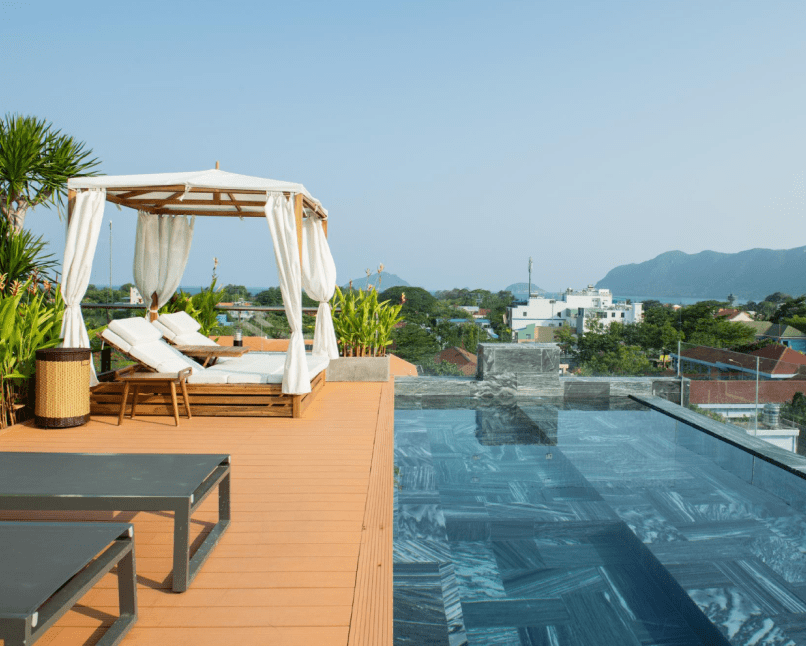
Bali offers a spectrum of lodging options that cater to different budgets. Boutique guesthouses and homestays provide authentic local hospitality for around £20–£40 per night. Mid-range hotels and private villas, with amenities such as private pools or garden views, often start at £50–£100 per night. Luxury resorts, many perched on cliffs or set in tropical gardens, offer high-end services—spa treatments, gourmet dining, personalised excursions—starting from around £150 per night. Because of favourable exchange rates, travellers from the UK find exceptional value for money. Many establishments include breakfast, airport transfers, or spa credits in package rates, further enhancing value. This affordability does not compromise quality: standards of service, cleanliness, and design are consistently high. Booking Bali means enjoying comfortable or lavish stays without incurring the high costs typical in other luxury destinations.
Learn More
Bali accommodates a wide array of holiday types. Couples seeking romance can choose secluded villas with private pools and candlelit dinners overlooking rice terraces. Families enjoy beachfront resorts with kid-friendly facilities, cultural workshops, and easy access to safe swimming areas. Solo travellers find communities in yoga retreats or surf camps. Groups can tailor trips combining adventure, relaxation, and cultural immersion. Special-interest travellers may pursue culinary tours, photography expeditions, or volunteering opportunities supporting conservation or community projects. Seasonal events—music festivals, art fairs, temple ceremonies—add unique dimensions to the itinerary. Whatever the preference, Bali’s combination of variety, affordability (in British pounds), and robust tourism infrastructure makes planning straightforward. Flexibility in travel styles ensures each visitor crafts a personalised journey, reflecting Bali’s inclusive appeal.
Learn More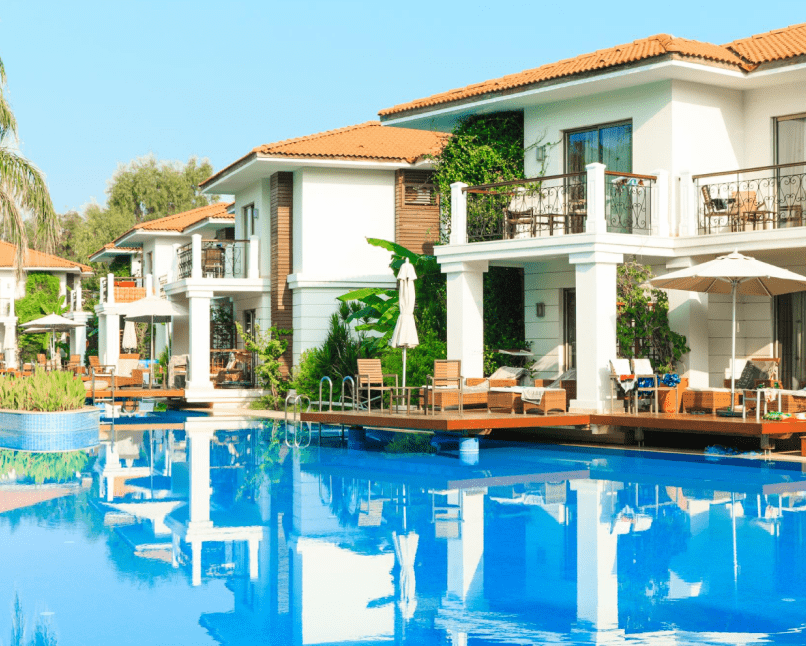
Lorem ipsum dolor, sit amet consectetur adipisicing elit. At illo adipisci iusto
From

Because more than 268 other customers have loved us too

Demonstrates commitment to user data security through encryption and secure payment practices
Learn More
Demonstrates commitment to user data security through encryption and secure payment practices
Learn More
Demonstrates commitment to user data security through encryption and secure payment practices
Learn More
Demonstrates commitment to user data security through encryption and secure payment practices
Learn More
Quality as judged by customers. Book at the ideal price!


/ person
/ person
/ person
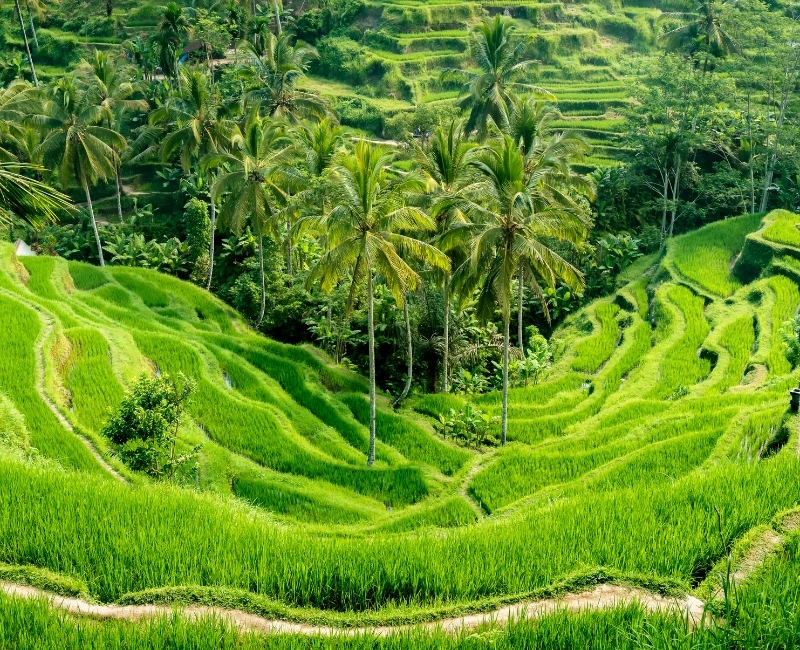
Ubud’s iconic rice terraces epitomise Bali’s harmonious blend of human creativity and natural beauty. The villages of Tegallalang and Jatiluwih showcase terraced paddies sculpted across gentle slopes, creating emerald mosaics that change hue with seasons and daylight. A morning visit often begins at dawn, when mist lingers in valley bottoms and local farmers commence their routines, offering a tranquil scene ideal for photography and mindful contemplation. Walking paths wind between fields, allowing visitors to traverse narrow ridges, observe traditional irrigation systems called subak (a UNESCO-recognised cooperative water management practice), and engage with farmers who may explain planting cycles or local organic methods.Beyond aesthetics, exploring Ubud’s rice terraces reveals deeper cultural significance. Rice is central to Balinese life, symbolising sustenance and community cooperation. Many visitors participate in guided agro-tours, learning about rice cultivation rituals, from offering ceremonies before planting to harvest celebrations. Some homestays nestled near terraces offer immersive stays where travellers can try planting or harvesting under guidance. These experiences foster appreciation for the effort sustaining local livelihoods and highlight sustainable tourism practices supporting rural communities.For adventure seekers, additional activities complement terrace visits. Cycling tours depart early from Ubud town, guiding cyclists through quiet backroads flanked by paddies, small temples, and traditional villages. These guided rides often pause for refreshments at local warungs, where travellers sample Balinese snacks and fresh fruit juices priced affordably in British pounds. Photography workshops help capture the interplay of light and landscape, while yoga classes on terrace-view platforms allow practice amid soothing natural vistas.Planning tips: Visit in the dry season (April to October) for clearer skies, but early mornings or late afternoons offer the best light and fewer crowds. Dress respectfully—modest attire when passing temple shrines along paths—and wear sturdy footwear for uneven ground. Bring water, insect repellent, and sun protection. Hiring a local guide not only enriches understanding of subak systems but also supports community incomes directly. Many guides operate in small groups or private tours, with costs modest when converted to British pounds.In summary, Ubud rice terraces deliver a multi-layered experience: visual splendor, cultural insight, hands-on agricultural engagement, and moderate adventure. This guide ensures travellers understand how to maximise their visit—timing, etiquette, and supporting local sustainability—while savouring one of Bali’s most emblematic landscapes.
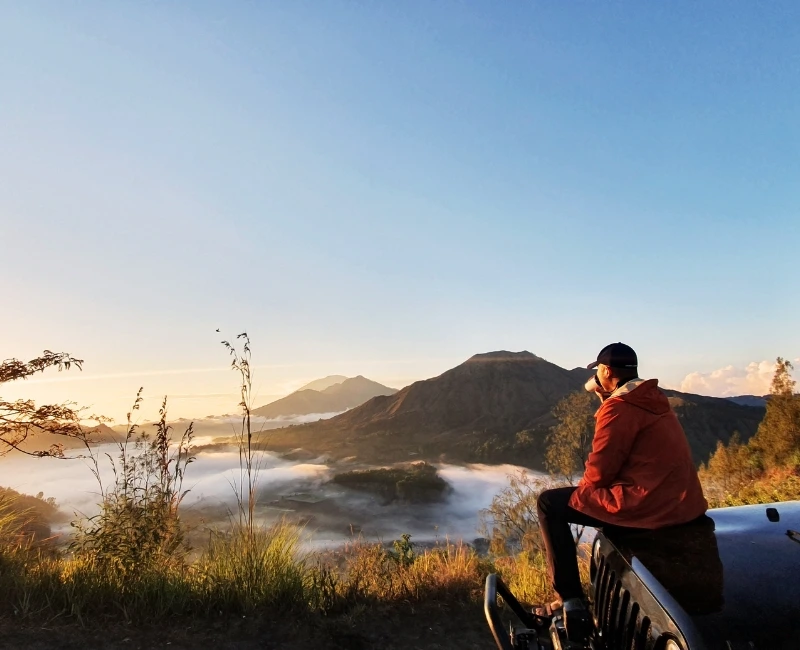
Climbing Mount Batur at dawn is a quintessential Bali adventure, offering both challenge and reward as trekkers witness sunrise from an active volcano’s rim. Located in central Bali, Mount Batur stands at approximately 1,717 metres. Many tours depart between 2:00 and 3:00 AM from Ubud or surrounding areas, providing transport to the trailhead in Toya Bungkah. Beginning in darkness, guided groups ascend through jungle and rocky terrain; headlamps illuminate the path while experienced local guides ensure safety and share insights on volcanic geology and local lore.As the horizon brightens, climbers reach the summit area in time for sunrise. The spectacle—sun emerging over Lake Batur, framed by Mount Abang and Mount Agung in the distance—is breathtaking. The changing sky hues reflect on the lake’s surface, creating a dramatic panorama. Guides often prepare a simple breakfast cooked with geothermal steam: eggs nestled in volcanic crevices, served with hot tea or coffee, offering a unique culinary experience against the backdrop of volcanic activity. Safety measures are in place, but participants should be prepared for steep sections and varying temperatures: pre-dawn chill gives way to mild warmth after sunrise.Physical requirements: moderate fitness level is sufficient, but those with joint issues should assess difficulty. Trek duration is typically 2 to 3 hours ascent, 1.5 to 2 hours descent. Wear sturdy hiking shoes and layered clothing. Bring water, light snacks, headlamp (though guides provide), and a warm jacket or sweater for summit chill. Many operators include breakfast and transport; costs in British pounds remain competitive, often under £40–£50 per person for guided group tours, making it accessible for travellers seeking adventure without high expense.Beyond the summit, explore surrounding attractions: hot springs on Lake Batur’s shore offer soothing post-trek relaxation, with entrance fees modest when converted to British pounds. Coffee plantations nearby allow sampling of local coffee, including exotic varieties such as Kopi Luwak. Visits to traditional Balinese villages at the foot of the mountain reveal community life and temple culture; some tours combine these elements for a fuller experience.Timing: Best during dry season (April–October) to avoid slippery trails; early-book tours to secure space in small groups. Shoulder months may offer fewer other trekkers, increasing sense of solitude. Safety considerations include checking volcanic activity advisories; reputable operators monitor conditions and adjust or cancel if necessary.Environmental and cultural respect: Stay on designated paths to minimise erosion, carry out any litter, and maintain respectful noise levels near villages. Supporting local guides and homestays ensures economic benefits flow to communities. Many travellers report that summit camaraderie—sharing the challenge and reward with fellow trekkers—creates memorable bonds and personal achievement.In essence, the Mount Batur sunrise trek combines physical activity, natural wonder, cultural context, and community engagement. Proper preparation, respect for local environment and customs, and choosing a responsible operator ensure this experience becomes a highlight of a Bali holiday.
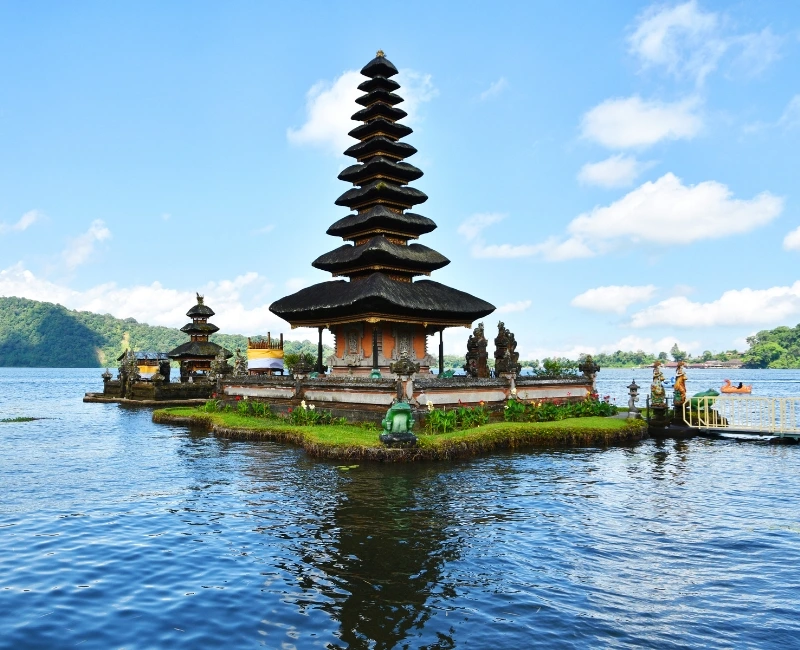
Bali’s spiritual landscape is defined by thousands of temples (“pura”) scattered across island corners, each embodying architectural elegance, ritual significance, and serene ambience. This guide helps visitors navigate essential temple visits while respecting Balinese Hindu practices. Key sites include Pura Besakih, the “Mother Temple,” perched on Mount Agung’s slopes; Tanah Lot, dramatically set on a rocky outcrop in the sea; Uluwatu Temple, clinging to cliffs above crashing waves; Tirta Empul, famed for its holy spring purification; and Goa Gajah (“Elephant Cave”), offering archaeological intrigue and riverside ambiance.Visiting etiquette: Dress modestly—shoulders and knees covered; a sash (selendang) and sarong are required at most temples, often available for rental or included in guided tours. Remove shoes before entering temple courtyards. Maintain respectful silence or speak softly during ceremonies; avoid obstructing worshippers or sacred processes. Photography is generally allowed in public temple areas but avoid photographing rituals unless invited or if signage indicates permission. These practices preserve sanctity and demonstrate respect for local beliefs.Pura Besakih: As Bali’s largest and most important temple complex, Besakih comprises over 80 linked temples. Its location on Mount Agung imbues spiritual gravitas. Visiting early morning helps avoid crowds and appreciate the serene atmosphere amid rolling clouds. Guided tours explain temple architecture, layered terraces, and significance of shrines dedicated to different deities. Be mindful that mountaintop weather can shift; bring layers.Tanah Lot: Iconic sea temple photographed widely, especially at sunset when waves crash around the base. Visiting during low tide provides closer views; timing based on local tide tables. Surrounding area offers coastal walks and marketplace stalls—but focus on temple silhouette rather than commercial distractions. Arrive before late afternoon to secure a vantage point.Uluwatu Temple: Famous for cliff-top setting and Kecak fire dance performances at sunset. Attend the dance to combine cultural experience with scenic views. Note coastal breezes can be strong; bring a light jacket. Beware of macaque monkeys near entrances—keep belongings secure.Tirta Empul: Sacred spring water invites purification rituals: visitors may participate under guidance, proceeding through a series of water spouts while praying for cleansing. Modest swimwear covered by sarong and sash is required. The ritual offers insight into Balinese spirituality and personal reflection.Goa Gajah & other smaller temples: Near Ubud, Goa Gajah features ancient carvings and a bathing pool; Gunung Kawi nearby offers a valley of rock-cut shrines reached by descending terraces. These sites are less crowded and provide peaceful exploration.Plan temple visits mindful of festival dates, when some sites may be closed or ceremonies in progress—these can add richness but require coordination. Hiring a knowledgeable local guide enriches understanding of symbolism, mythologies, and calendar rituals. Many tours combine multiple temples in a day, balancing travel time and time at each site. Costs for guided temple circuits remain modest in British pounds, and group or private options exist.Incorporating temple visits into a broader itinerary: pair with cultural workshops (offerings making, traditional dance classes) or nature experiences (nearby rice terraces or waterfalls). This integrated approach deepens appreciation of how spirituality, art, and environment interweave in Balinese life.By following respectful practices, preparing for local conditions, and choosing responsible guides, visitors experience Bali’s spiritual heritage authentically, gaining meaningful insights and serene moments amid stunning temple settings.
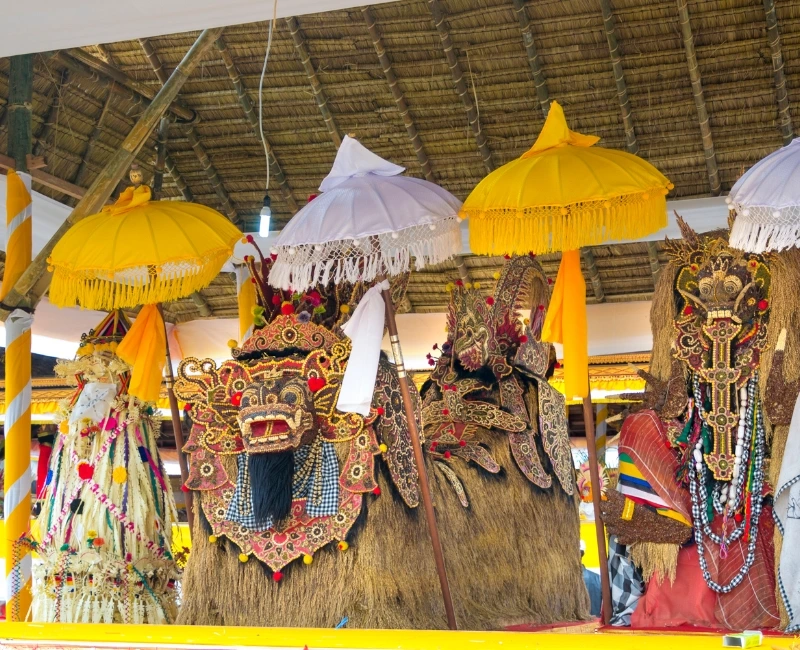
Balinese traditional arts and ceremonies form the heart of daily life, reflecting deep-rooted beliefs and creative expression passed through generations. This guide outlines how travellers can engage with dance, music, crafts, and local festivals to gain authentic insight into Balinese creativity.Dance performances: Balinese dance is highly stylised, telling stories from Hindu epics through expressive gestures, intricate costumes, and rhythmic accompaniment. Common forms include Legong (graceful dances often performed by young women), Barong (mythical creature battle rituals), Kecak (fire dance with vocal chorus), and Calonarang (ritual drama). Many venues in Ubud, Uluwatu, or temple courtyards host regular performances, typically in the evening. Purchasing tickets directly supports local artists; arriving early ensures good seating. Observing dancers’ skill and the communal energy of gamelan orchestras deepens cultural understanding.Gamelan music workshops: Gamelan orchestras, composed of metallophones, drums, gongs, and flutes, provide rhythmic foundations for ceremonies and performances. Visitors can join short workshops to learn basic rhythms and group coordination. These interactive sessions illuminate communal aspects of Balinese art—each musician listens closely to others, emphasising harmony and unity. Fees for workshops are reasonable when converted to British pounds, and many studios include brief cultural context.Craft villages: Around Ubud and east Bali, villages specialize in crafts: Celuk for silversmithing, Mas for wood carving, Batubulan for stone carving, Batuan for painting. Guided visits to artisan workshops allow travellers to observe or try simple tasks—etching silver, carving small wood figures, or painting with traditional motifs. Purchasing directly from artisans ensures fair compensation. Some workshops offer short courses where participants create souvenirs guided by skilled craftsmen, combining learning with cultural exchange.Ceremonies and festivals: Balinese calendar is filled with temple anniversaries (odalan), full-moon (Purnama) rituals, Galungan and Kuningan celebrations, and Nyepi (Day of Silence). If travel dates align, witnessing or respectfully joining community ceremonies can be profound. Visitors should check local schedules via hosts or guides, dress appropriately, and often bring offerings (can be purchased locally). Nyepi—24 hours of silence—means airports and roads close; planning around this day is essential. Experiencing Nyepi’s reflective atmosphere can be unique: preparation involves offerings and rituals the day before, and the day itself is devoted to self-reflection and rest.Culinary arts: Balinese cuisine combines flavours of coconut, spices, and fresh produce. Cooking classes teach how to prepare dishes such as nasi campur, lawar, and satay. Many classes begin with visits to local markets to select ingredients, providing insight into daily food culture. Classes are offered at villas, cooking schools in Ubud, or as part of hotel packages; costs remain affordable in British pounds. Cooking sessions often conclude with communal meals where participants taste their creations.Supporting cultural preservation: Choose certified or community-led workshops and performances that reinvest in local traditions. Avoid exploitative practices—opt out of overly commercialised or staged “tourist shows” lacking authenticity. Engaging respectfully with artists and communities ensures cultural practices thrive.Overall, exploring Balinese arts and ceremonies offers travellers rich, participatory experiences. By attending performances, taking workshops, and aligning visits with local festivals, visitors develop deeper appreciation for Bali’s creative spirit. Planning logistics—timing performances, selecting reputable studios, dressing respectfully for ceremonies—maximises the quality of engagement while maintaining cultural integrity.

The southern coast of Bali pulses with beach life that combines relaxation, surfing culture, culinary innovation, and vibrant nightlife. Seminyak and Canggu have emerged as hotspots catering to diverse tastes: from chic beach clubs to laid-back cafés, from world-class surf breaks to sunset gatherings on sand. This guide helps travellers navigate these neighbouring areas for an enriching beach & leisure experience.Seminyak: Known for stylish resorts, upscale boutiques, and curated dining, Seminyak Beach offers golden sands and moderate waves ideal for beginner to intermediate surfers. Beach clubs such as those lining the shore feature daybeds, pool facilities, and DJs, creating a social atmosphere. For travellers seeking relaxation, booking a day pass at a beach club allows lounging by the pool overlooking the ocean, sipping cocktails priced modestly in British pounds. Sunset here is a daily ritual: travellers gather to watch the sun dip below the horizon, accompanied by live music or ambient playlists.Dining in Seminyak spans local warung fare to international fine dining. Cafés serve smoothie bowls and specialty coffee, while restaurants may offer fusion menus blending Balinese ingredients with global techniques. Prices vary but generally remain affordable when converted to British pounds, especially compared to equivalent venues in Europe. Evening brings a lively nightlife scene: bars and lounges host live DJs or bands, offering a taste of Bali after dark.Canggu: Slightly north of Seminyak, Canggu retains a more relaxed, bohemian vibe. Echo Beach and Batu Bolong Beach are popular surf spots, with reef breaks that attract surfers worldwide. Surfboard rentals and lessons are readily available at modest rates. Beachside shacks serve cold Bintang or fresh juices post-surf. The café culture in Canggu is robust: vegan and health-conscious options abound alongside traditional Indonesian dishes. Co-working spaces cater to digital nomads splitting time between work and beach.Yoga studios and wellness centres in Canggu offer classes throughout the day, allowing travellers to balance active beach time with mindful practices. Evening markets and pop-up events showcase local creatives, offering art, crafts, and live music in informal settings. Nightlife in Canggu is more low-key compared to Seminyak but still features bars with live music and occasional beach parties.Practical tips: Traffic between Seminyak and Canggu can be busy during peak hours; plan travel outside rush times or use scooters where comfortable. Early mornings are best for surfing before winds pick up; afternoons suit sunbathing or beach club visits. Sun protection and hydration are essential. Respect local regulations: avoid leaving litter on beaches and follow designated swimming or surfing zones. Many operators offer package deals combining surf lessons, yoga classes, and meals, providing value when priced in British pounds.Accommodation options range from beachfront resorts in Seminyak to boutique villas and guesthouses in Canggu. Booking ahead during peak season (July–August, December–January) ensures better rates. Consider staying slightly inland for quieter nights and lower costs, with easy daily commutes to the beach.In conclusion, Seminyak and Canggu embody Bali’s contemporary beach culture: dynamic yet laid-back, combining leisure, wellness, culinary exploration, and social experiences. This guide equips travellers to plan days and evenings effectively, balancing relaxation and activity, while making the most of amenities priced attractively in British pounds.
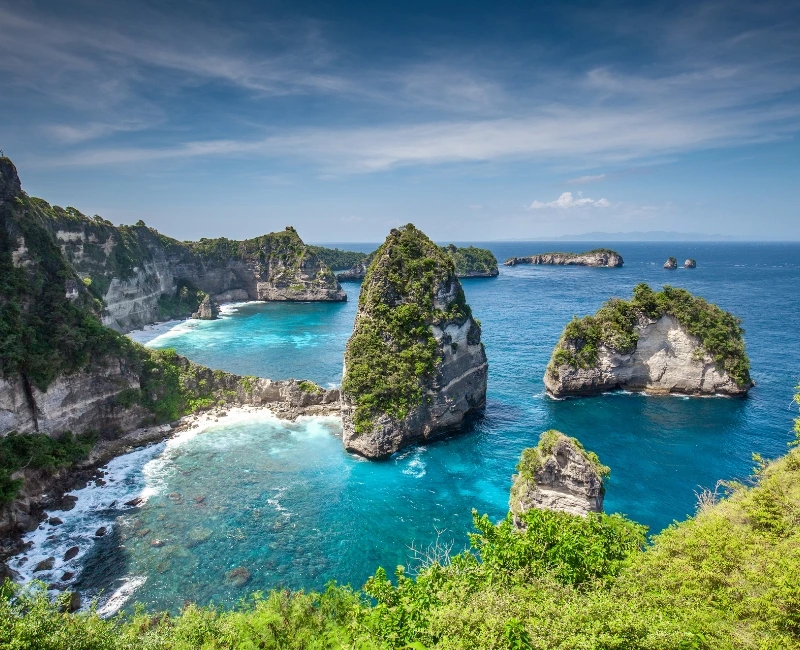
A short boat ride from Bali’s mainland transports travellers to the Nusa Islands—Nusa Lembongan, Nusa Ceningan, and Nusa Penida—each offering distinct coastal charms, marine adventures, and relaxed island rhythms. This guide details how to explore these islands efficiently, ensuring memorable beach & leisure experiences.Transport & Logistics: Speedboats depart from Sanur or Benoa Harbour, with crossing times around 30–45 minutes. Tickets can be booked in advance or on arrival; costs are reasonable when converted to British pounds. Upon arrival, local transport options include rented scooters, private drivers, or guided tours. Due to hilly terrain and narrow roads, less experienced riders may prefer hiring drivers for safety and convenience.Nusa Lembongan: The smallest and most developed island, known for calm bays, mangrove forests, and laid-back vibes. Popular spots include Mushroom Bay for swimming and sunset views, Devil’s Tear for dramatic waves crashing against cliffs, and Yellow Bridge connecting Lembongan to Ceningan. Water activities include snorkelling with manta rays on nearby cleaning stations, seaweed farm visits, and paddleboarding in sheltered lagoons. Beachside cafés serve fresh seafood and light fare at modest prices in British pounds. Accommodation ranges from beachfront bungalows to mid-range villas.Nusa Ceningan: Connected by the Yellow Bridge, Ceningan offers a quieter retreat. Blue Lagoon viewpoint provides striking vistas over turquoise waters and limestone cliffs; cliff-jumping spots attract thrill-seekers (ensure safe entry points and guidance). Mangrove tours reveal local ecosystems. Small cafés perched on cliffs offer scenic refreshments. Given the smaller scale, day-trippers can see highlights, but staying overnight allows enjoyment of tranquil evenings and sunrise views.Nusa Penida: Larger and wilder, Penida is famed for dramatic coastal formations. Iconic spots include Kelingking Beach (the T-Rex viewpoint), Angel’s Billabong (natural infinity pool), Broken Beach, and Crystal Bay. Many of these require moderate hiking—prepare with sturdy footwear, sun protection, and water. Guided tours often group several sites in a day, balancing travel times on rough roads. Snorkelling with manta rays is a highlight off the southern coast. Accommodation on Penida ranges from basic homestays to boutique villas; staying at least one night is recommended to avoid rushed itineraries.Planning: Best visited during dry season (April–October) when seas are calmer. Book speedboat tickets early during peak periods. Hire local guides for safety on less-developed roads and support community incomes. Respect environmental guidelines: avoid leaving trash, use reef-safe sunscreen when snorkelling, and follow instructions at cliff viewpoints to minimise accident risks.Activities & Leisure: Beyond beaches and viewpoints, engage in beach yoga sessions on Lembongan or Penida, spa treatments using local ingredients, and simple beachside relaxation. Island cafés often source fresh produce and fish; sampling local dishes supports small businesses. Evenings can feature starlit dinners or casual gatherings at beachfront bars. The slower pace compared to mainland Bali offers respite from busier areas.Cost Considerations: Excursions, transport, and activities on Nusa Islands are generally priced affordably in British pounds. Combined day tours for Penida may cost around £30–£50 per person; accommodation can be found for £20–£60 per night. Factor in boat transfers, transport on the island, entrance fees for viewpoints, and guided tour fees.In summary, Nusa Islands excursions add depth to a Bali itinerary, blending adventure, scenic exploration, marine encounters, and relaxation in island settings. This guide ensures travellers plan effectively—timing, safety, sustainable practices, and budget considerations—so the islands deliver unforgettable leisure experiences..
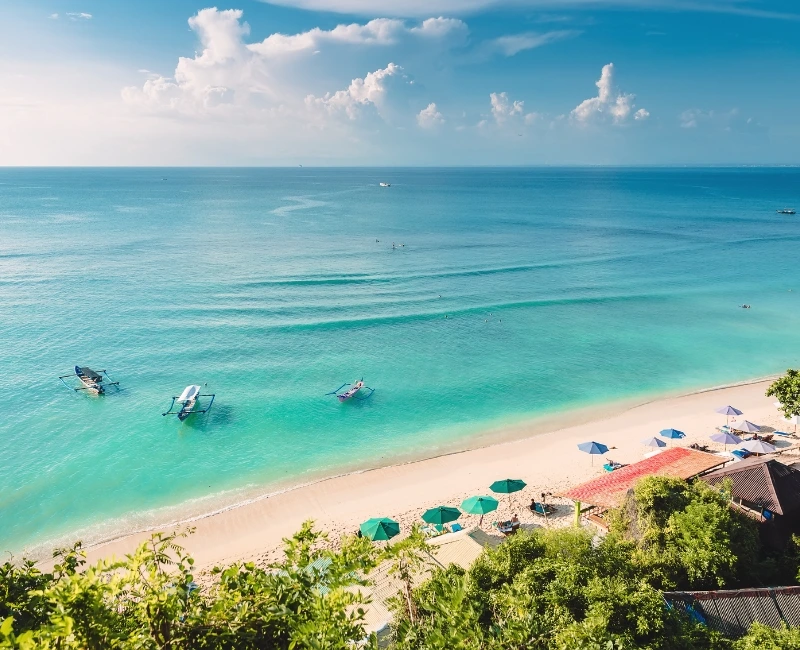
Bali’s reputation as a premier wellness destination has grown steadily, with yoga retreats and wellness centres scattered across the island, especially in Ubud, Canggu, and quieter northern regions. This guide outlines how travellers can choose retreats matching their preferences, what to expect, and tips to maximise benefits in mind, body, and spirit.Retreat Types & Offerings: Options range from drop-in daily yoga classes to multi-day immersive retreats. Styles include Hatha, Vinyasa, Yin, and restorative practices, led by experienced instructors—often international teachers who conduct workshops or teacher trainings. Retreat packages frequently combine yoga sessions with meditation, pranayama (breathwork), sound healing, and workshops on holistic nutrition. Many also include spa treatments—massage therapies using local coconut oil, aromatherapy, or traditional Balinese healing techniques. Detox programmes may feature curated meals of plant-based or macrobiotic cuisine, emphasizing fresh local produce. Retreat durations vary: weekend getaways to week-long or month-long residencies.Locations: Ubud is the heart of Bali’s wellness scene, surrounded by rice terraces and jungle, fostering tranquility. Studios here often have open-air shalas overlooking greenery. Canggu offers a blend of beachside energy and wellness, with classes scheduled around surf sessions. Northern Bali (Lovina, Munduk) provides more secluded retreats, ideal for digital detox or deeper immersion, though logistics require longer transfers. Choosing location depends on desired balance: proximity to cultural attractions vs. seclusion.Costs & Booking: Retreat costs vary based on inclusions and accommodation standards. Budget-friendly options in shared dormitory-style lodging might start around £30–£40 per night, including daily classes and simple vegetarian meals. Mid-range packages with private rooms or villas, additional therapies, and excursions may range £50–£100 per night. Luxury wellness resorts offering high-end spa treatments, personalised programs, and gourmet meals can start from £120 per night. Prices converted to British pounds offer clear value compared to equivalent experiences in Europe. Booking in advance is recommended, especially for popular teachers or peak seasons. Many retreats offer early-bird discounts or special packages.Daily Routine Example: A typical day begins with a morning yoga session at sunrise, followed by nourishing breakfast. Late morning may include workshop or meditation. Afternoon rest or spa treatment precedes an evening class or sound healing. Meals emphasise wholesome, locally sourced ingredients—fresh fruits, vegetables, whole grains, and traditional Balinese dishes adapted for dietary preferences. Free time allows exploration of nearby temples, rice terraces, or local markets. Some retreats incorporate community service, such as volunteering at local projects, enriching personal growth.Health & Safety: Inform retreat organisers of dietary restrictions or health conditions. Bali’s tropical climate requires hydration and sun protection when moving between indoor classes and outdoor excursions. Ensure accommodations meet hygiene standards; read reviews and choose reputable centres. For longer retreats, consider travel insurance covering medical emergencies or trip cancellations. Vaccinations and health advisories should be checked prior to travel.Cultural Sensitivity: Many wellness centres integrate Balinese spiritual elements, such as offerings before sessions or purification rituals. Participate respectfully, understanding their significance. Dress codes for classes are generally informal, but modest attire is required if visiting temples or participating in ceremonies.Sustainable Practices: Select retreats that prioritise eco-friendly operations—use of locally sourced ingredients, reduction of plastic, support for local communities. Some retreats contribute to environmental initiatives (tree planting, beach clean-ups) or community projects, offering participants meaningful ways to give back.Outcomes & Takeaways: Participants often report improved physical flexibility, mental clarity, stress reduction, and renewed perspective on lifestyle habits. Retreats can catalyse ongoing practices—continuing yoga or meditation at home. Networking with like-minded travellers and teachers fosters lasting connections. Documenting experiences through journaling or photography (respecting others’ privacy) enhances reflection.In summary, Bali’s yoga retreats and wellness centres provide diverse options for travellers seeking holistic experiences. By selecting programmes that align with personal goals, budgeting appropriately in British pounds, and respecting local culture, visitors can embark on transformative journeys that extend far beyond the holiday period.

Complementing yoga retreats, Bali’s healing traditions and spa experiences draw on centuries-old practices intertwined with local herbs, rituals, and craftsmanship. This guide details key treatments, spa venues, and cultural context, enabling travellers to select authentic and beneficial experiences.Traditional Balinese Massage: A foundation of many spa menus, Balinese massage combines gentle stretches, acupressure, reflexology, and aromatherapy with locally sourced oils (coconut, frangipani-infused). Practitioners apply rhythmic strokes to improve circulation, release tension, and promote relaxation. Sessions typically last 60–120 minutes; rates often range from £15–£30 for standard centres, up to £50–£80 at luxury spas, reflecting high value when converted to British pounds. Many resorts include complimentary or discounted massages for guests; standalone spa venues in Ubud, Seminyak, and Canggu offer packages combining massage with flower baths or body scrubs.Herbal and Flower Baths: Inspired by purification rituals, these baths use petals, herbs, and aromatic salts. Some spas feature bathing pools overlooking rice terraces or jungle. Baths are often preceded or followed by massage or body scrub. Therapies combine sensory relaxation with symbolic cleansing, drawing on Balinese beliefs about balance and harmony. Prices vary but remain affordable relative to quality: expect around £20–£40 per session in reputable venues.Sound Healing & Energy Therapies: Certain wellness centres incorporate sound bowls, gongs, or traditional instruments for sound healing sessions aiming to restore energetic balance. Practitioners may guide participants through breathwork and visualisation alongside sound vibrations. Additionally, energy healing practices, influenced by local shamans or healers (balians), can include offerings and blessing ceremonies. Engaging these requires selecting experienced practitioners, often through recommendations or retreat programmes. Costs can be higher (starting from £40) but offer unique cultural insights.Balinese Purification Rituals: Participating in water purification ceremonies at Tirta Empul or lesser-known holy springs allows travellers to experience spiritual cleansing. While not strictly spa treatments, these rituals provide symbolic and psychological benefits. Many spas incorporate such elements into wellness packages: guided visits to springs, followed by reflective journaling or meditation sessions.Body Scrubs and Wraps: Exfoliation using local ingredients—coffee grounds, rice powder, sea salt—prepares skin for hydration and rejuvenation. Body wraps using herbal mixtures may follow, enveloping the body to detoxify and nourish skin. Combined with massage, these treatments leave travellers feeling refreshed. Standard sessions range around £20–£35.Spa Venues & Settings: Bali’s spas vary from simple open-air pavilions amid rice fields to opulent indoor facilities with multiple treatment rooms, steam rooms, and relaxation lounges. Choosing a venue depends on budget and preference: for immersive ambience, select spas set in natural surroundings; for luxury, beachfront or resort-based spas often include premium amenities. Booking in advance is advisable during peak season; many spas offer packages combining multiple treatments at slight discounts.Health & Safety & Hygiene: Ensure spa adheres to hygiene standards—clean linens, properly maintained facilities, and professional staff. Inform therapists of any health conditions or allergies. Use reputable establishments recommended by trusted sources or with strong reviews. Ask about ingredient origins if concerned about allergies or sensitivities.Sustainability & Cultural Respect: Opt for spas using locally sourced, organic ingredients and supporting community producers (e.g., coconut farms). Respect cultural aspects when spas include ceremonial elements—observe guidance on participation and photography. Consider tipping modestly in British pounds to acknowledge quality service.Integrating Spa Experiences: Schedule treatments flexibly within a broader itinerary—massage after a hiking day, herbal bath mid-stay, purification ritual early in the trip. Many travellers combine spa visits with yoga classes or meditation sessions for holistic benefit. Documenting experiences in travel journals enhances self-reflection.In conclusion, Balinese healing and spa experiences blend traditional practices with modern wellness trends, offering travellers tangible relaxation and cultural enrichment. By choosing reputable venues, understanding treatment contexts, and budgeting in British pounds, visitors can indulge in restorative therapies that complement Bali’s broader appeal as a destination for mind, body, and spirit renewal.
No ads. No trails. No commitments


Alice Roses
London, England
51 ST MATTHIAS ROAD
NOTTINGHAM, NOTTINGHAMSHIRE
NG3 2HF
Hours: 8:00 - 17:00, Mon - Sat
support@johnsonholidays.com