 Pula Travel
Guide
Pula Travel
Guide
Paris is known around the world as the “capital of love,” and even if you don't understand the history of Paris at all

2 Hours
£2.55

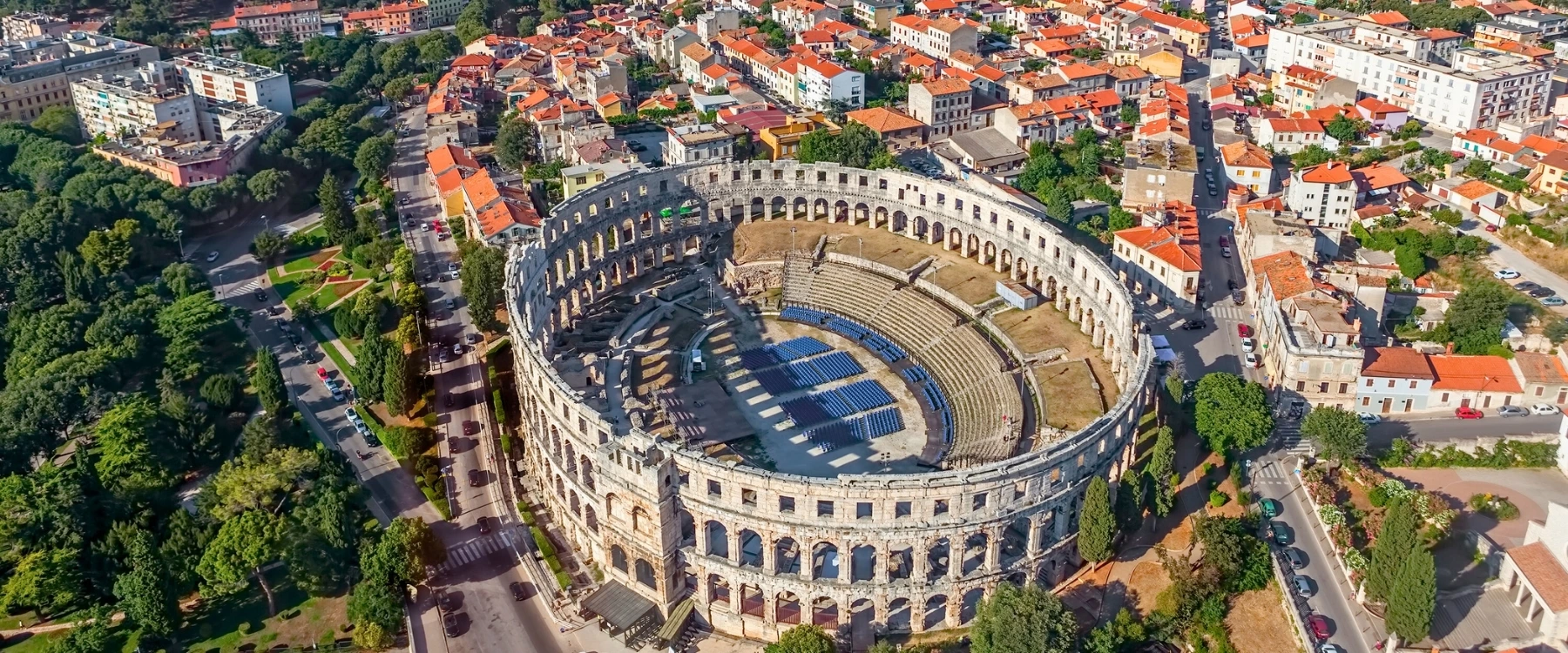
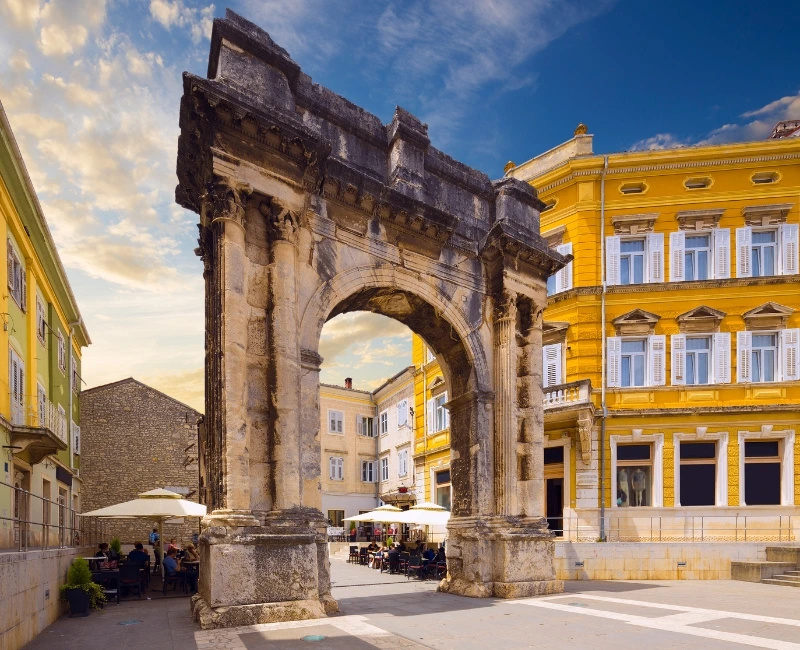
Pula’s Roman legacy is exceptionally well-preserved, anchored by the iconic Pula Arena, a 1st-century amphitheater still hosting events and concerts. Visitors can wander among triumphal arches, the Arch of the Sergii, and the Temple of Augustus, immersing themselves in millennia-old stone and stories etched into every corner . This living history offers a rare chance to experience antiquity within a modern city setting, making Pula a must-visit for history enthusiasts and culture seekers alike.
Learn More
The coastline around Pula is dotted with secluded coves, pebble and rocky beaches, and crystal-clear waters perfect for swimming, snorkeling, and sailing. Brijuni National Park lies just offshore, boasting pristine nature, wildlife safaris, and historical sites set amid pine forests and azure seas. From sunset cruises to kayaking adventures along hidden bays, Pula’s maritime offerings appeal to both relaxation and active exploration, ensuring each traveler finds their ideal seaside experience.
Learn More
Istria is celebrated for its culinary heritage, and Pula sits at its heart. Fresh seafood, seasonal truffles, and premium olive oil are staples at family-run konobas (taverns). Visitors can join olive oil tastings and learn about centuries-old production methods at local estates . Pair Istrian Malvazija wine with Adriatic dishes in seaside eateries or sample homemade pasta in a rustic inland village. Pula’s food scene marries tradition with innovation, delighting food lovers with authentic flavors and warm hospitality.
Learn More
Pula’s cultural calendar is dynamic year-round, highlighted by summer film festivals in the Arena, music concerts, and traditional celebrations rooted in Istrian folklore. Art exhibitions, theater performances in historic venues, and lively street markets showcase the region’s creativity and heritage . Even in shoulder seasons, indoor galleries and local workshops offer immersive experiences, ensuring Pula remains alive with culture beyond the sunlit beach season.
Learn More
Beyond beaches, Pula’s surroundings invite hiking and cycling through olive groves, vineyard trails, and coastal paths with panoramic sea views. Brijuni National Park offers safari tours, cycling routes among ruins and wildlife, and boat trips to uninhabited islets. Water sports such as snorkeling around underwater antiquities, paddleboarding, and sailing charter trips provide active ways to explore the Adriatic. Adventure seekers find endless options blending nature and culture in the Istrian landscape.
Learn More
Pula retains an authentic Istrian charm, less crowded than Croatia’s major hubs yet rich in character. Local markets brim with seasonal produce, friendly cafés line quaint squares, and neighborhood festivals welcome participation. Homestay-style accommodations and boutique hotels within historic buildings foster genuine connections with residents. Whether exploring hidden alleys in the Old Town or chatting with olive growers, Pula offers an immersive cultural experience that resonates long after departure.
Learn More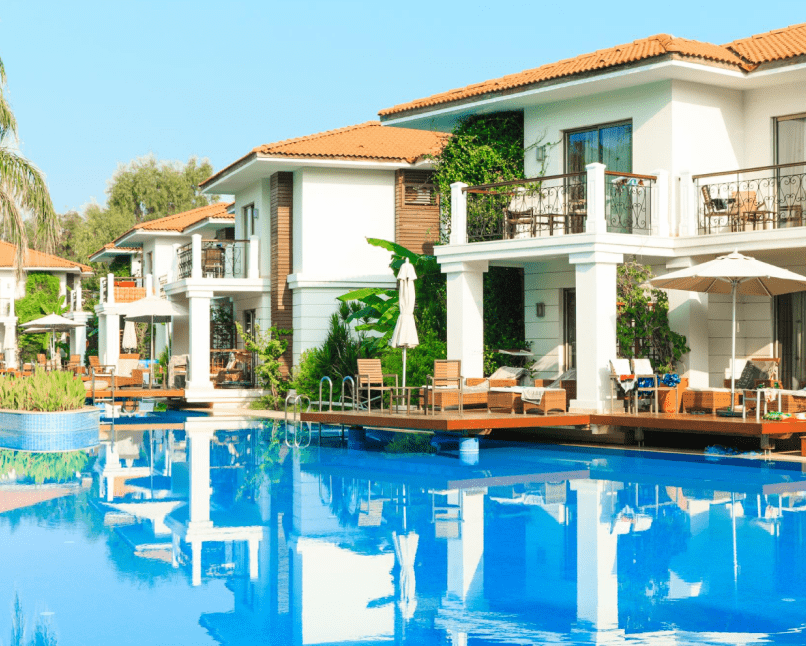
Lorem ipsum dolor, sit amet consectetur adipisicing elit. At illo adipisci iusto
From

Because more than 268 other customers have loved us too

Demonstrates commitment to user data security through encryption and secure payment practices
Learn More
Demonstrates commitment to user data security through encryption and secure payment practices
Learn More
Demonstrates commitment to user data security through encryption and secure payment practices
Learn More
Demonstrates commitment to user data security through encryption and secure payment practices
Learn More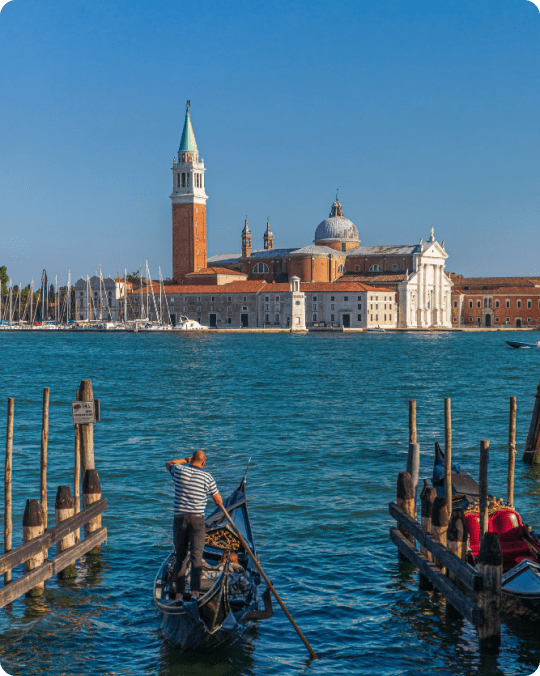
Quality as judged by customers. Book at the ideal price!


/ person
/ person
/ person
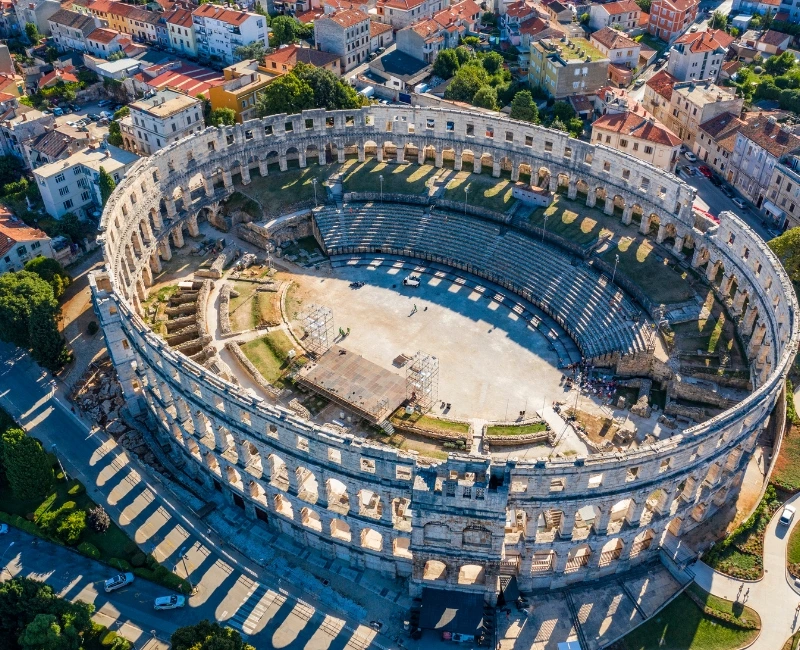
Pula’s ancient past is most vividly expressed through its Roman monuments, chief among them the 1st-century Pula Arena. This spectacular amphitheater, one of only six in the world that remain largely intact, was built between 27 BC and 68 AD and once held over 20,000 spectators. Today, its limestone arches host summer film festivals and concerts, linking past and present in a single, breathtaking venue.A short walk from the Arena brings you to the Arch of the Sergii, erected around 29 BC to honor a local Roman family. Its carved reliefs and Doric columns stand as a triumphal gateway into the heart of the ancient forum. Just beyond, the Temple of Augustus, dating from the reign of the first Roman emperor, anchors the northern side of the forum square. The temple’s Corinthian columns and marble entablature evoke Rome’s imperial grandeur.Wandering Pula’s Old Town, you encounter successive layers of history. The Porta Gemina twin gates date to the 2nd century AD and served as one of the main city entrances. Fragments of medieval walls hint at centuries of later defenses. Beneath the modern streets, the Zerostrasse tunnels—dug during World War I—offer a contrasting subterranean exploration, revealing Pula’s strategic importance through the ages.Guided heritage walks typically begin at the forum and weave through archaeological sites, stopping at the Archaeological Museum, where pottery, coins and statues from local excavations bring Roman daily life into sharp relief. Interactive exhibits and seasonal reenactments delve into gladiatorial combat, ancient engineering and Pula’s role in the wider Roman Empire. Photography enthusiasts will find sunrise or sunset light cast dramatic shadows on the Arena’s stones, lending each shot a timeless quality.Immersing yourself in Pula’s Roman marvels offers more than a history lesson—it provides a tangible connection to antiquity. By standing where Romans once gathered, you can sense the ambition and innovation that shaped this Adriatic outpost, making this guide essential for any culture-focused traveler seeking depth beyond surface sightseeing.
While Pula’s Roman heritage dominates its skyline, its medieval and Venetian eras left equally significant marks. After the Western Empire’s decline, Pula came under Byzantine and Frankish rule, each contributing architectural and cultural layers. Wander the Gothic-Renaissance lanes to discover the Cathedral of the Assumption, whose Romanesque foundations blend seamlessly into later Gothic arches and Baroque embellishments.Under Venetian dominion from the 13th to the late 18th century, Pula became a vital naval outpost. The old port area still bears traces of Venetian urban planning: narrow canals of stone alleys opening onto sheltered squares where merchants once traded salt, olive oil and wine. Small palaces—once homes of Venetian nobles—line these lanes, their shuttered windows and faded façades whispering tales of maritime commerce.Sections of the medieval city walls, partially preserved, trace a defensive network built to protect against pirates and rival city-states. Following the walls on foot offers glimpses into hidden courtyards and modest chapels where local artisans crafted woodwork, textiles and metal goods for both domestic use and export.Local guides enliven these streets with stories of salt barons, naval skirmishes and the city’s fluctuating fortunes under Venice and later the Austro-Hungarian Empire. Seasonal medieval fairs animate the Old Town: costumed performers reenact duels, craftsmen demonstrate spinning and weaving, and taverns offer hearty fare from centuries past.By exploring Pula’s medieval core and Venetian legacies, visitors uncover a cultural tapestry woven from varied influences. This guide encourages you to look beyond the grandeur of Roman ruins, to appreciate the enduring spirit of a city shaped by seafaring power, mercantile ambition and architectural adaptation.
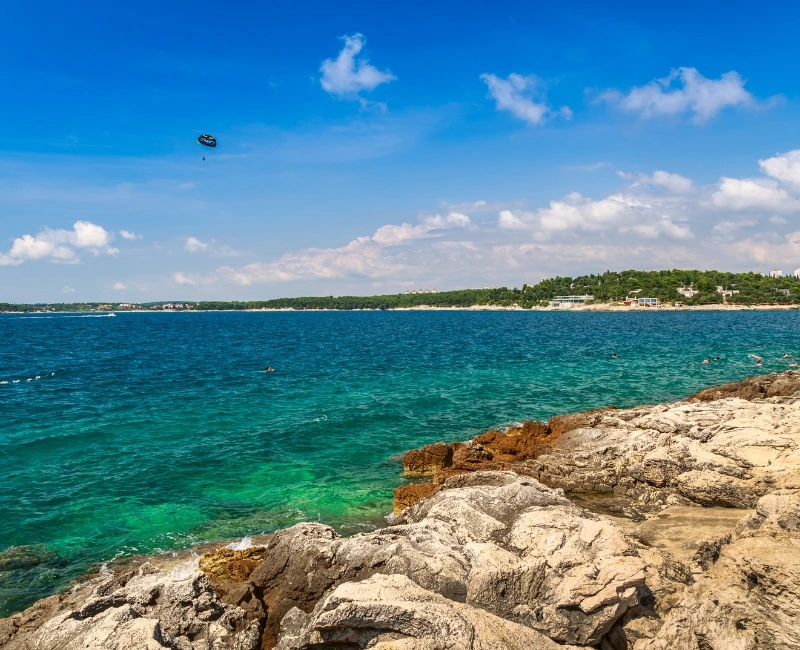
Pula’s shore offers a spectrum of seaside experiences, from lively city beaches to secluded coves. Within easy reach are Ambrela and Valkane, pebbled stretches equipped with sunbeds, cafes and water-sport rentals. Their clear, calm waters make snorkeling around submerged rock formations a refreshing pastime in early summer.For those craving solitude, a short boat trip ferries you to Brijuni National Park’s islands—where hidden beaches fringe emerald bays laced with pine forests. Rent a bicycle on the main island and pedal through olive groves, emerging at deserted shoreline perfect for a private picnic.Sea-kayaking tours along Pula’s coastline reveal grotto entrances and cliff-lined alcoves unreachable on foot. Guides point out nesting seabirds and local legends connected to seaside shrines. Sailing charters depart at dawn, offering panoramic views as you glide toward remote islets, with lunches of grilled seafood served aboard.On land, the Kamenjak Nature Park near Premantura beckons with rugged trails overlooking turquoise seas. Hike its headlands to spot wild herbs, endemic orchids and migratory birds. Organized eco-tours highlight geological formations—limestone arches and fossil-strewn platforms—and conservation efforts protecting marine meadows below.For a day of effortless charm, drive or cycle to hidden coves such as Stupice or Mrtvaška, where pebbles give way to translucent water and the only sounds are lapping waves and distant seabird calls. Sunset transforms these spots into serene vistas, perfect for contemplation.This guide helps you plan a balanced coastal itinerary—combining beach relaxation, active exploration and nature immersion—ensuring that Pula’s Adriatic splendor leaves an enduring impression.
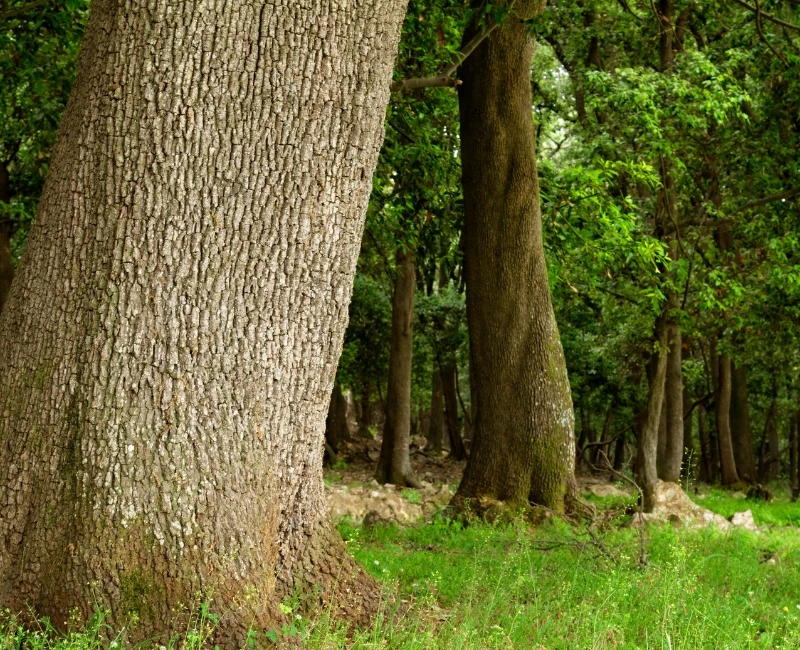
Pula serves as the gateway to two contrasting Istrian landscapes: the coastal Brijuni archipelago and the rural hinterland of rolling hills and hilltop towns. A short boat ride from Pula harbor brings you to Brijuni National Park, a cluster of 14 islands that once hosted Tito’s summer retreats. Here, safari-style jeeps ferry visitors past free-roaming deer, peacocks and zebras, while guided walks explore Roman villas, Byzantine chapels and a Well of the Sunken Earth—a natural wonder where tides reveal ancient peat layers.On the largest island, Veliki Brijun, UNESCO-listed archaeological sites include a medieval bishop’s palace and an Italian colonial museum. Seagrass-lined bays offer swimming and snorkeling in clear, calm waters. Electric golf-buggies and cycling routes crisscross shaded pine avenues, making island exploration both easy and eco-friendly.Inland, Istria’s verdant countryside unfolds into vineyards, olive groves and honey-scented forests. Hilltop villages like Motovun and Grožnjan perch above valleys where white Malvasia and red Teran grapes thrive. Wine-tasting tours guide you through centuries-old cellars, pairing local varietals with cheeses, prosciutto and truffle-infused olive oils.Autumn brings truffle-hunting excursions into oak and hazelnut woodlands. Accompanied by expert dogs, you learn to unearth prized white truffles, then return to farmhouse kitchens to watch chefs incorporate these gems into pasta, risotto and gourmet bruschetta.Cycling and driving routes wind through rustic landscapes, offering panoramic viewpoints at every turn. Birdwatchers find sanctuary in Lim Bay’s wetlands, home to herons, flamingos and migratory waterfowl. Artisan workshops in rural hamlets showcase pottery, weaving and beekeeping traditions passed down through generations.This guide invites you to embrace Istria’s dual heritage: the secluded beauty of Brijuni’s islands and the agrarian rhythms of its hinterland—each experience deepening your connection to Pula’s wider region.
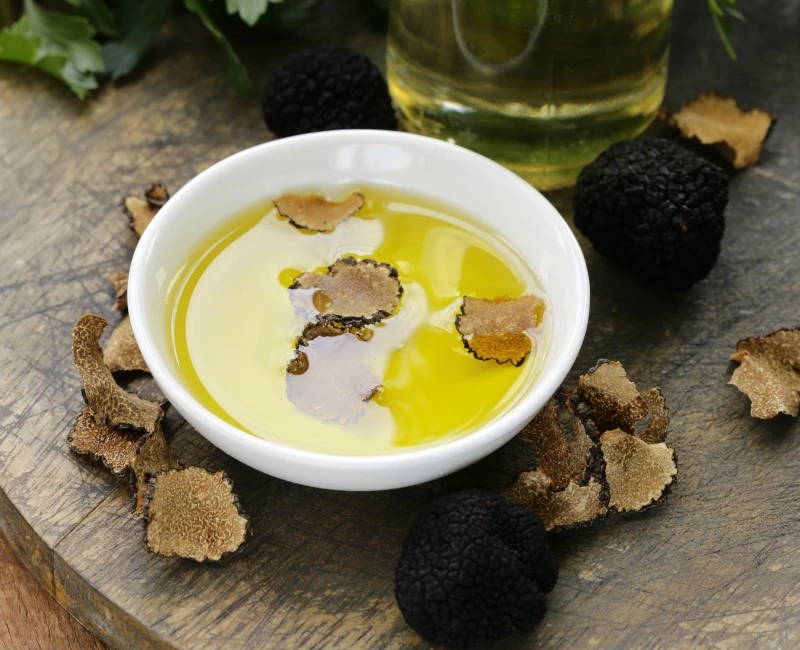
Istria’s gastronomic fame rests on its bountiful produce, and Pula is the ideal base for savoring regional specialties. Begin each day at family-run olive mills, where vats of freshly pressed oil are tasted alongside rustic bread and local herbal teas. Learn how olive varieties and pressing techniques impart distinct peppery or fruity notes, then take home bottles stamped with protected Istrian origin.Seafood features prominently at Pula’s waterfront konobas. Try crni rižot—a squid ink risotto—its briny richness accentuated by local white wine. Brudet, a fish stew simmered with tomatoes and garlic, arrives in cast-iron pots alongside crusty bread perfect for mopping up every last drop. Freshly grilled scampi and calamari are drizzled with olive oil and a squeeze of lemon, offering pure Adriatic flavor.Autumn heralds the truffle season. Venture into oak forests with trained dogs to unearth prized white truffles. At harvest festivals and guided tastings, professional truffle hunters demonstrate proper harvesting techniques. Back in Pula, chefs shave truffle ribbons over fuži pasta or creamy polenta, creating dishes that are at once earthy, aromatic and unforgettable.Wine enthusiasts explore nearby vineyards producing Malvasia, an elegant white, and robust Plavac Mali reds. Tours include cellar visits where oak barrels age amber-hued vintage and terraced vineyards perch above the sea, guaranteeing both scenic backdrops and distinctive terroir.Pula’s seasonal markets overflow with fresh figs, honeycomb, artisan cheeses and cured prosciutto. Cooking classes with local chefs teach you how to transform these ingredients into traditional recipes—such as maneštra stew or sweet pastries infused with walnuts and honey—so you can recreate Istrian flavors at home.In the evenings, wine bars and craft beer pubs beckon with local microbrews and flights of varietals. Small plates of olives, cheese and cured meats make perfect pairings. For a grand finale, consider an Istrian-style degustation menu at a fine-dining restaurant, where regional ingredients are reinterpreted through innovative techniques.This guide helps you navigate Pula’s culinary scene—from olive oil tours and seafood feasts to truffle hunts and wine tastings—ensuring each meal becomes a memorable celebration of Istrian land and sea.
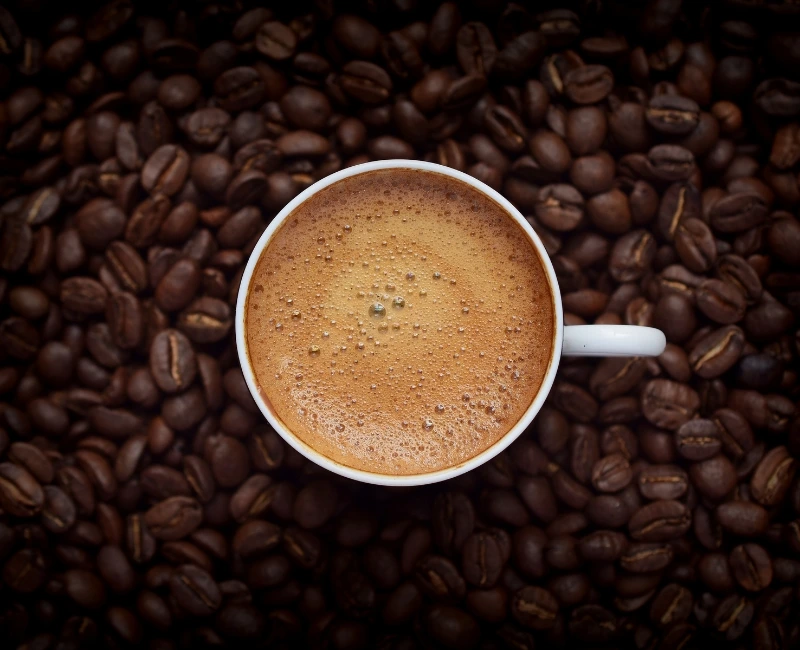
Pula’s mornings awaken with the aroma of freshly brewed coffee. In the Old Town, historic cafés invite you to savor a rich espresso or creamy cappuccino seated beneath awnings that overlook Roman arches. Local patrons linger over their cups, reading newspapers or greeting neighbors, embodying the Mediterranean art of slow mornings.Specialty coffee shops have also emerged, where baristas meticulously roast beans sourced from around the world and use precision pour-over and espresso techniques. Pair your brew with delicate pastries such as kremšnita—layers of custard and puff pastry dusted with powdered sugar—or almond biscuits infused with orange zest.Nearby, the daily Gundulićeva Poljana market opens at dawn, its stalls brimming with seasonal fruits, vegetables, cheeses, honey and freshly caught fish. Wander the aisles as vendors arrange displays of figs, grapes and tomatoes, offering samples and recipes passed down through generations. The market is also a hub for local artisans selling olive oil, handcrafted ceramics and embroidered linens.For a hands-on experience, join a guided market-to-table tour that pairs visits to stalls with cooking demonstrations. In bustling market kitchens, local chefs show you how to transform ingredients into traditional dishes—like summer salads tossed with olive oil and capers, or mushroom ragout served over homemade fuži.As afternoon transitions to evening, street-side vendors set up small grills and paella pans, offering čevapi (grilled meat sausages) and local seafood skewers. Live music often fills the square, making the market a festive meeting spot.Coffee culture and markets embody Pula’s social heartbeat, where culinary discovery blends seamlessly with community interaction. This guide emphasizes the city’s everyday pleasures—savoring perfect espresso shots, engaging with friendly vendors and sampling regional specialties—so you can experience Pula like a local, one café table and market stall at a time..

Pula’s maritime setting invites adventurers to explore the Adriatic in myriad ways. Snorkeling off city beaches reveals rocky reef formations teeming with fish and occasional octopus. Diving centers cater to all levels, guiding certified divers to underwater caves and historical wrecks dotted along the seafloor.Sea kayaking delivers an up-close perspective on Pula’s cliffs and hidden grottoes. Guided day tours depart from Ambrela Beach, paddling past limestone promontories and beneath overhanging pines. Stops for cliff-jumping and snorkel breaks add an adrenalized edge. Longer kayaking expeditions navigate to the Elaphiti Islands, where secluded coves provide ideal picnic spots.For a gentler pace, stand-up paddleboarding (SUP) is perfect. Balance atop clear water and drift along the coast, spotting schools of silver fish and patches of seagrass below. SUP rentals and lessons are available at city beaches, with sunset rentals offering particularly serene conditions.Sailing charters from Pula harbor set course for Brijuni or the Istrian coastline. From half-day cruises to multi-day yacht charters, these voyages combine sunbathing on deck with gourmet lunches of grilled seafood and local wine.Thrill-seekers can rent jet skis or take to the skies via parasailing, soaring above the water to admire Pula’s harbor and city walls from bird’s-eye heights. Fishing trips on traditional mahogany boats allow you to fish alongside local captains, hauling in species like sea bass and gilt-head bream.On land, cyclists explore coastal roads and rural trails through olive groves and vineyards. Mountain-bike tours tackle the rugged terrain of Kamenjak Nature Park, while hiking routes lead to panoramic lookouts above the city.Adventure outfits emphasize safety and environmental responsibility, supplying life jackets, briefing on currents and promoting “leave no trace” ethics. Whether you seek underwater exploration, paddling adventures or high-speed thrills, Pula’s diverse water-sport offerings ensure that every day can be a new expedition on the sparkling Adriatic.

Pula’s vibrant event calendar brings its historic streets and scenic venues to life year-round. The flagship Pula Film Festival, held each July and August in the Roman Arena, screens international and regional films in a truly cinematic setting. Alongside feature premieres, concerts and theatrical performances unfold against ancient stones, blending cultural heritage with contemporary creativity.Music festivals enliven waterfront stages: Sea Star Festival brings electronic and indie acts to grassy parkland north of the city, while classical concerts fill Baroque churches and the Maritime Museum atrium. RetrOpatija Groove extends the party with disco-funk sets in repurposed historic sites.Cultural celebrations honor Istrian traditions. Oyster festivals on the coast showcase fresh shellfish paired with Malvasia wine, and truffle fairs in autumn welcome gourmands for tastings and hunt demonstrations. Medieval-themed fairs in the Old Town feature costumed performances, artisan markets and historic reenactments.As dusk falls, Pula’s nightlife transforms. Harborfront lounges offer cocktails with seafront views, while hidden speakeasy bars in the Old Town serve craft gin and local brandy infusions. Wine bars specialize in regional varietals, pairing flights of Teran and Malvasia with cheese plates and cured meats.For live music, venues such as the Uljanik Cultural Centre and Circuit Club host jazz nights, rock concerts and EDM events, drawing locals and visitors alike. Seasonal beach parties in nearby coves light up with DJ sets and bonfires under starry skies.To synchronize your visit with Pula’s cultural pulse, check festival schedules and book accommodation early—summer events often sell out months in advance. Even off-season, themed events such as open-air film nights, food fairs and historical walking tours ensure Pula’s evenings remain animated. This guide helps you tap into the city’s festive energy and curated nightlife, promising memorable nights that echo Pula’s blend of ancient setting and contemporary spirit.
No ads. No trails. No commitments


Alice Roses
London, England
51 ST MATTHIAS ROAD
NOTTINGHAM, NOTTINGHAMSHIRE
NG3 2HF
Hours: 8:00 - 17:00, Mon - Sat
support@johnsonholidays.com