 Koh Kood Travel
Guide
Koh Kood Travel
Guide
Paris is known around the world as the “capital of love,” and even if you don't understand the history of Paris at all

12 Hours
£2.50
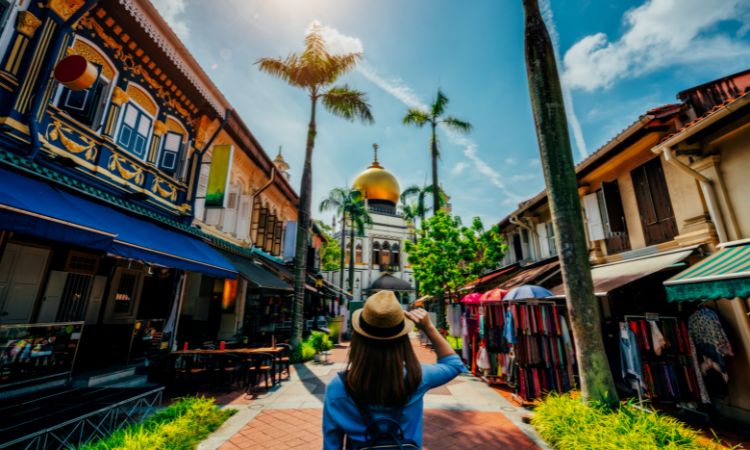
Koh Kood’s beaches remain remarkably untouched, offering miles of powdery white sand fringed by swaying palms and crystal-clear waters. Unlike busier Thai islands, Koh Kood’s coastline is mostly free of large crowds, allowing you to claim your own stretch of shoreline. Early mornings reveal tranquil vistas at sunrise, while evenings provide serene spots to watch the sky change hues without interruptions. Snorkeling straight off the beach presents opportunities to see coral outcrops teeming with colorful fish. The lack of high-rise development ensures that the island’s coastal scenery feels authentic and natural. For travelers seeking privacy and a genuine tropical getaway, these unspoiled beaches are a major draw.
Learn More
The interior of Koh Kood is covered in verdant rainforest crisscrossed by freshwater streams, leading to enchanting waterfalls like Klong Chao and Klong Yai Kee. Visitors can embark on light trekking routes to reach these cascades, enjoying the soothing sounds of flowing water and the cool mist in the midday heat. Birdwatchers and nature enthusiasts appreciate the diversity of flora and fauna, from tropical orchids to monitor lizards. Guided or self-guided jungle walks reveal hidden pools ideal for a refreshing dip. Because tourism remains moderate, these natural sites are peaceful and less crowded, offering a genuine rainforest experience. The combination of dense jungle and cascading falls makes Koh Kood a haven for eco-adventurers.
Learn More
Koh Kood’s small fishing villages, such as Ban Ao Salat, allow cultural immersion in traditional island life. Watch local fishermen head out at dawn, learn about sustainable fishing practices, or join a family for a home-cooked meal featuring freshly caught seafood, aromatic herbs, and tropical fruits. The island’s simple markets offer ingredients like coconut, durian (in season), and local vegetables, reflecting rural Thai culinary traditions. Dining on the beach under lantern light creates memories of genuine Thai hospitality. Without large tourist crowds, conversations with residents feel personal and unhurried. This authenticity enriches your holiday, providing insights into daily island rhythms and fostering respect for local ways of life.
Learn More
Adventure on Koh Kood ranges from snorkeling among vibrant coral reefs to kayaking through hidden coves and mangroves. Day tours to nearby islets, such as Koh Rang, showcase underwater life—schools of tropical fish, occasional small reef sharks, and healthy corals. Kayak or paddleboard at dawn for serene views, or join fishing trips with local experts. Excursions combine snorkeling, fishing, and beach picnics for a full-day exploration. Inland, light trekking to waterfalls and cycling along quiet roads allow active travelers to embrace the island’s terrain. Because tourism levels are moderate, tour operators focus on small-group experiences that prioritize safety and environmental respect, making adventures memorable and low-impact.
Learn More
Many accommodations on Koh Kood emphasize eco-friendly practices, from solar-powered bungalows to waste-reduction initiatives and water-saving measures. Resorts often blend structures into the natural environment, using local materials and maintaining minimal footprint. Guests are encouraged to use refillable water bottles, minimize plastic waste, and support conservation programs. Some properties partner with local projects to plant trees or protect coral reefs, offering guests a chance to contribute positively. Staying in eco-conscious lodgings creates a deeper connection to the island and its preservation. For conscious travelers seeking to minimize environmental impact while enjoying comfort, Koh Kood’s sustainable stays deliver both peace of mind and authentic immersion.
Learn More
Koh Kood’s tranquil ambiance makes it an ideal setting for wellness retreats and relaxation. Beachfront massage huts offer traditional Thai massages with the scent of sea breeze and coconut oil. Many resorts provide yoga sessions at sunrise, meditation spots overlooking the ocean, and spa treatments using natural ingredients like coconut, lemongrass, and herbal compresses. Hammocks strung between palms invite moments of calm reading or simply gazing at the horizon. With limited nightlife and minimal light pollution, evenings are perfect for stargazing and unwinding without distractions. The gentle lull of waves and rustling palms creates an immersive environment for resetting mind and body, making Koh Kood a restorative getaway destination.
Learn More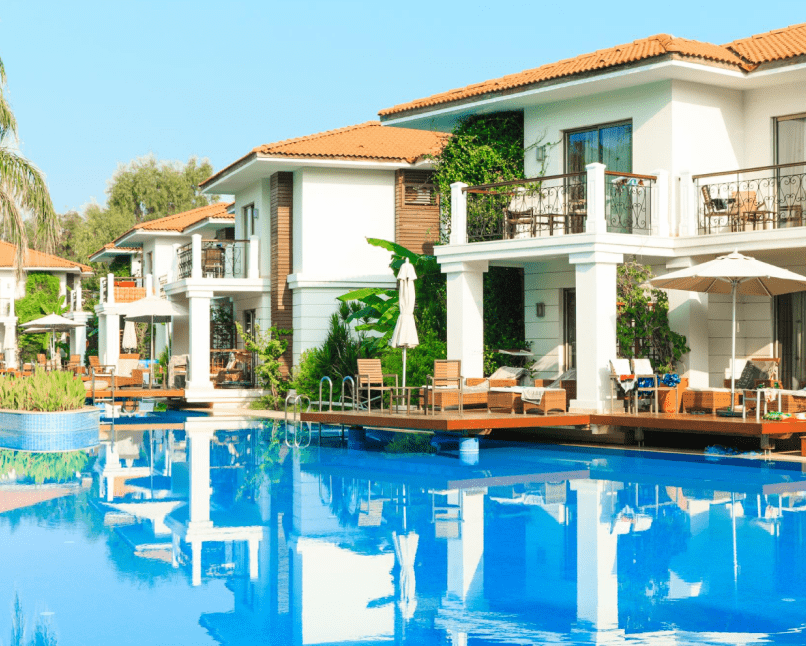
Lorem ipsum dolor, sit amet consectetur adipisicing elit. At illo adipisci iusto
From

Because more than 268 other customers have loved us too

Demonstrates commitment to user data security through encryption and secure payment practices
Learn More
Demonstrates commitment to user data security through encryption and secure payment practices
Learn More
Demonstrates commitment to user data security through encryption and secure payment practices
Learn More
Demonstrates commitment to user data security through encryption and secure payment practices
Learn More
Quality as judged by customers. Book at the ideal price!


/ person
/ person
/ person
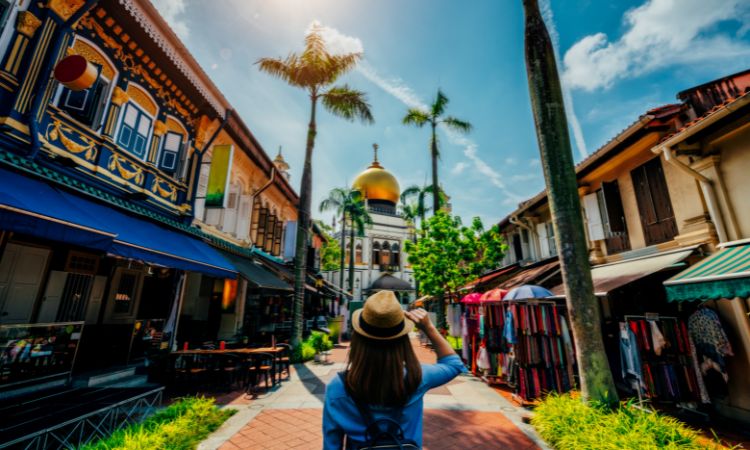
Koh Kood’s coastline is defined by stretches of unspoiled beaches where fine white sand meets turquoise waters. Among these, Klong Chao Beach stands out with its gently sloping shoreline and calm waves suitable for swimming at any tide. Ao Phrao Beach offers a quieter setting, ideal for long walks and beachcombing, while Ao Tapao presents a more secluded cove atmosphere favored by those seeking privacy. Early mornings on these beaches reveal a tranquil environment, with soft sunlight filtering through coconut palms and minimal human activity—perfect for yoga, meditation, or simply enjoying a fresh coconut under the shade of swaying trees.Snorkeling directly off the shore at selected spots uncovers shallow reefs inhabited by a variety of tropical fish: butterflyfish, parrotfish, and vibrant wrasses. For best underwater visibility, plan snorkeling sessions around mid-morning when the sun is overhead. Local operators offer half-day boat trips to nearby islets such as Koh Rang, where coral gardens and slightly deeper waters host larger schools of fish, occasional reef sharks, and sea turtles if you’re lucky. On the beach itself, watch out for hermit crabs scuttling across the sand at dusk, adding to the sense of being immersed in nature.Sunset sessions on beaches like Ao Yai Beach provide postcard-worthy panoramas, with the sun sinking into the sea and painting the sky in hues of orange and pink. Many resorts arrange beachfront dinners timed for sunset, allowing travelers to savor local seafood grills, Thai curries, and tropical fruits as the day ends. As night falls, bioluminescent plankton can sometimes be spotted at the water’s edge, creating a magical glow under moonlight.Beach etiquette on Koh Kood emphasizes respect for nature: avoid leaving litter, follow any designated protected area guidelines, and use reef-safe sunscreen to protect coral health. Some beaches have minimal facilities, so bring essentials like drinking water and snacks if planning extended stays. However, nearby resorts often offer day passes with access to loungers, umbrellas, and refreshments, supporting local businesses while granting comfort.Whether you spend your days lounging in a hammock, building sand sculptures with children, or exploring tide pools for marine mini-life, Koh Kood’s beaches deliver a sense of freedom and serenity rarely found on more developed islands. Each beach has its own character, from lively family-friendly stretches to hidden coves reachable by short hikes or boat rides. Embrace the diversity: rise early for solitude, enjoy midday snorkeling, and cap evenings with candlelit dinners or beachside cocktails. This guide to exploring pristine beaches on Koh Kood equips travelers with insights on where to go, what to bring, and how to honor the island’s delicate coastal ecosystem.
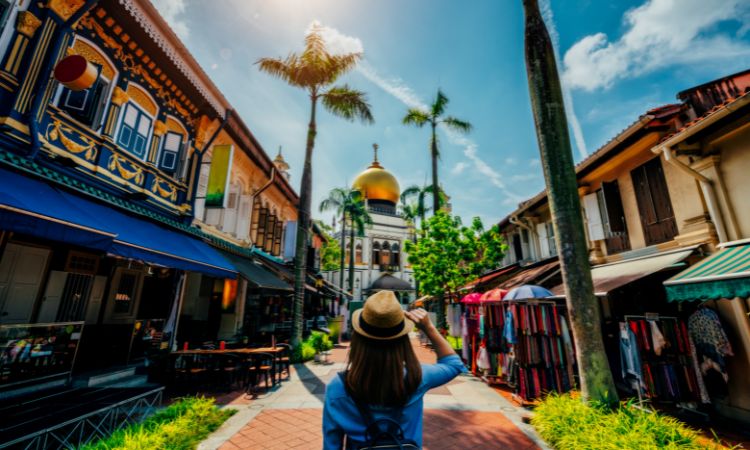
Koh Kood’s interior rainforest invites light trekking adventures to reach hidden waterfalls and discover lush ecosystems. The most accessible waterfall is Klong Chao Waterfall, a multi-tiered cascade nestled within dense jungle. A short hike from the main road leads visitors through shaded trails where tropical birds call and exotic orchids cling to tree trunks. At the base, a natural pool offers a refreshing swim; the cool, clear water provides respite from tropical heat. During the high season (November–February), flows are moderate; in rainy months (June–October), the waterfall becomes more powerful but paths may be slippery, so proper footwear and a local guide are recommended.A deeper trek leads to Klong Yai Kee Waterfall, often requiring guidance from local villagers familiar with seasonal trail conditions. This waterfall tends to be less visited, delivering a more intimate encounter with nature. Along the trail, hikers pass stands of bamboo, giant ferns, and glimpses of monitor lizards basking on sunlit rocks. The forest floor echoes with the sounds of insects and distant water, creating a meditative ambiance. Pack light snacks, plenty of water, and insect repellent; wear quick-dry clothing and sturdy shoes. Avoid trekking alone; arrange with a local guide or through your resort to ensure safe navigation and support local livelihoods.For those seeking an off-the-beaten-path experience, combine waterfall visits with a short paddle through mangrove channels near the island’s edge. Kayaking early in the morning often reveals wildlife such as kingfishers and mudskippers. Some trekking routes cross small streams, so waterproof bags for valuables and a change of clothes for after the swim are advisable. Guided jungle tours sometimes include visits to rubber plantations, coconut groves, and small farms, offering insight into island agriculture and daily life of residents.Photography enthusiasts will find lush scenes at waterfalls especially rewarding: moss-covered rocks, cascading water framed by dense canopy, and shafts of sunlight breaking through foliage. Early morning or late afternoon light enhances contrast and color for compelling shots. Remember to tread lightly: stick to existing trails, avoid disturbing wildlife, and follow any local guidelines for conservation.After waterfall trekking, many visitors enjoy a picnic lunch near the pool, sampling local snacks such as grilled fish, sticky rice, papaya salad, and fruit. Be sure to pack out any waste. Return journeys through the jungle often reveal different perspectives as weather, light, and sounds shift during the day. In rainy months, trails may be muddy—work with local guides who know which paths remain passable.Beyond the main waterfalls, ask locals about seasonal cascades that appear after heavy rains; these ephemeral waterfalls reward adventurous travelers willing to explore carefully. Koh Kood’s jungle environment is dynamic: wildlife sightings may include tropical birds, tree frogs, and occasionally wild boar footprints. Embrace the unpredictability, bring a spirit of respect, and you’ll gain memorable experiences trekking amid Koh Kood’s green heart. This guide ensures you prepare properly—gear, local support, timing—and respect the island’s ecosystems while enjoying its forested wonders.
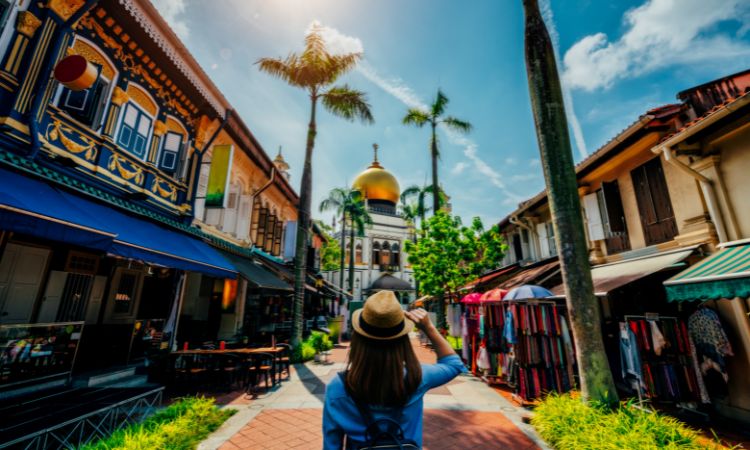
Koh Kood’s clear waters and nearby islets create an excellent setting for snorkeling and island-hopping tours. Popular excursions depart from Ao Salad, Ao Yai, or Ao Tapao, taking travelers by longtail boat to coral gardens and small islands such as Koh Rang and Koh Mak. Snorkeling sites feature healthy coral patches populated by colorful reef fish—parrotfish, angelfish, damselfish—and occasional sightings of reef sharks or sea turtles. Tour operators provide masks, snorkels, and sometimes underwater guidance; confirm equipment quality and size availability in advance. Early departure around 8 AM often yields calmer seas and better visibility.Island-hopping itineraries vary: a typical full-day trip includes two to three snorkeling stops, a beach picnic on a secluded islet, and opportunities for swimming or paddleboarding in calm lagoons. Meals often consist of freshly prepared seafood, rice, and fruit; inform operators of dietary preferences or restrictions ahead of time. Bring sunscreen labeled reef-safe, water, a waterproof pouch for valuables, and a lightweight towel. Sea conditions can shift; choose tours that monitor weather and sea state for safety. Guides may conduct briefings on reef etiquette: avoid touching corals or chasing marine life.Beyond snorkeling, some tours include kayaking around small islands or exploring mangrove lagoons for hidden coves. For advanced snorkelers or free-divers, deeper drop-offs around certain coral outcrops present opportunities to observe larger marine species; however, these require experience and possibly specialized guides. Night snorkeling or bioluminescence tours occasionally offered during certain seasons reveal glowing plankton phenomena—check with local operators for availability and safety measures.Photography equipment: rent or bring a waterproof camera or phone case to capture underwater scenes. Keep spare batteries or power banks on the boat. Protect your gear from saltwater—use dry bags. When photographing, maintain distance from marine life and avoid causing stress to animals. Ask guides for advice on best spots and times of day for lighting.If you prefer self-guided snorkeling, some beachfront areas have shallow reefs reachable by swimming from shore; inquire locally about reef locations and currents. Swimming alone far from shore is not recommended; pair up or inform someone of your plans. For dedicated divers, Koh Kood’s dive infrastructure is limited compared to larger islands; consider organizing day trips from Koh Chang or Koh Mak if deeper dive sites are a priority.Booking tips: small-group tours (maximum 6–8 people) provide personalized experiences and less impact on the environment. Confirm that operators follow sustainable practices: avoid anchoring directly on reefs; use mooring buoys when available. Support eco-conscious operators who contribute to reef monitoring or coral restoration projects.In summary, snorkeling and island-hopping on Koh Kood cater to both casual snorkelers and adventure seekers. Plan early departures, choose reputable operators, and prepare with reef-safe gear. Embrace the thrill of exploring underwater worlds and remote islets, while respecting marine ecosystems to preserve them for future visitors. This guide equips you with practical tips on what to expect, how to prepare, and ways to maximize safety and enjoyment on Koh Kood’s marine adventures.
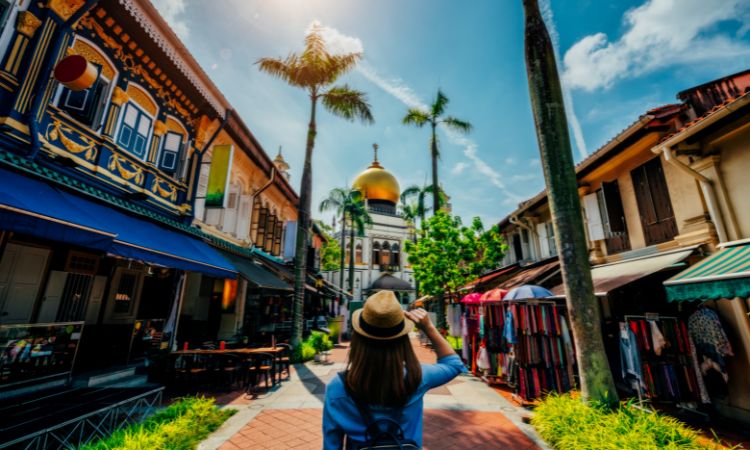
For adventurers who prefer self-powered water exploration, Koh Kood offers kayaking and stand-up paddleboarding (SUP) experiences along calm bays, mangrove channels, and coastal coves. Many resorts and local operators rent kayaks and SUP boards by the hour or arrange guided paddling tours at dawn or dusk when winds are minimal. Launch points such as Ao Yai and Ao Salad provide sheltered waters ideal for paddling. Routes may lead through mangrove forests, where you can observe birdlife—herons, kingfishers—and unique plants adapted to brackish water. Bring waterproof bags for phones or cameras, sun protection, and plenty of drinking water.Guided kayaking tours often combine paddling with snorkeling stops or visits to small fishing villages accessible by waterways. Guides share local knowledge about tidal patterns, safe routes, and environmental considerations. Self-guided paddlers should inform resort staff of planned routes and expected return times. For SUP, early morning sessions deliver mirror-like sea surfaces, perfect for balance and photography. Sunset paddles create serene moments as the sky transitions through warm colors reflecting on calm waters.Fishing trips on Koh Kood are typically half-day or full-day excursions led by local fishermen. Early-morning departures maximize catch opportunities when fish are most active. Depending on your preference, you can try traditional fishing methods such as handlines or nets, and learn about sustainable practices that support local livelihoods. Catches often include reef fish, snapper, and mackerel; some operators let you keep the catch for a beachside barbecue or restaurant preparation. Ensure you understand local regulations regarding size limits and protected species; reputable guides follow rules to maintain fish populations.Combination tours exist where you kayak to a fishing spot, fish, and then snorkel or paddleboard on the return journey. Such integrated experiences showcase varied island environments and share insights into daily life of fishing communities. For families, shorter kayaking trips focusing on wildlife observation and safe routes near shore are ideal. Children can learn paddling basics in shallow waters under supervision.Equipment quality and safety: check that kayaks and boards are in good condition, with life jackets and basic safety gear provided. Wear appropriate attire, such as quick-dry clothing or swimwear, and consider reef-safe footwear for shallow or rocky entry points. Guides typically provide briefings on paddling techniques and emergency procedures. Mobile signal may be weak in remote bays; rely on guides or inform others before departing.Seasonal factors: during monsoon season, winds and currents may intensify; consult local operators for best times and safe areas. In peak season, book in advance to secure equipment or tour slots. Consider early-morning or late-afternoon sessions to avoid midday heat and maximize wildlife sightings.In summary, kayaking, paddleboarding, and fishing on Koh Kood deliver immersive, active exploration of the island’s coastal and cultural landscapes. Whether paddling through mangroves, balancing on a SUP at sunrise, or casting a line with local experts, these activities deepen appreciation for Koh Kood’s natural beauty and community traditions. Follow safety guidance, respect ecosystems, and savor the rewarding sense of discovery that comes with self-powered water adventures.
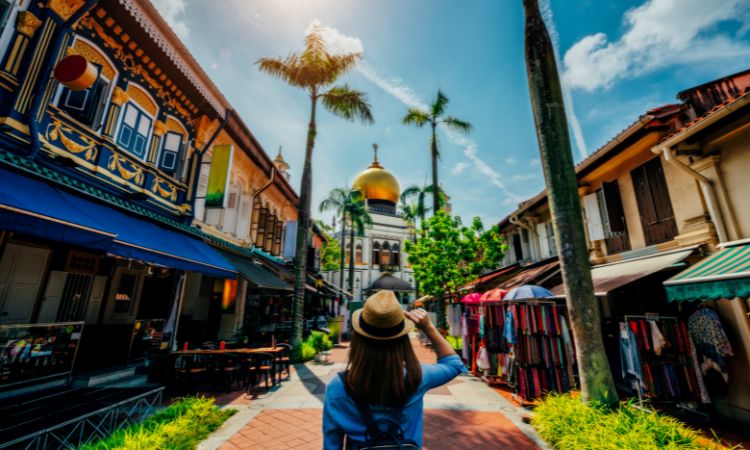
Koh Kood’s small population resides mainly in villages like Ban Ao Salat and Ban Ya Praek, where traditional ways of life continue with minimal tourist influence. Village visits offer a window into local culture: observe fishermen preparing nets at dawn, households processing coconuts for oil or desserts, and small farms cultivating fruits and vegetables. To ensure respectful interactions, arrange visits through local guides or resorts that partner with communities. Some villagers welcome guests for homestay experiences or cooking classes, teaching authentic Thai dishes such as tom yum soup, green curry, or mango sticky rice. Learning to cook with freshly harvested ingredients—coconut milk, herbs, seafood—connects you to culinary heritage.During festival seasons (check local Thai calendar), you may witness community celebrations, Buddhist rituals at village temples, or communal gatherings. Respect local customs by dressing modestly, removing shoes when entering homes or sacred spaces, and asking permission before photographing individuals. Language barriers exist but basic Thai phrases and friendly gestures go a long way; many residents speak limited English, especially those involved in tourism. A local guide can facilitate introductions, explain customs, and help with translation.Visiting small local markets provides insight into daily routines: vendors selling produce, fish, and handmade goods. Sample tropical fruits in season—rambutan, mangosteen, jackfruit—and sip local coconut water. Some artisans create simple handicrafts from wood or woven materials; purchasing from them supports the community directly. Avoid mass-produced souvenirs; choose items that reflect genuine island craftsmanship.Engage in community-based tourism initiatives: some projects focus on environmental conservation or education, where travelers can volunteer for a short time—planting mangroves, cleaning beaches, or assisting with reef monitoring. Such activities combine cultural exchange with positive impact. Always confirm that projects are legitimate and benefit locals rather than being purely tourist entertainment.For families, guided visits to villages can include interactive elements: children learning fishing basics, helping prepare a simple meal, or participating in craft-making sessions. These experiences foster understanding and respect for different ways of life. Keep itineraries flexible to accommodate residents’ schedules, as rural life follows natural rhythms rather than strict timetables.Respectful behavior includes minimizing noise in villages, disposing of any waste properly, and avoiding wandering off designated areas. Follow guidance on areas considered private or sacred. In return, villagers often share stories of island life, folklore, and personal histories, enriching your travel experience beyond sun and sand.In conclusion, village visits and cultural encounters on Koh Kood immerse travelers in the rhythms of island life, from fishing traditions to local cuisine and community initiatives. Approach with openness, respect, and willingness to learn. These authentic interactions create meaningful memories and foster sustainable tourism that benefits both visitors and residents.
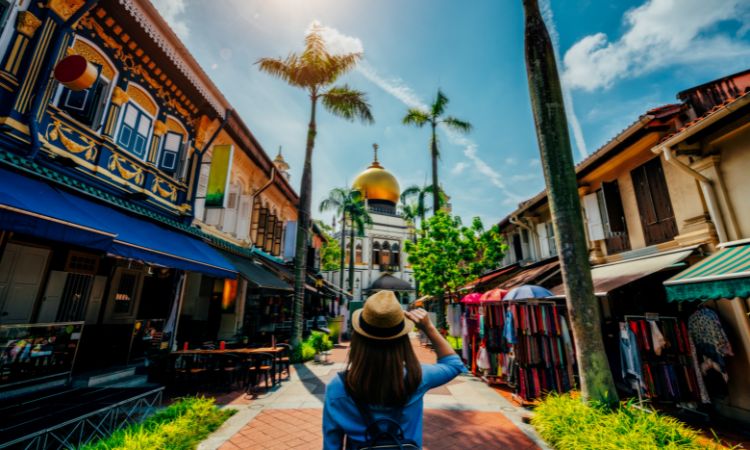
Koh Kood’s culinary scene reflects its coastal setting and rural character: seafood features prominently, complemented by fresh produce grown locally. Dining ranges from simple beachfront stalls serving grilled fish and som tam (papaya salad) to resort restaurants offering Thai fusion and international options. To experience authentic flavors, seek out eateries frequented by locals: early-morning markets sometimes sell freshly caught fish, squid, and prawns ready for grilling. Order a plate of pla pao (salt-crusted grilled fish) accompanied by spicy dipping sauce, sticky rice, and grilled vegetables. Coconut-based curries, such as gaeng pa (jungle curry) or green curry with fish, showcase aromatic herbs and rich coconut milk produced from island coconuts.Cooking classes arranged with local families or resorts provide hands-on experience preparing Thai dishes from scratch. Learn to pound curry paste in a mortar, select the right balance of chilies and herbs, and cook dishes over charcoal or gas stoves typical of island kitchens. Classes often include a trip to a small market to select ingredients, giving insight into selecting ripe produce and fresh seafood. Enjoy the meal you prepare in a communal setting, exchanging stories and learning about Thai food culture.For a unique experience, join a fishermen’s breakfast: accompany a local boat in early morning, then share a meal prepared from the day’s catch, such as fresh fish soup with lemongrass and galangal. This intimate dining highlights the connection between sea and plate. Evening beach barbecues or seafood buffets at resorts provide a festive atmosphere, often including live music or fire performances. While these can be pricier, they offer social settings ideal for meeting fellow travelers.Vegetarian or vegan travelers can find options too: many dishes adapt well by substituting tofu or vegetables for meat and seafood. Tom kha (coconut soup) with mushrooms, pad pak ruam (stir-fried mixed vegetables), and fresh salads featuring tropical fruits satisfy varied diets. Notify hosts in advance to ensure availability of desired ingredients.Beverage choices include fresh coconut water sold by roadside vendors, tropical fruit shakes (mango, pineapple, watermelon), and local beers or cocktails at resorts. Note that imported beers or spirits may cost more; enjoy local brews for better value. Price of a pint of beer is around £2.50. For tea and coffee lovers, some cafes serve Thai iced coffee or tea with condensed milk, perfect for cooling down after beach activities.Consider timing: many small eateries open at lunch and early dinner only; plan meals around local schedules. Some places close on certain weekdays; ask your accommodation host for recommendations and opening hours. In low season, fewer choices may be available, but quality remains high due to reliance on fresh, seasonal ingredients.Dining responsibly: minimize single-use plastics by carrying reusable cutlery or asking for no straw when ordering drinks. Support establishments that follow eco-friendly practices, such as using biodegradable packaging or sourcing locally. Tipping is appreciated but not obligatory; rounding up the bill or leaving small change reflects gratitude for good service.In summary, Koh Kood’s dining experiences range from rustic beachside grills to interactive cooking classes and resort eateries. Embrace fresh seafood, tropical produce, and local hospitality. Exploring local cuisine deepens connection to the island’s culture and sustains community livelihoods while creating memorable gastronomic experiences..
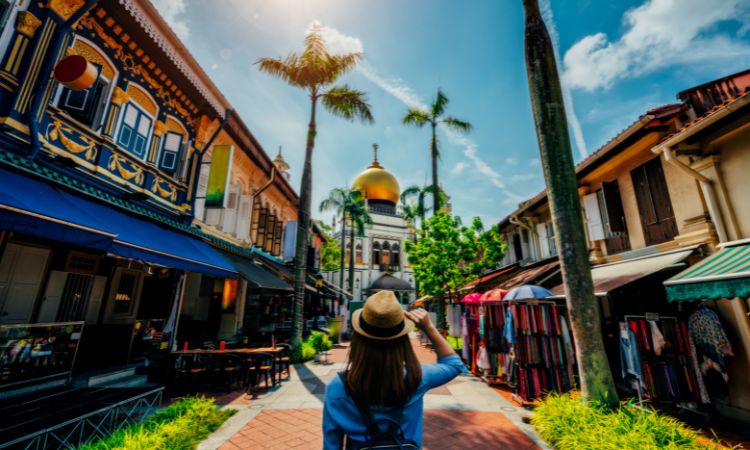
Koh Kood’s tranquil environment makes it ideal for wellness-focused travelers seeking relaxation and rejuvenation. Many resorts provide spa services using traditional Thai techniques and natural ingredients sourced locally: coconut oil massages, herbal compress therapies, and foot reflexology sessions often take place in open-air pavilions overlooking gardens or the sea. For a deeper wellness immersion, some properties offer multi-day packages combining yoga classes at sunrise, meditation workshops under shaded sala structures, and detox menus emphasizing fresh fruits, vegetables, and herbal teas.Beachfront relaxation is central: hammocks strung between coconut palms invite afternoons spent reading, napping, or simply gazing at the horizon. Sunset lounges provide comfortable seating for savoring a tropical cocktail or coconut smoothie as the sky transforms. Many resorts set up floating mats or lounge platforms in shallow water, allowing guests to relax while gently bobbing in calm seas. For those who wish to disconnect completely, accommodations with limited Wi-Fi encourage mindfulness, though basic connectivity remains available for emergencies or occasional check-ins.Spa rituals often include treatments incorporating local resources: scrubs made from coconut husk or volcanic sand, masks using avocado or banana for skin nourishment, and herbal steam baths scented with lemongrass and kaffir lime leaves. Some retreat centers offer workshops on Thai herbal remedies or basic massage techniques, giving guests tools to maintain wellness practices after leaving the island. Early-morning beach meditation sessions harness the peaceful dawn atmosphere, with guided breathing exercises complementing gentle waves.Healthy dining options accompany wellness stays: nutritious breakfasts featuring tropical fruit platters, whole grains, and herbal teas; lunch and dinner menus offering grilled fish or tofu with stir-fried vegetables; smoothies and fresh-pressed juices for hydration. Resorts may provide packed snacks for day tours, ensuring energy for snorkeling or trekking without resorting to processed snacks.Nighttime relaxation includes stargazing on beaches with minimal light pollution. Some properties offer guided stargazing sessions or telescopes for glimpsing constellations. Evening herbal teas or warm coconut milk drinks can be served before sleep. Simple guided journaling sessions or group sharing circles enable reflection on travel experiences and personal well-being.Booking tips: choose resorts or retreat centers with designated wellness facilities—yoga shalas, spa pavilions, and wellness menus. Inquire about seasonal availability of certain treatments or classes. Many packages operate year-round, though availability may vary in low season. Personalized programs can be arranged for solo travelers, couples, or small groups seeking private sessions.Overall, Koh Kood’s wellness and relaxation offerings integrate the island’s natural beauty, traditional Thai healing practices, and modern comfort. This guide ensures that travelers know what to expect, how to prepare, and how to maximize their well-being journey amid Koh Kood’s serene surroundings. Whether indulging in beachfront massages, sunrise yoga, or simply soaking in nature’s calm, visitors leave feeling refreshed and balanced.
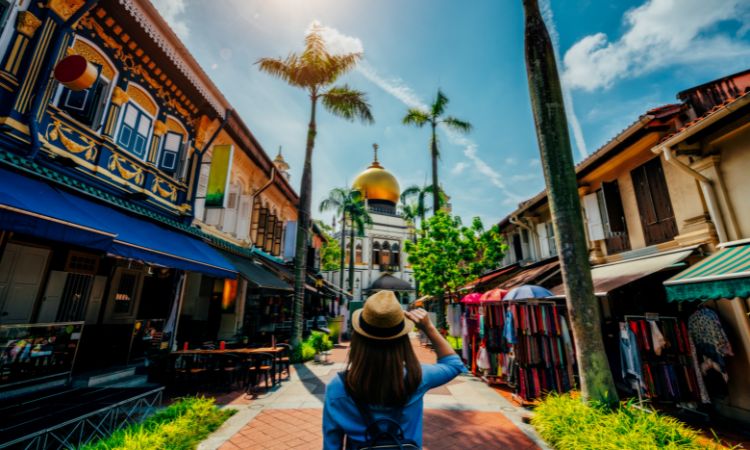
Accommodation on Koh Kood ranges from simple bungalows tucked into the jungle to upscale beachfront resorts designed for comfort while minimizing environmental impact. Eco-lodges often use solar power, rainwater collection, and locally sourced materials, blending structures into surroundings without disrupting native flora. These stays appeal to travelers who value sustainability and wish to support community-based tourism. Typical eco-bungalows feature thatched roofs, wooden floors, and open-air designs that maximize natural ventilation; expect mosquito nets over beds, basic but clean bathrooms, and private verandas overlooking greenery.For those seeking more amenities, mid-range resorts offer air-conditioned rooms or villas near the beach, with features such as infinity pools, beachfront restaurants, and spa facilities. Many maintain eco-friendly practices: water-saving fixtures, waste-separation programs, and partnerships with local conservation initiatives. Upscale properties may include private pools, outdoor showers, and refined dining experiences while retaining a low-key atmosphere without flashy nightlife. Book early in peak season to secure preferred room types and beachfront locations.Unique stays include overwater bungalows or treehouses in some properties, offering elevated perspectives of the sea or jungle canopy. These provide memorable experiences for honeymooners or special occasions. Ensure to check accessibility and safety features: some may require stairs or uneven paths. For families, family villas or interconnected rooms with communal areas balance privacy and shared time. Verify child-friendly amenities: shallow pools, kid’s menus, and safety measures around water.Booking platforms sometimes list day-pass options at resorts, granting non-resident travelers access to facilities like pools, beach loungers, and restaurants for a fee. This is useful for those staying elsewhere but wanting a resort-day experience. Confirm inclusion of drinks, meals, or spa credits in package details.Consider location relative to attractions: beachfront resorts offer direct sea access but may be farther from interior hiking trails; jungle lodges immerse you in nature but require transport to beaches. Plan daily itineraries accordingly: if you value morning jungle walks, choose a lodge near trailheads; if snorkeling and beach time dominate, opt for beachfront accommodation. Transportation within Koh Kood relies on resorts’ shuttles, motorbike rentals, or local taxis; check availability when booking.Price range: eco-bungalows may start at moderate rates, while high-end villas command premium prices. Seek value by comparing amenities, sustainability credentials, and proximity to desired activities. Check reviews for service quality, reliability of electricity/water supply, and genuine eco-practices versus greenwashing. Supporting true eco-lodges and community-run properties amplifies positive local impact.In summary, Koh Kood’s accommodation spectrum caters to varied preferences: from minimalist eco-lodges offering close-to-nature stays to comfortable resorts with wellness and dining amenities. Unique options like overwater bungalows or jungle treehouses add novelty. Use this guide to select lodging aligned with sustainability values, activity plans, and comfort levels, ensuring a memorable stay that respects Koh Kood’s environment and communities.
No ads. No trails. No commitments


Alice Roses
London, England
51 ST MATTHIAS ROAD
NOTTINGHAM, NOTTINGHAMSHIRE
NG3 2HF
Hours: 8:00 - 17:00, Mon - Sat
support@johnsonholidays.com