 Valladolid Travel
Guide
Valladolid Travel
Guide
Paris is known around the world as the “capital of love,” and even if you don't understand the history of Paris at all

2 Hours
£1.74
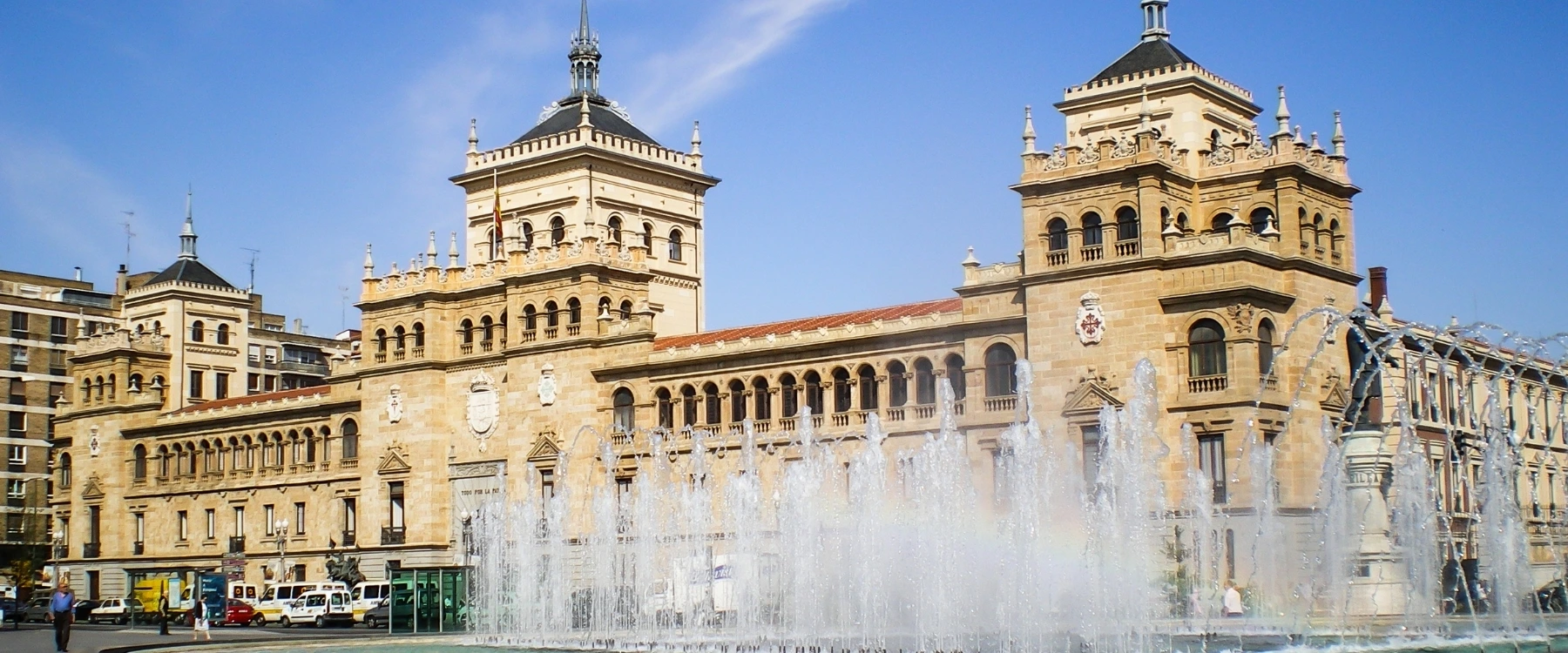
Valladolid’s history spans Roman times, medieval prominence, and a Golden Age when it briefly served as Spain’s capital under Philip II. Strolling through its historic center, visitors encounter grand churches such as the Cathedral of Valladolid, the ornate façade of the National Sculpture Museum, and the Casa de Cervantes, birthplace of the author associated with Don Quixote . Each building tells a chapter of Spain’s past, from Renaissance art to Baroque sculpture. Booking Valladolid means immersing yourself in this layered heritage through guided tours, museum visits, and wandering cobblestone streets where centuries-old traditions remain alive.
Learn More
Castilian cuisine in Valladolid balances rustic comfort and refined flavors. Specialty dishes include “lechazo asado” (roast lamb from nearby pastures) and hearty stews featuring local legumes. The city’s tapas bars present small plates showcasing chorizo, local cheeses, and regional hams, all paired with wines from Ribera del Duero and Rueda. Valladolid hosts gastronomic events like the “Semana de la Tapa” where travelers sample innovative creations by local chefs. Booking Valladolid ensures a culinary journey that highlights Castilla y León’s renowned produce, traditional recipes, and emerging food culture in intimate taverns and upscale restaurants alike.
Learn More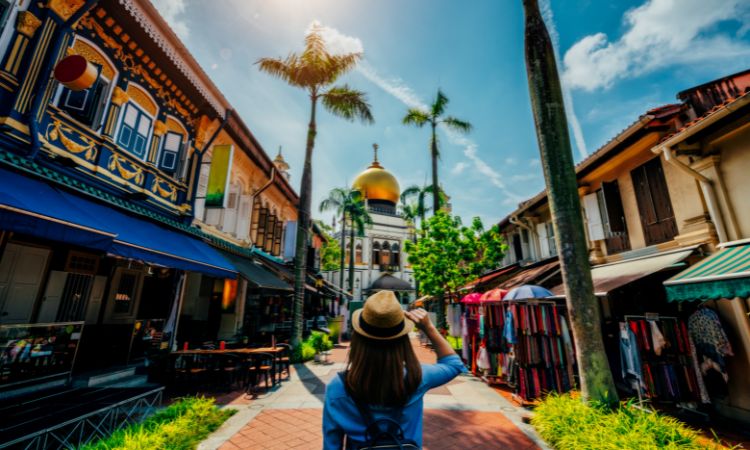
Semana Santa in Valladolid is among Spain’s most revered Holy Week celebrations, featuring processions of 16th- and 17th-century religious sculptures carried through the streets accompanied by solemn music. Beyond Easter, Valladolid’s calendar includes the annual Valladolid International Film Festival and various music and theater events at historic venues like the Campo Grande and the José Zorrilla Theater . Booking Valladolid during these festivals provides firsthand experience of deep-rooted traditions and contemporary arts, offering unique insights into local culture and communal spirit.
Learn More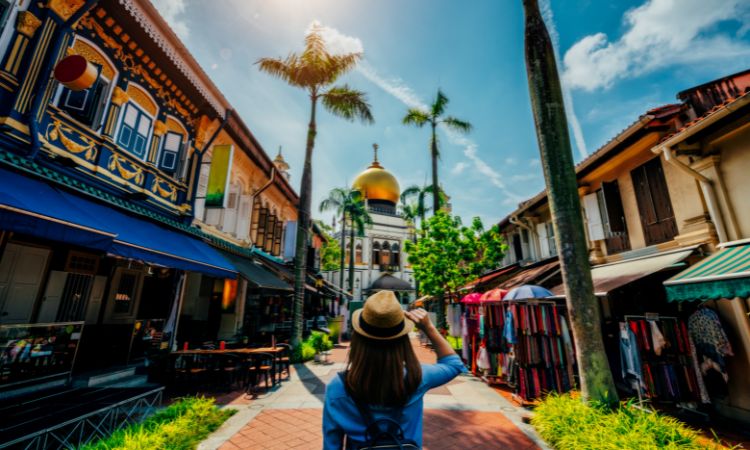
Despite its smaller size, Valladolid hosts significant museums such as the National Sculpture Museum, housing over 1,000 works of Spanish religious art from the Middle Ages to the Baroque. The Museum of Science and the Railway Museum cater to diverse interests, while the Casa-Museo de Cervantes delves into Spain’s literary heritage. Booking Valladolid guarantees cultural enrichment through well-curated collections rarely found outside major capitals, allowing visitors to engage deeply with Spanish art, history, and innovation in an accessible setting.
Learn More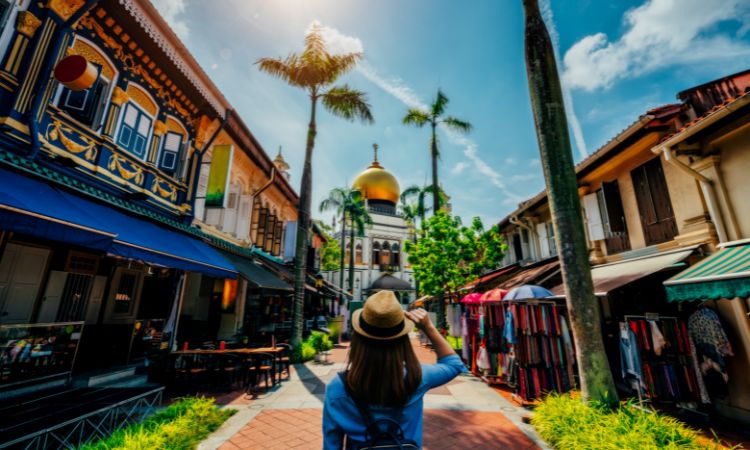
Valladolid’s strategic location offers quick access to celebrated wine regions like Ribera del Duero and Rueda, where guided tours unveil centuries-old wineries and vineyards producing world-class red and white wines . Surrounding countryside features medieval villages—Medina del Campo, Tordesillas—and natural parks ideal for hiking or cycling. Booking Valladolid positions travelers at the crossroads of Castilla y León’s scenic beauty and viticultural excellence, enabling immersive day trips that combine scenic drives, winery visits, and exploration of rural heritage.
Learn More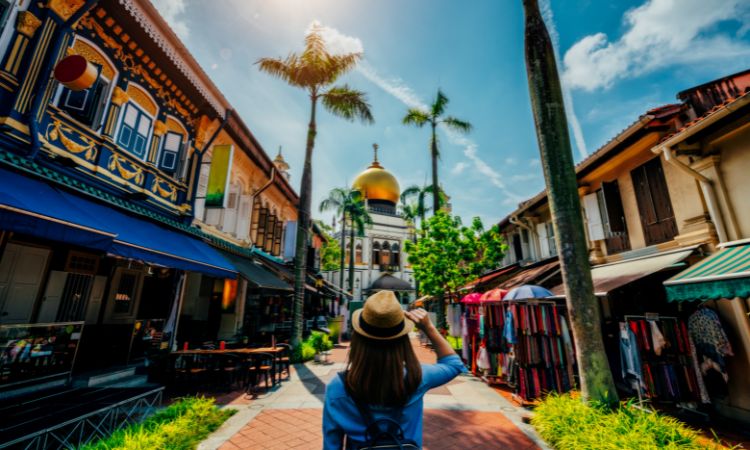
Compared to Spain’s major tourist hubs, Valladolid remains relatively underexplored, offering authentic interactions with local life: markets, festivals, and everyday routines in plazas such as Plaza Mayor. Accommodation and dining tend to be more affordable than coastal or large-city alternatives, stretching travel budgets further without compromising quality. Booking Valladolid appeals to travelers seeking genuine experiences—historic ambiance, local hospitality, and cultural immersion—without the crowds, making it a smart choice for discerning visitors.
Learn More
Lorem ipsum dolor, sit amet consectetur adipisicing elit. At illo adipisci iusto
From

Because more than 268 other customers have loved us too

Demonstrates commitment to user data security through encryption and secure payment practices
Learn More
Demonstrates commitment to user data security through encryption and secure payment practices
Learn More
Demonstrates commitment to user data security through encryption and secure payment practices
Learn More
Demonstrates commitment to user data security through encryption and secure payment practices
Learn More
Quality as judged by customers. Book at the ideal price!


/ person
/ person
/ person
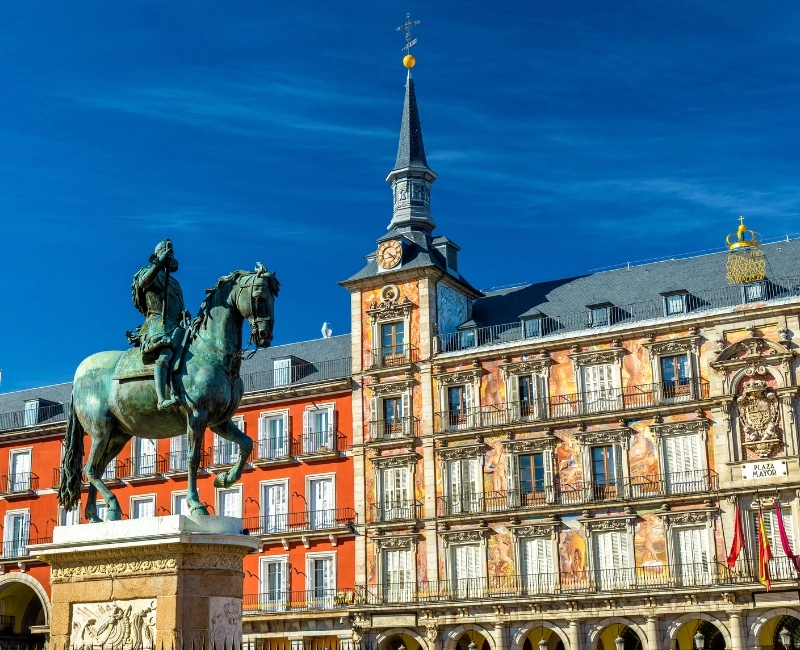
Valladolid’s historic nucleus revolves around the grand Plaza Mayor, a square that encapsulates Castilian urban design and serves as the epicenter of civic life.Originally laid out in the 16th century, the plaza’s uniform façades with arcades host cafés, shops, and seasonal markets, fostering a lively atmosphere from dawn until late evening. Dominating one side of the plaza is Valladolid Cathedral (Catedral de Nuestra Señora Santa María), a monumental building whose construction spanned centuries, reflecting transitions from Gothic to Baroque styles . Inside, visitors encounter intricate altarpieces, chapels adorned with religious art, and the tomb of King Felipe II’s first wife, Princess María Manuela of Portugal .Strolling through adjacent streets, travelers discover palatial residences and historic churches—Iglesia de San Pablo with its ornate Plateresque façade, and San Gregorio, now housing the National Sculpture Museum. Each site illustrates Valladolid’s Golden Age prominence. At Casa de Cervantes, one can explore reconstructed living quarters and exhibitions on the life and works of Miguel de Cervantes, deepening appreciation for Spain’s literary heritage. These landmarks, interconnected by pedestrian-friendly lanes, invite immersive exploration: guided walking tours often highlight hidden courtyards, legends of medieval guilds, and anecdotes of royal visits.Cultural experiences extend beyond architecture. Valladolid’s museums showcase national treasures: the National Sculpture Museum houses over a thousand religious sculptures, many originating in local churches, offering insight into Spanish Baroque artistry. The Museum of Science, located in a Renaissance building, engages visitors with interactive displays on astronomy and technology, linking historical innovation to contemporary inquiry . Seasonal exhibitions, art installations, and cultural workshops frequently occur in repurposed historic spaces, blending heritage with modern creativity.Planning this exploration during shoulder seasons—late spring or early autumn—ensures comfortable weather for outdoor walks and photography of architectural details without the peak-summer heat . Early mornings in Plaza Mayor offer tranquil moments to absorb the scale and symmetry of its arcades, while evenings reveal the plaza illuminated against the stone façades, ideal for atmospheric photography.Beyond the core, day trips connect to regional heritage: medieval towns like Medina del Campo with its castle and Jewish quarter, or Tordesillas with its Treaty Museum, illustrate the broader historical tapestry of Castilla y León. By centering one’s visit on Valladolid’s historic heart yet venturing outward, travelers gain a holistic sense of the region’s evolution—from Roman origins to royal courts and beyond.
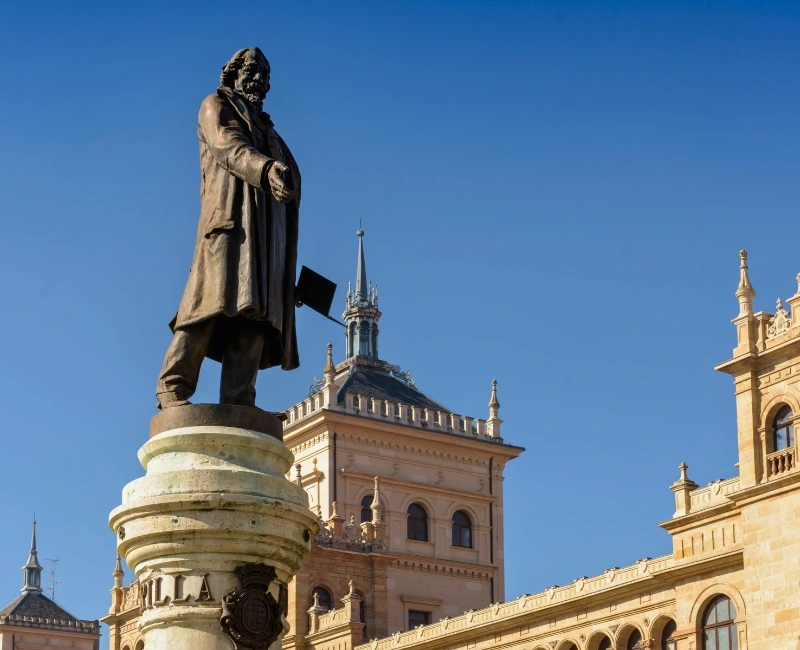
Valladolid’s cultural offerings extend far beyond outdoor heritage: the city ranks among Spain’s notable museum destinations despite its modest size. The crown jewel is the National Sculpture Museum housed in the former Colegio de San Gregorio. With over 1,000 pieces spanning from the Middle Ages through the Baroque, it holds one of Europe’s premier collections of religious sculpture. Masterpieces by Gregorio Fernández and Juan de Juni convey profound expressions of devotion, carved in wood and polychrome, offering insight into 16th- and 17th-century spirituality and artistic techniques.Complementing sculpture, the Casa-Museo de Cervantes presents a narrative of Spain’s literary Golden Age, reconstructing Miguel de Cervantes’s residence and illustrating social contexts that shaped Don Quixote. Exhibits include period furnishings, first editions, and multimedia displays connecting Cervantes’s legacy to modern literature. For science enthusiasts, the Museum of Science housed in an elegant Renaissance building merges historical context with interactive exhibits on astronomy, physics, and earth sciences, bridging past and present inquiries.Contemporary art spaces enrich Valladolid’s scene. Municipal galleries host rotating exhibitions featuring local and international artists, while cultural centers in repurposed industrial or historic structures stage multidisciplinary events—film screenings, concerts, and workshops . The city’s commitment to public art is visible through sculptures and installations in plazas and parks, inviting spontaneous engagement. Seasonal cultural festivals often include open-air exhibitions and performances in plazas like Campo Grande, enhancing visitor immersion in local creativity.Accessibility to museums is generally well-organized: combined tickets and guided tours help maximize time, often available in Spanish and English. Visiting during quieter periods—midweek or off-peak months—allows more intimate experiences, with fewer crowds around popular exhibits. Audio guides and informative signage contextualize collections, aiding travelers seeking both academic depth and casual enjoyment.For those planning extended stays, short courses or workshops in local art schools or language immersion programs connect cultural appreciation with participatory learning. Valladolid’s university presence fosters an environment open to intellectual exchange, so travelers can join lectures, book readings, or temporary residencies that deepen engagement and understanding of Spain’s artistic and scholarly traditions.
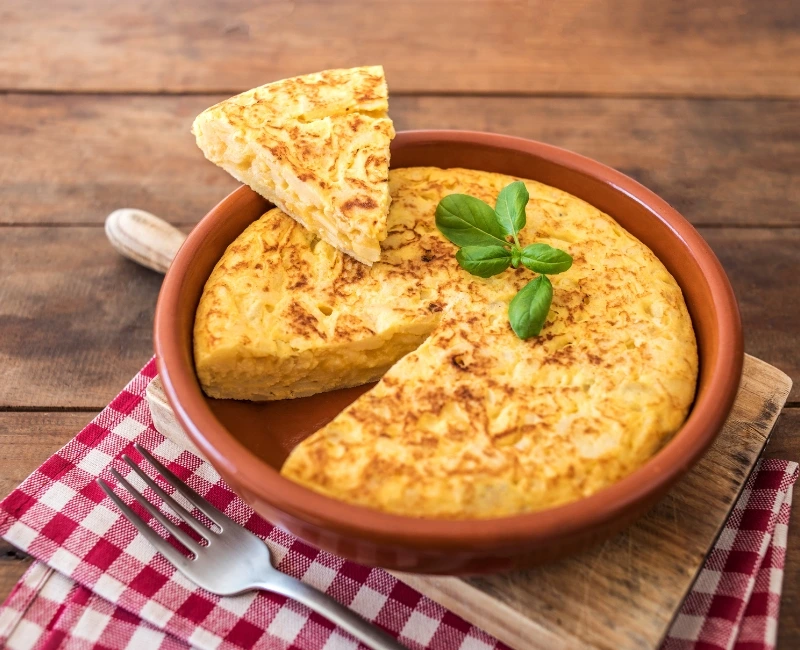
Valladolid’s gastronomic identity is rooted in Castilla y León’s agricultural bounty: legumes, cereals, and livestock produce underpin signature dishes that celebrate simplicity elevated by quality ingredients. The city’s tapas culture thrives in areas such as Calle del Gasco and Plaza Mayor, where bar-hopping entails sampling small plates—“tortilla de patata,” local cheeses like Queso de Villalón, cured meats including Jamón de Guijuelo, and innovative creations reflecting contemporary culinary trends.Morning visits to covered markets—Mercado de Victoria—reveal fresh produce stalls: seasonal fruits, vegetables, and regional specialties such as piquillo peppers and candied fruits. Engaging with vendors offers insights into local eating habits and ingredient selection. Cooking workshops or market tours introduce travelers to preparing classic Castilian recipes: stews like “olla podrida” or “judías de la Granja,” demonstrating how to coax maximum flavor from humble staples.Evening dining often centers on restaurants that reinterpret traditional dishes with modern techniques. Chefs emphasize farm-to-table approaches, collaborating with local producers to source lamb, mushrooms from nearby forests, and artisan bread. Wine pairing is integral: Ribera del Duero reds, with robust tannins and dark fruit notes, complement roasted meats, while Rueda whites, crisp and aromatic, suit lighter tapas and fish from regional rivers . Wine tasting tours in surrounding vineyards provide firsthand experience of winemaking processes, cellar visits, and guided tastings highlighting terroir-driven distinctions .Seasonal events such as “Semana de la Tapa” and wine fairs showcase emerging local culinary talent. Participants present inventive tapas that blend tradition and avant-garde presentation, creating an engaging scene for food enthusiasts . Booking Valladolid for gastronomy means immersing in daily rhythms: leisurely lunches featuring multi-course menus, late-afternoon tapas rounds, and relaxed dinners accompanied by convivial conversation and Spanish hospitality.Budget-friendly options abound: lunchtime “menú del día” offers multi-course meals at fixed prices, allowing sampling without overspending. Meanwhile, upscale establishments provide tasting menus that narrate Castilla y León’s flavors in refined settings. Regardless of budget, Valladolid’s culinary offerings reward exploration and reflect the region’s deep gastronomic heritage, making it a top choice for food- and wine-focused travel.
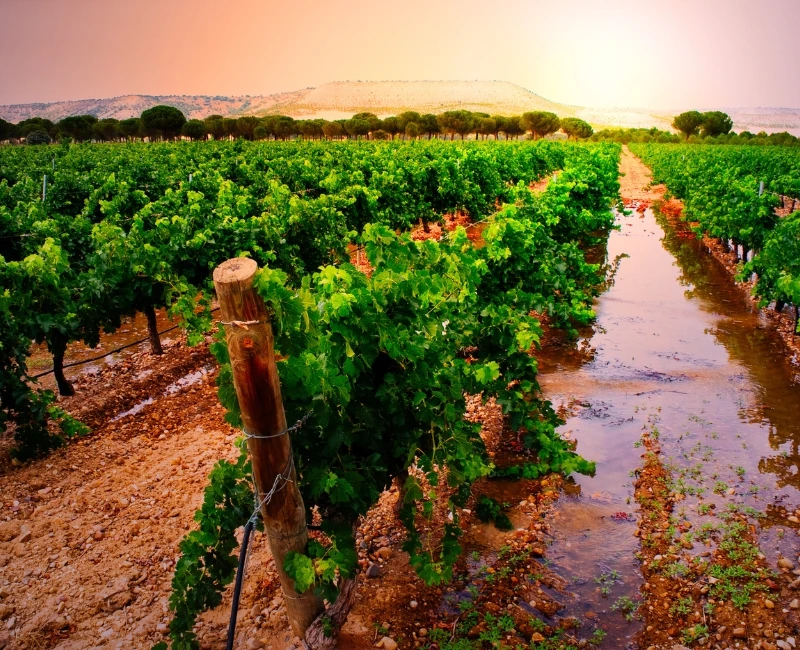
Valladolid’s proximity to two of Spain’s most prestigious wine appellations—Ribera del Duero to the south and Rueda to the northwest—positions it as an ideal base for oenophiles. Ribera del Duero, famed for its Tempranillo-based reds with depth and aging potential, hosts wineries ranging from historic “bodegas” to avant-garde estates designed by renowned architects. Guided tours typically include vineyard walks explaining terroir variations—clay-calcareous soils and continental climate influence grape character—followed by cellar visits where fermentation and aging processes are detailed. Tasting sessions reveal nuances from young fruit-forward wines to refined reserva and gran reserva labels, often paired with local cheeses or charcuterie in intimate tasting rooms overlooking vines.Rueda specializes in Verdejo and Sauvignon Blanc whites, renowned for crisp acidity, aromatic profiles, and food-friendly versatility . Visiting Rueda wineries involves exploring historic cellars carved into rock, learning fermentation in stainless steel versus oak influences, and sampling vintages alongside fresh produce from the region. Specialized wine tours may include bicycle routes between vineyards or gourmet picnic experiences amid vine rows, enhancing appreciation for the landscape and seasonality.Transportation options include organized day-trip tours from Valladolid or self-drive itineraries with rental cars, often supplemented by professional drivers for larger groups. Accommodation on winery estates or rural “casas rurales” adds immersive dimension: waking to vineyard views, participating in harvest activities (seasonal), and enjoying early morning tastings before returning to Valladolid’s urban comforts.Seasonal wine events in Valladolid, such as wine fairs and tasting festivals, allow visitors to sample a broad selection of labels in one setting and meet winemakers directly. Local restaurants collaborate with regional wineries to host pairing dinners, creating cohesive gastronomic experiences within the city . Booking Valladolid with a focus on wine ensures comprehensive exploration of Spain’s viticultural excellence, combining educational tours, sensory experiences, and cultural context in a setting that balances rural charm and urban convenience.
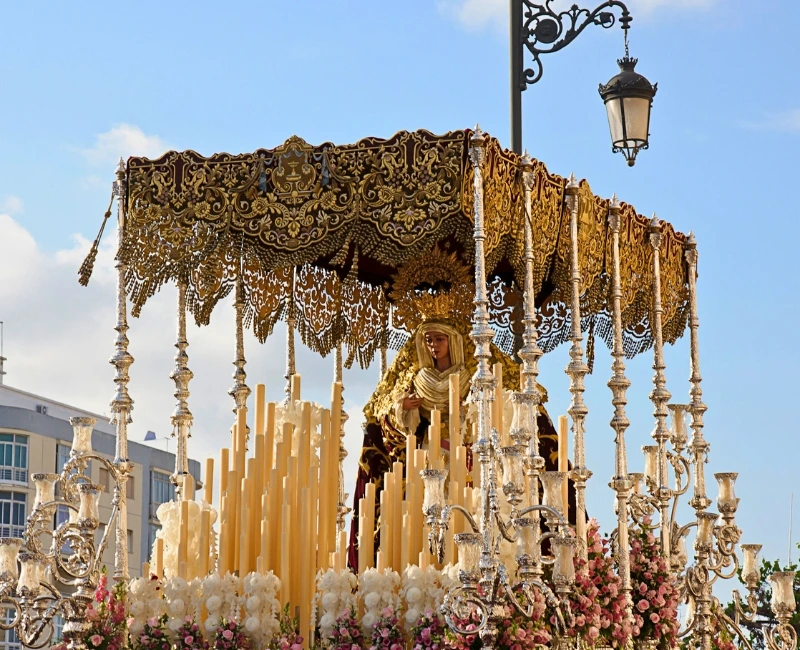
Semana Santa in Valladolid is acclaimed as one of Spain’s most solemn and artistically significant Holy Week celebrations. Over several days culminating on Good Friday, brotherhoods process centuries-old pasos—sculpted religious statues dating to the 16th and 17th centuries—through winding streets under candlelight and resonant brass music . The procession route centers on Plaza Mayor and adjacent roads, drawing locals and international visitors who witness an emotional display combining faith, artistry, and tradition. Key moments include the Sermon of the Seven Words in Plaza Mayor and the poignant transfer of the Virgen de las Angustias on horseback in the morning.Preparation for Semana Santa involves learning about each brotherhood’s history: some date back centuries, with distinctive robes, insignias, and ritual practices passed down through generations. Guided Holy Week tours provide context on symbolism, sculpture techniques, and liturgical significance, deepening understanding beyond surface spectacle. Photography opportunities abound, though respectful discretion is essential during solemn moments. Evening processions, illuminated by torches or streetlights, offer atmospheric scenes ideal for contemplative observation and capturing evocative images .Beyond Good Friday, Valladolid’s cultural calendar includes film festivals, music events, and art exhibitions throughout the year. The Valladolid International Film Festival showcases Spanish and international cinema, drawing filmmakers and cinephiles to screenings and discussions in historic theaters. Summer brings outdoor concerts in parks like Campo Grande and evenings in Plaza Mayor, where local performers present flamenco, classical, and contemporary genres .Booking Valladolid for festival experiences requires early planning: accommodation fills quickly during Semana Santa, so reserving stays well in advance is advised. For other events, checking local culture calendars facilitates aligning visits with desired festivals. Many events integrate local gastronomy—street food stalls during fairs or themed menus in restaurants—enhancing immersion. Participating in workshops, such as traditional dance or music sessions, further connects travelers with authentic cultural expression.
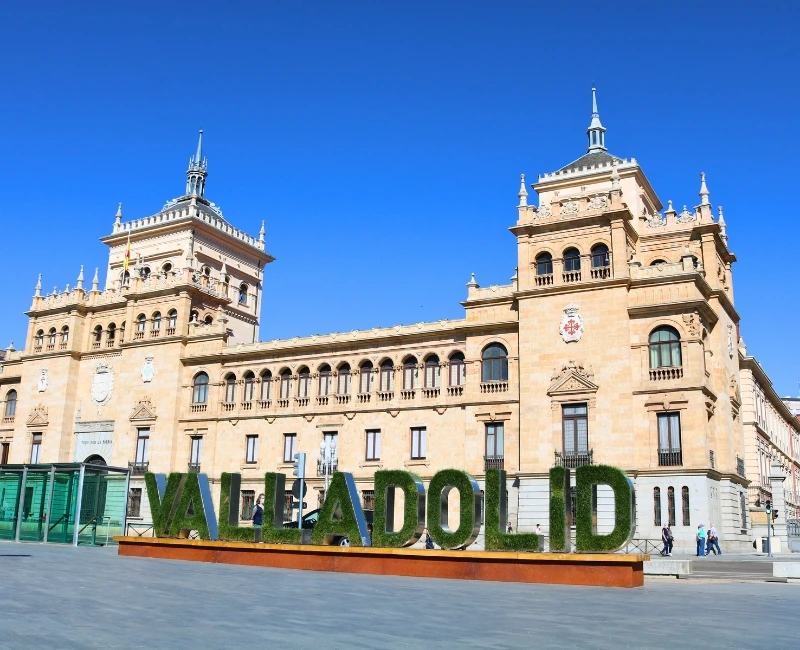
Outside Holy Week, Valladolid’s dynamic cultural calendar offers diverse events year-round. The Valladolid International Film Festival (Seminci), held annually in October, is one of Spain’s oldest film festivals, presenting auteur cinema and fostering dialogue among critics, filmmakers, and audiences. Screenings occur in historic venues, merging cinematic innovation with heritage surroundings. Attending Seminci allows cinephiles to discover emerging directors and participate in Q&A sessions or panel discussions.Music lovers find offerings in summer concert series at Campo Grande and indoor performances at theaters like Teatro Calderón. Programs feature classical symphonies, chamber music, jazz nights, and flamenco showcases, reflecting both local traditions and international talent. Valladolid’s university environment also fosters contemporary arts: exhibitions in municipal galleries highlight regional artists, while cultural centers host multimedia installations, dance performances, and creative workshops. These events often take place in repurposed industrial or historic buildings, providing unique atmospheres that blend past and present.Art markets and craft fairs appear seasonally, showcasing handmade goods—ceramics, textiles, jewelry—that reflect Castilian craftsmanship. Visiting these markets supports local artisans and offers opportunities to acquire authentic souvenirs beyond typical mass-market items. Cooking demonstrations and wine-pairing workshops tie cultural events to gastronomy, enabling multifaceted engagement with regional traditions .Planning around the cultural calendar enhances Valladolid visits: check official tourism websites or local listings for dates and ticketing details. Many events are free or low-cost, reflecting the city’s commitment to accessible culture. For immersive experiences, consider volunteering or attending short courses—film workshops during Seminci, language and cultural programs at local institutions, or artist residencies that welcome travelers for brief stays. The blend of historical context and contemporary creativity in Valladolid makes its festivals and arts offerings compelling for culturally curious travelers seeking both depth and diversity..
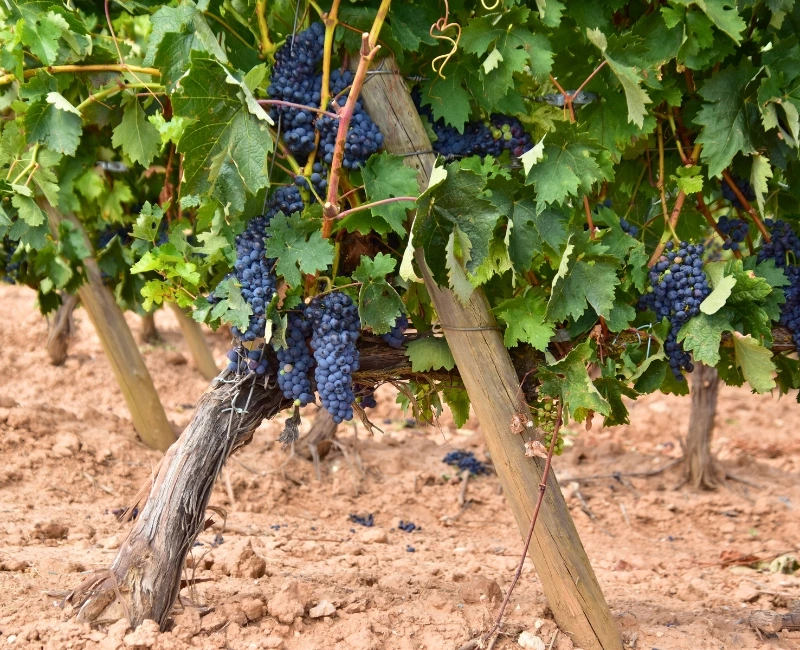
A short drive south of Valladolid leads to Ribera del Duero, one of Spain’s flagship wine regions celebrated for robust Tempranillo-based reds. Day trips from Valladolid typically include visits to iconic “bodegas” with centuries-old cellars and modern estates featuring innovative architecture. In these wineries, guided tours elucidate viticultural practices adapted to the continental climate—harsh winters and hot summers—and soil composition characterized by limestone and clay that impart structure and complexity to grapes.Tasting sessions range from sampling young “joven” wines showcasing primary fruit aromas to prestige “reserva” and “gran reserva” labels matured in oak barrels and bottles, offering nuances of spice, leather, and dried fruit . Many tours include food pairings: local cheeses, cured hams, and artisanal bread complement the wines, illustrating harmonious regional gastronomy. Some wineries host lunch experiences overlooking vineyard vistas, combining panoramic scenery with curated menus reflecting seasonal produce .Transportation options vary: organized small-group tours provide expert commentary and handle logistics, while self-drive itineraries allow flexibility to explore lesser-known estates and charming villages en route. Hiring a driver ensures responsible enjoyment of tastings without concern for driving afterward. Seasonal highlights include harvest-time activities in autumn: grape picking, traditional grape-stomping events, and festivals celebrating local culture, though availability depends on winery schedules and visitor programs .Beyond wine, the Ribera del Duero landscape features medieval castles, Romanesque churches, and natural viewpoints. Nearby historic towns—Peñafiel with its hilltop castle and wine museum—offer complementary cultural experiences before or after winery visits. Returning to Valladolid in the evening allows travelers to enjoy city nightlife or relax over tapas, reflecting on wines discovered during the day. Booking this excursion enriches any Valladolid itinerary with sensory pleasures, scenic beauty, and deeper appreciation of Castilla y León’s viticultural legacy.
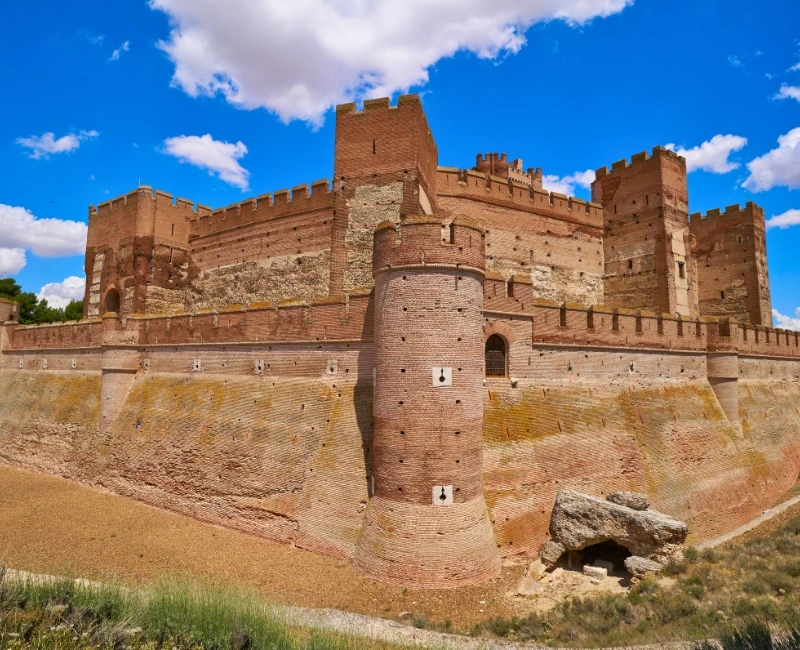
Valladolid’s strategic central location in Castilla y León makes it an excellent base for exploring medieval towns and natural areas within a 50 km radius. Medina del Campo, roughly 60 km away, is famed for its 15th-century Castle of La Mota, offering panoramic views of surrounding plains. The town’s historic center features a well-preserved Jewish quarter and the Collegiate Church of San Antolín, reflecting medieval commerce and religious life. Guided walks reveal stories of the Valladolid fairs held here in the 15th century, which attracted merchants from across Europe, underscoring the region’s historical significance.Northwest lies the Rueda wine area, where vineyard landscapes meet rural charm. Cycling routes through gently rolling terrain connect small villages and bodegas, enabling active exploration combined with wine tasting . Nature enthusiasts can visit natural parks or riverbanks near Valladolid: the Pisuerga River’s green corridors offer walking and cycling paths, birdwatching spots, and picnic areas within city limits, providing urban-nature balance.Further afield, the historic city of Salamanca (approximately 120 km) with its UNESCO-listed Old Town and prestigious university can be reached by train or car. Though beyond 50 km, this classic day trip is popular: early departures from Valladolid maximize time exploring its sandstone façades, Plaza Mayor, and cathedrals before returning. Similarly, Segovia’s Roman aqueduct and Alcázar lie within comfortable travel time, presenting iconic Castilian landmarks.Closer to Valladolid, smaller villages such as Urueña, declared a “Villa del Libro” (Book Town), offer niche cultural experiences: bookshops, literary events, and castle ruins atop gentle hills . In spring, fields surrounding Valladolid bloom with wildflowers, making countryside drives especially scenic. Autumn harvest season brings golden hues to vineyards and chestnut forests, ideal for photography and outdoor activities.Logistics: renting a car provides flexibility; trains and buses serve major nearby towns; organized excursions simplify itineraries. Planning visits during shoulder seasons balances favorable weather with manageable crowds. Returning each day to Valladolid ensures comfortable accommodation options and access to evening dining and cultural events in the city center . This mix of medieval towns and natural landscapes enriches any Valladolid stay, offering historical depth and scenic variety.
No ads. No trails. No commitments


Alice Roses
London, England
51 ST MATTHIAS ROAD
NOTTINGHAM, NOTTINGHAMSHIRE
NG3 2HF
Hours: 8:00 - 17:00, Mon - Sat
support@johnsonholidays.com