 Sal Travel
Guide
Sal Travel
Guide
Paris is known around the world as the “capital of love,” and even if you don't understand the history of Paris at all

6 Hours
£2.60
Sal boasts over 350 days of sunshine annually, making it a dependable destination for travellers seeking warmth in any season. Whether you escape winter chills or chase summer sun, Sal’s clear skies and bright days set the perfect backdrop for beach relaxation and outdoor adventures. Daytime temperatures generally range from mid-20s°C to low 30s°C, ensuring comfortable conditions for lounging on white sands or exploring natural attractions. Even evenings remain mild, ideal for seaside dining and starlit walks along the dunes. This consistent climate means you can plan with confidence: low rainfall and steady trade winds support activities such as kiteboarding, while sunny days enhance explorations of salt craters and coastal lagoons. For holidaymakers craving reliable sun and a cheerful atmosphere, Sal delivers every day of the year.
Learn More
Sal’s consistent trade winds and clear Atlantic waters position it among the top global destinations for kiteboarding and windsurfing. Beginners and experts alike find ideal conditions: schools in Santa Maria offer lessons from around £30 per session, with quality equipment included. Beyond wind sports, diving and snorkeling unveil vibrant reefs and marine life—guided dives often start at £50 per trip. Catamaran cruises and fishing charters introduce visitors to the island’s maritime side, with half-day excursions typically from £40–£60. Seasonal turtle nesting and occasional dolphin or whale sightings add wildlife encounters. Even non-water-sports travellers benefit: beachside lounges, sunset sail experiences, and stand-up paddleboarding provide relaxed alternatives. For active travellers seeking adrenaline or serene ocean vistas, Sal’s aquatic offerings cater to every preference.
Sal features striking landscapes that differ from typical tropical islands: Pedra de Lume’s salt crater invites you to float effortlessly in buoyant, mineral-rich waters, a memorable wellness-like experience often available for around £15 tour fee. Buracona’s “Blue Eye” natural pool offers an optical phenomenon when sunlight hits at the right angle, reached via guided jeep tours from roughly £40. Sandy desert expanses and volcanic rock formations create surreal backdrops for photography and exploration. The salt ponds that gave Sal its name still glimmer under the sun, and excursions highlight local history of salt production. For nature lovers and photographers, these distinctive environments provide offbeat experiences that linger in memory long after the beach days.
Learn More
Sal’s culture blends Portuguese heritage with African roots and Creole traditions, expressed vividly in music, dance, and cuisine. Santa Maria hosts live music nights featuring morna, coladeira, and funaná rhythms—the sounds that propelled artists like Cesária Évora onto the world stage. Attend a sunset beach party or local festival to experience community spirit firsthand. Markets offer artisanal crafts—handmade jewelry, woven textiles, and local rum bottles—ideal for meaningful souvenirs. Culinary experiences include tasting cachupa, fresh fish dishes, and tropical fruit juices, with casual meals typically from £5–£12. Engaging with friendly locals in cafés or at cultural events enriches understanding of island life, making your stay more than just a beach retreat but a cultural immersion.
Learn More
Compared to many sun destinations, Sal offers competitive pricing without sacrificing quality. Mid-range hotels often start from around £80 per night in shoulder seasons, with luxury options available under £200–£250 at peak times. Dining at local eateries remains budget-friendly: you can enjoy a hearty meal for around £5–£10, and a pint of local beer averages £2.60 (≈3 EUR). Water-sports lessons and equipment hire are priced reasonably around £30–£50, and guided excursions (salt crater, jeep tours) often cost under £50. With flight deals from the UK often starting around £300–£400 return during off-peak windows, Sal represents strong value for a winter-sun or summer break. This balance of affordability and variety ensures travellers can tailor budgets while enjoying memorable experiences.
Learn More
Sal’s Amílcar Cabral International Airport (IATA: SID) connects directly with major European hubs. From London, average flight time is approximately 6 hours 4 minutes. Seasonal charters and scheduled services make reaching Sal straightforward. Once on the island, transport options include taxis, aluguer minibuses, and rental vehicles; transfers between Espargos, Santa Maria, and key sites are simple to arrange. Island-hopping flights and ferries link Sal to other Cape Verde islands, facilitating multi-island itineraries. With reliable connections and a streamlined airport experience, travellers spend less time in transit and more enjoying the island’s offerings. For convenient sun-seeker escapes, Sal’s accessibility is a major draw.
Learn More
Lorem ipsum dolor, sit amet consectetur adipisicing elit. At illo adipisci iusto
From

Because more than 268 other customers have loved us too

Demonstrates commitment to user data security through encryption and secure payment practices
Learn More
Demonstrates commitment to user data security through encryption and secure payment practices
Learn More
Demonstrates commitment to user data security through encryption and secure payment practices
Learn More
Demonstrates commitment to user data security through encryption and secure payment practices
Learn More
Quality as judged by customers. Book at the ideal price!


/ person
/ person
/ person
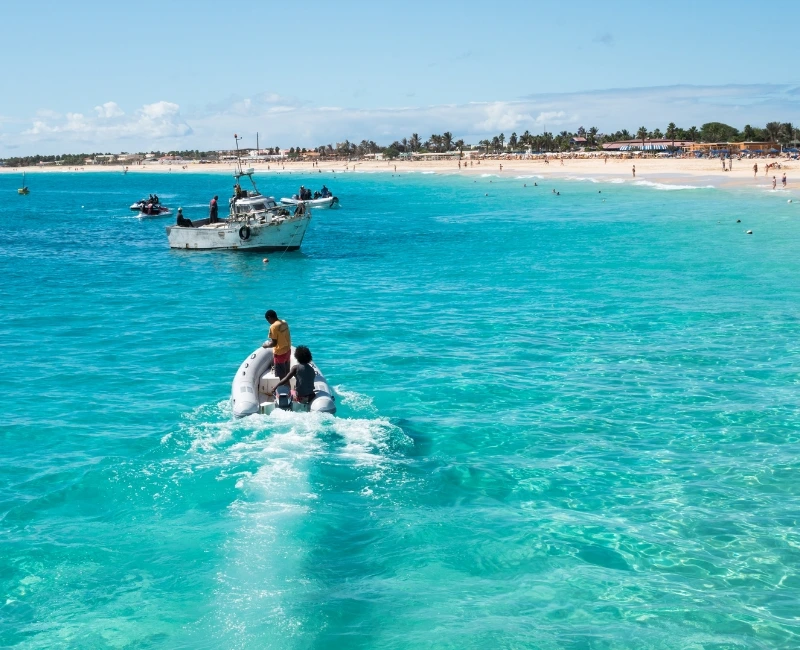
Santa Maria Beach is Sal’s signature shoreline: miles of powdery white sand meeting clear turquoise waters under blazing sun. This iconic stretch caters to sun worshippers, families, and social gatherings alike. Early morning, the beach is tranquil—ideal for yoga sessions or serene walks along the water’s edge as the sun rises over the Atlantic. Numerous beachfront cafés and chiringuitos open for breakfast, serving local coffee, fresh fruit bowls, and pastries, typically from around £3–£6 per person. As the day warms, loungers and umbrellas are available for hire at modest rates, offering comfortable vantage points to watch kitesurfers dance across the waves.By late morning, the sea invites swimmers: the gentle shallows near shore are safe for wading and snorkeling in calm bays, while further out, mild currents enable floating and leisurely paddling. Lifeguard presence at key points ensures peace of mind. For families, shallow waters and smooth sands make supervised play straightforward; children delight in sandcastle building, and parents can relax nearby. Midday brings opportunities to sample street food stalls offering grilled snacks or fresh smoothies for around £4–£8.Afternoons bring a vibrant scene as wind picks up: kitesurfing and windsurfing schools line the beach, with colourful kites and sails dotting the horizon. Even if you’re not participating, watching skillful riders carve through waves is captivating. Beginners can enroll in lessons (approx. £30–£40 per session), while experienced riders often rent equipment by the hour. Alternatively, paddleboarding and kayaking provide gentler ways to explore coastal stretches, often starting from £20 for equipment hire.As evening approaches, Santa Maria transforms into a social hub. Beachside bars host live music sessions or DJ sets, where sunset cocktails (from ~£4) accompany the golden hour. Dining options nearby range from fresh seafood grills (grilled fish for ~£10–£15) to international fusion dishes, all with ocean views. After dark, strolling along the lit promenade reveals relaxed nightlife: live bands, informal gatherings, and the gentle sea breeze create a convivial atmosphere.Santa Maria Beach also serves as a launch point for longer excursions: catamaran cruises at sunset (from ~£40) showcase panoramic vistas; fishing trips depart in late afternoon for anglers seeking reef fish or tuna; and guided snorkeling safaris explore nearby reefs after lunch. For photography enthusiasts, the interplay of light on water, colourful kites, and idyllic horizons yields countless memorable shots.In summary, Santa Maria Beach encapsulates Sal’s coastal allure: a blend of relaxation, family-friendly activity, water sports spectacle, and vibrant social life. Whether you arrive at dawn for solitude, midday for active pursuits, or evening for sunsets and gatherings, this beach delivers a full spectrum of experiences—each framed by warm waters, soft sands, and consistent sunshine.
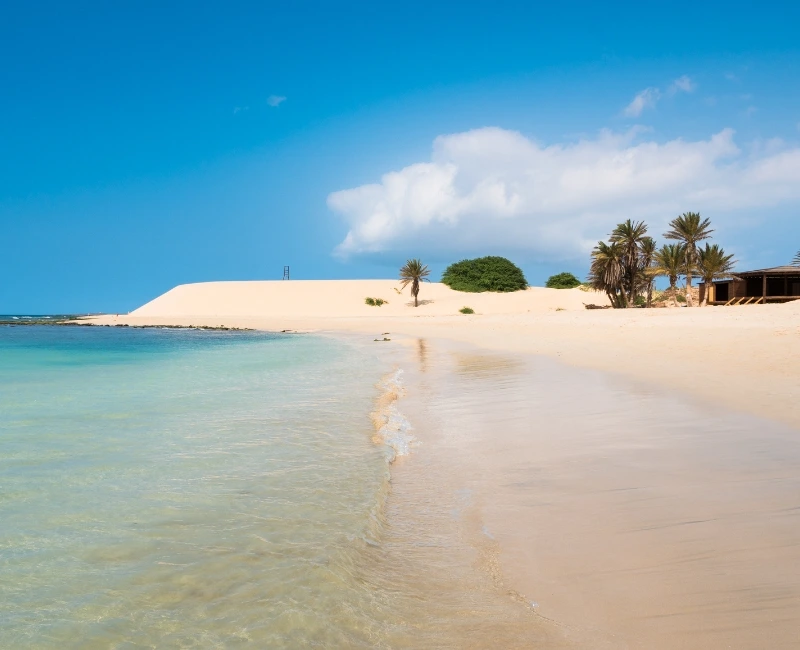
Ponta Preta, on Sal’s northwest shore, is celebrated for world-class waves and wind conditions that attract advanced kitesurfers and windsurfers. This rugged stretch differs from Santa Maria’s sandy expanse: here, rocky outcrops and powerful swells form thrilling conditions. For experienced riders, Ponta Preta offers adrenaline-fueled sessions; local kitesurf schools sometimes arrange guided trips here (equipment hire + guided transport from Santa Maria from ~£50). Watching professional riders tackle the waves is inspiring even if you do not participate.Beyond wind sports, Ponta Preta’s coastal scenery invites exploration: dramatic cliffs and volcanic rock formations overlook the Atlantic, creating photogenic vantage points. Hikes along the shoreline reveal hidden coves where snorkeling glimpses vibrant marine life in sheltered pockets when sea conditions allow. Photographers and nature lovers appreciate the contrast between rugged terrain and turquoise waters.The northern coast’s remote vibe rewards travellers seeking off-the-beaten-track experiences. Jeep tours (approx. £40–£60 per person) traverse salt flats and desert-like interiors en route to vantage points at Ponta Preta, combining inland landscapes with coastal panoramas. Sunset visits here are dramatic: the setting sun casting warm hues over crashing waves and dark rocks—ideal for contemplative moments or photography sessions.Local cafés near Ponta Preta are fewer than in Santa Maria, but you can plan a picnic or arrange with guides to include a snack break featuring local bread, cheese, and fruit. Remember to bring sun protection and sufficient water, as shade is minimal. For birdwatchers, occasional seabird sightings occur along cliffs. Tides and currents demand respect: always check conditions with local guides before entering the water.Ponta Preta also marks the start of scenic coastal drives: from here, extend your journey to Murdeira or Buracona, linking diverse landscapes in a single day. Camping under starlit skies near designated spots offers an immersive nature experience (ensure adherence to local regulations and safety guidelines). This northern coast area exemplifies Sal’s wild side: dramatic, less crowded, and ideal for those seeking rugged beauty and high-octane water-sport challenges.

Sal is renowned globally for kiteboarding and windsurfing, thanks to consistent trade winds averaging 15–25 knots, flat lagoons, and open ocean spots. Santa Maria Lagoon, shallow and protected, is ideal for learners: kite schools operate year-round, offering beginner packages (~£30–£40 per lesson) that include certified instructors, equipment, and safety briefings. Progression paths move from flat water technique to wave riding at spots like Ponta Preta for intermediate to advanced riders.For windsurfers, similar conditions apply: rental and lessons (~£30–£45 per session) accommodate those mastering harness use, sail control, and advanced maneuvers. Many operators tailor packages (multi-day courses) to accelerate skill development safely. Equipment is well-maintained and suited to varying rider levels. Off-peak seasons may offer discounts on lesson packages, while peak times require advance booking to secure spots.Beyond instruction, Sal attracts independent travellers bringing their own gear: many guesthouses and resorts provide secure storage and transport assistance. Local communities form informal meet-ups at prime spots, fostering camaraderie and exchange of tips. Competitions and freestyle jams occasionally occur, drawing international athletes and providing spectators with thrilling showcases.Marine life around kite spots includes occasional sightings of turtles and dolphins; while riding, you may glimpse turtles surfacing near reefs. Guided snorkeling trips often follow water-sport sessions, enabling deeper encounters with reef ecosystems: diving packages (~£50 per dive) reveal colourful coral gardens and schooling fish. Responsible operators emphasize environmental awareness, teaching riders and divers to respect marine habitats.Even non-participants enjoy the spectacle: beachfront cafés and viewing platforms enable comfortable observation of riders gliding, jumping, and carving waves. Photographers can capture dynamic imagery against dramatic backdrops of blue skies and crystalline seas. Sunset kite sessions add another dimension: golden light reflecting on sails creates unforgettable visual experiences.For families or mixed-skill groups, split activities work well: while some kite or windsurf, others relax on beaches or take snorkeling tours. Many resorts offer combined water-sport and leisure packages, balancing adrenaline with downtime. Always check local forecasts and follow instructor guidance for safety: conditions are generally reliable but can shift. Sal’s water-sport culture is inclusive: beginners find supportive entry points, while experts relish challenges and community events. This combination cements Sal’s reputation as a top-tier water-sport destination.

Sal’s clear Atlantic waters harbor diverse marine ecosystems, making diving and snorkeling highlights of any visit. Reefs around Santa Maria and deeper sites accessed by boat showcase abundant fish species, reef formations, and occasional pelagic sightings. Dive operators offer PADI-certified courses (approx. £300 for Open Water certification) and guided dives (~£50 per dive) for certified divers. Snorkeling excursions (from ~£25) cater to all ages: shallow reefs near shore allow safe exploration of colourful coral gardens, while boat trips reach more remote sites.One of Sal’s most captivating marine events is the turtle nesting and hatching season between July and September. Guided boat or beach tours (approx. £20–£30) allow respectful observation of adult female loggerhead turtles laying eggs at night, and later, watching hatchlings make their journey to the sea at dawn. Operators emphasize conservation: small group sizes, minimal disturbance, and adherence to guidelines ensure turtle welfare. These experiences foster appreciation for local ecology and contribute to protection efforts.For snorkelers and divers, occasional dolphin pods and small pelagic visitors add excitement. Some operators offer whale-watching boat trips in appropriate seasons, enhancing marine encounters. Underwater visibility often exceeds 20 meters, especially in calmer months, revealing impressive reef topography and marine life behaviour. Safety briefings cover currents, buoyancy control, and navigation, ensuring divers of all levels can enjoy sites responsibly.Equipment rental is available from reputable centres in Santa Maria, with gear maintained to international standards. Many dive centres include transport to dive boats and refreshments. For seasoned divers, deeper wreck dives may be arranged, exploring sunken vessels that now serve as artificial reefs. Photography opportunities abound: underwater cameras capture vibrant scenes that can be shared as lasting memories.Beyond sea excursions, marine-focused educational talks at eco-centres or local conservation organisations inform travellers about Cape Verde’s marine biodiversity and challenges such as plastic pollution. Volunteering options for short-term conservation activities (e.g., beach clean-ups) exist for those wishing to contribute positively. For families, combining snorkeling with light educational elements fosters awareness in younger travellers.In sum, Sal’s marine offerings span leisure snorkeling, certified diving, seasonal turtle encounters, and conservation engagement. Whether experiencing the thrill of swimming alongside reef fish, witnessing baby turtles hatching, or learning about marine protection, this guide ensures you make the most of Sal’s underwater treasures while supporting responsible tourism.

The salt crater at Pedra de Lume is Sal’s emblematic natural and historical site. Once an active salt mine, this volcanic crater now holds a saline lagoon where visitors float effortlessly in buoyant, mineral-rich waters. Guided tours (approx. £15) include transport from Santa Maria or Espargos, entrance fees to the crater area, and explanations of salt extraction history. The experience feels akin to a natural spa: gently floating on the shimmering surface against rugged volcanic walls.Historically, salt production shaped Sal’s development. Tours often incorporate visits to old mining installations and interpretative panels (or guide commentary) detailing how salt was harvested and exported, influencing local economy. This context enriches understanding of the island’s heritage beyond beaches. Photographic opportunities abound: the contrast of white salt crystals against dark volcanic rock under bright sun creates surreal landscapes.Near the crater, small cafés or refreshment stalls may offer light snacks and cold drinks (~£3–£5), ideal after the floating experience. Some tours include a short walk to nearby vantage points overlooking the crater and surrounding desert-like terrain. Guides may point out local flora adapted to saline conditions and desert microclimates.Combine a morning at Pedra de Lume with visits to Espargos market, where traders sell fresh produce, fish, and artisanal crafts. Engaging with vendors offers insight into daily life on Sal. Cultural tours can include visits to small villages such as Palmeira, where fishing remains part of the community’s livelihood. Sampling freshly caught fish dishes in local eateries (~£8–£12) adds culinary context to the day.For those interested in deeper history, some operators arrange storytelling sessions or visits to cultural centres where Creole music and dance traditions are showcased. Learning basic phrases in Cape Verdean Creole (e.g., “Obrigadu/Obrigada” for thank you) fosters goodwill with locals. Evening cultural nights in Santa Maria often feature live morna or funaná performances, inviting visitors to appreciate and participate in traditional rhythms.Photographers and history enthusiasts find the interplay of natural geology and human heritage compelling: salt pans gleaming in sunlight, aged mining equipment remnants, and local stories weave a narrative of adaptation and resilience. Engaging with guides ensures respectful appreciation of sites and supports local livelihoods through tourism. For visitors seeking more than sunbathing, Pedra de Lume offers a multifaceted cultural and natural excursion that deepens connection to Sal’s identity.
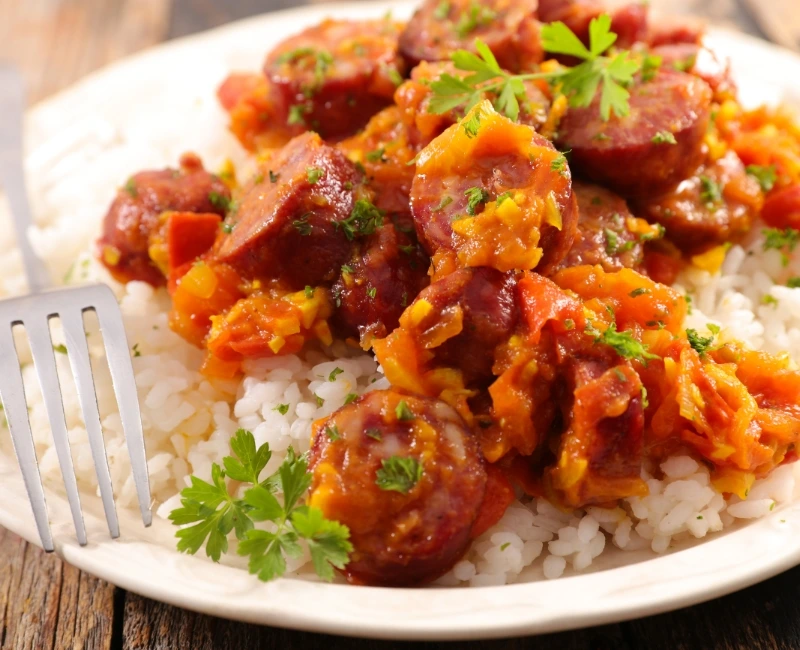
Sal’s cultural heartbeat resonates through its festivals, music nights, and culinary offerings. While the island is known primarily for beaches, immersing yourself in local traditions enriches the experience. Santa Maria hosts regular live music events where morna, coladeira, and funaná rhythms fill open-air venues—often free or low-cost (entrance/refreshments ~£3–£8). These performances showcase talented local artists and occasional visiting musicians, fostering a communal atmosphere under starlit skies.Annual events such as music festivals draw regional crowds: dates vary, but planning in advance can align your stay with these celebrations. Expect a fusion of modern and traditional influences, with DJs spinning upbeat tracks alongside acoustic sets. Dance opportunities arise spontaneously; don’t hesitate to join in local dances, enhancing cultural exchange.Culinary exploration on Sal balances casual beachside eateries and slightly more upscale venues. Try cachupa, the national stew, often with fish or meat variants, priced around £6–£10 per serving. Fresh seafood—grilled dorado, tuna, or lobster when in season—is abundant; main courses range £10–£20 depending on venue. Street markets and small cafés offer pastries, tropical fruit juices, and local coffee for around £2–£4, perfect for light meals or snacks. Sweet treats such as bolo de milho (corn cake) or fresh fruit desserts highlight local flavors.For a deeper dive, consider a cooking demonstration or informal session with local hosts, learning how to prepare simple Creole dishes. These experiences (approx. £20–£30 per person) may include market visits to select ingredients, fostering appreciation for local produce and culinary techniques. Many guesthouses and small restaurants pride themselves on home-style cooking—ask about specials of the day to taste authentic flavours.Visiting Santa Maria market reveals local life: fresh fish auctions in the early morning, vendors selling vegetables, fruits, and handmade crafts. Engaging with stallholders (a few Portuguese or Creole phrases help) provides insight into daily routines and socioeconomic context. Purchasing handcrafted souvenirs supports artisans directly; prices for small items start from around £3.Sal’s nightlife extends beyond music: beach bars host themed parties (e.g., reggae nights, DJ sets), often without cover charges but with drink minimums (~£4 per drink). Night markets occasionally appear, offering snacks and crafts in an informal setting. Safety is generally good; travel in groups or with trust in local advice for late-night outings.Cultural tours may include visits to community centres or NGOs where travellers learn about local initiatives (e.g., youth music programmes or environmental conservation). These visits (often free or donation-based) connect you with islanders working to preserve heritage and natural resources. Supporting these initiatives fosters sustainable tourism and leaves a positive impact.In sum, Sal’s festivals, music, and cuisine form an essential layer of the island experience. From lively evenings in Santa Maria to quiet culinary discoveries in small villages, engaging senses through sound and taste deepens understanding of Cape Verdean Creole culture. Embrace invitations to dance, share meals with locals, and attend events; these moments become lasting memories alongside sun-soaked beach days..

Between July and September, Sal’s beaches serve as nesting grounds for loggerhead turtles. Observing this natural phenomenon responsibly is a highlight: guided nighttime or early-morning tours (~£20–£30) led by trained local guides ensure minimal disturbance. Small groups gather on designated stretches at dusk to witness female turtles emerge from the sea, dig nests, and lay eggs, all under low-light conditions to protect them. Later, after incubation, tours guide travellers to observe hatchlings making their initial journey to the ocean at dawn—an emotional, unforgettable experience.Tour operators emphasize conservation: participants follow strict guidelines (no flash photography, maintaining distance, quiet observation) to safeguard turtle welfare. Fees often support local conservation projects, contributing to monitoring and protection efforts. Beyond direct sightings, educational components explain turtle life cycles, threats (e.g., plastic pollution, light pollution), and how travellers can help—simple actions like removing litter from beaches or using turtle-friendly lighting while staying near nesting areas.Off-season, visit environmental centres or volunteer with beach-clean initiatives (~free or donation-based), engaging in activities that sustain turtle habitats year-round. Some organisations welcome short-term volunteers to assist in data collection or awareness campaigns; inquire locally if you wish to integrate volunteer work into your stay.Sal’s environmental focus extends beyond turtles: guided nature walks explore desert-like interior landscapes with resilient flora and fauna adapted to arid conditions. Birdwatching opportunities arise at lagoons and salt flats: species such as flamingos or migratory shorebirds appear seasonally. Jeep or quad tours (~£40–£60) traverse these zones, combining adventure with ecological insights. Always choose operators prioritising sustainability, reducing vehicle disturbance to sensitive areas, and following designated paths.Natural pools like Buracona’s “Blue Eye” exemplify Sal’s geological curiosities. Guided visits (approx. £40 including transport) explain how volcanic rock and sunlight interplay to produce the “eye” effect when conditions align. Respectful visitation means avoiding overcrowding and adhering to safety instructions near cliffs. Sunrise or sunset visits amplify dramatic effects, offering striking photo opportunities.For wellness-minded travellers, sunrise yoga sessions on more secluded beaches or dune areas connect mind and body with nature. Local instructors sometimes offer group classes (~£10–£15 per session), combining gentle exercise with scenic backdrops. Mindful breathing by ocean shores or meditation near salt flats enriches mental renewal.In essence, Sal’s natural and conservation-driven experiences reveal the island’s ecological significance beyond leisure tourism. Witnessing turtle nesting, exploring arid interiors, birdwatching, and engaging in environmental initiatives deepen appreciation for fragile island ecosystems. Travellers return not only with memories but with understanding and motivation to support sustainable practices, making their visit beneficial for both themselves and Sal’s environment.

Sal’s interior reveals surprising desert-like expanses and geological wonders. A key highlight is Buracona, famous for its “Blue Eye”—a natural pool within volcanic rock that glows azure when sunlight strikes at specific angles. Guided jeep tours (approx. £40 including transport from Santa Maria) navigate salt flats and arid terrains before arriving at Buracona. Guides share insights on geology: how ancient volcanic activity shaped these landscapes and how erosion created the unique pool. Timing visits around midday when sunlight aligns can maximize the “eye” effect, but sunrise or sunset visits also offer striking contrasts between warm light and rugged rock formations.Beyond Buracona, the island’s arid center invites exploration: stretches of white salt flats glisten under the sun, evoking otherworldly scenes. Jeep or quad excursions (~£40–£60) traverse these flats, sometimes combining stops at abandoned mining sites where remnants of salt-harvesting machinery tell stories of the island’s past. Photographers appreciate the interplay of textures: flat, reflective salt surfaces against expansive skies create minimalist compositions.Further inland, Monte Grande offers a hiking opportunity: a relatively short but steep ascent (guided hikes may cost ~£20) rewards with panoramic views of Sal’s coastline meeting the Atlantic, and distant islands may be visible on clear days. The trail traverses desert scrub and volcanic rock; sturdy footwear, sun protection, and water are essential. Guides explain local plant adaptations and any wildlife sightings (lizards, birds). This hike contrasts beach experiences with a sense of remoteness and physical challenge.Palmeira and Murdeira, coastal villages on Sal’s west side, showcase fishing traditions. Visits here combine cultural and nature aspects: watch fishermen haul in catches, explore small harbours, and taste freshly prepared seafood at local eateries (~£8–£12). Nearby rocky shores offer tidepool exploration—snorkeling in shallow pools reveals small marine creatures. Respectful behaviour around fishing activities supports local livelihoods.For sunset enthusiasts, coastal vantage points such as Ponta Preta cliffs or eastern dunes provide dramatic panoramas: the sun sinking into the Atlantic casts warm hues across desert landscapes and sea. Guided sunset tours (~£30) may include light snacks and drinks, offering comfortable viewing setups. Photography workshops sometimes organise sessions here, teaching composition techniques in challenging light.Sal’s desert and geological features remind travellers that island beauty extends beyond beaches. Combining visits to Buracona, salt flats, volcanic peaks, and fishing villages offers a comprehensive perspective on Sal’s diverse landscapes. Whether seeking adventure, photography inspiration, or quiet reflection in remote settings, this guide ensures you discover Sal’s hidden natural dimensions, enriching your island escape with offbeat discoveries.
No ads. No trails. No commitments


Alice Roses
London, England
51 ST MATTHIAS ROAD
NOTTINGHAM, NOTTINGHAMSHIRE
NG3 2HF
Hours: 8:00 - 17:00, Mon - Sat
support@johnsonholidays.com