 Lesser Poland Travel
Guide
Lesser Poland Travel
Guide
Paris is known around the world as the “capital of love,” and even if you don't understand the history of Paris at all

2.5 Hours
£2.50
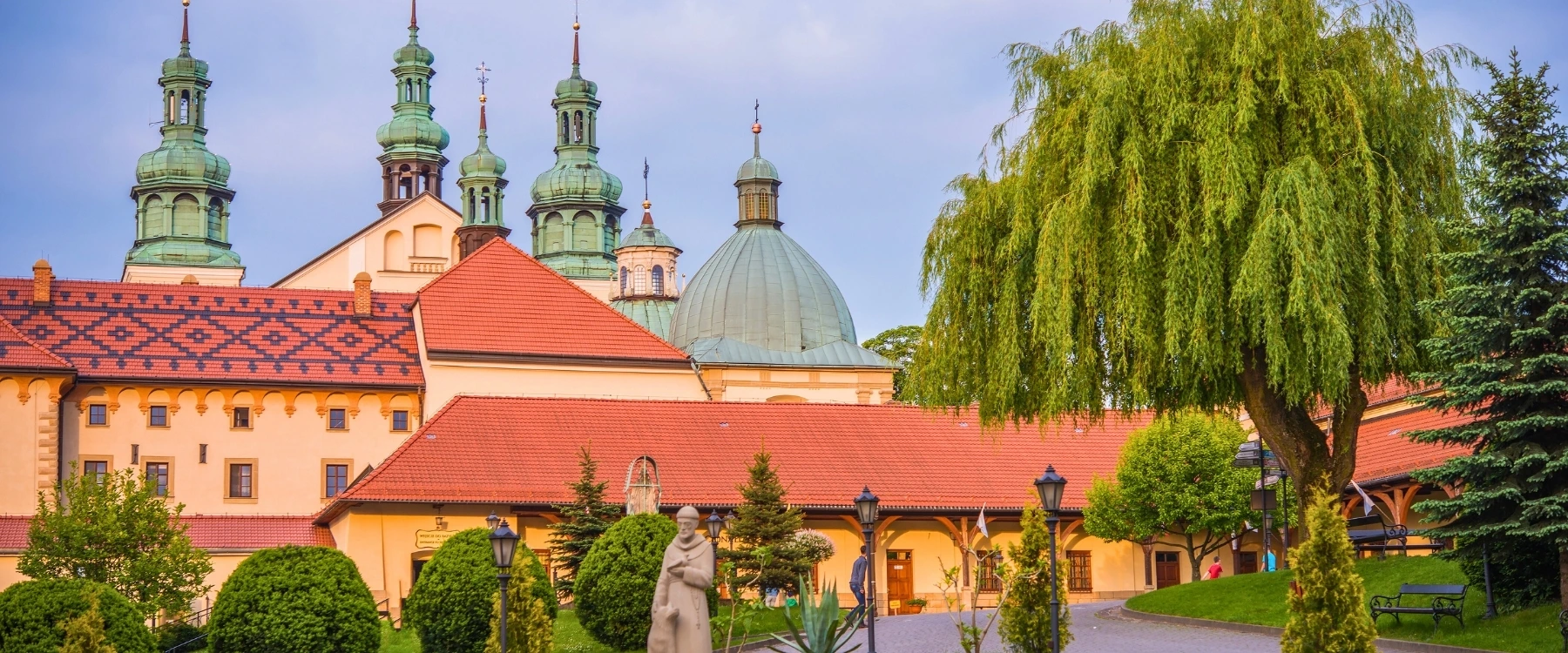
Lesser Poland is a treasure trove of historical and cultural landmarks. At its heart stands Kraków, once the capital of Poland and today a vibrant city where Gothic cathedrals, Renaissance squares, and Baroque churches coexist in harmony. Visitors can explore Wawel Castle, perched above the Vistula River, which has witnessed centuries of royal ceremonies and now houses art collections and state apartments. Beyond Kraków, medieval towns like Tarnów and Sandomierz boast well-preserved Old Towns, town halls, and defensive walls that transport you back in time. Folk traditions remain alive in highland villages, where visitors can observe regional dances, folk costume exhibitions, and artisans crafting pottery or woodwork. This deep-rooted heritage ensures that every street, museum, or local event reveals another layer of Małopolska’s story, making the journey both educational and emotionally resonant.
Learn More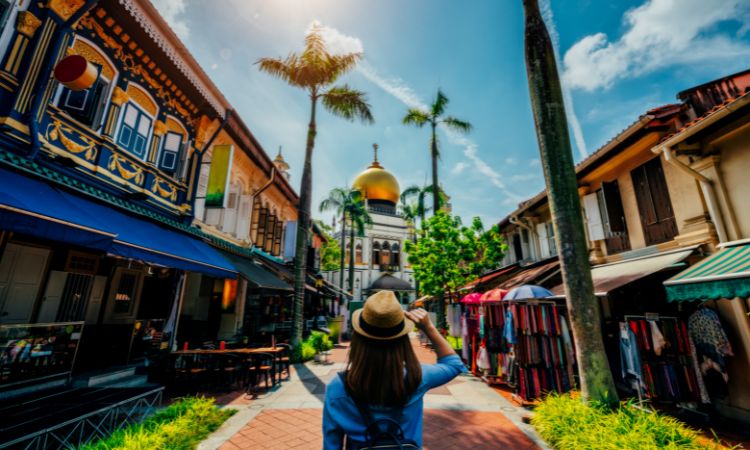
Lesser Poland is home to multiple UNESCO-listed treasures. The Wieliczka Salt Mine, an underground labyrinth of chambers, chapels, and sculptures carved from rock salt, offers a surreal subterranean adventure. The historic center of Kraków, including the Main Market Square and surrounding monuments, shares its heritage status with Auschwitz-Birkenau, a sobering reminder of history located within reach for respectful, informative visits. Wooden churches in the region, with their unique architectural styles and intricate interiors, reflect centuries-old craftsmanship. These globally recognized sites highlight Małopolska’s significance on the world stage and provide enriching experiences that combine wonder, reflection, and education. Visiting these landmarks offers insight into universal themes of human creativity and resilience.
Learn More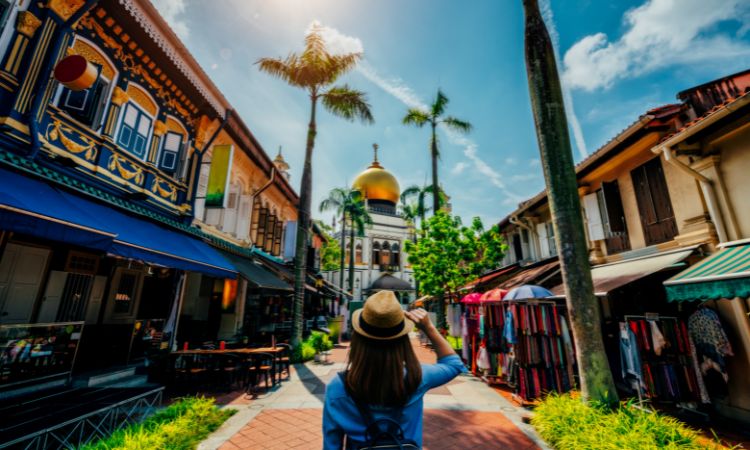
From the dramatics of the Tatra Mountains to gentle river valleys, Lesser Poland’s landscapes cater to all levels of adventure. Hikers can ascend trails to mountain huts and alpine lakes, breathe in crisp air, and witness panoramic views that reward effort. In winter, slopes around Zakopane offer skiing and snowboarding. The Dunajec River Gorge invites rafting or scenic float trips through steep canyon walls, framed by verdant forests and limestone cliffs. Cycling routes along the Vistula and through upland plateaus reveal rural panoramas dotted with farms and orchards. Wildlife enthusiasts can spot endemic species in national parks or bird-watch along peaceful wetlands. Whether seeking adrenaline or tranquility, Małopolska’s natural diversity ensures memorable outdoor pursuits.
Learn More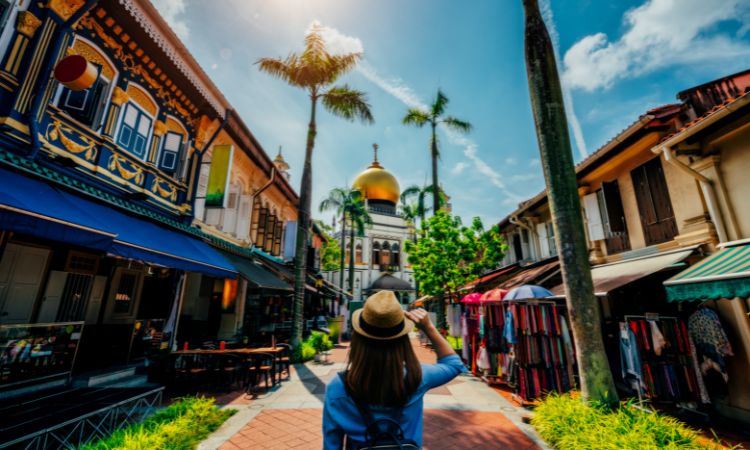
Lesser Poland’s cuisine is hearty, comforting, and rooted in local produce. In Kraków, you can sample obwarzanek, a sesame-topped ring bread sold on street corners, or enjoy fresh pierogi filled with cheese, mushrooms, or seasonal fruits. Mountain cheese (oscypek) from the Tatra highlands is smoked and often served with tangy cranberry jam. Traditional soups like żurek or barszcz warm the soul, while local bakers produce kremówka—cream-filled pastry set to fame by a papal anecdote. Farmers’ markets brim with apples, mushrooms, honey, and preserves, allowing visitors to savor authentic flavors. Wine and craft beer breweries in the region showcase Poland’s emerging artisan beverage scene. Affordable prices—around £2.50 for a pint of local beer—encourage culinary exploration at cafés, taverns, and family-run eateries.
Learn More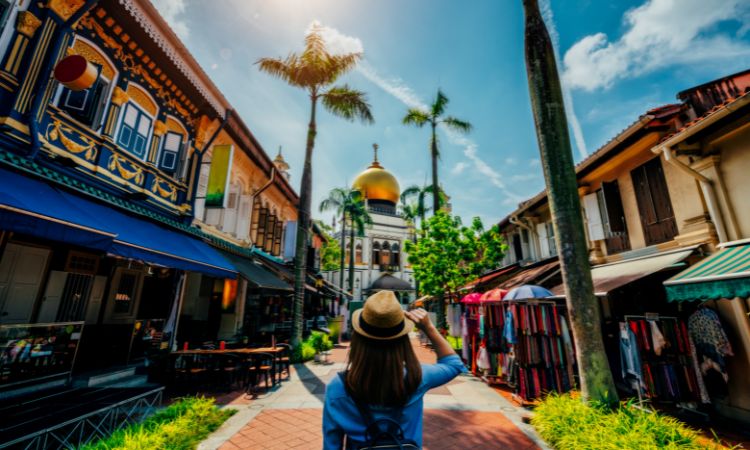
Małopolska’s spa heritage dates back centuries, with mineral-rich springs reputed for healing properties. Towns like Krynica-Zdrój, Busko-Zdrój, and Szczawnica offer thermal baths, wellness centers, and relaxing promenades. After exploring medieval sites or hiking mountain trails, visitors can unwind in pools fed by mineral waters, indulge in spa treatments, or stroll restorative parks. These retreats combine modern facilities with historic charm, often set against scenic backdrops. The synergy of cultural exploration and wellness makes Lesser Poland ideal for those seeking both activity and relaxation, ensuring a balanced holiday experience.
Learn More
Compared to many Western European destinations, Lesser Poland offers excellent value. Accommodation ranges from boutique guesthouses in historic towns to comfortable hotels near ski resorts, often at prices lower than major European cities. Dining in local restaurants and cafés is budget-friendly, with generous portions of traditional dishes at modest cost. Public transport—including trains and buses—is efficient and affordable, making regional exploration convenient without high expenses. Combined with the region’s wealth of free or low-cost attractions—medieval streets, parks, hiking trails, and cultural festivals—travelers can enjoy a richly diverse itinerary without overspending. This affordability enhances the appeal for solo travelers, families, and groups alike.
Learn More
Lorem ipsum dolor, sit amet consectetur adipisicing elit. At illo adipisci iusto
From

Because more than 268 other customers have loved us too

Demonstrates commitment to user data security through encryption and secure payment practices
Learn More
Demonstrates commitment to user data security through encryption and secure payment practices
Learn More
Demonstrates commitment to user data security through encryption and secure payment practices
Learn More
Demonstrates commitment to user data security through encryption and secure payment practices
Learn More
Quality as judged by customers. Book at the ideal price!


/ person
/ person
/ person
Kraków stands as the epicentre of Lesser Poland’s cultural heritage, inviting visitors to immerse themselves in centuries of art, architecture, and living traditions. The UNESCO-listed Old Town unfolds around the vast Market Square, where the Cloth Hall’s arcades host local artisans and the hourly trumpet signal from St. Mary’s Basilica resonates across cobbles. Wawel Hill commands attention: ascend to the Cathedral’s chapels and royal tombs, wander through the Castle’s state rooms adorned with Renaissance paintings, then explore the Dragon’s Den cave beneath, where legend meets atmosphere. Beyond the main sights, narrow lanes reveal historic cafés and traditional milk bars serving hearty fare for modest prices—think pierogi or zapiekanka with a pint for around £2.50.The Jewish Quarter, Kazimierz, speaks of multicultural layers: restored synagogues sit alongside contemporary galleries, street art, and cafés where one can sample local delicacies. Podgórze district offers reflective visits to wartime memorials and a glimpse of urban revival in creative eateries. Guided walking tours—on foot or by bicycle—trace these stories, while boat trips on the Vistula present a different perspective of city walls and riverside parks. Seasonal festivals fill theaters, squares, and courtyards with music, folklore performances, and art exhibitions. Evenings come alive with live music venues and traditional folk shows.Spending several days in Kraków allows a balance: mornings wandering monuments before crowds arrive; afternoons exploring off-the-beaten paths, workshops teaching pottery or embroidery; evenings sampling local craft beer or regional dishes in cosy taverns. Day trips from Kraków bring further heritage: medieval towns, salt mines, or natural parks within easy reach. Yet the city itself is a microcosm of Małopolska’s soul—where past and present coexist, and each street corner holds a story. This blend of iconic landmarks, hidden gems, local hospitality, and accessible pricing makes Kraków’s Historic Heart a cornerstone of any Lesser Poland journey.
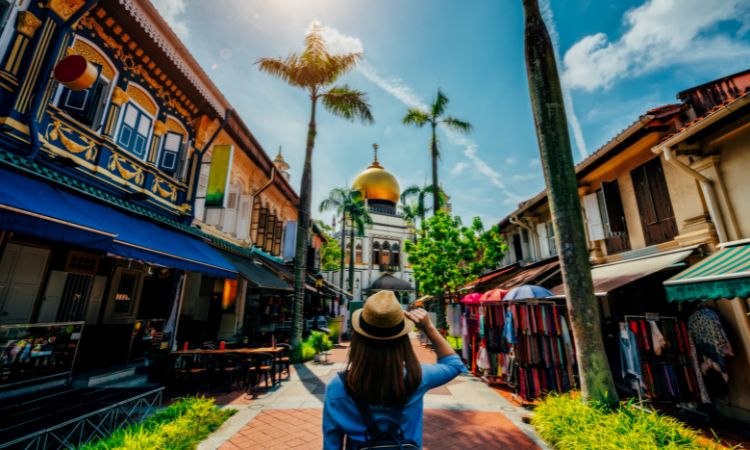
Venturing beyond Kraków uncovers Lesser Poland’s tapestry of medieval castles, fortified towns, and artisanal traditions that speak of strategic crossroads and community life through centuries. Set out to discover castles perched dramatically on limestone cliffs or overlooking lakes: Ojców Castle within a national park offers atmospheric ruins and valley panoramas; Niedzica Castle presides above Czorsztyn Lake, where boat trips reveal mountain reflections. Towns such as Tarnów enchant with Renaissance façades and relaxed cafés; Sandomierz perches above the Vistula with vaulted cellars, a hilltop castle, and a charming market square where local produce markets often appear.Salt-mining heritage is palpable in Bochnia and Wieliczka: descend underground with a guide to witness chapels carved in salt rock, vast chambers illuminated to showcase sculptures, lakes, and mining machinery. These subterranean journeys blend technical history with spiritual echoes, offering unique perspectives on medieval industry. Wooden churches scattered across villages exhibit skilled craftsmanship: plain exteriors give way to richly decorated interiors, painted iconography, and timber joinery techniques preserved for generations. Seasonal medieval fairs and folk festivals in these towns animate squares with costumed reenactments, craft workshops, and live music, allowing immersive engagement with traditions.Exploring on foot, by bicycle or rental car, routes through rolling uplands and river valleys reveal pastoral scenes: farms, orchards, and roadside stalls selling honey or mushrooms. Visiting local workshops invites participation in pottery-making or woodcarving, connecting visitors directly to living crafts. Accommodation can range from historic guesthouses in medieval centres to countryside inns where breakfast features homemade cheeses. Meals in family-run taverns serve stews and dumplings reflecting regional recipes. Affordable transport links—trains or buses—connect these gems, while guided tours provide context and storytelling that enliven each site. Together, these medieval treasures illustrate Lesser Poland’s strategic importance through eras, enduring local customs, and warmth of small-town hospitality.
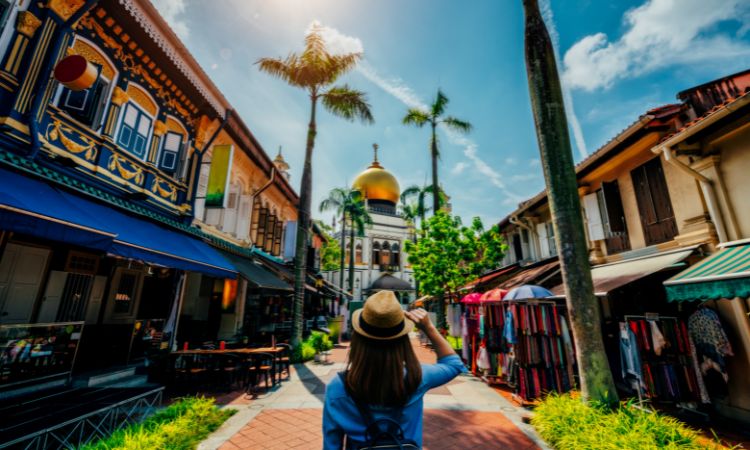
The Tatra Mountains define Lesser Poland’s southern edge, offering a playground for outdoor enthusiasts and a window into highlander culture. Zakopane, the mountain resort town, serves as basecamp: its wooden architecture and lively street markets set the tone, with restaurants dishing regional specialties like oscypek cheese served with cranberry jam and kwasnica soup to warm hikers after exertion. Hiking trails branch from valley entrances: the trek to Morskie Oko lake is well-marked and rewarding, taking several hours round-trip, presenting clear alpine waters embraced by peaks. For experienced trekkers, ascending Rysy—Poland’s highest peak—demands preparation, proper gear, and possibly a local guide; the panoramic summit views justify the effort.Winter transforms the Tatras into a ski haven: slopes of varied difficulty around Zakopane and nearby resorts attract skiers and snowboarders, supported by ski lifts and equipment rentals. Après-ski culture thrives in mountain inns, where visitors can enjoy warming dishes and local brews. Year-round seasonality shapes experiences: spring brings melting snow and emerging wildflowers; summer ushers in lush meadows; autumn paints forests in gold and red; winter blankets slopes and trails in snow. Beyond hiking and skiing, adrenaline seekers can try via ferrata routes affording secure climbing on exposed rock faces, canyoning through mountain rivers in warmer months, or mountain biking on trails weaving through forests and uplands.Highland villages such as Chochołów or Kościelisko welcome travelers seeking authentic rural life: wooden cottages, grazing sheep, and artisan stalls offering woolen crafts or smoked cheeses. Homestays or guesthouses immerse you in local rhythms—early morning sounds of nature, hearty breakfasts made with regional produce, and evenings spent sharing stories with hosts. Photographers find endless motifs: misty valleys at dawn, rugged peaks bathed in sunset light, or vibrant flora against rocky backdrops. Safety note: always check weather forecasts, trail conditions, and carry appropriate gear; consider guided excursions for complex routes. The Tatras blend challenge, natural beauty, and cultural immersion—essential for adventurous spirits exploring Lesser Poland.
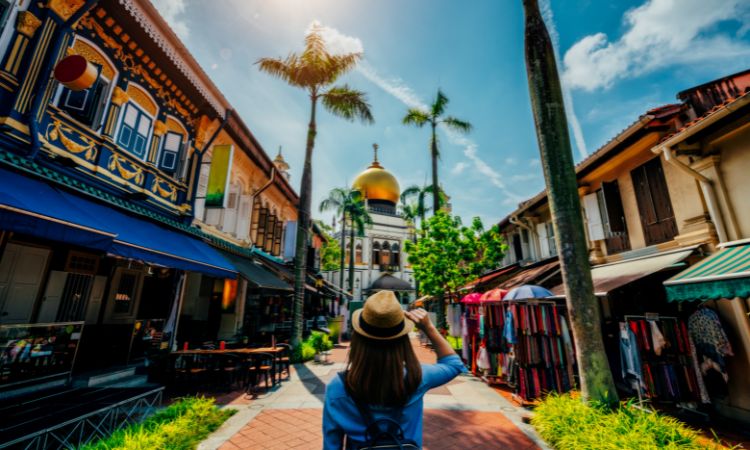
The Dunajec River Gorge exemplifies Lesser Poland’s capacity for memorable outdoor escapes—centuries-old wooden raft trips combine tradition, scenery, and gentle excitement. Guided by local boatmen, rafts drift through a canyon flanked by steep limestone cliffs draped in greenery; occasional mild rapids add subtle thrills, while tranquil stretches invite reflection on the natural amphitheatre. Trips often start near Szczawnica or Krościenko: choose the length suited to your comfort, knowing that weather can shift, so layering and waterproof items are prudent. Alongside rafting, hiking trails ascend to viewpoints offering sweeping vistas of the gorge; cycling routes along the river valley connect villages where refreshments such as fresh mountain water or local snacks await.Beyond Dunajec, Lesser Poland’s outdoor palette includes caves in Ojców National Park: guided tours reveal stalactites, stalagmites, and paleontological finds within cool underground chambers. Mountain biking on upland plateaus uncovers panoramic farmland and forest views; some trails accommodate beginners, others challenge seasoned cyclists. Lakes such as Czorsztyn or Rożnów invite swimming, paddleboarding, or boat rentals in warmer months, while picnic spots along shorelines offer relaxation amid nature. Birdwatching in wetlands by the Vistula can reveal migratory species; early mornings heighten chances of sightings. Seasonal changes alter experiences: spring melt swells rivers, summer warmth encourages water activities, autumn foliage enriches hiking vistas, winter opens cross-country skiing in select valleys.For families or less-active travellers, gentle walks along riverside paths, short nature trails, or scenic drives through uplands provide immersion without strenuous effort. Local operators offer guided excursions that combine outdoor activity with historical or ecological commentary, deepening appreciation. Safety considerations: check conditions, follow marked trails, and respect guidelines for wildlife and conservation zones. Costs remain moderate: rafting trips and guided hikes often cost modest fees (in the region of £15–£25 depending on length), making these escapes accessible. Whether seeking mild adventure or serene communion with nature, Lesser Poland’s outdoor offerings centered on the Dunajec and beyond cater to varied interests, showcasing the region’s diverse terrain and enduring appeal.
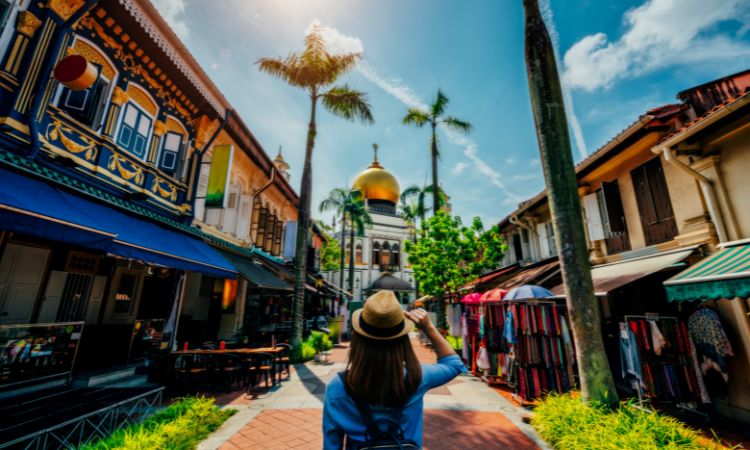
Lesser Poland’s spa towns and wellness retreats draw on mineral-rich springs and serene settings to offer restorative experiences that complement cultural sightseeing or outdoor adventure. Krynica-Zdrój, dubbed the “Pearl of Polish Spas,” combines elegant 19th-century promenades lined with historic architecture and modern wellness centres. Mineral baths reputedly soothe joints and muscles; spa parks with shaded promenades invite leisurely strolls. Nearby hills provide gentle hiking opportunities for post-treatment relaxation. Busko-Zdrój, another established resort, features facilities offering thermal baths, mud treatments, and physiotherapy services in a compact town easily navigable on foot. Szczawnica, nestled by the Pieniny Mountains, blends spa parks with access to rafting on the Dunajec or light nature walks, ideal for alternating activity with relaxation.Smaller resorts—Muszyna, Piwniczna-Zdrój, or Rabka-Zdrój—offer quieter atmospheres amid forests and rolling hills, suited to travellers seeking solitude. Wellness centres provide varied treatments: mineral or thermal baths, massages, aromatherapy, peat-based therapies, or holistic packages combining spa use with healthy regional cuisine. Accommodation spans historic spa hotels preserving early 20th-century charm to modern complexes with comprehensive wellness suites. Day passes allow flexibility for those staying elsewhere; multi-day programs cater to deeper therapeutic objectives, sometimes including diagnostic consultations or physiotherapy for recovery. Restaurants within spa towns often emphasize nourishing dishes using local produce—vegetable soups, lean proteins, and herbal infusions—supporting overall wellbeing.Booking in peak season (summer) may require advance reservations; shoulder seasons (spring, autumn) often bring milder crowds and potentially discounted packages. Weather can influence enjoyment: indoor thermal pools are available year-round, while outdoor pools are delightful in warmer months. Spa towns maintain a relaxed pace: mornings might begin with gentle exercises or Nordic walking groups; afternoons dedicated to treatments; evenings in quiet cafés sampling local jams or herbal teas. This balance of active exploration of cultural or natural sites and dedicated wellness time makes Lesser Poland’s spa retreats an essential category for travellers seeking rejuvenation amid historical and natural surroundings.
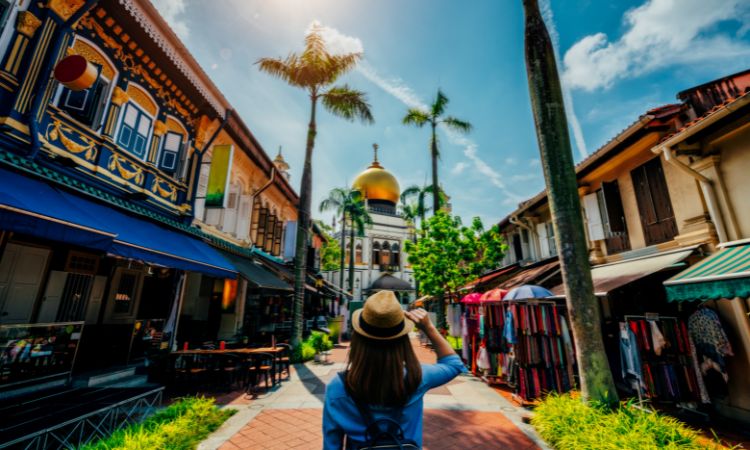
Complementing traditional spa towns, Lesser Poland boasts modern thermal bath complexes and health resorts designed for family enjoyment, rehabilitation, and overall relaxation. Geothermal pools—indoors and outdoors—maintain comfortable temperatures year-round, often featuring water jets, bubble zones, and children’s play areas. Complexes near Kraków or in smaller towns may include slides and leisure zones, making them appealing for families looking to balance sightseeing with downtime. Health resorts provide diagnostic services and physiotherapy programs: those recovering from injuries or seeking preventive care can benefit from tailored regimens combining mineral therapies, exercises, and expert consultations.Facilities typically incorporate saunas, steam rooms, and salt caves, supporting respiratory health and stress relief. Many resorts offer day passes for short visits or extended stays with packages including multiple treatments per day. Surrounding landscapes—whether forested foothills or riverside settings—enhance the experience: nature walks before or after treatments bolster mental wellbeing. Local cuisine at resort restaurants focuses on balanced menus: soups rich in vegetables, lean proteins, and locally sourced ingredients. Accommodation ranges from family-friendly hotels adjacent to pools to boutique lodgings emphasizing tranquility, often with easy access to cultural sites or outdoor excursions.Seasonality affects availability: outdoor thermal pools are most enjoyable in spring through autumn, while indoor facilities remain open in winter, providing warmth after cold-weather activities. Visiting midweek or in shoulder seasons can yield lower rates and fewer crowds. Safety: pools adhere to hygiene standards, and medical facilities monitor health-focused programs. For those combining active touring of Kraków, medieval towns, or mountain hikes with restorative interludes, these thermal baths and health resorts offer convenient and effective ways to balance exertion and recuperation. Costs remain moderate—day passes often under £20—and range of treatment packages caters to varied budgets and needs, making this category a versatile addition to any Lesser Poland itinerary. .
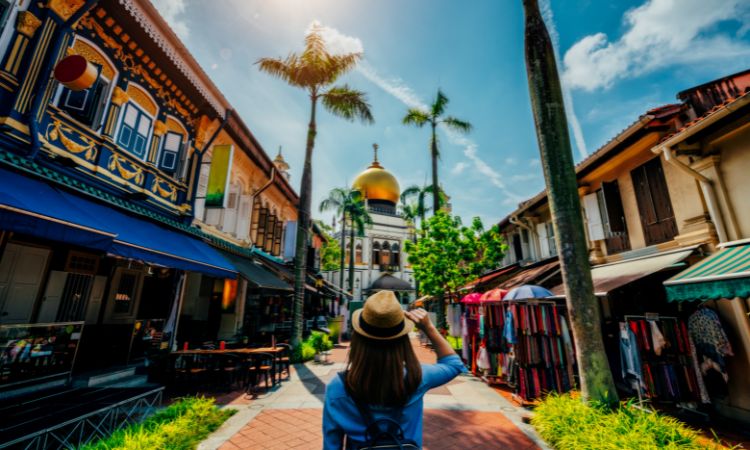
Lesser Poland’s culinary landscape is grounded in hearty, comforting dishes, artisanal products, and emerging craft beverages, inviting travellers to taste regional identity in every bite. In Kraków and beyond, pierogi take center stage: dumplings filled with cheese, potatoes, mushrooms, meat, or fruits are boiled or pan-fried, often accompanied by sour cream or melted butter. Highland oscypek cheese—smoked and firm—pairs with cranberry jam for a sweet-savory snack after mountain hikes. Soups such as żurek (sour rye soup with sausage and egg) or barszcz (beetroot soup) warm on cooler days; summer menus feature fresh salads with local vegetables and forest mushrooms. Bakers produce kremówka (cream cake) and poppy-seed pastries enjoyed year-round, while seasonal treats appear at festivals.Farmers’ markets across towns offer apples from orchards, wild mushrooms foraged from forests, honey in varied floral notes, and preserves made by local households. Visiting a market provides both culinary insight and an opportunity to support producers directly. Breweries experiment with craft beers featuring regional ingredients—honey, berries, or herbs—while cider houses present fruit-based alternatives. Distilleries craft nalewki—fruit-infused vodkas—served in small tastings; these traditional spirits speak of homegrown techniques. Cooking workshops let visitors learn how to fold pierogi correctly, prepare highlander stews, or bake pastries under local chefs’ guidance.Food festivals punctuate the calendar: mushroom fairs in autumn showcase foraging culture; honey festivals celebrate beekeeping heritage; wine tastings introduce visitors to emerging Polish vintners. Guided food tours lead travellers to hidden gems—from family-run milk bars to historic cafés—where cost remains affordable (a hearty lunch often £5–£10). Regional restaurants may serve multicourse tasting menus highlighting local ingredients with contemporary twists, slightly higher priced but still good value compared to Western Europe. Engaging with food culture—through tasting, shopping at markets, or participating in workshops—immerses travellers in Lesser Poland’s living traditions and supports local economies, making cuisine a central pillar of any journey here.
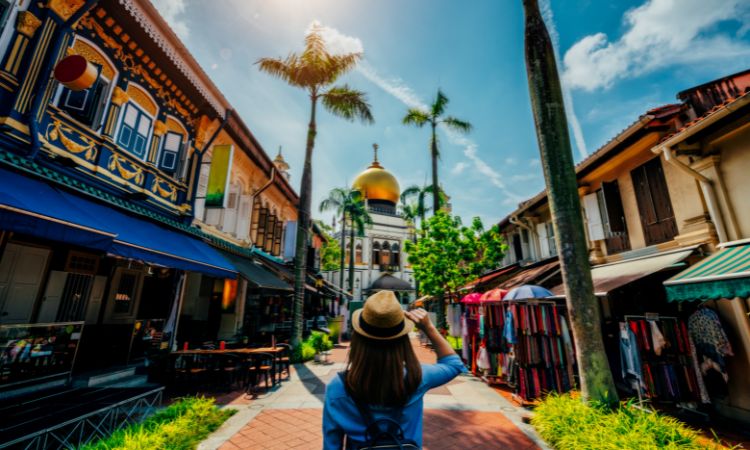
Lesser Poland’s calendar of markets and culinary festivals reflects deep-rooted traditions and community spirit, offering travellers immersive experiences beyond standard sightseeing. Weekly farmers’ markets in Kraków, Tarnów, and smaller towns bring fresh produce—spring strawberries, summer vegetables, autumn apples and mushrooms—to stalls where locals gather. Markets also display handicrafts: embroidered textiles, pottery, wooden souvenirs—providing cultural context alongside gastronomic delights. Seasonal fairs focus on themes: autumn mushroom festivals in forested areas feature guided foraging walks followed by tasting events; honey festivals celebrate beekeeping heritage with apiary demonstrations and sampling; wine festivals showcase Poland’s growing viticulture, with local vintners offering tastes of regional varietals.City-based food festivals spotlight street food gatherings, gourmet evenings, and highlander showcases where traditional dishes meet live folk music and dancing. Kraków’s culinary events might include guided tasting tours through hidden cafés, evening food walks combining history and bites, or chef-led masterclasses on pierogi or regional desserts. Highland villages host folklore gatherings where music, dance, and mountain cuisine converge—guests may sample smoked cheeses, hearty stews, and herbal infusions around bonfires. Holiday markets at Christmas and Easter transform squares into festive hubs, with artisanal gifts and seasonal treats like gingerbread or traditional Easter breads.Participation can extend to workshops: mushroom foraging tours guided by experts, hands-on bread-baking sessions in village bakeries, or cheese-making demonstrations on mountain farms. Costs vary: many markets are free to enter, with purchases optional; festival entry fees (often modest, e.g., £5–£10) may include sampling tickets. Timing visits to coincide with key events enhances cultural immersion, but year-round there is always a local market or smaller fair to explore. These dynamic culinary events deepen understanding of Lesser Poland’s heritage, connect travellers with artisans, and create memorable shared experiences centered on food, community, and tradition.
No ads. No trails. No commitments


Alice Roses
London, England
51 ST MATTHIAS ROAD
NOTTINGHAM, NOTTINGHAMSHIRE
NG3 2HF
Hours: 8:00 - 17:00, Mon - Sat
support@johnsonholidays.com