 Tunis Travel
Guide
Tunis Travel
Guide
Paris is known around the world as the “capital of love,” and even if you don't understand the history of Paris at all

3 Hours
£1.30
Tunis is a living history book: wander the UNESCO-listed medina’s narrow alleys lined with artisan workshops, discover centuries-old mosques and palaces, and then venture to Carthage’s ancient ruins just a short drive away. Booking through our service ensures guided insights into lesser-known historical gems, priority access to certain sites, and contextual storytelling from local experts. You’ll benefit from curated itineraries that reveal the layers of Tunisian history—from Phoenician and Roman eras through Islamic and Ottoman influences to the French colonial period—providing a deeper understanding beyond typical sightseeing.
Learn More
Tunis’s culinary scene is a feast for the senses: sample fresh seafood at seaside cafés, taste brik pastries and spicy merguez in bustling markets, and enjoy aromatic tagines in traditional restaurants. Our curated food tours and restaurant recommendations highlight hidden gems favored by locals, ensuring you experience genuine flavours rather than tourist traps. We arrange cooking workshops with Tunisian chefs, market visits to learn about local ingredients like harissa or olive oil, and tastings of Tunisian wines and date-based desserts. Whether you’re a foodie or just curious, booking with us means savouring Tunis’s gastronomic richness safely and memorably.
Learn More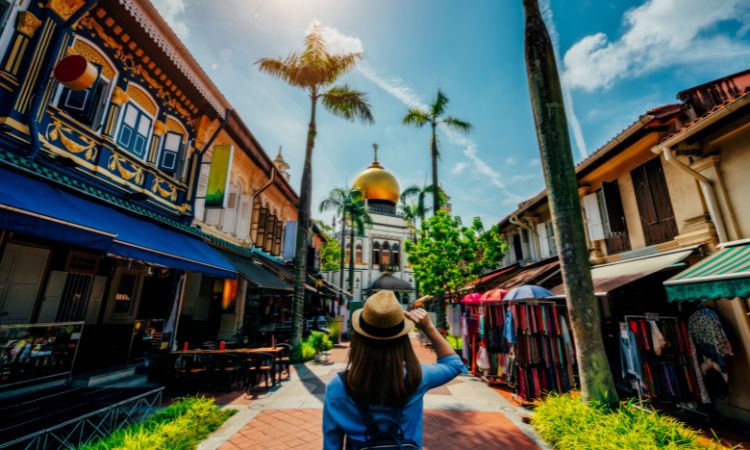
From charming riads in the historic medina to modern beachfront resorts and business hotels in La Marsa or Gammarth, Tunis offers accommodation for various tastes and budgets. Through our partnerships, we secure competitive rates and room upgrades when available. We tailor stays based on your preferences—whether you want to immerse in traditional architecture close to souks, enjoy sea views on the Corniche, or stay near conference centers in the Ville Nouvelle. All properties vetted ensure high standards of cleanliness, service, and safety. Booking through us simplifies the process and gives peace of mind before and during your trip.
Learn More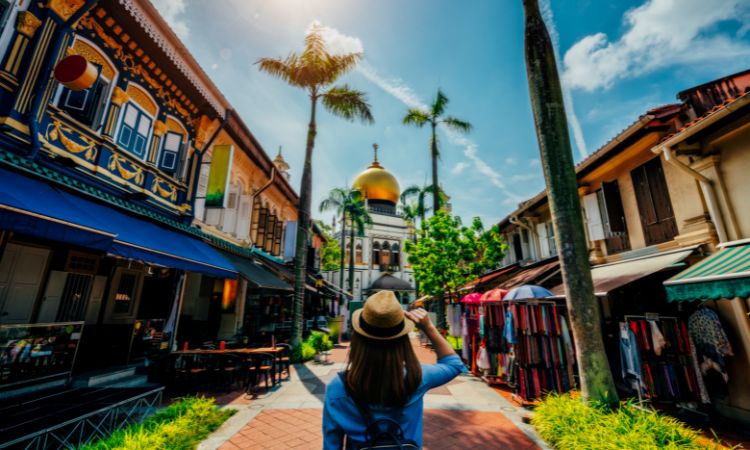
Arriving at Tunis–Carthage International Airport (TUN) and transferring to your hotel is straightforward: we arrange reliable airport transfers or guide you on using the light rail into the city. For onward excursions—to Carthage, Sidi Bou Said, or inland adventures—we provide private or small-group transport options, ensuring comfort and flexibility. If you prefer self-drive, we assist with car hire setups and local driving tips. Our logistics support covers train or coach bookings for longer trips across Tunisia. By handling these details ahead of time, we let you focus on enjoying the experience rather than worrying about connections or schedules.
Learn More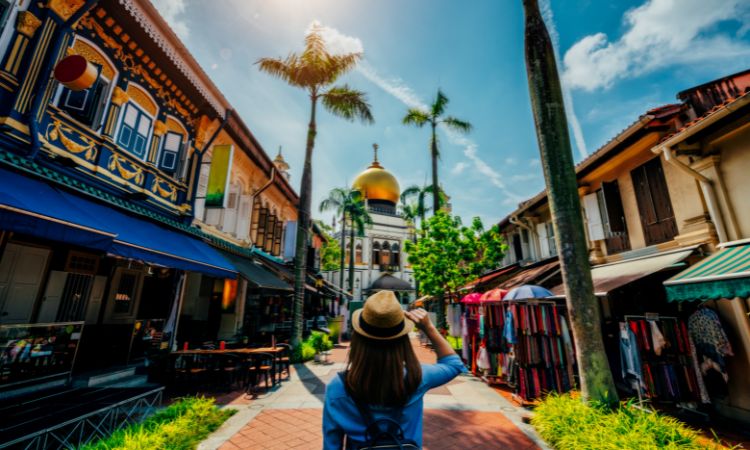
Every traveler is unique. Whether you’re keen on archaeology, photography, culinary immersion, or relaxation on Mediterranean beaches, we design bespoke itineraries guided by local experts who know the hidden corners of Tunis. Choose sunrise visits to ancient Carthage ruins, sunset strolls in Sidi Bou Said, guided tours of contemporary art spaces, or excursions to nearby olive groves. We arrange small-group or private guided tours, ensuring personalized attention and opportunities to interact with local artisans, historians, and chefs. This customization maximizes your enjoyment and learning.
Learn More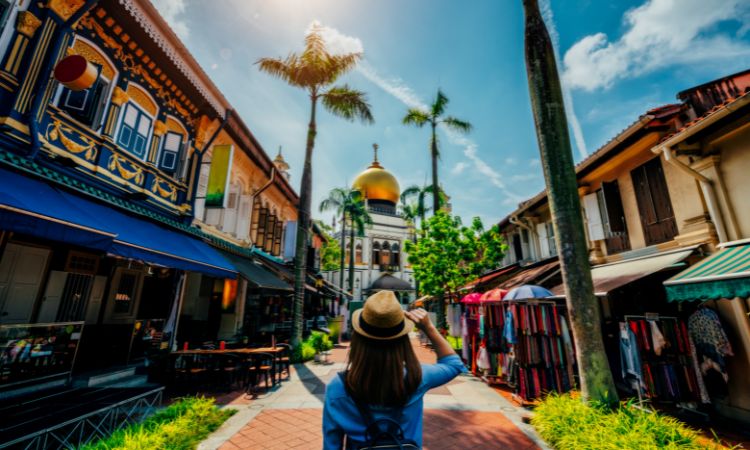
Tunisia is generally more affordable than many European Mediterranean destinations, offering excellent value in accommodation, dining, and activities. Booking through us secures negotiated rates, seasonal deals, and transparent pricing in British pounds. We prioritize vetted suppliers, good practices, and current safety guidelines, giving you confidence in health protocols, local conditions, and emergency support. Our on-the-ground contacts ensure quick assistance if needed. Enjoy peace of mind as you explore Tunis’s charms, knowing your trip is well-supported.
Learn More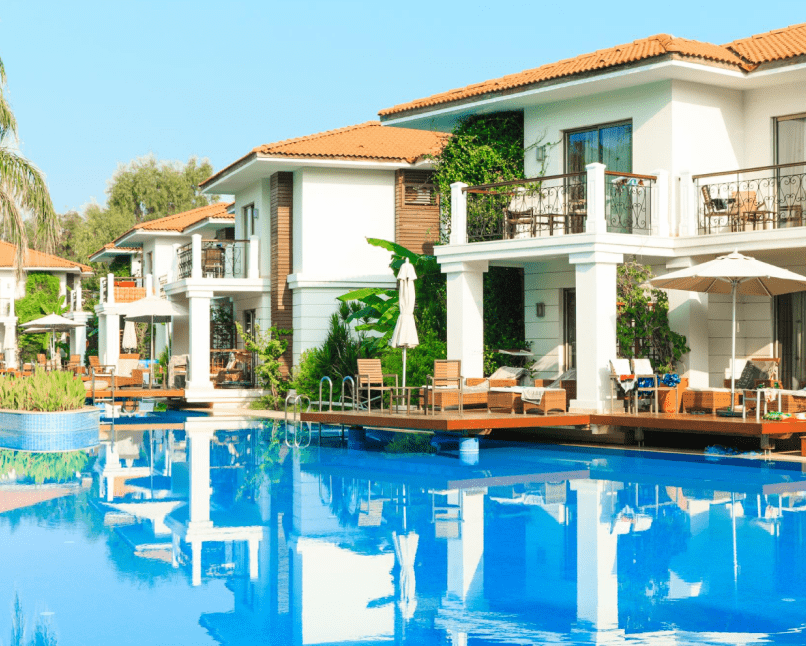
Lorem ipsum dolor, sit amet consectetur adipisicing elit. At illo adipisci iusto
From

Because more than 268 other customers have loved us too

Demonstrates commitment to user data security through encryption and secure payment practices
Learn More
Demonstrates commitment to user data security through encryption and secure payment practices
Learn More
Demonstrates commitment to user data security through encryption and secure payment practices
Learn More
Demonstrates commitment to user data security through encryption and secure payment practices
Learn More
Quality as judged by customers. Book at the ideal price!


/ person
/ person
/ person
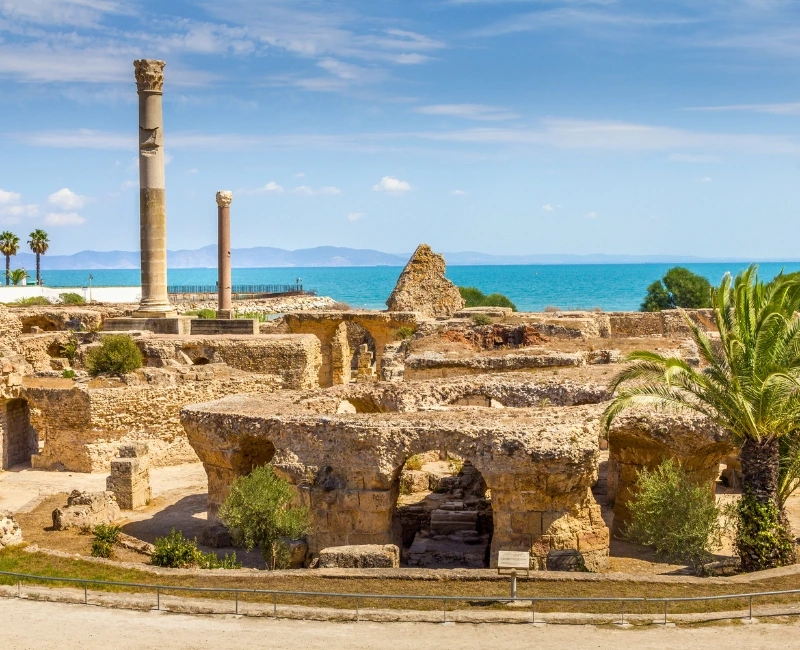
Tunis’s proximity to ancient Carthage makes it a premier destination for history enthusiasts. Carthage, once the powerful Phoenician city-state, later a major Roman territory, offers a series of archaeological sites that reveal millennia of Mediterranean civilization. Begin at Byrsa Hill, where excavations uncover the Punic and Roman city layers. Wander among the remains of the Antonine Baths, once one of Africa’s largest thermal complexes, its expansive ruins conveying the scale and engineering prowess of Roman design. Nearby, the Tophet—a sacred precinct—provides insight into Phoenician rituals and society (though interpretations vary). The Punic ports area, now partially submerged or covered, hints at Carthage’s maritime importance.Booking a guided tour with an experienced archaeologist or local historian enriches the visit: they contextualize artefacts in the on-site museum, explain architectural features, and recount Carthage’s dramatic conflicts with Rome during the Punic Wars. After exploring major sites, venture to less-visited spots such as the remains at Byrsa’s outskirts, or walk the old Roman roads leading toward modern suburbs, envisioning ancient trade routes. Consider combining Carthage with a visit to the Bardo National Museum in Tunis, home to one of the world’s finest collections of Roman mosaics, eloquently illustrating daily life, mythology, and art in North Africa under Rome. The museum also houses artefacts spanning prehistoric to Islamic eras, providing a comprehensive chronological narrative.Practical tips: arrive early to avoid midday heat (especially in summer), wear comfortable walking shoes, and carry water. Sun protection is essential. Many tours include transportation from Tunis center; if self-guiding, use reliable taxi or pre-arranged transfer. Audio guides are available but a live guide offers richer storytelling and the ability to answer questions on the spot. This deep-dive into Carthage’s legacy paints a vivid picture of Mediterranean history and lays the foundation for understanding Tunis’s modern identity.
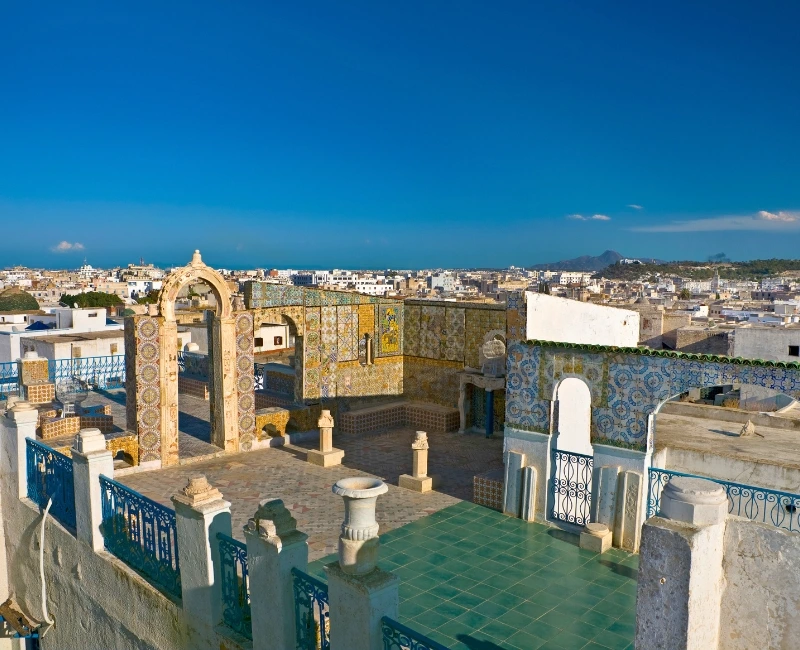
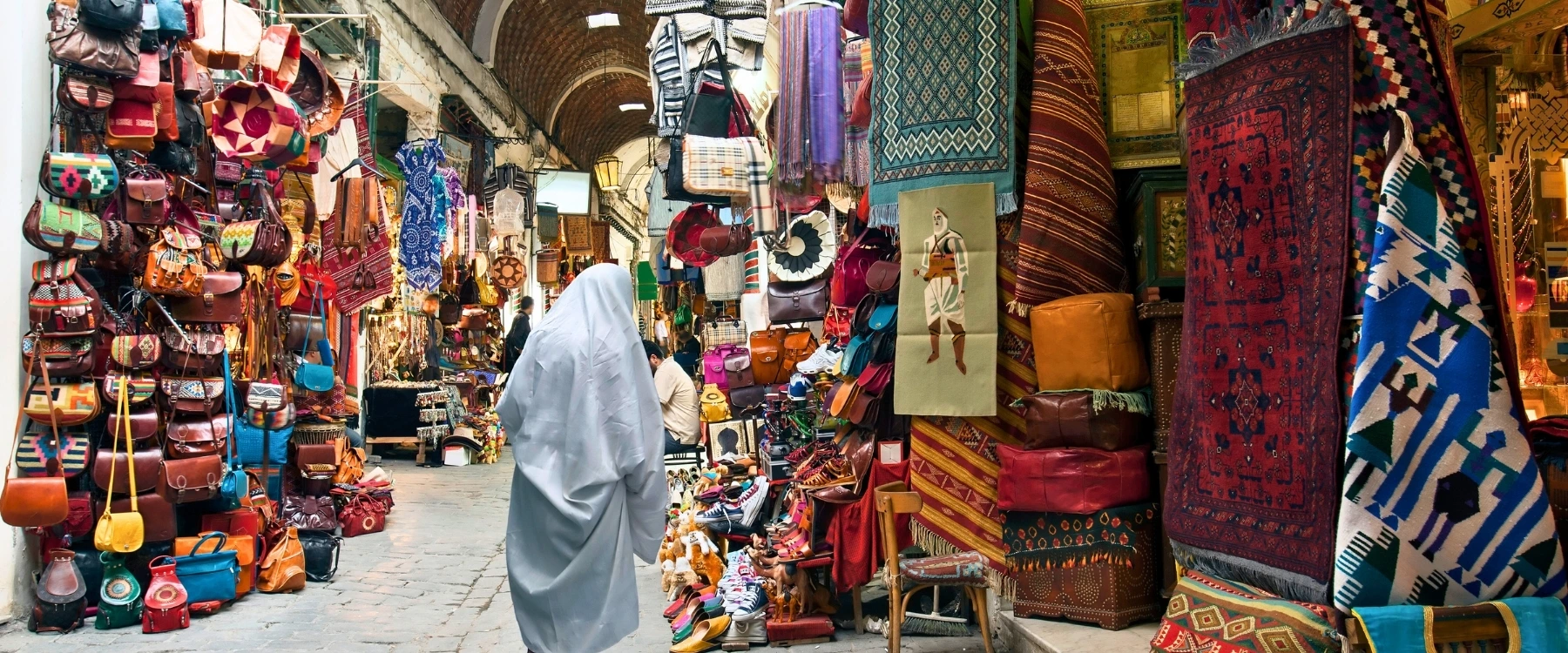
The medina of Tunis is a UNESCO-listed maze of narrow alleys where centuries-old traditions thrive. Entering through one of its historic gates, you step into a world of artisan workshops, spice stalls, and intricately decorated monuments. A guided walking tour reveals key landmarks: the Great Mosque of Zitouna, founded in the 8th century, whose courtyard and prayer hall showcase early Islamic architecture; the surrounding madrasa entrances with ornate calligraphy; and small museums tucked away in restored palaces. Local guides share tales of scholarly life that once centered here and point out details in stucco work, wooden ceilings, and tile patterns.The souks are organized by craft: copperware, leather goods, carpets, textiles, jewellery, and traditional clothing. Observe artisans at work—hammering brass trays, dyeing fabrics, weaving carpets—and have the chance to purchase authentic handmade items. Haggling is part of the experience; guides can advise on respectful bargaining. Sample street snacks: brik (crispy pastry with egg and tuna), lablabi (chickpea soup), and sweet pastries like makroudh in small local cafés. Sip mint tea or coffee and rest in a quiet corner, observing daily life unfolding around you.Beyond commerce, the medina hosts hidden courtyards and tiny cafés where locals convene; a guide can introduce you to family-run workshops or heritage houses sometimes open by appointment. Photographers appreciate the interplay of light and shadow in the alleys, the colorful textiles draped overhead, and the ornate doorways. Evening visits reveal a different ambiance: some lamps cast a soft glow, and cooler air makes exploring comfortable.Practical considerations: wear breathable clothing, cover shoulders and knees out of respect when visiting religious sites, and keep valuables secure. The medina can be disorienting—having a guide prevents getting lost and ensures you don’t miss key sites. Early morning or late afternoon visits avoid peak midday crowds and heat. This immersive medina journey connects you to Tunis’s living traditions and cultural heart.
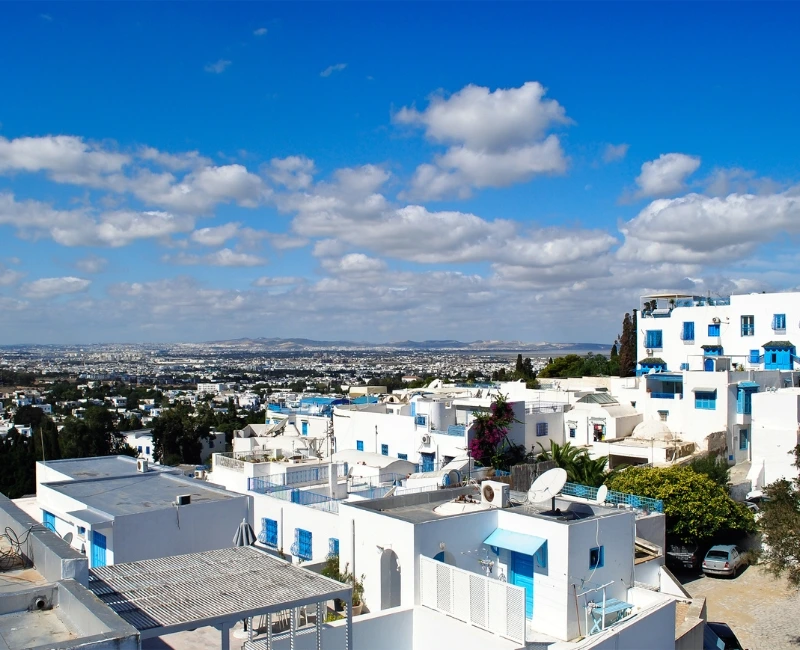
Perched on a cliff overlooking the Gulf of Tunis, Sidi Bou Said is famous for its blue-and-white architecture, bohemian atmosphere, and sea vistas. A short drive or train ride from central Tunis brings you to this charming village where winding streets lead to panoramic lookout points. Begin at the cafe Belvédère terrace to soak in sweeping views of the Mediterranean and harbor below. Meander through alleyways lined with art galleries, pottery shops, and boutiques selling handicrafts. Local artists often display paintings capturing the light and color of the region.Visit the Palace of Ennejma Ezzahra (Dar Ennejma Ezzahra), once home to musicologist Baron Rodolphe d’Erlanger, now a music museum and cultural center hosting concerts in its historic setting. The surrounding gardens and architecture reflect Andalusian and Moorish influences. Enjoy a leisurely lunch at a terrace restaurant serving fresh seafood salads, grilled fish, and Tunisian specialties like grilled octopus, all while gazing at the azure sea.Nearby Carthage beaches offer spots for swimming or sunbathing; some private beach clubs provide loungers, umbrellas, and refreshments. For a more local vibe, head to small pebble coves accessible via steps from roads above. Water temperatures are inviting from late spring to early autumn. Consider a short boat excursion to view Tunis’s coastline from the water.In Sidi Bou Said’s galleries, you can meet potters shaping ceramics on traditional wheels, painting patterns inspired by local motifs. Workshops may offer demonstration visits. For a sweet treat, sample almond pastries or taste locally produced olive oil on freshly baked bread, accompanied by mint tea or local wine in permissible venues.Practical tips: wear comfortable shoes for cobblestone alleys; bring sun protection; visit early or late to avoid peak crowds. If driving, parking can be limited; using public transport or arranged transfers is easier. Evening visits allow you to enjoy sunset hues on whitewashed walls. Sidi Bou Said encapsulates Mediterranean relaxation combined with cultural charm, ideal for a half-day or full-day excursion from Tunis.
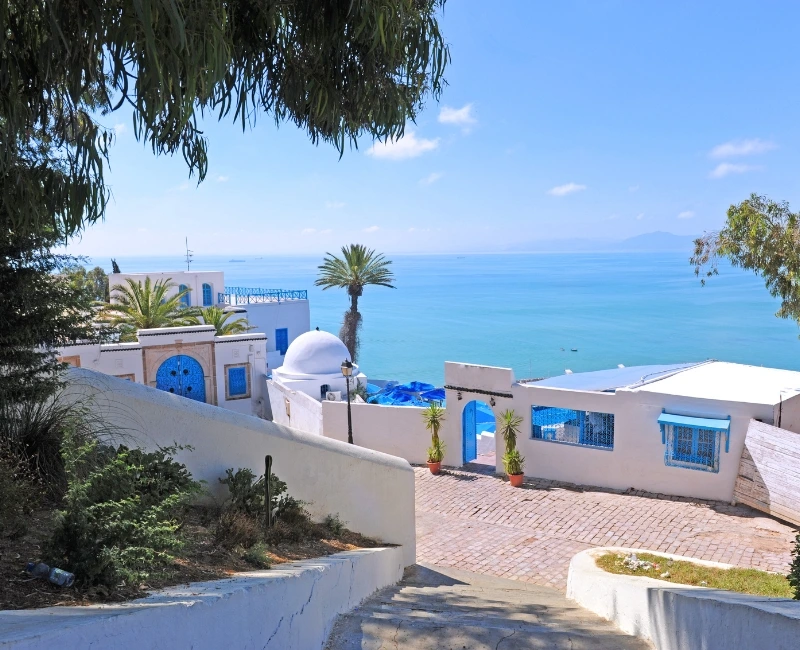
Beyond Tunis city center and Sidi Bou Said lies a string of coastal destinations perfect for relaxation and seaside adventures. La Marsa and Gammarth, just northeast of Tunis, offer sandy beaches, seaside promenades, and a selection of cafés and restaurants overlooking the water. Many hotels and beach clubs here cater to day-trippers and overnight stays, providing sunbeds, umbrellas, water sports rentals, and dining. In summer months (July–August), beaches are lively; in shoulder seasons (spring and autumn), they’re quieter, with pleasant weather for long walks and swimming.Further along the coast, Hammamet (about 60 km south) features golden sands, turquoise waters, and a historic medina. Though slightly farther, it’s a popular extension for beach holidays. Excursions from Tunis can include organized day trips or multi-night packages. Enfidha and Monastir (to the south) also offer resort-style beaches and watersports.Beach days can be combined with cultural visits: coastal forts, old fishing ports, and seaside promenades with palm-lined avenues. Water activities range from paddleboarding and kayaking in calm bays to boat trips exploring nearby islets or coastal caves. Scuba diving and snorkeling reveal Mediterranean marine life around rocky outcrops.For a more secluded experience, head to smaller coves accessible via coastal trails or local transport. Pack picnic items—fresh fruit from markets, cheese, bread—and enjoy a tranquil meal overlooking the sea. Some beaches have small cafés serving cold drinks and light fare. Always check local tide and weather conditions; water is warm from late May through September.Practical considerations: if you prefer less-developed beaches, inquire locally about quieter spots; many require a short walk from parking. Public transport options include buses or trains along parts of the coast; private transfers offer flexibility. Bring sunhat, sunscreen, and reusable water bottle; beach facilities may charge for loungers. Coastal escapes from Tunis combine invigorating sea air, scenic vistas, and opportunities for rest or active water sports, complementing cultural exploration in the city.
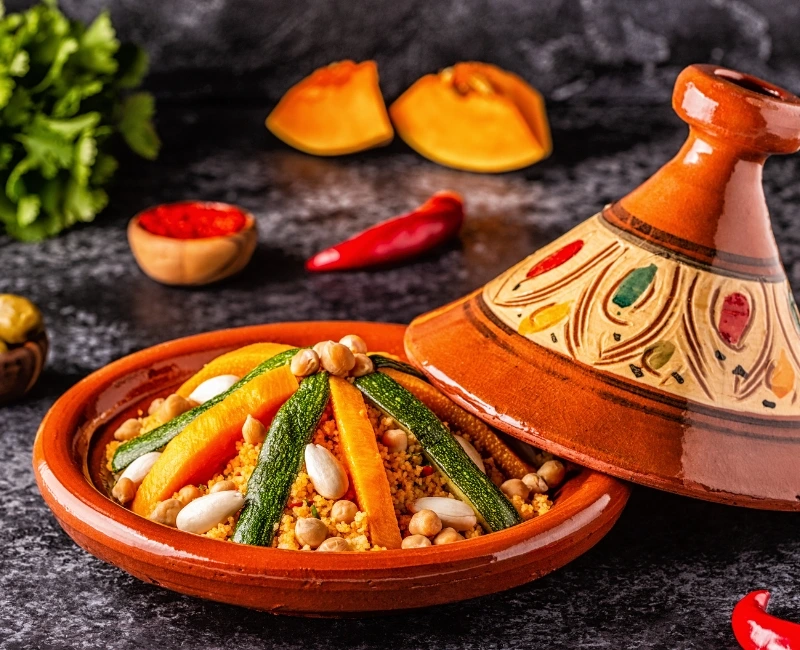
Tunisian cuisine is renowned for its bold flavors: spicy harissa paste, olive oil, fresh seafood, and fragrant spices. Exploring local markets is essential: Marché Central in Tunis bustles with vendors selling produce, spices, olives, and street snacks. Join a guided market tour to learn ingredient selection—seasonal fruits like figs and pomegranates, vegetables for brik or chorba soup, fresh fish straight off boats. Experts explain how Tunisian spice blends are made and used.Cooking workshops often begin with a market visit, then move to a local home or teaching kitchen where you prepare dishes such as brik (thin pastry with egg, tuna, or meat), couscous with seasonal vegetables or seafood, and desserts like makroudh (date-filled semolina pastry). Learning to balance spices and create harissa gives insight into why Tunisian dishes have their characteristic kick. Vegetarian options abound: chickpea-based stews, salads with fresh herbs, and dishes highlighting eggplant, tomato, and pepper.For dining out, we recommend a mix of traditional cafés in the medina serving simple dishes and modern restaurants in Ville Nouvelle or La Marsa offering creative twists on classic recipes. Seafood restaurants along the Corniche or in Gammarth present daily catches grilled or in tagines. Pair meals with local wines from Cap Bon or Grombalia regions; although Tunisia’s wine industry is smaller than some Mediterranean neighbors, it produces notable reds and rosés suited to local dishes.Street food experiences include tasting lablabi (spiced chickpea soup often topped with egg and olive oil) at dawn or late night, grilled skewers of merguez sausage, and sweet treats at patisseries. Don’t miss sampling Tunisian olive oil and olives—often offered for tasting in markets. Some tours include visits to olive groves or small producers outside the city, showing traditional pressing methods.For beverage culture, enjoy mint tea served in small glasses, coffees in cafés with local pastries, or try almond milk-based drinks in summer. Alcohol is available but more limited; beer and wine served in licensed venues. Our guided culinary experiences ensure hygienic settings, respect dietary preferences, and connect you with passionate local cooks and artisans, making Tunis a memorable destination for food lovers.
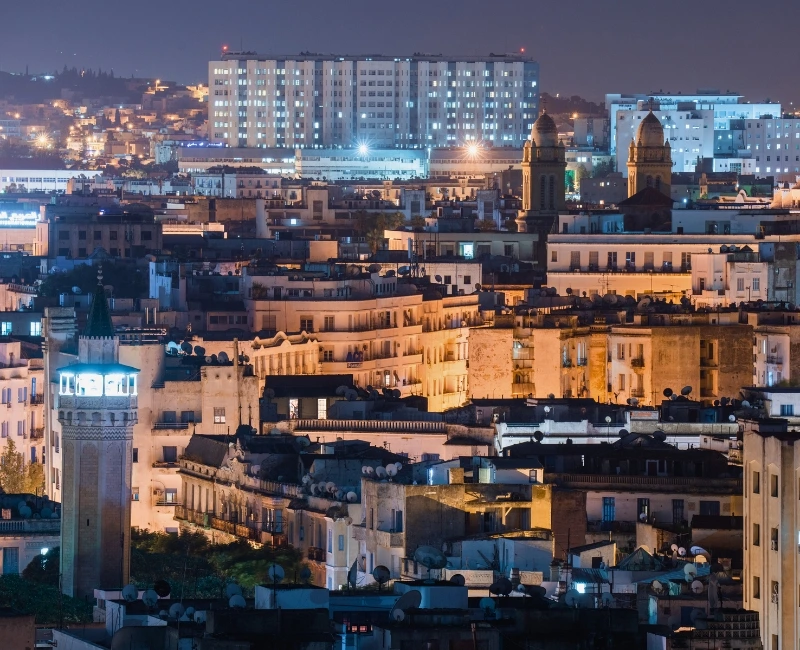
Tunis’s tempo changes as day turns to evening: after exploring historic sites, unwind in cozy cafés where locals gather for mint tea or espresso. Ville Nouvelle hosts elegant coffeehouses dating from the French era, with art deco interiors and sidewalk seating. Here you can sample pastries—baklawa, palmier-style treats—while watching city life. In the medina, tucked-away tea houses offer intimate ambiance, often decorated with traditional tiles and low seating.As dusk falls, street food stalls light up: savor late-night brik, grilled seafood skewers, or merguez sandwiches. These are popular with Tunisians and offer insight into everyday eating culture. Joining a street-food walking tour ensures you sample safely and discover the best stalls known to locals.Nightlife in Tunis is moderate but lively in certain districts. In La Marsa and Gammarth, beachfront bars and lounges host live music or DJ sets, especially in summer. Venues range from relaxed beach bars serving cocktails to more upscale clubs. Some hotels in these areas offer evening entertainment and themed nights. In central Tunis, cultural evenings include music performances—classical Arabic music, jazz fusion in cultural centers, or occasional outdoor concerts in summer.For cultural nightlife, check schedules at venues like the City of Culture, where theatre productions, concerts, or dance shows occur. Festivals in summer bring international and local artists to Carthage amphitheatre or outdoor stages. Plan visits around these events for a rich evening experience.Practical tips: dress code is generally casual-smart; check venue requirements if planning upscale evenings. Transport at night: taxis are available, but confirm fare or use reputable ride services when possible. Group tours may include evening components such as dinner with entertainment or guided pub/restaurant crawls. Respect local customs—while Tunisia is relatively liberal compared to some neighbors, public behavior should remain respectful. Exploring this side of Tunis deepens appreciation for its modern cultural scene, blending tradition with contemporary leisure..
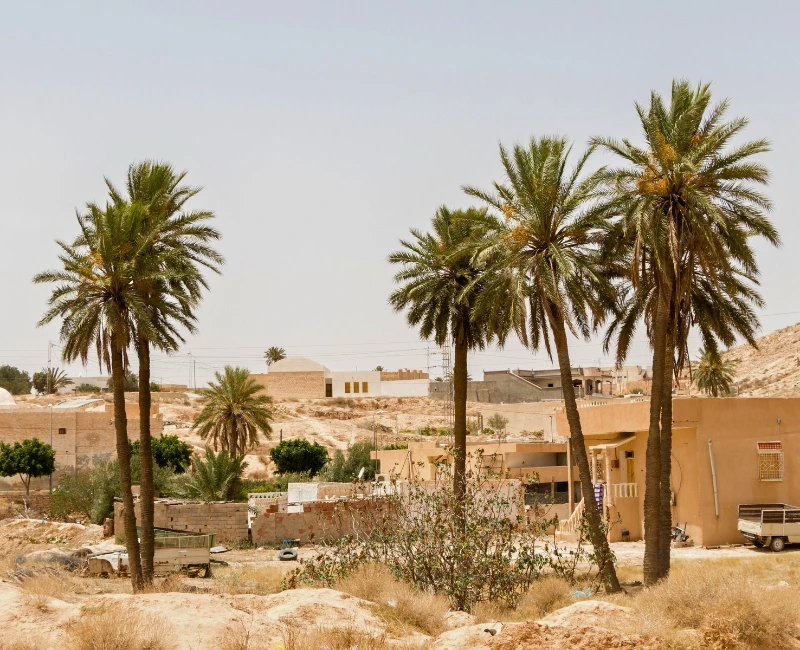
While Tunis itself is a coastal capital, it serves as a launching point for broader Tunisian adventures, including journeys into the Sahara. Organized multi-day trips head south toward Tozeur or Douz, crossing landscapes shifting from fertile plains and olive groves to arid deserts. A typical itinerary may include traversing the Atlas foothills, visiting oases with palm groves and historic ksour (fortified villages), and entering Sahara dunes for camel treks at sunset. Guided by experienced desert guides, you experience Berber hospitality: stay in tented camps under star-filled skies, enjoy traditional music around a fire, and learn about desert survival, flora, and fauna.For single-day excursions closer to Tunis: the salt lakes of Chott el Jerid near Tozeur require an overnight from Tunis; however, some operators offer short flights or combined trips from Tunis to remote regions. Alternatively, head to Kairouan (approx. 3 hours by road), Tunisia’s spiritual center: visit the Great Mosque of Uqba, stroll souks of Islamic crafts, and sample famous Kairouan sweets.Tours can also include visits to the Atlas Mountains regions near El Kef or Zaghouan, offering hiking and rural village experiences. These day trips contrast sharply with coastal Tunis, revealing Tunisia’s geographic diversity. Booking through us ensures reliable transport, comfortable accommodations en route, and knowledgeable guides familiar with local conditions and customs. Seasonal planning is crucial: desert trips are best in spring or autumn to avoid extreme summer heat. Our packages handle logistics: permits, vehicle arrangements (4x4 for desert), and safety measures. Venturing south from Tunis connects you with Tunisia’s vast landscapes and cultural mosaic beyond the capital.
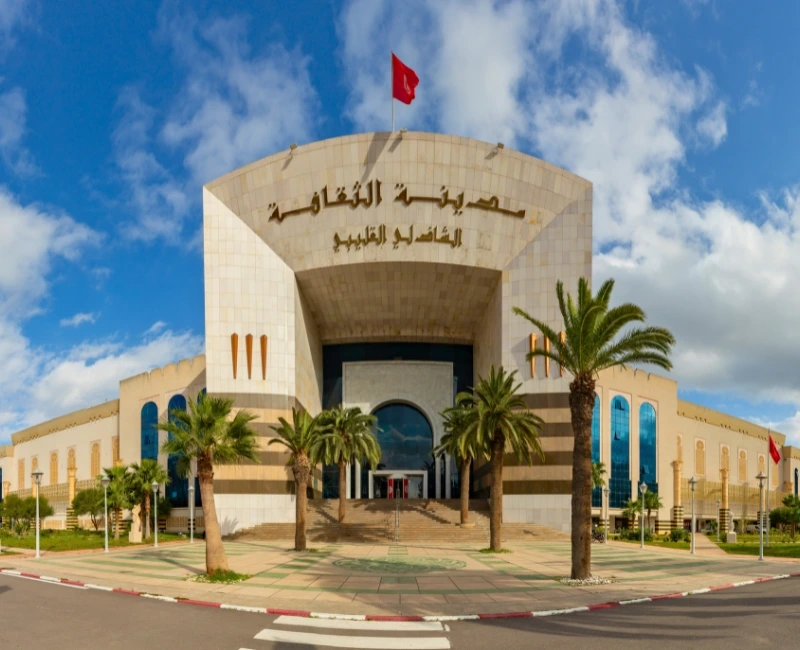
Tunis’s cultural calendar features festivals that highlight music, film, and arts, offering immersive event experiences. In summer months (July–August), the International Festival of Carthage brings concerts and performances in an ancient amphitheatre near Tunis, showcasing local and international artists in music, theatre, and dance under the stars. Attendees can combine festival evenings with seaside dinners or late-night returns to the city. Booking tickets in advance through our service secures good seating and guidance on nearby accommodations.Film and arts festivals occur in spring and autumn: the Carthage Film Festival (biennial) attracts filmmakers from Africa and the Middle East, with screenings, workshops, and panels. Attending this event provides insight into regional cinema and networking opportunities for industry professionals. Other events include jazz or Malouf music festivals in various towns reachable as day trips from Tunis.Moreover, religious and local celebrations—such as Eid festivities, Ramadan evenings with special markets, or national holidays—offer a chance to observe Tunisian traditions. Guided visits during these times explain cultural significance and ensure respectful participation. Seasonal markets or folklore events in nearby towns can be integrated into day trips.We monitor event schedules and offer packages combining festival attendance with guided city tours, transport, and accommodation. This ensures you experience Tunis’s cultural pulse at the right time of year, with logistical support for language assistance and local insights. Cultural events deepen understanding of modern Tunisian identity, bridging heritage and contemporary creativity.
No ads. No trails. No commitments


Alice Roses
London, England
51 ST MATTHIAS ROAD
NOTTINGHAM, NOTTINGHAMSHIRE
NG3 2HF
Hours: 8:00 - 17:00, Mon - Sat
support@johnsonholidays.com