

 Baja California Travel
Guide
Baja California Travel
Guide
Paris is known around the world as the “capital of love,” and even if you don't understand the history of Paris at all

16 Hours
£3

Baja California boasts an extraordinary range of natural settings within a single region. From the windswept dunes and rugged canyons of the Sonoran Desert to pristine coastal stretches along both the Pacific Ocean and the Sea of Cortez, travelers encounter varied terrain daily. This diversity allows for seamless transitions: morning desert hikes among cacti and rock formations followed by afternoon swims or sunset beach strolls. The ecosystem contrast also brings unique wildlife sightings—from desert-adapted species like bighorn sheep to marine giants such as migrating whales. For photographers and nature lovers, Baja California is a living canvas where each vista feels fresh and unexpected. This breadth of landscapes ensures each day brings a new backdrop and fresh adventures.
Learn More
Adventurers and marine enthusiasts find Baja California irresistible. The Pacific coast offers surf breaks suitable for various skill levels, while the Sea of Cortez presents world-class snorkeling and diving hotspots, with vibrant reefs and abundant sea life. In winter months, gray whales journey to coastal lagoons, providing opportunities for guided whale-watching excursions that leave lasting impressions. Kayaking through hidden coves and paddleboarding in calm bays reveal secluded beaches and wildlife, from sea turtles to sea lions. Inland desert trails invite off-road exploration or guided hiking tours through unique rock formations. Whether seeking adrenaline-filled activities or tranquil marine encounters, Baja California delivers memorable experiences amid spectacular natural settings.
Learn More
Baja California’s culinary scene has earned global acclaim, especially in Valle de Guadalupe, Mexico’s premier wine region. Boutique vineyards produce award-winning wines—red, white, and rosé—that pair exquisitely with farm-to-table cuisine emphasizing local produce, seafood, and artisanal techniques. Food enthusiasts can embark on gastronomic tours featuring creative Baja-Med fusion dishes: fresh fish tacos elevated with signature salsas, gourmet chef-driven plating using local ingredients, and inventive small plates. Street-food culture thrives in border cities and smaller towns, offering authentic tacos, mariscos, and regional specialties at accessible prices. Whether indulging in multi-course tasting menus in vineyard settings or sampling street fare by the roadside, travelers delight in vibrant flavors reflecting Baja California’s agricultural bounty and coastal resources.
Learn More
Steeped in history, Baja California reveals cultural layers from indigenous communities to Spanish colonial missions and modern creative movements. Visitors can explore historic mission churches dating back centuries, wander cobblestone streets of colonial-era towns, and learn about indigenous heritage through local museums and artisan workshops. Cultural festivals celebrate regional music, dance, and crafts, offering authentic insights into traditions passed down over generations. Contemporary art scenes in urban centers and rural enclaves showcase local talents in painting, ceramics, and design. This blend of past and present invites curious travelers to connect with communities and understand the peninsula’s evolving identity beyond its natural attractions.
Learn More
Baja California’s accessibility from major entry points makes it an excellent road-trip destination. Tijuana, just across the border, serves as a common gateway for international visitors, while Mexicali offers additional connections. Once in the region, well-maintained highways and scenic coastal roads link towns, beaches, vineyards, and desert attractions. Road trips reveal hidden gems—secluded beaches, family-run eateries, and panoramic viewpoints. Rental cars or guided tours allow flexible exploration, ideal for travelers who relish spontaneous detours. Infrastructure improvements have balanced growth with retaining a laid-back atmosphere. The freedom to chart one’s own pace alongside signage in English and Spanish contributes to comfortable travel. Baja California’s road-trip appeal caters to both independent explorers and organized group itineraries.
Learn More
Compared to some international destinations, Baja California offers strong value for money without compromising on quality. Accommodation ranges from affordable beachfront inns or desert eco-cabins (often £50–£80 per night) to mid-range boutique stays and luxury resorts (£120–£250 per night). Dining spans economical street-food options like tacos for around £2–£3 each, to upscale multi-course meals averaging £40–£60 per person. Excursions, such as whale-watching tours or vineyard visits, typically start at £50, offering immersive experiences at reasonable rates. Local transport by shared rentals or bus routes can be cost-effective. For British travelers seeking quality experiences—natural wonders, gourmet meals, cultural insights—Baja California delivers memorable travel at budgets that often undercut comparable regions.
Learn More
Lorem ipsum dolor, sit amet consectetur adipisicing elit. At illo adipisci iusto
From

Because more than 268 other customers have loved us too

Demonstrates commitment to user data security through encryption and secure payment practices
Learn More
Demonstrates commitment to user data security through encryption and secure payment practices
Learn More
Demonstrates commitment to user data security through encryption and secure payment practices
Learn More
Demonstrates commitment to user data security through encryption and secure payment practices
Learn More
Quality as judged by customers. Book at the ideal price!


/ person
/ person
/ person
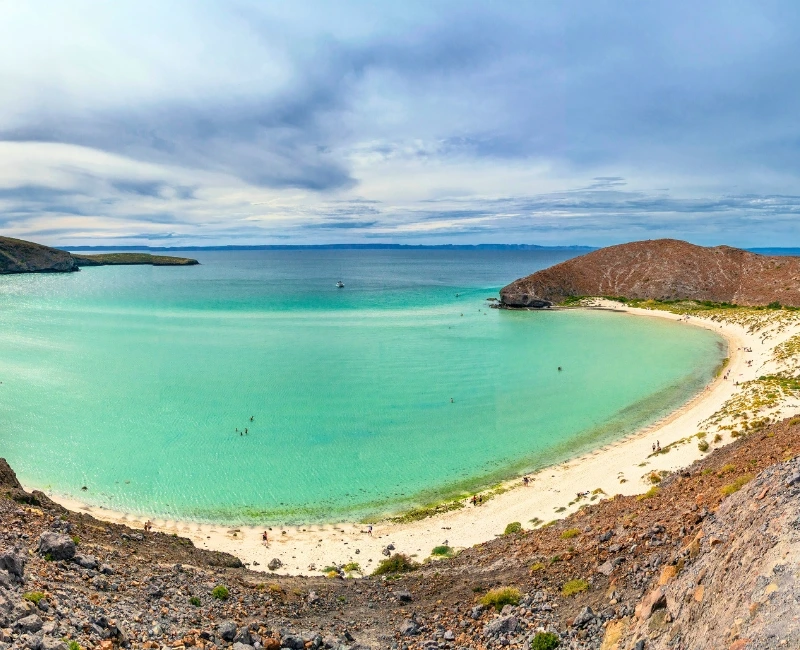
Baja California’s coastline unfolds a tapestry of beaches that cater to diverse preferences—from secluded coves ideal for privacy to long stretches of sand popular with surfers and sun-seekers. On the Pacific side, beaches like Rosarito and Ensenada draw visitors for surf breaks, beach clubs, and vibrant evening atmospheres. Rosarito’s consistent waves offer inviting conditions for both beginners and experienced surfers; surf schools along the shore provide lessons and gear rental, making it easy to dive into the sport. Beyond Rosarito, hidden coves south of Ensenada reveal quieter sands, where beachcombing and relaxation reign. These spots often require a short drive on scenic coastal roads, rewarding travelers with fewer crowds and unspoiled vistas.Along the Sea of Cortez side, beaches tend to feature calmer waters, making them excellent for swimming, snorkeling, and paddleboarding. Beaches near La Paz and Loreto present opportunities to observe marine life such as sea turtles and rays in clear bays. The distinctive turquoise hues of the Sea of Cortez contrast with the deeper blues of the Pacific, creating varied seaside experiences. Some beaches are accessible via organized tours that include boat transfers, allowing visitors to discover remote islands and marine reserves. In winter, sunrise on the east coast can reveal gentle mist rising from the sea at dawn, offering tranquil moments before the day’s activities.Beach accommodations range from rustic beachfront cabins to boutique hotels with terraces overlooking the water. Many beachfront eateries serve freshly caught seafood, enabling guests to savor ceviche, grilled fish, or shrimp tacos while listening to waves. As evening approaches, beach bonfires become communal gatherings in more secluded areas—a chance to mingle with fellow travelers, share local stories, and stargaze in minimal light pollution. Whether seeking active water sports or quiet coastal retreats, Baja California’s beaches deliver memorable seaside chapters in an adventure itinerary.Environmental stewardship is integral to many beach experiences. Protected marine areas enforce responsible snorkeling and diving practices to safeguard coral and marine species. Local initiatives often organize beach clean-ups, where travelers can contribute to conservation efforts. Respect for nesting sites of sea turtles, especially on quieter beaches, is vital; guided experiences educate about safe observation practices. Seasonal considerations—such as avoiding crowded beach visits during high season or planning around whale migration zones—enhance both enjoyment and conservation outcomes.Accessibility considerations include rental car travel along coastal highways or chartered boat transfers to islands. Some beaches have basic facilities such as restrooms and shaded areas, while more remote spots require bringing supplies and planning logistics carefully. For those seeking amenities, popular beach towns offer full-service resorts, beach clubs with loungers, and on-site dining. For explorers, off-grid beaches provide a sense of discovery—packing a picnic, securing overnight camping permits where allowed, and waking to sunrise over the water.Ultimately, Baja California’s beach offerings combine natural beauty, adventure potential, and cultural touches—beachfront taco stands, local artisans selling handmade goods by the shore, and informal gatherings around firelight. Travelers can tailor days to activity level: surf lessons at dawn, midday snorkeling excursions in calm bays, late-afternoon walks along dunes, and evening culinary experiences overlooking the ocean. This versatility ensures that every beach visit feels fresh and tailored to individual rhythms, solidifying Baja California’s reputation as a coast-to-coast beach destination.

Venture inland from coastal roads into Baja California’s vast desert expanses, where arid landscapes reveal dramatic geology, hidden oases, and opportunities for off-road exploration. The Sonoran Desert’s extension into the peninsula features rugged mountains, sculpted rock formations, and seasonal wildflower blooms in spring. Guided 4x4 tours traverse dirt trails leading to remote canyons, where geology enthusiasts can examine layered rock faces and ancient fossils. Some excursions offer camping under star-filled skies—far from light pollution—inviting travelers to experience desert silence punctuated only by distant wildlife sounds.Hiking trails range from short nature walks around desert wash areas to longer treks through canyons such as the Sierra de San Pedro Mártir foothills. Early morning hikes reward participants with cooler temperatures and the chance to spot bighorn sheep or desert foxes amid rugged terrain. Birdwatchers can identify species adapted to arid environments, while plant enthusiasts observe cacti of varied shapes and sizes blooming in seasons when desert rains arrive. Photographers find desert vistas ideal for dramatic sunrise or sunset shots, with long shadows accentuating terrain textures.For thrill-seekers, guided ATV or off-road buggy tours navigate mountain trails and dry lake beds. Experienced guides ensure safety and highlight geo-points of interest, while providing insights into desert ecology and indigenous connections to the land. Some operators include overnight stays in desert camps, complete with local-style meals cooked over open fires and storytelling under star-lit skies. Such immersive experiences deepen understanding of the desert’s rhythms: scorching daytime heat, cooling evenings, and dawn’s golden light unveiling hidden beauty.Desert wellness retreats also exist, leveraging seclusion for yoga sessions at sunrise or sound-bath experiences in remote settings. Retreat organizers collaborate with local communities to integrate traditional desert knowledge, such as plant-based remedies used by indigenous peoples. Such programs often include guided walks to collect native herbs, followed by discussions on sustainable practices. Travelers seeking rejuvenation find the quiet vastness of the desert conducive to mindfulness and reflection away from bustling coastal towns.Logistics require careful preparation: sufficient water supplies, sun protection, and understanding seasonal weather patterns—summer heat can be intense, while winter nights may be chilly. Local guides provide necessary equipment and navigation expertise, ensuring safe passage through rugged terrain. Accommodations range from basic desert campsites with minimal facilities to eco-lodges offering comfortable lodging with desert views. Some eco-lodges implement solar power, rainwater collection, and other sustainable practices, aligning with travelers’ environmental values.Overall, Baja California’s desert realm offers an adventure contrast to its coastal attractions. It appeals to those drawn to extreme landscapes, solitude, and authentic experiences rooted in natural rhythms. Whether traversing dunes by ATV, hiking hidden canyons at dawn, camping under the Milky Way, or participating in desert-based wellness retreats, visitors leave with deep appreciation for the peninsula’s wild heart. Desert adventures in Baja California stand as a testament to the region’s ability to surprise and inspire beyond conventional beach destinations.

Baja California’s history unfolds through a network of Spanish colonial missions, charming towns, and indigenous heritage sites. Founded in the 17th and 18th centuries, missions served as centers for cultural exchange, agriculture, and religious outreach. Many mission churches remain standing, featuring colonial architecture blended with local craftsmanship. Visitors can tour these historic sites, learning about their roles in shaping regional identity and the interactions between missionaries and indigenous communities.Key mission sites include Misión Nuestra Señora de Loreto Conchó, considered the first permanent Spanish settlement in the Californias. Its restored church and museum display artifacts and documentation that trace early colonial life. Further south, missions such as San Javier and San Borja showcase ornate facades set against desert mountain backdrops. Guided visits often include explanations of architectural features, water management systems used in arid conditions, and missionary agricultural practices that introduced olives, grapes, and other crops, laying groundwork for today’s wine industry.Surrounding mission towns offer glimpses of traditional life and evolving cultures. Cobblestone streets, local markets, and family-run eateries invite travelers to experience everyday rhythms. Artisans craft pottery, textiles, and woodwork using techniques passed through generations; workshops and small galleries provide insight into creative processes. Seasonal festivals in these towns celebrate harvests, patron saints, or cultural milestones, featuring music, dance, and communal meals that foster connection with locals.Indigenous heritage remains vital, with communities such as the Kumeyaay preserving traditions, languages, and ecological knowledge. Visits to cultural centers or participation in community-led tours highlight indigenous perspectives on land stewardship, medicinal plants, and historical narratives often underrepresented in mainstream accounts. Respectful engagement with indigenous guides offers deeper understanding of the peninsula’s human history, complementing visits to mission sites.Small museums and interpretive centers throughout the region further contextualize historical developments—trade routes, maritime explorations, and cross-border interactions shaping modern Baja California. Storytelling sessions, archival displays, and guided walks in historic districts illuminate layers of change from pre-colonial times through the present. For travelers intrigued by history and culture, exploring missions and towns provides a balanced contrast to nature-focused activities, enriching appreciation for the peninsula’s identity.Accommodations in historic towns often include charming guesthouses or boutique inns housed in restored colonial buildings. Culinary offerings in these towns highlight regional ingredients: farm-to-table restaurants in mission towns pair local produce with techniques reflecting both traditional and contemporary sensibilities. Walking tours, sometimes led by local historians, reveal hidden architectural details and personal stories that animate the past. Combined with visits to nearby natural attractions—such as desert trails or coastal lookouts—historic missions and towns create a multifaceted itinerary connecting culture, history, and nature in Baja California.

Indigenous cultures in Baja California, including the Kumeyaay and other groups, contribute rich traditions and ecological knowledge integral to the peninsula’s identity. Travelers seeking authentic cultural encounters can engage with community-led experiences that honor traditions, crafts, and ancestral connections to the land. Guided visits with indigenous hosts may include demonstrations of traditional arts, such as basket weaving or pottery, using materials sourced sustainably from the environment. Storytelling sessions convey legends, cosmologies, and historical narratives from indigenous perspectives.Ecological knowledge shared by indigenous guides encompasses understanding of native plants used for food, medicine, or rituals. Guided nature walks often highlight these species, explaining seasonal cycles, sustainable foraging practices, and the cultural significance of flora and fauna. Such experiences foster deeper respect for desert and coastal ecosystems, illuminating how communities have coexisted with these environments for generations. Some programs involve hands-on workshops where travelers learn to prepare traditional dishes using locally foraged ingredients, offering insights into culinary heritage beyond mainstream restaurant fare.Cultural centers and small museums curated by indigenous organizations preserve artifacts, photographs, and documents that chronicle community histories and resilience. Visiting these centers supports local efforts to maintain traditions and fosters cultural sustainability. Participating in community events—festivals, ceremonies, or gatherings—only when respectfully invited, allows travelers to witness living traditions, such as dances, music, or ceremonies marking seasonal changes. Observance guidelines ensure respectful behavior, often communicated by hosts or cultural liaisons.Collaborative conservation projects sometimes welcome volunteer involvement, such as habitat restoration efforts, wildlife monitoring, or educational outreach. These initiatives integrate indigenous stewardship practices, aligning environmental conservation with cultural survival. Travelers interested in responsible tourism can inquire about opportunities to support such projects, balancing experiential travel with meaningful contributions. It is vital to approach interactions with humility and openness, following guidance on photography, gift-giving, and reciprocity aligned with community norms.Logistics for indigenous cultural experiences vary: some require advance booking to coordinate with community schedules; others may be seasonal. Engaging local guides familiar with both indigenous customs and tourism protocols ensures respectful experiences. Accommodations may include homestays or eco-lodges operated by community cooperatives, offering immersive stays with local hosts. Meals prepared family-style introduce travelers to authentic flavors and hospitality, often featuring ingredients harvested from local lands or coasts.Through indigenous heritage and cultural encounters, Baja California travelers gain nuanced appreciation of the land’s human dimension. These experiences complement visits to natural and historical sites, weaving personal connections into broader itineraries. By supporting indigenous-led tourism, visitors contribute to cultural preservation and sustainable development, ensuring that these traditions endure for future generations. Such meaningful engagement elevates Baja California travel from sightseeing to transformative cultural exchange.

Baja California is a magnet for water-sport enthusiasts, offering diverse conditions for surfing, paddleboarding, kayaking, and more. The Pacific coast provides consistent waves that draw surfers year-round, with breaks suitable for various skill levels. Well-known surf spots around Rosarito and Ensenada host surf schools offering lessons, board rentals, and guided sessions for beginners looking to catch their first wave. Experienced surfers explore more challenging breaks further south, where reef and point breaks deliver thrilling rides amid dramatic coastal scenery.Beyond surfing, the Sea of Cortez side features calmer waters ideal for paddleboarding, kayaking, and stand-up paddle yoga sessions. Early-morning paddleboarding emerges as a popular activity, with mirrored sea surfaces reflecting desert hills at sunrise. Guided kayaking tours navigate hidden coves and sea caves, revealing remote beaches accessible only by water. These excursions often include wildlife spotting—sea lions lounging on rocky outcrops, dolphins playing alongside boats, and occasional sightings of manta rays or whale sharks in season.Snorkeling and diving are hallmark water experiences in the Sea of Cortez, celebrated for biodiversity. Guided dive trips depart from ports such as La Paz and Loreto, taking divers to vibrant reefs and underwater walls teeming with colorful fish, octopus, and invertebrates. Snorkelers can join day trips to nearby islands, exploring shallow reefs where visibility is excellent. Some operators offer multi-day liveaboard-style trips, combining scuba diving with coastal exploration, camping on islands, and immersive marine education.Adventure seekers may charter small boats for fishing trips targeting species like marlin, yellowtail, or dorado, combining sport fishing with the thrill of open-sea navigation. Responsible operators follow sustainable fishing practices, often releasing certain species and emphasizing local conservation guidelines. Kiteboarding and windsurfing also find favorable conditions in select bays where consistent winds prevail, attracting enthusiasts during seasonal wind windows.Safety and guidance are paramount: reputable operators provide certified instructors, quality equipment, and briefings on local conditions, tides, and marine wildlife interactions. Seasonal considerations—such as avoiding certain surf spots during storm swells or planning diving around water temperature shifts—ensure enjoyable experiences. Travelers without their own gear can rent boards, wetsuits, or snorkeling equipment through local shops or tour providers.Accommodations catering to water-sport travelers include surf camps near popular breaks offering communal lodging, equipment storage, and social atmospheres for sharing experiences. Beachfront eco-lodges often double as base camps for multi-activity itineraries, combining surfing mornings with afternoon desert excursions or cultural visits. Meals emphasize nutritious fare to fuel active days—fresh fruit breakfasts, protein-rich lunches, and dinners featuring seafood or local produce.Whether chasing waves on the Pacific coast, paddling serene bays of the Sea of Cortez, or diving into underwater wonderlands, Baja California’s water-sport offerings deliver diverse, adrenaline-fueled, and restorative experiences. This dynamic interplay of activities creates itineraries that cater to both thrill-seekers and those seeking tranquil marine immersion, solidifying Baja California as a premier adventure-and-water-sports destination.
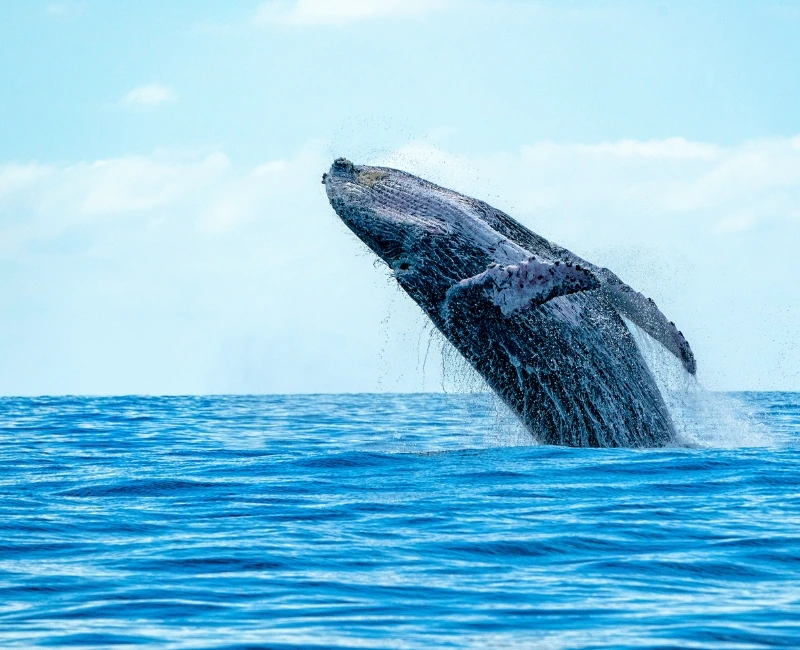
Baja California is renowned for its world-class whale-watching opportunities, attracting visitors eager to witness gray whales, humpback whales, and other marine species in their natural habitats. Each winter, gray whales undertake long migrations from Arctic feeding grounds to breed and give birth in the sheltered lagoons along the peninsula’s Pacific coast. Guided boat tours depart from locations such as Guerrero Negro, San Ignacio Lagoon, and Magdalena Bay, offering close yet respectful encounters with mother-and-calf pairs. Licensed guides adhere to regulations that ensure minimal disturbance, educating travelers on whale behavior, biology, and conservation efforts.Beyond whales, the Sea of Cortez hosts an extraordinary diversity of marine life, earning its nickname as “the world’s aquarium.” Snorkeling and diving excursions reveal colorful reefs inhabited by schools of fish, octopus, sea turtles, and occasional manta rays. Boat tours may include opportunities to swim with sea lions at rocky islets or encounter dolphins playing in vessel wakes. Marine biologists often lead eco-tours that combine observation with education on local ecosystems, marine conservation challenges, and citizen science efforts, such as monitoring water quality or documenting species sightings.Seasonality guides planning: gray whale season typically runs from December through March, with prime months varying slightly by lagoon. Early reservations are advised for popular departure points, ensuring better group sizes and quieter experiences. Summer months shift focus to other marine phenomena: whale sharks appear in some areas, offering unique snorkeling opportunities; manta ray sightings are also possible at select dive sites. Knowledgeable operators provide tailored itineraries aligning with seasonal patterns.Responsible whale-watching emphasizes maintaining safe distances, minimizing noise, and supporting local conservation programs. Many tour operators contribute to research initiatives, collecting data on whale populations, behavior patterns, and habitat health. Travelers interested in deeper engagement can participate in volunteer programs or visit research centers where scientists share insights into marine ecology and threats such as climate change or plastic pollution. Such involvement enhances awareness and fosters a sense of stewardship for fragile marine environments.Logistics include selecting operators with proper permits, experienced captains, and emphasis on sustainability. Tours vary in duration, from short half-day outings to multi-day expeditions combining whale-watching with other marine activities like snorkeling or fishing. Preparations involve layering clothing for changing marine conditions—cool mornings on the water warmed by midday sun—and packing essentials such as sunscreen, binoculars, and waterproof cameras. Safety briefings cover boat protocols, wildlife interaction guidelines, and emergency procedures.Accommodation choices near whale-watching hubs range from simple lodges to eco-lodges integrating conservation messaging into guest experiences. Dining often features freshly caught seafood, complementing marine-themed itineraries. Cultural elements—such as local stories about whales and ocean traditions—enhance understanding of the deep connections between coastal communities and marine life. Nighttime gatherings may include presentations by guides or researchers, sharing recent findings and conservation challenges.Overall, Baja California’s whale-watching and marine explorations offer transformative experiences that connect travelers with nature’s grandeur. Whether witnessing a calf’s curious approach or diving among reef dwellers, visitors return with vivid memories and heightened appreciation for marine ecosystems. Engaging responsibly and supporting conservation initiatives ensures these wonders endure, making Baja California a destination that inspires both awe and commitment to preserving marine life..

Valle de Guadalupe, the heart of Baja California’s wine country, has emerged as a premier destination for oenophiles seeking boutique vineyards, innovative gastronomy, and scenic landscapes. Rolling hills dotted with vine rows extend across arid terrain, where winemakers craft varietals influenced by Mediterranean climates. Visitors can embark on wine tours sampling reds, whites, and rosés, guided by vintners who describe terroir influences, organic or biodynamic practices, and small-batch production methods. Tasting rooms range from rustic ramadas to contemporary glass-encased spaces overlooking vineyards, offering intimate settings for discovery.Complementing wine tastings, Baja-Med cuisine blends Mediterranean techniques with Mexican ingredients—fresh seafood, local cheeses, heirloom vegetables, and native herbs. Many wineries host farm-to-table dinners, where chefs source produce from on-site gardens or nearby farms. Multi-course meals pair seamlessly with estate wines, highlighting regional flavors in innovative presentations. Casual eateries in the valley serve gourmet tacos, wood-fired pizzas, and artisanal breads, all accompanied by local wines or craft beers. Culinary experiences often include cooking classes or market visits, revealing how Baja California’s agricultural diversity shapes its gastronomic identity.Beyond tastings and meals, wine-country activities include vineyard hikes at sunrise or sunset, where the interplay of light and vine rows creates stunning photo opportunities. Some operators offer bike tours through the valley, stopping at selected wineries for tastings and lunch. Hot-air balloon rides provide panoramic views of vineyards against desert mountains and the Pacific beyond—a unique perspective linking terroir to wider geography. For those seeking relaxation, spa treatments featuring local ingredients like grape seed oil or indigenous botanicals offer rejuvenation after tasting sessions.Accommodations in wine country range from boutique inns and vineyard villas to luxury glamping sites blending comfort with nature immersion. Many properties feature terraces overlooking vineyards, private plunge pools, or communal fire pits for evening gatherings under starry skies. Sustainable practices—solar energy, water conservation, and organic farming—are common, reflecting the region’s emphasis on environmental stewardship. Travelers often linger for several days to fully savor wine tours, culinary events, and relaxing moments immersed in valley rhythms.Timing visits around harvest season (typically August to October) offers insight into winemaking processes—harvest activities, grape sorting, and cellar tours. Harvest festivals celebrate the season with live music, food stalls, and community gatherings. Off-season visits provide quieter experiences, with fewer crowds and personalized attention from winemakers. Reservations for popular wineries and dining venues are recommended, especially on weekends or during festivals.For British travelers, Baja wine country offers a fresh perspective beyond traditional wine regions. Tasting unique varietals adapted to local climates—such as Nebbiolo, Grenache, or Cabernet Sauvignon grown in Baja soils—broadens wine horizons. Culinary pairings highlight Mexican flavors in refined contexts, creating memorable gastronomic journeys. Combining wine-country exploration with coastal visits or desert excursions yields a well-rounded Baja California itinerary that balances indulgence with adventure and cultural immersion.

Baja California’s street-food culture is legendary, reflecting coastal bounty, border influences, and regional creativity. From bustling taco stands in Tijuana to seaside shacks serving fresh ceviche, every bite tells a story of local ingredients and culinary innovation. The iconic fish taco—grilled or battered fish nestled in corn tortillas topped with cabbage slaw and zesty sauces—originated here and remains a must-try. Seafood options extend to shrimp tacos, octopus tostadas, and crab preparations, often caught the same day and prepared simply to highlight freshness.Taco routes traverse major towns and hidden roadside stands. In Tijuana, food tours navigate alleys lined with small vendors offering signature tacos, burritos, and artisanal tortillas. Inland towns feature local specialties such as carne asada tacos, al pastor marinated pork, and regional stews simmered with indigenous spices. Many stalls operate during lunchtime or evening hours, drawing locals and travelers alike. Sampling these offerings involves embracing informal settings—standing at counters, sharing tables, and interacting directly with cooks, gaining insight into recipes handed down through families.Markets present another dimension: morning markets brim with stalls selling fresh produce, local cheeses, homemade salsas, and baked goods. Travelers can sample tamales filled with seasonal ingredients or sweet bread varieties flavored with local fruits. Ingredients like nopal (cactus paddle), chaya leaves, and heirloom tomatoes feature in traditional dishes and modern fusions. Visiting markets offers both culinary delights and cultural immersion, as vendors share stories of ingredient sourcing and preparation methods.Baja-Med restaurants elevate local cuisine into refined experiences. Chefs incorporate street-food inspirations into tasting menus—miniature tacos served alongside novel amuse-bouches, seafood prepared with global techniques yet rooted in local flavors, and desserts featuring indigenous fruits. Wine pairings from nearby vineyards accentuate dishes, creating cohesive culinary narratives reflecting Baja California’s identity. While these upscale venues require reservations and may cost more, they showcase the region’s gastronomic evolution.Street-food tours often include tastings of craft mezcal or tequila in small cantinas, where local producers share production insights. Pairing spirits with regional snacks like chicharrones or spiced nuts creates convivial experiences. Coffee culture also thrives, with roasters highlighting beans from Mexican highlands, serving specialty brews in hip cafés. For those seeking comfort food, roadside stands may offer breakfast classics such as chilaquiles or breakfast burritos with local twists.Planning a street-food itinerary involves timing visits according to operating hours, often in evenings or weekends for popular stands. Hygiene considerations—choosing busy stalls with high turnover—ensure freshness. Carrying small change, being prepared for informal payment methods, and embracing casual settings enhance the authentic experience. For travelers concerned about spice levels or ingredients, vendors often adjust recipes upon request.Ultimately, street-food and local cuisine in Baja California form a flavorful thread weaving through every travel day. Whether starting with morning coffee and pastries, fueling beach or desert adventures with tacos and fresh juices, or concluding an evening with craft cocktails and seafood dishes, the culinary journey is integral to understanding the region. Embracing street-food culture offers delight for taste buds and insights into Baja California’s creative spirit and rich ingredients.
No ads. No trails. No commitments


Alice Roses
London, England
51 ST MATTHIAS ROAD
NOTTINGHAM, NOTTINGHAMSHIRE
NG3 2HF
Hours: 8:00 - 17:00, Mon - Sat
support@johnsonholidays.com