 Dubrovnik Travel
Guide
Dubrovnik Travel
Guide
Paris is known around the world as the “capital of love,” and even if you don't understand the history of Paris at all

2.5 Hours
£4.50–£6.00

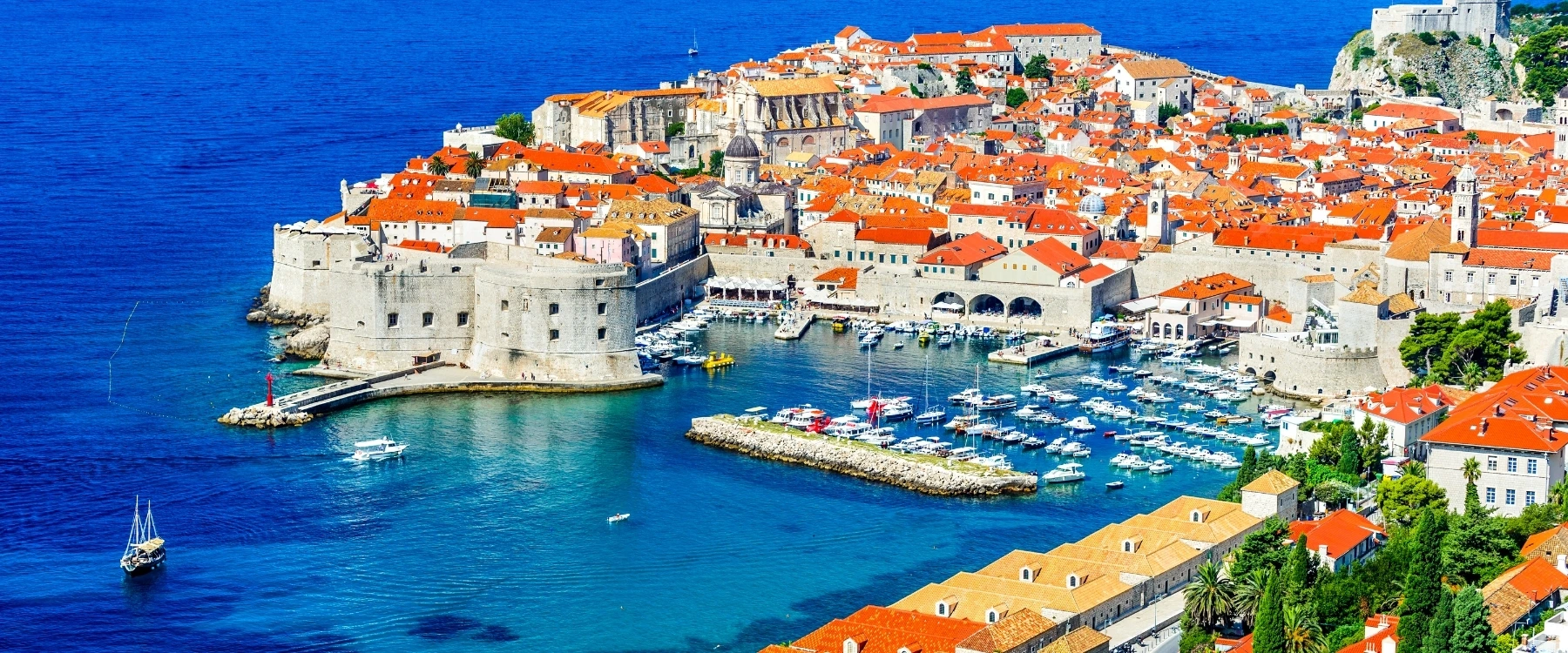
Dubrovnik’s Old Town, encircled by massive medieval walls, is a living museum of Gothic, Renaissance, and Baroque architecture. Walking atop the city walls offers sweeping views of terracotta rooftops against the deep blue Adriatic Inside, marble-paved Stradun leads to St. Blaise Church, Rector’s Palace, and hidden courtyards, each narrating tales of the city’s maritime republic era. Designated a UNESCO World Heritage Site in 1979, the Old Town’s preservation efforts ensure that every alley, square, and fortress retains its historical authenticity Whether exploring ancient fortifications or discovering tucked-away museums, travelers experience an unparalleled journey through Southern European history and culture.
Learn More
Dubrovnik’s coastline captivates with crystalline waters, secluded bays, and panoramic sea vistas. From Banje Beach just outside the Old Town walls to Lokrum Island’s botanical gardens, each coastal spot offers unique charm . Island-hopping to the Elaphiti Islands reveals serene beaches, pine forests, and traditional fishing villages, providing a tranquil contrast to the city’s historic bustle. Sea kayaking around the city walls and along hidden caves adds an adventurous dimension, letting visitors access vantage points only visible from the water. Whether sunbathing on pebbled shores or photographing sunset hues over the Adriatic, Dubrovnik’s seascapes leave a lasting impression.
Learn More
Dubrovnik’s culinary landscape highlights fresh seafood, grilled fish, black risotto, and octopus salad—all enhanced by regional olive oil and herbs . Local vineyards produce fine wines—Pošip and Plavac Mali—paired with Dalmatian delicacies in seaside konobas. Markets brim with seasonal produce, while pastry shops tempt with rozata (custard pudding) and locally made gelato. Cooking classes and food tours reveal traditional recipes passed down through generations, fostering deeper appreciation of local gastronomy. From casual beachside taverns to elegant rooftop restaurants overlooking the sea, Dubrovnik satisfies every palate with authentic Mediterranean tastes.
Learn More
The Dubrovnik Summer Festival transforms the city into a theatrical stage, with concerts, plays, and dance performances staged at historic venues like Lovrijenac Fortress and Rector’s Palace Throughout the year, intimate folklore evenings, classical music recitals in medieval chapels, and seasonal festivals—such as seafood fests and winter celebrations—offer immersive cultural experiences. Artisans showcase local crafts at night markets, while film screenings and literary events celebrate Dubrovnik’s creative spirit. These events enrich any visit, blending heritage with contemporary artistic expression and inviting travelers to partake in Dubrovnik’s dynamic cultural life.
Learn More
Beyond historic exploration, Dubrovnik offers active pursuits: sea kayaking around city walls, hiking to Srd Hill for sunrise panoramas, and snorkeling in hidden coves Cycling tours along coastal roads reveal scenic viewpoints, while zip-lining over the Adriatic near Cavtat adds an adrenaline rush. Diving enthusiasts discover underwater reefs and ancient shipwrecks. The region’s mild climate supports year-round outdoor activities: autumn hikes through olive groves, spring birdwatching on nearby islands, and winter photography with fewer crowds. For those seeking both relaxation and excitement, Dubrovnik’s versatile landscape delivers.
Learn More
While summer draws crowds for beach life, Dubrovnik’s shoulder seasons—spring and autumn—offer milder temperatures, fewer tourists, and attractive rates . Winter months showcase a quieter Old Town, festive holiday markets, and local life undisturbed by peak-season influx. Even in cooler weather, cultural sites remain accessible, and clear skies afford crisp views over the Adriatic. Special events like Christmas concerts and New Year’s festivities add seasonal charm. The city’s infrastructure—efficient transport links, varied accommodation options, and well-preserved heritage—ensures a rewarding visit at any time of year.
Learn More
Lorem ipsum dolor, sit amet consectetur adipisicing elit. At illo adipisci iusto
From

Because more than 268 other customers have loved us too

Demonstrates commitment to user data security through encryption and secure payment practices
Learn More
Demonstrates commitment to user data security through encryption and secure payment practices
Learn More
Demonstrates commitment to user data security through encryption and secure payment practices
Learn More
Demonstrates commitment to user data security through encryption and secure payment practices
Learn More
Quality as judged by customers. Book at the ideal price!


/ person
/ person
/ person
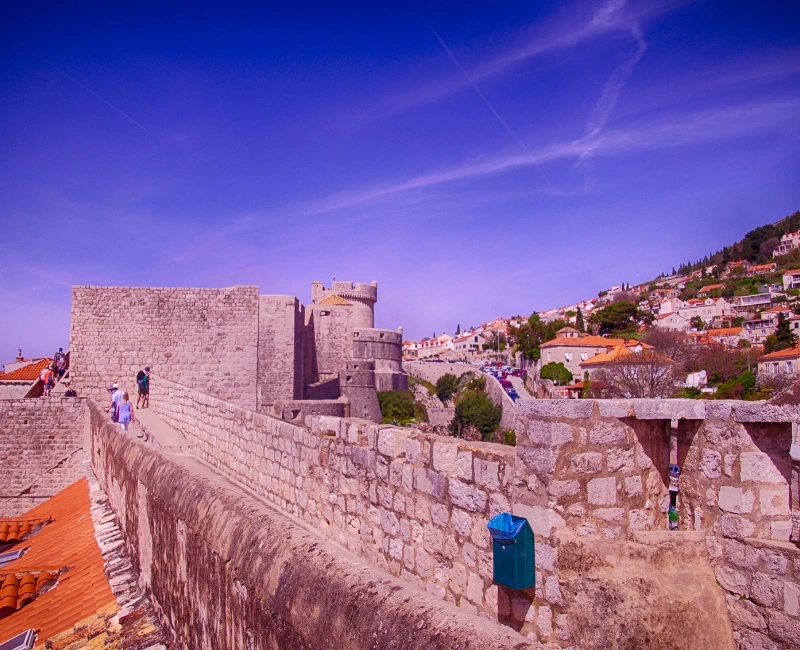
Walking Dubrovnik’s city walls is a must for anyone seeking panoramic views and a window into the town’s storied past. Spanning nearly two kilometers, these fortifications date from the 13th to 16th centuries, built to defend the maritime republic against Ottoman and Venetian threats. Begin near Pile Gate, where the earliest segments allow you to trace the walls’ evolution—from sturdy medieval ramparts to Renaissance bastions. Along the elevated path, interpretive panels highlight key features: the circular Rondel artillery platform, once bristling with cannons, and the cylindrical Minčeta Tower, offering commanding views of the Adriatic.Each stretch of the walk reveals a new vista. Look inland to spot the narrow, limestone-paved streets and the ochre-hued roofs of the Old Town, cradled within the walls. To seaward, the sapphire horizon is dotted with tiny islands, while the silhouettes of Lokrum and the Elaphiti group beckon beyond. Time your visit for early morning or late afternoon to avoid midday crowds and capture the soft, golden light that accentuates the stone’s warm tones.Guided tours weave in tales of daring sieges, ingenious defensive tactics and the resilience of Dubrovnik’s citizens during earthquakes. Alternatively, audio guides allow you to explore at your own pace, pausing to absorb stories of the soldiers who patrolled these ramparts and the lives they protected below.Mid-walk, detour to Lovrijenac Fortress, a formidable outwork perched on a limestone cliff outside the western wall. Often called “Dubrovnik’s Gibraltar,” its triangular silhouette framed against the sea is an iconic image—particularly striking at sunset, when the fortress glows against a painted sky.Although the walls involve steep stone steps and narrow passages, the circuit is suitable for anyone of moderate fitness. Wear comfortable shoes and carry water, especially in summer’s heat. Benches and shaded alcoves offer rest stops with spectacular views.This immersive journey encapsulates Dubrovnik’s essence: a blend of architectural mastery, maritime heritage and sweeping natural beauty. By completing the walls’ loop, you gain not only breath-taking panoramas but also a deeper appreciation for the city’s enduring strength and the craftsmanship that has preserved this World Heritage site for centuries.
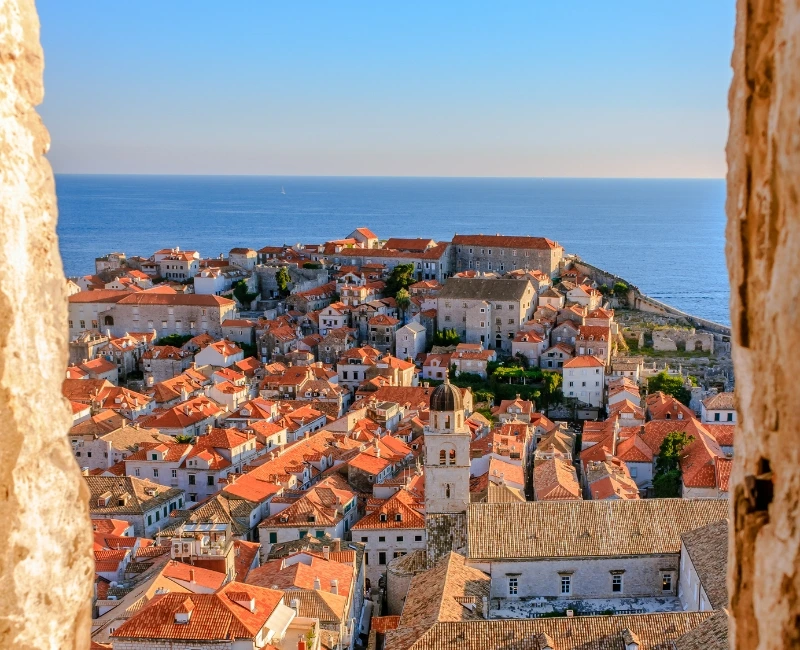
Dubrovnik’s Old Town, enclosed by its majestic walls, is a microcosm of Mediterranean history where every corner reveals layers of Gothic, Renaissance and Baroque heritage. Your wanderings naturally begin on Stradun, the broad marble-paved thoroughfare that serves as the town’s beating heart. Flanked by gleaming palaces and shaded colonnades, it invites leisurely strolls punctuated by gelato stops and street performances.A short detour brings you to the Rector’s Palace, once the seat of government for the Republic of Ragusa. Here, ornate stone portals and vaulted arcades speak of the city’s diplomatic prestige, while exhibitions on its maritime trade networks illuminate Dubrovnik’s golden age. Nearby, the Sponza Palace, with its Gothic-Renaissance façade, houses invaluable archives and hosts cultural events in its arcaded courtyard.The Old Town’s labyrinthine alleyways—such as Prijeko Street and Od Sigurate—lead to hidden squares where local life unfolds. At St. Blaise Church, admire Baroque interiors dedicated to the city’s patron saint, while the Dubrovnik Cathedral showcases a treasury of relics, gold artifacts and intricate icons. For a glimpse of medieval medicine, visit the Franciscan Monastery Pharmacy, in operation since 1317 and still dispensing herbal remedies.Guided walking tours—offered in multiple languages—uncover tales of earthquakes, plagues and sieges, revealing how Dubrovnik and its citizens repeatedly rebuilt and reinvented themselves. Self-guided audiowalks allow you to pause in front of landmarks at your own rhythm.Along the way, you’ll find intimate konobas tucked into side streets, where steaming bowls of black risotto and freshly grilled octopus pair perfectly with glasses of crisp Plavac Mali wine. Photographers will delight in capturing sunlit balconies draped with bougainvillea, medieval doorways framed by carved stone and the interplay of shadows in narrow passages.As evening falls, lanterns illuminate the limestone walls, and live music drifts from tavernas into the balmy air. The Old Town’s atmospheric glow—set against the backdrop of the sea and island silhouettes—creates an experience that transcends mere sightseeing. Here, you are part of a living tapestry of culture, where centuries-old traditions continue to resonate in every stone and sunset.
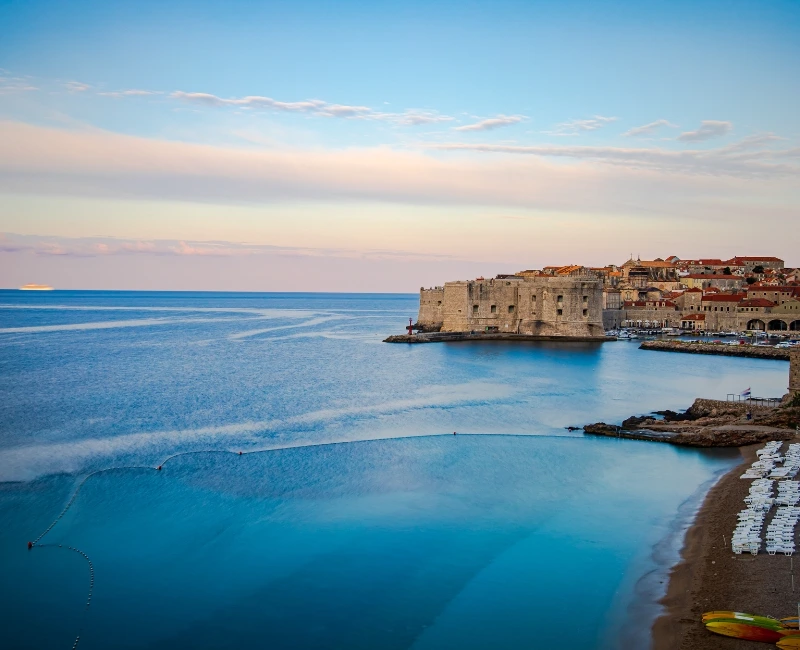
Just a short walk east of Dubrovnik’s Old Town walls lies Banje Beach, a pebbled stretch that combines city-edge convenience with Adriatic serenity. Framed by pine-clad slopes and the silhouette of Lokrum Island, this beach offers sunbeds, umbrellas and beach-club vibes ideal for unwinding after a day of historical exploration. The clear, shallow waters are perfect for swimming, while rocky outcrops invite snorkelers to discover small reef dwellers—colorful fish, sea urchins and algae-clad stones.A row of cafés and bars lines the waterfront, where you can sip chilled local beer or a refreshing cocktail under the shade of tamarisk trees. Live DJs often spin lounge music, creating an upbeat yet relaxed atmosphere as the sun arcs overhead.For greater seclusion, sea taxis and water-taxi boats run short hops to hidden pebble coves along the coast. Here, you’ll find small bays accessible only by water, perfect for sunbathing in near-solitude and slipping into azure waters for a private swim. Many visitors pack picnics featuring Dalmatian prosciutto, olives and local cheeses, transforming these coves into charming seaside dining rooms.Active travelers can rent kayaks or paddleboards at Banje. Paddling around the Old Town walls reveals new photographic angles—particularly dramatic when the city’s limestone fortifications plunge directly into the sea. Guided kayak tours often include stops at secret coves and brief history talks about coastal defense features.Boat trips to the Elaphiti Islands—Koločep, Lopud and Šipan—depart daily. Day-trip options include visits to Sunj Beach on Lopud, one of the Adriatic’s few sandy stretches, and scenic hikes through olive groves on Šipan, finishing with a seafood lunch at a family konoba. For a personalized adventure, private boat charters allow you to tailor your itinerary, from cliff-jumping spots on Koločep to secluded anchorages perfect for snorkeling.As afternoon light softens, the cliffs and sea take on golden hues. Back at Banje, beachfront bistros serve grilled seafood and Dalmatian wines, while lounge bars offer perfect sunset-view seating. Whether you seek energetic aquatic activities or lazy sun sessions, Dubrovnik’s coastal playground around Banje and the Elaphiti Islands blends natural beauty with cultural charm, delivering seaside memories that linger long after you’ve left the shoreline.
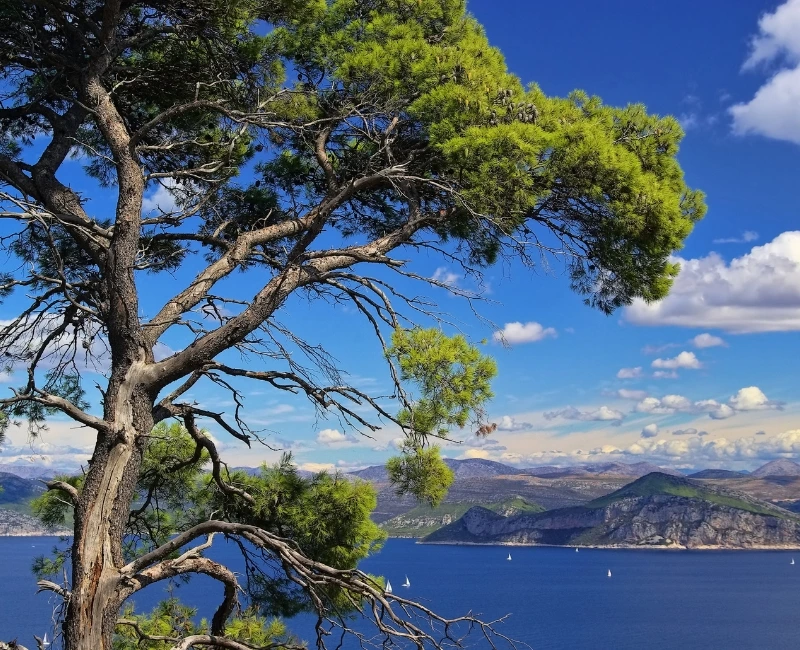
Just offshore from Dubrovnik lies the Elaphiti archipelago—three principal islands (Koločep, Lopud and Šipan) plus a scattering of smaller islets—that offers an idyllic retreat from the city’s bustle. Regular ferries and private boat tours depart from the Old Town harbor, guiding travelers through calm channels to each island’s unique character.Koločep, the closest and smallest, is car-free and rich in pine-shaded paths. Its pebble beaches and rocky coves beckon swimmers and snorkelers, while coastal walking trails reveal hidden bays and olive terraces. A short hike leads to Byzantine chapels perched on clifftops, where sweeping views of the Adriatic await.A water taxi ride brings you to Lopud, home to the rare sand beach of Sunj. Accessible by a 25-minute walk or quick boat shuttle, Sunj’s shallow waters suit families, and beachfront cafés provide refreshments. Inland, the island’s terraced vineyards and citrus groves beckon for peaceful exploration.Šipan, the largest, blends pastoral charm with historical intrigue. Its two main villages—Šipanska Luka and Suđurađ—boast Venetian mansions and medieval churches. Cyclists and hikers can traverse the gentle hills, stopping at family-run estates for tastings of olive oil, honey and robust Plavac Mali red wine. Seafood restaurants on the harbor serve daily catches accompanied by homemade gnocchi and rustic bread.Guided day trips often include commentary on local legends and architectural heritage: Ottoman-era fortresses, Venetian watchtowers and 15th-century monasteries. Kayaking tours trace island coastlines, revealing sea caves and picnic spots unreachable by land, while stand-up paddleboarding offers a tranquil way to glide past ancient olive trees leaning over clear waters.For an immersive stay, guesthouses on Šipan provide simple rooms with sea views and communal breakfasts featuring locally baked pastries and jams made from island figs. Evenings bring a slower pace: fishermen mend nets in the harbor, and waterfront taverns host live klapa (a capella) performances under starlit skies.As you return by ferry to Dubrovnik, the city walls appear anew against the sunset—an echo of the islands’ timeless rhythms and the Adriatic’s enduring allure. A day or two spent in the Elaphiti Islands enriches any Dubrovnik itinerary, balancing urban exploration with the restorative magic of island life.
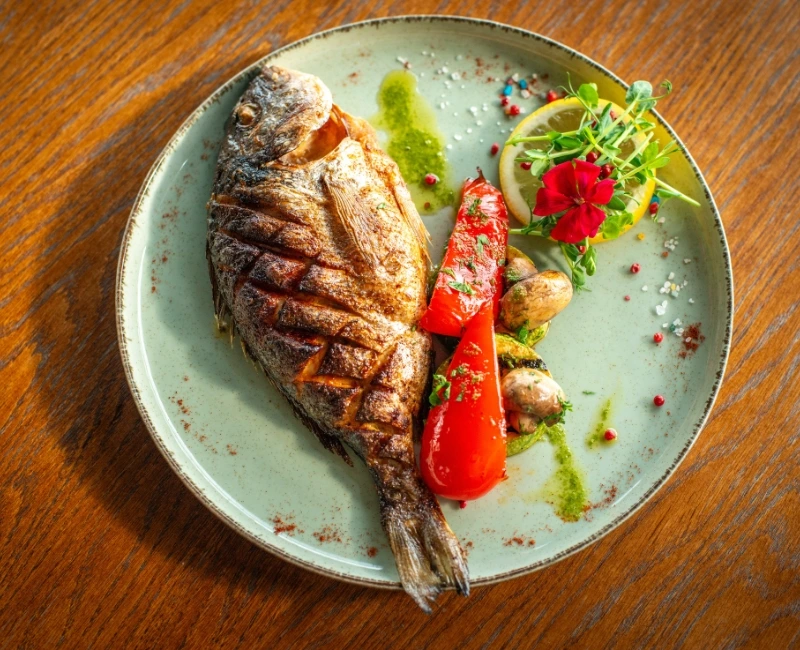
Dubrovnik’s gastronomic scene celebrates the bounty of the Adriatic and the fertile hinterlands of Dalmatia. At its heart lie konobas—rustic taverns serving fresh seafood specialties such as crni rižot (black squid-ink risotto), brudet (fish stew) simmered with wine and tomatoes, and grilled scampi drizzled in garlic olive oil. These dishes pair perfectly with local olive oils and crisp Dalmatian white wines, most notably Pošip from nearby Korčula.In the Old Town’s labyrinthine lanes, family-run eateries pass down recipes through generations, their stone-walled interiors warmed by wood-fired ovens. Here, you might sample peka, a hearty spread of octopus, lamb or veal slow-cooked under a bell-shaped lid with potatoes and herbs. Each bite reveals layers of flavor infused by centuries of culinary tradition.Daytime markets like Gundulićeva Poljana overflow with fresh produce—ripe figs, sun-baked tomatoes, olives and anchovies—inviting you to assemble your own picnic of local cheeses and prosciutto. Coffee culture thrives alongside, as baristas craft espressos and creamy cappuccinos in shaded piazzas, where Croatians linger over pastries such as kroštule and raviole sweetened with orange zest and almonds.For an elevated dining experience, rooftop restaurants overlooking the sea balance seafood with modern techniques and native ingredients—think sea-urchin risotto or ceviche made from Adriatic bass, accented by caperberries and lavender-infused olive oil. Many establishments adhere to sustainable sourcing, working directly with local fishermen and farmers to ensure traceability and minimal environmental impact.As evening falls, wine bars and tapas-style eateries light up hidden courtyards. Here, you can sample flights of Plavac Mali and Dingač reds while nibbling on paški sir (Pag cheese) and cured meats, guided by sommelier recommendations. Lively cocktail lounges on the marina craft signature drinks infused with Mediterranean herbs—rosemary, basil and citrus—or offer delicate brandy-based aperitifs served in hand-blown glasses.To immerse yourself fully, join a cooking class where local chefs guide you through making pasta from scratch, selecting fresh ingredients at market stalls and mastering the rhythm of Dalmatian kitchen lore. Whether you crave the warmth of a family konoba, the refined setting of a waterfront bistro or the convivial atmosphere of a wine bar, Dubrovnik’s culinary tapestry delivers flavors as rich and varied as the city’s history—each meal a celebration of place, tradition and innovation.

Dubrovnik’s surrounding regions yield wines and olive oils that reflect the Mediterranean climate and karst-rich soils. A short drive from the city takes you to the Konavle Valley, where family-run vineyards cultivate the white Pošip grape. Guided tastings unfold in rustic cellars, where winemakers explain how sea breezes and limestone bedrock impart characteristic minerality and citrus notes to their vintages. Sample young and aged expressions side by side, learning how oak maturation and bottling decisions shape aroma and mouthfeel.Further afield, the Pelješac Peninsula stands as Croatia’s premier red-wine region. Here, the Plavac Mali grape thrives on sun-baked hillsides overlooking the sea. Estate tours include cellar visits where tradition meets modern technology—stainless-steel tanks beside centuries-old terracotta amphorae. Flight tastings introduce you to both fruit-forward and barrel-aged Plavac Mali, paired with local cheeses and grilled prosciutto from wind-dried cured meats.Olive oil production is equally storied. In Čilipi and Gruž, small-scale mills process Korčula’s indigenous Oblica and Lastovka olive varieties. Seasonal harvest tours (October–November) allow you to pick fruit and observe pressing in stone and modern hydraulic presses. Tasting sessions highlight the spectrum of flavors—peppery early-harvest oils, grassy mid-season varieties and ripe, buttery late-press batches. Accompanied by rustic bread and local herbal teas, these tastings reveal the nuances of acidity, bitterness and fruitiness that define top-quality extra-virgin oil.If you prefer in-town options, downtown Dubrovnik’s wine bars curate tasting flights showcasing these regional treasures. Sommeliers guide you through label reading, vintage variation and pairing suggestions—smoky sheeps’ cheese, anchovy tapenade or Dalmatian fig jam. Seasonal wine festivals, often held in autumn, bring producers together for communal tastings, masterclasses and cellar door deals.Combining wine, oil and culinary workshops yields a fully immersive experience. You might press your own oil, knead dough infused with olive paste, then sample local wines over a meal of fresh seafood and seasonal vegetables. These sensory journeys deepen your connection to the land and its traditions—transforming Dubrovnik from a mere stopover into a portal to Croatia’s gastronomic heritage, where every drop of wine or olive oil tells a story of sun, stone and sea..

Sea kayaking offers one of the most exhilarating ways to experience Dubrovnik’s coastline, combining adventure with iconic views. Launching from Banje Beach or the Old Town harbor, guided tours escort paddlers past the city walls, under the legendary arches of Lovrijenac Fortress, and around secluded bays where crystal-clear water lap against ancient stone. Each paddle stroke reveals a fresh perspective—sunlight dancing on sandstone cliffs and fish darting beneath your kayak.Novices enjoy beginner-friendly routes, while experienced kayakers can extend their excursions to the Elaphiti Islands, navigating calm channels to explore hidden coves on Koločep or glide along Lopud’s sandy shores. Day trips often incorporate stops for swimming, snorkeling and cliff jumping in safe, designated areas. Lessons and kayak hires are widely available, with operators supplying life jackets, paddles and waterproof safety briefings.Stand-up paddleboarding (SUP) has also surged in popularity, offering a serene alternative. Paddlers—balanced upright on wide boards—glide silently over gently undulating waves, absorbing the same coastal panoramas from a new vantage point. SUP tours typically include brief tutorials and allow for exploration of marine habitats home to small fish and sea urchins visible beneath the surface.For those craving speed, jet-ski rentals and banana boat rides deliver adrenaline. Experienced guides lead these high-speed crafts along predetermined circuits to ensure minimal environmental impact, while riders navigate white-water wakes with exhilarating power. Parasailing outfits near the harbor launch thrill-seekers skyward, offering panoramic aerial views of Dubrovnik’s terracotta roofs and the deep blue sea.Snorkeling excursions let you explore underwater topography close to shore, where rocky reefs teem with Mediterranean species. Guided dive boats also cater to certified scuba divers eager to uncover deeper sites—ancient wrecks, underwater caves and thriving gorgonian forests. Night-time snorkeling and diving offer a different spectacle: bioluminescent organisms and nocturnal marine life appear in a surreal glow.Many water-sport operators emphasize sustainability, encouraging paddlers to respect marine life, avoid anchoring on seagrass beds and carry out any waste. Seasonal considerations—jellyfish “stinger” periods and changing sea conditions—are closely monitored, with safety equipment and local knowledge ensuring a secure adventure.Whether you seek the meditative rhythm of SUP, the thrill of a kayak venture or the rush of a jet ski, Dubrovnik’s coastal playground invites you to merge history, scenery and aquatic sport into an unforgettable aquatic itinerary.
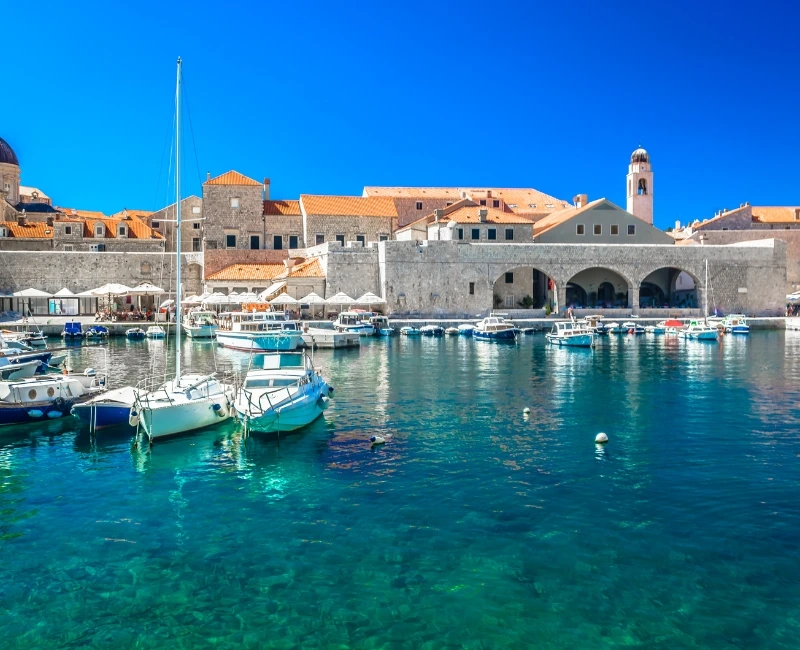
Dubrovnik’s calendar pulses with festivals that animate its historic streets, fountains and fortresses with music, theater, dance and communal celebration. The Dubrovnik Summer Festival, held from mid-July through August, transforms the Old Town into a vibrant stage: performances unfold at open-air venues such as Lovrijenac Fortress, the Rector’s Palace atrium and church courtyards. Classical concerts, Shakespearean dramas and Croatian folklore dances bring centuries-old architecture to life under starlit skies.As summer wanes, the Dubrovnik Carnival in February revives medieval traditions: costumed processions parading through Stradun, masquerade balls in palace halls and children’s workshops teaching mask-making and local stories. The festive spirit spills into family-friendly activities, from puppet shows to folk music concerts in public squares.The Winter Festival (December–January) features a Christmas market in Gundulićeva Poljana, where wooden huts brim with artisanal crafts, festive snacks and warming mulled wine. Starlit nativity scenes, carolers in period costume and ice-skating rinks conjure a cozy holiday atmosphere, even under mild Dalmatian skies.Easter processions—rooted in centuries of Catholic tradition—wind through narrow lanes, as locals carry statues and light thousands of candles, creating a solemn yet beautiful spectacle. Accompanying stalls offer aromatized walnuts, dalmatinski fritule (fried dough balls) and other seasonal delicacies.Film and music festivals diversify the lineup year-round. The Dubrovnik Film Festival screens local and international cinema in historic venues, while the Guitar Art Festival in spring brings renowned classical guitarists to perform in baroque palaces and churches. Jazz enthusiasts gather for the Dubrovnik Jazz Festival in autumn, as smoky saxophones echo off stone walls.Seasonal seafood feasts in coastal villages celebrate the bounty of the Adriatic, featuring grilled mussels, black risotto and octopus salad prepared by local families. These small-scale gatherings offer intimate cultural immersion away from the city’s main thoroughfares.Art-market weekends showcase regional crafts—iconic red coral jewelry, hand-woven baskets and embroidered linens—while live workshops invite visitors to try their hand at pottery or lace-making. Culinary events such as Street Food Festival spotlight modern takes on traditional dishes, accompanied by local craft beers and wines.Whether you visit in spring, summer, autumn or winter, timing your stay to coincide with these vibrant cultural events adds depth to Dubrovnik’s timeless appeal. Each festival underscores the city’s resilience, creativity and communal warmth, ensuring that your experience extends beyond sightseeing to true participation in Dubrovnik’s living heritage.
No ads. No trails. No commitments


Alice Roses
London, England
51 ST MATTHIAS ROAD
NOTTINGHAM, NOTTINGHAMSHIRE
NG3 2HF
Hours: 8:00 - 17:00, Mon - Sat
support@johnsonholidays.com