 Auvergne-Rhône-Alpes Travel
Guide
Auvergne-Rhône-Alpes Travel
Guide
Paris is known around the world as the “capital of love,” and even if you don't understand the history of Paris at all

2 Hours
£5
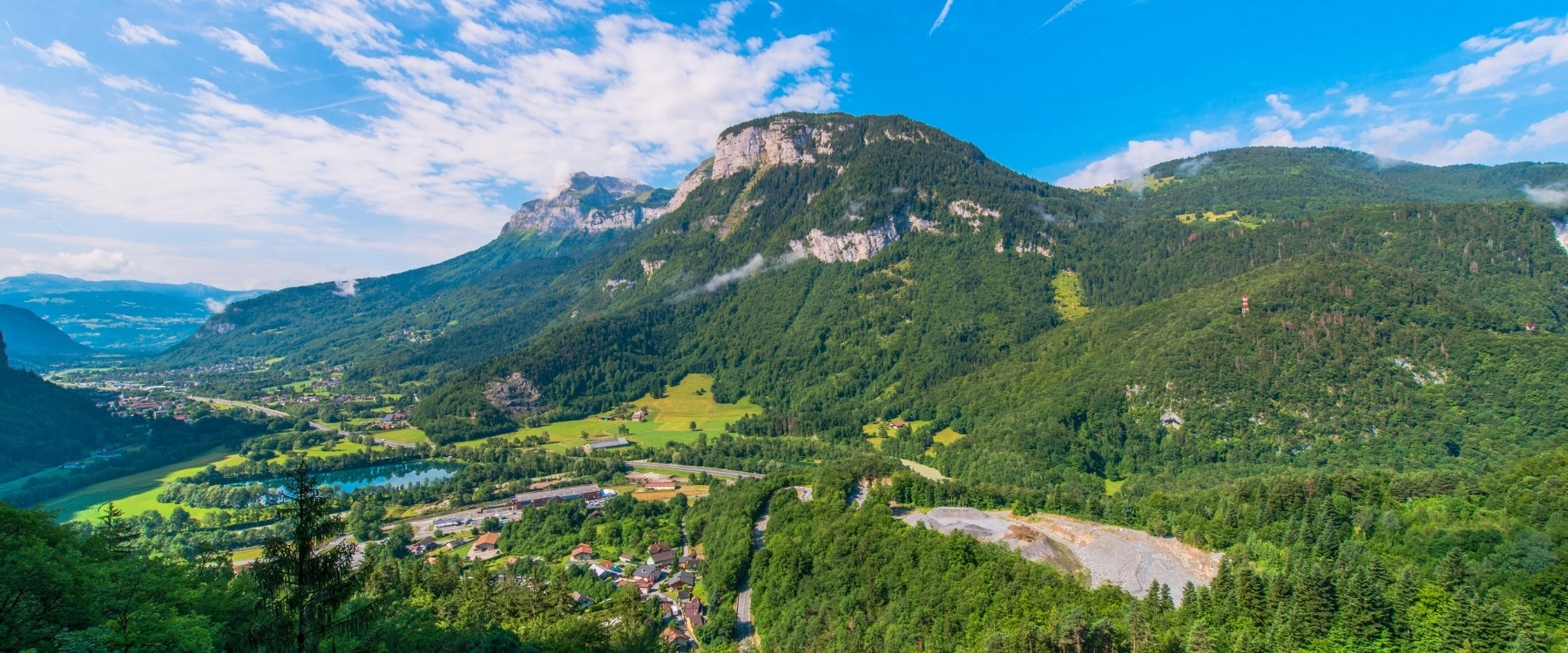
Auvergne-Rhône-Alpes uniquely combines two striking geological identities: the Alps and ancient volcanic highlands. You can stand atop Mont Blanc’s environs for panoramic snow-capped peaks, then journey west to explore the Chaîne des Puys with its emerald lakes and verdant volcanic cones. Hikers, photographers, and nature lovers will be captivated by the contrast of rugged alpine terrain and gentle, undulating volcanic plateaux. In winter, pristine ski slopes and powder conditions beckon; in summer, alpine meadows burst with wildflowers and volcanic trails invite discovery. This dramatic diversity ensures each day brings new scenery and experiences: sunrise over mountain peaks, sunset behind a dormant volcano, or starlit nights far from city lights. Booking now secures access to these landscapes, whether you seek winter sports or summer exploration, ensuring a memorable immersion in some of France’s most spectacular natural settings.
Learn More
Whether you visit in winter or summer, Auvergne-Rhône-Alpes caters to outdoor enthusiasts. In winter, world-renowned ski resorts like Chamonix, Val d’Isère, and Les Deux Alpes offer extensive pistes, off-piste opportunities, and modern lift systems. Après-ski culture thrives in mountain villages, with cosy lodges and hearty Alpine cuisine. In summer, the same slopes transform into hiking trails, mountain biking routes, and paraglider launch points. Lakes such as Annecy and Bourget provide water sports: paddleboarding, kayaking, and swimming amid mountain vistas. For adrenaline seekers, rafting in the Ardèche gorges and canyoning in alpine streams deliver thrills. Families enjoy gentle hikes, wildlife spotting, and scenic train rides through mountain passes. Booking a trip here means accessing a breadth of activities year-round, ensuring each itinerary is filled with adventure tailored to your preferences and skill level.
Learn More
Food lovers will relish Auvergne-Rhône-Alpes’s reputation as a culinary powerhouse. Lyon is lauded as France’s gastronomic capital, where bouchons serve traditional dishes—think coq au vin, quenelles, and rich Lyonnaise salads. In the mountain areas, hearty cuisine features gratin dauphinois, tartiflette, and fondue savoyarde made with local cheeses. Auvergne’s volcanic soils yield renowned cheeses such as Saint-Nectaire, Cantal, and Bleu d’Auvergne for tasting tours. Wine routes through Beaujolais and Savoie vineyards allow sampling of crisp whites and light reds, with cellar visits and local pairings. Dining here balances rustic authenticity and refined gastronomy. Booking now gives you the chance to reserve sought-after tables, join cooking workshops, or partake in vineyard excursions, ensuring a taste-focused journey through the region’s rich culinary tapestry.
Learn More
The region’s cities and towns brim with heritage: Lyon’s Renaissance Old Town, Roman theatres in Vienne, and the pilgrimage site at Le Puy-en-Velay reflect centuries of history. Medieval villages like Pérouges and Annecy’s old town with its canals invite exploration. Spa towns such as Vichy and Aix-les-Bains offer wellness retreats rooted in historic thermal baths. Cultural calendars showcase festivals: Lyon’s Fête des Lumières, classical music concerts in mountain settings, and local fairs celebrating regional crafts. Museums chronicle everything from silk-weaving traditions to mountaineering heritage. Booking ahead allows securing guided tours of UNESCO sites, timed entry to popular attractions, and participation in seasonal festivals, ensuring a culturally immersive experience that brings the region’s rich past and vibrant present to life.
Learn More
Despite its popularity, many parts of Auvergne-Rhône-Alpes retain an unspoilt, authentic charm. Quaint hamlets in the volcanic highlands, pastoral valleys, and less-frequented alpine villages offer tranquil retreats. Good transport links—Lyon-Saint Exupéry Airport, TGV rail connections, and regional roads—mean you can easily reach major hubs, then venture into quieter corners. This accessibility combined with off-the-beaten-path areas ensures you can balance city comforts with remote exploration. Booking now secures accommodation in sought-after but limited-capacity rural gîtes or mountain lodges, and helps plan routes that avoid crowds while still benefiting from efficient logistics. Experience local markets, artisan producers, and hidden viewpoints before the crowds arrive.
Learn More
Auvergne-Rhône-Alpes captivates every season: winter skiing and snow activities; spring wildflower blooms on volcanic slopes; summer lake recreation and mountain adventures; autumn wine harvests and golden foliage in alpine passes. Each season brings unique festivals: winter ski events, summer music and food festivals, autumn harvest fairs, and spring wellness retreats in thermal towns. Booking across seasons means tailoring your trip: early-booking ski packages for prime snow, summer chalet stays for hiking access, or spa breaks in shoulder seasons when crowds thin. The region’s infrastructure—resorts, guided tours, spa facilities—operates year-round, offering flexibility. Reserving now ensures you secure ideal timing and accommodations for your preferred season, whether chasing winter slopes or summer trails, making your visit both timely and memorable.
Learn More
Lorem ipsum dolor, sit amet consectetur adipisicing elit. At illo adipisci iusto
From

Because more than 268 other customers have loved us too

Demonstrates commitment to user data security through encryption and secure payment practices
Learn More
Demonstrates commitment to user data security through encryption and secure payment practices
Learn More
Demonstrates commitment to user data security through encryption and secure payment practices
Learn More
Demonstrates commitment to user data security through encryption and secure payment practices
Learn More
Quality as judged by customers. Book at the ideal price!


/ person
/ person
/ person
Auvergne’s volcanic legacy defines an extraordinary landscape of extinct volcanoes, rolling plateaux, and crater lakes that beckon travellers to explore a terrain shaped by ancient eruptions. The Chaîne des Puys, a UNESCO Global Geopark, comprises over 80 volcanic features stretching for some 32 km. Hikers can ascend Puys such as Puy de Dôme, reaching around 1,465 meters, for panoramic views over green valleys and neighbouring cones. Well-marked trails wind through volcanic slopes carpeted with heather and wildflowers in summer, while autumn brings golden hues and crisp air. The higher vantage points reveal a patchwork of meadows dotted with grazing livestock, illustrating the region’s agricultural heritage tied to volcanic soils.Lakes like Lac Pavin and Lac Chambon occupy volcanic craters, offering tranquil swimming spots surrounded by forested slopes. These water bodies present opportunities for paddle sports, fishing, or simply picnicking on shores with vistas reflecting cone silhouettes. Geology enthusiasts benefit from interpretive paths and visitor centres detailing volcanic processes; guided walks explain lava flows, volcanic ash layers, and the region’s evolution over thousands of years. Photography is rewarded at sunrise or sunset when light softens the contours of the cones.Beyond daytime exploration, volcanic highlands provide clear, dark skies ideal for stargazing. Several observatories and astronomy clubs offer night-time sessions near Clermont-Ferrand, where the absence of light pollution reveals constellations, the Milky Way, and meteor showers in summer. For a special experience, combine a volcano hike with an evening astronomy outing, enjoying local rural cuisine in a nearby gîte before gazing at the heavens.Accommodations near volcanic areas range from rural guesthouses to eco-lodges embedded in nature. Some establishments emphasise sustainability, with local produce from volcanic pastures featured in meals. Cycling routes traverse the volcanic foothills, suitable for experienced cyclists seeking challenging climbs or casual riders on gentler paths. In winter, higher elevations may see snowfall, offering snowshoe hikes across volcanic plateaux—a quieter alternative to alpine resorts.Cultural ties to volcanic landscapes manifest in local traditions: festivals celebrating rural life, markets showcasing products nurtured by volcanic soils, and artisanal crafts inspired by the region’s geology. Engaging with local guides, you learn about how historically communities adapted to fertile but rugged terrain, developing unique architectural styles using volcanic stone in historic buildings.Visiting Auvergne’s volcanoes is not just a hike or photo opportunity; it immerses travellers in a landscape of geological wonder, pastoral life, and cultural continuity. Booking guided excursions or self-guided stays during summer ensures access to visitor centres and clear trails, while off-season visits reward with solitude and serene vistas. Whether drawn by outdoor adventure, geological fascination, or rural charm, the volcanic heart of Auvergne delivers an unforgettable encounter with nature’s power and beauty.
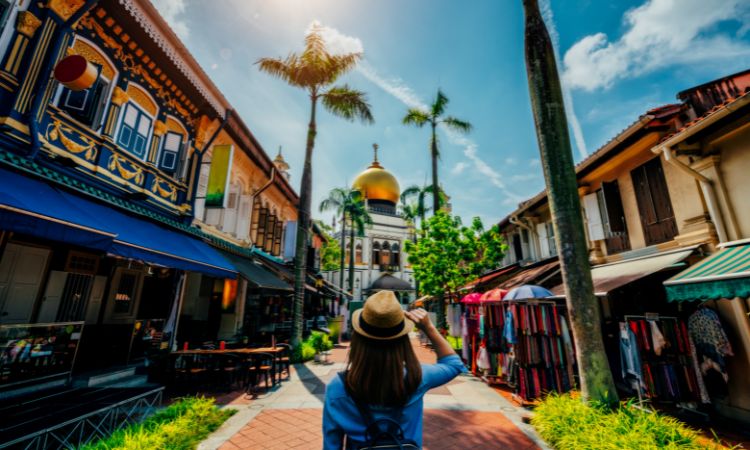
The eastern part of Auvergne-Rhône-Alpes encompasses some of Europe’s most famed Alpine territory. In winter, resorts such as Chamonix, Les Deux Alpes, Val d’Isère, and La Clusaz offer varied slopes for all abilities, with modern lift networks and après-ski atmospheres. Chamonix sits in the shadow of Mont Blanc, providing challenging off-piste runs for experienced skiers as well as gentler slopes for families. Snowshoeing and guided mountaineering expeditions allow adventurers to traverse high-altitude terrain under expert supervision. Ski schools cater to beginners, ensuring a supportive environment to learn and enjoy winter sports.As snow thaws, the same mountains metamorphose into summer playgrounds. Trails open for hikers and mountain bikers, with cable cars or mountain trains transporting visitors to high-altitude trailheads. The iconic Tour du Mont Blanc trek passes through sections in this region, offering multi-day trekking with mountain refuges or village stays. Alpine meadows welcome trekkers with blooming flora, while crystal-clear streams cascade through valleys. Paragliding opportunities abound, letting thrill-seekers soar above valleys and lakes for aerial perspectives.Lakes nestled among peaks—such as Lake Annecy and Lake Bourget—provide lakeside resorts that complement mountain experiences. In summer, swimming, paddleboarding, and sailing become focal activities, with mountain backdrops framing water-based relaxation. Wellness seekers can visit spa towns like Aix-les-Bains, where thermal waters reputedly possess healing properties, offering relaxation after strenuous alpine excursions.Accommodation ranges from luxury ski-in/ski-out chalets to mountain lodges, family-run pensions, and eco-friendly refuges. Many establishments combine traditional alpine architecture—wooden beams, stone foundations—with modern comforts, heating, and spa facilities. Gastronomy in alpine areas highlights local produce: mountain cheeses melted into comforting dishes, charcuterie from highland pastures, and hearty stews that sustain explorers after a day outdoors.Travel logistics are well-established: Geneva and Lyon airports serve as gateways, followed by shuttle services or car hires to reach resorts. Summer driving through alpine passes rewards with scenic vistas, though planning is essential to avoid peak traffic. Guided excursions in both seasons offer local expertise: avalanche safety workshops in winter, botanical tours in summer, and photography tours to capture the changing landscapes.For families, many resorts provide children’s clubs, gentle nursery slopes, and supervised activities. For thrill-seekers, heli-skiing and extreme ski routes are available where permitted. In summer, via ferrata routes and climbing walls challenge adrenaline seekers, while gentle lakeside cycling and lakeshore picnics satisfy more relaxed travellers. Booking in advance ensures access to best-value packages, equipment rentals, and guided services, especially during peak holiday windows. Whether chasing fresh powder or alpine wildflowers, Auvergne-Rhône-Alpes’s mountains deliver an immersive high-altitude experience anchored in spectacular scenery and well-organised infrastructure.
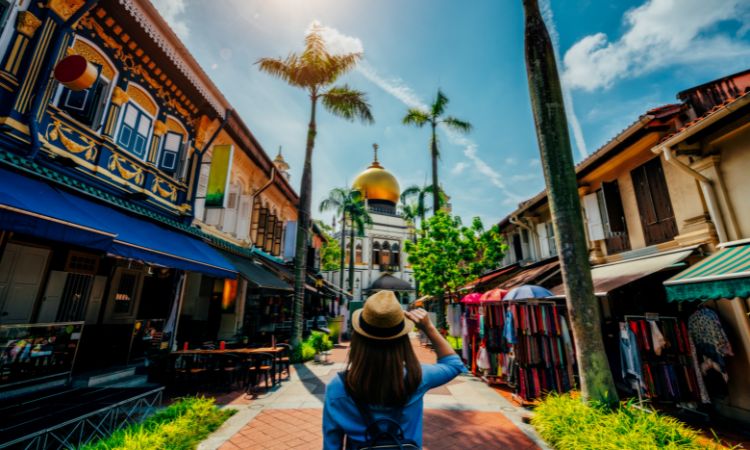
Auvergne-Rhône-Alpes’s urban centres showcase layers of history from Roman times through medieval eras to modern innovation. Lyon, the region’s metropolis, combines Roman amphitheatres at Fourvière with Renaissance Old Town streets and Belle Époque mansions. Stroll through traboules—hidden passageways once used by silk workers—exploring Lyon’s silk-weaving heritage. Museums such as those dedicated to fine arts and the gastronomy heritage illustrate the city’s prominent cultural status. Riverside promenades along the Rhône and Saône rivers provide scenic vistas and vibrant cafés where you can sample local cuisine while overlooking passing boats. Evening light shows during the Fête des Lumières transform Lyon into a luminous canvas.Vienne, south of Lyon along the Rhône, preserves an impressive Roman theatre used for music festivals. Medieval towns like Pérouges feature cobbled streets and fortified walls, evoking bygone eras. Le Puy-en-Velay is a UNESCO-listed pilgrimage site with its distinctive volcanic rock cathedral and statue of the Virgin Mary atop a volcanic cone. Clermont-Ferrand’s Gothic cathedral built from black volcanic stone dominates the skyline and reflects the region’s geological identity, while its lively university town atmosphere offers modern cafés and galleries.Spa towns such as Vichy and Aix-les-Bains highlight the region’s long-standing tradition of thermal wellness. Historic bathhouses offer rejuvenating treatments using mineral-rich waters. Architectural landmarks include medieval castles perched on hilltops, Renaissance châteaux, and fortified churches sprinkled across the countryside. Many have been restored and host cultural events, concerts, or exhibitions in summer.Walking tours in these cities and towns uncover hidden courtyards, artisan workshops, and local markets where producers sell cheeses, charcuterie, and artisanal crafts. Seasonal festivals celebrate traditions: medieval fairs re-enact historical events, music festivals take place in atmospheric settings such as Roman theatres, and gastronomic fairs invite you to taste specialties while learning about their origins.Architectural contrasts emerge between historic centres and modern developments: Lyon’s Confluence district showcases contemporary design alongside restored wharves, while Grenoble’s transformation into a “green city” blends innovation with alpine vistas. Universities and research centres in Lyon and Grenoble foster a dynamic, youthful vibe evident in street art, independent cafés, and creative events.Accommodations in historic settings range from boutique hotels in restored heritage buildings to modern stays with classic touches. Booking a room overlooking a medieval square or in a converted mansion adds authenticity to your stay. Guided walks, audio tours, and local guides enrich understanding of how history shaped each city’s identity, while seasonal events allow participation in local life rather than mere observation.This guide emphasizes exploring urban heritage within Auvergne-Rhône-Alpes: planning multi-day stays lets you balance city discoveries with excursions to nearby natural sites. For example, base yourself in Lyon or Clermont-Ferrand, then venture into surrounding mountains or volcanic plateaux. Early booking ensures access to popular guided tours, priority entry to museums, and attendance at festivals. These cities are more than pit-stops; they are living museums where past and present coalesce, offering cultural depth alongside urban comforts.
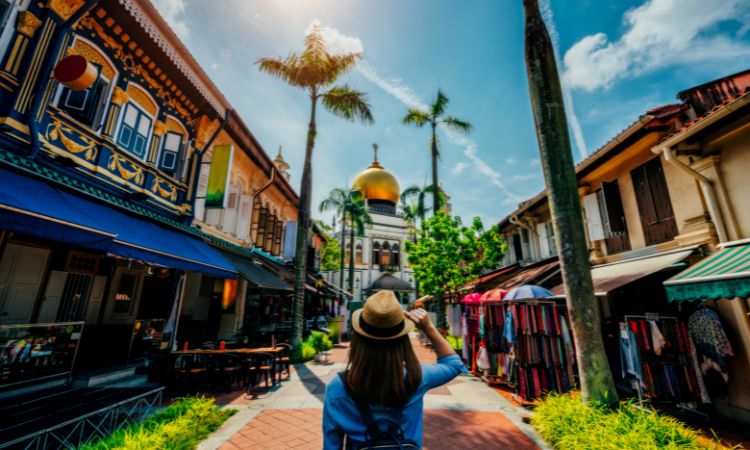
Auvergne-Rhône-Alpes’s cultural tapestry is woven from rural traditions, seasonal festivals, and artisan crafts that have endured for centuries. Across mountain villages and volcanic hamlets, local producers craft cheese, cured meats, and confections using time-honoured methods. Participating in a cheese-making workshop in Auvergne or a charcuterie demonstration in Savoie connects you to the region’s culinary heritage. Visiting local markets—such as Lyon’s famous indoor food hall—reveals an array of fresh produce, cheeses, breads, and regional specialties. Engaging with producers offers insights into generational knowledge passed down through challenging climates and terrains.Festivals punctuate the calendar: Lyon’s Fête des Lumières in December illuminates the city with artistic light installations. In spring and summer, music festivals take place in Alpine settings or Roman theatres, blending natural acoustics with historic ambience. Autumn harvest festivals celebrate wine and chestnuts, inviting visitors to vineyards in Beaujolais or orchards in the region. Winter markets in mountain towns combine festive atmosphere with local crafts and warming specialties. Each festival presents an opportunity to experience local hospitality, sample seasonal foods, and witness community spirit in action.Artisan crafts flourish: from silk-weaving heritage in Lyon’s Croix-Rousse district to woodwork in mountain villages, traditional craftspeople maintain skills that reflect local resources and history. Workshops and guided visits allow travellers to observe artisans at work, purchase handmade souvenirs, and sometimes try their hand at weaving, pottery, or wood carving. Regional crafts often incorporate materials like volcanic stone, alpine wood, or local textiles, resulting in unique pieces that tell a story of place.Culinary workshops extend beyond tasting: learn to prepare hearty mountain dishes or refine pastry techniques in city-based classes. Wine tours include cellar visits and blending workshops where you craft your own bottle using grapes from local vineyards. Seasonal foraging excursions in forests or mountain meadows teach identification of wild mushrooms, herbs, and berries, culminating in cooking sessions with local chefs.Rituals and traditions—such as pastoral transhumance where herds move to high-altitude pastures in summer—offer immersive experiences. Attending a transhumance event, you see shepherds and livestock traversing scenic routes, accompanied by folk celebrations featuring music and local dishes. Such traditions underscore the intimate relationship between people, livestock, and land shaped by mountainous and volcanic terrains.Booking in advance is advisable for festival accommodations, artisan workshops, and guided experiences, particularly during high season. Staying in family-run guesthouses often includes home-cooked meals showcasing generational recipes. This guide to traditions and festivals emphasizes authentic connections: prioritising local engagements ensures a deeper understanding of the region’s identity beyond its landscapes, creating lasting memories rooted in culture and community.
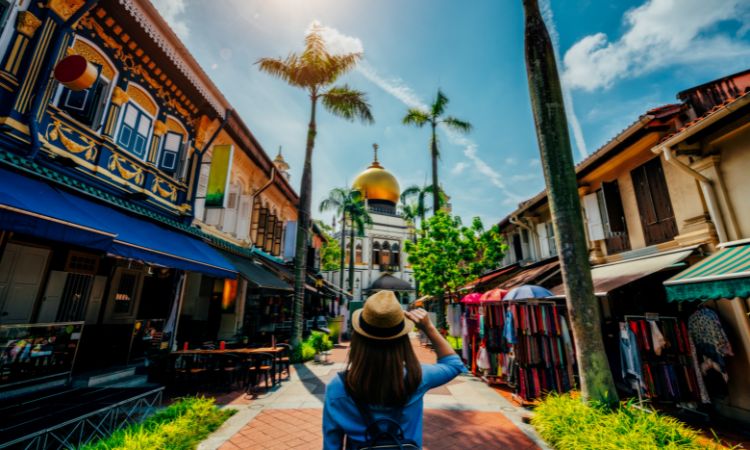
Auvergne-Rhône-Alpes stands as a gastronomic heartland of France, offering a spectrum of flavours shaped by mountainous terroirs, fertile valleys, and urban culinary innovation. Lyon alone houses numerous bouchons—traditional taverns serving dishes like quenelles de brochet, salade Lyonnaise, and andouillette—paired with local wines. Exploring Lyon’s food markets, such as Les Halles, immerses you in a world of charcuterie, artisanal cheeses, fresh produce, and pastries. Cooking classes here reveal techniques for classic French preparations, blending tradition with modern twists.In the Alps, hearty mountain fare nourishes adventurers. Dishes such as tartiflette with Reblochon cheese, fondue savoyarde, and raclette embody alpine comfort, ideally enjoyed après-ski or after a day hiking. Local charcuterie, including saucissons and cured hams, reflect preservation methods developed for harsh winters. Farm visits let you sample cheeses like Tomme de Savoie, Beaufort, and Abondance in their production settings, guided by producers who explain aging processes in mountain caves.Auvergne’s volcanic soils yield distinctive cheeses: Saint-Nectaire, Cantal, Bleu d’Auvergne, and Fourme d’Ambert. Cheese trails in rural areas guide visitors through farms and cooperatives, with tastings illustrating subtle flavour differences based on altitude and feed. Pair these cheeses with local breads and regional condiments such as chutneys made from forest fruits. Seasonal products include wild mushrooms in autumn and chestnuts in mountain foothills, featured in traditional recipes and modern creations by innovative chefs.Wine lovers can explore Beaujolais, known for its light reds such as Gamay, through scenic vineyard routes and cellar visits. In Savoie, crisp whites like Jacquère and Roussanne complement mountain dishes. Guided tastings elucidate how alpine climates influence vine growing and wine profiles. Some operators offer blending workshops, letting you create a personalised bottle. Wine festivals and harvest events in autumn provide lively atmospheres with local music and communal meals.Urban gastronomy extends beyond Lyon: Clermont-Ferrand’s restaurants pair modern techniques with regional ingredients, while smaller towns host bistros championing farm-to-table ethos. Seasonal menus highlight fresh produce: asparagus in spring, wild berries in summer, and root vegetables in winter. Food tours combine tastings at markets, bakeries, and chocolatiers, culminating in multi-course meals at recommended establishments.Plan budgets reflecting British travellers: mid-range restaurant meals cost approximately £20–£30 per person; wine tastings and cheese tours may range from £10–£25 per session. Booking popular cooking classes or cellar tours in advance ensures availability, especially during peak seasons. For a memorable culinary journey, consider staying in agritourism accommodations where breakfasts and dinners include home-produced items, deepening connection to local food culture.This guide to culinary delights emphasises a blend of urban gastronomy and rural authenticity. From Lyon’s renowned restaurants to mountain chalet meals, the region offers a comprehensive tasting experience. Advance reservations for sought-after venues and experiences guarantee seamless discovery of flavours that define Auvergne-Rhône-Alpes.
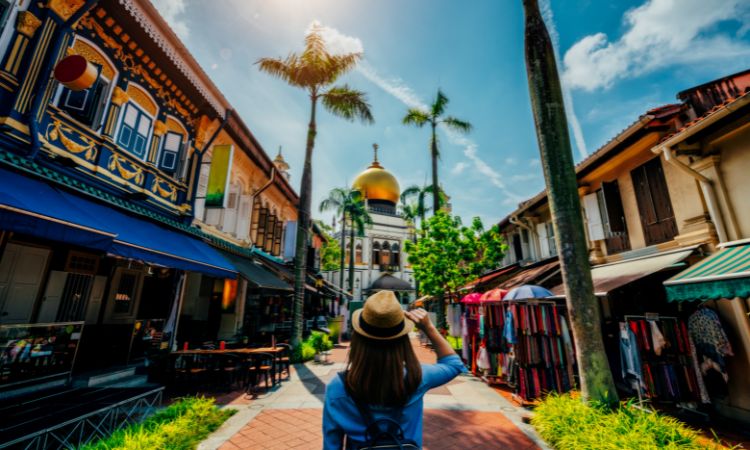
Auvergne-Rhône-Alpes is home to celebrated wine regions offering diverse styles shaped by varied climates and altitudes. Beaujolais, north of Lyon, produces unmistakable light-bodied reds from Gamay grapes, known for bright fruitiness and approachability. Scenic vineyard drives pass through vine-covered hills dotted with quaint villages, where family-run domaines welcome visitors for tastings. Beaujolais Nouveau festivities in November are lively celebrations, but year-round visits reveal deeper vintages and cellar tours explaining traditional carbonic maceration techniques.Savoie’s high-altitude vineyards yield crisp, mineral-driven whites such as Jacquère, Altesse, and Roussanne, often paired with alpine cuisine. Vineyards cling to steep slopes above mountain lakes or bordering alpine valleys, creating dramatic settings for tastings. Small-scale producers focus on terroir expression, inviting guests into intimate cellar environments. Guided hikes through vineyards combine scenic exercise with educational stops, culminating in tastings of local cuvées paired with regional cheeses.In the northern Rhône, appellations like Côte-Rôtie and Hermitage produce powerful reds from Syrah grapes. Although travel distances are greater, day trips or multi-day wine tours can include visits to historic wineries where vintners share centuries-old traditions alongside modern techniques. Tastings often involve comparative sessions illustrating differences between terroirs, vintages, and winemaking styles, enriching appreciation of Rhône Valley’s prestige.Lesser-known wine areas in the region, such as Bugey, offer hidden gems for intrepid oenophiles. Bugey’s varied microclimates produce reds, whites, and sparkling wines—ideal for travellers seeking discoveries off the beaten path. Local wine cooperatives and private cellars provide tastings accompanied by cheese boards showcasing neighbouring farmhouse produce.Practical considerations for wine tours: many wineries require advance booking, especially during harvest season (September–October). Guided tours by local experts ensure transportation logistics and deeper insights into viticulture. Prices for tasting sessions vary: budget around £10–£25 per person for standard tasting; premium vertical tastings or blending experiences may cost more. Consider hiring a driver or joining organised group tours for safety and convenience if sampling multiple wines in one day.Seasonality influences vineyard visits: spring brings budding vines and mild weather for walks among emerging greenery; summer offers lush vine canopies and outdoor tastings; autumn harvest allows participation in grape picking events and witnessing winemaking in action; winter visits reveal cellar environments and winemaking discussions around wood-fired stoves. Each season frames a different facet of vineyard life.Accommodation options near wine regions include boutique inns in vineyard settings or guesthouses in nearby villages. Staying locally allows early starts for private tours and the chance to attend village wine festivals. Food pairings often accompany tastings: local cheeses, charcuterie, and breads reflect terroir complementarity.This guide to wine trails and vineyard excursions emphasises planning and authentic experiences: advance arrangements for tastings, awareness of seasonal activities, and budgeting for tasting fees ensure a smooth journey. Whether sampling Beaujolais Nouveau or exploring Savoie whites, travellers will uncover the region’s vinous diversity amid exceptional landscapes, making wine exploration a highlight of any Auvergne-Rhône-Alpes itinerary..
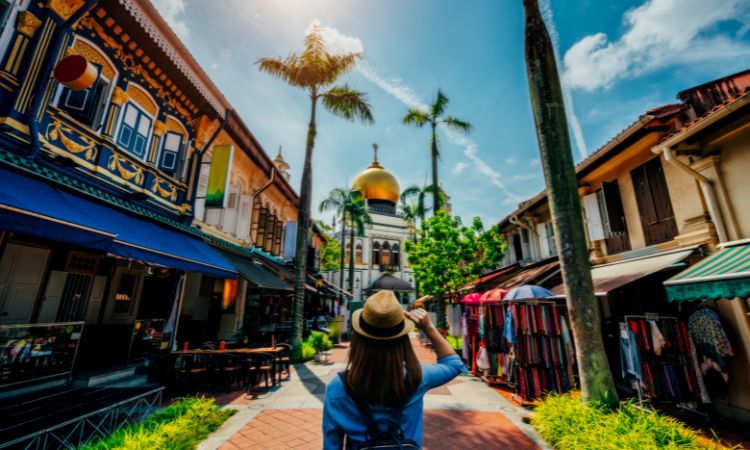
Auvergne-Rhône-Alpes offers an extensive network of trails and routes for hikers and cyclists of varied abilities, weaving through alpine peaks, volcanic plateaux, and verdant valleys. Hiking enthusiasts can choose from high-altitude multi-day treks in the Alps—such as sections of the Tour du Mont Blanc—or gentler routes in Auvergne’s volcanic region, where trails like the ascent to Puy de Dôme provide rewarding panoramas after moderate climbs. Well-maintained waymarked paths traverse forests, meadows, and ridgelines, with mountain refuges and rural guesthouses offering rest stops or overnight stays. Seasonal variations mean summer brings wildflowers and clear vistas, while autumn offers crisp air and colourful foliage.Cyclists find varied terrain: road cyclists test themselves on iconic climbs used by the Tour de France, such as Alpe d’Huez or Col du Galibier, while cyclists seeking gentler routes can explore rolling vineyards of Beaujolais or flat sections along river valleys. Mountain biking trails range from technical descents in alpine areas to leisurely forest tracks in Auvergne. Bike rental shops and guided tours provide equipment and local trail knowledge. Cycling events and sportive challenges occur throughout the season, allowing participation or spectating.Water-based activities complement land pursuits: rafting and canyoning in rivers like the Ardèche deliver adrenaline, with professional guides ensuring safety. Kayaking and paddleboarding on lakes such as Annecy offer scenic experiences. In summer, canyoning in alpine streams presents freshwater thrills, while wild swimming in mountain-fed lakes refreshes after hikes.Paragliding is popular in alpine zones: tandem flights let novices soar above valleys, enjoying aerial views of peaks, lakes, and villages. Certified schools and instructors provide training and guided experiences, with options for longer cross-country flights for those seeking greater challenge. Via ferrata routes in alpine areas combine hiking and climbing, allowing access to vertical terrain with safety systems, attracting adventure seekers who want scrambling without full technical climbing.Winter transforms hiking into snowshoe treks and skiing. Snowshoeing trails traverse snow-covered forests and plateaux, offering quieter alternatives to busy pistes. Nordic skiing (cross-country) is prominent in Auvergne’s volcanic highlands and Alpine plateaux, with groomed trails and rental facilities. Guided snowshoe or ski tours introduce visitors to winter ecology and safety practices.Families benefit from tailored trails and activities: easy hikes to scenic lookout points, family-friendly cycling routes, rope courses, and nature discovery workshops. Wildlife spotting opportunities include observing chamois, ibex, deer, and alpine birds, often facilitated by local guides who share knowledge of fauna and flora.Planning considerations: check seasonal trail conditions, weather forecasts, and altitude-related factors. Advance booking for guided expeditions (e.g., mountaineering or technical climbs) is essential. Equipment rental services are widespread in resort towns and larger villages. Budget for guided sessions: hiking or biking guides may cost £50–£100 per day depending on group size and expertise level, while water sports sessions often range from £30–£60. Multi-day trekking may involve night stays in mountain refuges or gîtes, needing reservations during busy periods.This guide to hiking, cycling, and outdoor pursuits underscores the region’s all-season appeal: from volcanic trail walks to alpine summits, from vineyard routes to river adventures. Tailor your journey by combining activities, balancing challenge and leisure, and embedding local expertise through guided experiences. Advance planning ensures safe, fulfilling outings that reveal the region’s natural splendour and adventurous spirit.
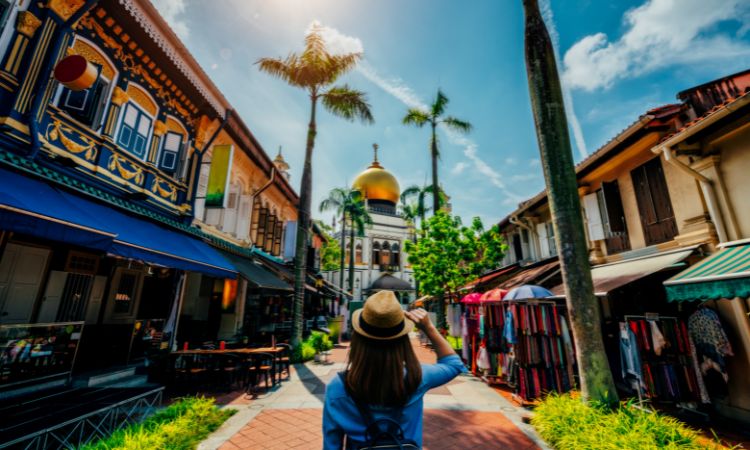
Auvergne-Rhône-Alpes is synonymous with premier winter sports and mountain adventures, drawing enthusiasts from across Europe to its varied resorts and backcountry zones. Leading ski areas such as Chamonix-Mont-Blanc, Les Trois Vallées (accessible via neighbouring regions but readily reached from central hubs), Val d’Isère, and Les Deux Alpes offer extensive slopes for alpine skiing and snowboarding. Resorts cater to all levels: nursery slopes and ski schools for beginners, challenging black runs and off-piste itineraries for experts. Modern lift infrastructures minimise queue times, while snowmaking systems ensure reliable coverage in marginal seasons.Beyond alpine skiing, opportunities abound: cross-country skiing (Nordic) flourishes in plateau regions such as Plateaux de l’Arselle or cross-country centres around Annecy. Snowshoe excursions traverse tranquil forests and volcanic plateaux in Auvergne or Alpine valleys, guided by experts who share insights on winter ecology and safety. Ski touring and mountaineering appeal to seasoned adventurers seeking untouched terrain; professional guides lead ascents on challenging peaks, offering technical instruction and avalanche awareness training. For thrill-seekers, heli-skiing (where permitted) unlocks remote descents, combining helicopter transfers with guided downhill runs.Après-ski culture is vibrant: mountain villages animate evenings with live music, regional dishes in cosy chalets, and wellness spas providing recovery through thermal baths or saunas. Many resorts feature indoor pools, spas, and fitness facilities, allowing relaxation after active days. Dining includes hearty fondues, tartiflettes, and raclette, paired with local wines to warm the body and spirit after cold alpine days. Family-friendly amenities include childcare services, children’s clubs, and family-oriented ski lessons, ensuring all ages enjoy mountain retreats.Equipment rental is widely available in resort bases and larger towns: choose from standard to premium gear for skiing, snowboarding, or touring. Booking equipment in advance secures best rates and ensures availability during peak holiday periods. Lift passes vary by resort size and duration; multi-resort passes provide flexibility to explore neighbouring valleys, while day passes suit focused itineraries. Budgeting around £40–£60 per day for lift passes and £20–£30 for equipment rental gives a baseline; guided mountain activities or heli-skiing incur additional costs but deliver unmatched experiences.Safety and planning: winter weather in mountains can change rapidly; monitor forecasts and heed local advisories. Guided activities require advance booking and appropriate fitness levels; avalanche safety courses or guided tours ensure preparedness. Transportation to resorts from airports like Lyon-Saint Exupéry, Grenoble, or Geneva involves shuttle services, private transfers, or rental cars; winter tyres and chains may be required. Consider staying in resort villages for easy slope access or in nearby towns for more budget-friendly options combined with daily transfers.Beyond skiing, winter mountain adventures include ice climbing, dog-sledding excursions, and snowmobile tours in some areas, offering diverse thrills. Cultural events such as winter music festivals or Christmas markets in alpine towns enrich evenings. For non-skiers, scenic mountain train rides or cable car journeys provide spectacular views and photo opportunities. Wellness retreats in thermal towns (e.g., Aix-les-Bains) complement active days with restorative treatments.This guide to winter sports and mountain adventures emphasises comprehensive planning: selecting resorts matching ability levels, securing equipment and lift passes in advance, and booking guided experiences for off-piste or specialised activities. Embrace the full mountain experience by balancing active pursuits with relaxation and local cuisine, making Auvergne-Rhône-Alpes a premier winter destination that satisfies adrenaline and comfort alike.
No ads. No trails. No commitments


Alice Roses
London, England
51 ST MATTHIAS ROAD
NOTTINGHAM, NOTTINGHAMSHIRE
NG3 2HF
Hours: 8:00 - 17:00, Mon - Sat
support@johnsonholidays.com