 Berlin Travel
Guide
Berlin Travel
Guide
Paris is known around the world as the “capital of love,” and even if you don't understand the history of Paris at all

2 Hours
£3.00

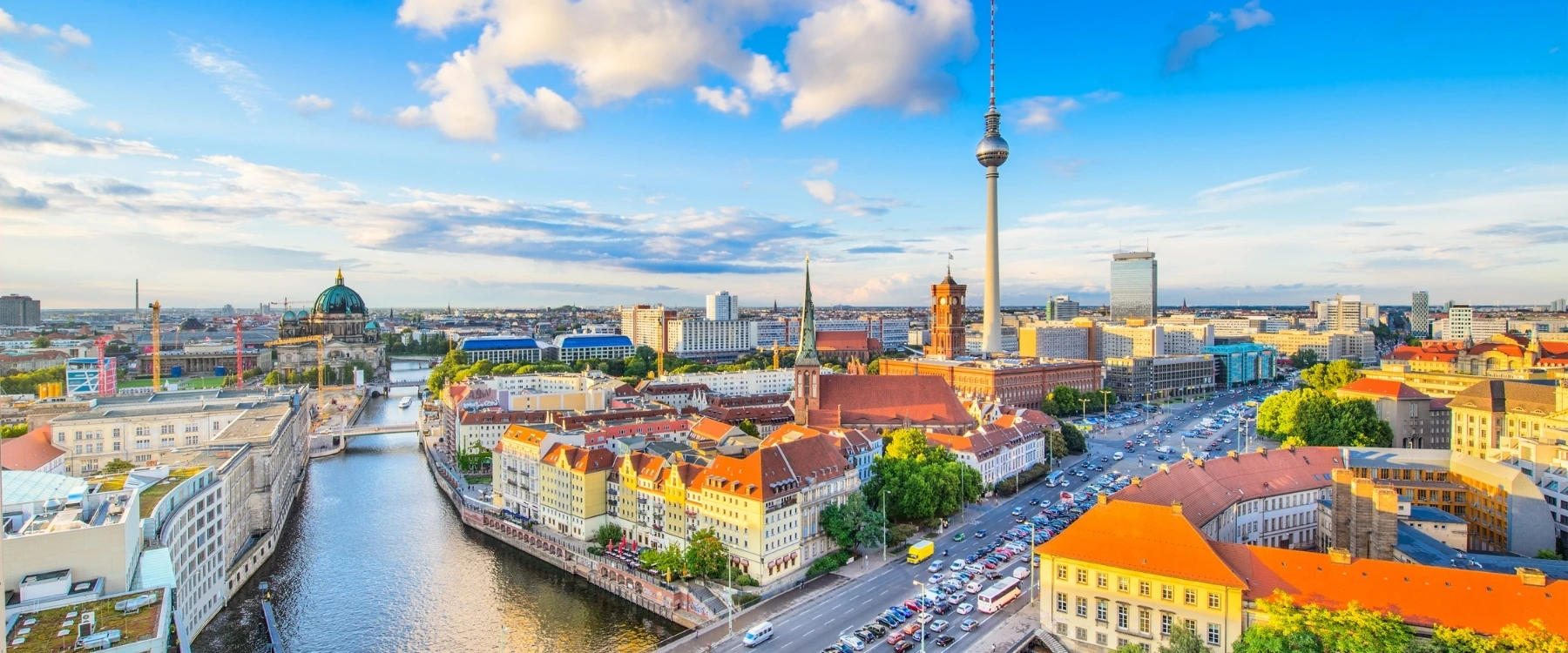
Berlin’s layered history spans Prussian royalty, wartime upheaval and Cold War division, culminating in reunification that reshaped Europe. Monuments like the Brandenburg Gate embody resilience, while the Reichstag’s modern dome invites reflection on governance and transparency. Sites such as the Memorial to the Murdered Jews of Europe and Topography of Terror reveal sobering chapters with respectful interpretation. Preserved sections of the Berlin Wall, notably the East Side Gallery, transform a symbol of division into a canvas of hope and creativity. Museumsinsel presents artefacts charting human civilisation, while neighbourhood tours uncover hidden wartime relics and stories of everyday life under different regimes. For travellers seeking profound insights into how history shapes modern society, Berlin offers immersive, thoughtfully presented experiences that resonate long after departure.
Learn More
Berlin’s creative energy is palpable in its galleries, street art and performance venues. Museums showcase both classical collections and cutting-edge contemporary works. Districts like Kreuzberg and Friedrichshain host pop-up exhibitions in former industrial spaces, reflecting a spirit of experimentation. The Berlin Philharmonie and Staatsoper offer world-class concerts, while independent theatres and dance companies push artistic boundaries. Film festivals, design fairs and craft markets spotlight emerging talent, fostering a dynamic environment where innovation thrives. Cultural events span all scales—from large-scale exhibitions on Museum Island to intimate shows in converted warehouses. This constant renewal ensures every visit offers fresh perspectives, drawing art enthusiasts and curious travellers alike to Berlin’s ever-evolving cultural tapestry.
Learn More
Berlin’s gastronomic scene reflects its multicultural makeup and spirit of innovation. Traditional German staples like currywurst and schnitzel share menus with vegan creations and international street food. Vibrant markets such as Markthalle Neun present local produce, artisanal breads and global flavours in one setting. Cosy cafés serve specialty coffee and pastries, while breweries and beer gardens celebrate Bavarian traditions with a Berlin twist. Cocktail bars experiment with local botanicals, offering inventive mixes. From casual street stalls to Michelin-starred venues, dining in Berlin caters to every budget. Food tours and cooking workshops deepen understanding of regional ingredients and culinary heritage. Seasonal pop-up kitchens and festival street food offer novel tasting opportunities. For food enthusiasts, Berlin is a playground of tastes that continually surprises and delights.
Learn More
Berlin’s nightlife is legendary for its inclusivity, diversity and longevity. Techno clubs like Berghain and Tresor draw music lovers to immersive sound environments, while jazz bars and live music venues in Mitte and Kreuzberg offer alternative evening options. Cocktail lounges and rooftop bars provide stylish settings for relaxed nights out. Open-air events, night markets and cultural performances add variety to after-dark itineraries. Theatre, comedy and cabaret venues showcase local and international talent. Berlin’s 24-hour ethos means many establishments remain open into the next day, allowing flexible pacing. Whether dancing until dawn in industrial spaces or enjoying a laid-back evening by the Spree, Berlin’s nightlife caters to a broad spectrum of tastes, promising memorable experiences for all.
Learn More
Berlin features a seamless transport network comprising U-Bahn, S-Bahn, trams and buses that connect central attractions, residential districts and surrounding regions. A unified ticketing system covers all modes, and digital apps simplify planning and purchasing. Extensive cycling lanes and bike-sharing schemes offer eco-friendly alternatives. Major sites are walkable in central zones, but efficient transit enables exploration of outlying neighbourhoods and day-trip destinations. Regional trains link Berlin to Potsdam, Spreewald and beyond, broadening travel possibilities. Accessibility features in stations and vehicles support travellers with mobility needs. Reliable schedules and clear signage reduce travel stress, allowing visitors to maximize time experiencing Berlin’s offerings.
Learn More
Berlin’s accommodation options suit diverse preferences and budgets. Boutique hotels housed in historic buildings provide character and local charm, while sleek modern hotels in emerging districts offer contemporary comforts. Mid-range properties frequently include breakfast or package deals enhancing value. Hostels cater to solo travellers and groups seeking budget-friendly stays, often fostering communal atmospheres. Apartment rentals deliver flexibility for families or longer visits. Seasonal and shoulder-season promotions can yield attractive rates. Staying in different districts—from central Mitte to eclectic Neukölln—allows immersion in distinct local scenes. Combined with efficient transport, accommodation choices enable visitors to balance cost, convenience and ambiance when planning their Berlin experience.
Learn More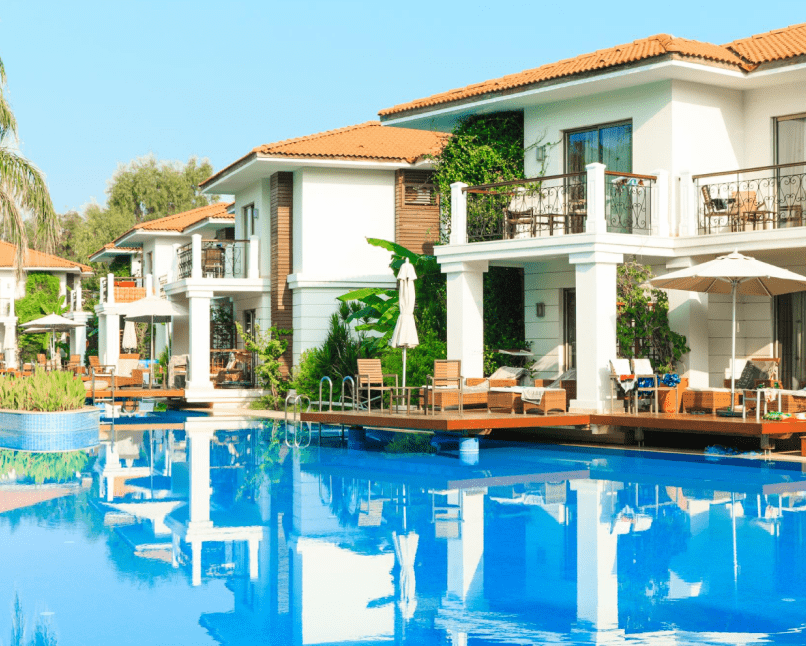
Lorem ipsum dolor, sit amet consectetur adipisicing elit. At illo adipisci iusto
From

Because more than 268 other customers have loved us too

Demonstrates commitment to user data security through encryption and secure payment practices
Learn More
Demonstrates commitment to user data security through encryption and secure payment practices
Learn More
Demonstrates commitment to user data security through encryption and secure payment practices
Learn More
Demonstrates commitment to user data security through encryption and secure payment practices
Learn More
Quality as judged by customers. Book at the ideal price!


/ person
/ person
/ person
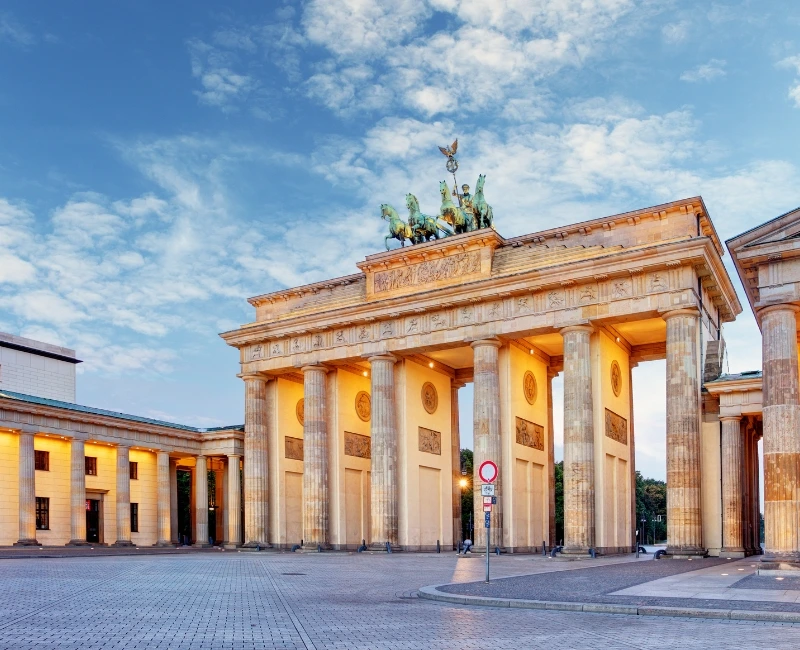
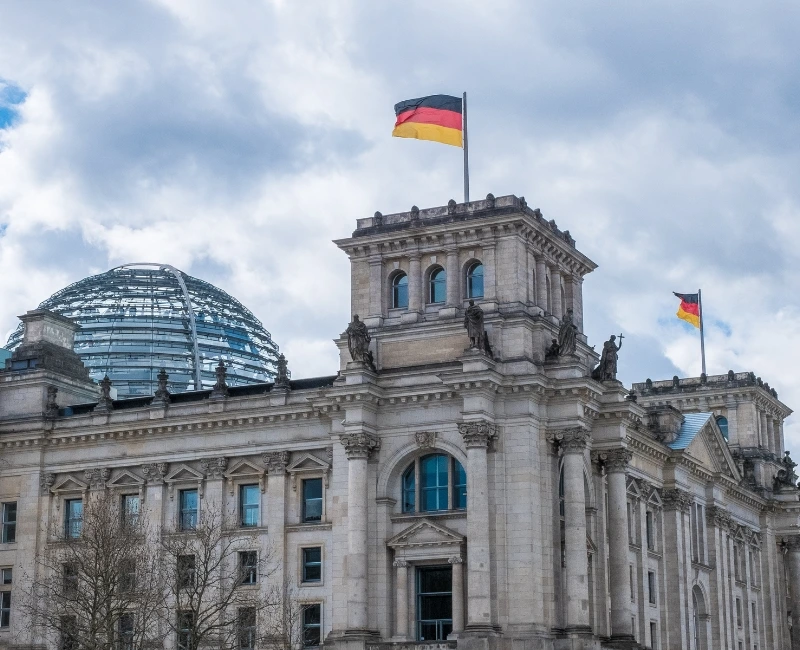
Berlin’s landscape is a living chronicle of its past, with landmarks and memorials that invite immersive reflection on pivotal events. The Brandenburg Gate, an 18th-century neoclassical triumphal arch, once stood adjacent to the Berlin Wall; today it symbolises unity and resilience. Standing beneath or photographing this monument evokes the city’s journey from division to reunification. Nearby, the Reichstag building, with its modern glass dome, offers panoramic views of Berlin and embodies transparency in governance—a fitting metaphor for a nation overcoming secrecy and division. Visits to the dome require advance registration but reward with insights into parliamentary functions and sweeping city vistas.The Memorial to the Murdered Jews of Europe comprises an expansive field of concrete stelae arranged in rows of varying heights, creating an undulating terrain that evokes unease and contemplation. Beneath the surface, an information centre presents personal testimonies, historical documents and contextual exhibits that deepen understanding of Holocaust atrocities. This combination of stark exterior design and informative interior fosters respectful remembrance. Equally poignant is the Topography of Terror exhibition, located on the original site of Gestapo and SS headquarters; outdoor panels and a museum detail the machinery of oppression under Nazi rule with archival photographs, documents and survivor accounts. This site reminds travellers of the importance of vigilance against intolerance.Fragments of the Berlin Wall are preserved at multiple locations. East Side Gallery—one of the longest surviving sections—features murals painted by international artists after the Wall’s fall, transforming a symbol of division into a canvas celebrating freedom. Strolling alongside the Spree while viewing these artworks combines history with creative expression. Guided walking tours along remaining Wall sections reveal stories of escape attempts, border patrols and personal narratives, offering intimate perspectives often missed by casual observation. At Checkpoint Charlie, a recreated guardhouse and museum recount Cold War espionage, escape endeavours and the ideological clash that once defined the city.Charlottenburg Palace, a baroque masterpiece, transports visitors to Prussian royal life. Tour its opulent rooms and wander the formal gardens, imagining the era of Frederick the Great and courtly ceremonies. In contrast, sites like the Soviet War Memorial in Treptower Park commemorate World War II sacrifices with monumental sculptures and landscaped surroundings, revealing layers of remembrance. Lesser-known spots—hidden bunkers, former border installations or neighbourhood memorial plaques—offer deeper dives into Berlin’s wartime and divided past. Engaging local guides for specialised tours uncovers these hidden gems and personal stories.Berlin’s commitment to presenting history includes interactive exhibits: the DDR Museum allows visitors to experience everyday life in former East Germany through recreated living spaces, artifacts and multimedia elements. The German Historical Museum provides a wide-ranging narrative of national history, contextualising Berlin’s role within broader European developments. Each site balances factual depth with accessible presentation, ensuring travellers walk away with nuanced insights.Together, these landmarks and memorials form a tapestry of remembrance and education. Exploring them in sequence or selecting specific interests—from royal heritage to wartime accounts—reveals how Berlin’s identity has been shaped by upheaval and regeneration. Visitors emerge with a deeper appreciation for human resilience and the ongoing importance of preserving memory, making this guide section an essential doorway into Berlin’s profound historical journey.
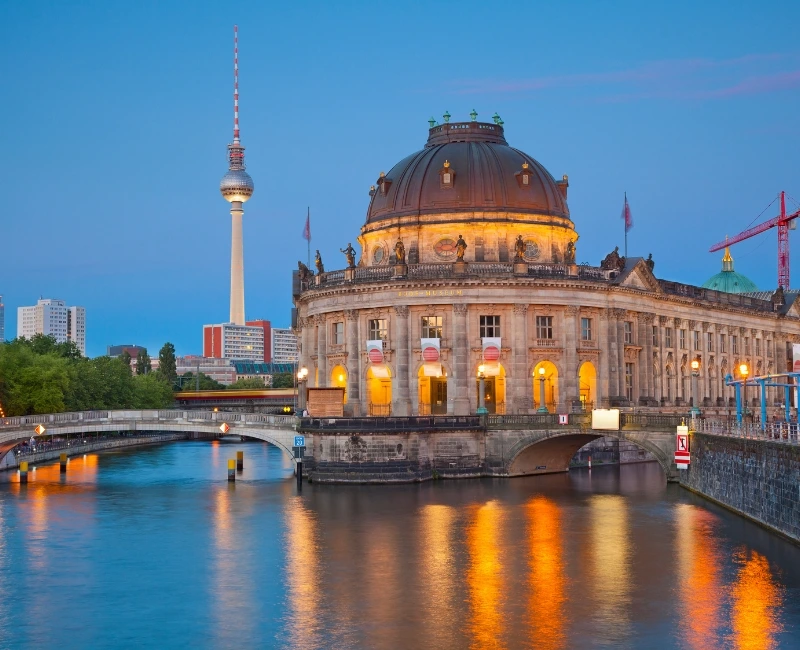
Berlin’s museums and cultural institutions form an unparalleled network that caters to varied interests, inviting visitors to deepen their understanding of art, history and society. At the heart lies Museumsinsel (Museum Island), a UNESCO World Heritage site on the Spree River, comprising five major museums. The Pergamon Museum houses monumental reconstructions of ancient architectures—like the Ishtar Gate and the Market Gate of Miletus—immersing visitors in antiquity. Adjacent, the Neues Museum presents Egyptian treasures, including the iconic bust of Nefertiti, set within a reconstruction that fuses modern restoration and original ruins. The Alte Nationalgalerie displays Romantic and early modern paintings, charting shifts in European art. Meanwhile, the Alte Museum explores classical antiquities, and the Bode Museum highlights sculptures and Byzantine art. Purchasing a combined ticket or the Berlin Museum Pass provides cost-effective access to these institutions over consecutive days, allowing unhurried exploration.Beyond Museumsinsel, the German Historical Museum in Unter den Linden offers comprehensive exhibits tracing Germany’s evolution, contextualising Berlin’s pivotal role. Multi-lingual displays and guided tours facilitate engagement for international visitors. The Jewish Museum, housed in a striking deconstructed building designed by Daniel Libeskind, presents a layered narrative of Jewish life in Germany through personal stories, artifacts and interactive installations; its architecture itself conveys themes of absence and memory. The DDR Museum offers hands-on experiences of everyday life in former East Germany: visitors can sit in an East German living room, handle period objects and learn about routines under the GDR regime. This interactive approach brings history to life beyond passive observation.For modern and contemporary art, the Hamburger Bahnhof repurposes a historic railway terminal into a premier venue showcasing 20th- and 21st-century works. Rotating exhibitions feature both German and international artists, reflecting Berlin’s role as a creative hub. The Berlinische Galerie celebrates local modern art, photography and architecture, highlighting Berlin-specific movements and creators. Smaller institutions like the Museum of Technology trace industrial heritage and innovation, appealing to those fascinated by engineering and transport. The Bauhaus Archive explores the influential design movement’s legacy, linking historical artefacts with contemporary design practices.Specialised museums further enrich cultural understanding: the Allied Museum in Dahlem examines the Western Allies’ presence in Berlin post-World War II; the German Spy Museum explores espionage history; and the Museum of Natural History presents extensive scientific collections, including dinosaur skeletons. Temporary exhibitions across gallery spaces and pop-up venues introduce cutting-edge themes, ensuring frequent repeat visits reveal fresh discoveries. Many museums host lectures, workshops and evening events—ideal for travellers seeking immersive cultural activities.To maximise museum visits, plan ahead: check opening hours (some museums close one weekday), consider guided tours or audio guides in preferred languages, and book popular exhibitions in advance during peak seasons. Combined tickets and passes often yield savings, while museum cafés and shops offer opportunities to rest and purchase unique souvenirs. For those with limited time, select a mix of flagship sites and niche institutions aligned with personal interests—be it ancient history, modern art, social history or technology. Berlin’s museum landscape reflects its layered identity: a city rebuilt from upheaval, embracing both remembrance and innovation. Engaging with these institutions enriches any Berlin itinerary, providing lasting insights and memorable encounters with human creativity and historical complexity.
Berlin’s neighbourhoods each possess distinct characters, inviting travellers to step beyond well-trodden routes and discover authentic local life. Kreuzberg epitomises multicultural vibrancy: colourful street art adorns former industrial facades, while markets such as Markthalle Neun showcase an array of street food—from German classics to Middle Eastern, Asian and beyond—reflecting the district’s diverse communities. Wander through side streets to encounter independent galleries, pop-up events, vintage shops and hidden courtyards hosting weekend flea markets. Evening brings casual bars and lively music venues where locals mingle in relaxed settings.Adjacent Friedrichshain offers a youthful, creative atmosphere. The East Side Gallery—once a segment of the Berlin Wall—now hosts murals by international artists, combining history with artistic expression along the Spree. Nearby, RAW-Gelände, a repurposed rail yard, buzzes with clubs, bars, street art and open-air events in summer. Bicycle rentals allow smooth navigation between sites, revealing hidden murals tucked around corners and graffiti-laden underpasses. Prenzlauer Berg contrasts with leafy streets lined by restored 19th-century buildings, boutique shops and cosy cafés ideal for brunch or coffee breaks. Boutique concept stores sell locally made fashion and design objects; weekend markets like Kollwitzplatz host artisanal stalls and local produce.Neukölln, once overlooked, now thrives as a hotspot for creatives and entrepreneurs. Cafés and co-working spaces spill onto sidewalks, while craft breweries and innovative eateries attract a younger crowd. Street art murals blend with renovated architecture, and impromptu cultural events appear in converted workshops. Exploring by bike or on foot reveals neighbourhood gardens, street-side galleries and community projects fostering an inclusive ethos. Charlottenburg offers a different mood: elegant shops along Kurfürstendamm, classic cafés and historic theatres exude refined charm. Visiting both central and outlying districts provides a balanced view of Berlin’s diverse urban fabric.Guided street art tours decode mural symbolism and introduce viewers to artists’ stories, deepening appreciation of political and social commentary conveyed through graffiti. For photography enthusiasts, early morning strolls capture quiet streets and emerging light on historic façades. Bicycle tours offer efficient coverage of multiple neighbourhoods, uncovering hidden gems such as local markets, artisan workshops and community spaces. Seasonal events—open studios, neighbourhood festivals and pop-up exhibitions—invite participation and reveal grassroots creativity.Engaging with locals—whether chatting with market vendors, joining a communal meal in a community garden or attending a workshop—enriches understanding of Berlin’s inclusive culture. Urban exploration extends beyond sightseeing: one may volunteer briefly at a local initiative or participate in a neighbourhood clean-up or art project. This deeper engagement highlights Berlin’s ethos of collaboration and innovation, rooted in its history of rebuilding and reinvention.By exploring Berlin’s neighbourhoods and street art, travellers experience the city through a local lens: vibrant, evolving and authentically expressive. Allow time to wander without strict itineraries, follow curiosity down side streets, and embrace spontaneous discoveries. Each district tells a unique story, contributing to a comprehensive portrait of Berlin’s dynamic spirit.

Berlin’s nightlife reputation is legendary, offering an expansive spectrum of after-dark experiences that cater to diverse tastes. At its core lies the electronic music scene: clubs such as Berghain, Tresor and Watergate attract global audiences with world-class sound systems and underground ethos. These venues often occupy repurposed industrial spaces, where raw architecture enhances immersion in music. Entry may involve queuing and an unpredictable door policy, but those who enter encounter marathon sets and inclusive atmospheres. Alongside techno temples, alternative venues host house, drum & bass, and experimental electronic nights, reflecting Berlin’s openness to sonic exploration.Yet nightlife extends beyond techno. Jazz aficionados can find intimate clubs in Mitte or Prenzlauer Berg offering live performances by local and visiting artists. Indie rock and alternative bands play in venues across Kreuzberg and Neukölln, often in casual settings where discovering emerging acts is part of the appeal. Classical music enthusiasts can attend performances at the Konzerthaus or smaller chamber music events in historic halls, blending tradition with Berlin’s contemporary interpretation. Theatre lovers enjoy late-evening fringe productions and performance art in unconventional spaces—warehouses, galleries or outdoor locations—where boundary-pushing works challenge conventions.Bar culture in Berlin emphasizes creativity and conviviality. Cocktail bars experiment with local ingredients—herbs, fruits and spirits sourced regionally—crafting inventive drinks that surprise the palate. Speakeasy-style venues conceal themselves behind unmarked doors, adding intrigue. Rooftop bars and riverside terraces provide scenic backdrops for sunset cocktails, offering relaxed environments before heading to clubs. Beer gardens and microbreweries celebrate Germany’s beer heritage, inviting patrons to sample traditional brews and craft varieties in communal settings.For those seeking social interaction, pub crawls and bar-hopping tours introduce travellers to neighbourhood hotspots, guided by locals who share insider knowledge. Open-mic nights, comedy clubs and spoken-word events offer alternative entertainment with participatory vibes. Late-night eateries and street food stalls provide nourishment after hours, reflecting Berlin’s 24-hour culture that caters to night owls.Safety and navigation are straightforward: public transport runs late or 24 hours on weekends along key routes; taxis and ride-sharing services are available. Dress codes vary: some clubs embrace casual attire and individuality, while others maintain more selective entry. Researching events and openings in advance helps align expectations, as Berlin’s calendar frequently features one-off parties, themed nights and guest DJs.Berlin’s nightlife ethos emphasizes freedom and experimentation: individuals are free to express themselves without judgment, and venue diversity ensures everyone can find a scene matching their mood—be it intense dance marathons, laid-back lounge evenings or cultural performances. Whether seeking an all-night dance journey or a sophisticated cocktail hour followed by live music, Berlin’s after-dark offerings promise memorable moments that reflect the city’s vibrant, inclusive spirit.
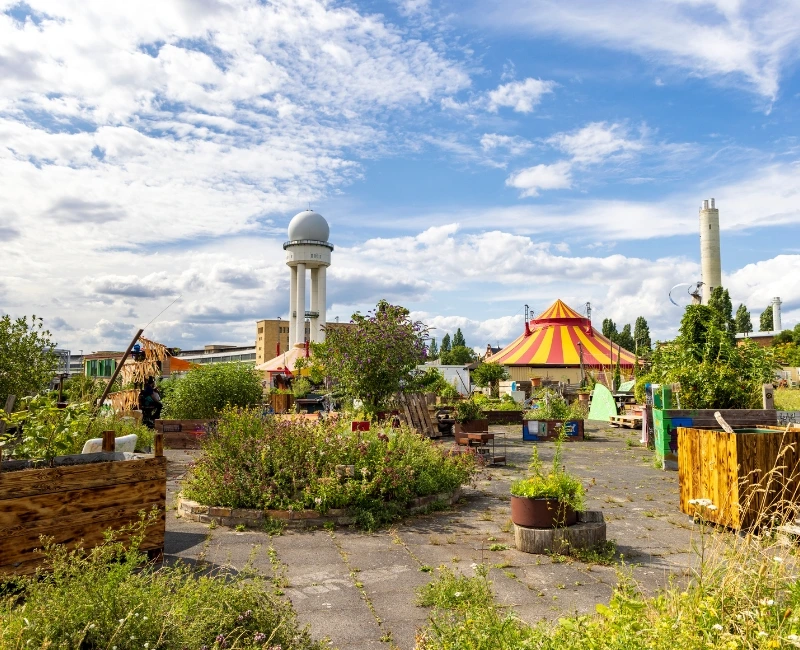
Berlin seamlessly blends urban life with abundant green spaces, offering travellers numerous ways to unwind and connect with nature. At the city’s heart lies Tiergarten, a sprawling park once a royal hunting ground, now crisscrossed by winding paths, serene ponds and monuments. Visitors can stroll or cycle beneath canopy-lined avenues, encountering hidden sculptures and peaceful clearings ideal for picnics. The park’s size encourages exploration: find tranquil corners away from busier routes, pause at cafés near the Neuer See or observe local wildlife such as waterfowl and small woodland creatures.Tempelhofer Feld, the repurposed former airport, presents a unique open expanse where runways serve as wide promenades for cycling, rollerblading, jogging or leisurely walks. Kite-flying and casual gatherings on the tarmac embody Berlin’s creative adaptation of space. Community gardening plots along the field foster neighbourhood engagement, while pop-up events and outdoor screenings animate the area seasonally. This vast open-air playground contrasts with enclosed parks, offering freedom to roam and socialise in an industrial-chic setting.Beyond central parks, Berlin’s waterways and lakes invite relaxation and recreation. Wannsee, accessible by S-Bahn, is renowned for its sandy beaches and clear waters, ideal for swimming, paddleboarding or boat rentals. Nearby Pfaueninsel (Peacock Island) offers a nature reserve with free-roaming peacocks, historic landscapes and woodland trails—reached via a short ferry ride for a tranquil escape. Müggelsee, east of the city, presents similar aquatic activities: kayaking, lakeside cafés and cycling paths through surrounding forests. Boat tours on the Spree River provide an alternative perspective on city architecture, passing under historic bridges and by waterfront landmarks.Cycling is integral to Berlin life, with extensive dedicated lanes ensuring safe navigation. Bike rental schemes and guided cycling tours cater to varying interests: historical routes trace Berlin’s past landmarks; neighbourhood tours reveal hidden street art; green corridor routes guide cyclists along rivers and parks. Longer excursions lead to Grunewald forest, offering hiking trails to Teufelsberg—an abandoned Cold War listening station atop a man-made hill—with panoramic views over treetops and distant city skyline. Botanical Garden in Dahlem showcases a diverse plant collection in curated landscapes, ideal for those interested in horticulture.Seasonal events activate outdoor spaces: summer open-air concerts in parks, film screenings under the stars, outdoor fitness classes and local festivals celebrating food or music. Many parks feature playgrounds and sports facilities, welcoming families and active travellers. Birdwatchers can spot migratory species in wetlands like the Tegeler See area. For a quieter experience, community gardens and allotments offer glimpses into urban agriculture and local initiatives.Practical tips: pack appropriate attire for changing weather; bring snacks or picnic supplies from local markets; check opening hours for ferries or guided tours; consider renting bikes equipped for longer rides. Embrace Berlin’s ethos of repurposing spaces: join locals relaxing on lawns, flying kites or playing informal sports. This integration of nature within a major metropolis underscores Berlin’s commitment to sustainable urban living and enhances any travel itinerary with refreshing outdoor experiences.
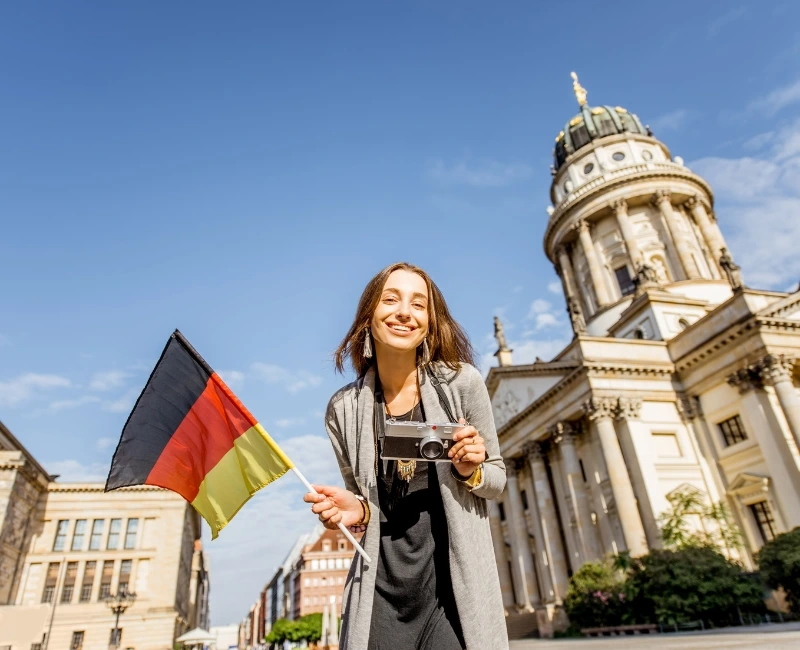
Berlin’s strategic location and excellent transport connections make it an ideal base for enriching day trips that showcase Germany’s cultural and natural diversity. Potsdam, reachable by regional train in under an hour, is a prime destination: Sanssouci Palace and its terraced gardens display exquisite Rococo architecture and landscaped vistas. A guided tour of the palace interiors reveals Prussian court life, while exploring the expansive park uncovers hidden follies and ornate pavilions. Babelsberg Palace and historic Dutch Quarter further enrich the Potsdam experience, blending royal heritage with charming urban atmosphere.For nature enthusiasts, the Spreewald Biosphere Reserve offers a serene labyrinth of canals navigable by traditional punts or kayaks. Drifting through tranquil waterways lined with willow trees, visitors witness unique wetland ecosystems and learn about local customs, including traditional wickerwork crafts and region-specific cuisine like Spreewald pickles. Guided boat tours often include tasting local dishes served on board, connecting natural immersion with culinary discovery.History-focused travellers can visit the Sachsenhausen Memorial near Oranienburg. This former concentration camp complex provides a sobering, educational experience: guided or audio-assisted tours outline camp history, prisoner stories and historical context. The site’s memorial exhibits and preserved buildings encourage reflection and respectful remembrance. Alternatively, for Cold War insights, one might explore historic border towns or exhibitions detailing East-West dynamics beyond Berlin.Coastal excursions, though requiring longer journeys, are feasible: the Baltic coast towns of Usedom or Rostock region reward with seaside promenades, fresh seafood and maritime heritage. Seasonal charm peaks in summer with beach activities, and in autumn when cooler weather invites walks along tranquil shorelines. Wine regions in Saxony and Brandenburg offer vineyard visits and tastings against rolling countryside backdrops; these tours introduce travellers to lesser-known German wine varieties, pairing regional specialties in cosy tasting rooms.Outdoor adventure seekers can access the Harz Mountains for hiking or, in winter, skiing and snowboarding—journeys involve early starts and train connections but reward with alpine landscapes. Cycling tours along historic routes trace remnants of former inner-German border paths, combining scenic countryside with poignant history. Smaller towns such as Brandenburg an der Havel or Werder (Havel) enthral with medieval architecture, riverfront settings and local festivals; guided walking tours highlight architecture, folklore and artisanal traditions.Planning logistics: regional train tickets can be purchased in advance or on the day; some day trips benefit from group tickets or regional pass options for cost savings. Organized tours provide convenience by bundling transport, guides and entry fees; independent travellers can combine public transport with self-guided itineraries using reliable local schedules. Seasonal considerations: summer offers longer daylight and warmer weather; autumn brings fewer crowds; winter visits focus on Christmas markets in Potsdam or nearby towns. Ensure comfortable footwear, layered clothing and snacks or picnic supplies for outdoor excursions.These day trips complement Berlin’s urban experience by revealing Germany’s broader cultural heritage and natural beauty. Whether delving into royal history in Potsdam, floating through Spreewald’s waterways, reflecting at memorial sites, or sampling regional wines, travellers gain multifaceted perspectives. Each excursion enhances understanding of the region around Berlin, enriching the overall journey and leaving lasting impressions beyond the city limits..
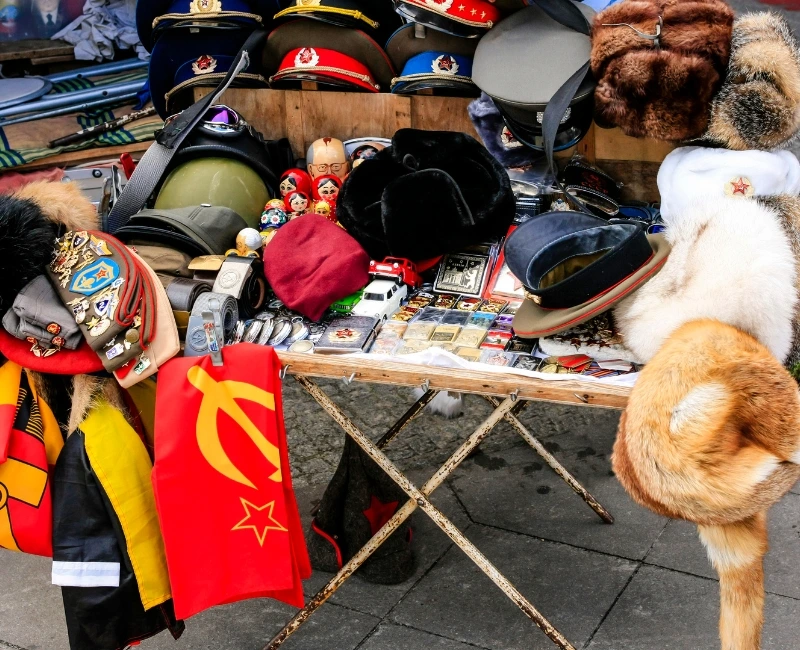
Berlin’s retail landscape is a mosaic of high-end boutiques, eclectic markets and artisan workshops, offering travellers myriad opportunities to shop, browse and discover unique finds. Kurfürstendamm and Friedrichstraße feature flagship stores of international designers alongside German fashion labels, providing a classic shopping experience in elegant surroundings. Department stores such as KaDeWe (Kaufhaus des Westens) house extensive selections of luxury goods, gourmet food halls and lifestyle products. Window-shopping here offers insight into contemporary trends and curated displays.For a more local vibe, flea markets emerge as treasure troves of vintage clothing, retro furniture, vinyl records, antiques and quirky curiosities. Mauerpark’s Sunday market combines flea stalls with live music and street food, creating a festive atmosphere where bargaining and serendipitous discoveries go hand in hand. Boxhagener Platz in Friedrichshain hosts neighbourhood markets with artisan crafts, second-hand books and homemade treats. These venues encourage interaction with vendors who share stories behind their goods, enhancing the shopping experience with personal connections.Food markets like Markthalle Neun in Kreuzberg present local producers offering artisanal cheeses, freshly baked breads, cured meats and seasonal produce. Visiting early ensures access to the best selections; tasting sampling encourages discovering new flavours and inspirations for home cooking. Specialty stalls may offer regional German delicacies, international street food and sustainable products, reflecting Berlin’s multicultural community and eco-conscious ethos. Markets often host themed events—street food Thursday or breakfast markets—providing lively communal experiences beyond mere shopping.Independent boutiques and concept stores in Prenzlauer Berg and Neukölln spotlight local designers’ clothing, accessories and home décor. These shops emphasize craftsmanship, sustainability and originality, allowing travellers to support small businesses and take home meaningful souvenirs. Gallery shops present prints and small artworks by Berlin artists. Bookshops, particularly second-hand and specialist stores in Kreuzberg, appeal to literature enthusiasts seeking rare editions or books on local culture.Seasonal markets add special charm: Christmas markets across Berlin offer handcrafted ornaments, festive treats like roasted chestnuts and mulled wine, and artisanal gifts in an atmospheric setting. Summer pop-up markets surface in parks and squares, featuring young designers and creative workshops. When choosing souvenirs, consider items that reflect Berlin’s identity: sustainable fashion pieces, locally roasted coffee beans, craft beers from microbreweries or design objects inspired by Bauhaus heritage. These mementos serve as reminders of the city’s innovative spirit.Navigating shopping experiences: plan visits according to market schedules (many operate only on weekends), allocate time for browsing without rush, and carry reusable bags for eco-friendly purchases. Cash is often preferred at smaller stalls, so keep some euros handy. Engaging with vendors by asking about production processes or local inspirations enriches interactions and reveals Berlin’s creative community. For larger purchases, inquire about shipping options if luggage space is limited.Exploring Berlin’s markets, boutiques and souvenir shops provides a window into the city’s diverse cultural fabric, from upscale retail districts to grassroots artisan scenes. This guide section highlights how shopping in Berlin extends beyond transactions: it fosters discovery, supports local economies and connects travellers with stories and creativity that define the city.

Berlin’s cultural richness extends into immersive experiences through culinary workshops and local tours that reveal the city’s gastronomic diversity and community spirit. Participating in cooking classes allows travellers to learn traditional German recipes—such as preparing hearty stews or baking classic breads—while incorporating modern twists that reflect Berlin’s innovative culinary culture. Many classes source ingredients from neighbourhood markets, reinforcing connections between producers and cooks. Hands-on sessions often culminate in shared meals, fostering camaraderie among participants and insights into local food customs.Street food tours navigate Berlin’s multicultural palate. Guides lead small groups to bustling food stalls and hidden gems in districts like Kreuzberg, Neukölln and Mitte, sampling falafel, bao buns, regional specialties and vegan creations that demonstrate the city’s inclusive dining scene. These tours combine tasting with storytelling: participants learn about migration influences, entrepreneurial journeys of local vendors and sustainable practices. For those interested in beverages, brewery tours provide behind-the-scenes looks at craft beer production. Visiting microbreweries in Prenzlauer Berg or Schöneberg, travellers can sample freshly brewed varieties and engage with brewers about local ingredients, fermentation techniques and Berlin’s evolving beer culture.Coffee aficionados benefit from barista workshops where experts demonstrate brewing methods—pour-over, espresso and cold brew—using specialty beans roasted in Berlin or sourced internationally. Workshops cover equipment handling, grind size adjustment and latte-art basics. These sessions deepen appreciation for coffee culture and provide skills to replicate quality brews at home. Paired with visits to artisanal roasteries, travellers gain full-spectrum insights into Berlin’s coffee scene.Guided walking tours complement culinary experiences by connecting food with history and neighbourhood character. For example, tours exploring Jewish culinary heritage highlight historic markets, bakeries and restaurants, recounting recipes that survived diaspora and renewal. Cold War-themed tours may examine how division influenced food availability and habits in East and West Berlin. Photography tours combine architectural and street-life exploration with tips on capturing cityscapes, markets and local interactions—ideal for travellers seeking creative souvenirs of their journey.Bicycle tours focusing on local experiences merge active exploration with cultural immersion. Cycling through neighbourhoods uncovers hidden cafés, community projects and urban gardens where locals share stories about sustainable initiatives. Garden tours reveal urban agriculture efforts, from rooftop farms to community allotments providing fresh produce and fostering social engagement. Participating in a brief gardening activity or tasting produce enhances understanding of Berlin’s green ethos.Seasonal workshops—such as preserving harvest fruits, making fermented foods or crafting holiday treats—offer deeper dives into food traditions tied to seasons. Booking in advance is advisable, as popular workshops fill quickly during peak tourist months. Many experiences cater to small groups, ensuring personal attention and interactive learning. Language is rarely a barrier, as instructors often provide explanations in English alongside German.Practical considerations: confirm dietary preferences or restrictions when booking; arrive punctually; dress comfortably for cooking or walking; bring notebooks or cameras for documenting techniques and moments. Combining culinary workshops with market visits enriches understanding of ingredient sourcing, flavour development and the social aspects of dining in Berlin.Engaging in these interactive experiences transforms a standard visit into a participatory journey, creating lasting memories and skills. Beyond tasting, travellers build connections with local culture, people and stories, deepening appreciation for Berlin’s dynamic gastronomic landscape and community-driven innovation.
No ads. No trails. No commitments


Alice Roses
London, England
51 ST MATTHIAS ROAD
NOTTINGHAM, NOTTINGHAMSHIRE
NG3 2HF
Hours: 8:00 - 17:00, Mon - Sat
support@johnsonholidays.com