
 Hanoi Travel
Guide
Hanoi Travel
Guide
Paris is known around the world as the “capital of love,” and even if you don't understand the history of Paris at all

13–15 Hours
£1
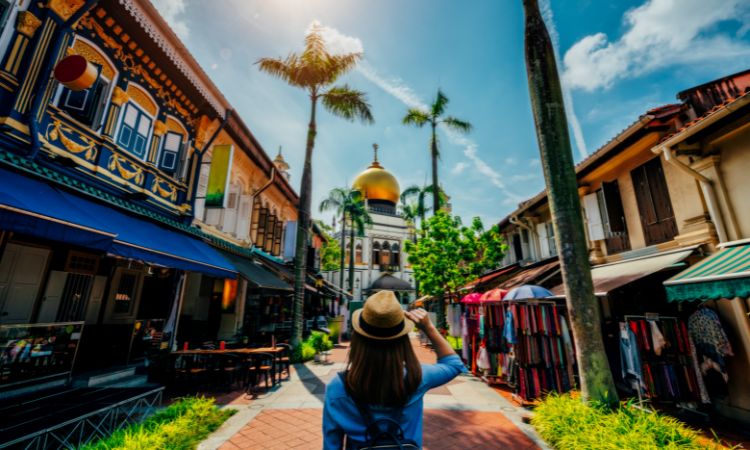
Hanoi’s tapestry of history spans over a thousand years, offering a deep dive into Vietnam’s heritage. Visitors can explore ancient sites like the Temple of Literature, Vietnam’s first university dating back to 1070, and the Imperial Citadel of Thang Long, a UNESCO World Heritage site that reveals dynastic legacies. Traditional water puppet shows bring folk tales to life, while the Ho Chi Minh Mausoleum provides context on modern Vietnamese history. Booking with us ensures curated visits, knowledgeable guides, and seamless logistics—maximising time to appreciate hidden temples, serene pagodas, and colonial-era landmarks, all woven into an expert-led itinerary that highlights authenticity and respects local customs.
Learn More
Hanoi is famed for its vibrant street food scene, where sensory experiences define daily life. From slurping bowls of pho at dawn to savouring bun cha grilled pork in bustling alleyways, each meal offers insight into local culture. Our curated food tours introduce travellers to authentic stalls, home-style eateries, and speciality cafés serving egg coffee or creative twists on Vietnamese classics. With our local connections, you enjoy priority access, learn about ingredient sourcing, and understand culinary traditions—ensuring safe, hygienic, and unforgettable dining. Whether you’re a seasoned foodie or curious beginner, our experiences unlock the best flavours Hanoi has to offer at affordable prices (often £1–£3 per street dish).
Learn More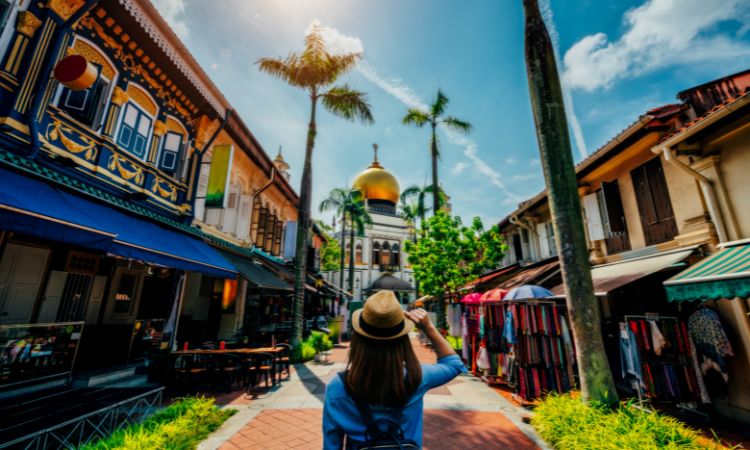
Navigating Hanoi’s energetic streets can be exhilarating yet complex for first-time visitors. We handle airport transfers, comfortable accommodations, and custom transport options—from private car transfers to cyclo tours—so you can focus on exploration. Our local experts design itineraries that suit your interests and pace, advising on optimal times to visit temples, markets, and museums to avoid crowds. We also offer insider tips on local etiquette, safety, and budgeting, ensuring a smooth journey. Booking with us means 24/7 support, pre-arranged tickets for popular attractions, and flexible scheduling—streamlining every aspect so your trip unfolds effortlessly and authentically.
Learn More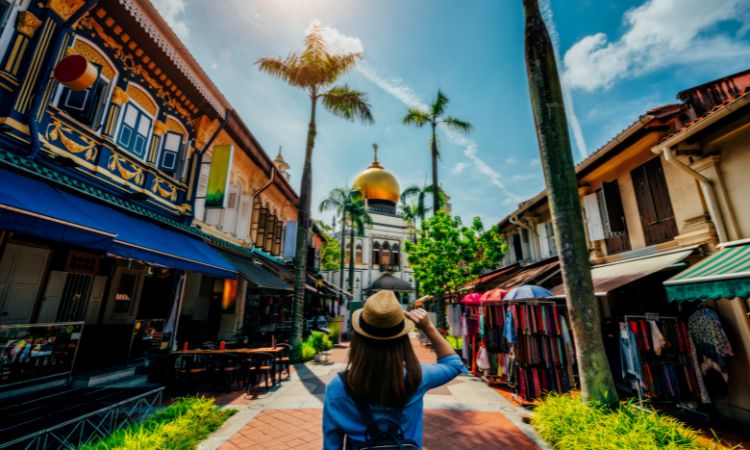
Hanoi remains one of Asia’s most cost-effective capitals. Low-cost street eats, budget-friendly accommodations, and economical transport mean your travel budget stretches further. We leverage partnerships with local suppliers to secure competitive hotel rates (from around £20–£30 per night for mid-range properties) and discounted tours. Whether you seek luxury boutique stays or modest guesthouses, we cater to various budgets. Activities like guided city walks, museum visits, and cultural performances often cost just a few pounds per person. By booking through us, you benefit from transparent pricing in British pounds, no hidden fees, and advice on best-value experiences—ensuring memorable adventures without overspending.
Learn More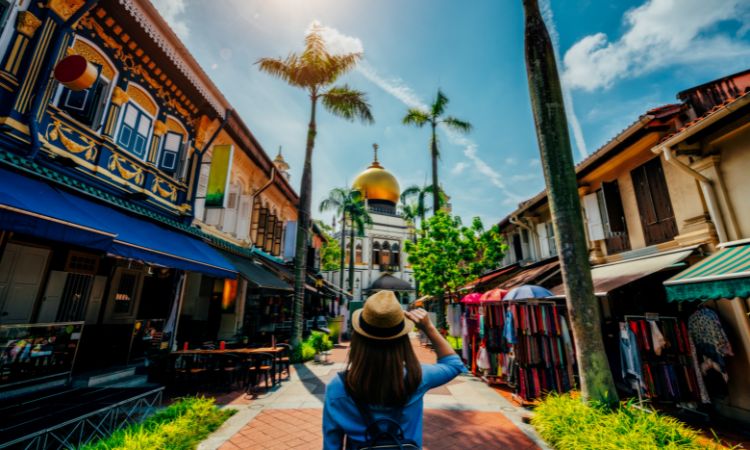
Every traveller has unique interests: some wish to delve into art galleries and museums, others crave outdoor excursions or off-the-beaten-path discoveries. Our bespoke itineraries adapt to your preferences, whether that means a photography-focused tour through Hanoi’s historic alleys, a day trip to limestone landscapes beyond the city, or participation in local festivals and crafts workshops. We accommodate varying travel styles—family-friendly schedules, solo exploration, or group adventures—ensuring you experience Hanoi your way. Last-minute adjustments and optional add-ons are handled swiftly, giving you freedom and peace of mind throughout your journey.
Learn More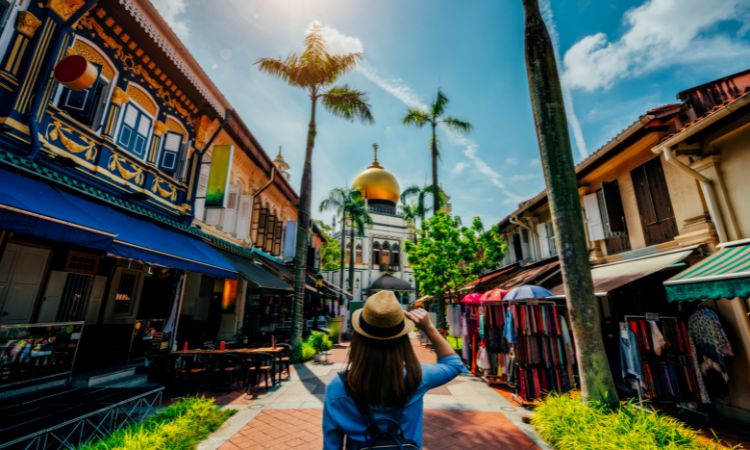
We prioritize responsible tourism practices that respect local communities and the environment. Our recommended experiences support small businesses—family-run eateries, local artisans, and community-led tours—directly benefiting residents. We advise on eco-friendly transport options and encourage travellers to minimize waste. Cultural sensitivity briefings help you engage respectfully with traditions and people. By booking with us, you contribute to sustainable initiatives in Hanoi, ensuring your visit leaves a positive impact. Enjoy authentic interactions and discover lesser-known neighbourhoods while knowing your journey supports responsible travel development in Vietnam.
Learn More
Lorem ipsum dolor, sit amet consectetur adipisicing elit. At illo adipisci iusto
From

Because more than 268 other customers have loved us too

Demonstrates commitment to user data security through encryption and secure payment practices
Learn More
Demonstrates commitment to user data security through encryption and secure payment practices
Learn More
Demonstrates commitment to user data security through encryption and secure payment practices
Learn More
Demonstrates commitment to user data security through encryption and secure payment practices
Learn More
Quality as judged by customers. Book at the ideal price!


/ person
/ person
/ person

Hanoi’s Old Quarter, often called the “36 Streets,” is a labyrinthine district where centuries-old traditions meet lively street life. Each narrow alley historically specialised in a particular trade—silk, silver, herbal medicines—creating a unique tapestry of craft heritage. Today, wandering these streets reveals ornate shopfronts, time-worn facades painted in pastel hues, and rows of motorbikes weaving through. Begin at Dong Xuan Market, a central hub where locals shop for fresh produce and household goods; here, the sensory tapestry of aromas, colours, and sounds immerses you in daily Vietnamese life.Stroll along Ta Hien Street in the evening when lanterns flicker on and the scent of grilled seafood drifts through the air. Sip a cold bia hoi (draught beer) on plastic stools at tiny roadside stalls, engaging in light-hearted banter with locals and fellow travellers. Capture photographs of French colonial architecture interspersed with ancient temples; the Bach Ma Temple—dedicated to the White Horse—offers a serene retreat amidst urban bustle. Throughout your walk, discover hidden cafés tucked behind inconspicuous stairways, where you can savour egg coffee or herbal tea in intimate settings.Local artisans continue traditional crafts: stop by workshops crafting hand-embroidered textiles or lacquerware. Observing these processes provides insight into techniques passed down through generations. Seek out tailors who custom-make clothing within hours, or visit small galleries showcasing contemporary Vietnamese art influenced by historic motifs. Early mornings bring a tranquil ambiance: witness locals practising tai chi along the tree-lined lakeside edges, and sample authentic pho at street-side stalls opening at dawn.Navigating the Old Quarter’s alleys can be disorienting yet exhilarating; consider joining a guided walking tour led by a local expert who shares anecdotes of merchant families, colonial history, and evolving neighbourhood dynamics. These insights deepen appreciation for architectural details—weathered shutters, ornate balconies—and the social rhythms shaping this quarter. Photography enthusiasts will find endless opportunities: reflections in rain-soaked pavements, colourful market displays, and street portraits capturing everyday life.Despite modernization, the Old Quarter retains authenticity. Shop for handcrafted souvenirs—silk scarves, ceramic bowls, lacquer boxes—supporting local artisans. Engage respectfully, bargaining courteously when appropriate, and accept small tokens such as lotus tea to foster goodwill. As the day transitions to evening, listen for the distant chime of temple bells and the hum of scooters—this dynamic interplay of past and present defines Hanoi’s spirit. Exploring the Old Quarter is not merely ticking off sights; it is embracing a living, breathing cultural tapestry that resonates long after departure.

Hanoi’s spiritual landscape is rich and varied, with temples and pagodas that reflect Vietnam’s religious traditions, dynastic histories, and architectural artistry. A must-visit is the Temple of Literature, originally built in 1070 as a Confucian academy. Wander through courtyards lined with lotus ponds, ancient stone steles bearing scholar names, and vermilion columns that exude reverence. This serene enclave offers a window into Vietnam’s respect for education and scholarship, as well as its enduring architectural elegance.Not far away, the One Pillar Pagoda stands as an iconic symbol: constructed in 1049 on a single stone pillar to resemble a lotus blossom rising from the water. Despite multiple reconstructions over centuries, its design embodies Buddhist symbolism of purity and enlightenment. Nearby, visit Tran Quoc Pagoda on West Lake—the city’s oldest pagoda, dating back to the 6th century. Its lakeside location provides a tranquil escape; morning mist often drapes around its ancient towers, inviting reflection and photography.The Ngoc Son Temple on Hoan Kiem Lake island combines myth and devotion. Cross the red-painted The Huc Bridge to reach this shrine dedicated to national heroes and Confucian sages. Legends of the Golden Turtle add enchantment, while the temple’s ornate carvings and incense rituals offer insight into Vietnamese spirituality. For a more offbeat experience, travel to Perfume Pagoda, a complex of temples set within a karst landscape southwest of Hanoi. Accessible via scenic boat rides and mountain hikes, the pilgrimage site reveals captivating scenery and immersive spiritual traditions during festival seasons (January–March).At Quan Thanh Temple, dedicated to the Taoist deity Xuan Wu, admire elaborate statues and lacquered woodwork. The temple’s location near West Lake invites combining spiritual visits with lakeside walks. Phung Hung Temple and smaller neighborhood shrines often overlooked by casual tourists reward those seeking quieter moments and authentic interactions with worshippers. Participating respectfully in incense offerings, bowing customs, and observing temple etiquette fosters cultural understanding.Guided tours led by local historians can elucidate symbolic motifs in carvings, the significance of ritual objects, and stories behind each site’s founding. These narratives enliven visits far beyond architectural appreciation. Photography considerations: dress modestly, remove shoes where required, and be mindful of worshippers. Early mornings are ideal for fewer crowds and softer light. Documenting the play of shadow and light on ancient façades yields compelling images.Whether exploring grand temple complexes or tucked-away neighborhood pagodas, this guide invites spiritual engagement and historical discovery. These sacred sites reflect Hanoi’s layered past—from imperial dynasties and Buddhist influence to local folklore—and remain integral to contemporary life. Embrace the atmosphere: the scent of incense, the gentle chants, and the contemplative ambiance reveal a meaningful side of Hanoi often missed by surface-level exploration.
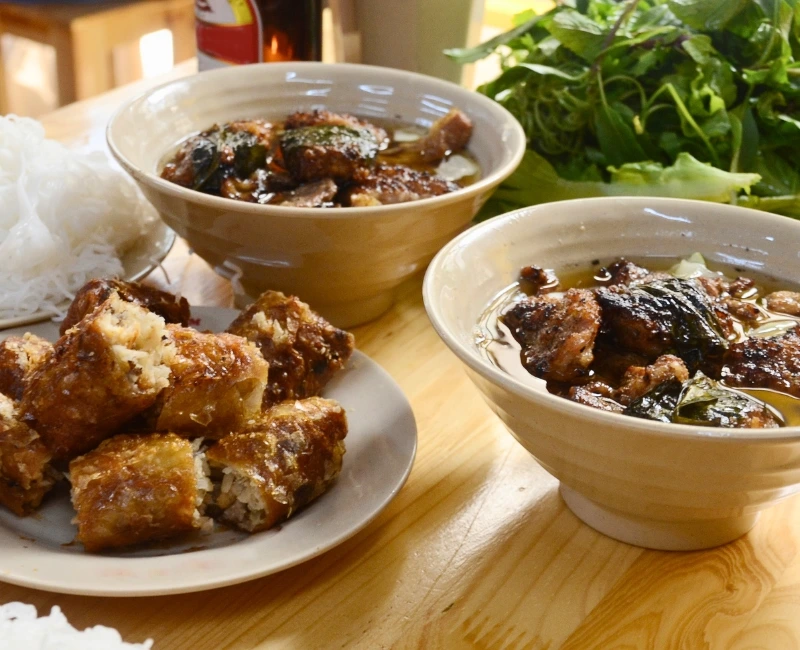
Hanoi is celebrated globally for its street food culture, where each alleyway offers a culinary surprise. Embark on a guided food adventure to sample signature dishes and discover hidden gems favored by locals. Start early with fragrant bowls of pho bo (beef noodle soup) at sunrise stalls; observe broth simmering for hours, imbued with star anise, cinnamon, and fresh herbs. Engaging with vendors reveals time-honored recipes passed through families, highlighting the importance of balance and freshness.Next, dive into bun cha: grilled pork patties and slices served with vermicelli noodles, fresh herbs, and dipping sauce. Seek out family-run establishments where charcoal grilling imparts smoky depth. Learn how to assemble each bite—combining noodles, herbs, and pork before dipping—enhancing appreciation of textures and flavours. Continue to banh cuon stalls offering delicate rice rolls filled with minced pork and mushrooms, topped with crispy shallots and dipping sauce; this light dish exemplifies Hanoi’s nuanced palate.Midday brings options like com tam (broken rice) with grilled meats or hearty bun rieu (crab noodle soup). Visit markets such as Dong Xuan to sample fresh spring rolls, rice paper salads, and tropical fruit. For adventurous palates, try con nhong (silkworm pupae) or street snacks like grilled skewers of seafood. Between savoury bites, pause at local cafés for egg coffee—a creamy blend of robust Vietnamese coffee topped with whipped egg yolk cream. This Hanoi specialty offers both caffeine kick and a sweet, mousse-like treat.Beyond tasting, understand ingredient sourcing: guided visits to local vegetable and spice markets reveal how vendors select produce, herbs, and proteins. Learn about condiment preparation: the art of creating balanced dipping sauces, from nuoc cham to peanut-based dressings. Participate in a short cooking demo where you craft simple dishes under a local chef’s guidance, then enjoy your creations paired with local beer or jasmine tea.Hygiene and safety are priorities: your guide selects reputable stalls with high turnover and clean practices. Small-group tours ensure personalized attention, with explanations of cultural dining etiquette—how to use chopsticks correctly, share communal dishes, and communicate politely. Evening street food tours introduce vibrant night markets, where neon signs illuminate stalls and the aroma of grilled fare fills the air. Sample desserts like che (sweet soups) or grilled banana with coconut.Costs remain budget-friendly: most street dishes cost between £1 and £3, enabling a full-day tasting itinerary for under £20 per person. This affordable immersion unlocks Hanoi’s food heritage, forging memorable experiences that extend beyond mere sightseeing. Whether you’re a seasoned foodie or curious newcomer, a structured street food adventure in Hanoi promises delicious discoveries and cultural insights that linger long after your journey ends.

Hanoi’s café scene blends traditional coffee practices with modern trends, offering cosy spaces to relax between explorations. Begin with the iconic egg coffee—a creamy concoction of robust Vietnamese coffee topped with a sweet, frothy egg yolk mixture. Sip slowly while watching baristas prepare each cup by hand-phasing method, a ritual offering insight into local creativity. Many cafés reside in historic shophouses with vintage décor, providing ambiance that contrasts Hanoi’s bustling streets outside.Explore hidden courtyard cafés tucked behind unassuming entrances in the Old Quarter. These tranquil retreats feature potted plants, wooden furnishings, and views of leafy inner spaces, ideal for reading or planning the day. Sample coconut coffee, avocado coffee, or creative seasonal blends showcasing local ingredients. For tea enthusiasts, jasmine tea served in porcelain cups invites calm reflection; herbal infusions highlight Vietnamese medicinal plants and can be enjoyed alongside sweet treats like pandan cake.Hanoi’s specialty coffee shops often roast beans locally, blending Arabica and robusta varieties for balanced flavour. Join a coffee workshop to learn bean selection, roasting profiles, and brewing methods—French drip, siphon, or traditional filter. These interactive sessions provide hands-on experience, culminating in tasting flights that reveal subtle notes and roasting impacts. Understanding Vietnam’s coffee history—from French colonial introduction to present-day export powerhouse—enhances appreciation of each cup.Beyond coffee, explore tea houses focusing on green, oolong, and lotus-infused teas. Traditional tea ceremonies demonstrate etiquette and steeping techniques. In cooler months, warm up with ginger tea or herbal blends served in ceramic pots. Sampling seasonal fruit shakes—mango, jackfruit, or coconut—refreshes during hotter periods. Local breweries and craft beer bars are emerging; sample Vietnamese craft lagers or ales alongside light snacks in relaxed settings.Many cafés double as coworking or creative spaces, hosting art exhibitions, live music, or book clubs. Mornings and afternoons are ideal for quiet reflection; evenings may feature acoustic performances or cultural talks. Travelers can work remotely while soaking in local ambience, connecting with digital nomads and creatives. For photo enthusiasts, latte art and aesthetically designed interiors provide Instagram-worthy moments without external links or promotions.Prices for beverages range from £1 to £3, making café-hopping an affordable indulgence. Whether seeking a bustling breakfast spot or a serene hideaway, Hanoi’s café culture offers diversity and quality. Guided café tours introduce standout venues and share insider tips on ordering like a local and engaging respectfully. Embrace Hanoi’s slower pace in these inviting spaces, recharging between adventures and experiencing a relaxing side of city life.
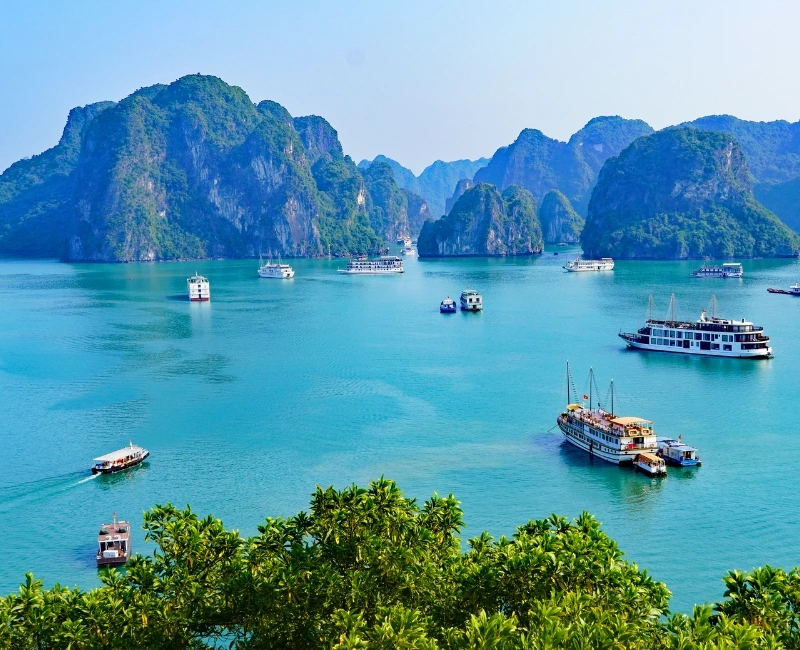
Situated within a few hours’ drive from Hanoi, Ha Long Bay’s emerald waters and limestone karsts are a UNESCO World Heritage marvel. Many travellers opt for overnight cruises, but day-trip options allow time-efficient exploration. Depart early from Hanoi and board a comfortable boat for scenic cruising through towering islets rising from calm seas. Enjoy lunch aboard featuring fresh seafood; savour Vietnamese-style fish dishes, prawns, and seasonal vegetables, with costs included in tour packages typically priced around £50–£70 per person. Onboard activities may include kayaking into hidden lagoons, visiting caves filled with stalactites, or relaxing on sun decks while admiring dramatic seascapes.Beyond Ha Long Bay, consider less-crowded but equally striking alternatives such as Lan Ha Bay or Bai Tu Long Bay, accessible via smaller boats offering tranquil experiences. These alternatives deliver similar karst formations with fewer tourists, ideal for photography and quiet contemplation. Some tours incorporate cycling around Cat Ba Island’s rural roads, exploring local fishing villages, and spotting wildlife in Cat Ba National Park. Guides share insights into local ecology, sustainable practices, and fishing traditions, deepening appreciation for this maritime landscape.For those seeking mountainous scenery, journey to Ninh Binh province—nicknamed “Ha Long Bay on land”—where river cruises meander through karst formations amidst rice paddies. Boat rides in Tam Coc or Trang An offer serene vistas, with limestone cliffs reflected in calm waterways. Combine this with visits to ancient temples in Hoa Lu, the former capital, and scenic hikes up Mua Cave viewpoint for panoramic views. Full-day excursions from Hanoi typically cost between £30 and £50, covering transport, boat rides, and entry fees.More adventurous travellers can head to Sapa’s terraced rice fields, though this requires longer travel (often an overnight train or bus then drive). Guided trekking tours reveal highland minority villages, cultural exchanges with local communities, and dramatic mountain landscapes. For shorter outdoor escapes, explore Ba Vi National Park near Hanoi: rainforest trails, volcanic peaks, and hot springs can be combined in a day trip. Alternatively, Perfume Pagoda excursions blend boat rides and mountain hikes to spiritual sites among limestone peaks.Booking day trips through our service ensures reliable transport, knowledgeable guides, and small-group sizes. We arrange early departures to maximise time at destinations, include packed refreshments when needed, and coordinate return schedules to fit broader Hanoi itineraries. Sustainable tourism practices are emphasised: visiting responsible operators, following leave-no-trace principles, and respecting local communities. By integrating these excursions into your Hanoi stay, you balance urban discovery with natural wonders, creating a well-rounded adventure that highlights Vietnam’s diverse landscapes and cultures.
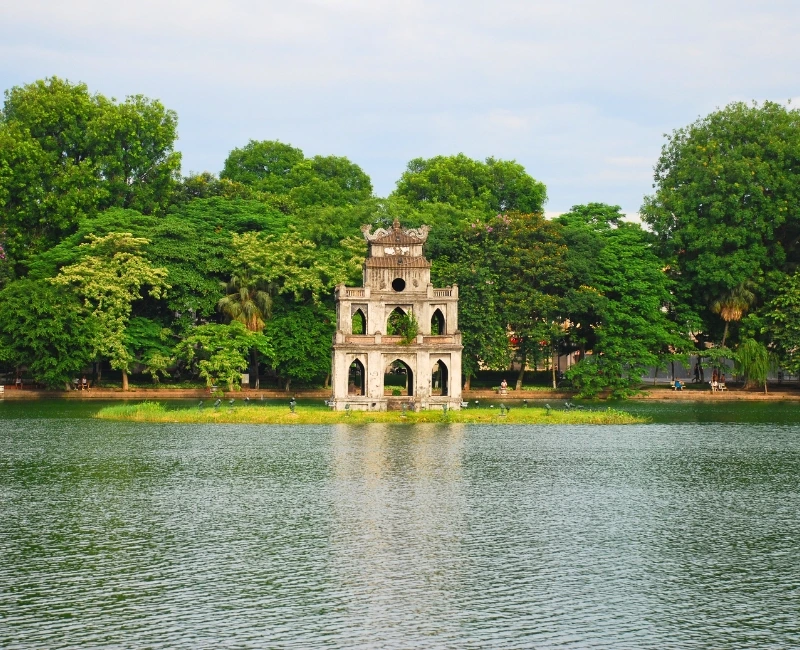
Despite its urban density, Hanoi offers pockets of green that provide respite from city energy. West Lake, the city’s largest freshwater lake, features scenic promenades perfect for walking, jogging, or cycling at dawn when locals practice tai chi along its edges. Numerous cafés and temples dot the shoreline; visit Tran Quoc Pagoda at sunrise to witness soft light illuminating ancient brickwork. Cycling around the lake (approx. 17 km circuit) reveals neighbourhood life, lotus fields, and opportunities to sample fresh fruit juices at lakeside stalls.Hoan Kiem Lake, the city’s heart, provides a tranquil retreat amidst busy streets. Early morning visits allow you to watch locals practising exercise routines, offering cultural immersion. Cross The Huc Bridge to Ngoc Son Temple and observe turtle conservation efforts tied to local legends. Surrounding streets host morning markets where fresh produce and snacks are sold; sampling seasonal fruits here is both tasty and economical (£1–£2 per portion).Botanical gardens and parks such as Thong Nhat Park (Reunification Park) offer spacious lawns, tree-shaded paths, and calm lakes ideal for picnics or relaxation. Rent a paddleboat or feed fish while observing local families out for recreation. Parks often host weekend events—cultural performances, fitness classes, or art exhibitions—providing insight into community life. Identify quieter neighbourhood green spaces like Yen So Park, where walking trails and wetlands attract birdwatchers and nature enthusiasts.For birdwatching or nature walks, venture to ecological reserves on the city outskirts, such as Xuan Khanh Swamp, accessible by short drive. Here, observe waterbirds, migratory species, and reed beds—an unexpected wildlife encounter near an urban center. In cooler months, join locals harvesting lotus seeds or watching migratory birds rest, reinforcing connections between city dwellers and natural cycles.Guided walking or cycling tours focusing on green spaces reveal lesser-known gardens, rooftop terraces with plant displays, and community-led environmental initiatives. Learn about local efforts in urban greening and conservation, understanding how Hanoi balances development with nature. Photography opportunities abound: reflections on calm water at dawn, vibrant lotus blooms in summer, and silhouettes of joggers against morning light.These green oases complement urban exploration: after temple visits or market strolls, recharge in serene settings, reflecting on experiences and planning next adventures. Embrace the rhythms of local life—morning exercises, weekend gatherings, and seasonal changes manifest in these spaces. Hanoi’s parks and lakes embody a harmonious coexistence of culture, community, and nature within a busy metropolis..
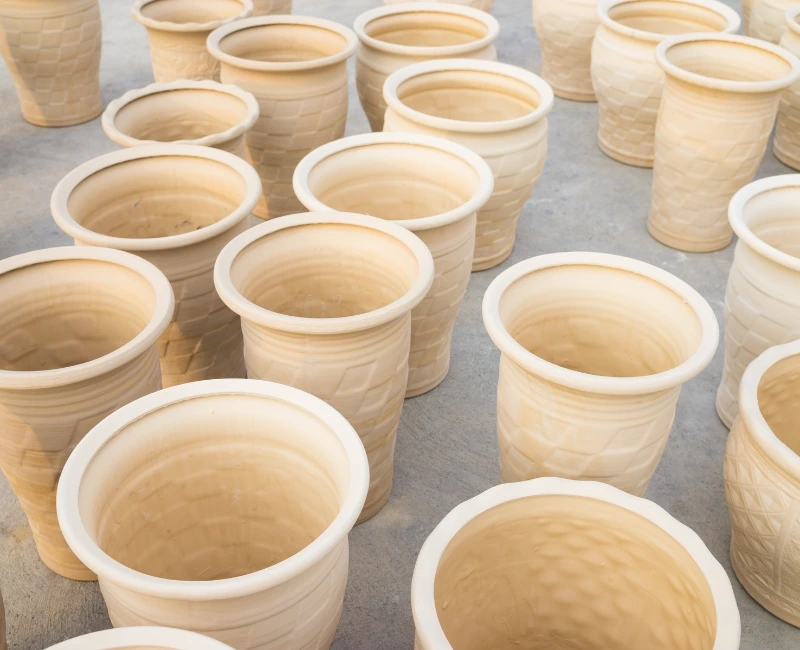
Hanoi’s artistic heritage extends beyond architecture into traditional crafts, performing arts, and contemporary expressions. A highlight is the Water Puppet Theatre, an art form dating to 11th-century rice-field celebrations. Watching puppeteers manipulate lacquered wooden figures on water to the accompaniment of live folk music and narration offers a captivating cultural immersion. Booking tickets in advance ensures prime seating; guides explain symbolic storylines—legends, rural life, and mythology—deepening appreciation of this unique Vietnamese art.Explore craft villages around Hanoi: Bat Trang’s centuries-old pottery workshops produce ceramics with distinctive glazes and motifs. Visiting these artisans reveals hand-throwing, painting, and firing techniques; participants can try shaping clay under supervision, creating personalized souvenirs. In Van Phuc silk village, observe traditional silk weaving looms and learn the process from silkworm cultivation to final fabric. Engaging with artisans supports local livelihoods and preserves heritage crafts.Museums and galleries supplement traditional arts: the Vietnam National Museum of Fine Arts displays ancient artefacts and modern works reflecting societal evolution. Smaller contemporary galleries showcase emerging Vietnamese artists, offering insight into current cultural dialogues. Attend occasional exhibitions or art talks to connect with Hanoi’s creative community. For performing arts enthusiasts, explore traditional music concerts featuring instruments like the dan bau (monochord) or tham gia (bamboo flutes), often held in intimate venues.Participate in workshops: calligraphy sessions using Chinese characters adapted for Vietnamese contexts; lacquer painting classes demonstrating layering techniques; or traditional musical instrument lessons. These interactive experiences foster deeper cultural understanding and yield hands-on learning. Seasonal festivals bring additional performances: investigate lunar calendar events with dragon dances, folk games, and communal celebrations in local neighbourhoods.For theatre fans, the Thang Long Water Puppetry Centre and other venues offer performances combining modern interpretations with classic elements. Contemporary dance and experimental theatre sometimes take place in repurposed colonial buildings or independent cultural centers—seek guidance from local art networks to discover niche events. Evening options may include live jazz or fusion music in relaxed bars, reflecting Hanoi’s evolving creative scene.By engaging in traditional arts and cultural performances, travellers witness living heritage and dynamic creativity. Guided experiences ensure respectful interaction: understanding cultural norms, supporting fair compensation for artists, and avoiding exploitative tourist traps. Whether observing puppetry, crafting pottery, or attending a music recital, these activities connect you to the soul of Hanoi and Vietnam’s artistic legacy.
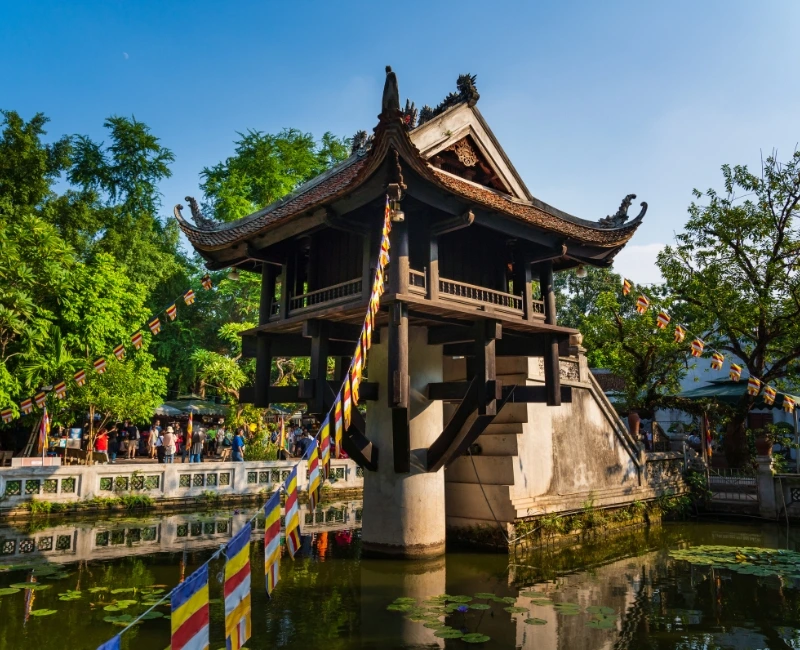
One of the best ways to absorb Hanoi’s multifaceted character is by exploring on foot or by bicycle. Walking tours navigate narrow alleys of the Old Quarter, uncovering hidden temples, street art, and local workshops. A local guide interprets architectural details and shares neighbourhood histories, revealing stories invisible to casual passersby. Early morning walks encounter market preparations and tai chi practice, while evening strolls showcase lantern-lit streets and vibrant nightlife scenes.Cycling offers access to wider areas: electric-assisted bicycles or traditional bicycles allow comfortable rides around West Lake, through tree-lined boulevards, and along quieter backstreets. Guided cycling tours venture into residential neighbourhoods where you observe daily routines—vendors setting up stalls, families gathering for evening tea, or artisans at work. These tours often include stopovers at local eateries for refreshment and conversation with residents, fostering authentic cultural exchange.For more adventurous cycling, some itineraries lead to nearby villages outside central Hanoi: lush rice fields, craft villages, and riverside communities. These rides may include ferry crossings or short drives to starting points, connecting urban life with rural landscapes. Guides ensure safety on busy roads and suggest optimal routes, helmets and safety equipment provided. Cycling at dawn or dusk reduces traffic exposure and offers cooler temperatures, enhancing enjoyment.Walking tours can be thematic: heritage architecture, street food exploration, photography-focused routes, or art and café-hopping trails. Combining interests—such as a morning photography walk through temples and markets followed by an afternoon cycling loop around lakes—creates varied, immersive days. For families, shorter routes with interactive elements—craft demonstrations, simple cooking classes—engage children while educating them about Vietnamese culture.Guides provide practical advice on road-crossing etiquette in busy traffic, using hand signals, and navigating crowded sidewalks. They also share recommendations on appropriate attire for temple visits and how to interact respectfully with locals. Language tips enhance communication: learning simple Vietnamese phrases makes greetings friendlier and opens doors to personal stories.Costs for walking tours range from £10 to £20 per person; cycling tours may range £20–£40 depending on length and included services. Considering the depth of engagement and personalisation, such tours deliver strong value. Beyond sightseeing, walking and cycling foster pace that encourages noticing details: architectural ornamentation, street vendors’ daily routines, and subtle shifts in neighbourhood character. This intimate exploration style reveals Hanoi’s rhythms, forging a deeper connection to the city’s life beyond typical tourist routes.
No ads. No trails. No commitments


Alice Roses
London, England
51 ST MATTHIAS ROAD
NOTTINGHAM, NOTTINGHAMSHIRE
NG3 2HF
Hours: 8:00 - 17:00, Mon - Sat
support@johnsonholidays.com