 Gdansk Travel
Guide
Gdansk Travel
Guide
Paris is known around the world as the “capital of love,” and even if you don't understand the history of Paris at all

2.5 Hours
£1.50
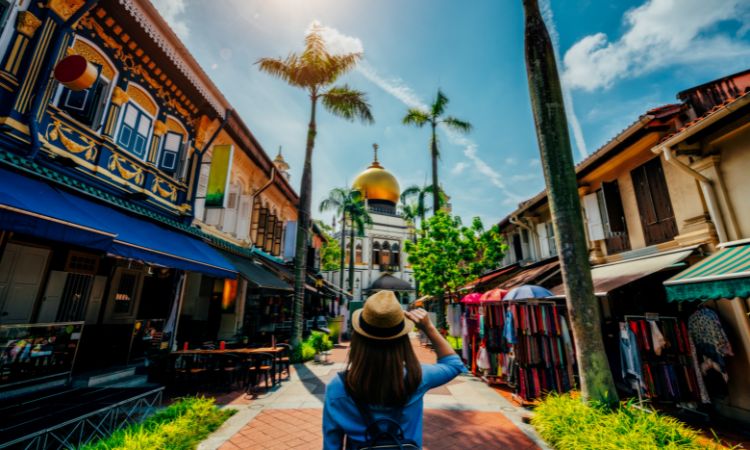
Gdansk’s medieval and Renaissance legacy remains visible in its Long Market, Neptune Fountain, and ornate merchant façades. The restored Crane on the Motława River and Granary Museum recall centuries of shipbuilding and trade. Museums and guided walks reveal layers of history—from guild life to modern political change via the Solidarity movement—offering immersive storytelling for history and architecture enthusiasts.
Learn More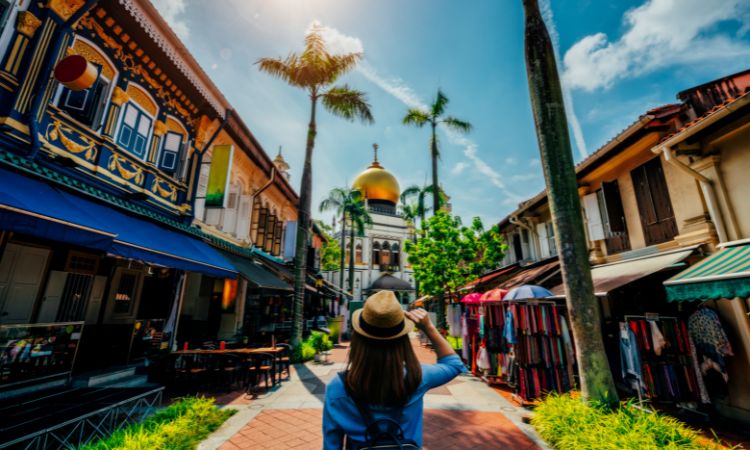
Gdansk connects quickly to Baltic beaches and resorts. Sopot’s pier and sandy shores invite sunbathing and water sports; Brzeźno and Jelitkowo beaches offer family-friendly promenades. Coastal forests and dunes nearby are ideal for hiking or cycling. The ability to alternate urban exploration with seaside relaxation gives Gdansk broad appeal across seasons.
Learn More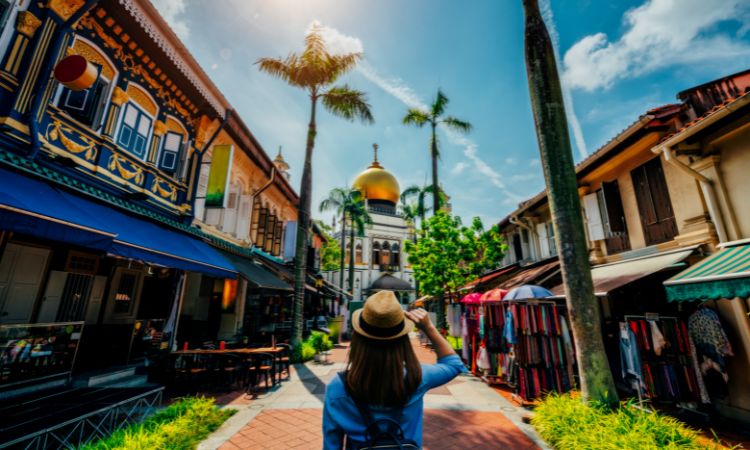
Compared to many Western European cities, Gdansk delivers excellent value. Hotels in shoulder season often start around £40–£70 per night; dining and attractions remain budget-friendly. Public transport is inexpensive, and museum entries typically under £10. This balance of cost and quality makes Gdansk attractive for travellers seeking rich experiences on modest budgets.
Learn More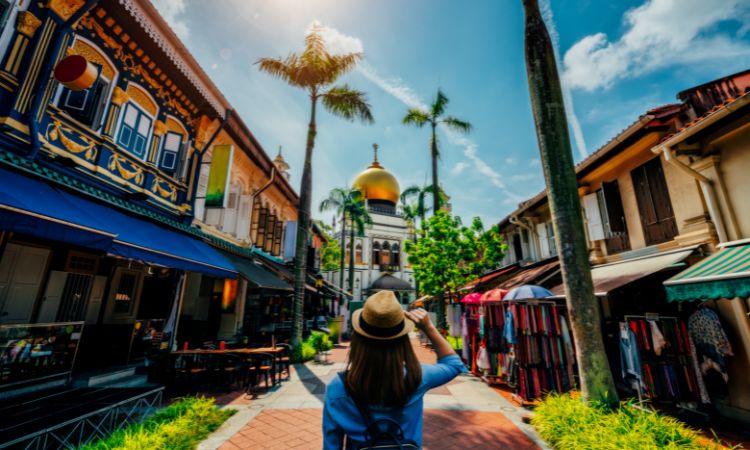
A lively arts calendar includes galleries, amber craft workshops, and contemporary exhibitions in repurposed industrial spaces. Theatres, music venues, and festivals showcase everything from classical concerts to avant-garde performances. Innovative restaurants and craft breweries add to the culinary and nightlife landscape, blending tradition with creative dynamism.
Learn More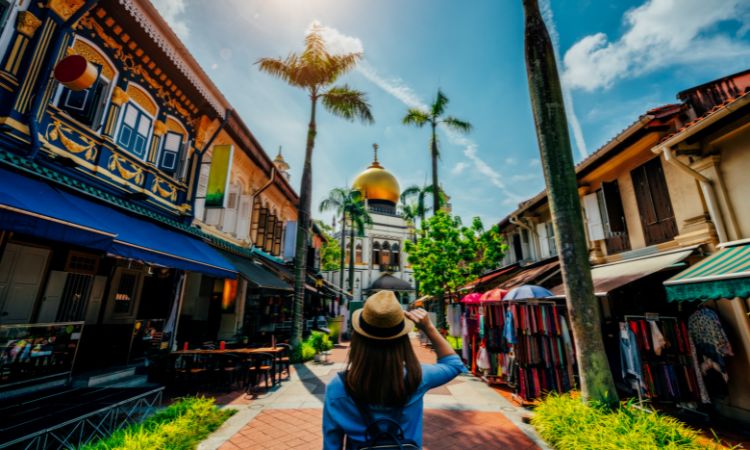
Interactive museums—World War II Museum, Amber Museum—and boat trips on the Motława engage children. Beaches with playgrounds, parks like Oliwa Park, and seasonal festivals offer varied family activities. Safe walkable streets and family-oriented dining options ensure that parents and children can enjoy history, nature, and leisure in balanced itineraries.
Learn More
Lech Wałęsa Airport (GDN) connects directly to UK airports in about 2½ hours. Trains and shuttle buses deliver travellers to the center affordably. Within the city, trams, buses, bike-sharing, and pedestrian zones facilitate exploration. Regional trains and buses enable day trips to Malbork, Hel Peninsula, and Kashubian lakes, minimizing logistical hassle.
Learn More
Lorem ipsum dolor, sit amet consectetur adipisicing elit. At illo adipisci iusto
From

Because more than 268 other customers have loved us too

Demonstrates commitment to user data security through encryption and secure payment practices
Learn More
Demonstrates commitment to user data security through encryption and secure payment practices
Learn More
Demonstrates commitment to user data security through encryption and secure payment practices
Learn More
Demonstrates commitment to user data security through encryption and secure payment practices
Learn More
Quality as judged by customers. Book at the ideal price!


/ person
/ person
/ person
Exploring Gdansk’s medieval Old Town immerses travellers in centuries-old architecture, intricate craftsmanship, and evocative stories. Begin in the Long Market (Długi Targ), once a bustling Hanseatic trade hub: pastel merchant houses display decorative reliefs and emblematic details, while the Neptune Fountain symbolizes maritime prosperity. Nearby, Artus Court’s façade hints at merchant gatherings, and St. Mary’s Basilica’s vast brick structure invites exploration inside, where chapels and altars reveal artistic heritage. Climb (or lift where available) the tower for panoramic views of terracotta roofs and the winding Motława River. Meandering along Mariacka Street, amber galleries line the cobbles, showcasing local crafts and historic façades.The medieval Crane (Żuraw) on the riverbank once loaded cargo; today, its wooden structure conveys the ingenuity of historic shipbuilding. The adjoining Granary Museum illuminates grain trade’s significance. Throughout narrow lanes, look for carved motifs, inscriptions, and hidden courtyards—each hints at guild life and resilience through wars and reconstructions. Engaging a knowledgeable guide or using a detailed audio guide deepens appreciation of architectural styles—from Gothic to Renaissance—and the socio-economic forces that shaped them.Pause at a historic café to sample gingerbread or a light snack, soaking in atmosphere as sunlight filters through narrow alleys. As evening falls, illuminated façades reflect on calm waters, creating a magical ambiance. Quiet lanes invite reflection on past eras: imagine merchant caravans, shipwrights at work, and daily life centuries ago. Interactive exhibits in smaller heritage sites reveal daily routines of past residents. A half-day or full-day exploration can integrate museum visits, thematic walks (e.g., focusing on Hanseatic trade or Solidarity landmarks nearby), and free time to wander aimlessly, discovering tucked-away corners.Accessibility: much of the Old Town is pedestrianized; comfortable footwear is essential for uneven cobblestones. Many points of interest lie within walking distance, with occasional short tram rides linking to nearby districts. Whether drawn by architecture, history, or ambiance, exploring Gdansk’s medieval Old Town offers a richly layered experience, where each street tells a story and every façade invites deeper discovery.
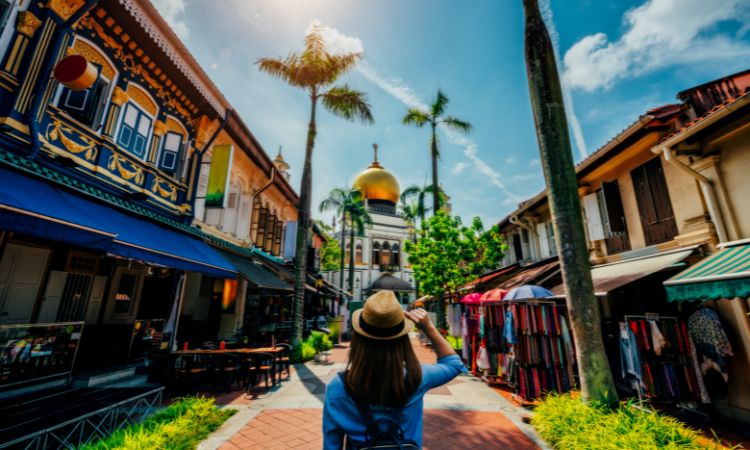
Gdansk’s museums present layered narratives spanning medieval trade, wartime experiences, and political transformation. The European Solidarity Centre stands out: its modern design houses interactive exhibits on the Solidarity movement’s role in ending communist rule. Archival footage, personal testimonies, and multimedia displays require at least two hours to absorb; guided tours or audio guides enhance context. Nearby, the World War II Museum offers a comprehensive journey through origins, battles, and civilian impacts. Thoughtful curation integrates artifacts, eyewitness accounts, and immersive spaces; arriving early or booking ahead minimizes wait times.For maritime heritage, the National Maritime Museum spans multiple branches. The Shipyard Exhibition recounts shipbuilding and labour history, while the Crane and Granaries branch reveals port operations and grain storage. Visiting these illustrates how Gdansk’s economy and identity formed around sea trade. The Amber Museum delves into Baltic resin’s geological origins and craftsmanship: viewing unique artifacts and witnessing artisans at work emphasizes amber’s cultural significance. Art galleries in converted industrial venues showcase contemporary Polish and European art, juxtaposing history with modern creativity; seasonal exhibitions often rotate, inviting repeat visits.Beyond major museums, thematic guided tours add depth: Solidarity-focused walks through shipyard districts, architectural photography tours highlighting details in façades and interiors, or culinary heritage tours sampling traditional dishes linked to history. Entry fees remain modest (often under £10), offering excellent value. Plan a balanced itinerary: perhaps start with a morning museum visit, break for lunch in a local café, then continue to a second museum or gallery. Allow flexibility for unplanned discoveries: small heritage sites or pop-up exhibitions may emerge. Accessibility: many museums offer multilingual information and are reachable via tram or on foot from the Old Town.Whether interested in politics, maritime history, amber craft, or art, Gdansk’s heritage sites provide engaging, informative experiences. Combining visits across themes gives a holistic sense of the city’s evolution: medieval trade foundations, wartime resilience, and modern cultural resurgence. A museum day complements Old Town exploration and outdoor activities, ensuring travellers leave with a nuanced understanding of Gdansk’s multifaceted identity.
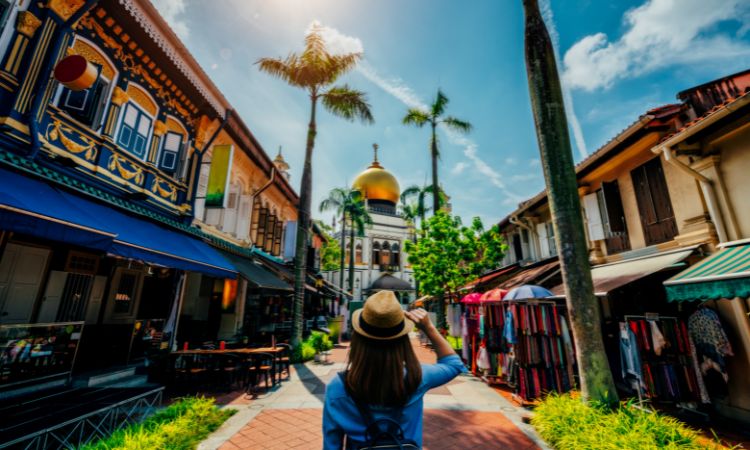
Gdansk’s coastal proximity invites travellers to blend urban exploration with seaside leisure. Public transport connects quickly to beaches and resort towns. Sopot, often dubbed “Queen of the Baltic,” features Poland’s longest wooden pier: stroll out over gentle waves, relax on sunbeds, or try paddleboarding in summer months. Its sandy shorelines host beach cafés, where a cold drink (~£2–£3) complements sea views. Closer to Gdansk, Brzeźno Beach offers a lively promenade with cafés and a historic pier—ideal for sunrise or sunset walks. Jelitkowo Beach draws families: playgrounds, shallow waters, and casual eateries catering to children.Beyond sandy shores, coastal forests and dunes await. Bike rentals in Gdansk let travellers cycle designated routes through the Tricity Landscape Park: pine-scented trails lead to hidden coves and birdwatching spots. In cooler seasons, brisk walks along the beach reveal dramatic grey-blue expanses, with windswept dunes providing striking scenery. Boat trips along the Motława River can extend to the bay, offering a fresh perspective of coastline landmarks. Day cruises explore nearby spits or wildlife-rich areas, sometimes spotting seals or migratory birds.Amenities on beaches include lifeguard services in peak season, restrooms, and snack stands. Visiting early or late reduces crowds, showcasing tranquil Baltic ambience. Seasonal events—open-air concerts, yoga by the sea, or sports tournaments—appear on schedules; check locally for dates. For a picnic, local markets supply bread, cheeses, and fruits; find a quiet dune spot for a scenic meal. In autumn and spring, fewer tourists mean more peaceful surroundings, though colder temperatures demand layered clothing.Even when sunbathing is off-season, the seaside remains inviting for reflective walks and photography. Winter beach visits reveal raw Baltic beauty: windswept shores, dramatic skies, and a sense of solitude. Whether planning a full beach day, a cycling adventure through coastal woodlands, or a scenic boat excursion, Gdansk’s seaside offerings enrich any itinerary, balancing city culture with natural relaxation.
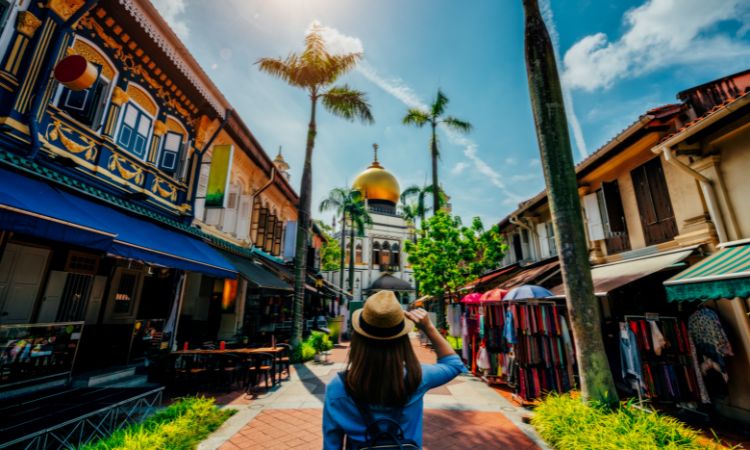
Gdansk’s surroundings offer diverse outdoor pursuits across seasons. The Tricity Landscape Park spans forests, marshes, and lakes; marked trails invite hiking and cycling. Rent a bike in the city and follow routes through pine woods toward tranquil lakes or small villages. In spring, blooms carpet forest floors; autumn brings fiery foliage. Birdwatchers find migratory species in wetlands; guided nature walks provide insight into local flora, fauna, and conservation efforts. For families, shorter trails near the city edge offer safe, engaging exploration.Water-based activities extend beyond beaches. Kayaking or paddleboarding on the Motława River or nearby lakes gives a peaceful vantage: glide under bridges, past reed beds, and spot waterfowl. In summer, guided kayaking tours may venture toward the bay. Boat trips highlight coastal landscapes from a different angle; some operators offer themed excursions (e.g., photography, sunset cruises). For adventurous travellers, kitesurfing or sailing lessons depart from designated spots when wind conditions permit.Seasonal foraging—mushrooms in autumn forests or berries in summer—introduces visitors to regional culinary traditions; local guides ensure safe and educational experiences. In winter, cross-country skiing or snowshoeing in parks and outskirts transforms terrain into serene snow-covered scenes; check local weather and trail maintenance. Oliwa Park within Gdansk combines manicured gardens, historic monuments, and open lawns: walk beneath chestnut trees, and attend organ recitals at Oliwa Cathedral in summer weekends, merging nature with culture.Cycling infrastructure includes shared bikes and marked routes linking city to coastal forests. Pack water and snacks from local markets for day-long outings. Wear appropriate clothing: layers for variable weather, sturdy footwear for uneven paths. Safety: inform someone of plans for remote trails, carry a basic map or use offline navigation. Many trails converge at scenic viewpoints overlooking lakes or coastline, ideal for rest and photos.Combining urban green spaces with nearby wild areas ensures Gdansk appeals to travellers seeking active engagement with nature. Whether a leisurely forest stroll, a cycling adventure, or a paddling excursion, the region’s varied landscapes deliver refreshing experiences that complement cultural and seaside exploration.
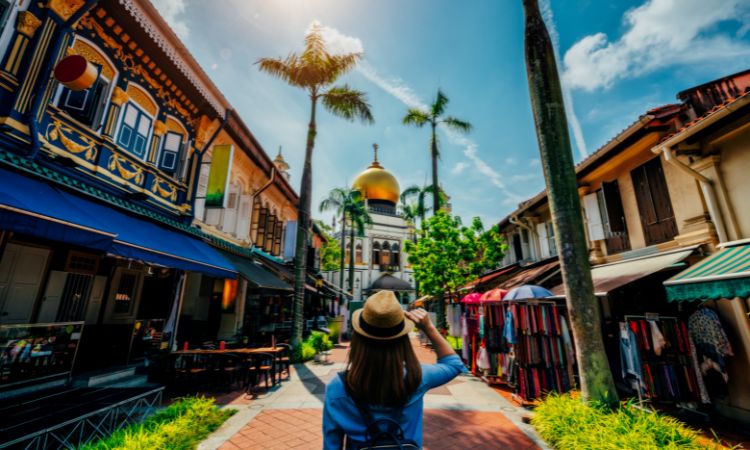
Gdansk’s culinary landscape merges traditional Polish comfort fare, Baltic seafood, and contemporary influences. Begin with classics: pierogi filled with potatoes, cheese, mushrooms, or seasonal produce; żurek (sour rye soup) often served in bread bowls; fresh Baltic fish—herring in mustard or cream sauces, grilled cod, or fish stews. Many establishments in the Old Town and riverside areas present these dishes at accessible prices: a main course may range from £6 to £12. For budget travellers, milk bars (“bar mleczny”) offer simple home-style meals (around £3–£5), ideal for experiencing local everyday cuisine.Seafood aficionados will appreciate locally caught fish: menus highlight seasonal variations. Bakeries tempt with fresh bread, pastries, and amber-hued desserts using honey or amber-infused motifs. Specialty cafés roast beans on-site; a coffee costs roughly £2–£3, paired with a piece of cake or light snack. Markets showcase regional produce—cheeses, honey, preserves—suitable as culinary souvenirs. Cooking classes provide hands-on immersion: making pierogi or traditional soups under expert guidance enhances cultural understanding.Mid-range restaurants blend traditional flavors with modern presentation; tasting menus or set lunches offer value around £20–£30 per person. Booking ahead in peak months is advisable. Vegetarian and vegan options are increasingly available, with plant-based takes on Polish dishes and international cuisine. For fine dining, some establishments incorporate local ingredients (wild mushrooms, forest berries) into creative dishes; expect prices around £35–£50 per person for multi-course meals.Dining atmospheres vary from historic-interior restaurants in renovated cellars to contemporary bistros in repurposed warehouses. Service is generally friendly and English-speaking in tourist zones. Tipping around 10% is customary when service is satisfactory. Afternoon breaks at cafés allow rest between sightseeing, sampling local pastries or amber-themed sweets. Evening dining pairs with local craft beers or Polish vodkas; many restaurants carry regional craft brews at around £3–£5 per glass.Overall, Gdansk’s food scene caters to diverse budgets and preferences, balancing affordability with quality. Whether seeking hearty traditional meals, fresh seafood by the water, or innovative cuisine in stylish settings, travellers find varied options that reflect the city’s maritime heritage and evolving gastronomic creativity.
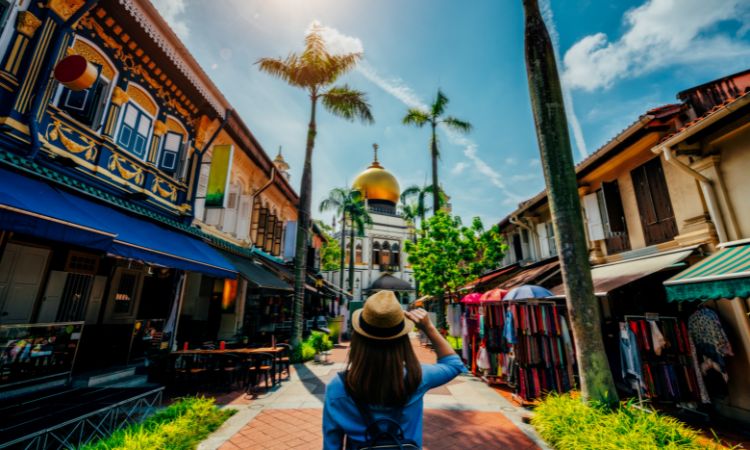
After dusk, Gdansk’s nightlife unfolds across relaxed bars, craft breweries, and live music venues. Brewing tradition meets modern craft: microbreweries housed in renovated industrial spaces serve flights of local ales and seasonal brews infused with Baltic ingredients (e.g., sea buckthorn). A tasting flight or sampler session costs around £5–£7. Brewery tours explain production processes and local brewing history, ideal for enthusiasts.Cocktail bars showcase Polish vodkas and local spirits, mixing in seasonal fruits or herbs. Expect signature cocktails at about £6–£8. Venues range from cozy cellars with historic charm to contemporary loft-style interiors with minimalist décor. Riverside bars along the Motława offer scenic settings: sip a pint (~£1.50) or glass of wine while watching illuminated façades and boat traffic. Live music spans jazz in intimate clubs, acoustic nights in cafés, and larger concerts or DJ events; schedules vary seasonally, so check local listings, hotel concierge boards, or community noticeboards.For casual late-night bites, food trucks and late-hour eateries serve pierogi, kebabs, or regional snacks. Many bars host board games or quiz nights, fostering mingling with locals and travellers alike. Theatre performances or cultural events (evening screenings, exhibitions) sometimes extend into nightlife options for a quieter evening. Safety is good, but standard urban caution is advised when out late. Public transport runs until late; taxis or ride-hailing cover hours thereafter. Many bars are within walking distance in the Old Town or waterfront districts, minimizing transit needs.Seasonal outdoor terraces appear in warmer months, where socializing over drinks and light snacks draws crowds. In cooler weather, cozy interiors with soft lighting create intimate atmospheres. Craft beer pubs often collaborate with local artists, hosting exhibitions or cultural evenings. For those interested in Polish spirits, tasting sessions of regional vodkas or meads offer cultural insight. Whether seeking a relaxed evening drink, sampling innovative cocktails, or enjoying live music, Gdansk’s nightlife combines affordability, authenticity, and a maritime backdrop for memorable nights..
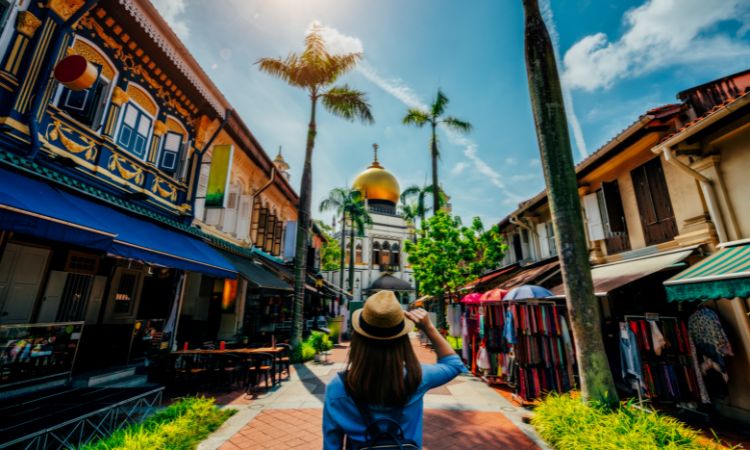
Gdansk’s location makes it a springboard for diverse day trips. Malbork Castle, accessible by a 1–1.5-hour train ride, is one of Europe’s largest brick fortresses. Exploring its ramparts, courtyards, and chambers brings medieval Teutonic history to life; entry fees are modest (approx. £8–£10). For history enthusiasts, guided tours add context. Elbląg lies further inland: its restored city center and unique canal boat route—where vessels traverse locks on flat terrain—offer a distinctive experience blending engineering and heritage.The Hel Peninsula, reachable by train or ferry, presents pristine beaches and seaside villages. In summer, sunbathing and water sports abound; autumn and spring offer quieter coastal walks. Seafood restaurants in Hel or Jastarnia serve fresh catches (~£10–£15 per meal). Nature reserves on the peninsula host seal-watching opportunities and birdwatching; guided eco-tours enhance wildlife encounters.Inland, the Kashubian region’s rolling hills, lakes, and folk traditions invite exploration. Regional trains or organized tours lead to villages where local crafts (embroidery, woodwork) and cuisine (dairy products, honey) showcase cultural distinctiveness. Boat rides on lakes or cycling routes through scenic countryside provide active options.Longer day trips include Toruń (approx. 2.5-hour train), famed for gingerbread heritage and UNESCO-listed medieval center. Participate in gingerbread workshops (£5–£8) and wander historic streets. Żukowo or other nearby towns host amber workshops, where visitors learn about resin processing and craft jewelry.Practicalities: regional train and bus tickets are inexpensive (often under £10–£15 round-trip); schedules should be checked in advance, especially in shoulder seasons. Organized tours may bundle transport and guided experiences, helpful for seamless planning. Packing appropriate clothing—layers for changing weather—and snacks from local markets ensures comfort. Early departures maximize time; many attractions open by mid-morning. Returning to Gdansk by evening allows time for dinner in the Old Town. Combining urban days with excursions enriches a Gdansk holiday, revealing northern Poland’s varied landscapes, history, and culture.
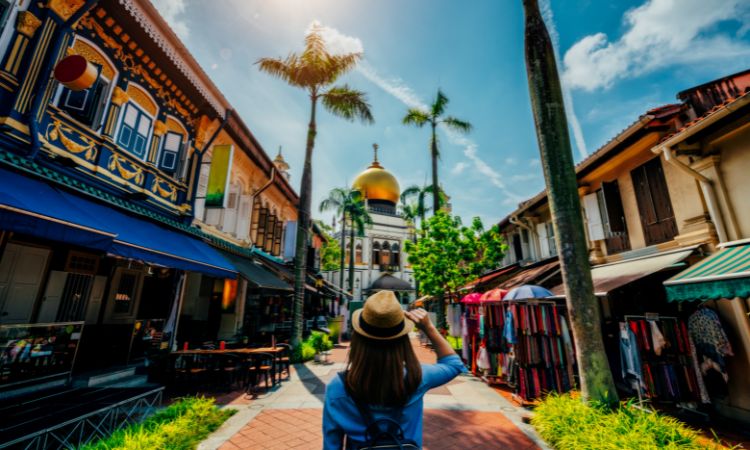
Gdansk welcomes families with a mix of educational, outdoor, and leisure activities. Interactive museums—such as the World War II Museum—use multimedia displays and age-appropriate exhibits to explain complex history sensitively; plan around two hours with breaks. The Amber Museum engages children through tactile resin displays and live demonstrations. Boat trips on the Motława River provide a fun perspective of city landmarks. For younger ones, look for shorter cruises or themed boat rides (pirate-themed or storytelling tours).Beaches at Brzeźno and Jelitkowo feature playgrounds, shallow waters, and family-friendly cafés with children’s menus (~£5–£7). Pack beach toys and sunscreen; public transport to beaches is straightforward. Parks like Oliwa Park blend open lawns, playgrounds, and shaded paths; weekend organ recitals at Oliwa Cathedral offer a cultural treat. Bicycle rentals often include child seats or trailers; gentle cycling routes along coastal forests or waterfront promenades suit families. Guided family trails—for nature walks or birdwatching—encourage learning about ecosystems; mushroom-foraging excursions in autumn teach about edible species (with expert supervision).Seasonal events—outdoor festivals, craft workshops, children’s theatre—frequently appear in summer months. Check local event listings for family zones offering activities like craft stations, interactive shows, or educational booths. In winter, central squares host skating rinks and holiday markets with festive rides and warm treats (hot chocolate ~£1–£2). Museums sometimes run holiday-themed programs. Accommodation: consider apartments or family rooms in mid-range hotels, offering space and kitchenettes for flexible meals. Dining: many restaurants provide high chairs and children’s dishes; early mealtimes avoid waits.Short day trips also suit families: visit Malbork Castle for a castle tour that sparks imagination of knights and medieval life; many guided tours are tailored for children with storytelling elements. On the Hel Peninsula, older children can try simple water sports or seal-watching tours. Ensure travel times are balanced with breaks; regional trains often have family compartments or allowances for bicycles/strollers. Safety: Gdansk’s pedestrian zones and reliable transport offer peace of mind. Combining educational visits, outdoor play, and relaxation yields a varied itinerary that keeps all ages engaged. Gdansk’s blend of history, nature, and family-oriented attractions ensures memorable experiences for parents and children alike.
No ads. No trails. No commitments


Alice Roses
London, England
51 ST MATTHIAS ROAD
NOTTINGHAM, NOTTINGHAMSHIRE
NG3 2HF
Hours: 8:00 - 17:00, Mon - Sat
support@johnsonholidays.com