 Melbourne Travel
Guide
Melbourne Travel
Guide
Paris is known around the world as the “capital of love,” and even if you don't understand the history of Paris at all

21.5 Hours
£4.80
Melbourne stands as Australia’s cultural hub, offering a tapestry of experiences for art lovers, music aficionados, and history enthusiasts. The city’s laneways showcase ever-evolving street art, while prestigious galleries host exhibitions by local and international artists. Live music venues range from intimate jazz bars to large concert halls, ensuring nightly entertainment possibilities. Heritage precincts like Fitzroy and Carlton preserve Victorian-era architecture while fostering bohemian vibes. Museums tell stories of Indigenous heritage and modern innovation. Melbourne’s multicultural population brings diverse traditions, festivals, and cuisines, creating a culturally immersive journey. Booking a holiday here guarantees engaging encounters that celebrate creativity, diversity, and discovery in every neighborhood.
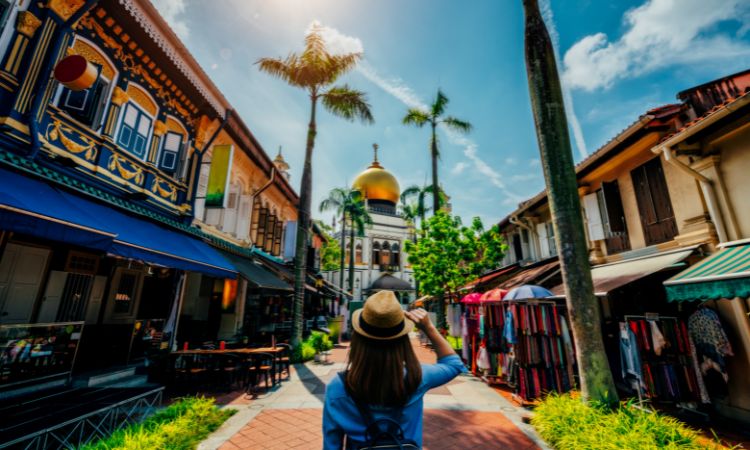
Melbourne’s food scene reflects its global influences and local produce, making it a destination for discerning foodies. Specialty cafés serve world-class coffee, fueling exploration of hidden laneways. From bustling markets showcasing fresh Victorian produce to fine-dining venues with Michelin-style innovation, there’s something for every palate. Ethnic enclaves such as Chinatown, Lygon Street, and Richmond present authentic international flavors, while modern Australian restaurants highlight native ingredients. Breweries and craft beer bars offer tastings of local brews, and rooftop bars provide scenic settings for cocktails at sunset. A holiday here promises a culinary journey that marries tradition with creativity, ensuring memorable meals at every turn.
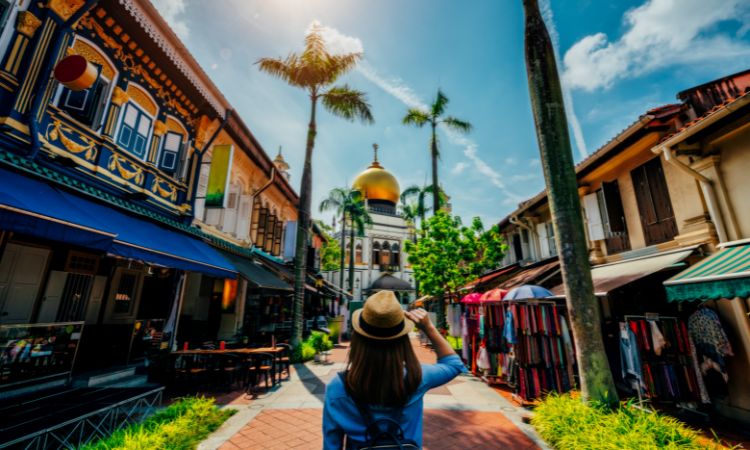
Year-round, Melbourne pulses with events that draw global audiences. The Australian Open tennis tournament kicks off the year, followed by the Melbourne International Comedy Festival, food and wine festivals in March, major music festivals, and the Melbourne Cup in November. Each season brings celebrations of art, film, fashion, and sport. Even outside headline events, weekly markets, pop-up exhibitions, and live performances keep the calendar lively. The city’s dedication to creativity ensures that visitors can align their trip with festivals of interest or stumble upon spontaneous happenings. Booking during event periods offers immersive experiences, while off-peak times still reveal vibrant local culture in a more relaxed atmosphere.
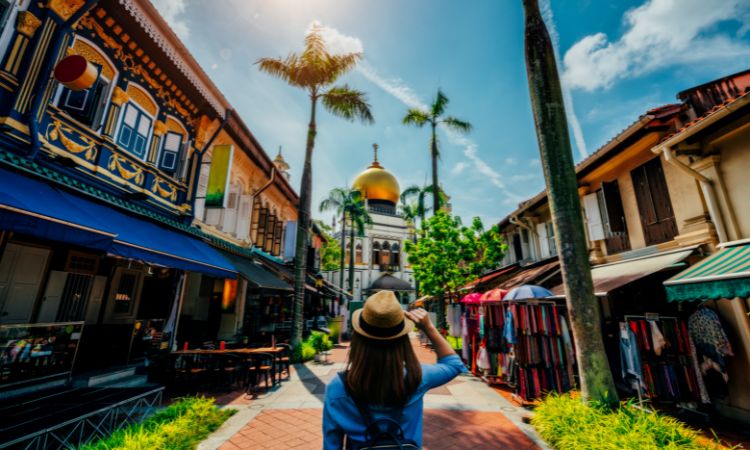
Melbourne’s sporting culture is legendary, with passionate fans and world-class venues. Catch an AFL match at the Melbourne Cricket Ground, experience the energy of cricket during summer, or witness the Melbourne Cup horse race—“the race that stops a nation.” The Australian Open brings tennis fever each January. Even if you’re not a sports fanatic, the spectacle, camaraderie, and fanfare make attending events thrilling. Facilities often offer tours, allowing behind-the-scenes glimpses. For active travelers, the city’s parks, cycling trails, and coastal paths invite recreational sports such as cycling along the Bay Trail or kayaking on the Yarra. A holiday here taps into the city’s sporting heartbeat, offering unforgettable experiences on and off the field.
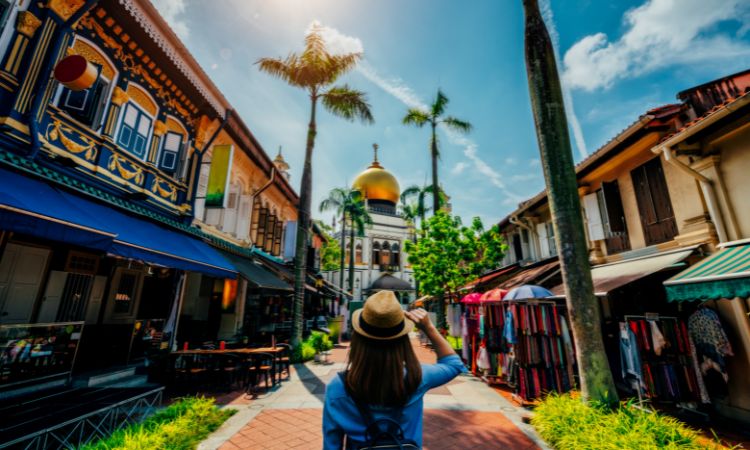
Beyond Melbourne’s urban core lies access to spectacular natural landscapes. A drive along the Great Ocean Road reveals rugged coastline, limestone formations, and seaside towns. Wine regions like Yarra Valley and Mornington Peninsula offer vineyard tours and gourmet experiences. Day trips to the Dandenong Ranges showcase lush forests and scenic viewpoints. Coastal escapes along the Mornington Peninsula feature hot springs and beaches. Even within the city, expansive parks provide green sanctuaries for relaxation. For wildlife enthusiasts, Phillip Island’s penguin parade and nearby national parks offer close encounters with native species. Book a holiday here to combine city delights with varied natural adventures just a short journey away.
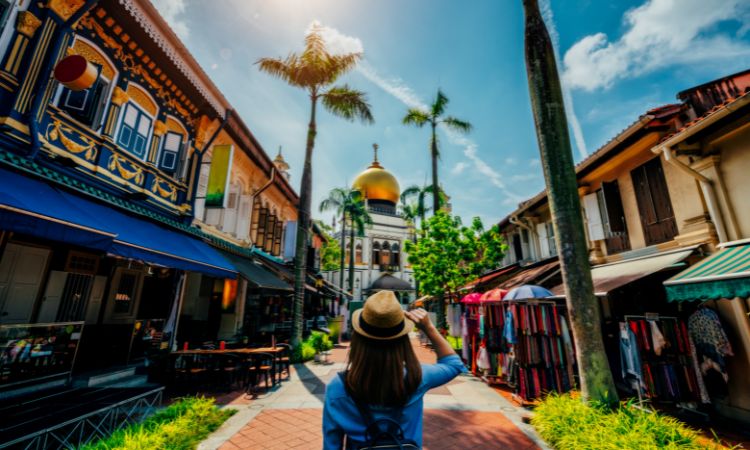
Melbourne’s urban fabric reveals surprises at every corner. Wander labyrinthine laneways uncovering street art, secret bars, and boutique shops. Ride the historic trams or board the free City Circle Tram for orientation. Visit rooftop bars for panoramic views or enjoy a picnic in the Royal Botanic Gardens. Experience coffee culture in local cafés where baristas craft elaborate brews. Discover immersive theater, interactive art installations, or nighttime ghost tours in historic precincts. The city’s penchant for innovation means new pop-ups, immersive dining concepts, and creative workshops frequently emerge. A holiday in Melbourne promises not just sightseeing but participation in unique experiences that reflect its inventive spirit.
Lorem ipsum dolor, sit amet consectetur adipisicing elit. At illo adipisci iusto
From
Because more than 268 other customers have loved us too

Demonstrates commitment to user data security through encryption and secure payment practices
Learn More
Demonstrates commitment to user data security through encryption and secure payment practices
Learn More
Demonstrates commitment to user data security through encryption and secure payment practices
Learn More
Demonstrates commitment to user data security through encryption and secure payment practices
Learn More
Quality as judged by customers. Book at the ideal price!


/ person
/ person
/ person

Melbourne’s laneways are legendary—a labyrinthine network weaving through the heart of the city, each alley offering a microcosm of creativity and discovery. To begin, familiarize yourself with the concept: these narrow passages, once utilitarian access routes, have transformed into vibrant art galleries, boutique retail corridors, and café havens. Start in the CBD (Central Business District) and opt for a guided street-art tour or self-guided exploration, map in hand or simply wandering until you stumble upon hidden gems.As you weave through Flinders Lane, Centre Place, and Hosier Lane, you’ll witness ever-changing murals—local and international street artists leave their mark in bold colors and thought-provoking designs. Because the art is ephemeral, each visit reveals fresh visuals; photographing and appreciating these works supports local creative communities. Pause at tucked-away cafés for expertly brewed coffee and a light snack; some laneway cafés boast minimal seating but maximum ambiance, where baristas perfect single-origin beans. For food lovers, small eateries deliver diverse offerings: artisan bakeries present pastries infused with local ingredients; Asian-fusion cafés blend flavors in innovative dishes; specialty dessert spots showcase Melbourne’s penchant for sweet experimentation. Many laneways house boutique shops featuring local designers: handmade jewelry, bespoke fashion pieces, and artisanal crafts. Supporting these independent businesses enriches the local economy and ensures your purchases carry unique stories.As evening approaches, laneways take on a different energy. Ambient lighting, neon signs, and intimate bars beckon. Seek out hidden speakeasies accessed through unmarked doors, where cocktails crafted by inventive mixologists await. The contrast between daytime mural hunting and nighttime urban exploration underscores Melbourne’s 24/7 creativity. Safety remains paramount: laneways generally bustle, but it’s wise to stay in well-lit, populated areas after dark and follow local guidance if venturing into lesser-known alleys.To deepen your understanding, drop into small galleries tucked in laneway corners. Often free or with nominal entry fees, these spaces showcase emerging artists or themed exhibitions. Check local listings or gallery noticeboards for rotating installations, pop-up shows, and artist talks. Participating in these events fosters connection with Melbourne’s arts scene and offers insight into cultural dialogues shaping the city.Furthermore, seek curated laneway experiences: some cafés host live music sessions or poetry readings; others organize communal tables where travelers and locals mingle. These communal settings foster conversation, offering recommendations for further exploration. Photography enthusiasts will find endless subjects: texture-rich walls, play of light and shadow, colorful contrasts—each frame telling part of Melbourne’s evolving urban narrative.Though laneways lie at the core of Melbourne’s identity, they interconnect with broader neighborhoods. From a laneway exit, you might emerge in Flinders Street Station, Federation Square, or Chinatown, seamlessly transitioning to other experiences. Allow your laneway wanderings to guide you organically—without strict itineraries, embrace serendipity. Whether it’s discovering a new café favorite, photographing vibrant murals, or sipping a cocktail in a hidden bar, exploring laneways exemplifies Melbourne’s spirit: dynamic, inclusive, and ever-evolving.
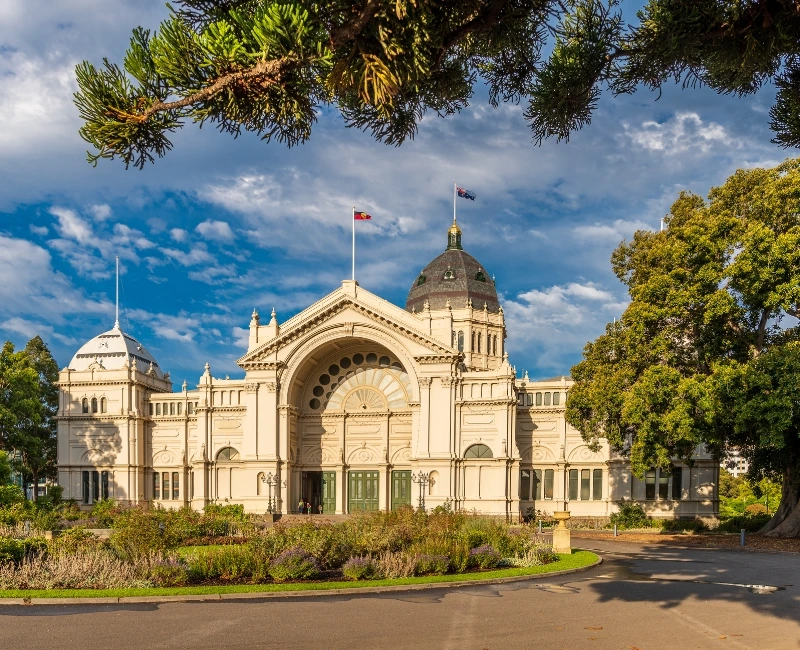
Melbourne’s reputation as a cultural epicenter is cemented by its world-class museums, galleries, and creative precincts. A must-visit is the city’s major art institution, housing extensive collections spanning Indigenous art, European masterpieces, and contemporary works. Plan for at least half a day here: galleries often feature rotating exhibitions, so check current schedules for special installations or retrospectives. Many exhibitions are free or offer discounted entry, making the experience accessible while supporting artistic endeavors.Adjacent to these institutions are bustling cultural precincts. Southbank, located along the Yarra River, hosts performing arts venues, studios, and public art installations. Attend a live performance—be it theater, dance, or live music—often featuring both international acts and homegrown talent. Early bookings for major shows are recommended, especially for high-demand performances. For spontaneous visits, smaller theaters and independent spaces frequently offer last-minute seats or free community performances.Beyond flagship venues, explore smaller galleries distributed across neighborhoods. In Fitzroy and Collingwood, laneway galleries and warehouse conversions showcase experimental art, photography exhibits, and multimedia installations. Many artists maintain open studios on specified days or by appointment—research local events calendars or artist networks to arrange visits. These grassroots spaces foster dialogue with creators, providing behind-the-scenes glimpses into the artistic process.Interactive creative hubs further enrich the scene. Maker spaces and workshops invite visitors to engage directly—try printmaking classes in heritage buildings, ceramic workshops in converted warehouses, or digital design sessions in co-working art studios. Participating in a workshop not only yields a tangible souvenir but deepens appreciation for local craftsmanship and innovation.Literary enthusiasts can explore independent bookstores housed in heritage streets, often hosting author talks, readings, and book launches. Coffee shops adjacent to these stores encourage lingering over discussions or impromptu reading sessions in cozy corners. Melbourne’s café culture dovetails with its literary scene, fostering environments where creativity and conversation flourish.Street art extends beyond laneways into broader neighborhoods. Consider joining a guided street-art tour to learn about the artists, historical context, and evolving narratives. Tours often highlight lesser-known areas where murals signal social commentary or community identity. Some precincts also organize mural festivals, during which artists create large-scale works over days, transforming ordinary walls into canvases.Seasonal art festivals bring the city to life—light installations illuminate buildings at night, interactive digital art projects activate public spaces, and pop-up galleries appear in unexpected places such as abandoned storefronts or outdoor plazas. Check cultural calendars in advance to align visits with festival dates; if travel timing is flexible, consider planning around major events for immersive experiences.Culinary art intersects here as well: gallery cafés and museum restaurants often feature menus curated by renowned chefs, blending aesthetic presentation with local produce. Dining amid art installations enhances the sensory experience, making meals memorable components of cultural exploration.Transportation between venues is seamless via trams and trains. Many cultural precincts lie within walking distance of each other along the river or in central districts. Allocate extra time for serendipitous detours: a street performance outside a gallery, a pop-up exhibition in a courtyard, or an art market showcasing handmade crafts. Documentation such as city cultural maps or mobile apps can guide exploration but leave room for spontaneous discoveries.In sum, museums, galleries, and creative hubs in Melbourne offer layered experiences—from grand exhibitions to grassroots artistry and hands-on workshops. Embrace both scheduled visits and unplanned encounters, allowing the city’s creative energy to guide your journey. Whether you’re an art connoisseur or a curious traveler, Melbourne’s cultural landscape promises inspiration around every corner.
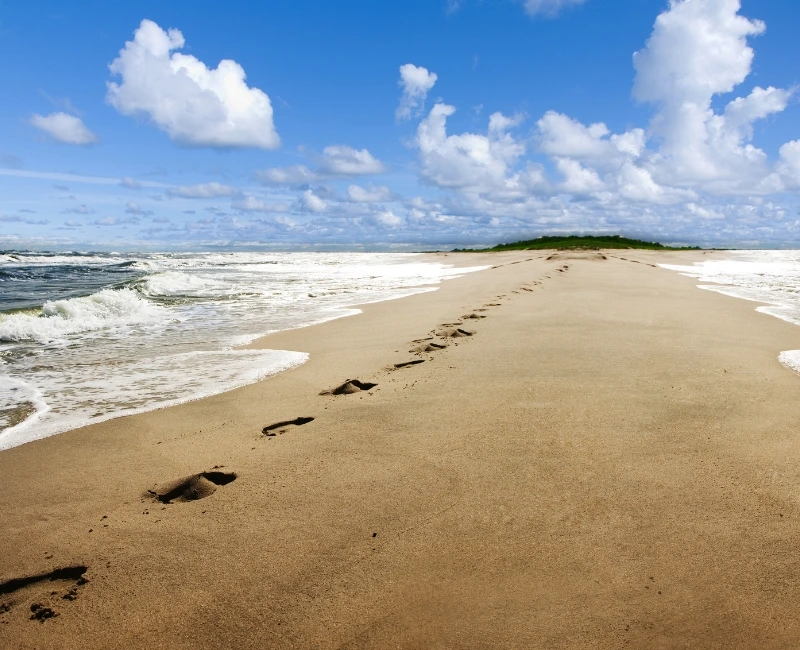
While Melbourne’s urban attractions captivate, nearby coastal escapes and natural retreats provide refreshing contrasts. Begin with accessible spots within metropolitan boundaries: St Kilda Beach offers sandy shores, a vibrant esplanade, and iconic sunsets. Stroll along the pier to observe local wildlife—often playful penguins emerge at dusk. Cafés and eateries line the foreshore, perfect for brunch after a morning walk or bike ride along the foreshore trail. For a different perspective, ride the historic Ferris wheel or participate in watersports like kayaking or paddleboarding in calm bay waters.Further afield, the Mornington Peninsula lies within easy reach for day trips or overnight stays. Renowned for wineries fringed by coastal vistas, the region also features hot springs, coastal hikes, and charming seaside villages. Early morning visits to lookout points reward with serene sunrises over Port Phillip Bay. Walk sections of the Bay Trail, connecting beaches and parks by bike or on foot. In cooler months, thermal pools offer soothing relaxation after exploring trails and vineyards.The Great Ocean Road—one of the world’s iconic coastal drives—begins a few hours from Melbourne. Organize a multi-day trip: wind along dramatic cliffs, visit the Twelve Apostles at sunrise for ethereal light, and explore seaside towns offering fresh seafood and artisan crafts. Hikes through lush forest sections of Great Otway National Park reveal waterfalls and native wildlife. While a longer commitment, this journey illustrates Victoria’s coastal diversity, rewarding travelers with unforgettable scenery.For bushland closer to the city, the Dandenong Ranges provide fern gullies, towering treetops, and charming villages. Board the historic Puffing Billy steam train for a nostalgic ride through verdant valleys; alight to enjoy tea rooms and garden walks. Numerous walking trails traverse the range; pack a picnic to enjoy amid towering eucalyptus and fern-lined paths. Birdwatchers delight in spotting native species, while photographers capture misty mornings filtering through canopy foliage.In the west, head to the You Yangs Regional Park for granite peaks offering panoramic views over plains and coastline. Trails of varying difficulty accommodate casual walkers and avid hikers alike. Mountain biking is popular here, with well-maintained tracks winding through native woodlands. From summit points, views stretch to the city skyline on clear days, a rewarding contrast between natural vistas and urban backdrop.Melbourne’s river environs also beckon: canoe or kayak on the Yarra River, winding through parklands into the city, offering a serene perspective of the skyline. Early morning paddles often reveal wildlife along riverbanks. Riverside trails invite cyclists and joggers, linking green spaces and cultural precincts, blending nature with city exploration.Seasonality influences experiences: spring brings wildflowers and mild temperatures ideal for longer hikes; summer invites early starts to avoid midday heat; autumn’s foliage adds color to walks; winter’s quieter parks reveal tranquil landscapes, though layering is essential. Always check weather conditions and pack essentials—water, sun protection, sturdy footwear—to ensure comfortable outings.Whether seeking coastal serenity, mountain retreats, or river adventures, these natural escapes complement Melbourne’s urban energy. Combining days in the city with nature-oriented excursions enriches your itinerary, balancing cultural immersion with rejuvenating outdoor pursuits. Embrace the diversity of landscapes within easy reach, crafting memories of both vibrant cityscapes and tranquil natural environments.
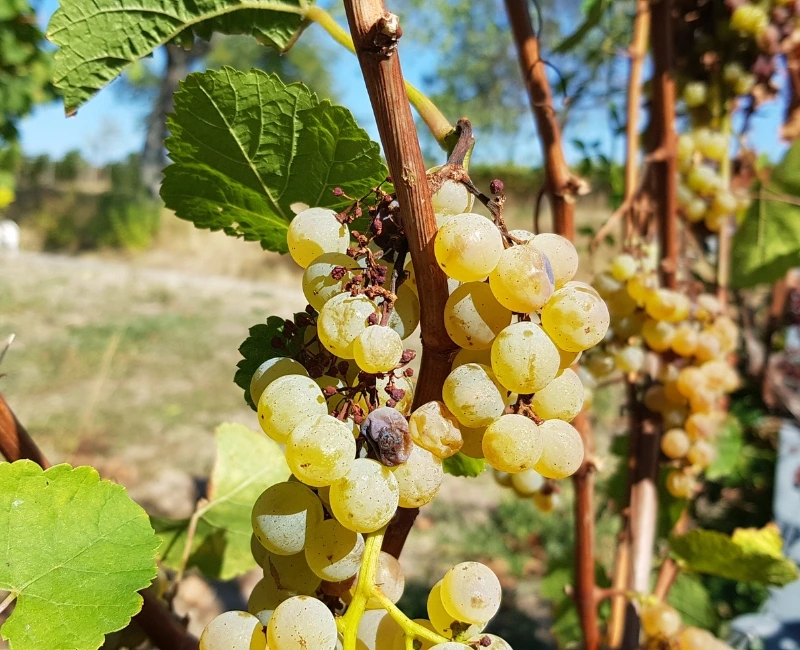
Victoria surrounding Melbourne boasts celebrated wine regions and culinary trails perfect for gourmands and casual enthusiasts alike. A short drive leads to the Yarra Valley, renowned for cool-climate wines: chardonnay, pinot noir, and sparkling varieties flourish here. Start with a guided vineyard tour or self-drive itinerary, visiting boutique wineries where vintners share insights into sustainable practices and terroir influences. Tastings often pair wines with local cheeses, chocolates, or seasonal produce, enhancing appreciation of regional flavors. Lunch at vineyard restaurants showcases farm-to-table cuisine, with dishes highlighting fresh ingredients sourced from adjacent fields or local producers.Mornington Peninsula offers a coastal wine experience. Vineyards perched on rolling hills provide ocean views as you sample pinot gris, sauvignon blanc, and elegant pinot noir. After tastings, explore artisan distilleries producing gin or whisky from native botanicals. The region also features gourmet food trails: artisanal cheese factories, olive groves with tasting rooms, and bakeries crafting breads with local grains. For a relaxed pace, book a long lunch at a seaside winery, savoring fresh seafood alongside crisp white wines while sea breezes enliven the palate.Further afield, the Bellarine Peninsula—reachable by ferry plus short drive—presents a quieter alternative. Vineyards produce robust reds and atmospheric cellar doors often set in converted farm buildings or barn-style tasting rooms. Nearby craft breweries and cider houses extend the beverage exploration. Pair tastings with visits to local producers: berry farms, honey makers, and farm-gate stalls offering seasonal fruits and homemade preserves. Cycling routes connect cellar doors and producers, allowing leisurely exploration amid pastoral scenery.Food festivals often highlight these regions, such as harvest celebrations where visitors participate in grape picking or attend cooking demonstrations by renowned chefs. Check event calendars before travel to align visits with seasonal events—autumn harvest festivals around March–April offer lively atmospheres and community engagement, while spring events showcase budding vineyards and fresh produce.Beyond wine, culinary trails extend into regional towns: visit farmers’ markets brimming with seasonal fruits, vegetables, cheeses, and artisanal products. Engage with producers to learn about sustainable agriculture and innovative techniques. Consider booking a cooking class in a farmhouse kitchen, where local chefs demonstrate preparation of regional specialties—appreciating ingredients you tasted earlier at cellar doors.Combine wine and nature: many vineyards feature walking trails through rolling vineyards or adjacent bushland, offering gentle hikes with panoramic views. Some estates provide picnic packages—select a picnic hamper and settle among vines for an al fresco lunch. Photographers will relish capturing vines against sky or ocean backdrops, especially during golden hour light.Transport options include guided tours with experienced guides who craft itineraries based on preferences—luxury tours may include private tastings and behind-the-scenes experiences such as barrel tastings or blending sessions. For independent travelers, renting a car ensures flexibility; just remember to designate a driver or arrange transportation services if sampling extensively.These wine and culinary experiences complement Melbourne’s city offerings, presenting a balanced itinerary that nurtures both urban exploration and regional indulgence. Whether you’re a wine connoisseur or someone seeking leisurely countryside escapes, Victoria’s surrounding regions deliver memorable tastes, scenic drives, and authentic interactions with local producers, enriching your overall Melbourne holiday.
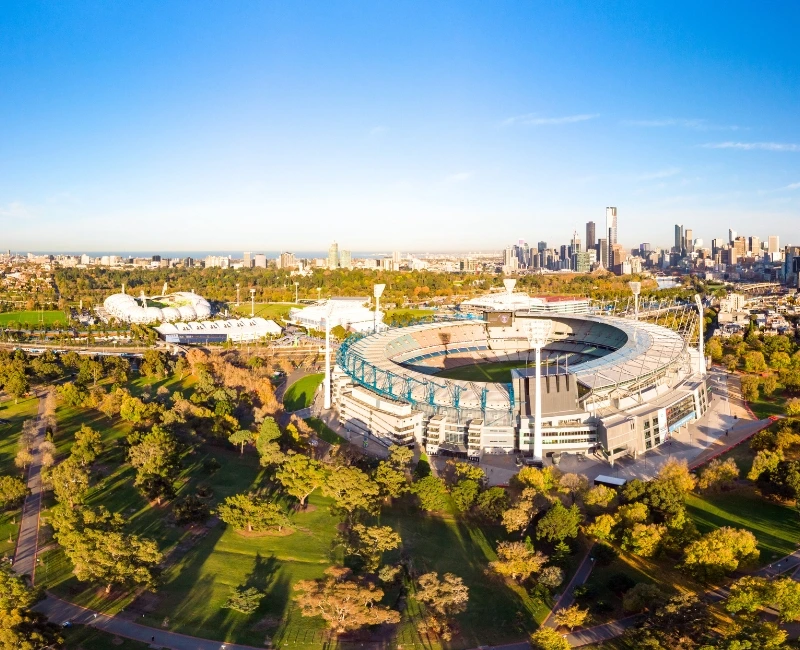
Melbourne’s identity is intertwined with sports and major events, drawing global audiences and fostering local passion. The city’s sporting calendar spans high-profile tournaments and cultural festivals, ensuring year-round excitement. If planning a trip, consider aligning dates with events of interest; even if schedules don’t align, the city’s sporting spirit permeates daily life, visible in lively sports bars and community matches.January marks the Australian Open tennis tournament, transforming Melbourne Park into a hub of international competition. Early rounds offer opportunities to witness top players in action; later stages generate electric atmospheres. Beyond matches, fan zones host interactive activities, and the tournament’s precinct features varied dining and entertainment options. Booking tickets in advance is recommended, though grounds passes allow entry to outer courts for more casual viewing.Autumn (March) often brings the Melbourne Grand Prix (Formula 1), if scheduled in this period; the city buzzes with race-related events, street parties, and exhibitions. Even if you’re not a motorsport fan, the spectacle provides an immersive atmosphere, with citywide activations, live music, and community gatherings celebrating the race.Australian Rules Football (AFL) stands at the core of local sports culture. Attend a match at the Melbourne Cricket Ground or Marvel Stadium during the season (March–September). The ritual of cheering alongside passionate fans, enjoying stadium food, and experiencing halftime entertainment yields unforgettable memories. Short guided tours of historic venues provide context on stadium history and iconic moments.Spring features the Melbourne Cup horse racing event in November, known as “the race that stops a nation.” Even if not attending trackside, surrounding festivities in the city include fashion events, themed parties, and public viewing areas broadcasting the race. For those attending Flemington Racecourse, plan attire and bookings well ahead; the event draws large crowds, and securing transport and accommodation early ensures smoother experiences.Cricket enthusiasts can catch international or domestic matches at Melbourne Cricket Ground during summer. Witnessing test matches or one-day games provides insight into Australia’s cricket passion. Stadium tours during off-match days reveal behind-the-scenes areas such as players’ dressing rooms and historic memorabilia.Beyond marquee events, community sports flourish: join friendly social games in local parks or rent facilities for casual matches. Melbourne’s cycling culture offers group rides, events like the Great Vic Bike Ride, or cycling along dedicated trails. Golf courses around the city invite tee times amidst scenic settings. For adventure sports, consider watching or participating in triathlons, open-water swims, or fun runs held throughout the year.Cultural events often intersect with sports: outdoor film screenings at stadium precincts, fitness-themed festivals combining health workshops and live music, or food-and-sport gatherings where fans sample local produce while watching games. Check local listings for pop-up events tied to major sports fixtures.Plan logistics carefully: book tickets early for high-demand events; public transport often extends services during major events, but allow extra travel time; consider staying near event venues or along tram lines. For international visitors, purchasing multi-day transport passes can offer convenience for exploring the city before and after events.Attending a major event in Melbourne immerses you in local culture’s heartbeat. The camaraderie, enthusiasm, and shared experiences—whether cheering in a packed stadium or enjoying fan zones—create lasting memories. Even if you’re not a die-hard fan, the festive atmosphere surrounding events reveals Melbourne’s communal spirit and offers engaging ways to connect with locals and fellow travelers alike.

Melbourne’s appetite for culinary exploration extends beyond restaurants into vibrant markets, food festivals, and interactive experiences. Begin by visiting landmark markets: Queen Victoria Market is an icon—historical timber sheds filled with fresh produce, gourmet stalls, and specialty vendors. Mornings here buzz with shoppers selecting seasonal fruits, artisanal cheeses, and locally sourced meats. Sample street-food offerings from multicultural vendors: freshly prepared dumplings, baked pastries, and handcrafted chocolates. Beyond shopping, market precinct hosts night markets where live music, themed food events, and pop-up bars create festive atmospheres.Smaller neighborhood markets reveal local character: Collingwood’s craft markets feature handmade goods and artisanal foods; South Melbourne Market offers seafood specialties and specialty cafés. Weekends often bring farmers’ markets in various suburbs where direct interactions with producers showcase farm-to-table ethos. Engaging with growers and makers deepens appreciation for provenance and sustainability practices shaping Melbourne’s food culture.Culinary workshops offer hands-on learning: join cooking classes focusing on native ingredients, learn to prepare multicultural dishes reflecting Melbourne’s diverse population, or master coffee brewing techniques in specialty cafés. Many classes are facilitated by local chefs or baristas sharing insider tips and regional insights. These experiences yield skills and stories to share long after the trip.Food festivals punctuate the calendar: Melbourne Food and Wine Festival in March celebrates regional produce with themed dinners, masterclasses, and chef collaborations. Booking early for marquee events ensures participation in long lunches beneath vineyard skies or exclusive tasting sessions. Pop-up dinners in unusual venues—rooftops, gardens, or art spaces—combine ambiance with inventive menus, often spotlighting seasonal or indigenous ingredients.Brewpubs and craft breweries are integral: explore brewery trails in suburbs like Collingwood and Fitzroy, sampling local ales and learning brewing processes. Many breweries host taproom events—live music nights, trivia, or food truck pop-ups—creating communal vibes. Cocktail bars also innovate: skilled mixologists incorporate native botanicals into creative drinks, often complementing local spirits or mixers.For sweet-toothed travelers, dedicate time to dessert-focused tours: chocolatiers, patisseries, and gelato shops reveal Melbourne’s mastery of confections. Consider pairing desserts with local dessert wines or specialty coffees at artisan cafés. Melbourne’s café culture extends to brunch destinations where innovative menus blend savory and sweet, reflecting seasonal produce and culinary creativity.Dining in Melbourne encompasses varied styles: precincts like Chinatown offer authentic Asian flavors; Lygon Street in Carlton brings Italian heritage; Richmond caters to Vietnamese and Southeast Asian tastes; Brunswick hosts Middle Eastern and Eastern European eats. Exploring these neighborhoods through guided food tours or self-directed itineraries ensures sampling signature dishes and discovering hidden gems.Evening culinary experiences include progressive dinners—moving between venues for entrée, main, and dessert—often organized by local guides. Alternatively, food trucks congregate at designated locations, creating casual outdoor dining scenes where locals mingle with travelers. Such events often coincide with community gatherings or live entertainment, blending gastronomy with social ambiance.Melbourne’s commitment to sustainability and innovation shapes culinary offerings: vegetarian and vegan options abound, zero-waste cafés experiment with sustainable packaging, and farm-to-table restaurants highlight eco-friendly practices. Engaging with these initiatives offers insight into the city’s values and contributes to responsible travel.Overall, culinary experiences and markets in Melbourne immerse visitors in flavors reflecting diverse cultures, local creativity, and seasonal bounty. From bustling markets at dawn to refined dinners under city lights, the gastronomic journey here is as varied as it is memorable, making it a cornerstone of any Melbourne itinerary..
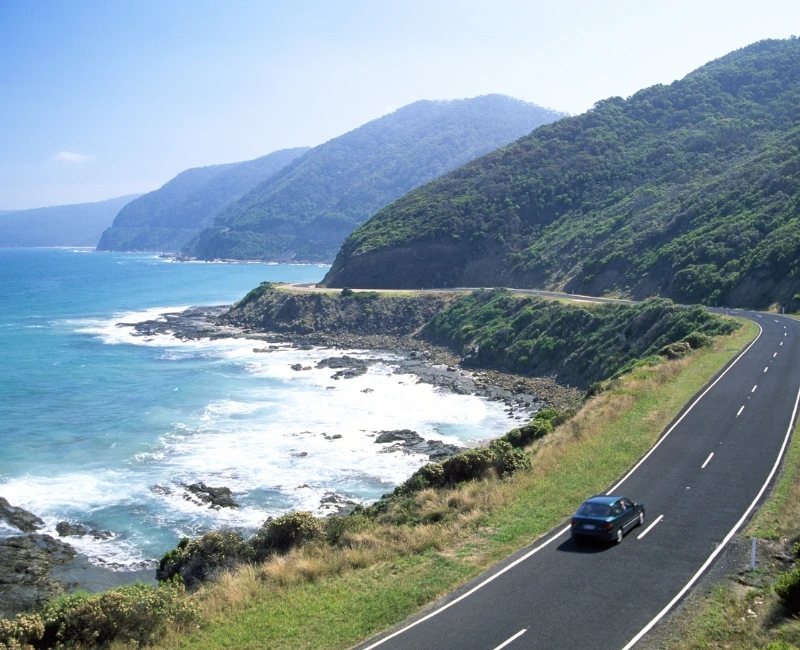
Melbourne’s strategic location allows seamless day trips and regional discoveries that enhance any visit. Well-connected transport options—car rentals, guided tours, or public transport routes—facilitate exploration beyond the city. Planning diverse day trips balances urban immersion with scenic variety.The Great Ocean Road is an iconic drive, but a day trip can cover key highlights if started early: depart pre-dawn to reach the Twelve Apostles by sunrise, witnessing majestic limestone stacks against golden skies. Along the way, stop at coastal lookouts for panoramic photography, explore rainforest trails in Great Otway National Park, and visit seaside towns like Lorne or Apollo Bay for a leisurely lunch featuring fresh local seafood. While a comprehensive journey may span multiple days, a focused day trip leaves indelible memories of rugged coastline and ocean vistas.Alternatively, head to the Yarra Valley for a taste of wine country within an hour’s drive. Participate in morning tastings at boutique wineries, enjoy lunch overlooking vineyards, and visit a local chocolatier or cheese producer in the afternoon. Some visitors combine winery visits with a hot-air balloon flight at dawn, floating above vineyards as the sun rises, followed by a celebratory breakfast. For those preferring group tours, guided options often include transportation, commentary on regional history, and curated tasting experiences.The Dandenong Ranges offer a nature-infused escape. Board the heritage Puffing Billy steam train for a nostalgic journey through fern gullies, then disembark to explore walking trails lined with towering tree ferns. Visit quaint villages such as Olinda or Sassafras for garden strolls and afternoon tea in heritage tearooms. Birdwatchers revel in spotting native species among lush greenery, while photographers capture misty landscapes. This day trip suits travelers seeking forest tranquility near the metropolis.For wildlife encounters, Phillip Island is reachable for a memorable penguin parade at dusk. Arrive mid-afternoon to explore Koala Conservation Centre, where boardwalks wind through eucalyptus forests spotting koalas. In winter or spring, consider whale-watching cruises offshore. Combine with exploring coastal trails or local museums detailing maritime history. Return to Melbourne enriched by natural interactions with Australian wildlife in their habitats.The Mornington Peninsula offers varied experiences: visit hot springs for relaxation, wander coastal cliffs at Cape Schanck, or sample produce at local farms and vineyards. Cycle portions of the Peninsula’s Bay Trail for active exploration or opt for leisurely seaside picnics. For families, beaches with gentle waves provide safe swimming, and wildlife parks allow close-up animal experiences.Cultural day trips include visits to regional towns like Ballarat, where historic gold-mining heritage is preserved in open-air museums. Learn about Australia’s frontier history and enjoy period reenactments. Seasonal festivals in regional centers—harvest fairs, art exhibitions, or multicultural events—add cultural depth to day excursions. Check event schedules to align trips with unique experiences.Logistics: early starts maximize daylight hours; pack essentials (water, snacks, sunscreen, layers); check weather forecasts, especially for coastal drives prone to variable conditions. Guided tours provide convenience and local insights; self-drive offers flexibility but requires careful planning for routes and timings. Public transport options exist for some destinations, such as train connections to the Dandenongs or Yarra Valley partnering with shuttle services.These day trips and regional discoveries complement Melbourne’s urban offerings, revealing Victoria’s natural beauty, heritage landscapes, and diverse experiences. Integrating one or more excursions into your itinerary enriches your journey, offering contrast to city life and broadening understanding of the region’s allure.
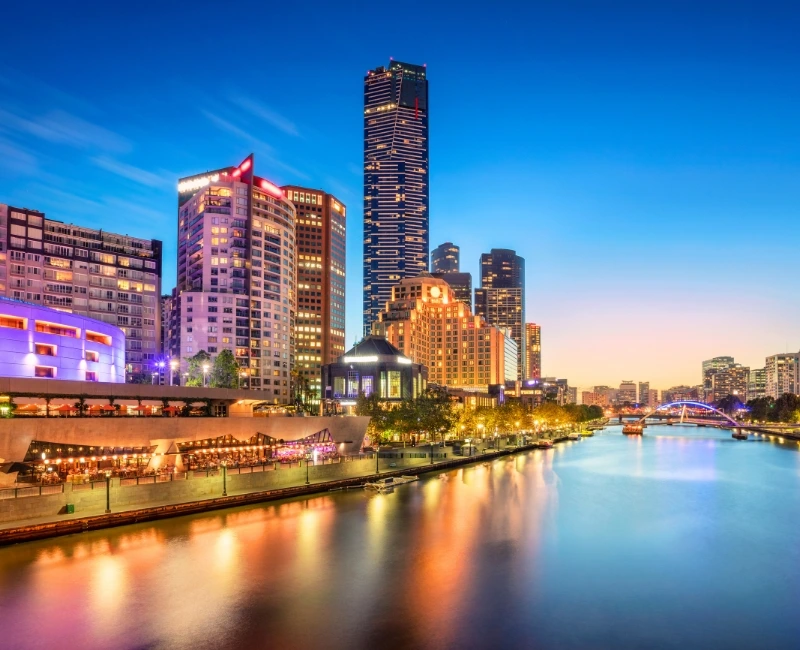
To make the most of a Melbourne visit, consider seasonal highlights and insider tips that optimize timing, avoid crowds, and reveal hidden gems. Melbourne’s climate and event calendar create differing experiences throughout the year; tailoring your trip accordingly ensures a richer journey.Summer (December–February): Peak tourist season with warm to hot days. Expect lively outdoor events: beach visits, open-air concerts, rooftop bar evenings, and festivals. The Australian Open in January draws global crowds—book accommodations and tickets well in advance. Explore coastal escapes early in morning or late afternoon to avoid midday heat. Pack sun protection and light layers. Insider tip: head to less crowded beaches like Brighton or Williamstown for a more local vibe. For dining, book ahead at popular outdoor venues; enjoy late sunsets at café terraces along the Yarra.Autumn (March–May): Shoulder season with mild weather and autumn foliage in parks and nearby ranges. Ideal for exploring laneways, walking trails, and wine regions. Festivals such as food and wine events occur; shoulder period often offers better deals on accommodation than summer. Insider tip: catch autumnal hues in the Dandenong Ranges or Yarra Valley vineyards. Attend local farmers’ markets for seasonal produce. Melbourne’s fashion calendar in March may coincide with shows—check for public events or pop-ups.Winter (June–August): Off-peak season yields fewer crowds and lower rates. Cooler temperatures invite indoor cultural activities: museums, galleries, theater performances, and café hopping with hearty meals. Rain showers are common; pack waterproof layers. Visit winter-themed markets or attend indoor festivals (e.g., film festivals). Insider tip: enjoy hot chocolate or specialty coffee in cozy cafés; seek out hidden bar experiences with warming cocktails. For wildlife tours, note shorter daylight hours; plan outdoor excursions like Phillip Island penguin parade with appropriate timing. Wine regions offer intimate cellar-door experiences and warm dining in rustic settings.Spring (September–November): Shoulder season with blooming flowers and mild weather. Gardens such as Royal Botanic Gardens and Dandenong Ranges burst into color. Spring racing events lead up to the Melbourne Cup in November; early bookings required for race-related gatherings. Outdoor activities flourish: cycling, hiking, and riverside strolls. Insider tip: attend cherry blossom viewing in local parks or seasonal festivals celebrating spring produce. Explore night markets and street-food events as temperatures moderate. Photographers benefit from clear light and vibrant landscapes.Insider Tips Across Seasons:Transport Savvy: Use the free tram zone in the CBD for easy movement; consider multi-day public transport passes for outer suburbs. Ride-sharing and bike rentals offer flexibility for short hops.Local Apps & Guides: Download local event and transport apps for real-time updates on events, tram/trains, and pop-up happenings. Follow city social media channels or subscribe to newsletters from cultural precincts for insider notifications.Booking Strategies: For popular restaurants and events, reserve early; for spontaneous outings, explore lesser-known neighborhoods (e.g., Footscray, Brunswick) where emerging cafés and eateries reward adventurous travelers.Budget Considerations: Off-peak travel (winter) yields savings; shoulder seasons balance favorable weather with moderate pricing. Look for combo passes for attractions (e.g., museum memberships for multiple visits). Many galleries and events offer free or discounted entry on specific days.Safety & Health: Melbourne is generally safe, but stay aware of varying weather conditions; carry water and comfortable footwear. Emergency services are reliable; note local emergency number. Travel insurance is recommended for longer excursions.Cultural Respect: Acknowledge Indigenous heritage—consider guided tours or museum exhibits that explore Kulin Nation history. Participate in cultural events respectfully. Support local artisans and sustainable businesses to contribute positively to the community.By aligning your Melbourne trip with seasonal nuances and leveraging insider knowledge, you unlock deeper experiences—whether it’s sipping wine amid autumn leaves, cheering at a summer sporting event, or discovering cozy winter cafés. Embrace flexibility to adapt plans when weather shifts or spontaneous events arise. Melbourne’s dynamic nature means each visit can feel fresh; with these insights, you’ll confidently navigate the city’s rhythms, making your journey both smooth and memorable.
No ads. No trails. No commitments


Alice Roses
London, England
51 ST MATTHIAS ROAD
NOTTINGHAM, NOTTINGHAMSHIRE
NG3 2HF
Hours: 8:00 - 17:00, Mon - Sat
support@johnsonholidays.com