 Stuttgart Travel
Guide
Stuttgart Travel
Guide
Paris is known around the world as the “capital of love,” and even if you don't understand the history of Paris at all

2 Hours
£3.50
Stuttgart is internationally celebrated as the birthplace of the automobile, making it a must-visit for motoring enthusiasts. The city is home to two major automotive museums—Mercedes-Benz Museum and Porsche Museum—each offering immersive displays of vintage models, engineering innovations, and interactive exhibits tracing the evolution of cars. Visitors can learn about the pioneering engineers whose inventions shaped modern mobility, explore concept vehicles, and enjoy multimedia presentations that bring history to life. Beyond museums, guided factory tours provide behind-the-scenes insights into modern production techniques, while themed experiences allow you to drive or simulate driving iconic models. This deep dive into automotive heritage is both educational and entertaining, appealing not only to car aficionados but also to anyone intrigued by technological progress and design evolution in one of Germany’s most innovative cities.
Learn More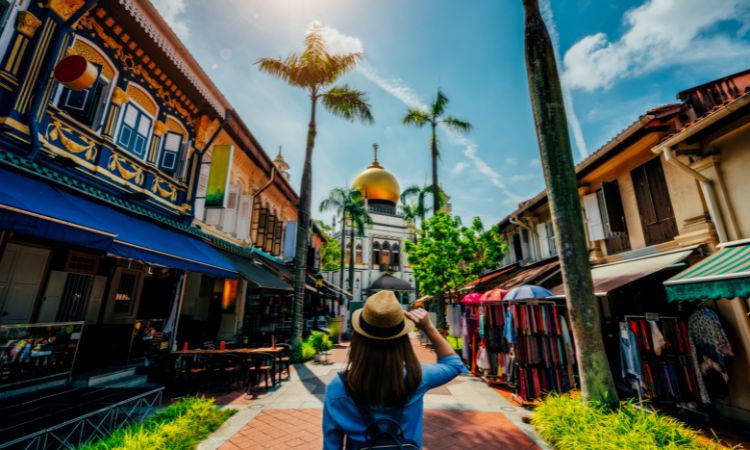
Stuttgart’s cultural fabric is rich and varied, boasting prestigious institutions and avant-garde venues alike. The Staatsgalerie hosts classical and modern art collections featuring European masters, while the Stuttgart State Opera and Ballet present world-class performances in architecturally stunning settings. Contemporary art aficionados will appreciate galleries showcasing emerging artists, and interactive museums like the Linden Museum delve into ethnology and global cultures. Annual festivals—including film, music, and dance events—ensure the calendar is filled with creative experiences. Architecture lovers can admire landmarks such as the New Castle and modern designs like the Stuttgart Library. This vibrant cultural scene offers travellers an opportunity to engage with arts that span centuries, all within a compact, walkable urban core complemented by knowledgeable local guides and special tours.
Learn More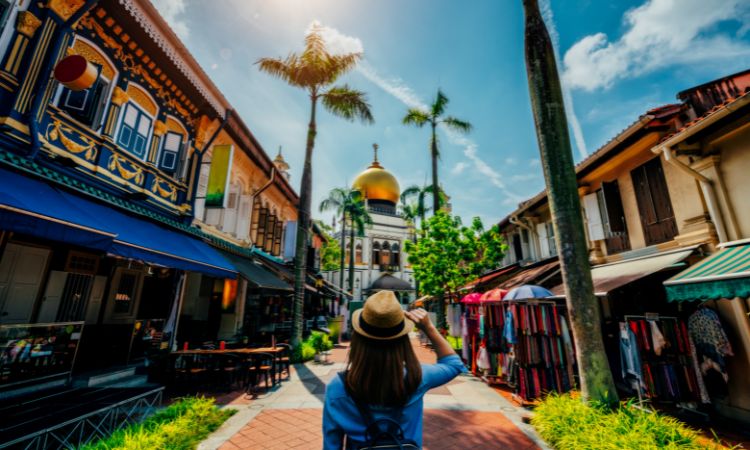
Despite its industrial legacy, Stuttgart surprises visitors with abundant green areas. The Schlossgarten park runs through the city centre, offering lawns, ponds, and tree-lined promenades ideal for picnics and relaxation. Vineyards on the hillsides overlooking Stuttgart produce local wines, and you can join guided vineyard walks or cycle along scenic routes. The nearby Killesberg Park features beautifully landscaped gardens, sculptures, and a miniature railway, appealing to families and nature lovers. Hikers and cyclists can explore trails in the surrounding forests, such as the Rotenberg and Württemberg hills, which offer panoramic views over the city. Outdoor fitness enthusiasts enjoy riverbank jogs and open-air sports facilities. Whether seeking restful greenery or active pursuits, Stuttgart’s well-maintained parks and nearby natural areas provide a refreshing counterpoint to urban exploration.
Learn More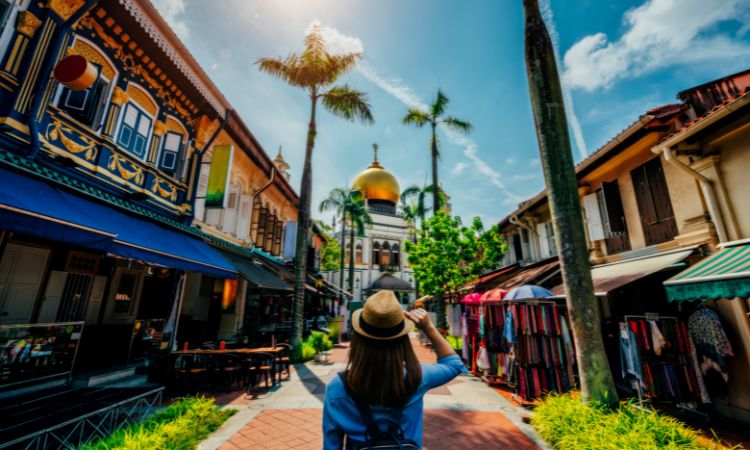
Swabian cuisine is a highlight of any Stuttgart trip, blending comforting, hearty dishes with gourmet interpretations. Traditional eateries serve local specialties such as Maultaschen (pasta pockets filled with meat or vegetarian fillings), Spätzle (egg noodles often paired with cheese or sauces), and Rostbraten (roast beef). Seasonal markets and farmers’ stands offer fresh produce, while modern chefs reinterpret classics using locally sourced ingredients. Stuttgart’s wine taverns in vineyard settings invite visitors to sample regional Riesling and Trollinger wines alongside hearty platters. For casual dining, cosy cafés serve freshly baked goods and light meals, and craft breweries craft regional beers that pair perfectly with local dishes. Food festivals throughout the year showcase innovations in gastronomy, providing immersive tasting experiences. This culinary diversity ensures you savour authentic Swabian flavours and discover contemporary twists in stylish settings.
Learn More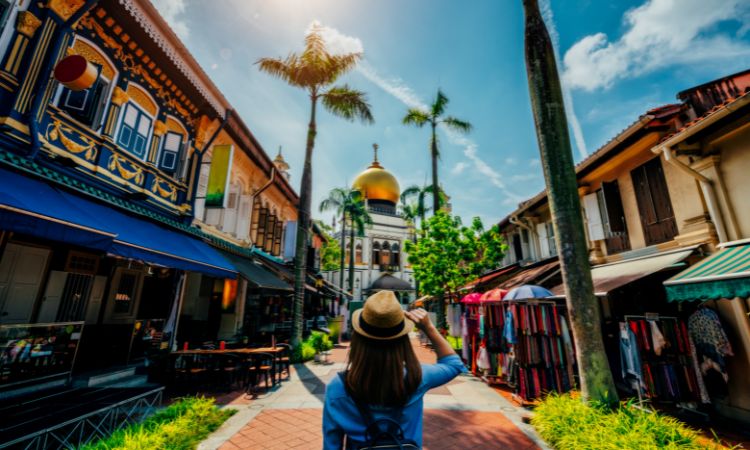
Stuttgart’s year-round festival calendar offers something for every interest. Spring brings wine festivals in hillside vineyards where visitors can taste new vintages amid convivial atmospheres. Summer highlights include open-air concerts, theatre in parks, and cultural festivals celebrating music, film, and dance. The iconic Stuttgart Beer Festival (Cannstatter Volksfest) in autumn combines beer tents, amusement rides, and traditional costumes, offering a lively community spirit. Winter ushers in festive Christmas markets across squares, where handcrafted gifts, seasonal treats, and warm beverages create a cosy ambience. Special events—such as light installations, gourmet fairs, and sporting occasions—ensure there is always a reason to visit. These festivals immerse travellers in local traditions and contemporary culture, creating memorable experiences that blend local authenticity and modern entertainment.
Learn More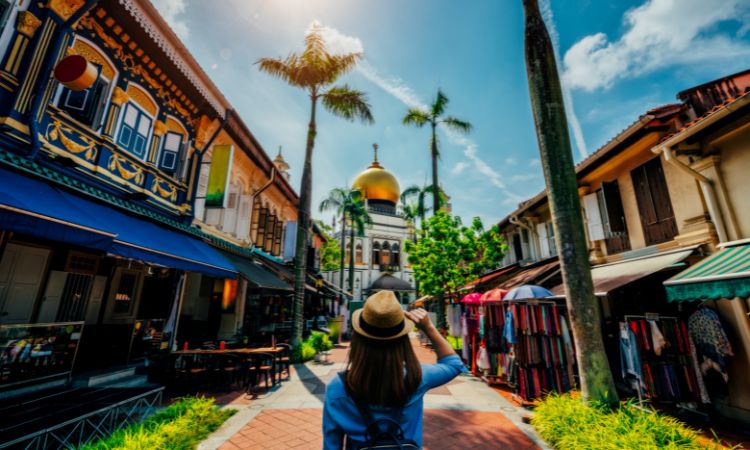
Situated in southwestern Germany, Stuttgart is an ideal base for exploring surrounding attractions. Within a short drive or train ride, you can visit the Black Forest’s dense woodlands and picturesque villages, Hohenzollern Castle perched on a hilltop, or the scenic Lake Constance region bordering Switzerland. The Alsace region in France and scenic Swabian Jura are easily accessible for day excursions, offering culinary and cultural contrasts. Well-connected rail links and highways make independent exploration straightforward, while guided tours provide curated experiences. Returning to Stuttgart in the evening allows you to enjoy the city’s dining and nightlife after a day of scenic discovery. This strategic location amplifies your travel options, making Stuttgart an excellent hub for both urban and regional exploration.
Learn More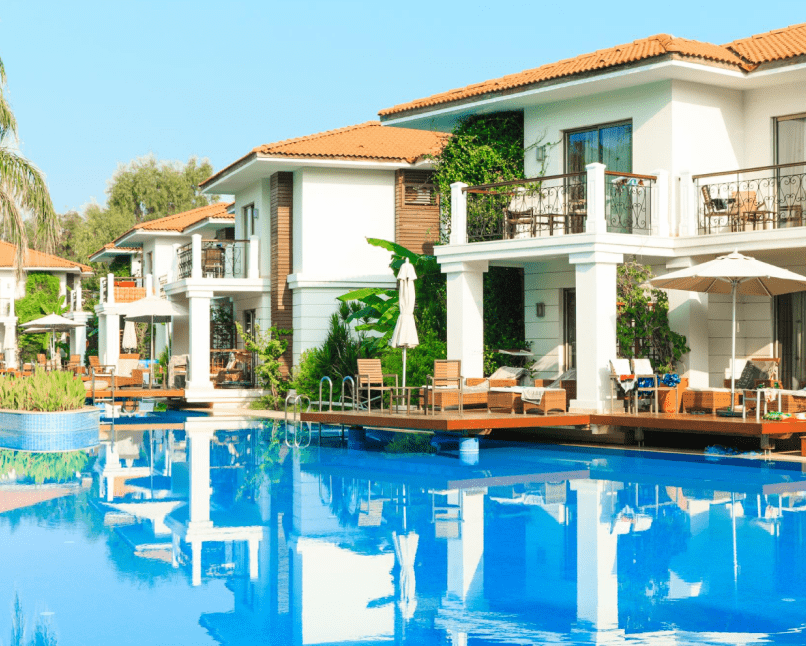
Lorem ipsum dolor, sit amet consectetur adipisicing elit. At illo adipisci iusto
From

Because more than 268 other customers have loved us too

Demonstrates commitment to user data security through encryption and secure payment practices
Learn More
Demonstrates commitment to user data security through encryption and secure payment practices
Learn More
Demonstrates commitment to user data security through encryption and secure payment practices
Learn More
Demonstrates commitment to user data security through encryption and secure payment practices
Learn More
Quality as judged by customers. Book at the ideal price!


/ person
/ person
/ person
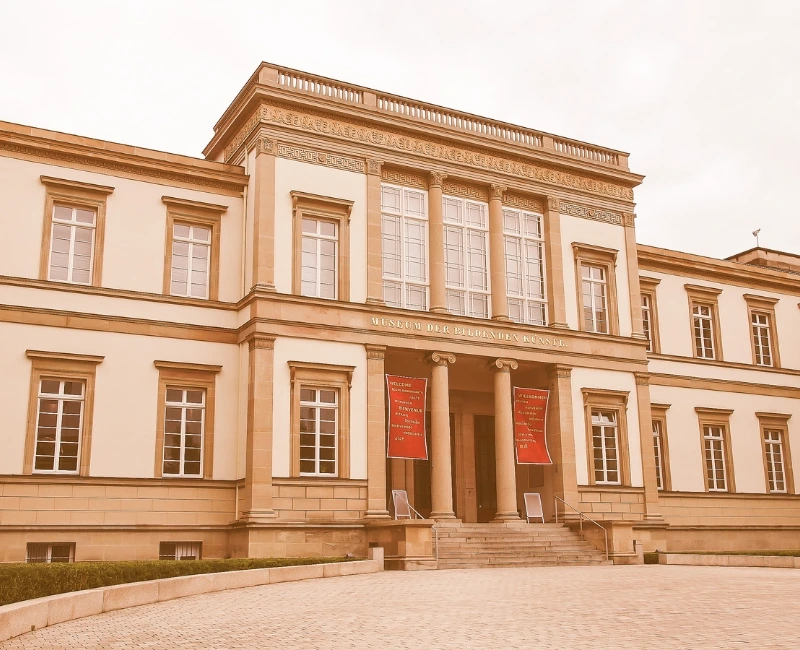
Stuttgart’s museums form a vibrant cultural network catering to a wide range of interests, from art and history to cutting-edge engineering. The Mercedes-Benz Museum is one of the city’s star attractions, charting over 130 years of automotive innovation. Visitors follow a spiral pathway through themed galleries displaying more than 160 vehicles—from the world’s first motorcar to experimental concept cars. Multimedia installations explain engineering breakthroughs and the brand’s role in global automotive history, while temporary exhibitions explore topics like sustainability and design.The Porsche Museum, another must-see for car enthusiasts, celebrates the sleek lines and high-performance heritage of Porsche sports cars. Rare prototypes, championship-winning race cars, and design-focused exhibits reveal the evolution of one of the world’s most iconic brands.Art lovers should head to the Staatsgalerie Stuttgart, a cultural powerhouse housing works by Rembrandt, Monet, Picasso, and German Expressionists. Its collection spans from the 14th century to modern installations, and the building itself blends classical and postmodern architecture. The Kunstmuseum Stuttgart, a striking glass cube in the city centre, focuses on contemporary and modern art, with rotating exhibitions spotlighting emerging artists and thematic showcases.For those interested in history, the Landesmuseum Württemberg inside the Old Castle offers archaeological finds, medieval treasures, and insights into regional culture. The Linden Museum widens the scope with ethnographic collections from Africa, Asia, and the Americas, often accompanied by cultural performances and talks.Practical tips: Many museums offer multilingual guides, family-friendly activities, and special evening openings. Some close one weekday (often Monday), so check schedules. The Stuttgart City Pass or a museum card can offer entry discounts and include public transport. Museum cafés and gift shops make excellent spots to relax between exhibits. Whether you’re passionate about art, history, or engineering, Stuttgart’s museums promise an enriching and memorable experience.
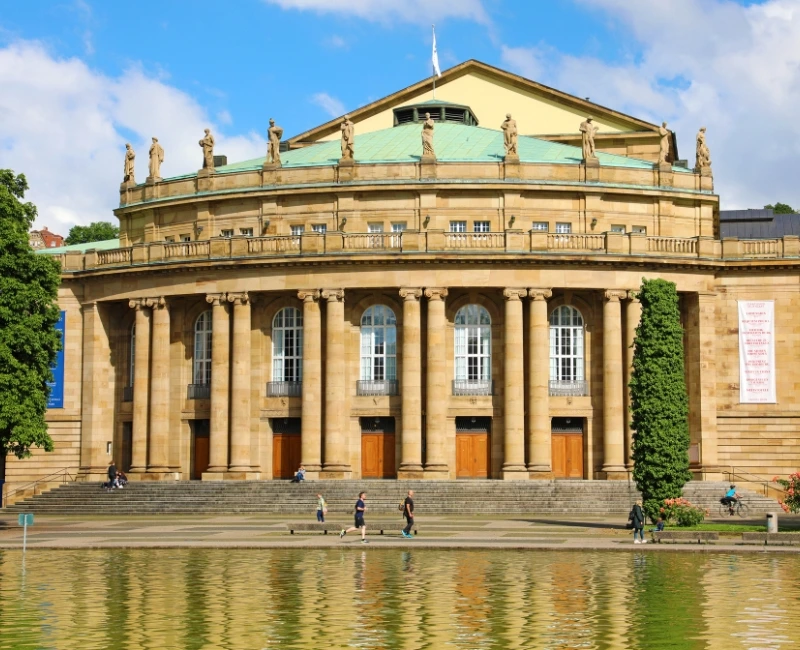
Stuttgart’s architecture blends centuries-old craftsmanship with bold modernism, telling the story of a city that has evolved yet stayed rooted in tradition. The Old Castle (Altes Schloss) dates back to the 10th century and has transformed from a fortress into a Renaissance palace, now housing the Landesmuseum Württemberg. Its arcaded courtyard is a peaceful place to pause while exploring. Nearby, the New Castle (Neues Schloss), with its ornate baroque facade, was once the seat of Württemberg’s rulers and now houses government offices.Religious landmarks include the Stiftskirche, a Gothic structure with distinctive towers, stained glass, and centuries of architectural adaptations. The Staatsoper (State Opera House), reconstructed after World War II in a neoclassical style, offers cultural performances in a lavish interior.Modernism shines in the Stuttgart City Library, a minimalist glass-and-concrete cube with a serene, light-filled interior. The Weissenhof Estate, part of the UNESCO World Heritage Site dedicated to Le Corbusier, is a living museum of Bauhaus-inspired housing, offering guided tours that detail the radical architectural concepts of the 1920s.The Fernsehturm (TV Tower), completed in 1956, was the world’s first reinforced concrete television tower and remains a model of engineering ingenuity. Its observation deck provides sweeping views of the city, vineyards, and Black Forest hills.Public squares like Schlossplatz showcase a blend of historic monuments, gardens, and pedestrian-friendly design, reflecting Stuttgart’s emphasis on accessible urban spaces. Architecture-themed walking tours reveal lesser-known gems—renovated warehouses turned into cultural hubs, hidden courtyards, and innovative sustainable housing projects.For photography enthusiasts, Stuttgart offers endless contrasts: medieval stonework against modern glass facades, baroque symmetry beside experimental design. Informational panels, local guides, and seasonal architecture events help visitors appreciate the city’s unique balance between preservation and innovation.
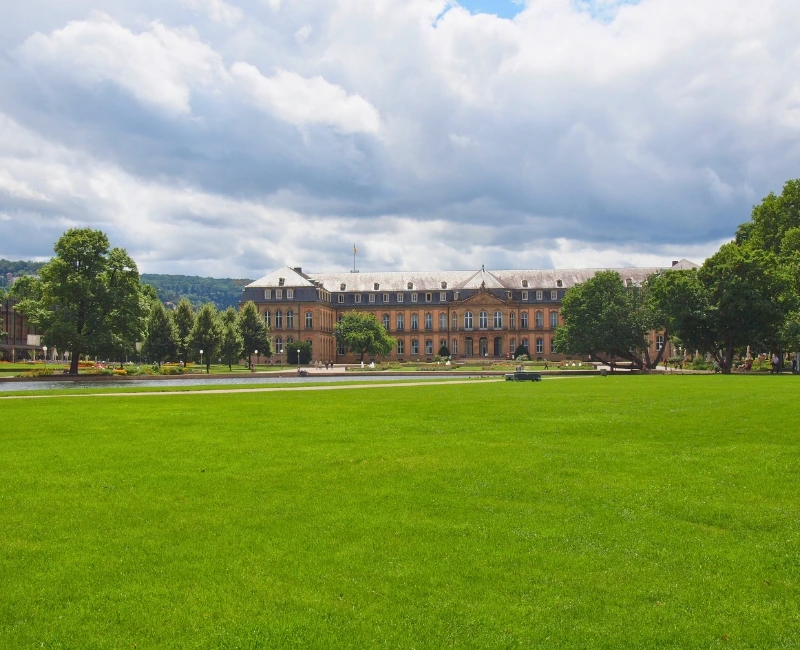
Stuttgart’s abundance of green spaces makes it one of Germany’s most liveable cities, offering tranquillity, recreation, and scenic views right within its urban borders. The Schlossgarten, a central linear park stretching from the New Castle to the main train station, is perfect for leisurely strolls, picnics, or simply relaxing by its fountains and waterways. Sculptures and shady avenues make it a favourite for both locals and visitors.Connected to the Schlossgarten, Rosensteinpark is Stuttgart’s largest English-style park, home to old-growth trees and gentle meadows. It adjoins the Wilhelma Botanical and Zoological Garden, a unique attraction that blends a vast collection of exotic plants with a diverse range of animals, all set against Moorish Revival architecture. This combination makes Wilhelma especially popular with families.Killesberg Park in the north offers beautifully designed gardens, themed flower beds, and open-air events. Its miniature railway delights children, while seasonal flower shows add bursts of colour in spring and summer. For those seeking panoramic views, Höhenpark Killesberg and the vineyards along the Stuttgart Hills feature trails that connect observation points overlooking the city and Neckar Valley.The Chinese Garden provides a serene retreat, complete with pavilions, koi ponds, and symbolic landscaping—a gift celebrating Stuttgart’s friendship with its partner city in China. Along the Neckar River, walking and cycling paths invite outdoor exercise, while community gardens and urban farming projects showcase sustainable city living.Seasonal events enhance the park experience—open-air concerts, art installations, and summer cinemas are regular highlights. Public transport links make these green spaces easily accessible, and many have cafés, kiosks, or snack stands. Guided walking or cycling tours focusing on Stuttgart’s “green heart” can reveal hidden gardens and seasonal floral displays that casual visitors might overlook.
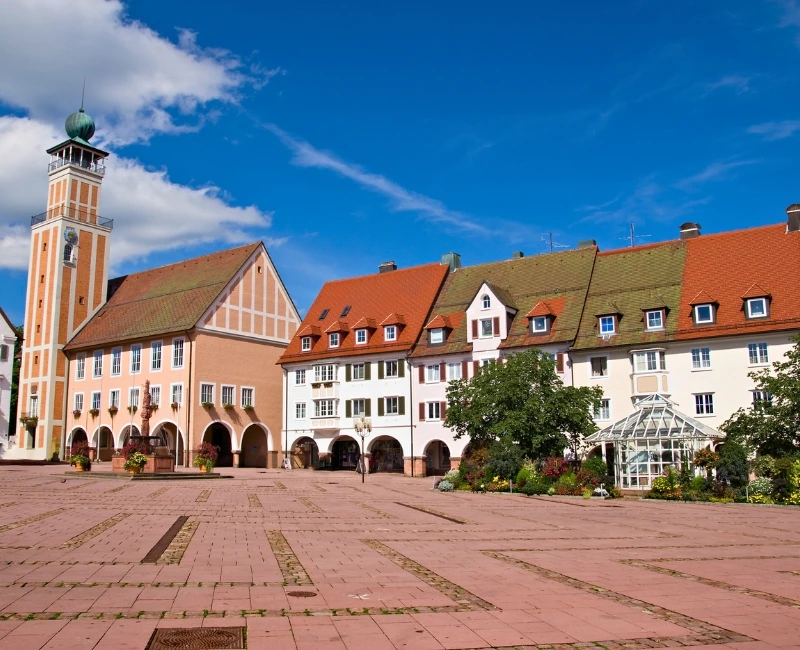
Stuttgart’s location in Baden-Württemberg makes it an excellent base for exploring the Black Forest and nearby scenic regions. Just over an hour away, Baden-Baden is famed for its elegant spa culture, with historic thermal baths, manicured parks, and a charming old town perfect for a day of relaxation.For nature lovers, Triberg offers Germany’s highest waterfalls and an immersion into Black Forest craftsmanship, particularly its world-famous cuckoo clocks. Hiking routes here range from gentle forest walks to more challenging trails with panoramic viewpoints. Lake Titisee, surrounded by wooded hills, offers boat rides, lakeside cafés, and the chance to sample authentic Black Forest cake.Freudenstadt is another gem, with Germany’s largest market square and access to excellent hiking in the surrounding countryside. In spring and summer, guided tours introduce the region’s flora and fauna, while autumn paints the forest in vivid colours—ideal for photographers.Beyond the Black Forest, Stuttgart is close to the Württemberg wine region, where vineyard tours and tastings reveal the character of local varietals like Trollinger and Riesling. Visits can be combined with hilltop castles such as Burg Hohenneuffen for sweeping views and history. The Swabian Jura offers limestone caves, dramatic cliffs, and rolling plateaus, perfect for day hikes or guided caving tours.Efficient regional trains and buses connect many destinations, but hiring a car allows greater flexibility. During peak seasons—especially wine harvests and summer holidays—booking tours, tastings, or spa sessions in advance is recommended. Returning to Stuttgart in the evening lets you pair your countryside adventure with a relaxing dinner or cultural event.
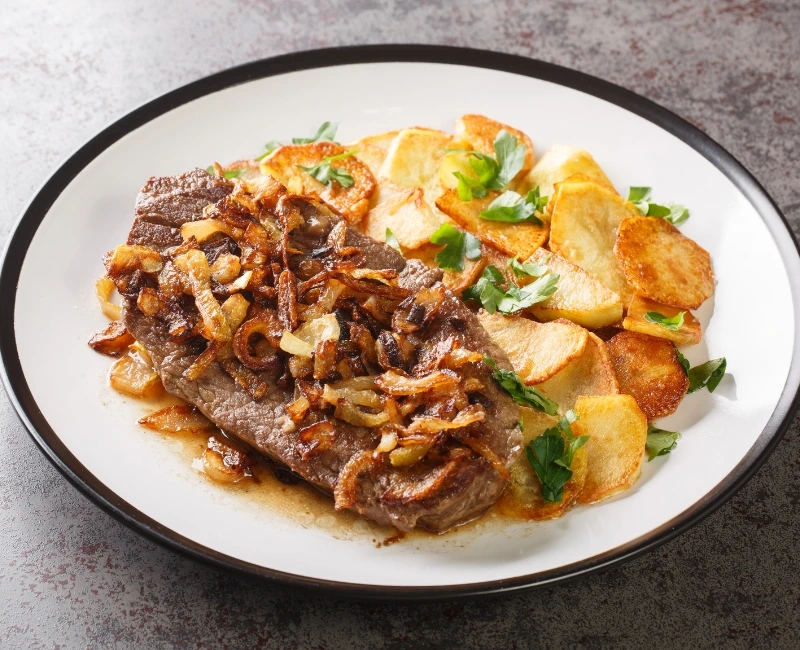
Stuttgart’s food scene blends the hearty traditions of Swabia with global influences. Classic dishes include Maultaschen—pasta pockets filled with meat, spinach, and herbs—served in broth or pan-fried with onions; Käsespätzle, soft egg noodles layered with cheese and topped with crispy onions; and Zwiebelrostbraten, a succulent beef dish with onion gravy. Many Gasthäuser have served these recipes for generations, often in half-timbered settings that feel like stepping back in time.The city’s markets are a feast for the senses. Seasonal farmers’ markets in Marktplatz and other squares offer fresh vegetables, local cheeses, artisanal bread, and cured meats—perfect for a picnic. Stuttgart’s vineyard culture is equally celebrated, with seasonal wine taverns (Straußenwirtschaften) opening in late summer to serve small-batch wines alongside simple, rustic fare.Fine dining is alive and well here, with chefs blending Swabian flavours and modern culinary techniques in stylish settings. Many menus change seasonally, showcasing local produce like asparagus in spring, berries in summer, game in autumn, and root vegetables in winter. International restaurants—from Italian to Japanese—reflect Stuttgart’s cosmopolitan character, while the café scene offers artisan coffee, pastries, and relaxed spaces for a midday break.Cooking classes offer hands-on immersion into Swabian cuisine, teaching visitors how to prepare traditional dishes. Budget-conscious travellers can enjoy street food, food trucks, and midday specials (Mittagstisch) in cafés. Expect to pay £12–£20 for a main in a mid-range restaurant, and £10–£15 for a wine tasting. Stuttgart’s dining culture invites you to savour both its regional roots and its modern, international flair.

Stuttgart’s nightlife offers something for everyone, from casual beer gardens to sophisticated cocktail lounges. Beer lovers can explore local breweries and beer halls serving classic lagers and craft brews, often with hearty snacks like pretzels and sausages. Summer evenings are perfect for beer gardens with communal tables, fostering easy conversation with locals.Wine enthusiasts aren’t left out—vineyard taverns open late into the evening, offering glasses of Riesling or Trollinger alongside cold platters, often with views over the city. Cocktail fans can enjoy creative drinks in rooftop bars or stylish lounges, some offering skyline panoramas.Live music venues abound, with genres ranging from jazz and blues to rock and electronic. Liederhalle hosts larger concerts, while smaller clubs provide intimate atmospheres. Theatre, stand-up comedy, and themed dance nights add to the mix. Nightlife districts include Stuttgart-Mitte for central bars, Stuttgart-West for indie cafés and creative spaces, and Bad Cannstatt for riverside venues.Unique evening options include guided city walks under the stars, ghost tours, and late-night museum events. Dessert bars and all-night cafés provide quieter spots for winding down. A pint or glass of wine typically costs £3–£5, cocktails £8–£12. Public transport runs late, making nightlife accessible and safe. Stuttgart’s after-dark scene blends tradition, creativity, and diversity..
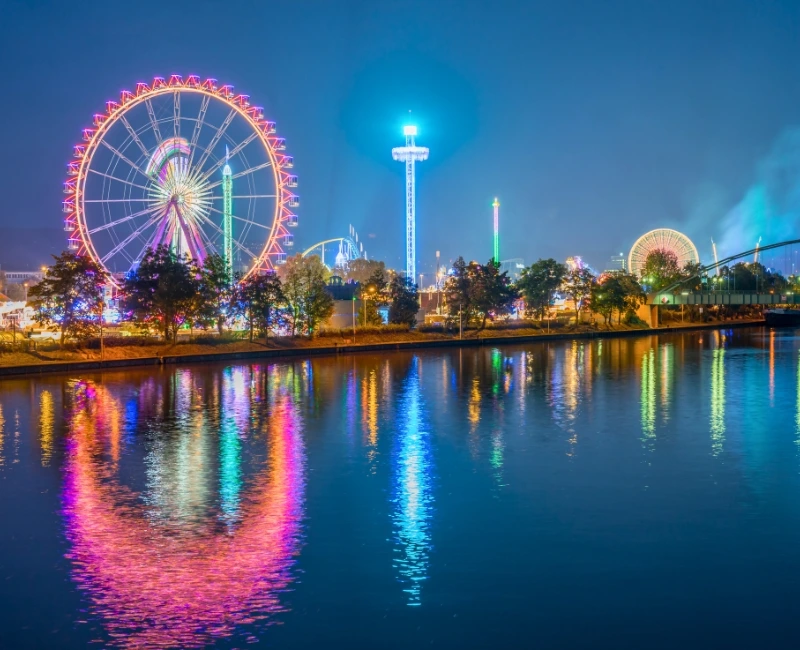
Stuttgart’s annual calendar brims with festivals that celebrate its heritage, seasons, and creativity. In spring, wine festivals in hillside vineyards welcome visitors with tastings, live music, and regional snacks. The Stuttgart Spring Festival (Frühlingsfest) transforms the Cannstatter Wasen into a lively fairground with rides, beer tents, and food stalls.Summer brings open-air concerts, theatre in parks, film screenings, and cultural fairs. Autumn is defined by the Cannstatter Volksfest—second only to Munich’s Oktoberfest—featuring traditional costumes, amusement rides, and hearty Swabian dishes.In winter, Stuttgart’s Christmas markets light up the city’s squares with stalls selling handcrafted ornaments, roasted chestnuts, gingerbread, and warm Glühwein (£3–£4 a cup). Seasonal highlights include ice rinks, holiday concerts, and light installations.Year-round, Stuttgart also hosts jazz, electronic music, and film festivals, as well as art and design fairs showcasing local and international talent. Trade fairs at Messe Stuttgart bring in visitors from around the globe. Booking accommodation and tickets early during major events is essential, as demand peaks.
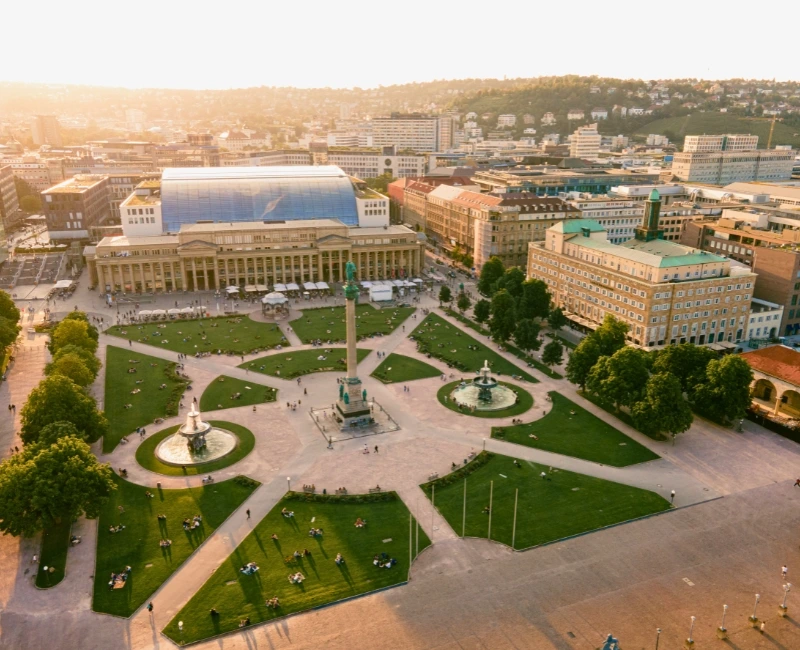
Each season in Stuttgart offers its own appeal. Spring brings cherry blossoms to parks and riversides, plus outdoor markets brimming with fresh produce. It’s the perfect season for vineyard walks, café terraces, and cultural festivals.Summer means long days for outdoor concerts, beer gardens, and river cruises along the Neckar. Day trips to nearby lakes or the Black Forest provide cooling escapes.Autumn dresses vineyards and forests in gold, with harvest festivals and the Cannstatter Volksfest adding vibrant celebrations. Cooler evenings call for cosy wine taverns and hearty meals.Winter transforms Stuttgart into a festive wonderland. Christmas markets glow with lights, selling gifts and seasonal treats. Ice skating, holiday concerts, and occasional snow make for postcard-perfect scenes.Seasonal menus highlight asparagus in spring, fresh berries in summer, game in autumn, and mulled wine with comfort food in winter. Aligning your visit with seasonal events ensures an itinerary rich in local colour, traditions, and flavours.
No ads. No trails. No commitments


Alice Roses
London, England
51 ST MATTHIAS ROAD
NOTTINGHAM, NOTTINGHAMSHIRE
NG3 2HF
Hours: 8:00 - 17:00, Mon - Sat
support@johnsonholidays.com