 Nabeul Travel
Guide
Nabeul Travel
Guide
Paris is known around the world as the “capital of love,” and even if you don't understand the history of Paris at all

3 Hours
£0.94
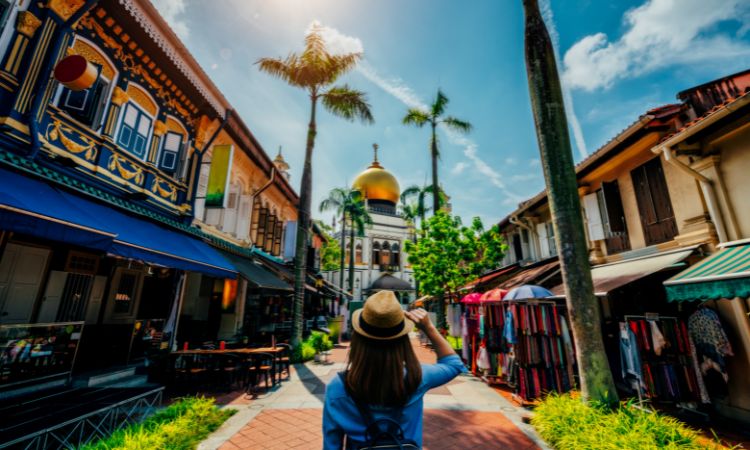
Nabeul is renowned across Tunisia and beyond for its centuries-old artisanal crafts, notably pottery and ceramics. Booking a stay here means you can witness local artisans at work: from molding clay on a potter’s wheel to painting vivid geometric and floral motifs that reflect traditional designs. Workshops often welcome guests to try their hand at creating a piece, providing a memorable, hands-on cultural activity. Beyond pottery, markets showcase textiles, leather slippers (“balgha”), and flower essences distilled from local blooms. This immersion in authentic craft traditions fosters a deeper appreciation of local heritage while supporting small artisan businesses directly.
Learn More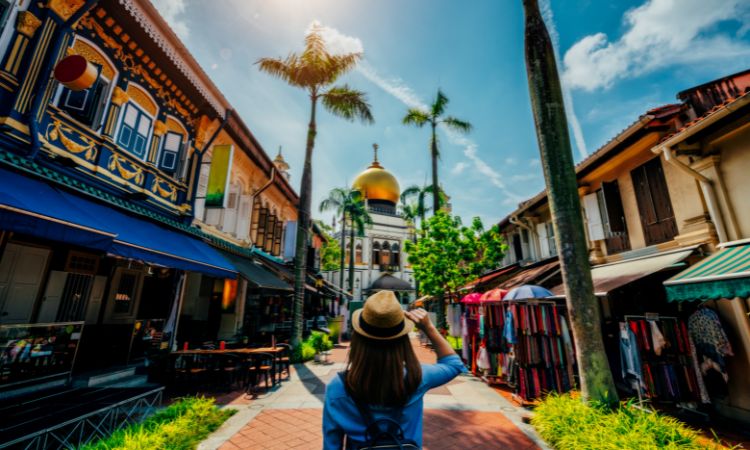
The coastline around Nabeul boasts fine sandy beaches with clear Mediterranean waters ideal for swimming, sunbathing, and water sports such as paddleboarding or windsurfing. Many beach-front hotels and seaside cafés offer panoramic views, refreshing drinks, and local seafood dishes served just steps from the sand. The relatively unspoilt character of some stretches allows for peaceful relaxation compared to busier resort areas, especially if you visit in shoulder seasons (May or September). Whether you prefer a lively beach atmosphere or quieter coves, Nabeul’s seaside setting delivers a rejuvenating coastal retreat.
Learn More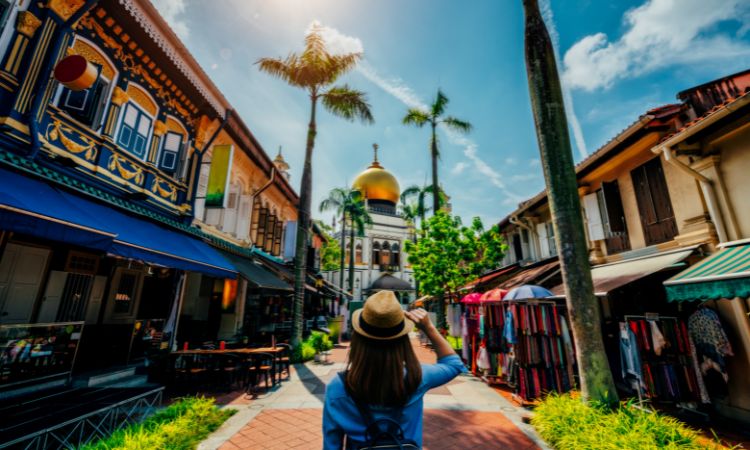
Every Friday, Nabeul’s weekly market pulses with activity as locals and travellers converge amid stalls brimming with spices, fresh produce, ceramics, textiles, and souvenirs. The market offers an authentic glimpse into daily life: bargaining with friendly vendors, sampling local delicacies like dates and preserved olives (“El Oula”), and discovering unique finds like hand-painted pottery pieces. Beyond Friday, souks for specific trades (Souk el Balgha for slippers, Souk Haddada for metalwork) remain active during the week. The vibrant market scene is a major draw for travellers seeking genuine local culture and memorable shopping experiences.
Learn More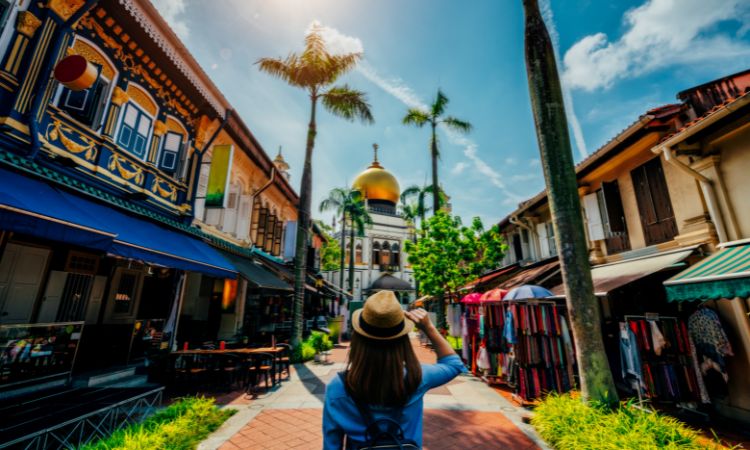
Nabeul inherited layers of history from Phoenician, Roman, and later Islamic periods. The Archaeological Museum houses Punic and Roman artifacts, mosaics, and ancient pottery that shed light on Neapolis’s past. Nearby archaeological sites, such as the Roman remains just outside town, invite exploration. Cultural events like the annual falconry festival in El Haouaria region and local music or craft fairs showcase living traditions rooted in the area’s heritage. Booking your trip here offers not just relaxation but an enriching journey into Tunisia’s layered history.
Learn More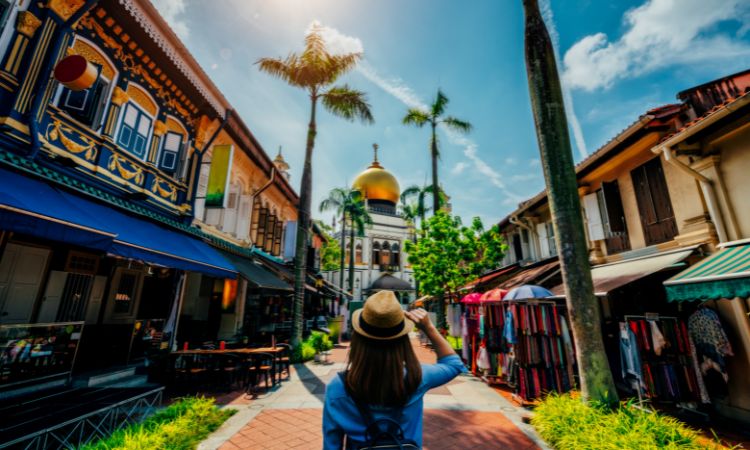
Nabeul’s gastronomy reflects Mediterranean flavours: fresh seafood caught daily, aromatic spices, and traditional dishes like couscous with fish or lamb, and spicy harissa paste produced locally. Visit family-run restaurants and beach cafés for authentic meals, taste citrus-infused desserts, and enjoy seasonal fare such as olives and preserved foods prepared in the “El Oula” tradition. Food markets offer an array of local produce—citrus fruits, dates, honey, and nuts—to sample or take home. Culinary classes or food tours allow travellers to deepen their appreciation of Tunisian cooking techniques and ingredients.
Learn More
From Nabeul, day trips reveal diverse landscapes: Kelibia’s coastal fortress and fishing port, El Haouaria’s birdwatching sites and falconry events, the thermal springs at Korbous, and rural villages amid citrus groves. Guided tours or self-drive excursions traverse winding coastal roads offering panoramic sea vistas and encounters with traditional villages. These excursions enrich a beach stay by introducing natural and cultural highlights within easy reach, making Nabeul an excellent base for exploring the Cap Bon peninsula’s multifaceted attractions.
Learn More
Lorem ipsum dolor, sit amet consectetur adipisicing elit. At illo adipisci iusto
From

Because more than 268 other customers have loved us too

Demonstrates commitment to user data security through encryption and secure payment practices
Learn More
Demonstrates commitment to user data security through encryption and secure payment practices
Learn More
Demonstrates commitment to user data security through encryption and secure payment practices
Learn More
Demonstrates commitment to user data security through encryption and secure payment practices
Learn More
Quality as judged by customers. Book at the ideal price!


/ person
/ person
/ person
Nabeul’s coastline along the Gulf of Hammamet offers extensive sandy beaches stretching for several kilometres, with gently sloping shores and clear Mediterranean waters ideal for a variety of leisure pursuits. Visitors can lounge under sun umbrellas, swim in calm seas, or engage in water sports such as paddleboarding, kayaking, windsurfing, or jet-skiing at facilities provided by seaside resorts. The beaches near downtown Nabeul tend to be livelier, with cafés and beach clubs providing refreshments and loungers, whereas excursions a few kilometres east or west lead to quieter coves for those seeking greater tranquillity.Morning swims often coincide with pleasantly mild air temperatures in shoulder seasons (May, September), while peak summer months (July–August) deliver consistently warm sea temperatures around 25–28°C, inviting extended swimming sessions. Many hotels arrange yoga on the beach at sunrise or sunset gatherings featuring local music and refreshments, blending wellness activities with coastal ambiance. For families, shallow waters near shorelines offer safe swimming spots and supervised areas where children can play, while nearby cafés serve light dishes such as grilled fish, salads, and fresh fruit juices.Nature lovers can explore coastal trails or book boat excursions to observe marine life or enjoy sunset cruises along the shoreline. Early morning fishing trips with local fishermen provide insights into traditional livelihoods and the chance to sample freshly caught seafood. Birdwatchers may spot migrating species resting along the coast, especially during spring and autumn migration periods. Combining beach relaxation with nature activities enriches the seaside experience in Nabeul, making this guide essential for travelers seeking both leisure and discovery by the sea.
Beyond beaches, Nabeul serves as a gateway to Cap Bon’s varied natural landscapes. A short drive brings visitors to El Haouaria, famed for its unique birdlife and annual falconry festival; guided birdwatching tours introduce enthusiasts to migratory and resident species in coastal wetlands and cliffs. The rocky headlands around El Haouaria reveal sea caves accessible by boat or boat-touring services, offering glimpses of marine ecosystems and dramatic coastal geology.Inland, Korbous thermal springs beckon with reputed therapeutic waters set amid pine-clad hills overlooking the sea. Day-trippers can bathe in warm thermal pools or enjoy spa treatments in modest local establishments, combining wellness with scenic mountain-to-sea vistas. Hiking trails around Korbous wind through fragrant vegetation, including wild rosemary and thyme, leading to panoramic viewpoints across the Gulf of Tunis.Kelibia, to the north-east, features a hilltop fortress overlooking the Mediterranean, offering sweeping sea views and insights into local maritime heritage. The adjacent fishing port buzzes early morning as fishermen unload catches; seafood restaurants nearby prepare daily specials. Guided tours of the fortress and port area often include visits to nearby vineyards or olive groves, showcasing Cap Bon’s agricultural bounty.Scenic drives along the peninsula reveal interminable citrus orchards, where orange and lemon blossoms perfume the air in spring. Many local farms welcome visits to learn about citrus cultivation and flower distillation processes used to create orange blossom water and essential oils. Seasonal festivals celebrate these harvests—spring blossom festivals and autumn fruit harvest events—inviting travelers to partake in traditional gatherings, local music, and tasting sessions.Wildlife enthusiasts can explore inland nature reserves where Mediterranean ecosystems host reptiles, small mammals, and diverse birdlife. Organized eco-tours highlight conservation efforts, while local guides explain traditional pastoral practices and their evolution. Combining coastal relaxation with excursions into Cap Bon’s natural wonders enriches any Nabeul itinerary, offering varied experiences—beach days interspersed with hikes, spa visits, cultural interactions in rural settings, and culinary discoveries amid citrus groves.
At the heart of Nabeul lies its medina, where narrow lanes and historic gates (Beb Blad, Beb el Zaouia, Beb el Khoukha) open to a labyrinth of souks dedicated to crafts and daily life. The weekly Friday market transforms the town into a bustling hub: vendors display vibrant piles of spices, fresh produce, olives, and preserved goods, while artisans exhibit pottery, textiles, and traditional footwear. This market is not only a shopping opportunity but a sociocultural event where locals gather, exchange news, and maintain communal bonds.Visitors can wander alleyways to discover specialized souks: Souk el Balgha for leather slippers, Souk Haddada for metalwork, and Souk Ezzit for olive oil traders. The sensory experience is rich: aromatic scents of spices mingle with the earthy smell of clay from nearby potteries, and the vibrant colors of ceramics and textiles draw the eye. Knowledgeable local guides offer walking tours explaining the significance of traditional crafts, the origins of designs, and the interplay between historical trade routes and Nabeul’s role as a market town.Pottery workshops often open doors for demonstrations: watching craftsmen shape clay on wheels, paint intricate motifs, and fire pieces in kilns. Some studios provide short sessions where travellers can attempt basic pottery under guidance, creating keepsakes that embody Nabeul’s artisanal spirit. For those interested in deeper immersion, multi-day craft retreats or internships can be arranged via local associations, allowing extended engagement with heritage preservation efforts.Architectural highlights include traditional houses with internal courtyards, some converted into guesthouses or cultural centres hosting exhibitions of local art and photography. The Nabeul Archaeological Museum offers contextual background on ancient Neapolis, displaying Punic, Roman, and early Islamic artifacts that illustrate centuries of human settlement and cultural exchange. Evening cultural events—music performances, craft fairs, and seasonal festivals—provide further insights into living traditions. Exploring Nabeul’s medina and souks is thus both an educational and sensory-rich experience, ideal for travellers keen on authentic cultural engagement.
Nabeul’s roots extend to ancient Neapolis, with archaeological evidence scattered around the modern town. The Nabeul Archaeological Museum houses an array of Punic and Roman artifacts: terracotta statues, mosaics recovered from local excavations, amulets in ancient Egyptian style found near Kerkuane, and ceramics illustrating craftsmanship across eras. Visiting the museum provides context to the region’s historical significance as part of Phoenician, Carthaginian, and Roman trade networks linking the Mediterranean.Nearby ruins—some modest, others awaiting excavation—invite curious travellers. Guided tours to lesser-known sites explain how Nabeul functioned in antiquity: as a production centre for exported pottery and fish-salting facilities, evidenced by remains of ancient salting factories. Knowledgeable archaeologists or local guides can arrange visits to archaeological parks where visitors walk among columns, mosaic floors, and foundations hinting at vibrant urban life in antiquity.The city’s heritage also includes Ottoman-era architecture and landmarks tied to religious and communal life; visiting historic mosques and public baths (hammams) offers insight into later eras. The weekly market area itself sits atop layers of history, where modern commerce overlays ancient routes. Seasonal events sometimes include archaeology-focused talks or exhibitions, often organized in partnership with universities or heritage bodies, appealing to history enthusiasts seeking depth.Beyond Nabeul proper, short excursions bring travellers to Kerkuane archaeological site—a UNESCO-listed Punic town featuring well-preserved remains of urban layouts, ceramic workshops, and religious sanctuaries overlooking the sea. Exploring Kerkuane offers a rare window into Punic urban planning and daily life, less visited than larger Carthage sites but equally informative. Combining museum visits in Nabeul with field trips to Kerkuane and other nearby sites (e.g., Kelibia fortress) creates a comprehensive heritage itinerary, balancing indoor displays with on-site explorations.
Nabeul’s culinary scene invites food enthusiasts to savor the essence of Tunisian cuisine. Guided food tours lead visitors through markets sampling olives, dates, honey, and spices that form the backbone of local dishes. The Friday souk overflow with stands offering fresh produce; sampling seasonal fruits, nuts, and preserved “El Oula” preserves deepens appreciation for preservation traditions that ensure flavours year-round. Local eateries serve dishes like couscous with fish or lamb, brik (crispy pastry with egg or seafood), and grilled seafood fresh from the Mediterranean.Cooking classes, often conducted in family-run settings or boutique cooking schools, teach fundamental techniques: preparing harissa paste from local chilies, crafting brik, seasoning tagines with aromatic spices, and baking traditional flatbreads. Participants visit spice stalls to choose blends, observe olive oil selection, and learn about citrus infusions used in desserts. Classes conclude with shared meals where students taste their creations alongside Tunisian salads (e.g., mechouia) and mint tea, fostering conviviality and deeper cultural exchange.Evening food experiences include dining at seaside restaurants where freshly caught fish is grilled and served with local salads, while beachside cafés offer mezze platters at sunset. Pairing dishes with Tunisian wines or local beers provides insight into evolving beverage culture. For adventurous tastes, tasting local street food—such as fricasse sandwiches (filled with tuna, potatoes, egg)—adds variety. Seasonal festivals may spotlight regional specialities: citrus blossom festivals in spring and olive harvest celebrations in autumn feature tastings, demonstrations, and communal feasts.Market shopping for take-home ingredients—handcrafted pottery for serving dishes, spices packaged in decorative pouches, and jars of preserved lemons or olives—allows travellers to bring Tunisian flavours back home. Many workshops sell merchandise such as handcrafted ceramic tagine pots ideal for recreating recipes later. Overall, Nabeul’s gastronomy offerings combine market exploration, interactive cooking experiences, and dining at authentic venues, making food a central pillar of any visit.
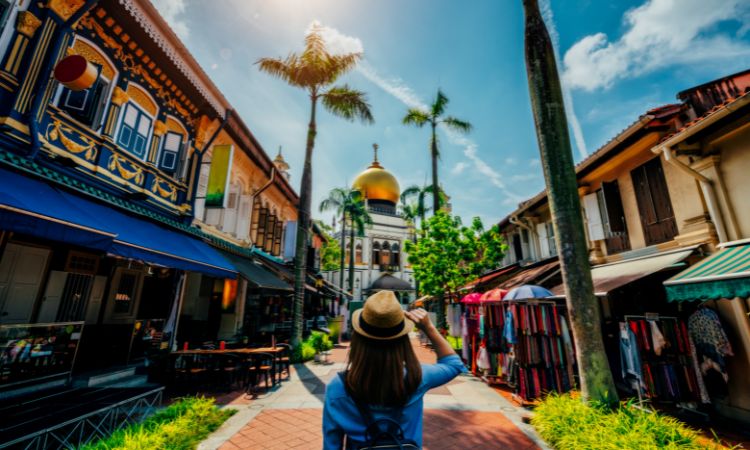
Shopping in Nabeul is more than commerce; it’s a cultural immersion. The weekly souk transforms Nabeul into a vibrant mosaic of colours, scents, and sounds every Friday. Stalls brim with spices (cumin, coriander, harissa blends), fresh produce, olives cured in various marinades, and jars of preserved seasonal fruits reflecting “El Oula” traditions. Local artisans display pottery ranging from everyday dishes to decorative pieces adorned with geometric and floral motifs inspired by Mediterranean aesthetics.Souk el Balgha offers traditional leather slippers handmade in regional styles; visitors can browse an array of colours and patterns, often finding customized embroidery or design options. Souk Haddada features metalwork items—ornamental lanterns and household utensils—crafted by skilled smiths whose techniques have passed through generations. Souk Ezzit centers on olive oil: tastings highlight varietal differences, allowing travellers to select bottles to take home. These markets provide direct support to small-scale producers and artisans, making purchases more meaningful.Beyond the main souk, boutique shops in medina lanes sell textiles, embroidered garments, and jewellery incorporating local motifs. Workshops often permit visitors to see the crafting process: weaving mats from rush fibers, dyeing fabrics, or shaping ceramics in on-site studios. Many artisans welcome inquiries about techniques and materials, encouraging a respectful curiosity that fosters cultural exchange. Bargaining is customary yet conducted politely—visitors learn to negotiate fair prices while acknowledging craftsmen’s expertise.For keepsakes, handcrafted ceramics—bowls, plates, decorative tiles—offer both functional and aesthetic value, often painted in blues, greens, and earthy tones reflecting Mediterranean influences. Spice blends packaged in reusable glass jars and bottles of orange blossom water make lightweight souvenirs. Seasonal harvest items—jars of preserves, bottles of local olive oil—can be shipped home, subject to customs regulations. Shopping in Nabeul’s markets thus combines discovery, authenticity, and support for traditional crafts, ensuring travellers depart with tangible memories of their journey..
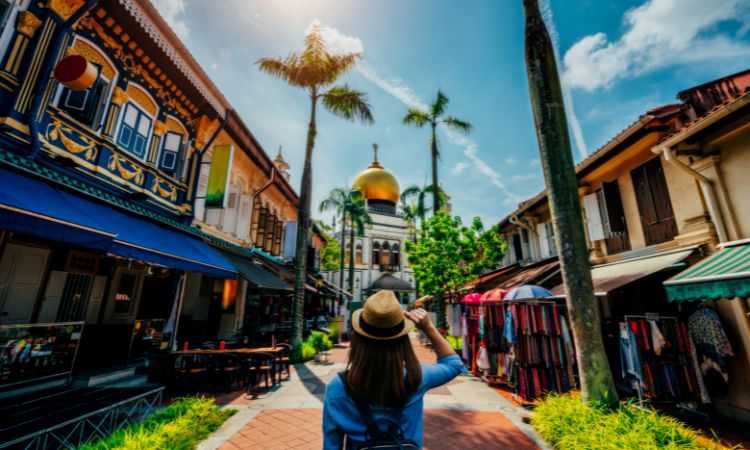
Kelibia, about 58 km northeast of Nabeul, is a highlight for day-trippers seeking history and coastal vistas. The hilltop Kelibia fortress, dating to various periods including Punic and later eras, offers panoramic views over the Mediterranean and surrounding olive groves. Guided tours explain the fortress’s strategic significance for maritime defence and local heritage. After exploring ramparts and towers, visitors can descend to the fishing port, where early-morning catches arrive and local seafood restaurants prepare specialities like grilled fish and seafood couscous.Nearby Kerkuane archaeological site, a UNESCO World Heritage site less frequented than larger Tunisian ruins, reveals well-preserved remains of a Punic city including residential quarters, ceramic workshops, and sanctuaries. Guided walks interpret urban layouts, pottery production evidence, and inscriptions that shed light on Punic life. The serenity of the site—overlooking the sea with minimal crowds—creates a contemplative atmosphere for history enthusiasts. Combined excursions to Kelibia and Kerkuane offer a full picture of Cap Bon’s ancient past, from maritime fortifications to urban planning of Phoenician settlers.Logistics: Tours depart from Nabeul early morning, with transportation by shared minibus or private transfer. Lunch in Kelibia features local seafood; afternoon visits to Kerkuane benefit from cooler light for photography. Return to Nabeul by early evening allows time for an evening stroll in the medina or beachfront relaxation. These excursions balance active exploration with leisure, enriching a stay in Nabeul through historical discovery and scenic coastal experiences.
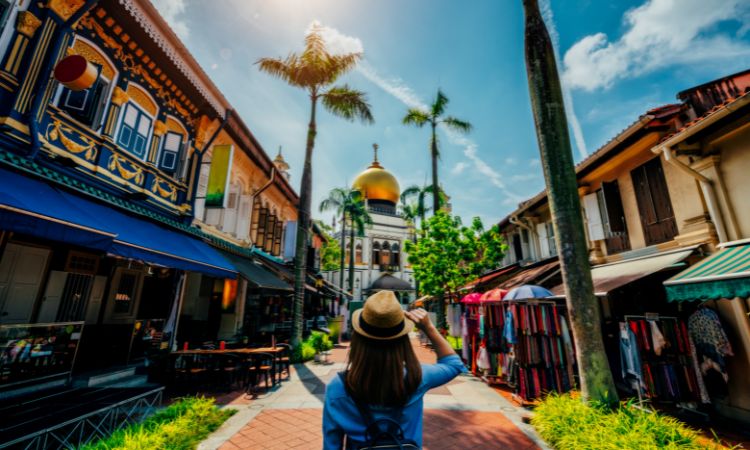
Wellness tourism around Nabeul encompasses thermal springs, seaside spa treatments, and relaxation programs integrated into hotel offerings. Korbous, located under 100 km from Nabeul on the northern slope of Cap Bon, is renowned for its thermal waters reputed to benefit dermatological and circulatory conditions. Visitors can book spa packages at local establishments featuring baths in mineral-rich waters, massages, and herbal therapies derived from regional flora. The journey to Korbous itself is scenic: winding roads ascend through pine forests offering views of the Gulf of Tunis before descending to coastal springs.Within Nabeul, many beachfront hotels and resorts provide wellness services: thalassotherapy treatments using seawater, body wraps with local clay or citrus extracts, and yoga sessions on the beach at sunrise. Qualified therapists incorporate indigenous ingredients—olive oil, citrus essences, aromatic herbs—into treatments, reflecting local traditions. Packages often combine spa access with healthy Mediterranean-style dining, ensuring holistic well-being experiences.Mindfulness and retreat-style programs occasionally occur in rural guesthouses among citrus orchards: guided meditation, nature walks, and workshops on traditional crafts or cooking complement relaxation activities, creating a balanced itinerary. Seasonal timing matters: spring brings blossoming citrus groves ideal for aromatic nature walks; autumn harvest periods offer experiences in olive-picking and tasting freshly pressed oils alongside wellness treatments.Even simple activities like sunrise beach walks or evening strolls along the corniche, breathing sea air and observing local fishing boats returning, contribute to a sense of wellbeing. Wellness in Nabeul thus blends natural resources (thermal waters, Mediterranean sea), traditional ingredients (olive, citrus), and experiential offerings (yoga, spa treatments, nature immersion), appealing to travelers seeking restorative retreats in an authentic setting.
No ads. No trails. No commitments


Alice Roses
London, England
51 ST MATTHIAS ROAD
NOTTINGHAM, NOTTINGHAMSHIRE
NG3 2HF
Hours: 8:00 - 17:00, Mon - Sat
support@johnsonholidays.com