 Stockholm Travel
Guide
Stockholm Travel
Guide
Paris is known around the world as the “capital of love,” and even if you don't understand the history of Paris at all

2.5 Hours
£4–£5
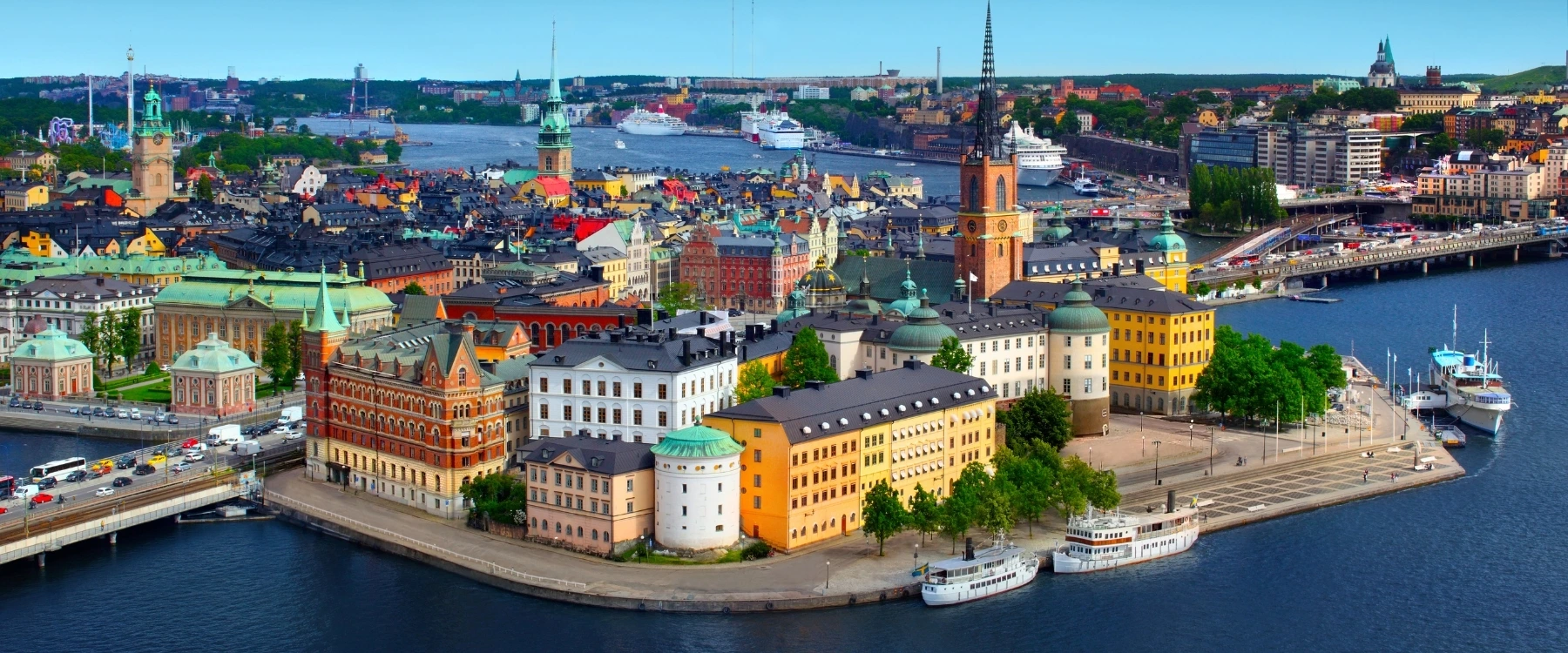
Stockholm’s history spans Viking roots, medieval eras, and modern innovation. In Gamla Stan, cobblestone alleys lead past the Royal Palace and Stockholm Cathedral. Museums like the Vasa Museum display a 17th-century warship, while the Nobel Museum highlights groundbreaking achievements. You can explore centuries-old architecture in the morning and experience contemporary Swedish design by afternoon. Well-preserved heritage sites coexist with lively cultural hubs, offering immersive insights into Northern European history and Sweden’s progression. Comfortable shoes are recommended for uneven streets; plan for modest entrance fees to select attractions. Early mornings or late afternoons in Gamla Stan offer quieter moments. This blend of past and present ensures every visit deepens understanding of Stockholm’s storied legacy.
Learn More
Stockholm is synonymous with sleek Scandinavian design. Concept stores, design museums, and galleries showcase minimalist aesthetics and sustainable creativity. Neighborhoods like Södermalm host boutiques by emerging designers, while venues such as Fotografiska draw international photography exhibitions. Festivals, fashion events, and live performances occur year-round. Guided design tours reveal the ethos behind eco-conscious materials and functional beauty. Whether browsing homeware shops, attending art openings, or exploring street art, you engage with a dynamic creative scene shaping global trends. English-friendly tours and exhibitions facilitate deeper appreciation. This emphasis on design and culture makes Stockholm a magnet for those seeking inspiration and innovative experiences.
Learn More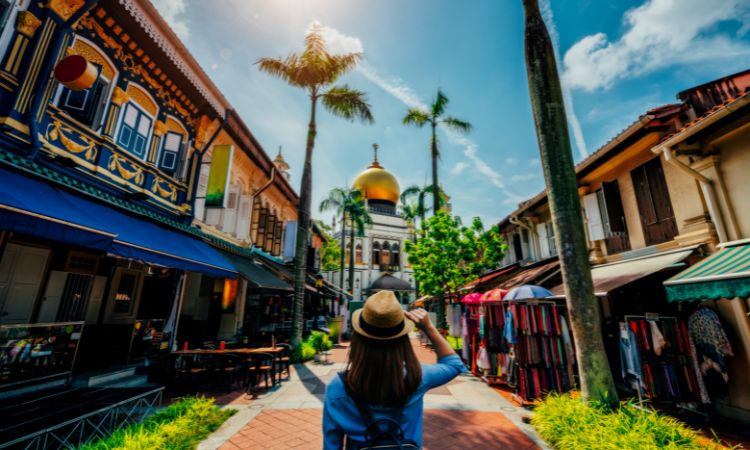
Stockholm’s archipelago comprises roughly 30,000 islands reachable by ferry. Day trips to islands like Vaxholm or Grinda reveal pine forests, granite shores, and tranquil bays ideal for swimming, kayaking, or cycling. Picnic spots and local cafés offer fresh seafood in summer; winter visits present serene snowy landscapes with limited ferry schedules but heightened tranquility. Within the city, green spaces such as Djurgården and Hagaparken invite jogging, birdwatching, and relaxed strolls. Accessible nature close to urban areas lets you balance city exploration with outdoor rejuvenation. Plan with ferry timetables and layered clothing for changing weather. Guided tours offer ecological insights, while self-guided trips encourage spontaneous discovery. This seamless integration of wilderness and city life is a hallmark of Stockholm’s appeal.
Learn More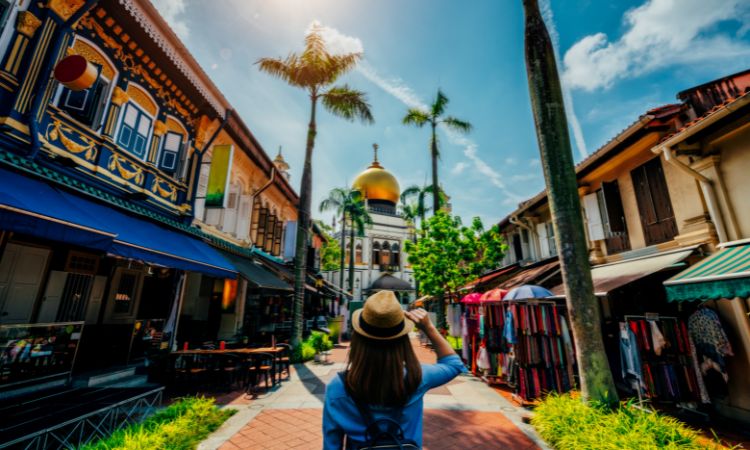
Stockholm’s culinary landscape blends tradition and innovation. Savor meatballs with lingonberries, gravlax-topped open sandwiches, and seasonal soups. Enjoy fika in cozy cafés with cardamom buns or cinnamon rolls. Markets such as Östermalms Saluhall showcase fresh seafood and artisanal products. New Nordic restaurants emphasize foraged ingredients—forest mushrooms, wild berries—offering tasting menus around £50–£70 per person. Casual eateries and street food cost £8–£15. Swedish craft beers, aquavit, and specialty coffee enhance the gastronomic journey. Guided food tours or cooking classes deepen understanding of local flavors and sustainable practices. Reservations are advisable in busy months. Vegetarian, vegan, and gluten-free options are widely available. This culinary scene reflects Stockholm’s balance of heritage and creativity.
Learn More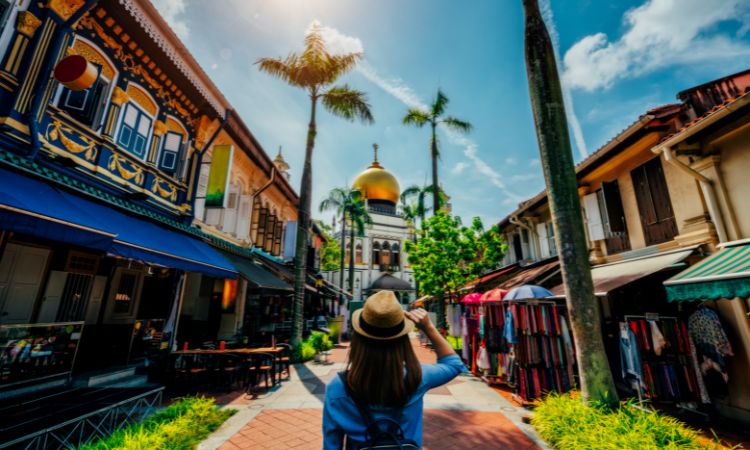
Stockholm hosts events across seasons. Summer features outdoor concerts, film screenings, and Midsummer celebrations with flower wreaths and dancing. Autumn brings food and art festivals celebrating harvest and creativity. Winter offers Christmas markets, ice-skating, and cozy indoor cultural events, despite shorter daylight. Spring’s blossoms and mild weather suit walking tours and museum visits. Outdoor activities adapt: cycling and boating in warmer months; skating and sauna visits in colder months. Guided themed walks (architecture, street art) enrich understanding. Checking event calendars in advance helps plan attendance. Seasonal attire is essential—layering for variable weather. Whether joining local traditions or attending contemporary festivals, you’ll experience Stockholm’s vibrant calendar and cultural rhythms all year.
Learn More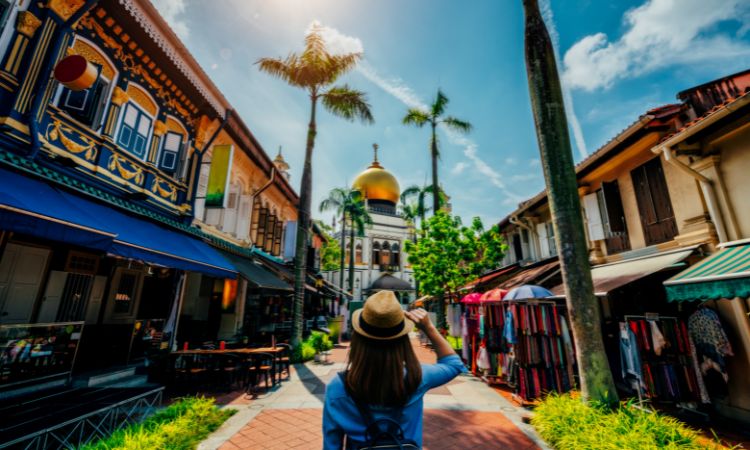
Stockholm’s public transport network—metro, buses, trams, and ferries—is reliable and well-signposted in English. Single tickets cost ~£3; day or multi-day passes offer savings for frequent travel. Metro stations and ferries connect city and archipelago. Cycling infrastructure is robust, and central areas are walkable. Safety levels are high: low crime rates, clean streets, and well-lit areas. Emergency services and tourist information are accessible. English proficiency is widespread. Punctuality and respect for local rules (queueing, recycling) enhance experiences. This efficient and secure system allows travelers to focus on exploring rather than logistical concerns.
Learn More
Lorem ipsum dolor, sit amet consectetur adipisicing elit. At illo adipisci iusto
From

Because more than 268 other customers have loved us too

Demonstrates commitment to user data security through encryption and secure payment practices
Learn More
Demonstrates commitment to user data security through encryption and secure payment practices
Learn More
Demonstrates commitment to user data security through encryption and secure payment practices
Learn More
Demonstrates commitment to user data security through encryption and secure payment practices
Learn More
Quality as judged by customers. Book at the ideal price!


/ person
/ person
/ person
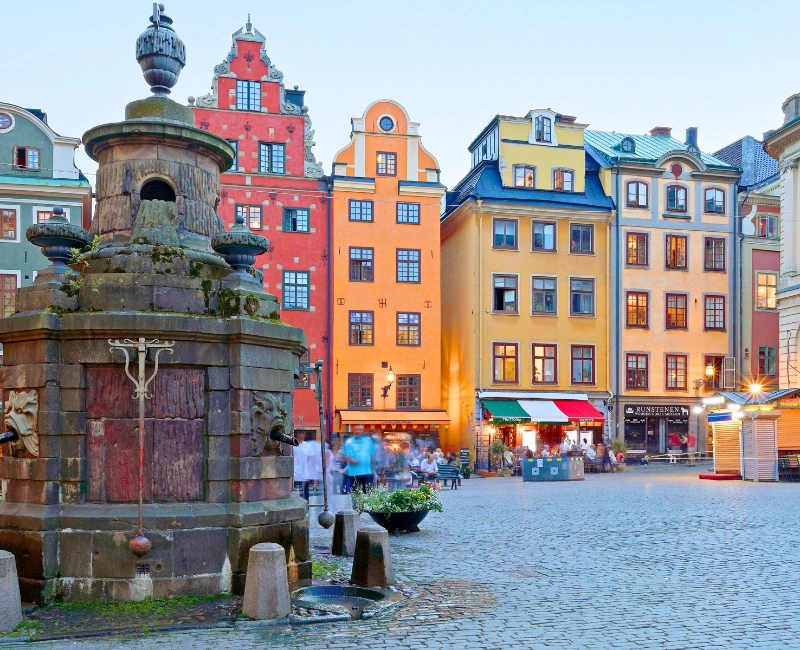
Gamla Stan, Stockholm’s medieval quarter, unfolds like a living tapestry of Scandinavian history, its labyrinth of narrow, cobblestone alleys weaving between pastel-hued façades that date back to the 13th century. Your journey begins at Stortorget, the main square whose ochre- and rust-colored merchant houses bear witness to Viking trade routes, Hanseatic commerce, and royal processions. Take time to admire the striking Stockholm Stock Exchange Building, now home to the Nobel Museum, and the medieval Skomakarehusen (the cobbler’s houses), which remain some of the city’s oldest residential structures.From Stortorget, follow the winding alleys—Österlånggatan, Skeppsbron, and Prästgatan—where each turn reveals hidden courtyards, centuries-old churches, and artisanal workshops. Järnpojke, the “Iron Boy” statue, tucked behind the Finnish Church, is Gamla Stan’s smallest public sculpture; tradition holds that touching his head brings luck. Pop into intimate cafés such as Under Kastanjen for a traditional fika—a coffee break accompanied by kardemummabullar (cardamom buns) or semlor (seasonal cream buns).Dominating the eastern edge of the quarter, the Royal Palace stands as one of Europe’s largest still-inhabited palaces. Witness the Changing of the Guard ceremony here or explore the State Apartments, Treasury, and Royal Armoury. A short stroll brings you to Storkyrkan (Stockholm Cathedral), where soaring Gothic arches house medieval wood sculptures, intricate altarpieces, and 16th-century stained-glass windows. Choir concerts and organ recitals add an auditory dimension to your visit.For deeper context, explore the Nobel Museum on the square, where interactive exhibits showcase laureates’ achievements in science, literature, and peace. Specialized guided tours—covering everything from medieval witch trials to royal scandals—inject historical anecdotes into your wandering. As dusk approaches, take a ghost walk through lantern-lit alleys, hearing stories of spectral apparitions and dark chapters in Stockholm’s past.Practical tips: wear sturdy, comfortable shoes to navigate uneven cobbles; download an offline map or carry a pocket guide to avoid disorientation; budget 100–150 SEK for entrance fees at select sites; and consider a small-group walking tour for insider anecdotes. Early mornings—8 AM–10 AM—offer atmospheric solitude, while late afternoons deliver soft golden light ideal for photography.By nightfall, Gamla Stan’s lantern-lit windows and centuries-old arches exude a romantic, almost cinematic aura. Unearth tucked-away taverns like Den Gyldene Freden, serving traditional Swedish fare in venerable 18th-century halls, or contemporary bistros offering New Nordic dishes infused with local ingredients. Even amid its popularity, pockets of serenity endure: pause in a moss-covered courtyard or lean against ancient stones at a riverside overlook to feel the layering of time.Gamla Stan melds Stockholm’s medieval roots with present-day vibrancy—a district where every façade, every alley, and every whisper of history invites you to linger, discover, and reflect on the city’s enduring legacy.
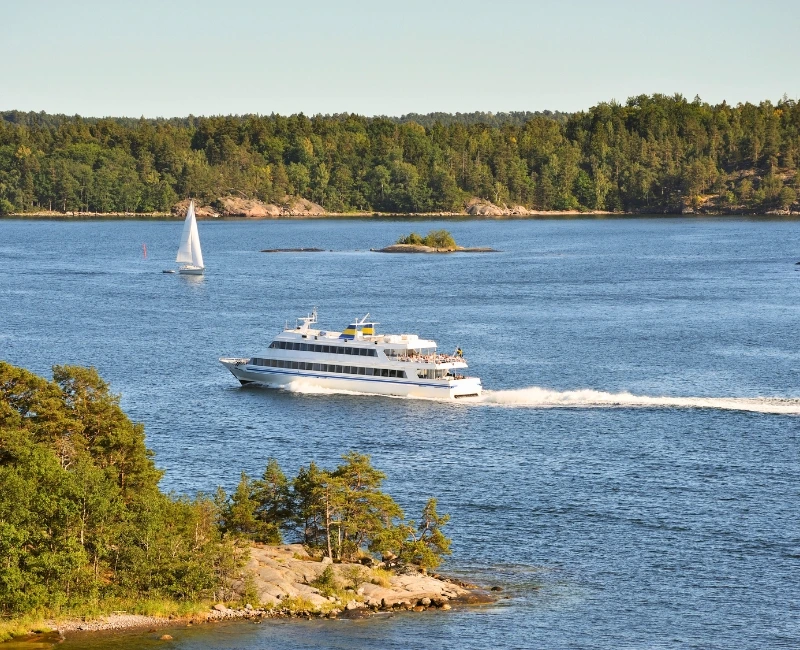
Stretching into the Baltic Sea some 30,000 glaciated isles, Sweden’s Stockholm Archipelago invites you to trade urban bustle for pristine nature just beyond the city’s edge. Ferries depart daily from Strömkajen, Nybroplan, Slussen, and Saltholmen, offering flexible itineraries for half-day jaunts or overnight sojourns. Hop aboard a Waxholmsbolaget boat bound for Vaxholm, the so-called “Capital of the Archipelago,” where pastel wooden villas line the sheltered harbor and the 16th-century Vaxholm Fortress stands sentinel on a rocky islet.Vaxholm’s pedestrianized streets teem with artisanal boutiques selling locally smoked salmon, hand-knitted woolen goods, and herring marinated in elderflower brine. Dine at a waterfront café sampling freshly caught lobster rolls paired with cold Pilsner, then cycle the island’s easy routes—rentals are available at the ferry terminal—to secluded beaches where you can swim in clear, bracing waters.For a wilder escape, the quieter isle of Grinda beckons with unspoiled pine forests, rocky outcrops perfect for sunbathing, and a rustic guesthouse serving traditional pyttipanna (hash) and end-of-season wild-berry pies. Hiking trails crisscross the island, leading to vantage points where you can spot seal haul-outs or flocks of migratory birds. Bring a picnic—or order a boxed lunch from the island café—to enjoy on a granite ledge overlooking shimmering sea passages.Adventure operators offer guided kayaking tours that thread between skerries and secret coves. Under expert tutelage, paddleboarders and kayakers learn to read currents and wind channels—a vital skill given the archipelago’s dramatic 6-meter tides. Some expeditions culminate in on-shore seafood feasts: grilling freshly caught mackerel over driftwood embers, seasoned simply with local sea salt and dill.Overnight cabins and family-run B&Bs on islands like Svartsö or Sandhamn allow visitors to experience the archipelago’s nocturnal magic. As daylight fades, listen to waves lapping against wooden docks and watch stars emerge unobstructed by city lights. In midsummer, the midnight sun lingers, while autumn brings swirling mists that cloak the islands in ethereal atmosphere.Even in winter, select routes remain operational: the islands transform into silent, snow-dusted landscapes where cross-country skiing between cabins or ice-skating on frozen bays provides a Nordic thrill. Always check ferry schedules—winter timetables differ—and pack layered clothing plus waterproof boots.Back in Stockholm, unwind with a harbor-front sauna session, where you can briefly plunge into the cool sea before warming by a wood stove. Whether you seek serene solitude, active adventure, or culinary exploration, the Stockholm Archipelago offers an irresistible blend of accessibility and wild beauty—just a short journey from the city’s heart.

Stockholm’s dining landscape artfully balances venerable Swedish traditions with the inventive ethos of New Nordic cuisine. Begin your gastronomic journey with comfort foods at classic krogar (taverns): order köttbullar (Swedish meatballs) bathed in creamy gravy, accompanied by tangy lingonsylt (lingonberry jam) and mashed potatoes—a timeless combination. Sample hearty ärtsoppa (yellow pea soup) on Thursdays, when local institutions honor a centuries‑old tradition of midweek legume feasts followed by pannkakor (thin pancakes) for dessert.Open‑faced sandwiches, or smörgås, showcase Stockholm’s seafood heritage at market halls like Östermalms Saluhall and Hötorgshallen. Feast on delicate gravlax (cured salmon) accented with mustard‑dill sauce, or tuck into pickled herring served with sour cream and chives. For a taste of Stockholm’s street‑food scene, follow the lunchtime crowd to food trucks by Kungsträdgården, where gourmet hot dogs, reimagined korv med bröd, and vegan falafel wraps share the spotlight.Venture into the realm of New Nordic dining at mid‑range establishments—Portal or Ekstedt—where chefs transform foraged ingredients and seasonal produce into poetic tasting menus. Expect dishes such as mushroom consommé made from chanterelles and hay‑smoked root vegetables glazed with birch sap. Price these multi‑course journeys at £50–£70 per person, a revelation in culinary storytelling.Après‑dinner, explore Stockholm’s spirited bar scene. Veterinären, a cozy speakeasy hidden beneath a veterinary clinic façade, offers craft cocktails built on local aquavits and house‑infused botanicals. If beer is your preference, sample IPAs and stouts at Omnipollos Hatt, where creative brews meet avant‑garde pizza creations.Sweet indulgences abound in Stockholm’s patisseries: devour kardemummabullar (cardamom buns), creamy semla filled with almond paste and whipped cream during Lent, or prinsesstårta, a layered sponge, pastry cream, and vibrant green marzipan dome. For artisanal chocolate, visit Chokladfabriken to taste single-origin bars and hand‑dipped truffles.To deepen your culinary insights, join a guided food tour—such as Food Tours of Stockholm—which pairs tastings of local cheeses, charcuterie, and artisan bread with historical anecdotes. Or sign up for a cooking class at Nordic Food Lab, mastering preservation techniques like pickling and fermenting that underpin Swedish pantry culture.Navigating Stockholm’s restaurants is easier with lunch‑time “dagens rätt” menus, offering two‑course meals for around £10–£15. For fine‑dining reservations, book 4–6 weeks in advance, especially during summer and holiday seasons. Embrace Stockholm’s ethos of hållbarhet (sustainability) by choosing establishments that prioritize locally sourced and ethically produced ingredients. Through every bite—from humble street food to elevated tasting menus—Stockholm reveals its connection to nature, traditions, and the forward momentum of its culinary innovators.
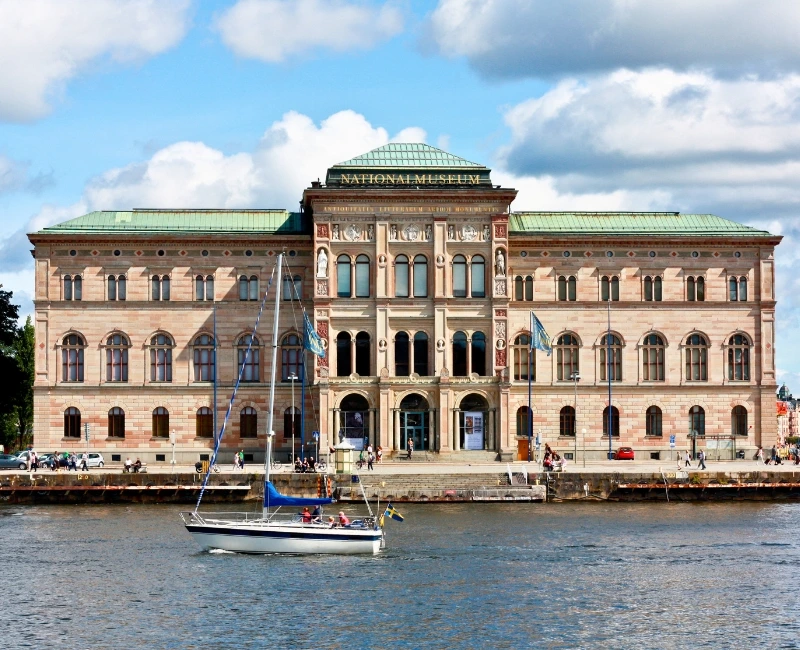
Stockholm’s museum and gallery scene spans ancient ships to avant‑garde art, offering immersive encounters that enrich any visit. Head first to Djurgården island, where the Vasa Museum houses the salvaged 1628 warship Vasa, upright in a dramatic, climate‑controlled hall. Marvel at its preserved carvings and imagine life aboard a vessel lost on its maiden voyage—detailed audiovisual guides and underwater archaeology exhibits bring the story vividly to life.A stone’s throw away, ABBA The Museum invites interactive homage to Sweden’s most famous pop export. Step into recording booths, pose on replica stage sets, and explore multimedia displays tracing ABBA’s trajectory from Stockholm Folkpark to global stardom. Adjacent, Skansen—the world’s oldest open‑air museum—recreates rural Swedish life across centuries: wander reconstructed farmsteads, watch traditional craftsmen at work, and visit the Aquarium and Nordic animals enclosure to observe brown bears and Scandinavian wolves.Art aficionados gravitate to Moderna Museet on Skeppsholmen for a cutting‑edge collection of 20th‑ and 21st‑century art. Iconic works by Dali, Picasso, and Matisse sit alongside Nordic luminaries like Hilma af Klint. Temporary exhibitions spotlight photography, performance art, and emerging voices—check program schedules for guided curator talks.In central Stockholm, the Nobel Museum on Stortorget in Gamla Stan celebrates laureates in physics, chemistry, medicine, literature, and peace. Interactive displays and rotating exhibits humanize scientific discovery, while theater spaces host debates on global challenges—a fitting tribute to Alfred Nobel’s legacy.For design enthusiasts, the Nationalmuseum (recently re‑opened) presents Swedish and international art from the Middle Ages to the 20th century, including furniture, ceramics, and silverware. Nearby, the Röhsska Museum on Östermalm specializes in design and crafts, with exhibitions of everything from 18th‑century porcelain to modern industrial prototypes.Photography is celebrated at Fotografiska, where large‑scale installations by global photographers explore social themes, nature, and human identity. The museum’s rooftop café offers panoramic city views, merging cultural and scenic experiences.Practical planning: claim free or discounted admission on designated museum days—usually the first Wednesday of the month at the Nationalmuseum—and budget 120–160 SEK per ticket for major sites. Audio guides and multilingual tours enhance understanding; many museums offer late‑night openings once a week. Museum cafés provide light bites and rest stops between galleries.Whether tracing maritime history at Vasa, dancing along ABBA’s stage, admiring modern art, or delving into Nobel achievements, Stockholm’s cultural institutions form a mosaic that reflects Sweden’s spirit of exploration, creativity, and intellectual curiosity.
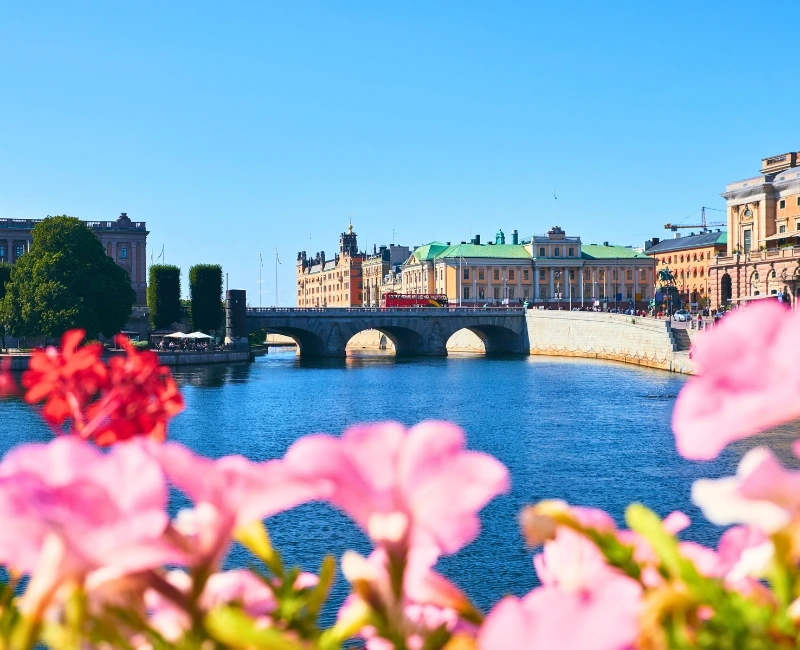
Stockholm’s seasonal rhythms shape experiences that range from midsummer revelry to cozy winter festivities. In summer, long daylight hours—up to 18 hours in June—invite outdoor activities and cultural events. Midsummer in late June is celebrated nationwide: maypoles adorned with birch branches sprout in parks and villages, while locals weave flower crowns and dance traditional Små grodorna (“the little frogs”) with hearty feasting of new potatoes, pickled herring, and snaps. Simultaneously, the Stockholm Jazz Festival in July brings free concerts in Kungsträdgården, and the Outdoor Cinema screens films on island beaches.As autumn arrives, the city’s parks—Djurgården, Humlegården, and Vasaparken—transform into a palette of amber, crimson, and gold. Food & Berry festivals celebrate foraging: join guided mushroom hunts in forested reserves or taste wild berries at local markets. Stockholm Fringe Festival and Stockholm International Film Festival in November showcase theatre experiments and cinematic fare, respectively, while Design Week in September highlights Scandinavian innovation through exhibitions in galleries and showrooms across Södermalm and Östermalm.Winter casts a magical hush over Stockholm. Sweaters replace summer linens as Christmas markets open: Skansen’s Christmas Market recreates historical pre-industrial celebrations with handicraft stalls, traditional Lucia processions, and glögg (mulled wine) served steaming. Ice‑skating rinks at Kungsträdgården and Bryggartäppan fill with locals and visitors bundling up for brisk spins amid festive lights. For cross‑country skiing enthusiasts, trails at Hellasgården just outside the city offer idyllic woodland runs, complemented by lakeside saunas and café stops.In spring, Stockholm bursts into bloom: Kungsträdgården’s cherry blossoms rival those of Kyoto, and the Cherry Blossom Festival in April draws photographers and picnickers. The Vårsalongen in May at Liljevalchs Konsthall introduces emerging artists, while neighborhood events—like the White Night in Fiskargatan—transform streets into illuminated art stages.Practical advice: check official event websites for schedules and ticketing; book accommodation early for major festivals (Midsummer, Film Festival); layer clothing for variable Nordic weather; and utilize public transport—late‑night metro lines and special festival buses ensure you don’t miss the final act. By aligning your visit with these seasonal highlights—from solstice dances to winter markets—you’ll experience Stockholm’s dynamic spirit and deep connection to nature’s cycles, creating memories as varied as the city’s year-round calendar.
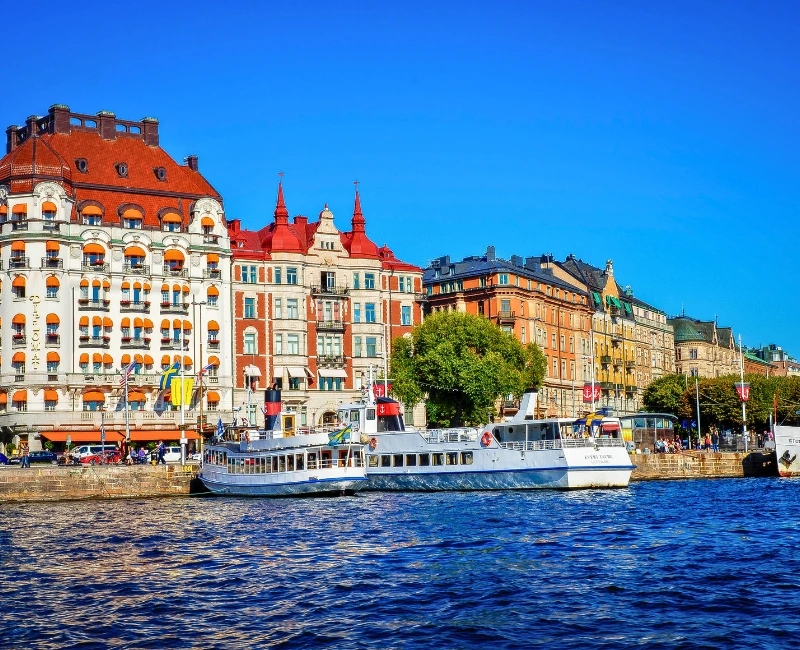
Stockholm stands at the forefront of Scandinavian design, where minimalist aesthetics, functional innovation, and sustainable practices shape everyday life. Dive into this design ethos in Södermalm, a creative hub dotted with independent boutiques and concept stores. Wander Götgatan and Skånegatan to find shops like Granit—offering home organization solutions—and Beyond Retro, an eclectic second-hand emporium brimming with vintage fashion from across Europe. Nearby, Myrorna and Stadsmissionen charity shops serve eco-conscious bargain hunters seeking preloved Scandinavian brands.For high-end design, head to Östermalm’s NK (Nordiska Kompaniet) department store, a century-old institution showcasing flagship offerings from Iittala, Marimekko, and Artek. Marvel at furniture by Alvar Aalto and Carl Malmsten, textiles by Klässbols Linneväveri, and cutting-edge lighting installations. Department store windows themselves often function as seasonal art installations, reflecting Sweden’s flair for merging art and commerce.Delve deeper at the Röhsska Museum on Östermalm’s Valhallavägen, where exhibitions traverse crafts, industrial design, and fashion, tracing Scandinavia’s impact on global design. A short walk east brings you to Nationalmuseum, whose decorative‑arts collection includes glassware by Orrefors and ceramic wonders by Ulla Procopé. Guided tours reveal how Swedish design principles of lagom—“just the right amount”—balance beauty with functionality.Stockholm’s Design District, centered around Tjärhovsgatan in Södermalm, pulses with showrooms and studios. Book a Design Stockholm walking tour to visit emerging designers: watch glassblowers at work in Orrefors Kosta Boda Studios, attend a ceramic workshop at Konsthantverkarna, and meet upholsterers reviving mid-century classics. Buying direct supports local artisans and unlocks stories behind materials—reclaimed oak, ethically sourced wool, and recycled plastics.For tech‑minded shoppers, Electrosonic concepts stores blend digital art installations with the latest in audio design—headphones by Aiaiai and record players by Pro-Ject turn hi-fi equipment into objects of desire. Meanwhile, artists’ co‑ops like Fabriken convert old factory space into collective showrooms for jewelry, leather goods, and handcrafted stationery.Budget‑minded travelers can explore Åhléns department stores and weekend designer markets at Hornstull Market, where pop‑up stalls feature handcrafted accessories and gourmet treats. Seasonal craft fairs at Skansen and Liljevalchs Konsthall present curated selections of hand‑thrown pottery, wood‑turned bowls, and bespoke glassware.Whether you leave with wingback chairs or simply absorb the atmosphere of purpose‑driven aesthetics, Stockholm’s design and shopping scene elevates consumer culture to an art form—demonstrating how thoughtful design enriches daily life, fosters sustainability, and unites tradition with innovation..
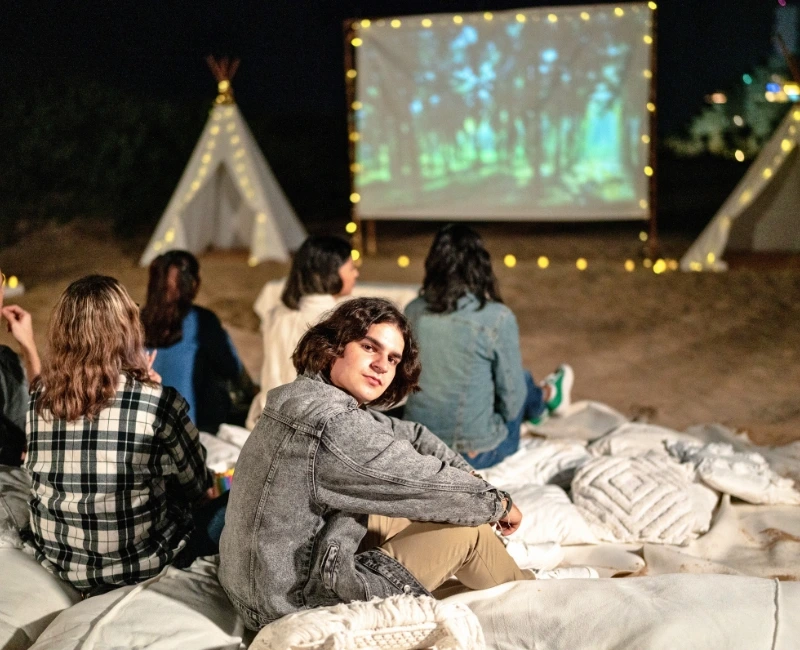
When the sun dips below the Baltic horizon, Stockholm’s nightlife unfolds in a spectrum of experiences—from chic cocktail lounges to high‑energy dance clubs and intimate live‑music venues. Start your evening in Södermalm, where the bohemian neighborhood of Mariatorget harbors bars like Tjoget, a former unmarked meatpacking plant transformed into a slick venue serving Nordic‑inspired cocktails—think dill‑infused gin or aquavit variants infused with pine needles and birch sap.For live jazz, head to Fasching near Östermalmstorg, Sweden’s premier jazz club where international headliners share the stage with homegrown talents. The room’s warm acoustics and candlelit tables create an immersive ambiance. Alternatively, Stampen in Gamla Stan offers traditional jazz, blues, and swing nights in a historic basement setting; expect impromptu jam sessions that carry on into the early hours.Electronic and dance music lovers gravitate to Bernie’s, a sleek nightclub in the heart of Kungsträdgården, where DJs from the European underground circuit spin techno and house tracks until dawn. Trädgården, a seasonal outdoor club located under Södermalm’s Skanstull Bridge, packs a rammed dance floor complete with boat‑inspired glasshouses, graffiti art, and food trucks serving bites well into the early morning. Entrance is typically free on weekdays and modestly priced on weekends.If theater or comedy appeals, check schedules at Kulturhuset Stadsteatern in Sergels Torg, whose repertoire ranges from Shakespearean classics to contemporary plays and stand‑up comedy shows. Downtown Camper by Scandic often hosts live bands and themed dance parties on its rooftop bar, Terrassen, where panoramic city views accompany inventive cocktails and DJs.For late‑night eats, Hermans—an all‑you‑can‑eat vegetarian buffet perched on Fjällgatan—stays open until late during summer months, offering hearty meals with a view. If you crave local nightlife staples, track down a korvkiosk for a post‑club sausage in a soft bun, slathered with ketchup and mustard.Safety and convenience are integral to Stockholm’s after‑dark offerings: SL Night Buses and Night Trains operate on weekends, and licensed taxis are readily available. The city’s compact layout means many venues lie within walking distance of each other, particularly around Stureplan in Östermalm and the waterfront quay at Slussen.Whether you seek speakeasy‑style cocktail craftsmanship, live‑music intimacy, or open‑air dance parties under midsummer skies, Stockholm’s nightlife embraces diversity, creativity, and the spirit of lagom—just the right balance of relaxation and exhilaration under the city lights.

Setting yourself up for a seamless Stockholm adventure hinges on thoughtful preparation and embracing local customs. Accommodation options range from budget hostels (starting around £25 per night) to boutique design hotels in Södermalm or Norrmalm (£80–£150 per night). Book 2–4 months ahead for summer travel to secure the best rates, and consider apartments with kitchenettes if you prefer light self‑catering.Stockholm deploys an efficient, card‑based fare system across SL’s metro, buses, trams, and ferries. Purchase an SL Access card at metro stations or via the SL App, then load 24‑hour or 72‑hour travel passes (240 SEK/360 SEK) for unlimited journeys. Single rides cost 39 SEK (~£3), valid for 75 minutes. Biking is also seamless: the Stockholm City Bikes program offers 30 minutes free per ride, with daily and seasonal passes available.Pack for variable weather—layers, waterproof jackets, and sturdy walking shoes—to handle sudden Scandinavian rain showers or icy winter pavements. In winter, bring thermal layers and slip‑resistant boots; in summer, note that daylight stretches to nearly 18 hours in June, so an eye mask aids restful sleep.While cards cover most transactions, keep small bills (50 SEK) for small‑scale vendors and tipping in cafés (5–10 percent is appreciated but not obligatory). ATMs at major banks (Swedbank, Handelsbanken) dispense cash with lower fees. Credit cards (Visa, Mastercard) are universally accepted; contactless and mobile payments (Apple Pay, Google Pay) are ubiquitous.English is spoken fluently; however, learning greetings—hej (hi), tack (thanks), ursäkta (excuse me)—cultivates goodwill. Swedes value lagom (moderation) and punctuality, so arriving on time for tours or reservations demonstrates respect. Queuing etiquette—waiting patiently in line—is observed strictly.Healthcare is excellent; European Health Insurance Cards (EHIC) provide emergency coverage, but travel insurance is recommended for non‑EU visitors. Pharmacies (Apoteket) dispense over‑the‑counter medications, and English‑speaking doctors are available at private clinics.For dining, explore lunch menus (dagens rätt) offered at mid‑week for around 100 SEK (~£8), providing a hearty starter, main, and coffee. Groceries at ICA and Lidl cost similar to UK prices. Tipping isn’t obligatory—rounding up is standard.Stockholm is extremely safe, yet standard precautions apply: secure belongings on public transit and at busy market halls (Östermalm Saluhall, Hötorget). Emergency services dial 112; English‑speaking operators are available.Finally, download key apps—SL, Visit Stockholm, Hitta.se (maps), and WeatherPro—and consult event calendars for festivals or museum late‑night openings. Leave room for spontaneity—a sudden boat cruise invitation, a hidden café discovery, or a tranquil park bench moment. This balance of planning and flexibility captures the essence of lagom, ensuring your Stockholm journey is efficient, enriching, and memorably Swedish.
No ads. No trails. No commitments


Alice Roses
London, England
51 ST MATTHIAS ROAD
NOTTINGHAM, NOTTINGHAMSHIRE
NG3 2HF
Hours: 8:00 - 17:00, Mon - Sat
support@johnsonholidays.com