 Valencia Travel
Guide
Valencia Travel
Guide
Paris is known around the world as the “capital of love,” and even if you don't understand the history of Paris at all

2.5 Hours
£3
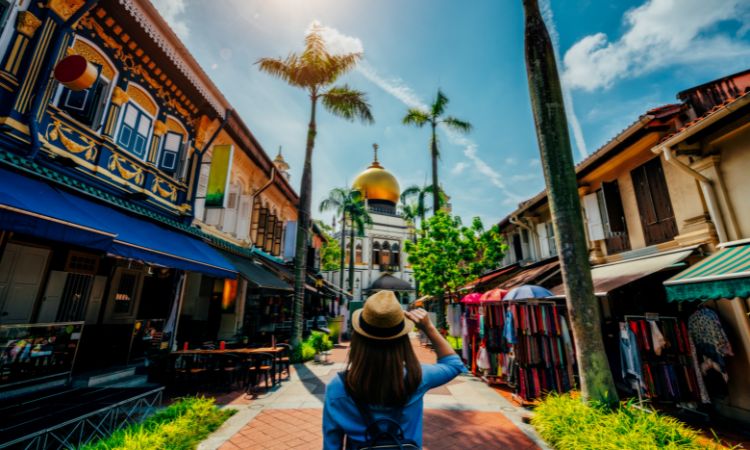
Valencia marries ancient heritage with avant-garde design. In the old town, cobblestone alleys reveal Gothic cathedrals, medieval towers, and hidden plazas echoing centuries of history. Just a short walk away stands the City of Arts and Sciences: futuristic structures housing museums, an aquarium, and performance spaces. This unique juxtaposition allows travelers to experience Spain’s storied past and its innovative present within one city. Whether exploring the Silk Exchange (La Lonja) or admiring Santiago Calatrava’s architectural landmarks, visitors find a dynamic interplay of eras. The blend ensures that every stroll uncovers contrasts: a centuries-old fountain beside a sleek glass façade, or artisanal shops next to modern cafés. For holidaymakers keen on culture and design, Valencia offers a layered journey through time in a compact, walkable environment, making every moment memorable.
Learn More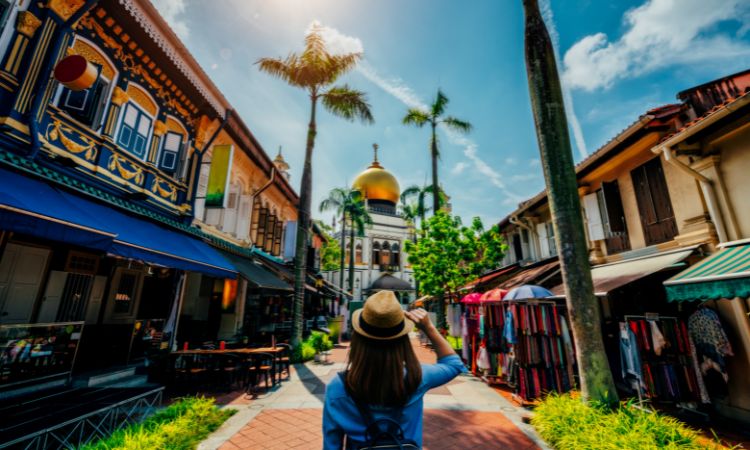
Valencia’s coastline invites relaxation and adventure. Playa de la Malvarrosa and Playa de las Arenas feature wide golden sands and calm Mediterranean waters, ideal for lounging under the sun. Beachfront promenades brim with cafés and chiringuitos where you can sample tapas and cold beverages—prices shown in British pounds for clarity. For active travelers, paddleboarding, sailing, and windsurfing are readily available, with equipment rental conveniently located near the shore. At sunset, the horizon glows as you stroll along the promenade. Families appreciate shallow waters and lifeguard-supervised zones. The proximity of beaches to the city center means you can combine cultural sightseeing in the morning with seaside relaxation in the afternoon. This accessibility ensures Valencia stands out among European beach destinations.
Learn More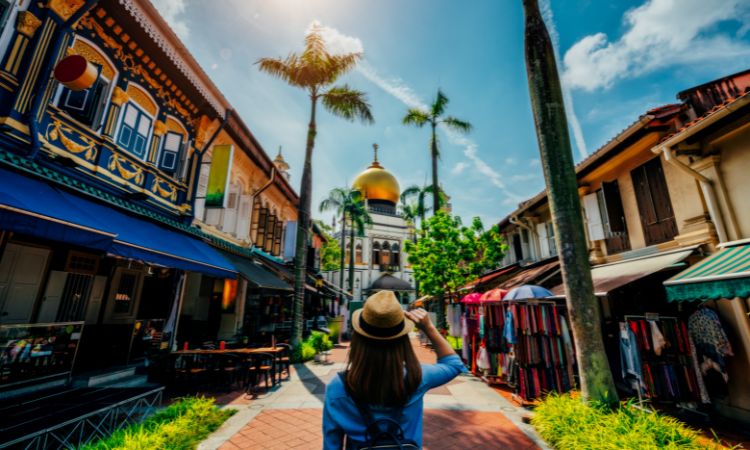
Valencia is synonymous with paella, yet its culinary offerings extend far beyond. Markets such as Mercado Central present fresh produce—tomatoes, oranges, local rice varieties—while seafood stalls tempt with prawns, mussels, and fish. Regional dishes like fideuà, arroz al horno, and horchata with fartons showcase local flavors. Tapas bars range from traditional taverns serving jamón ibérico to innovative kitchens blending Mediterranean ingredients with contemporary techniques. Many establishments display sample menus with prices converted to British pounds for easier budgeting. Wine bars feature Spanish vintages, and vermouth is a popular aperitif. Cooking classes allow visitors to learn authentic paella preparation. Whether dining in atmospheric historic buildings or trendy waterfront restaurants, food lovers will find Valencia’s gastronomy a compelling reason to book a trip.
Learn More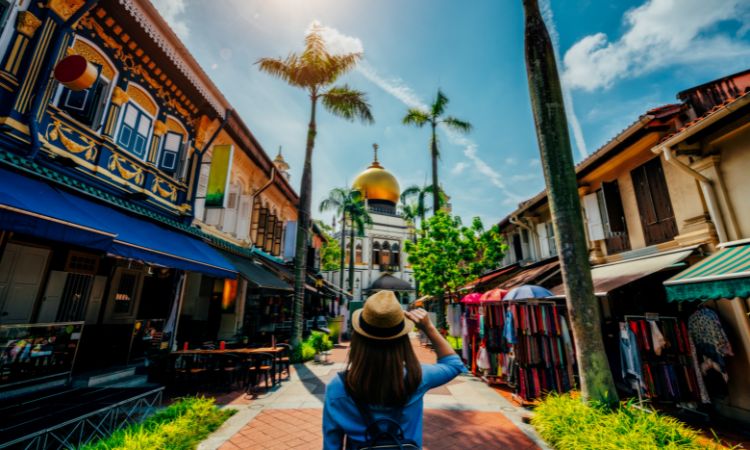
Valencia’s cultural calendar pulses with energy. Las Fallas in March draws global attention with its monumental sculptures, nightly fireworks, and celebratory atmosphere—an unforgettable spectacle if you time your visit accordingly. Beyond Fallas, festivals for music, film, and local traditions occur year-round. Fiestas de la Virgen in October, street concerts in summer, and art exhibitions in contemporary galleries keep the city lively. Flamenco performances, classical concerts in historic venues, and open-air events in Turia Gardens invite participation. This active cultural scene ensures that every visitor can engage with Valencian customs, music, and art. Booking during festival periods may require advance planning, but the payoff is immersion in a community spirit that elevates any holiday.
Learn More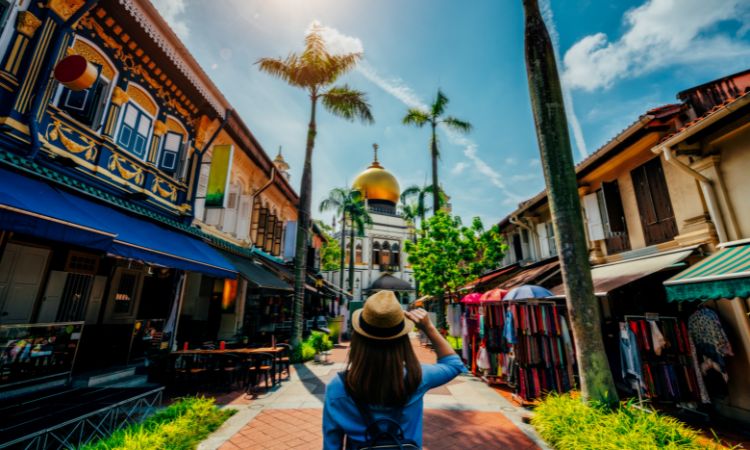
Compared to other Mediterranean hotspots, Valencia offers excellent value. Accommodation options range from boutique guesthouses in historic quarters to beachfront hotels, often at lower cost than more famous Spanish cities. Dining out is similarly budget-friendly: a three-course meal including local wine can be more economical when prices are shown in British pounds. Public transport and bike rental in the Turia Gardens allow cost-effective exploration. Free or low-cost attractions—museums with discounted entry, parks, and beaches—mean you can enjoy a rich itinerary without overspending. This affordability paired with high-quality experiences (gastronomy, culture, beach) makes Valencia attractive for families, couples, and solo travelers seeking Mediterranean charm without excessive expense.
Learn More
Valencia boasts well-connected transport links: an international airport (VLC) with direct flights from major European cities, a high-speed train station linking Madrid in under two hours, and efficient local metro and bus networks. This connectivity facilitates seamless arrivals and departures and opens possibilities for day trips: explore the medieval town of Sagunto, the coastal beauty of Albufera Natural Park, or wine regions in nearby Utiel-Requena. Car hire and guided tours enable further exploration of Costa Blanca beaches or inland villages. For travelers aiming to combine city and regional experiences, Valencia serves as a strategic base. The ease of movement adds flexibility and depth to your holiday planning, making Valencia a convenient and rewarding destination.
Learn More
Lorem ipsum dolor, sit amet consectetur adipisicing elit. At illo adipisci iusto
From

Because more than 268 other customers have loved us too

Demonstrates commitment to user data security through encryption and secure payment practices
Learn More
Demonstrates commitment to user data security through encryption and secure payment practices
Learn More
Demonstrates commitment to user data security through encryption and secure payment practices
Learn More
Demonstrates commitment to user data security through encryption and secure payment practices
Learn More
Quality as judged by customers. Book at the ideal price!


/ person
/ person
/ person
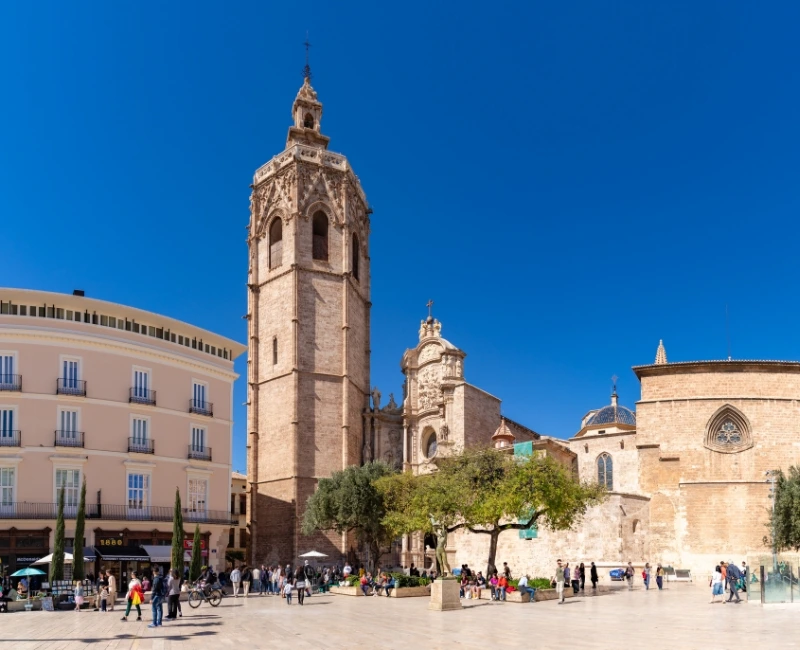
Valencia’s history stretches over two millennia, visible in its layers of architecture, traditions, and urban fabric. Start with the Barrio del Carmen, where narrow, winding streets reveal medieval walls, hidden plazas, and centuries-old facades. Visit the Cathedral of Valencia, reputed home of the Holy Grail; its Gothic nave, Baroque chapels, and rooftop views offer insight into both religious and architectural heritage. Nearby, the Silk Exchange (La Lonja de la Seda) stands as a UNESCO World Heritage site: its ornate late-Gothic hall once thronged with merchants, its twisted columns evoking a forest of stone. As you stroll, notice the mix of Moorish influences and later Christian reconstructions—Valencia was a key Mediterranean trading port.Complement these landmarks with a visit to the Central Market, a modernist building housing stalls where locals shop for fresh produce. While primarily gastronomic, it also reflects Valencian social history: generations of families trading local specialties. Explore the Silk Museum to understand the city’s medieval commerce, and the Torres de Serranos or Quart towers for panoramic views and a sense of defensive architecture. In the afternoon, delve into contemporary art at institutions like IVAM (Institut Valencià d’Art Modern) to see how Valencia engages with modern creativity. The juxtaposition of old and new is striking: after admiring ancient facades, observe avant-garde structures in the City of Arts and Sciences.Engage with local crafts in artisan workshops: ceramics, traditional textiles, and modern design studios reveal a living heritage. Attend small guided walking tours focusing on legends and hidden corners—stories of medieval guilds, folklore, and local customs. Many tours occur on foot or by bike along the Turia Gardens, connecting cultural nodes within a green corridor. Historic Valencia exploration is not just sightseeing: it’s immersing in layered narratives, understanding how past events shaped modern life. By dedicating time to these sites and experiences, travelers gain a deep appreciation for Valencia’s identity, enriching the overall holiday and providing memorable insights into Spain’s Mediterranean legacy.
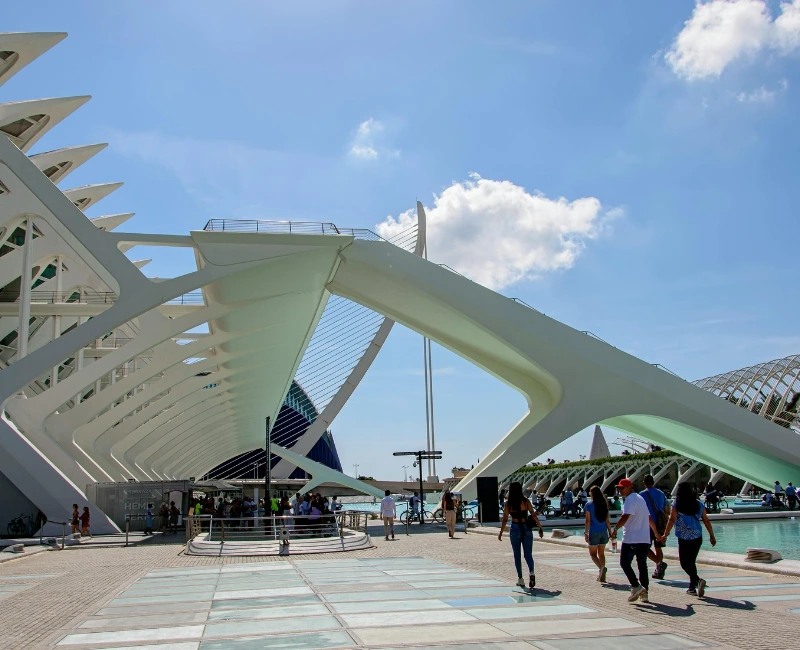
Beyond its historic core, Valencia embraces bold contemporary architecture. The City of Arts and Sciences is the centerpiece: designed by Santiago Calatrava and Félix Candela, it comprises the Hemisfèric (IMAX cinema and planetarium), the Science Museum, the Opera House (Palau de les Arts Reina Sofía), and the Oceanogràfic aquarium. Each structure’s sweeping curves and reflective pools evoke futuristic imagery. Spend time exploring interiors: interactive exhibits in the Science Museum appeal to all ages, while the aquarium features Mediterranean and global marine ecosystems.Adjacent lies the Ágora, a versatile space for events, and pedestrian bridges with sculptural forms crossing landscaped gardens. Photography enthusiasts will find endless angles: reflections in water basins, white concrete silhouettes against blue skies, and night illuminations. The surrounding Turia Gardens—once a riverbed—link many cultural and leisure sites, featuring contemporary installations, playgrounds, and sports facilities. Architectural walking routes extend to revitalized docks (Marina Real Juan Carlos I), where former industrial zones now host marinas, restaurants, and cultural events. Nearby neighborhoods showcase modern residential blocks and renovated warehouses repurposed into creative hubs.Urban regeneration projects illustrate Valencia’s commitment to sustainable design: green roofs, pedestrian-friendly plazas, and bike lanes integrate with public transport. Visit the Ruzafa district to see trendy cafés in refurbished buildings, or the Cabanyal neighborhood for a glimpse of traditional fishermen’s houses undergoing revitalization. Public art installations scatter across the city, blending local artists and international commissions. Engaging with guided architecture tours or self-guided maps helps contextualize these developments: learn about environmental considerations, engineering challenges, and community involvement in shaping modern Valencia. This architectural exploration demonstrates how the city balances heritage preservation with visionary design, offering travelers insight into urban evolution and forward-thinking planning.
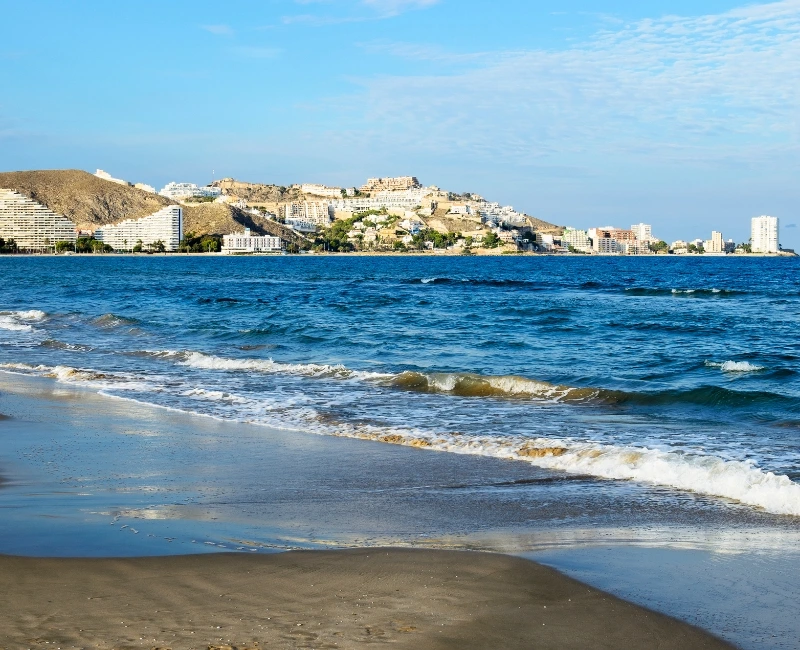
Valencia’s coastline invites visitors to unwind on spacious, well-maintained beaches with easy city access. Playa de la Malvarrosa and Playa de las Arenas each offer wide stretches of golden sand, gently sloping into the Mediterranean. Sunloungers and umbrellas can be rented seasonally, and beachfront promenades feature cafés and chiringuitos serving light bites and cold drinks—prices shown in British pounds to help plan spending. Early mornings are ideal for quiet walks along the shore; afternoons may bring more activity: beach volleyball, families building sandcastles, and locals enjoying siesta breaks under umbrellas.Water sports enthusiasts can find rental points offering paddleboards, kayaks, windsurfing, and sailing lessons. Certified instructors guide beginners safely, while experienced users can explore further along the coast. Beach yoga classes and group fitness sessions occasionally occur near the promenade. For families, supervised swim zones ensure safety, and lifeguards monitor key areas during peak seasons. Clean water and facilities (showers, restrooms) maintain comfort. At sunset, the horizon turns pastel shades—perfect for photography or a leisurely stroll. Nearby, the port area has been redeveloped into a marina with restaurants overlooking yachts, blending maritime atmosphere with modern leisure.For a change of scenery, head to El Saler and La Devesa in the Albufera Natural Park region: quieter beaches backed by dunes and pine forests. Accessible by short drive or guided tour, these beaches offer a more secluded feel. After sunbathing, explore the park by boat on Albufera lagoon, spotting migratory birds and enjoying a peaceful escape. Beach life in Valencia strikes a balance between lively urban shores and tranquil natural coastlines, making it suitable for diverse traveler preferences. Whether seeking relaxation, adventure, or family-friendly fun, Valencia’s beaches deliver memorable seaside experiences.
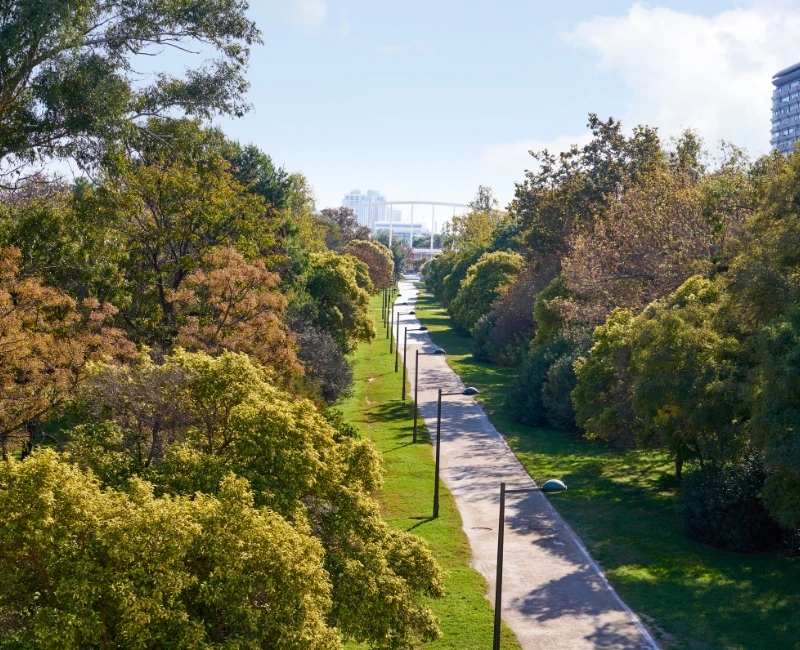
The Turia Gardens, created from a former riverbed diverted after floods, form one of Europe’s largest urban parks, snaking through Valencia for over 9 kilometers. This green artery connects major attractions and neighborhoods, offering a versatile outdoor playground. Rent a bike or join a guided cycling tour to traverse tree-lined paths, passing playgrounds, sports courts, and open-air exercise zones. Runners and walkers enjoy smooth trails that link the Bioparc, City of Arts and Sciences, and historic districts.Picnic spots beneath shady trees invite relaxation, while water features and fountains provide refreshing interludes. Families appreciate multiple playgrounds with creative designs and safe surfaces. Sports enthusiasts can use free facilities for basketball, tennis, or outdoor gym equipment. Cultural events—open-air concerts, theatre performances, and festivals—often take place within park spaces, blending leisure with local culture. Photography opportunities abound: landscaped gardens with native flora, modern sculptures, and views of surrounding architecture.Nature programs occasionally offer guided birdwatching or biodiversity walks, highlighting local species in urban contexts. Near the park’s southern end lies the Viveros Garden, a botanical oasis with exotic trees and plants. For a different perspective, take a Segway or electric scooter tour along designated routes. The Turia Gardens exemplify Valencia’s commitment to sustainable urban planning, repurposing infrastructure for community benefit. Outdoor activities here cater to all ages and fitness levels: from gentle strolls to active sports. Incorporating time in Turia Gardens enriches any holiday itinerary, providing fresh air, exercise, and a scenic link between Valencia’s diverse attractions.
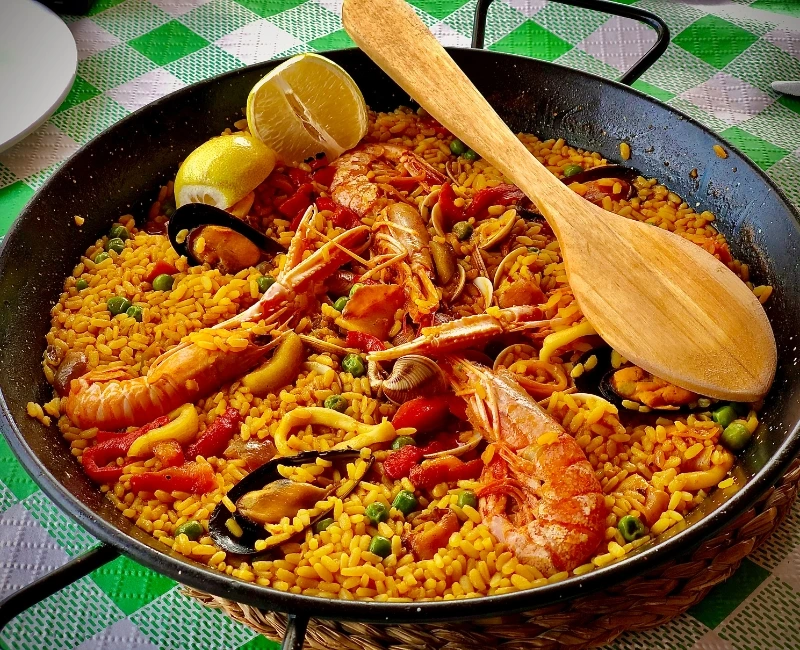
Valencia’s gastronomic scene extends from bustling markets to upscale dining. Begin at Mercado Central, one of Europe’s largest fresh-food markets. Wander among stalls piled with seasonal fruits (Valencia oranges), vegetables, rice varieties for paella, local cheeses, and artisanal charcuterie. Engage with vendors to learn about ingredients, sampling olives or cured meats. Nearby Mercado de Colón, in a Modernist building, houses cafés and boutique eateries for light meals or coffee breaks.Take a paella workshop near Albufera to master authentic techniques—learn to select local rice, saffron, and fresh produce. Many cooking schools cater to English speakers and display costs in GBP for clarity. Beyond paella, explore tapas bars in El Carmen and Ruzafa: taste small plates like patatas bravas, grilled seafood, and regional specialities such as esgarraet (roasted red peppers and salted cod). Evening dining can transition to tapas hopping—sampling dishes at multiple venues. For fine dining, Valencia hosts Michelin-starred restaurants featuring innovative menus rooted in Mediterranean ingredients. Reservations are advisable during peak seasons.After dinner, explore sweet treats: horchata (tiger nut milk) served with fartons at traditional horchaterías. Coffee culture thrives in both historic cafés and modern specialty coffee shops. Wine bars showcase Spanish vintages; ask for local Valencian wines to complement dishes. Many venues remain open late, allowing leisurely dinners that stretch into the night. Culinary tours often combine market visits, tastings, and insights into Valencian food heritage. For travelers who relish food experiences, Valencia provides variety, authenticity, and approachable price points when converted to British pounds.
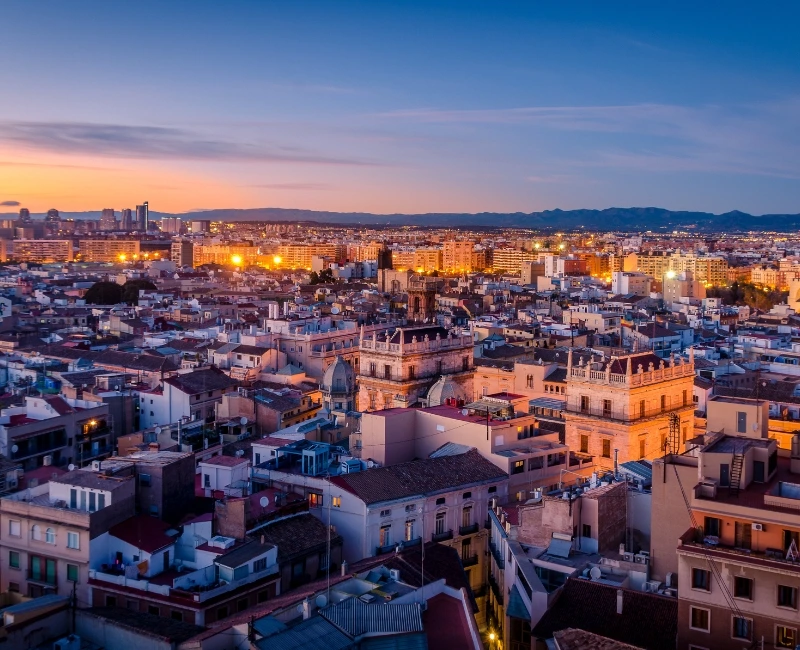
Valencia’s nightlife caters to diverse tastes. Start evenings in trendy bars within Ruzafa or El Carmen, enjoying craft cocktails or local vermouth. Rooftop lounges offer panoramic city views, ideal for watching sunset while sipping drinks—prices referenced in GBP to inform budgeting. As night deepens, clubs near the beach and city center host live music, DJs, and themed events. Genres range from electronic to flamenco-inspired fusion. Many venues have no cover charge early, though popular nights may require advance booking.For a cultural evening, attend performances at Palau de les Arts Reina Sofía or smaller theaters presenting flamenco shows, classical concerts, or avant-garde productions. Timetables vary seasonally; check schedules in advance. Late-night eateries serve tapas or bocadillos for post-party meals. Live music bars feature jazz, indie bands, or local artists, offering an authentic taste of Valencian talent. For a relaxed night, stroll along the Marina Real Juan Carlos I, enjoying illuminated yachts and waterfront venues.Valencia organizes seasonal open-air cinema in Turia Gardens or plaza screenings during festivals—unique experiences under stars. Wine tasting events or sherry bars cater to enthusiasts seeking quieter but engaging evenings. Night markets and late shopping occur in summer months. Safety is generally good; usual precautions apply. Public transport (metro, buses) runs until late; taxis and ride-sharing cover after-hours returns. Valencia’s nightlife blends Mediterranean leisure, cultural events, and modern club scenes, ensuring memorable nights for all traveler types..
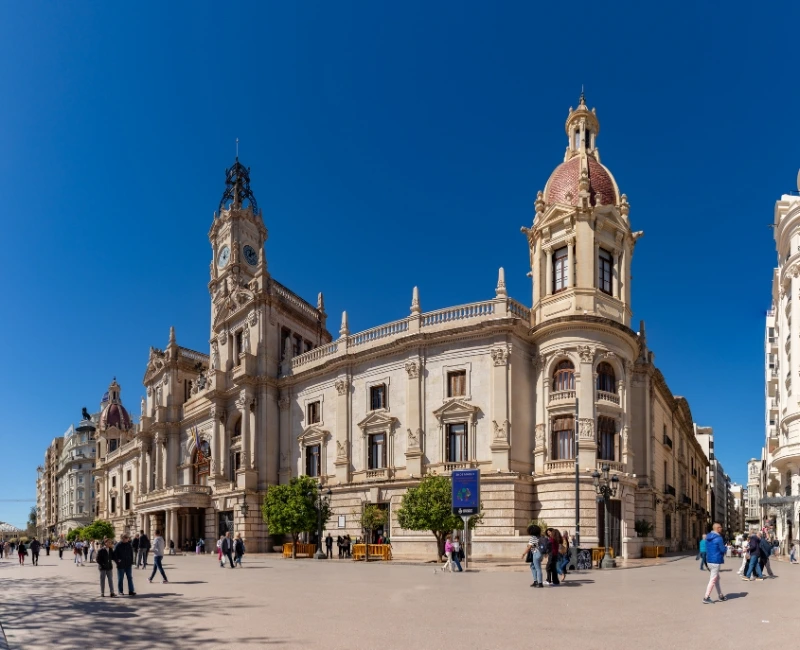
Valencia’s festival calendar offers immersive experiences. Las Fallas (March) is the city’s signature event: enormous art installations (“fallas”) erected in neighborhoods, culminating in dramatic bonfires and continuous fireworks. Joining local celebrations means experiencing nightly mascletà (firecracker shows) in Plaza del Ayuntamiento and street parties where you taste traditional sweets and drinks. Beyond Fallas, the Feria de Julio (July Fair) features concerts, bullfighting (if chosen), and fireworks. Fallas and Feria periods require early booking due to high demand.In autumn, Fiestas de la Virgen de los Desamparados honors the city’s patron saint with processions, floral offerings, and traditional dances. Summer events include open-air concerts in Turia Gardens, film festivals, and gastronomic fairs showcasing local products at market halls. Christmas in Valencia brings light displays and festive markets in plazas. Participating in these events gives insight into Valencian identity and community spirit. Festival-related costs—entrance fees, special menus, or guided experiences—should be considered in GBP for holiday budgeting. Many celebrations are free to observe, but joining official events or dinners may incur charges; plan accordingly.
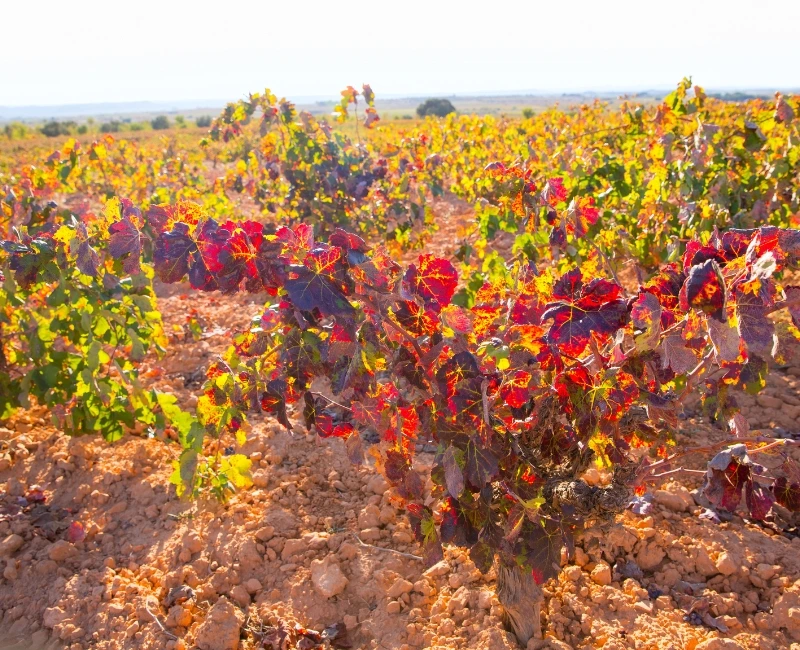
Valencia makes an excellent base for exploring the surrounding region. A short train ride north leads to Sagunto, with a hilltop castle, Roman theater ruins, and a charming old quarter. Southward, Albufera Natural Park is a haven of rice fields and a vast lagoon: take a boat tour at sunrise or sunset, birdwatch, and enjoy paella prepared in traditional style. The beaches of El Saler and El Palmar are near the park and provide quieter seaside escapes.Inland, the vineyards of Utiel-Requena produce notable Spanish wines. A guided wine tour lets you sample varietals and learn about the region’s winemaking traditions. For mountain scenery, head to the Serra Calderona natural park, ideal for hiking and small villages offering authentic rural experiences. Coastal towns like Alicante or Castellón make longer day trips: Alicante’s castle and Mediterranean waterfront, Castellón’s historic center and beaches offer variety. For a blend of architecture and culture, the gothic town of Xàtiva with its castle has panoramic views over the region.Transport options include regional trains, buses, or organized tours; self-drive gives flexibility but consider parking logistics. Day-trip costs (transport, guided tours, meals) when shown in British pounds help budget planning. Each destination highlights a different facet: history in Sagunto, nature in Albufera, gastronomy in Utiel-Requena, coastal beauty in nearby towns. By allocating full days to these excursions, travelers enrich their Valencia holiday with broader Valencian Community experiences, creating diverse memories beyond the city itself.
No ads. No trails. No commitments


Alice Roses
London, England
51 ST MATTHIAS ROAD
NOTTINGHAM, NOTTINGHAMSHIRE
NG3 2HF
Hours: 8:00 - 17:00, Mon - Sat
support@johnsonholidays.com