 Malia Travel
Guide
Malia Travel
Guide
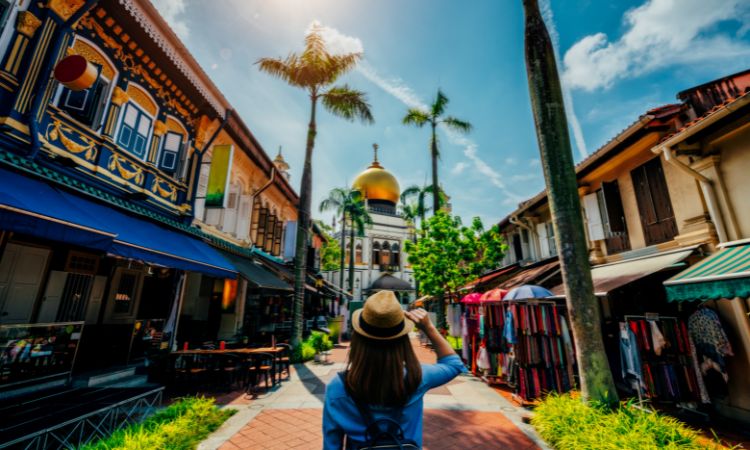
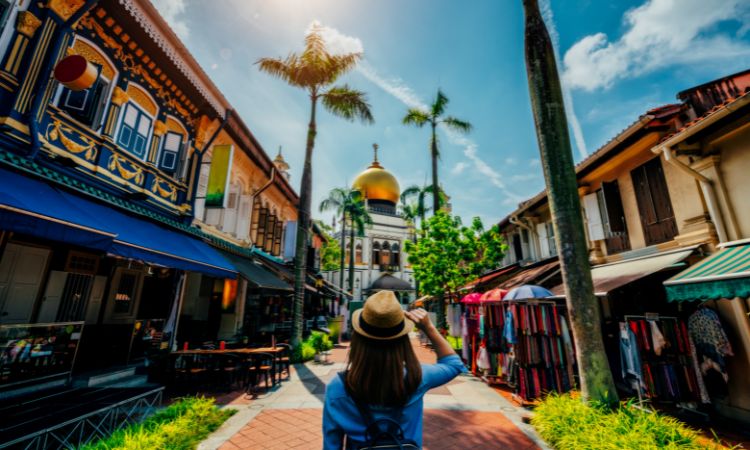
Paris is known around the world as the “capital of love,” and even if you don't understand the history of Paris at all

4.5 Hours
£4
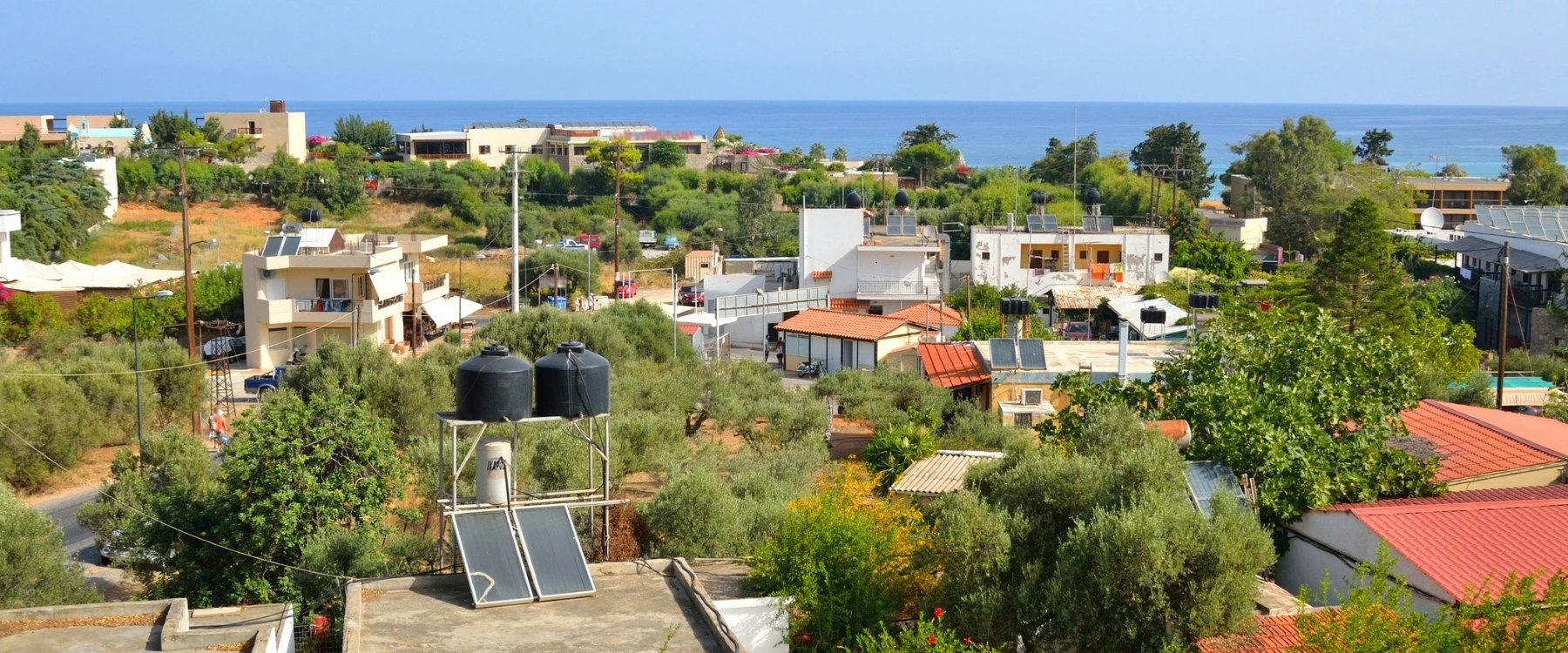
Malia’s coastline boasts golden sands and gently shelving seabeds, perfect for swimmers of all ages. The main beach stretches generously along the town, offering sunbeds, parasols, and facilities for refreshments. Beachfront water sports operators provide equipment for paddleboarding, windsurfing, and kayaking, ensuring active days for water enthusiasts. The sea’s clarity invites snorkelling close to shore, revealing colorful marine life in shallower coves. Mornings can begin with a stroll along the shoreline, followed by a relaxed lunch at a beachside taverna serving freshly caught fish. By displaying prices in British pounds (£), travellers can budget easily and enjoy uninterrupted beach time without worrying about hidden costs.
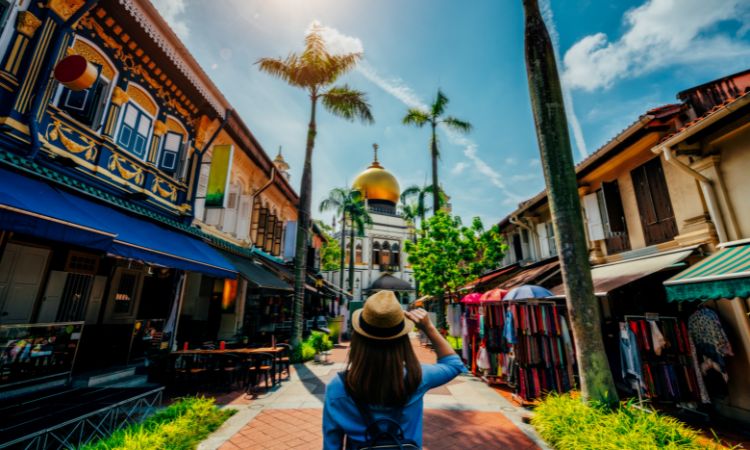
Just inland from modern Malia lies the archaeological site of the Minoan Palace of Malia, one of Crete’s significant Bronze Age centers. Exploring the palace ruins, visitors glimpse the sophistication of ancient urban planning, elaborate architecture, and religious practices. On-site informational displays and nearby museums reveal artifacts—pottery, tools, and fresco fragments—that paint a vivid picture of life 4,000 years ago. Guided tours enrich the visit with historical context and storytelling. Afterward, one can compare ancient and contemporary Crete by wandering back to town for a coffee or a traditional snack. This seamless blend of beach and history ensures that Malia appeals to culture seekers as much as sun worshippers.
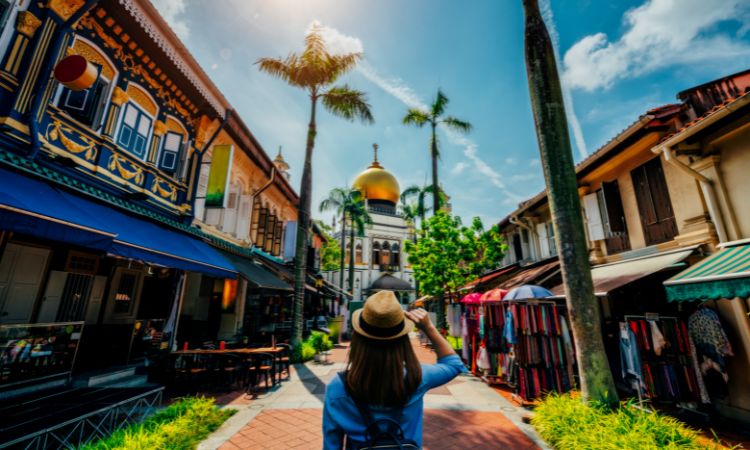
Malia has a reputation for energetic nightlife that draws younger crowds and fun-loving travellers. Beach bars by day often evolve into lively evening venues, featuring themed parties, live DJs, and occasional open-air concerts. Cocktail lounges overlooking the sea offer a more relaxed vibe for sunset drinks. As night deepens, clubs open their doors for dancing until the early hours, while tavernas in the old town provide a setting for a quieter meal or chat over Cretan wine. Whether you seek high-energy nights or laid-back evenings under starry skies, Malia caters to diverse tastes with venues that suit both party-goers and those preferring mellow entertainment.
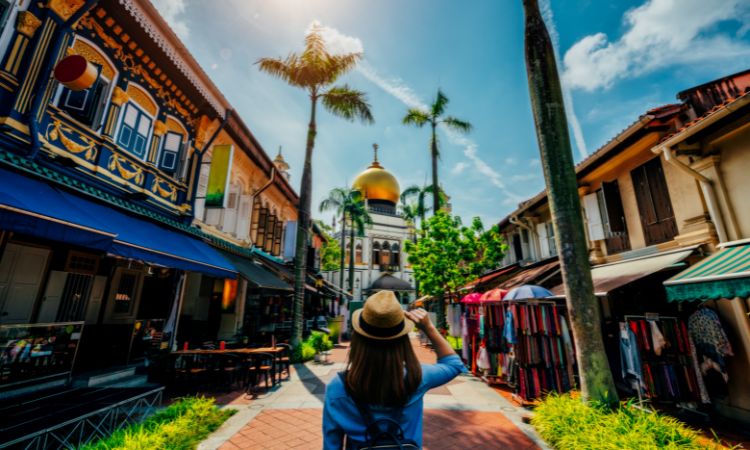
Families find Malia accommodating: the main beach’s calm, shallow waters ensure safe swimming for children, and many beachfront establishments offer children’s menus and play areas. Water parks within easy driving distance provide full-day excitement with slides, pools, and attractions suitable for various age groups. Boat excursions to nearby bays cater to families by offering shorter itineraries and swimming stops in sheltered spots. Evening strolls through the old town reveal ice-cream parlors and souvenir shops that delight younger travellers. Accommodation options frequently include family suites or connecting rooms, and local hospitality often goes the extra mile for little guests, making Malia a reliable choice for a family holiday.
Learn More
The culinary scene in Malia highlights Crete’s celebrated gastronomy: from grilled seafood straight from the Mediterranean to meze platters featuring local cheeses, olives, and dips drizzled with premium Cretan olive oil. Traditional tavernas serve dishes like dakos (Cretan barley rusks topped with tomato and cheese) and shepherd’s pie variations using locally sourced lamb. Many restaurants display prices in British pounds (£) for clarity. Dining in Malia can be both affordable and memorable, with mid-range dinners for two averaging £30–£50. For those wishing to learn more, cooking classes or visits to nearby olive farms and vineyards offer immersive experiences that deepen appreciation for Cretan flavours.
Malia’s location on Crete’s northern coast makes it an ideal base for exploring beyond the resort itself. Day trips to Heraklion allow visits to the Palace of Knossos and the Heraklion Archaeological Museum. Westward, Hersonissos and Stalis present additional beaches and attractions. Eastward, driving along scenic coastal roads reveals quieter villages, secluded bays, and authentic rural life. Car hire services are readily available, and local buses link to major towns for travellers preferring public transport. These excursions can be scheduled easily, offering a balance between relaxing beachfront days in Malia and discovery tours throughout Crete’s diverse landscapes.
Learn More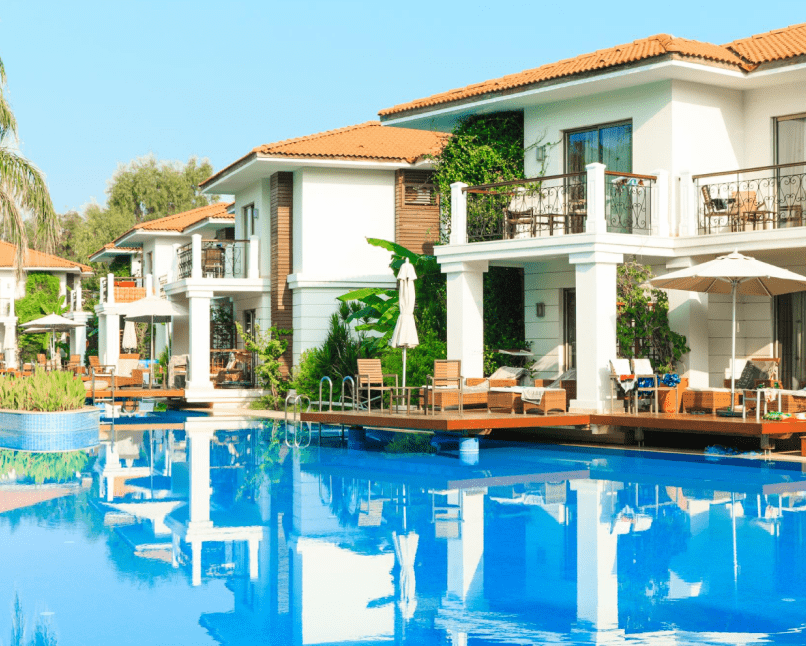
Lorem ipsum dolor, sit amet consectetur adipisicing elit. At illo adipisci iusto
From

Because more than 268 other customers have loved us too

Demonstrates commitment to user data security through encryption and secure payment practices
Learn More
Demonstrates commitment to user data security through encryption and secure payment practices
Learn More
Demonstrates commitment to user data security through encryption and secure payment practices
Learn More
Demonstrates commitment to user data security through encryption and secure payment practices
Learn More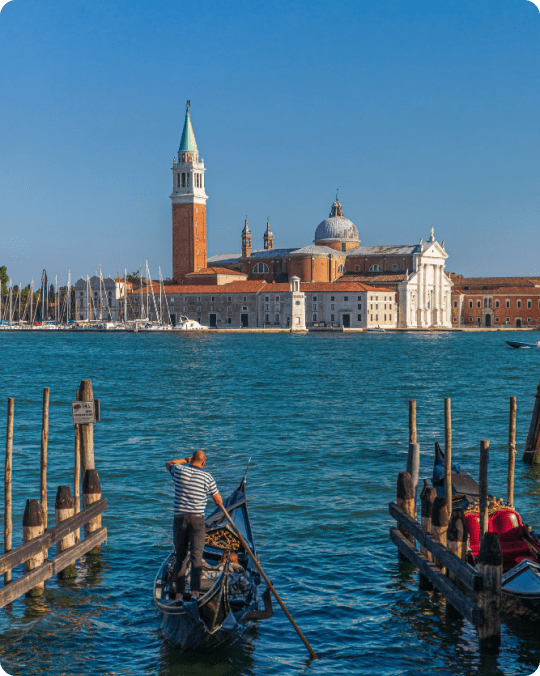
Quality as judged by customers. Book at the ideal price!


/ person
/ person
/ person
Malia Beach epitomizes the classic Cretan seaside experience: a long stretch of golden sand meets the translucent Mediterranean waters, inviting visitors to unwind under the sun or partake in a variety of water-based activities. The beach offers comfortable amenities, including sunbeds and parasols for hire, beachfront cafes and bars serving refreshments and light meals, and clear signage for swimming zones. Early mornings often reveal a tranquil scene: gentle waves lap the shore as beachcombers collect smooth pebbles or go for a brisk seaside jog. As the day progresses, families set up for a full day of relaxation; children can paddle safely near the shore, where the seabed slopes gradually, while parents supervise from sun loungers with easy access to snack bars.For active travellers, Malia Beach provides opportunities for paddleboarding, windsurfing, and kayaking. Equipment hire is available from reputable operators, and instructors offer brief lessons for beginners, ensuring both safety and enjoyment. Snorkelling closer to rocky outcrops at the beach’s edges reveals small schools of fish and occasional octopus sightings in clearer water. Photographers and Instagram enthusiasts will appreciate the light conditions: early morning and late afternoon produce soft, golden hues, perfect for capturing the beach’s natural beauty against the backdrop of distant hills.Dining on the beach is a highlight: tavernas and beach bars serve fresh salads drizzled in local olive oil, grilled seafood platters featuring catch-of-the-day fish, and cold desserts like Greek yogurt with honey and nuts. Prices displayed in British pounds (£) simplify budgeting: a light lunch might cost around £10–£15 per person, while a full seafood meal for two could range £30–£50, depending on choices. Sunset visits transform the beach atmosphere, with cooler breezes and pastel skies inviting visitors to linger for cocktails or a chilled glass of local wine. Beach clubs sometimes host evening events—acoustic sets or DJ-led parties—allowing travellers to experience Malia’s renowned nightlife without venturing far.Despite its popularity, Malia Beach maintains pockets of relative calm: by walking a short distance east or west along the shore, one can find quieter coves where loungers are fewer and the pace is slower. These spots are ideal for couples seeking intimacy or travellers wishing to read a book undisturbed. Lifeguard presence gives added reassurance, particularly for families. Overall, the combination of well-managed facilities, varied activity options, and scenic beauty makes Sun-Kissed Shores of Malia Beach a cornerstone of any Malia holiday—an inviting entry point into Crete’s coastal allure.
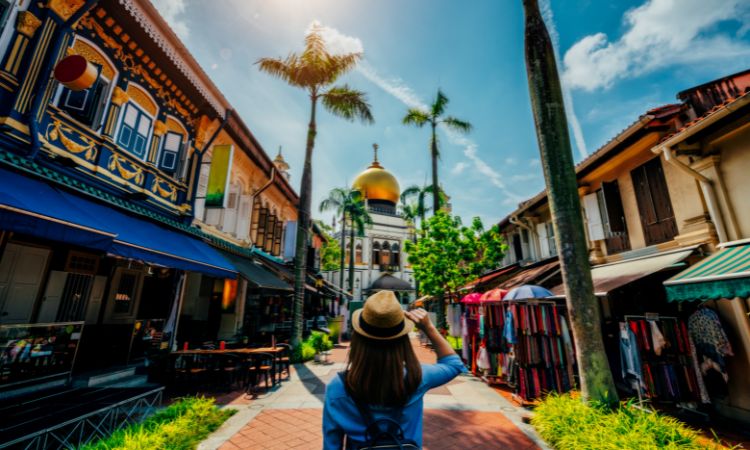
While Malia’s main beach draws crowds, adventurous travellers can discover more secluded coastal retreats nearby. A short drive or boat excursion reveals lesser-known coves offering tranquillity away from busy resort hubs. To the east of the main town, small rocky inlets with pebbly shores beckon explorers equipped with snorkelling gear. These hidden coves often require a moderate walk from the nearest parking or a local boat drop-off, rewarding visitors with clear waters and a sense of private beach time.Boat trips departing Malia harbour frequently include stops at these coastal escapes, combining scenic cruising along the northern Cretan coastline with opportunities to swim in crystalline bays. Small group excursions ensure a personalized experience: skippers know the best times to visit quieter spots and can advise on safety, currents, and underwater features. Snorkellers will appreciate rocky seabeds alive with marine life: groupers, colourful damselfish, and occasionally squid dart among underwater rocks. Underwater photographers find these coves especially rewarding due to water clarity and varied seafloor terrain.For those arriving by car, coastal roads lead to small parking areas near hamlets where footpaths descend to rugged beaches. Proper footwear is recommended for these paths, as terrain can be uneven. Once at the cove, visitors set up towels or portable sunshades, enjoying a more intimate beach atmosphere than the main strip. Self-catered picnics can enhance the experience: local bakeries in Malia provide fresh bread and pastries, while markets stock cheese, olives, and seasonal fruit—displaying prices in British pounds (£) simplifies planning at home. Enjoying a homemade feast by the sea, with only the sound of waves for company, offers a memorable contrast to the busier beachfront.Sunset at a hidden cove offers a particularly special ambiance: the sky transforms in warm hues, and returning to Malia town for dinner after a day of secluded exploration feels like unfolding a personal island adventure. Photographers find dramatic compositions: rocky outcrops silhouetted against fiery skies. For safety, travellers should inform accommodation hosts of planned excursions and check local weather and sea conditions. Overall, Hidden Coves and Coastal Escapes near Malia deliver a sense of discovery and serenity that complements the more social beach scenes, appealing to travellers seeking authenticity and calm within easy reach of resort comforts.
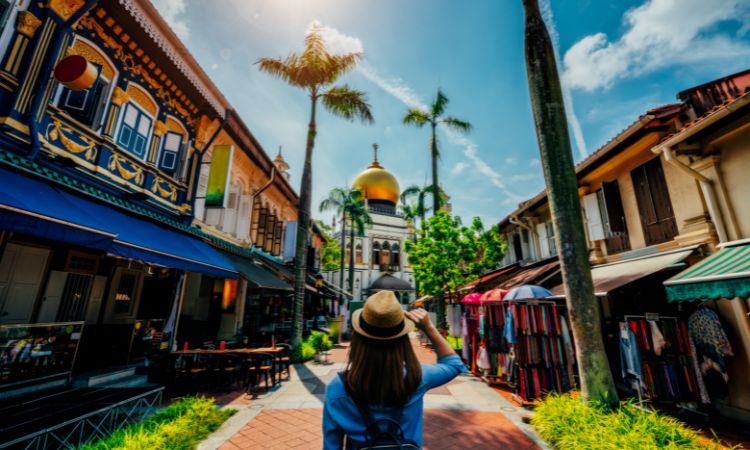
Crete’s ancient history unfolds dramatically at the Minoan Palace of Malia, situated a few kilometres inland from modern Malia. Dating to around 1900–1450 BCE, this archaeological site reveals a complex palace structure that once formed part of an influential Bronze Age civilization. Walking among stone foundations, visitors encounter multi-level courtyards, storage magazines, and ceremonial spaces, providing palpable insight into rituals and daily life nearly four millennia ago. Interpretive signage outlines architectural features, while occasional guided tours deliver scholarly context on Minoan religious practices, economic systems, and artistry.Artifacts recovered from excavations—pottery fragments, seals, tools, and decorative items—are exhibited in nearby museums, illustrating the sophistication of Minoan craftsmanship and trade networks. These displays highlight links between Crete and other Aegean cultures, offering a broader understanding of Bronze Age Mediterranean connections. Photography, where allowed, captures the interplay of ancient stonework against the blue sky, creating striking images for history enthusiasts and Instagram travellers alike. Comfortable walking shoes and sun protection are recommended, as much of the site lies exposed; early morning visits can avoid midday heat and crowds.Visiting the Palace of Malia pairs naturally with a stop at a local museum—often in Heraklion or smaller regional venues—where artefacts from Malia and neighbouring sites are contextualized within Cretan history. After exploring ancient remains, travellers often enjoy a traditional Cretan meal in a nearby village taverna: dishes such as lamb with stamnagathi (wild greens) or roasted vegetables seasoned with local herbs connect culinary heritage to the land’s continuity. For deeper immersion, some operators offer combined tours: morning at the palace, afternoon at a winery featuring local grape varieties, and insights into modern Cretan agriculture. Prices for such tours are typically presented in British pounds (£) for the convenience of UK-based travellers.Families with older children can find the site educational yet engaging; interactive storytelling or archaeology-themed activities occasionally accompany visits. For adult travellers, reflections on ancient resilience and architectural ingenuity create a richer appreciation of Crete beyond its beaches. The juxtaposition of Malia’s bustling seaside ambiance and the stoic remnants of its Minoan past exemplifies Crete’s multifaceted appeal—where sun and sea coexist with deep historical roots. Whether one’s interest lies in archaeology, mythology, or cultural continuity, the Palace of Malia offers a memorable chapter in any Cretan itinerary.
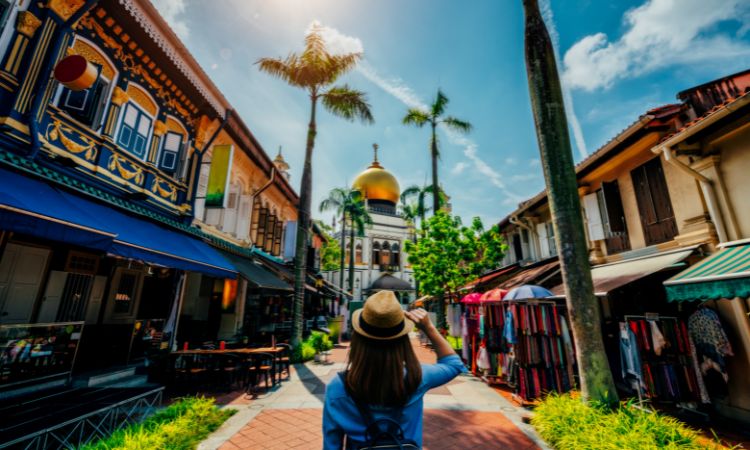
Beyond the central Minoan Palace, the region around Malia harbours numerous archaeological and cultural sites that enrich the holiday experience. Small museum exhibits in neighbouring towns display artifacts from Minoan, Roman, and Venetian periods, including pottery, jewelry, and tools that trace Crete’s evolving civilizations. These venues provide context to the broader historical narrative: from Bronze Age palaces to Byzantine chapels and Venetian fortifications visible elsewhere on the island. Travellers keen on in-depth exploration can plan a day visiting Heraklion Archaeological Museum, home to extensive Minoan collections, but smaller local museums near Malia often deliver more intimate, focused exhibits.Walking tours through traditional villages inland reveal stone-built chapels and old olive presses, reflecting rural heritage still alive in many communities. Local guides may demonstrate olive-oil production or share stories of local customs—harvesting techniques and seasonal festivals—underscoring Crete’s living cultural heritage. Seasonal events, such as religious festivals or folk dance performances, occasionally occur in village squares; timing a visit to coincide with such events offers authentic glimpses of Cretan life beyond tourist circuits. Prices for guided experiences and museum entries are frequently shown in British pounds (£), simplifying budgeting for visitors.Photography and sketching enthusiasts find inspiration in the interplay of ancient ruins, quaint village architecture, and surrounding landscapes—olive groves, vineyards, and rolling hills. Some tours combine visits to archaeological sites with sampling of local products: cheese varieties, honey from mountain beehives, or wine tastings at family-run vineyards. These experiences often culminate in communal meals where hosts share recipes passed down through generations, linking food to history. For independent travellers, renting a car or joining small-group excursions provides flexibility to tailor visits according to specific interests—archaeology, gastronomy, or rural culture.Educational travellers appreciate the layered narratives: how ancient engineering influenced modern agricultural practices, or how historical trade links shaped local cuisine. Evening lectures or workshops (sometimes organized by cultural associations or universities) can deepen understanding; checking schedules in advance helps incorporate these activities. Overall, Archaeological Treasures and Local Museums around Malia invite visitors to look beyond beaches, forging connections between past and present and enriching the holiday with meaning and insight.
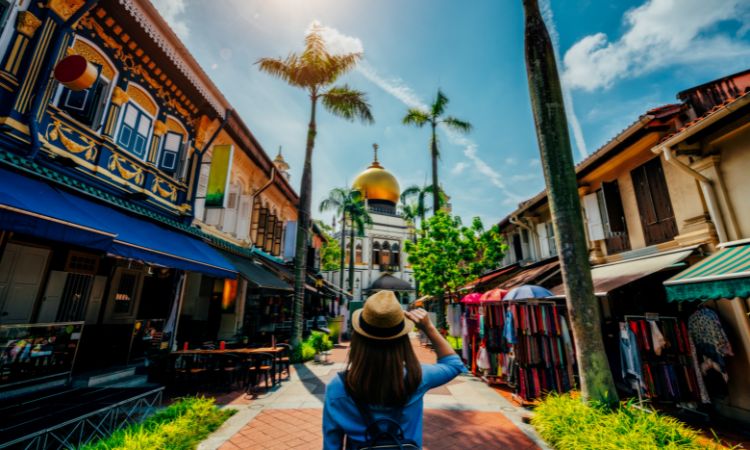
Malia’s nightlife reputation draws travellers seeking vibrant after-dark experiences. Starting at sunset, beachfront bars set the tone: lounge music and chill-out areas allow for relaxed pre-evening gatherings. As night falls, energy builds—bars transition to venues with live DJs or occasional live music events, creating an atmosphere where dancing in flip-flops feels natural under the Mediterranean breeze. Cocktail menus blend classic favorites with local twists, featuring Cretan spirits like raki in innovative mixes. Prices displayed in British pounds (£) assist travellers in managing expenditure, with cocktails averaging around £6–£8.As bars and beach clubs fill, the mood becomes celebratory: themed nights (foam parties, neon events, or beach bonfires) add variety across the season. Venues vary from large open-air clubs overlooking the sea to smaller tavernas offering live traditional music for a more intimate experience. Many establishments host guest DJs from across Europe, ensuring a dynamic mix of electronic, house, and pop music. Dress codes tend to be laid-back but fashionable—smart casual outfits suffice, and comfortable footwear is recommended for beach dance floors.For those preferring a quieter evening, Malia’s old town provides atmospheric tavernas and lounges where one can sample Cretan wines or craft beers while enjoying live acoustic performances. Nighttime strolls through lantern-lit streets reveal hidden corners where locals gather, offering a taste of authentic Cretan hospitality after the peak tourist buzz. Ice-cream parlors stay open late, catering to families and those seeking a sweet treat after dinner.Safety and convenience: Licensed taxis and ride services operate until late, making it easy to return to accommodation. Many hotels offer late check-in or coordinate with guests arriving after midnight, accommodating nightlife schedules. Group travellers often arrange shared transport or plan return times to balance nights out with restful mornings. For travellers wanting to combine nightlife with relaxation, choosing accommodation within walking distance of key venues is advisable, while those seeking quieter stays may prefer properties a short drive away, using taxis when desired.Malia’s nightlife scene evolves with the season; early or late in the summer may see quieter nights suited to travellers wanting moderate socialization, while peak months deliver full-scale party energy. Regardless of preference, Malia ensures every night can be tailored—whether dancing on the sand under starlit skies or savouring a slow evening of folklore music and local wine.
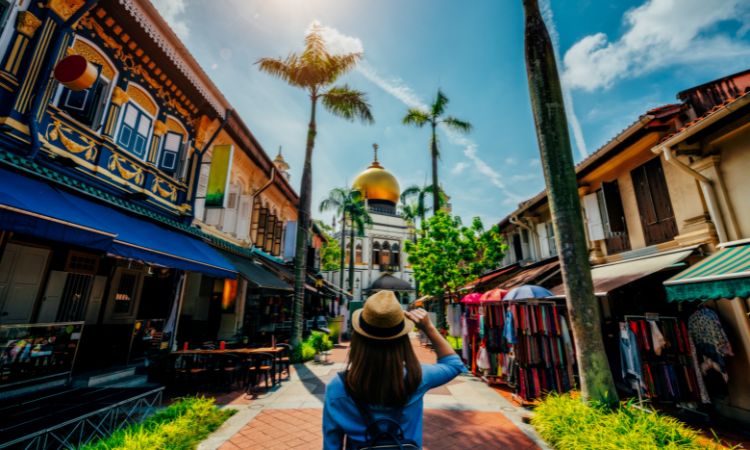
Beach clubs in Malia offer a seamless day-to-night experience. By day, they provide loungers, VIP areas, and pool facilities where guests can relax with cocktails and light bites; by evening, the same venues transform into vibrant hubs with live DJ sets, themed parties, and occasional guest performers. Some clubs organize special events—sunset yoga sessions followed by sunset cocktails, or beach barbecue nights with live music. Entry fees, where applicable, are typically modest (e.g., £10–£15), often including a drink voucher. Prices for food and drinks are displayed in British pounds (£).The design of many beach clubs capitalizes on the seaside setting: open layouts allow sea breezes to flow, and lighting transitions create magical ambiances as twilight deepens. Seating areas range from cushioned loungers to communal tables, catering to both groups and solo travellers. Sound levels are managed to avoid overwhelming environments, enabling conversation and socializing alongside dancing. Security and lifeguard presence (for clubs with direct water access) ensure guest safety during both swimming hours and party times.Evening entertainment extends beyond dance-centric venues: seaside lounges may host live acoustic bands playing Cretan or Mediterranean tunes, inviting guests to experience local musical traditions in a relaxed setting. Movie nights on the beach or pop-up outdoor cinema events occasionally appear in the summer calendar, appealing to families and couples. For travellers seeking novelty, themed nights—such as Greek folklore evenings with traditional dance performances and local cuisine—offer cultural immersion within an entertaining framework. Booking in advance for popular events is advised, especially in peak months when beach clubs can reach capacity.Transportation to and from beach clubs is generally straightforward: many properties offer shuttle services or partner with taxi providers. Those staying further inland may combine an early evening drive with a later return arranged in advance. For safety, it’s recommended to plan return journeys before late-night peaks and to stay hydrated throughout events. Overall, Beach Clubs and Evening Entertainment in Malia provide varied options catering to sun worshippers, party enthusiasts, and culture seekers alike—ensuring every evening holds potential for memorable experiences by the sea..
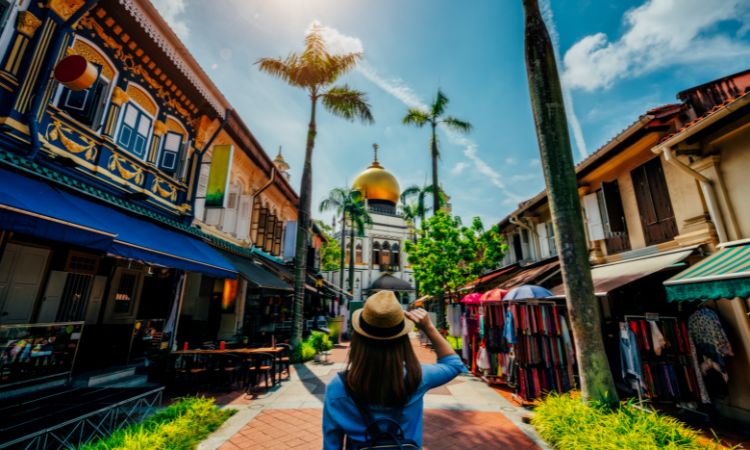
While Malia thrives as a beach resort, its surroundings reveal opportunities for exploration in Crete’s varied landscapes. Hiking enthusiasts can venture into nearby trails that weave through olive groves, gorges, and mountain villages. One popular route leads towards the inland hills, passing terraced fields and offering panoramic views of the northern coast. Early morning departures are recommended to avoid midday heat; local guides can arrange excursions with insights on flora, fauna, and local legends.Adventure travellers can combine hiking with visits to traditional villages such as Krasi or Piskopiano, where stone houses and narrow alleys reflect long-standing Cretan architecture. Stops at village kafeneia (coffee houses) allow sampling of local refreshments—Greek coffee, herbal teas, and homemade snacks—while interacting with residents and learning about rural life. Guides often include visits to family-run olive or honey producers, demonstrating traditional methods and offering tastings. These immersive experiences link outdoor activity with culinary discovery, deepening appreciation for Crete’s natural bounty.For those seeking more adrenaline, organised excursions such as canyoning in nearby gorges, mountain biking routes, or all-terrain jeep safaris introduce rugged landscapes. Safety-conscious travellers should choose reputable operators who provide equipment, experienced guides, and clear briefings. Seasonal considerations matter: spring and autumn deliver milder temperatures perfect for extended treks, while summer hikes require early starts, sufficient water, sun protection, and lighter routes. Local visitor centres or accommodation hosts can supply up-to-date trail conditions and recommendations.Nature photography finds fertile ground: wildflowers in spring, dramatic rock formations in gorges, and expansive coastal vistas viewed from higher elevations create striking compositions. Birdwatchers may spot raptors soaring above hills or migratory species passing along the coast. Evening hikes or short walks at sunset allow capturing golden-hour light on olive trees and sea horizons. Travellers should coordinate with guides regarding timing and group size to ensure personalized experiences and minimal environmental impact.Overall, Hiking and Outdoor Adventures around Malia offer a refreshing counterpoint to beach days—inviting active travellers to engage with Crete’s interior landscapes, rural traditions, and natural wonders. Whether a gentle walk through olive groves or a more challenging canyoning excursion, these activities deepen the connection to the island’s environment and provide memorable stories beyond the shoreline.
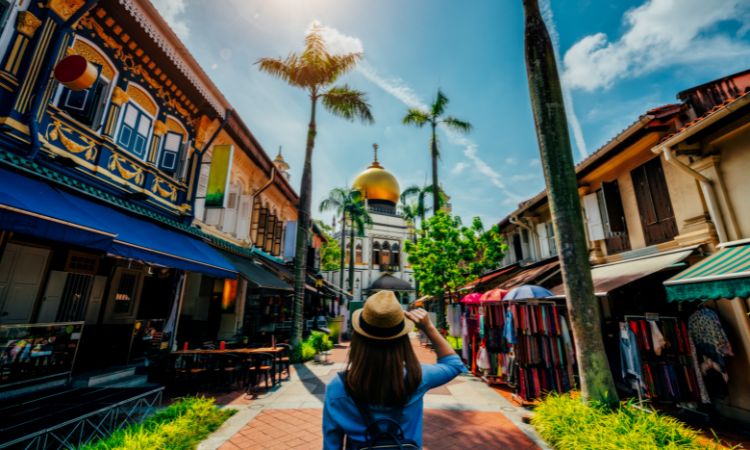
Malia’s coastal position makes it a hub for diverse marine activities that cater to both novices and seasoned water enthusiasts. The main beach hosts operators offering windsurfing, paddleboarding, kayaking, and jet-ski hire, with qualified instructors providing lessons for beginners. Calm morning seas create ideal learning conditions, while afternoon breezes sometimes favour wind-based sports. Equipment hire prices, displayed in British pounds (£), help visitors plan budgets—e.g., a paddleboard hire might cost around £15–£20 for a few hours, while windsurfing lessons could run £30–£40 per session.Snorkelling and scuba diving excursions depart from Malia to explore underwater landscapes. Guided snorkel trips highlight shallow reefs inhabited by diverse fish species, and some local dive centres organize introductory dives for first-timers, including safety briefings and equipment. Experienced divers can arrange certified dives at deeper sites, encountering caves, rock formations, and occasional shipwrecks. Underwater photographers often join for unique shots of marine life, with clear visibility typical in summer months.Boat trips range from short coastal cruises to longer sailing excursions. Day cruises may include swimming stops in secluded bays, snorkel gear, light refreshments, and commentary on coastal geology and ecology. Sunset cruises offer a romantic ambiance: passengers sip local wine while watching the sun dip below the horizon, with Malia’s shoreline fading into silhouette. Fishing charters are also available for those wishing to experience local fishing traditions; catch-of-the-day might then be grilled ashore in a taverna.For thrill-seekers, jet-ski tours along the coast provide adrenaline-pumping speed with scenic backdrops. Safety briefings and certified operators ensure responsible fun. Parasailing over the bay delivers panoramic aerial views of Malia and surrounding coastline. Seasonal sea kayaking expeditions can explore hidden caves and rocky outcrops, often guided by local experts who share knowledge of marine ecosystems and coastal history.Families can find gentler marine experiences: glass-bottom boat tours allow non-swimmers to observe marine life safely, while pedal boat hires offer leisurely drifting near shore. Beachside lifeguards and supervised activity zones enhance safety. For environmentally conscious travellers, some operators highlight sustainable marine practices, explaining local conservation efforts and encouraging respectful interaction with ecosystems.Water Sports and Marine Activities in Malia combine excitement, discovery, and relaxation. Whether gliding across calm seas on a paddleboard, diving into underwater worlds, or enjoying a sunset sail, these experiences enrich a seaside holiday. With transparent pricing in British pounds (£) and professional guidance, travellers can confidently embark on marine adventures suited to their skill levels and preferences.
No ads. No trails. No commitments


Alice Roses
London, England
51 ST MATTHIAS ROAD
NOTTINGHAM, NOTTINGHAMSHIRE
NG3 2HF
Hours: 8:00 - 17:00, Mon - Sat
support@johnsonholidays.com