 Djerba Travel
Guide
Djerba Travel
Guide
Paris is known around the world as the “capital of love,” and even if you don't understand the history of Paris at all

3.5 Hours
£1.30
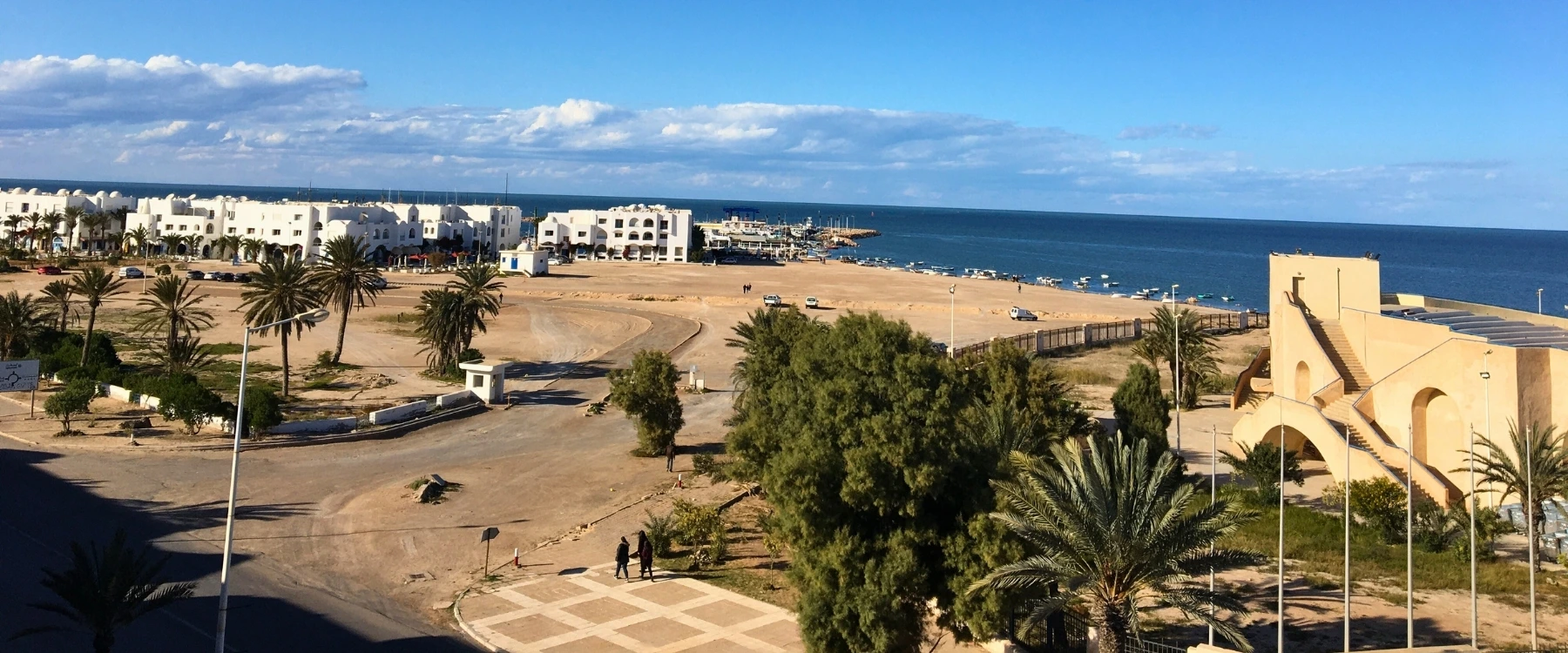
Djerba’s coastline stretches along inviting golden sands and calm, shallow waters, perfect for leisurely swims and sunbathing. The Mediterranean climate ensures long sunny days, especially between May and October, making beach time reliably enjoyable. Secluded coves and lively beach clubs coexist here, allowing travelers to choose tranquil relaxation or seaside vibrancy. Water sports enthusiasts can find conditions suited to paddleboarding, kayaking, and wind-based activities. The island’s compact size means many beaches are within easy reach of accommodations, so you can maximize time lounging by the sea. With gentle sea breezes tempering the heat, Djerba’s beaches are a year-round highlight for families, couples, and solo travelers alike.
Learn More
Centuries-old traditions thrive in Djerba’s whitewashed villages and historic sites. In Houmt Souk, wandering narrow streets reveals artisan workshops producing pottery, weaving, and silver jewelry. The El Ghriba Synagogue, one of Africa’s oldest, invites reflection on the island’s diverse religious history. Local festivals—celebrating folklore, music, and gastronomy—offer authentic immersion into Djerba’s cultural tapestry. Visits to Berber villages enable interaction with communities preserving ancestral crafts and agricultural methods. Culinary heritage shines through in family-run eateries serving dishes enriched by olive oil and local spices. This intertwining of Mediterranean, Berber, Arab, and Jewish influences ensures cultural explorations in Djerba are both educational and deeply rewarding.
Learn More
Djerba’s gastronomy celebrates fresh seafood, locally grown produce, and centuries-old olive cultivation. Tasting menus often feature grilled fish, tagines with island-grown vegetables, and couscous infused with regional spices. Olive oil tours at restored mills highlight the traditional pressing methods and the flavor profiles unique to Djerba’s olives. Visitors can participate in workshops to create dishes using olive oil, citrus, and aromatic herbs. Markets brim with fresh produce, dates, and artisanal products. Culinary tours combine visits to family-run restaurants and cooperative tastings, revealing how local ingredients shape island flavors. For food lovers, Djerba offers an authentic taste of Tunisia’s Mediterranean heritage.
Learn More
Safe beaches with gentle waters, spacious resorts offering kids’ clubs, and family-oriented excursions make Djerba ideal for multigenerational travel. Accommodation options range from all-inclusive resorts with supervised children’s activities to private villas with pools. Day trips include educational visits to cultural sites like the Guellala pottery village, interactive workshops where children learn crafts, and wildlife excursions spotting flamingos in salt marshes. Many restaurants welcome families with adaptable menus. The island’s laid-back pace and community-oriented villages create a supportive environment for families seeking quality time in a sunny setting. Parents appreciate both relaxation possibilities and engaging activities for younger travelers.
Learn More
Beyond beaches, Djerba offers varied adventure options: horseback rides along the shore at sunrise, quad biking over desert-like dunes, and sailing on traditional feluccas at dusk. Cyclists can explore rural lanes winding through date palm groves and olive orchards. Watersports such as windsurfing and kite-surfing find favorable conditions on certain coastal stretches. Birdwatching excursions target migratory species like flamingos in nearby wetlands. For those seeking less common experiences, fishing trips, scuba diving off rocky outcrops, and desert day tours provide a sense of discovery. Tour operators adapt activities for different fitness levels, ensuring both adrenaline seekers and moderate adventurers find suitable options.
Learn More
Wellness offerings on Djerba blend Mediterranean spa traditions with local treatments. Hammam experiences in boutique spas use natural ingredients like local olive oil, honey, and aromatic herbs. Thalassotherapy centers leverage mineral-rich seawater for rejuvenating treatments. Yoga and meditation retreats often take place overlooking the sea, fostering mindfulness amid tranquil surroundings. Many resorts feature spa packages combining massages, body scrubs, and thermal baths. Wellness-focused cuisine menus emphasize fresh, wholesome ingredients. For travelers seeking to unwind, Djerba provides an environment where soothing coastal rhythms and therapeutic treatments intersect, leaving guests refreshed and balanced.
Learn More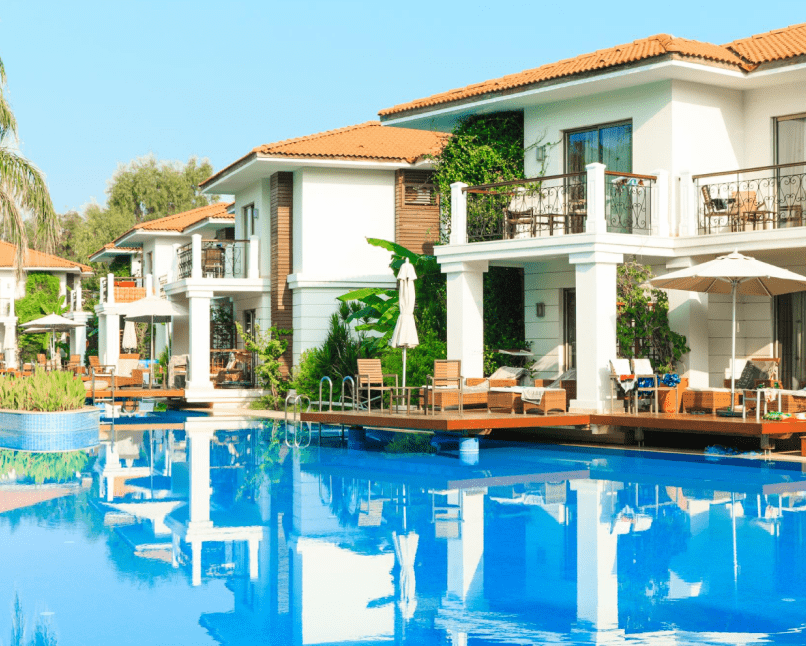
Lorem ipsum dolor, sit amet consectetur adipisicing elit. At illo adipisci iusto
From

Because more than 268 other customers have loved us too

Demonstrates commitment to user data security through encryption and secure payment practices
Learn More
Demonstrates commitment to user data security through encryption and secure payment practices
Learn More
Demonstrates commitment to user data security through encryption and secure payment practices
Learn More
Demonstrates commitment to user data security through encryption and secure payment practices
Learn More
Quality as judged by customers. Book at the ideal price!


/ person
/ person
/ person
Djerba’s beaches are its hallmark, offering varied coastal experiences suited to different traveler preferences. From broad sandy bays where families can lounge and paddle in calm, shallow waters to quieter coves framed by dunes and occasional rocky outcrops, the island’s shoreline beckons sun-seekers and serenity lovers. In peak months of July and August, beach clubs provide daybeds, umbrellas, and refreshments, with attentive service framed by Mediterranean vistas. For those preferring tranquility, early mornings reward with gentle sea breezes and near-empty sands—ideal for yoga sessions, beachside reading, or simply soaking in sunrise hues.Beach amenities are generally well-organized: showers, changing rooms, and lifeguard stations at popular stretches ensure convenience and safety. Water sports operators set up stations offering paddleboarding, kayaking, and snorkeling gear. Underwater sights include small reefs and marine life in clear waters; guided snorkeling tours introduce novices to local aquatic ecosystems. For families, shallow entry points mean children can play safely under supervision.Beyond sunbathing, morning walks along the water’s edge reveal hidden shells and small tide pools. Sunset vistas transform beaches into romantic settings—couples can book private beach dinners or stroll along the shoreline as the sun dips into the horizon. Photography enthusiasts find endless inspiration: the interplay of light and water, dune patterns, and silhouettes against fiery skies.More adventurous visitors can explore beachside trails linking different coastal zones or combine beach time with nearby cultural sites—some beaches sit within short drives of historic villages. Also, certain beaches host local festivals in summer, featuring music, dance, and communal dining under stars. Regardless of season, Djerba’s beaches fuse relaxation and sensory engagement, securing their place at the heart of any island itinerary.
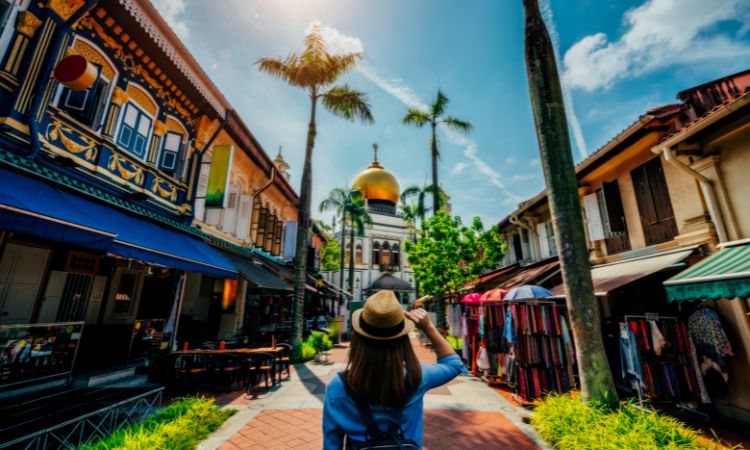
For active travelers, Djerba presents a range of watersports and coastal adventures. Calm bays are perfect for paddleboarding and kayaking, allowing exploration of shallow inlets and nearby islets. Rental operators provide equipment and brief orientation sessions, making these activities accessible even to beginners. Snorkeling excursions depart from shallow reefs, revealing colorful fish, seagrass beds, and occasional octopus or cuttlefish sightings; guided tours ensure safety and deeper understanding of marine habitats.Wind-based sports flourish on certain windier stretches: windsurfing and kite-surfing schools cater to varying skill levels. Instructors guide novices through basics, while experienced surfers can test wind patterns typical of Mediterranean summers. Equipment rental and instruction often available through hotels or local centers. Scuba diving opportunities exist around rocky outcrops and artificial reefs; certified dive centers offer introductory dives for newcomers and deeper explorations for certified divers, revealing underwater landscapes shaped by sandbanks and marine fauna.Boat excursions span traditional felucca sails to motorized catamaran trips. Sunset sailing on a felucca offers a romantic and serene perspective of Djerba’s coastline, with gentle breezes and panoramic views. Day cruises may include stops at secluded beaches, opportunities to swim in clear waters, and onboard refreshments featuring local specialties. Fishing trips appeal to enthusiasts seeking Mediterranean catches; local fishermen share techniques, and guests can often keep their catch for preparation later.Seasonally, calm spring and autumn seas provide ideal conditions for watersports; summer months can be warmer but still favorable, especially early morning or late afternoon sessions. Safety and environmental awareness are emphasized: operators monitor weather conditions and enforce guidelines to protect marine ecosystems. Coastal adventure in Djerba blends excitement with natural beauty, allowing visitors to engage actively with the island’s maritime environment.
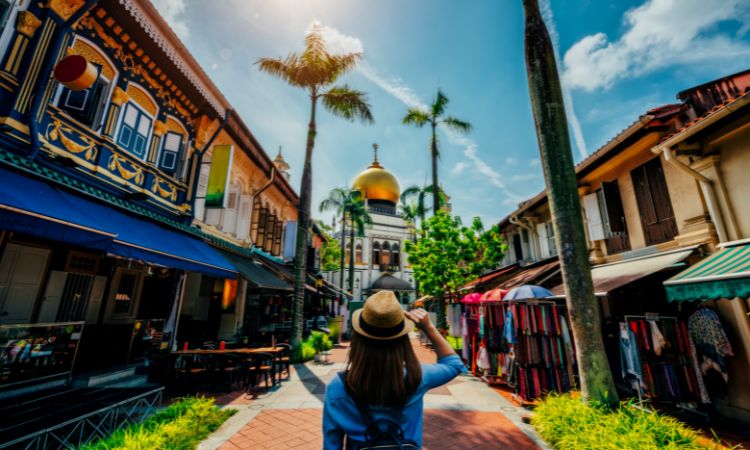
Djerba’s identity is woven from centuries of cultural interplay—Berber, Arab, Jewish, and Mediterranean influences converge in architecture, rituals, and daily life. Houmt Souk, the island’s principal town, serves as a living museum: narrow alleys open onto bustling souks where artisans create pottery, weaving, and silver jewelry using traditional methods passed down through generations. Visiting workshops affords insight into local craftsmanship—from shaping clay in Guellala villages to intricate embroidery in family studios.The El Ghriba Synagogue, perched in a palm oasis, is among Africa’s oldest synagogues. Pilgrims and curious visitors converge annually for the Lag b’Omer festival, experiencing a unique blend of reverence and celebration. Even outside pilgrimage times, guided visits highlight the synagogue’s history, sacred artifacts, and its role as a symbol of religious coexistence. Nearby mosques and small chapels underscore Djerba’s diverse spiritual landscape; respectful visits provide deeper cultural context.Village life remains anchored in agricultural rhythms: olive and date harvests mark seasonal cycles. Participating in guided harvest experiences or olive oil pressing demonstrations connects travelers to age-old practices. Local families sometimes welcome guests to share home-cooked meals featuring regional recipes, offering candid glimpses into everyday island life. Festivals celebrate folklore, music, and dance—summer events often combine performances with communal feasts.Museums and cultural centers present ethnographic exhibits: traditional costumes, tools, and oral histories document how islanders adapted to Mediterranean and Saharan influences. Storytelling sessions with elders recount legends of seafaring, desert journeys, and mythical tales tying Djerba to Odysseus lore. Engaging with local guides ensures respectful immersion, supporting community-based tourism. Cultural exploration in Djerba enriches understanding of Tunisia’s plural heritage and fosters meaningful connections beyond surface-level sightseeing.
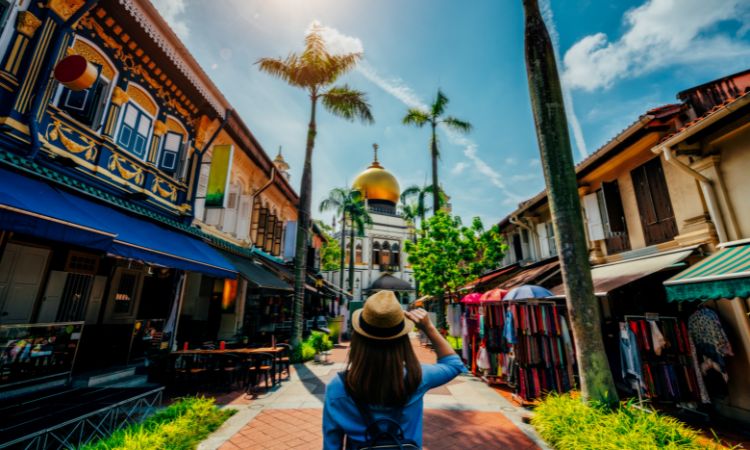
Djerba’s culinary scene is anchored in fresh seafood, locally grown produce, and time-honored recipes enriched by olive oil and aromatic herbs. Morning visits to local markets reveal vibrant arrays: ripe tomatoes, peppers, dates, and citrus fruits alongside spices and preserved goods. Stallholders often share tasting samples, inviting dialogue on ingredient provenance and cooking techniques. Exploring markets early ensures peak freshness and fewer crowds.Cooking workshops led by local chefs or home cooks reveal how to assemble classic Tunisian dishes: brik (crispy pastry with egg and tuna), tajine (a baked egg dish distinct from Moroccan versions), and seafood tagines infused with saffron and harissa. Guests learn to balance flavors—olive oil’s fruity notes, preserved lemons’ tang, and spices like cumin and coriander. Visiting fishing docks offers perspective on daily catches; choosing fish for a specially arranged meal ties culinary enjoyment directly to local livelihoods.Olive oil tours are a highlight: ancient or modern presses situated amid groves allow participants to taste oils at different pressing stages and learn about olive varietals unique to Djerba. Some tours include meals showcasing olive oil’s versatility—from drizzling over salads to enriching baked goods. Date groves also feature in tastings: varieties range from sweet Deglet Nour to smaller local cultivars, often paired with nuts or used in desserts.Evening dining spans casual cafes serving mezze plates—briny olives, labneh, grilled vegetables—to upscale restaurants offering refined interpretations of Tunisian classics. Seafood restaurants along the coast deliver fresh catches grilled or stewed, often accompanied by couscous or bulgur. Sweet treats like makroud (date-filled pastries) or almond-infused desserts conclude meals. Wine is limited due to local culture, but non-alcoholic beverages like mint tea, fresh fruit juices, and coffee preparations complement dishes.Culinary journeys in Djerba combine sensory discovery with storytelling—hosts share anecdotes tying recipes to family history or island legends. Market explorations and cooking experiences foster connections with residents, grounding tourism in authentic engagement. For food enthusiasts, Djerba offers a delicious window into Mediterranean North Africa.
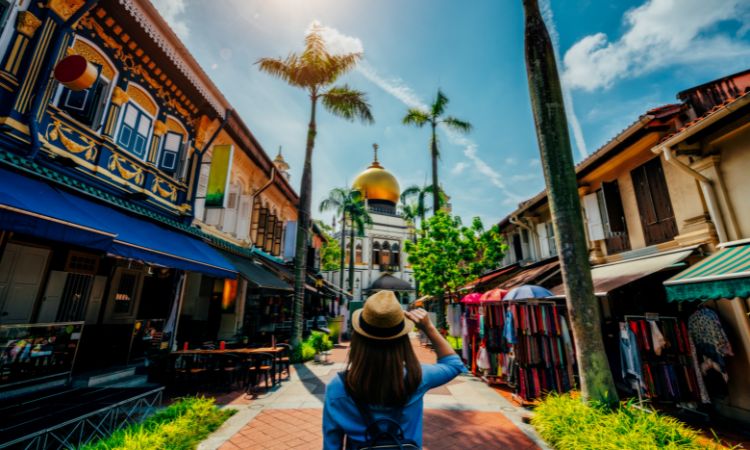
Djerba’s tranquil ambiance provides an ideal backdrop for wellness retreats. Spa facilities at resorts and boutique centers integrate Mediterranean and local ingredients—olive oil, honey, aromatic herbs—into hammam rituals, massages, and body scrubs. Traditional hammams cleanse and revitalize, often followed by relaxing massages blending gentle pressure with rhythmic strokes to soothe muscles after active days.Thalassotherapy centers harness mineral-rich seawater for therapeutic baths, promoting circulation and skin health. Some packages include mud treatments sourced from nearby salt flats, offering natural detoxification. Yoga and meditation sessions frequently take place overlooking the sea at sunrise or sunset, guided by instructors attuned to local rhythms. Retreat programs may span single-day pampering sessions to multi-day wellness escapes combining mindful movement, nutritious meals, and cultural immersion.Nutrition is integral: spa menus emphasize fresh, seasonal produce—vegetable-centric dishes, lean proteins like grilled fish, and fruit-based desserts. Culinary workshops can be combined with wellness stays, teaching participants how to recreate lighter versions of Tunisian dishes at home. Relaxation areas often feature panoramic views of palm groves or the Mediterranean horizon, encouraging reflection. Evening routines might include guided breathing exercises under starlit skies or gentle stretches on the beach.For those seeking deeper retreats, some centers offer holistic therapies: aromatherapy using locally distilled essential oils, reflexology treatments referencing traditional knowledge, and group workshops on stress management. Wellness in Djerba is both restorative and experiential—connecting visitors to nature, local traditions, and personal well-being practices. Whether short spa breaks or extended retreats, Djerba’s offerings restore balance and leave guests with lasting relaxation benefits.
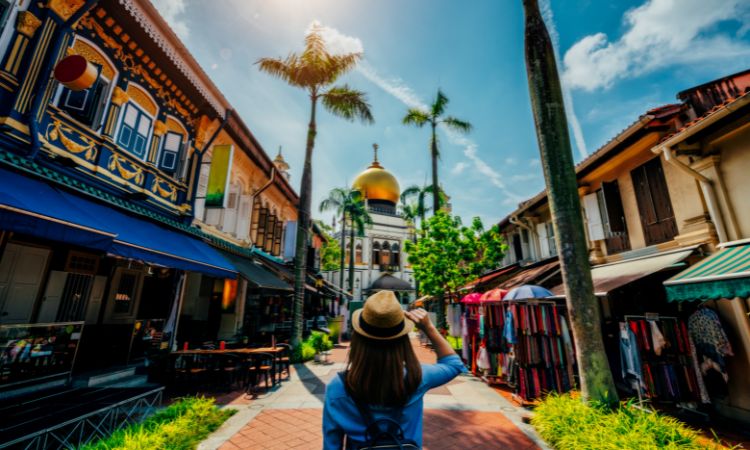
Djerba’s natural habitats extend beyond beaches to wetlands, salt marshes, and palm groves, supporting diverse flora and fauna. Eco-tours led by knowledgeable guides showcase the island’s ecosystems, emphasizing conservation and sustainable tourism. Seasonal bird migrations bring species like flamingos to nearby lagoons; guided birdwatching trips provide opportunities to observe and photograph these elegant birds in flight or feeding in shallow waters. Binoculars and local expertise reveal other waterfowl, waders, and migratory songbirds resting on the island during their journeys.Salt flats, historically significant for salt production, create unique landscapes. Walking tours explain traditional salt harvesting and its ecological role. Some operators incorporate visits to neighboring islands or protected areas reachable by boat, expanding chances to see rare plants and animals. Date palm groves and olive orchards also support biodiversity; walking or cycling routes through agricultural zones combine cultural insights with nature observation. Guides point out native plant species used in local crafts, medicine, or cuisine, enriching understanding of island ecology.Eco-friendly practices are emphasized: small-group tours, minimal-impact routes, and promotion of local community engagement. Visitors learn about challenges such as water scarcity and conservation efforts to protect habitats. Sustainable snorkeling and diving guidelines ensure marine environments remain healthy. Educational workshops may cover topics from beekeeping with island honey to traditional irrigation methods conserving water.For nature enthusiasts, Djerba balances relaxation with ecological discovery. Participating in eco-tours supports local conservation initiatives and provides a deeper sense of place. Birdwatching at dawn, walking amid palm groves at dusk, and learning about traditional practices all contribute to meaningful encounters with Djerba’s natural world..
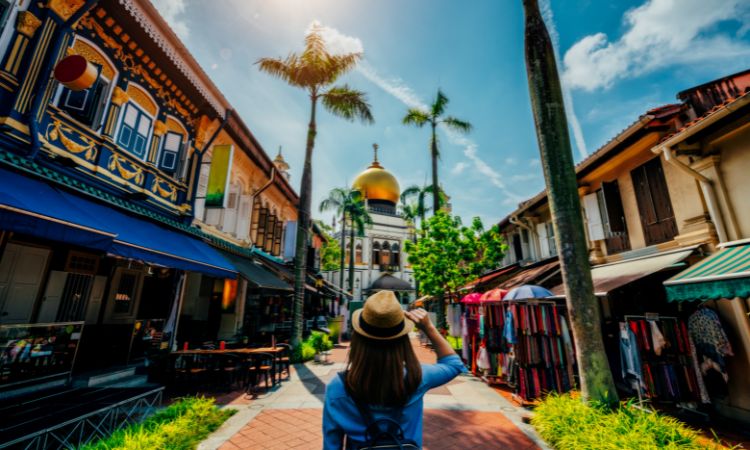
Though primarily known for its beaches, Djerba’s inland and nearby desert-like areas offer off-road exploration opportunities. Quad biking across sandy dunes provides adrenaline-pumping rides guided by experienced operators prioritizing safety and environmental respect. Sunset tours combine desert vistas with cultural elements—stops at traditional tents for mint tea or small performances featuring local music and dance around campfires.Camel treks along coastal dunes evoke traditional nomadic experiences. For a more immersive trip, multi-hour rides traverse shifting sands, with guides sharing insights into desert ecology and Berber traditions. Stargazing in the clear desert sky is unforgettable: guided nights include telescopic views, discussions of constellations, and stories from local folklore linking stars to island legends.4x4 excursions venture slightly beyond Djerba to nearby arid landscapes and oases. These tours explore Berber-influenced villages, ancient caravan routes, and isolated spots where one can picnic amid solitude. Photography excursions capture contrasts between coastal greenery and desert expanses. Seasonal variations bring different experiences: cooler months suit longer rides; summer evenings deliver dramatic sunsets and balmy nights.Adventure seekers can combine off-road tours with cultural stops—visiting family farms harvesting dates or olives, sampling local products along the way. Safety briefings ensure responsible riding; environmental guidelines minimize disturbance. Whether on quad bikes, camels, or in rugged vehicles, exploring Djerba’s hinterlands reveals a different side of the island beyond its coastal identity.
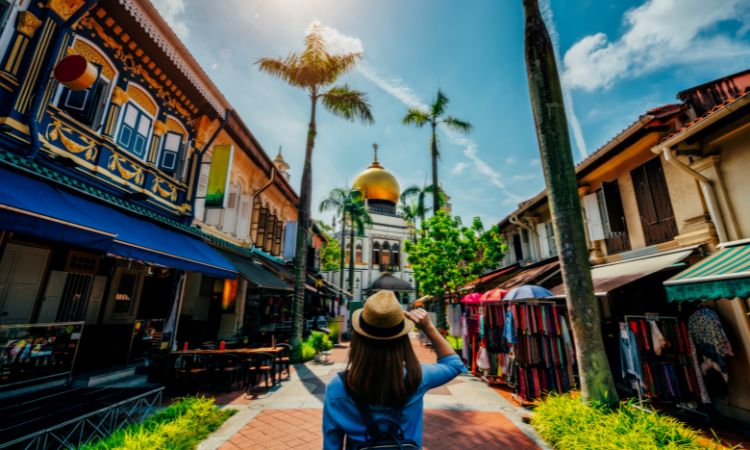
Cycling in Djerba offers a leisurely way to connect with landscapes and communities. Flat terrain across much of the island suits cyclists of varying fitness levels. Guided cycling tours navigate paths through olive groves, date palm fields, and rural villages, stopping at artisan workshops and local eateries. Experienced guides share insights on traditional agriculture, inviting participants into farmyards to taste fresh produce or observe craft demonstrations.Coastal cycling routes follow roadways adjacent to beaches, offering sea views and breezes. Early morning rides are especially pleasant before heat intensifies; sunset cycles blend exercise with romantic vistas. Some operators provide e-bikes for those preferring assistance on longer circuits. Safety measures include helmets, route briefings, and support vehicles for longer excursions.For more experienced cyclists, multi-day itineraries combine Djerba with nearby mainland areas via short ferry or boat transfers. These extended trips explore varied terrain: coastal roads transition to more undulating landscapes on the mainland, exposing cyclists to different scenery and cultures. Overnight stays in guesthouses allow deeper immersion into local life.Cycling initiatives often partner with community projects—proceeds support local schools or conservation efforts. This responsible tourism model enhances the experience: travelers pedal through beautiful settings while contributing positively to island development. Whether casual riders or cycling enthusiasts, exploring Djerba by bike reveals hidden corners, fosters local connections, and provides serene immersion in island rhythms.
No ads. No trails. No commitments


Alice Roses
London, England
51 ST MATTHIAS ROAD
NOTTINGHAM, NOTTINGHAMSHIRE
NG3 2HF
Hours: 8:00 - 17:00, Mon - Sat
support@johnsonholidays.com