 Bologna Travel
Guide
Bologna Travel
Guide
Paris is known around the world as the “capital of love,” and even if you don't understand the history of Paris at all

2 Hours
£3.50

Bologna’s reputation as Italy’s food capital is unrivaled. Here, every dish is steeped in tradition: from silky tortellini and tagliatelle al ragù to rich mortadella sandwiches. Regional specialties like lasagne verdi and crescentine punctuate menus in family-run trattorie, where recipes are safeguarded across generations. Markets brim with fresh produce, artisanal cheeses, and cured meats, inviting food enthusiasts to taste and learn through cooking classes. The chance to sample authentic balsamic vinegar in nearby Modena and pair local Lambrusco wines elevates the gastronomic journey. Whether dining in hidden courtyard osterie or bustling market stalls, Bologna transforms meals into cultural immersion, making it an essential destination for culinary travelers seeking genuine flavors.
Learn More
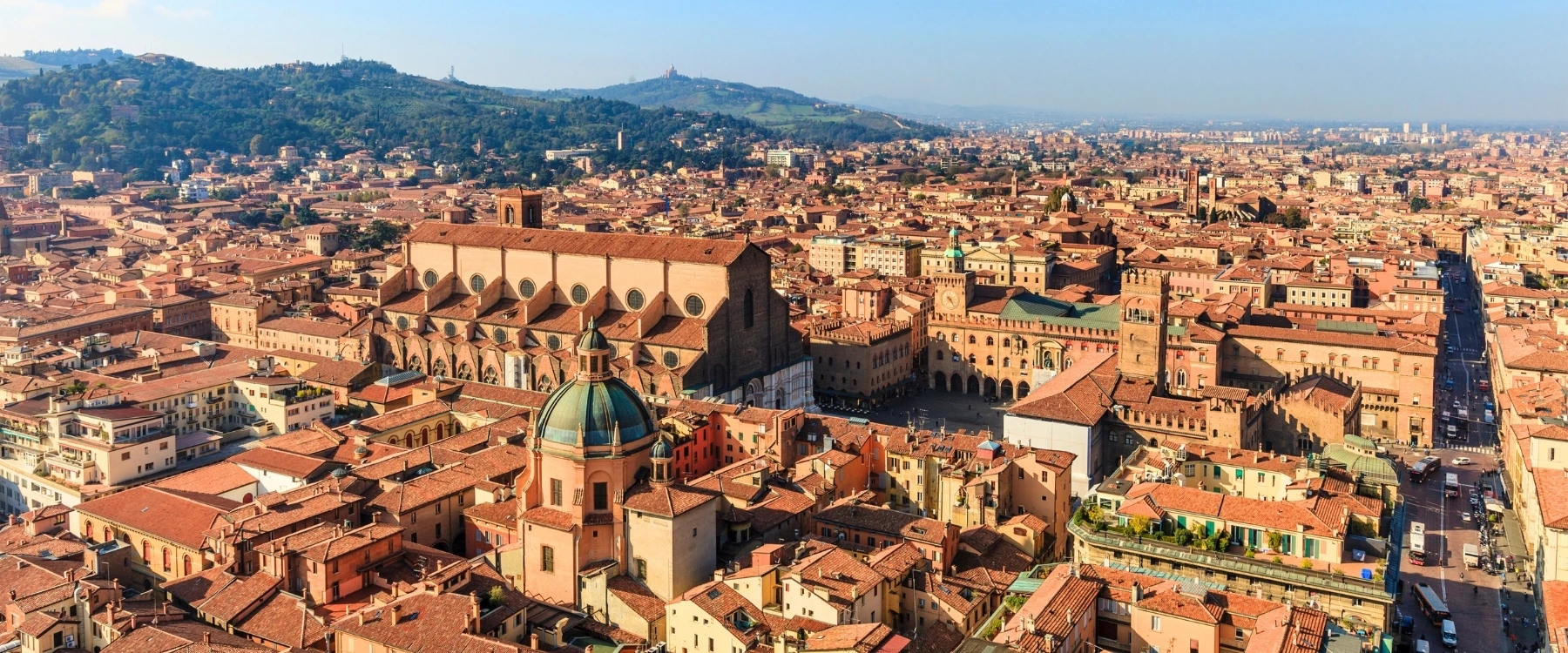
Bologna’s historic center is a labyrinth of terracotta buildings, porticoes, and medieval landmarks. Towering over the city, the Asinelli and Garisenda towers testify to rival families’ ambitions in the 12th century, offering panoramic views for those who climb their dizzying steps. Piazza Maggiore, framed by the Basilica di San Petronio and Palazzo d’Accursio, provides a focal point for both history buffs and casual strollers. The extensive portico network, recognized by UNESCO, shields explorers from sun and rain, guiding them to hidden courtyards and artisan workshops. Ancient university buildings, ornate churches, and historic libraries imbue each street with stories. Booking Bologna means stepping into a living medieval tapestry, where architecture narrates centuries of Italian evolution.
Learn More
As home to the University of Bologna—founded in 1088 and considered the world’s oldest university—the city pulsates with youthful energy and scholarly tradition. Lecture halls coexist with lively cafés where students and locals debate art, politics, and science. Museums like the Pinacoteca Nazionale showcase art from medieval masters to modern innovators, while contemporary galleries spotlight emerging talent. The Archiginnasio, once the university’s main building, houses the Anatomical Theatre, unveiling Renaissance medical history. Festivals throughout the year celebrate film, music, literature, and theater, ensuring there’s always a cultural event for curious visitors. Booking Bologna invites travelers into an intellectually stimulating atmosphere where past and present converge in vibrant exchanges.
Learn More
Strategically situated in Emilia-Romagna, Bologna serves as an ideal hub for exploring northern Italy. High-speed trains connect easily to Florence, Venice, Milan, and Rome, while regional lines link to charming towns like Modena, Parma, Ferrara, and Ravenna. Scenic car journeys lead into the Apennines for hiking, wellness retreats in thermal spas, and visits to vineyards and olive groves. Day trips allow immersion in diverse experiences: art treasures in Ravenna’s mosaics, Ferrari heritage in Maranello, and Parmesan production in Parma’s countryside. By booking Bologna, travelers gain a convenient base for maximizing Italian itineraries while returning each evening to the city’s unique charm.
Learn More
Bologna’s calendar is punctuated with events celebrating everything from jazz to film to food. The Bologna Jazz Festival attracts international artists, while film festivals screen indie and classic cinema. Gastronomic fairs, such as street food markets and wine tastings, spotlight regional producers. Historical reenactments and design weeks animate streets with costumes, installations, and workshops. Seasonal celebrations—Easter processions, Christmas markets, summer open-air concerts—create lively atmospheres. Attending these events allows visitors to connect with local traditions and contemporary culture alike. Booking Bologna ensures access to a dynamic schedule that enriches any trip with memorable experiences and insider perspectives.
Learn More
Beyond landmarks, Bologna captivates through authentic encounters: exploring artisan workshops crafting leather goods or ceramics; joining cooking classes in family kitchens; cycling along Via Emilia through vineyards; sipping espresso in historic cafés where scholars once gathered; and shopping at neighborhood markets to converse with vendors. Small osterie tucked in alleys offer hidden culinary gems, while local guides reveal secret viewpoints and untold stories. The city’s blend of tradition and innovation surfaces in street art adorning historic walls. Booking Bologna invites travelers to step off beaten paths and forge genuine connections, ensuring memories rooted in real local life rather than tourist clichés.
Learn More
Lorem ipsum dolor, sit amet consectetur adipisicing elit. At illo adipisci iusto
From

Because more than 268 other customers have loved us too

Demonstrates commitment to user data security through encryption and secure payment practices
Learn More
Demonstrates commitment to user data security through encryption and secure payment practices
Learn More
Demonstrates commitment to user data security through encryption and secure payment practices
Learn More
Demonstrates commitment to user data security through encryption and secure payment practices
Learn More
Quality as judged by customers. Book at the ideal price!


/ person
/ person
/ person

Bologna’s medieval core beckons history enthusiasts to wander its storied streets. Start at Piazza Maggiore, the city’s vibrant nucleus ringed by the Basilica di San Petronio, Palazzo Comunale, and the ornate Neptune Fountain. San Petronio’s incomplete façade hints at architectural ambitions spanning centuries, while its interior chapels and frescoes chronicle ecclesiastical art from the 14th to 17th centuries.Adjacent to the square, stroll beneath the UNESCO-recognized porticoes, a network extending over 38 km. Originally built to shelter citizens from sun and rain, these covered arcades also symbolize Bologna’s medieval wealth and civic pride. They lead to hidden courtyards, artisan workshops, and tucked-away cafés—ideal spots for an espresso under arched vaults.Venture onward to the iconic Two Towers. Climb the 498 steps of the Asinelli Tower for expansive panoramic views over red-tiled roofs and the surrounding plains. The neighboring Garisenda Tower, with its dramatic lean, offers a tangible reminder of medieval rivalries and engineering challenges, though it remains off-limits to climbers.Nearby lanes reveal medieval houses with carved wooden doorways, intricate capitals, and family crests that testify to the craftsmanship of a bygone era. Don’t miss the Archiginnasio, once the University of Bologna’s main building. Inside lies the Anatomical Theatre, a 17th-century wooden amphitheater where pioneering anatomy lectures took place—its carved statutes and vaulted ceiling provide a vivid glimpse into early scientific education.To truly immerse yourself, allow a full day for self-guided or small-group walking tours that spotlight lesser-known landmarks: the Church of Santa Maria della Vita, home to Niccolò dell’Arca’s dramatic terracotta group; or the Oratory of Santa Cecilia, with frescoed walls depicting medieval devotion. Early-morning or late-afternoon visits help you avoid crowds and bathe terracotta façades in golden light.Pause beneath the porticoes at family-run cafés to sample cappuccino and cornetti, reflecting on centuries of urban life sheltered by these arches. The intertwining of commerce, scholarship, and faith in Bologna’s medieval heart reveals a living tapestry—where every narrow alley and soaring tower narrates Italy’s enduring story.

Bologna’s cultural riches extend far beyond its medieval core, embracing art, modern creativity, and architectural marvels. Begin at the Pinacoteca Nazionale, housed in a serene former monastery near Piazza Maggiore. Here, galleries chronicle Italian art from the 13th to 18th centuries, showcasing Giotto’s proto-Renaissance altarpieces, Raphael’s delicate Madonnas, and the Carracci brothers’ dynamic Baroque compositions. Each hall reveals evolving styles and techniques that shaped European art.For contemporary perspectives, head to MAMbo (Museo d’Arte Moderna di Bologna). Rotating exhibitions spotlight avant-garde artists, multimedia installations, and cutting-edge video art, reflecting Bologna’s ongoing role as a creative incubator. The museum’s industrial-style space—once a warehouse—is itself a statement of adaptive reuse, blending heritage with innovation.Architectural highlights abound. The Santo Stefano complex—nicknamed “Le Sette Chiese” (the Seven Churches)—is a labyrinth of chapels, cloisters, and ruins spanning centuries of devotional architecture. Outside the city center, the San Luca Sanctuary perches atop Colle della Guardia. Pilgrims and walkers ascend its 3.8 km covered portico—the world’s longest—to reach panoramic terraces revealing Bologna’s skyline framed by distant Apennines.Narrow alleys conceal small galleries and artisan studios where visitors can attend printmaking or fresco-restoration workshops. During Bologna’s vibrant art festivals—like Bi-City Biennale—temporary installations animate public squares and historic courtyards. Photography enthusiasts will find endless subjects: carved capitals on portico columns, geometric façade patterns, and colorful street art juxtaposed with ancient walls.Efficient museum passes grant access to multiple venues at reduced rates. Plan indoor visits for midday, using softer light to appreciate canvases and sculptures, then schedule outdoor explorations—towers, sanctuaries, and porticoes—during early morning or late afternoon when shadows accentuate architectural details. Guided tours delve into hidden frescoes, private collections, and artisan workshops, offering insider insights.By dedicating time to Bologna’s art and architecture—from medieval masterpieces to modern expressions—you’ll witness a city where history and innovation converge, making every corner a testament to creativity across the ages.

Bologna’s global culinary reputation springs from its dedication to tradition and quality ingredients. Begin at family-run osterie off busy thoroughfares to taste tagliatelle al ragù—wide fresh noodles bathed in a slow-cooked meat sauce balanced with soffritto aromatics. On special occasions, locals savor tortellini in brodo, tiny pasta parcels floating in rich capon broth.Language of flavor comes alive in markets like Mercato di Mezzo and Mercato delle Erbe, where stalls brim with seasonal produce, wheels of Parmigiano-Reggiano (aged to achieve nutty complexity), and slices of mortadella flecked with pistachios. Chat with vendors to learn about local practices and sample comparisons across aging stages.Cooking classes—often hosted in intimate kitchens—teach hands-on techniques for kneading egg pasta, crafting ragù, and preparing torta di riso (rice-cake dessert) or zuppa inglese (custard-soaked sponge). Following the class, enjoy your creations paired with regional imbevibili: Lambrusco, a lively red sparkling wine, or Pignoletto, a crisp white from nearby Colli Bolognesi.Bologna’s aperitivo culture flourishes at wine bars where twilight patrons sip Aperol Spritz or Campari Soda alongside cicchetti—small bites like crescioni (stuffed flatbreads) and speck with gnocco fritto. For deeper excursions, book a tasting in Modena’s acetaia to witness traditional balsamic vinegar barrel aging—flavors range from sharp and tangy to sweet and syrupy.Vineyard tours traverse Emilia-Romagna’s countryside, sampling Lambrusco, Sangiovese, and Albana di Romagna in family-run cantine. Picnics among vine-clad hills bring fresh ricotta, salumi platters, and crusty bread, illustrating farm-to-table ethos.Street-food vendors fill gaps between meals: grab a piadina folded around prosciutto and squacquerone cheese, or seek out gelato artigianale—creamy creations in innovative flavors at beloved gelaterie.Budgeting in British pounds: mid-range trattoria dinners average £25–£35 per person; market tastings or street bites can cost £5–£10 each. Guided food tours (£50–£70) span multiple venues, offering curated samplings. Vegetarian and gluten-free options are increasingly available—simply inquire in advance.Whether you choose a leisurely multi-course meal in a centuries-old osteria or a market-hopping adventure, Bologna’s culinary scene delivers rich flavors, cultural immersion, and memories to recreate at home.

Emilia-Romagna’s fertile plains and undulating hills foster a vibrant network of artisans dedicated to wine, cheese, vinegar, and specialty crops. In central Bologna, weekly farmers’ markets bring small-scale growers selling heirloom vegetables, seasonal fruits, and artisanal preserves. Engaging with vendors reveals sustainable methods and age-old seed varieties that sustain regional biodiversity.Cheese enthusiasts venture to Parma and Reggio Emilia for tours of Parmigiano-Reggiano dairies. Here, visitors observe the stirring of curds in copper vats, the meticulous wheel pressing, and the leisurely aging process in humid cellars. Tasting sessions compare younger and older wheels, highlighting textural shifts from creamy to granular and flavor evolution from milky sweetness to deep umami.Just south of Modena, ancient acetaie (barrel houses) preserve centuries-old traditions of balsamic vinegar production. Guided tours wind through cellars of stacked barrels, each imparting subtle notes of wood and oxidation. Tasting flights—from acetello (young) to extravecchio (20+ years old)—showcase balsamic’s journey from tangy punch to velvety sweetness.Wine routes traverse Lambrusco estates, where sparkling reds mirror the region’s convivial spirit. Cellar visits include barrel tastings paired with local salumi—mortadella, prosciutto, and culatello—to illustrate perfect harmonies. White wine aficionados explore hills producing Albana di Romagna and Pignoletto, tasting crisp, floral notes balanced by mineral structure. Booking a guided wine tour ensures safe transport and expert insights into terroir, clones, and vinification techniques.Back in Bologna, intimate enoteche curate selections from small producers, allowing side-by-side comparisons of regional labels alongside charcuterie boards. Seasonal festivals—Truffle Fair in the Apennines, tagliatelle celebrations, chestnut festivals—align travel with harvest rhythms, inviting hands-on workshops in foraging, curing, and jam-making.Photographers capture pastoral vistas: rows of vines under golden light, aged wood barrels in shadowed cellars, and farmhouses framed by rolling hills. Budgeting: cheese or vinegar tours range £30–£60 (including tastings); wine excursions cost £40–£80 per person. Purchasing bottles directly from producers offers cellar-door value and supports small businesses.Whether browsing bustling city markets or venturing into countryside estates, these immersive producer visits connect you to the heart of Emilia-Romagna’s agri-culinary heritage, forging memorable bonds between flavor, landscape, and community.

Bologna’s strategic location and efficient rail network make it an ideal base for exploring Emilia-Romagna and beyond:Modena (25 min by train):UNESCO Cathedral & Torre Ghirlandina: Explore pink-marble façades and medieval sculpture.Acetaie Tours: Discover the multi-barrel aging of traditional balsamic vinegar with guided tastings.Ferrari Museum: In nearby Maranello, engage with legendary sports cars and racing heritage.Parma (50 min by train):Duomo & Baptistery: Admire Romanesque frescoes and pink Verona marble.Cheese & Ham Tours: Visit Parmigiano-Reggiano dairies and Prosciutto di Parma producers for behind-the-scenes insights and tastings.Teatro Regio: Wander the elegant opera house or catch a performance.Ferrara (40 min by train):Este Castle & City Walls: Rent a bike to cycle atop Renaissance fortifications.Palazzo dei Diamanti: Photograph its iconic diamond-pointed façade and enjoy art exhibitions inside.Ravenna (1 h 30 min by train):Byzantine Mosaics: Visit San Vitale and Mausoleo di Galla Placidia, UNESCO sites famed for luminous tesserae.Early Start Tip: Morning visits avoid crowds and capture soft light on mosaics.Apennine & Spa Retreats:Porretta Terme (1 h drive): Relax in natural hot springs and spa complexes.Hilltop Villages: Explore painted walls of Dozza and sample local wines amid medieval streets.Planning & Logistics:Train Tickets: Regional services require no reservation; purchase via app or station machines. Round-trip fares typically under €20.Guided Tours: Small-group excursions often bundle transport, tastings, and skip-the-line access. Expect £40–£70 per person.Independent Travel: Consider a rental car for off-beat countryside stops, budgeting €60–€80/day plus fuel.Pack a light daypack with water, snacks, and local map. Aim for early departures to maximize time in each destination, returning by evening to Bologna’s vibrant dining scene. These day trips provide diverse encounters with art, history, gastronomy, and nature—complementing your urban exploration with broader regional discovery.

Beyond Bologna’s urban pulse, the surrounding Emilian Apennines and countryside offer verdant escapes and outdoor thrills.Scenic Drives & Village Stays: Rent a car or join small-group tours to traverse rolling vineyards, olive groves, and medieval hill towns such as Castiglione dei Pepoli. Spring’s wildflowers and autumn’s chestnut woods paint landscapes in vibrant tones, perfect for photography and leisurely exploration.Hiking & Nature Trails:Forested Paths & Waterfalls: Trails around Monte Adone and Monte Bibele lead to shady woodlands and cascades, ideal for birdwatching and picnics.Apennine Peaks: Moderate hikes to vantage points like Corno alle Scale reward with panoramic views of the Po Valley.Wild Foraging Tours: Seasonal excursions teach identifying mushrooms, chestnuts, and wild herbs—accompanied by tasting sessions in rustic agriturismi.Adventure Activities:Mountain Biking: Forest tracks and bridle paths accommodate rental bikes and guided routes.Horseback Riding: Stables in foothill communities offer lessons and trail rides through pastures and wooded valleys.Winter Sports: In colder months, nearby resorts at Abetone provide snowshoeing, cross-country skiing, and light downhill slopes.Wellness & Spa Retreats:Porretta Terme: Soak in thermal pools rich in minerals, followed by spa treatments and massages.Rural Agriturismo: Some country estates incorporate small wellness centers, offering yoga classes, herbal infusions, and farm-to-table meals.Cultural Encounters:Ancient Abbeys & Castles: Discover hidden chapels and fortresses perched on hilltops, each with guided tours recounting regional lore.Local Festivals: Autumn chestnut fairs and spring village fêtes provide immersive experiences with traditional music, foods, and crafts.Practical Tips:Logistics: Public transport is limited—car rental or guided tours ensure reliable access.Packing: Layered clothing adapts to mountain climates; sturdy hiking boots and a daypack with water and snacks are essential.Budget: Full-day guided tours range £50–£100; car rentals cost £50–£70/day plus fuel.Embrace the Apennine and countryside adventures to balance Bologna’s historic charm with nature’s tranquility—creating a richly varied Emilia-Romagna itinerary..

Maximizing your time in Bologna involves blending smart logistics with local insights.Getting Around:On Foot: The historic center is largely pedestrianized; comfortable footwear is a must for cobblestones and tower climbs.Porticoes: Follow these covered arcades (38 km total) to navigate sun or rain while discovering hidden churches and cafés.Public Transport: ATC buses and trolleybuses connect suburbs—buy tickets (€1.50/75 min) via the ATC app or at tabacchi shops, then validate on board.Bicycles: Rental stations and private shops offer city bikes; bike lanes cover many avenues, though avoid restricted ZTL zones.Taxis & Ride-Share: Flag down cabs in central squares or book via app; expect a €6–€10 base fare plus €1/km.Airport Transfers: The Aerobus links Guglielmo Marconi Airport (BLQ) with Bologna Centrale; frequency every 11 min, €6 one-way.Accommodation & Booking:Historic vs. Modern: Boutique hotels in medieval buildings offer charm; modern lodgings near the station cater to business travelers.Peak Season: May–September demand surges—reserve 2–3 months ahead for best rates and availability.Location Tips: Stay near Piazza Maggiore or Via dell’Indipendenza for walkable access to major sights.Money & Connectivity:Currency & Cards: Italy uses the euro. ATMs and currency exchange offices are plentiful; credit/debit cards accepted almost everywhere.Connectivity: Purchase a local SIM or use international roaming; free Wi-Fi hotspots appear in piazzas and cafés.Dining & Etiquette:Meal Times: Lunch typically 12:30–14:30; dinner from 19:30 onward. Some trattorie close between meals—check hours in advance.Tipping: Not mandatory; rounding up or leaving €1–€2 per meal is appreciated.Dress Code: Casual attire suffices for most venues; smart-casual is advisable for upscale restaurants and evening concerts.Safety & Health:General Safety: Bologna is safe—standard precautions for personal items in crowded areas apply.Medical: Pharmacies (“Farmacia”) are marked by green crosses; hospitals and clinics are accessible. Travel insurance covering health emergencies is recommended.Accessibility & Services:ZTL Zones: Restricted Traffic Zones enforce fines—look for blue “ZTL” signs and avoid driving without permits.Luggage Storage: Services at the train station and some hotels allow day-use storage for off-peak excursions.Tourist Passes: The Bologna Welcome City Pass offers bundled museum admissions and transport discounts; evaluate based on your itinerary.Combining walkability with efficient public transport, clear booking strategies, and local etiquette ensures a seamless, rewarding Bologna experience—letting you focus on the city’s rich history, cuisine, and culture.

Bologna’s annual calendar pulses with festivals, performances, and immersive local traditions that animate the city throughout the year.Music & Film:Bologna Jazz Festival (March–April): Renowned international and Italian jazz artists perform in historic theaters and concert halls.Biografilm Festival (June): Celebrates biographies and documentaries with screenings in cinemas and open-air venues.Il Cinema Ritrovato (June–July): Showcases restored classics in Piazza Maggiore under the stars.Literary & Arts:Festival Nove Lune (September): Features poetry, music, and dance in medieval courtyards.Bologna Children’s Book Fair (April): Global gathering of authors, illustrators, and publishers in Fiera district, alongside workshops and readings.Art & Design Weeks: Rotating exhibitions in galleries and public spaces highlight local and emerging talent throughout spring and autumn.Culinary Celebrations:Street Food Festival (May): Tents line Largo Respighi with international flavors and local specialties.Bologna Wine Food Festival (October): Tasting pavilions showcase Lambrusco, Pignoletto, cured meats, and cheeses.Fiera di San Luca (October): One of Europe’s longest-running fairs, blending agricultural showcases with carnival rides along the porticoes.Seasonal Traditions:Carnevale (February): Costumed parades, masked balls, and sweets—especially castagnole—delight families.Christmas Markets (December): Piazza Maggiore transforms into a winter wonderland with stalls selling crafts, mulled wine, and regional treats.Local Experiences:Aperitivo Ritual: Early evening gatherings in wine bars—sip Spritz and nibble cicchetti (small bites) to mingle with residents.Artisan Workshops: Hands-on classes in ceramics, leatherwork, and printmaking located in historic studios.Cooking Tours: Combine market visits with pasta-making sessions for an authentic taste of Emilian gastronomy.Live Music & Theatre: Student-run venues in university districts offer jazz, rock, and contemporary performances at budget-friendly prices.Planning & Tips:Advance Booking: Ticketed events often sell out; reserve weeks in advance, especially for concerts and fairs.Budgeting: Many open-air events are free; paid festivals range £10–£50 per event.Accommodation: High-demand periods coincide with major festivals—book 2–3 months ahead.Photography & Etiquette: Respect performance spaces and performers; securing permissions for backstage or restricted-access shoots is advised.Aligning your trip with Bologna’s dynamic events calendar adds layers of discovery—whether dancing to jazz in a centuries-old courtyard, sampling local wines under festoon lights, or crafting ceramics with master artisans—ensuring each visit is as spirited as the city itself.
No ads. No trails. No commitments


Alice Roses
London, England
51 ST MATTHIAS ROAD
NOTTINGHAM, NOTTINGHAMSHIRE
NG3 2HF
Hours: 8:00 - 17:00, Mon - Sat
support@johnsonholidays.com