 Yucatan Peninsula Travel
Guide
Yucatan Peninsula Travel
Guide
Paris is known around the world as the “capital of love,” and even if you don't understand the history of Paris at all

10–11 Hours
£3.30
Discover some of the world’s most iconic archaeological sites in the Yucatan Peninsula. Chichén Itzá, one of the New Seven Wonders of the World, features the towering El Castillo pyramid and the remarkable astronomical alignments of its architecture. Uxmal’s intricate Puuc-style mosaics and the lesser-known Ek’ Balam offer insights into Maya engineering and artistry. Exploring these sites with knowledgeable guides brings the stories of ancient rulers and ceremonies to life. Beyond these well-known ruins, travelers can visit smaller complexes hidden in the jungle, where fewer crowds mean a more intimate experience. The blend of history and mystery fuels unforgettable memories, making the region a must-book destination for those intrigued by ancient civilizations.
Learn More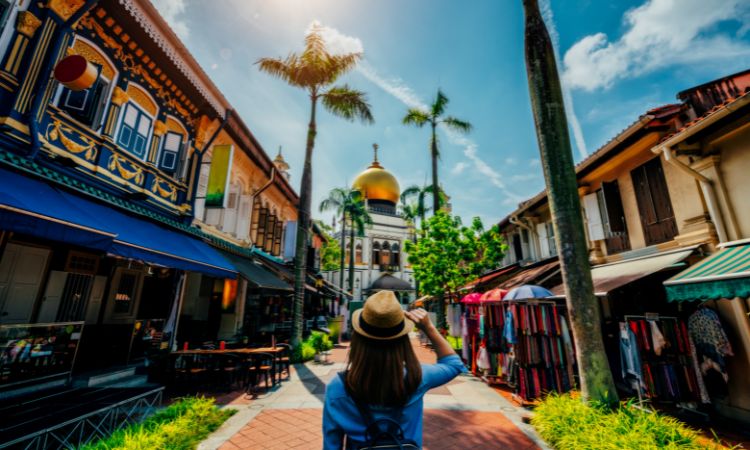
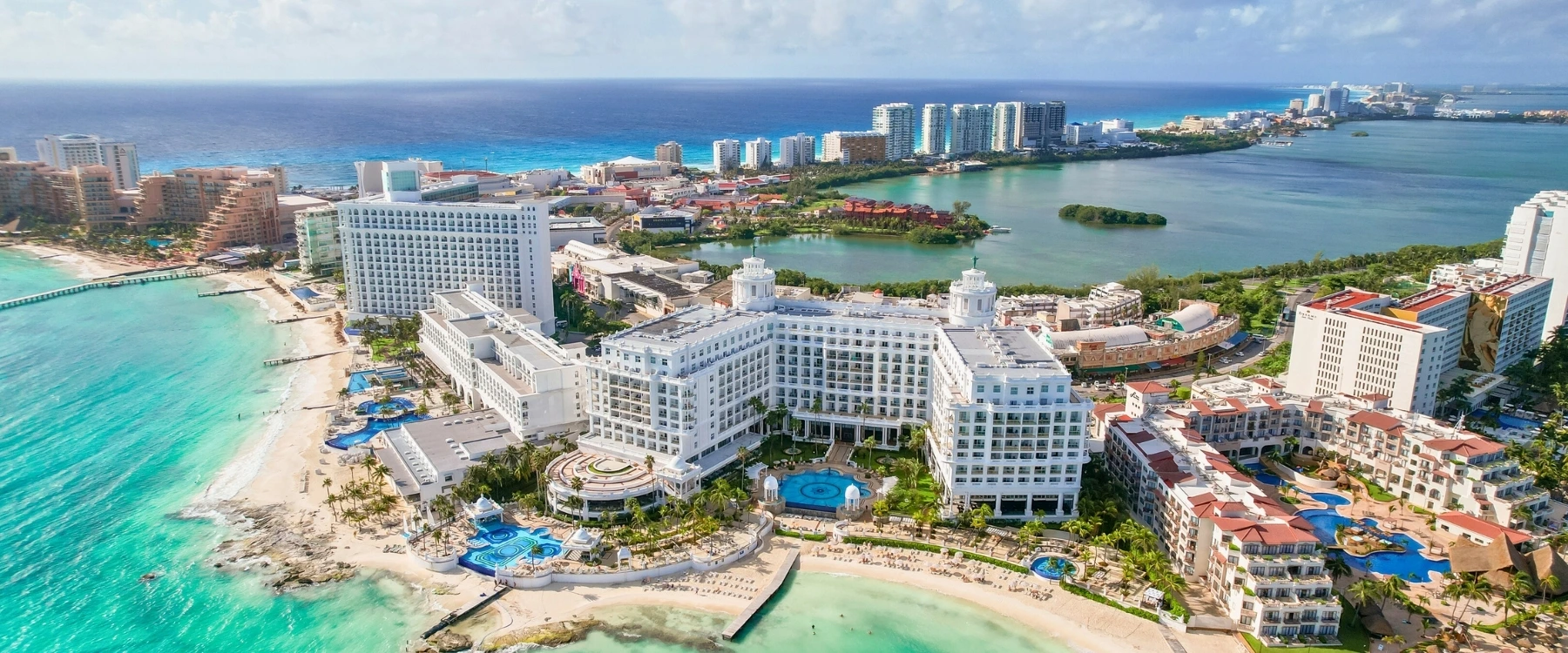
From the powdery white sands of Cancún and Playa del Carmen to the quieter shores of the Gulf coast, the Yucatan Peninsula offers diverse beach experiences. Snorkel or dive along coral reefs teeming with marine life, swim with whale sharks off Holbox or Isla Mujeres in season, or simply relax under swaying palms. Water sports such as kayaking, paddleboarding, and kitesurfing are readily available. For those seeking secluded beauty, the Gulf coast’s tranquil fishing villages and salt flats provide a more off-the-beaten-path ambiance. Coastal excursions to islands, coral gardens, and hidden coves promise both excitement and relaxation—ideal for beach lovers and adventure seekers alike.
Learn More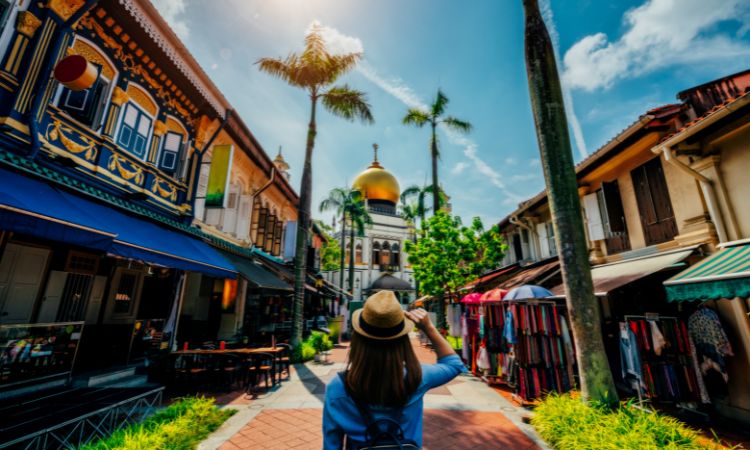
Sink into the mystical world of cenotes: natural sinkholes where crystal-clear waters lie beneath dense jungle canopies. Swim or dive in cavernous cenotes like Ik Kil, Gran Cenote, or lesser-known outlets near Valladolid. These fresh-water pools hold cultural significance for the Maya and present one-of-a-kind swimming environments. Jungle tours lead to hidden cenotes, where expert guides ensure safe, eco-friendly visits. Beyond cenotes, travelers can traverse jungle trails on foot or bicycle, spotting wildlife and botanical diversity. Zip-lining, rappelling into cenotes, and cave tubing offer adrenaline-pumping ways to engage with nature. The peninsula’s subterranean rivers and lush forests make for extraordinary eco-adventures.
Learn More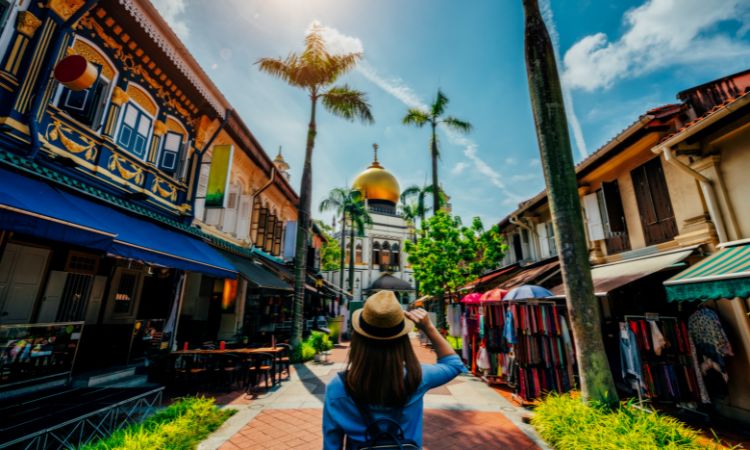
Mérida, the “White City,” enchants with its colonial-era architecture, grand plazas, and lively arts scene. Stroll along Paseo de Montejo, visit colorful markets, and savor Yucatecan cuisine in family-run restaurants. Campeche, a UNESCO World Heritage City, features fortified walls, pastel facades, and waterfront promenades, reflecting its maritime heritage. Smaller towns like Izamal, painted in golden hues, exude charm and spiritual significance. These colonial centers blend historical charm with modern comforts: boutique hotels in restored haciendas, artisan shops offering local crafts, and cultural events—music, dance, and theater—held in historic venues. Immersion in colonial life highlights the peninsula’s layered history.
Learn More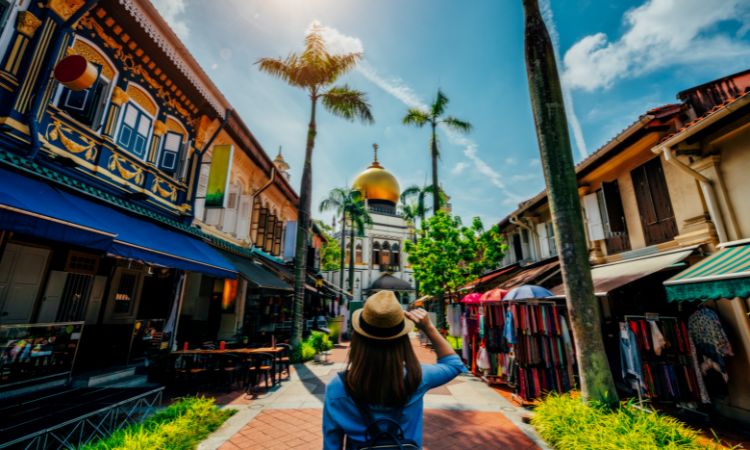
Yucatecan cuisine stands apart within Mexico, characterized by slow-cooked meats, unique spices (achiote, habanero), and fresh produce. Taste cochinita pibil prepared in underground ovens, savor lime-marinated seafood dishes on the coast, and enjoy street-food staples like panuchos and salbutes. Visit mercados to sample tropical fruits, local cheeses, and artisanal products. Cooking classes impart regional techniques, while food tours introduce hidden gems favored by locals. From casual taquerías to upscale restaurants reinterpreting traditional flavors, culinary exploration reveals the cultural soul of the region. Pairings include locally produced beverages, from aguas frescas to craft mezcal or tequila tastings sourced from nearby regions.
Learn More
Throughout the year, the Yucatan Peninsula bursts with festivals celebrating Maya heritage, religious traditions, and contemporary arts. Experience Hanal Pixán (Day of the Dead) celebrations with elaborate altars and culinary offerings, vibrant Carnival events blending indigenous and colonial customs, and colorful fiestas patronales in small towns. Music festivals, art exhibitions, and folkloric performances in Mérida and regional centers showcase both local talent and international acts. Timed visits to coincide with these events deepen cultural understanding and foster memorable interactions with communities. The dynamic calendar ensures that every traveler can witness the living traditions that define the peninsula’s identity.
Learn More
Lorem ipsum dolor, sit amet consectetur adipisicing elit. At illo adipisci iusto
From

Because more than 268 other customers have loved us too

Demonstrates commitment to user data security through encryption and secure payment practices
Learn More
Demonstrates commitment to user data security through encryption and secure payment practices
Learn More
Demonstrates commitment to user data security through encryption and secure payment practices
Learn More
Demonstrates commitment to user data security through encryption and secure payment practices
Learn More
Quality as judged by customers. Book at the ideal price!


/ person
/ person
/ person
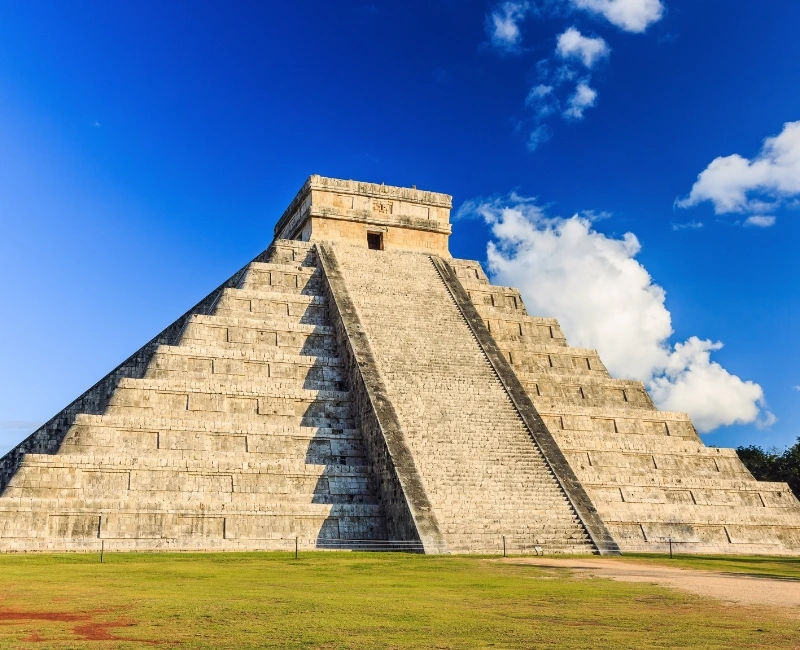
The Yucatán Peninsula stands as a living monument to Maya ingenuity, with sprawling ceremonial centers that unveil the civilization’s mastery of astronomy, engineering, and art. Your journey begins at Chichén Itzá, where the Pyramid of Kukulcán soars skyward. Each equinox, sunlight and shadow play along its north staircase to conjure the illusion of a serpent descending—a testament to Maya astronomical precision. Nearby, the Great Ball Court—the largest in Mesoamerica—echoes with the ghosts of ritual games once entwined with politics and religion. Expert guides decode glyphs carved into stelae and ballcourt walls, revealing how this sport symbolized cosmic struggles between life and death.A short drive west brings you to Uxmal, a UNESCO World Heritage site exemplifying Puuc‑style architecture. Here, façades are overlaid with undulating serpents, Chaac masks (the rain god), and latticework of geometric motifs. The Governor’s Palace—an elongated platform with multi‑tiered plazas—showcases vaulted chambers that once hosted noble councils and ceremonies. Ascend the steep steps of the Pyramid of the Magician to survey verdant jungle receding toward the Gulf coast, and marvel at how builders adapted their designs to hilly karst topography.For a more intimate encounter, visit Ek’ Balam, where an untouched acropolis rises above the trees. Authorized climbers can scale its summit, rewarded by panoramic views across the Yucatán scrub forest. Inside, vividly restored stucco friezes depict royalty in feathered headdresses, while touring archaeologists point out niches that once held offerings to appease deities. Interpretive panels explain trade networks—jade from the Guatemalan highlands, obsidian from central Mexico—and the ceremonial significance of cenotes as portals to the underworld.Optimize your exploration by arriving at dawn, when cool air and soft light heighten the sense of discovery. Afternoon visits, by contrast, cast dramatic shadows and allow participation in solstice or equinox events led by contemporary Maya groups. Beyond the sites, immerse yourself in local communities: sample cochinita pibil at roadside eateries, watch artisans hand‑craft hammocks, and join cooperative‑run workshops that reinvest tourism revenue into heritage preservation. Opt for guides certified by the Fundación Haciendas del Mundo Maya or local cultural associations to ensure ethical interpretation and sustainable practices—keeping pathways clear, minimizing noise pollution, and respecting ongoing excavations.This odyssey through Maya ruins is not merely a sightseeing itinerary; it is a dialogue across centuries, revealing how a civilization’s cosmic vision still shapes architecture, agriculture, and collective identity in the peninsula’s modern towns. By choosing mindful travel—supporting community‑led initiatives, avoiding off‑trail exploration that threatens fragile structures, and learning the Maya language greetings—you honor a legacy that pulses beneath the stones and steamy air, connecting past innovations to present stewardship.
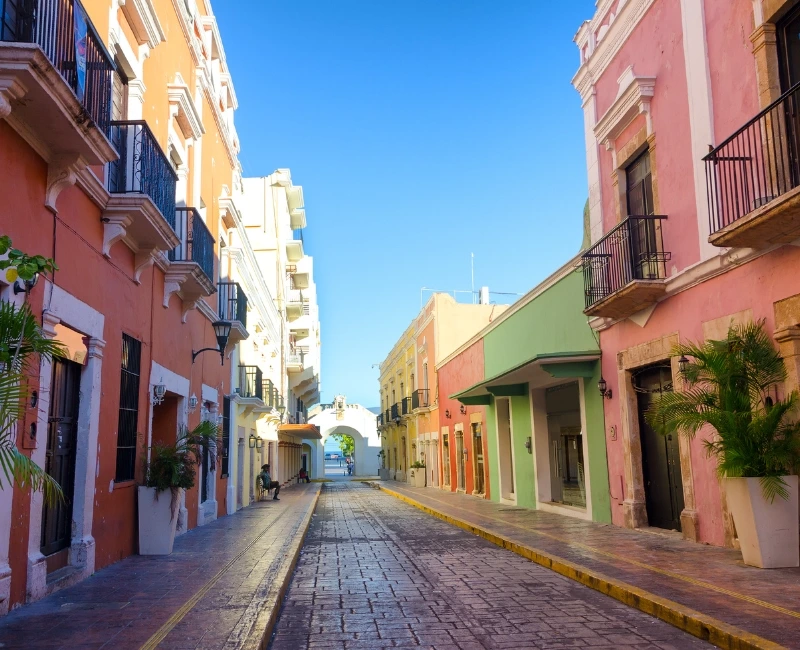
Centuries after Spanish conquest, the Yucatán’s colonial cities offer a vibrant contrast to ancient ruins—where Baroque cathedrals, ornate mansions, and fortified walls speak of new social orders, trade wealth, and cultural fusion. In Mérida, known affectionately as “La Ciudad Blanca,” the broad boulevard Paseo de Montejo unfolds beside stately hacienda‑style residences built during the henequén boom. Painted in dazzling white and pastel hues, these mansions now house museums, art galleries, and upscale cafés beneath their wrought‑iron balconies. A guided walking tour through the Historic Centre leads you from the Cathedral of San Ildefonso—one of the oldest cathedrals in the Americas, erected atop a former Maya temple—to the Grand Plaza, ringed by colonial government buildings and shaded by ceiba trees.Mérida’s mercados pulse with local life: Mercado Lucas de Gálvez overflows with papayas, habaneros, noni fruit, and baskets of homemade tortillas. Sample marquesitas—crispy crepes rolled and stuffed with cheese or Nutella—or sip horchata and agua de chaya from street stalls. The Gran Museo del Mundo Maya offers a modern counterpoint, with interactive exhibits tracing Maya history through artifacts, scale models, and cutting‑edge multimedia. Evening performances at the Peón Contreras Theatre showcase Yucatecan folk dances, mariachi ensembles, and occasional international touring acts.On the Gulf coast, Campeche beckons with its UNESCO‑protected walls and pastel‑toned streets. Once Mexico’s principal port for Spanish galleons, its malecon affords seaside vistas of gentle waves lapping beneath restored bastions. Fortifications—Fuerte de San Miguel and El Castillo San José—stand sentinel over plazas where locals gather for open‑air concerts and dance nights. Guided tours reveal stories of pirate sieges, hidden tunnels, and colonial defenses.Culinary traditions in both cities merge Spanish and Maya flavors: enjoy panuchos topped with shredded turkey, pickled onions, and avocado, or dig into Campeche’s fresh‑caught seafood grilled in banana leaves with achiote marinades. Boutique hotels repurpose colonial edifices, offering courtyard pools, carved wooden doors, and balconies draped in bougainvillea—allowing you to live within layers of history.Day trips from Mérida and Campeche take you to haciendas en route to Dzibilchaltún or Edzná, or to fishing villages like Seybaplaya, where locals still mend nets and cook stone‑oven bread. Seasonal events—Carnaval de Campeche with its flamboyant masks and floats, or Mérida’s Festival de la Ciudad with dance, music, and parades—bring streets to life in a kaleidoscope of costumes. Embrace the synergy of Maya roots and Spanish colonial imports, from bomba rhythms and jarana dance steps to the lingering aroma of freshly ground maize in Municipios’ kitchens. In these twin cities, heritage is not confined to museums but is a living, breathing tapestry woven through daily routines, festivals, and communal pride.
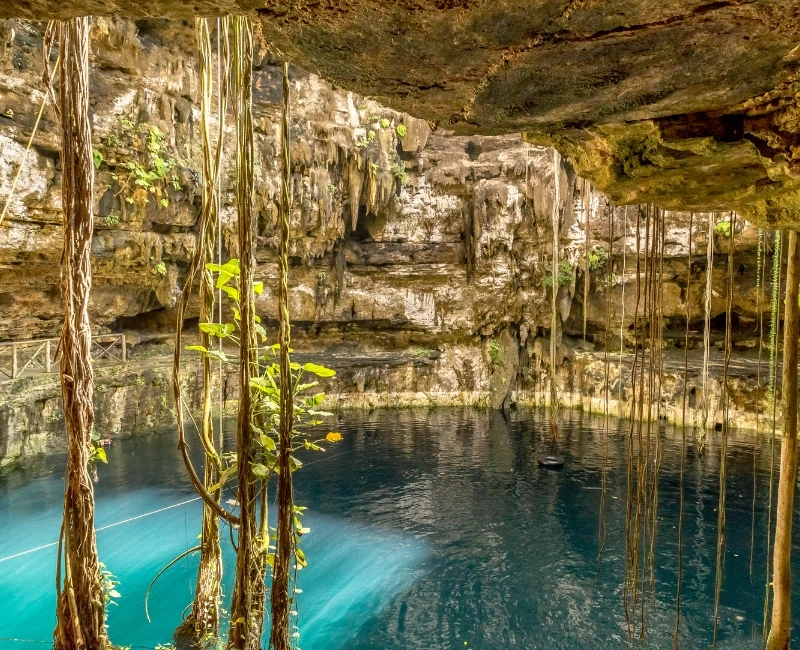
Beneath the Yucatán’s limestone veneer lies a labyrinth of subterranean rivers and cavernous sinkholes—cenotes—that served as sacred reservoirs for the ancient Maya and today offer some of the region’s most exhilarating eco‑adventures. Start at Ik Kil, just minutes from Chichén Itzá, where a circular cenote drops 40 meters to jade‑green waters framed by hanging vines and carved stone ledges. Early morning swims here let you glide through shafts of sunlight that illuminate underwater rock formations.Near Valladolid, Gran Cenote and Cenote Suytun draw snorkelers and divers to their crystal‑clear pools and submerged stalactites. Certified instructors guide you through underwater tunnels, where suspended particulate matter reveals columns of filtered light—an otherworldly tableau. For quieter escapes, private reserves like Casa Cenote and Cenote Xunaan‑Ha offer smaller crowds, eco‑friendly facilities, and opportunities to paddleboard across the water’s glassy surface.Further afield, cenote cave‑diving at Dos Ojos or The Pit demands technical certification but rewards with adrenaline‑charged descents into submerged labyrinths where rare fish and blind cave shrimp weave through limestone striations. Daytime jungle treks at Ruta Puuc combine mountain‑bike rides along rustic trails with stops at unmarked cenotes, where you can cool off away from tour‑group circuits. Birdwatchers can pause at the entrance to spot trogons, parrots, and kingfishers flitting between mahogany and chicozapote trees.For a different perspective, kayak or canoe through Río Lagartos’ mangrove channels, where elusive crocodiles bask on muddy banks and rose‑coloured flamingos parade across shallow lagoons. At Sian Ka’an Biosphere, solar‑powered boats now ferry visitors through protected waterways, minimizing disturbance to manatees, turtles, and dolphins. Eco‑lodges dotted around these natural reserves deliver immersive stays: sleep in thatch‑roofed cabins, join nighttime torch‑lit cenote tours to spot bats and frogs, or volunteer in aquifer‑monitoring projects.Wellness retreats integrate cenotes into yoga sessions on wooden platforms suspended over water, letting morning sunrises reflect off mist‑clad surfaces. Photography workshops capture ethereal beams piercing cenote caverns or mirror‑like reflections of stalactites. Crucially, responsible operators enforce strict “no‑reef sunscreen” policies, limit group sizes, and maintain designated pathways to protect stalactites from accidental breakage.Whether plunging into subterranean depths or meandering through lush greenery, cenote‑centered eco‑adventures illustrate the peninsula’s delicate interplay of geology, hydrology, and biodiversity. Each dip and dive deepens appreciation for a network of fresh water that sustained civilization, nurtured ecosystems, and now invites modern travelers to blend adrenaline with reverence for one of Earth’s most remarkable karst landscapes.
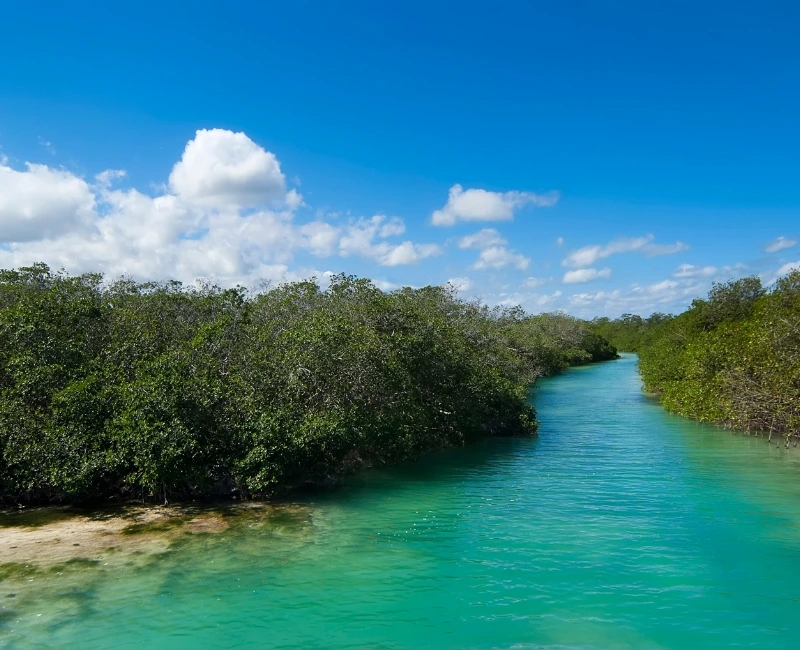
The Yucatán Peninsula’s commitment to conservation shines through its mosaic of biosphere reserves, each safeguarding crucial habitats where mangroves, wetlands, tropical forests, and coral reefs converge. At the forefront is Sian Ka’an, a UNESCO‑recognized expanse stretching over 5,000 square kilometers along the Caribbean coast. Board a guided panga at dawn to drift silently through mangrove channels, where glassy water mirrors swaying roots and pastel dawn skies. Here, manatees graze in shallow lagoons, dolphins arc through open water, and sea turtles visit nearby reefs. Expert eco‑guides explain sustainable fishing protocols and the delicate balance between coastal livelihoods and reef health.On the Gulf coast, the Ría Celestún Biosphere Reserve attracts photographers and ornithologists eager to witness a spectacular congregation of American and Caribbean flamingos. Morning boat tours glide past flocks of over 50,000 birds, feeding in brackish estuaries, while iguanas sun themselves on mangrove roots. Evenings can be spent on walkways scanning for nesting sea turtles or listening to coatis and nightjars stir as dusk descends.Calakmul Biosphere Reserve, in Campeche state, blankets over 7,200 square kilometers of dense rainforest—once a rival superpower to Tikal. Jaguar tracking expeditions, led by specialists, navigate ancient sacbé (white roads) between hidden Maya sites set deep in the jungle. Spider monkeys swing between ceiba trees overhead, while tapirs and collared peccaries emerge near dawn. Night safaris use red filters to observe owls, kinkajous, and amphibians without disturbing their nocturnal rhythms.In marine conservation, Banco Chinchorro, an atoll biosphere off the coast of Mahahual, boasts some of the Caribbean’s healthiest coral reefs. Certified dive operators adhere to strict no‑touch policies, educating divers on reef resilience and coral restoration efforts. Citizen‑science programs invite travelers to participate in coral‑planting initiatives and invasive lionfish control dives.Across these reserves, volunteer opportunities deepen engagement: join reforestation teams planting mahogany saplings, assist in turtle nest monitoring, or help catalog butterfly and bird species. At local research stations, interactive presentations cover climate‑change impacts, mangrove carbon sequestration, and sustainable tourism models. Photography safaris and birding camps equip enthusiasts with expert tips to capture elusive species at golden hour.By choosing certified operators—those endorsed by CONANP (Mexico’s National Protected Areas Commission) and community co‑ops—you ensure that your visit supports habitat preservation and local economies. These wildlife encounters and biosphere immersions foster not only unforgettable memories but also enduring stewardship for the peninsula’s remarkable biodiversity.

The Yucatán’s Caribbean coastline offers an irresistible tapestry of sun‑washed sands, turquoise shallows, and lifestyle diversity—from high‑energy resorts to rustic beachfront hideaways. In Cancún’s Hotel Zone, a slender barrier island lined with mega‑resorts and water parks caters to families and partygoers alike. Here, you can zip down water slides by day and dance at beachfront nightclubs after dark. Rental jet skis, parasailing, and flyboarding stations dot the shore for adrenaline junkies, while gentle currents make shallow swimming and paddleboarding accessible for all ages.Southward in Playa del Carmen, the scene mellows into a blend of boutique hotels and pedestrianized Fifth Avenue, where open‑air cafés spill onto palm‑tree‑lined streets. Beach clubs such as Mamitas combine sun loungers and live DJ sets with Caribbean‑Mexican fusion menus. Snorkeling off Punta Nizuc or joining a day trip to the Mesoamerican Barrier Reef’s coral gardens introduces encounters with tropical fish, rays, and colorful sponges.Further along, Tulum presents a bohemian‑chic ethos: eco‑cabins and thatched‑roof cabanas interspersed with rustic yoga studios and vegan cafés. Pastel‑colored beach shacks offer fresh ceviches and coconut water served straight from the shell. The reef is accessible by kayak or small catamaran tours that double as sunset cruises, complete with mezcal tastings. Wellness retreats incorporate sunrise beach yoga and sound‑healing sessions under palapa rooftops, while massage therapists set up on soft sands, letting the sea breeze enhance every knead.For a day trip, ferry to Isla Mujeres—a ten‑minute ride from Cancún—where golf carts replace cars and Playa Norte’s powdery sand is often rated among the world’s best. Underwater museum sculptures off the western shore entice snorkelers to explore art submerged in marine habitats. Or catch the ferry to Cozumel, whose international dive sites—Palancar Reef, Columbia Reef—draw certified divers to walls draped in elkhorn coral.Practical tips: arrive early to secure premium beach beds at popular clubs, and reserve ad‑mission online during high season (December–April) to avoid queues. Always apply reef‑safe, biodegradable sunscreen to protect fragile ecosystems, and carry refillable water bottles to reduce plastic waste. For off‑grid tranquility, look to lesser‑known coves between Tulum and Puerto Aventuras, where local fishermen launch pangas and you can swim beside nurse sharks and turtles in near‑shore lagoons.Whether your ideal beach day involves poolside cocktails at a luxury resort, sunrise meditation on a windswept shore, or underwater dives amid coral cathedrals, the Caribbean coast of the peninsula promises an array of experiences—from the vibrant to the sublime—all under a canopy of endless blue sky.
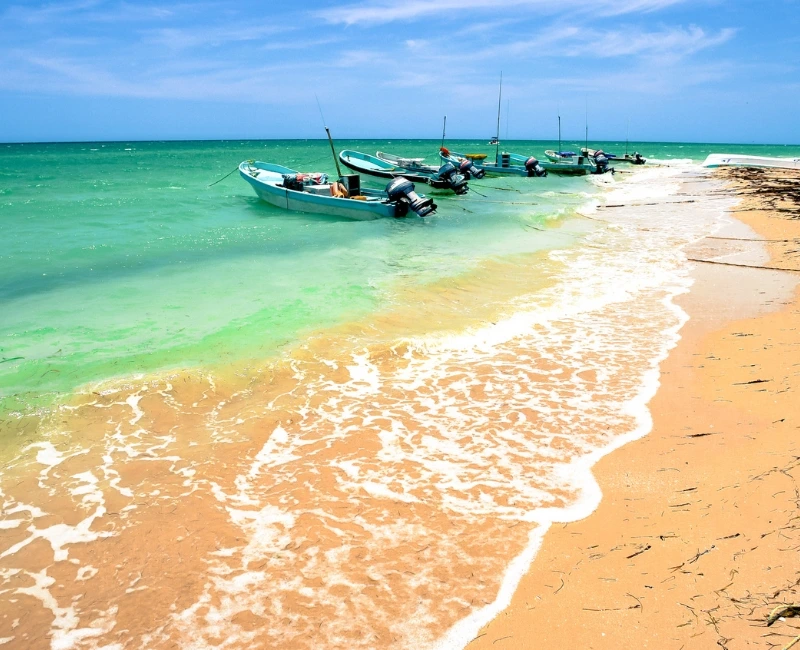
The Gulf coast of the Yucatán Peninsula offers a contrasting rhythm to its Caribbean counterpart—quieter shores fringed by mangroves, pastel sunsets, and time‑honored fishing villages. Celestún, a UNESCO Biosphere Reserve, is famed for its flamingo‑studded estuary. Morning boat tours glide silently through rose‑tinted lagoons as migratory and resident flamingos feed along shallow flats. Guides explain salt‑extraction traditions that date to colonial times and point out local fishers using centuries‑old wooden skiffs.West of Mérida, Progreso unfolds with an iconic 6.5 km-long pier stretching into the Gulf. Weekends transform its promenade into a bustling mercado, where locals gather for fresh seafood tacos, horchata, and lulled conversations under palapa umbrellas. The calm waters here are perfect for paddleboarding at dawn, when the bay reflects pastel skies unmarred by boat wakes.Further north, the village of Sisal—once a thriving henequén port—invites travelers to stroll its shaded malecón and explore hidden beaches sheltered by mangrove and seagrass beds. Local guides offer kayak excursions through estuarine channels, paddling past crocodiles sunning on muddy banks and turtles surfacing for air. Beachcombing reveals whelk shells and driftwood etched by Gulf tides.Accommodations on the Gulf coast lean toward eco‑lodges and beachfront cabanas set within restored haciendas. These small‑scale properties emphasize sustainability: solar panels, composting facilities, and natural cooling methods reduce environmental footprints. Enjoy breakfasts of freshly baked pan de cazón (layered tortilla and shark casserole) served in courtyard gardens, and end the day with hammocks strung between coconut palms.Day trips reveal salt flats near San Antonio Mulix, where wind‑driven crystals glint under the sun. Boat trips can reach Isla Arena, a private sandbar paradise where snorkeling in seagrass meadows unveils juvenile rays and baby cornetfish. Kite‑surfers flock to Progreso during the dry season (November–April), when steady northeasterly winds create optimal conditions; rental instructors are on hand for novices.Travelers seeking deep solitude should plan visits during the week and off‑peak months (May, October) when beaches are nearly deserted. The absence of high‑rise resorts means amenities are often rustic: local palapa eateries serve the day’s catch—grilled grouper, ceviche de medusa (jellyfish)—and nightly bonfires on the sand bring community together. For a comprehensive coastal itinerary, combine a stay on the Caribbean shore with a few nights in golden Gulf settings, allowing you to savor both lively resort culture and authentic, nature‑steeped retreats..
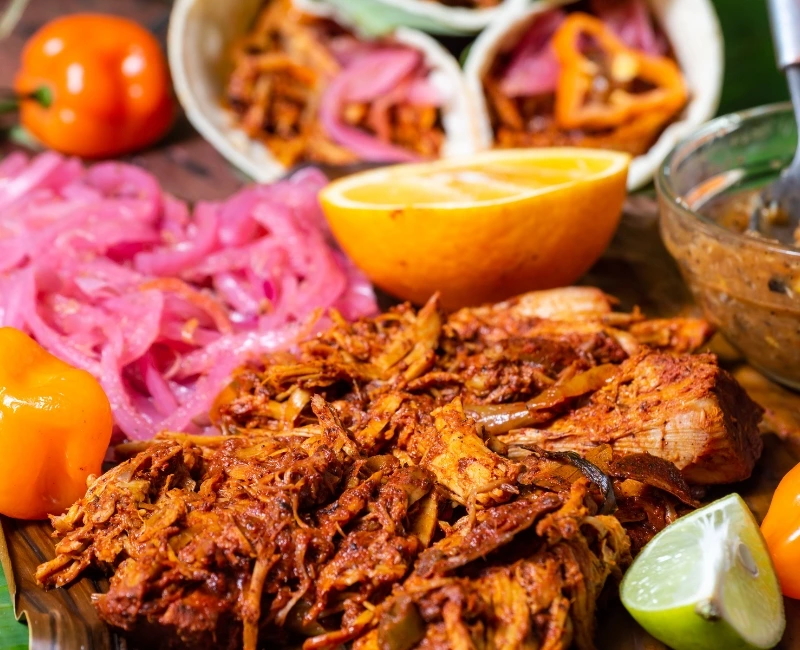
Yucatecan gastronomy stands apart within Mexico, shaped by Maya staples, Spanish introductions, and Caribbean influences. At its heart lies cochinita pibil, pork slow‑roasted in underground pib pits, marinated in achiote paste and citrus juices, yielding tender meat imbued with earthy red hues and tangy flavor. Equally emblematic is sopa de lima, a fragrant chicken broth enriched with strips of zesty lime, crisp tortilla strips, and local chili heat.To dive into this culinary tapestry, begin at Mérida’s bustling mercados—Lucas de Gálvez and Santiago—where stalls bristle with tropical fruits like mamey, chicozapote, and pitahaya. Here, tortillas are hand‑pressed to order, and impromptu tasting stalls offer panuchos (bean‑filled tortillas topped with shredded poultry, pickled onion, avocado) and salbutes (crispy tortillas layered with lettuce, turkey, and pickled onions). Don’t miss relleno negro, a rich turkey stew colored by toasted chilhuacle negro peppers, and lomitos de Valladolid, marinated pork tenderloin served under a peppery Yucatán‑style gravy.For an insider’s perspective, join a food tour led by local chefs or community groups. Wander sleepy streets to sample enchiladas campechanas, where fish or octopus is sautéed in achiote before being wrapped in tortillas, and sip pozole blanco simmered with hominy, tender pork, and oregano. Off‑menu gems include marquesitas—crisp crepes rolled into tubes and filled with gooey cheese, Nutella, or guava paste—sold from street‑side stands until late at night.Cooking classes at homestays and hacienda kitchens immerse you in preparation techniques. Under a Maya grandmother’s guidance, learn to grind chile‑pepper blends on a metate, wrap pibil packets in banana leaves, or extract fresh juices with a molino. Classes often end with communal meals beneath shaded courtyards, paired with agua de chaya (a spinach‑like leaf blended with lime, sugar, and water) or local craft beers.Weekly artisan markets in Valladolid or Tulum expand your culinary horizons further: browse artisanal cheeses, organic honey, and pickled habanero relishes. Seasonal festivals—Mérida’s Gastronomy Festival or the Cochinita Pibil Fair in Izamal—gather restaurateurs, mezcaleros, and foragers to showcase innovations rooted in tradition. Interactive workshops demonstrate how insects like escamoles (ant larvae) and beetle grubs form part of the region’s ancestral diet.To support sustainable practices, patronize establishments sourcing ingredients from local cooperatives—seafood from community fishers, honey from Yucatán’s beekeepers, and produce from rural milpas. By engaging senses, stories, and cooking methods, Yucatecan culinary adventures foster a profound connection to the peninsula’s land, history, and vibrant contemporary culture.
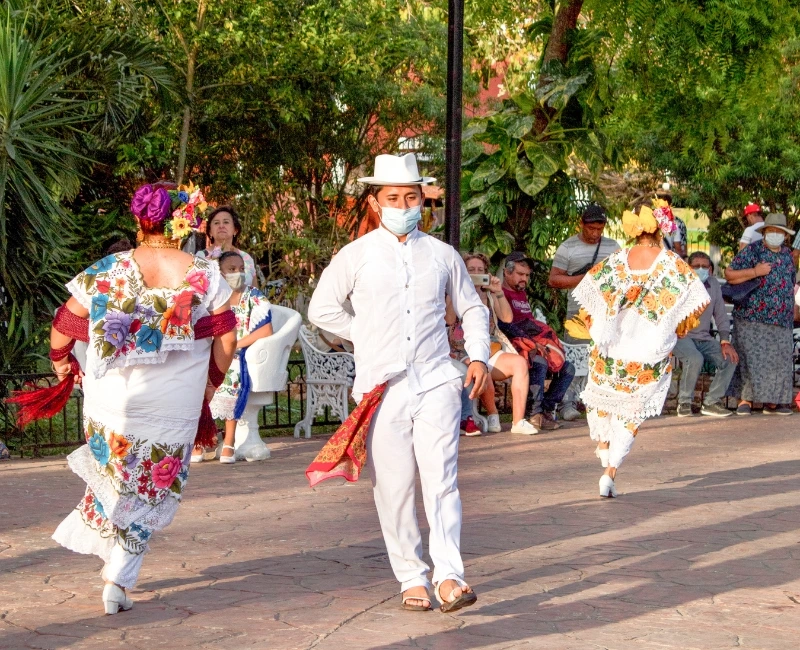
The Yucatán Peninsula’s cultural calendar pulses year‑round with festivals that honor Maya heritage, Catholic traditions, and modern creative expression. In early November, Hanal Pixán (Day of the Dead) ceremonies animate towns from Mérida to small villages. Families build elaborately decorated altars adorned with marigold petals, sugar skulls, and favorite foods of departed loved ones. Processions wind through candlelit cemeteries as traditional songs and pre‑Columbian chants meld with church bells, offering visitors an intimate glimpse into beliefs about death, memory, and rebirth.Pre‑Lenten Carnaval manifests differently across locales. In Campeche, costumed revelers don ornate masks and sequined outfits in parades that trace colonial streets, while Mérida’s Carnaval de Mérida features floats, comparsas (dance troupes), and live music echoing Afro‑Caribbean and Maya rhythms. Family‑friendly events include children’s battles of confetti and foam parties in public squares.Spring brings the Festival de la Ciudad de Mérida, a two‑week extravaganza of classical and contemporary performances. Open‑air concerts showcase symphony, opera, and ballet under starry skies in the Plaza Grande. Street theater groups reimagine Maya myths in avant‑garde productions, and artisans display lacquerware, hammocks, and hand‑painted huipiles in pop‑up markets.In late summer, Noche de Rábanos (Night of the Radishes) on December 23rd—but preparation begins in autumn—turns radishes into intricate sculptures depicting nativity scenes, Maya deities, and regional folklore. Competition entries can reach two meters in height, drawing crowds to the Zócalo in Oaxaca-style booth displays (though the festival’s heart remains in Oaxaca city, smaller regional versions occur in Yucatán).Agro‑ecological and seafood festivals—such as Feria del Pulpo in Sisal or Feria de la Yuca in Peto—celebrate staple crops and local specialties through cooking contests, tastings, and live music. Workshops teach techniques for preparing pulpo al ajillo and baking yuca pastries, while artisans demonstrate pottery glazing and wood carving.For music lovers, the Mayapán Jazz Festival and Litoral Jazz Fest gather international and Mexican talent for beachfront concerts. Film aficionados flock to the Riviéra Maya Film Festival, screening Latin American cinema under open skies, often followed by panel discussions with directors and producers.Ecological events such as World Turtle Day in Akumal involve guided hatchling releases, beach clean‑ups, and educational talks with marine biologists. During whale‑shark season (June–September), Shark Week‑style gatherings in Isla Holbox offer snorkeling excursions, scientific presentations, and beachside parties.Since festival dates and formats can shift, always consult local tourism boards and community calendars. Reserve accommodations early for high‑demand periods, respect dress codes for religious ceremonies, and participate with cultural sensitivity—asking permission before photographing sacred rites and supporting local vendors. Engaging in these vibrant events enriches any visit, connecting travelers to living traditions that animate the peninsula’s past and present.
No ads. No trails. No commitments


Alice Roses
London, England
51 ST MATTHIAS ROAD
NOTTINGHAM, NOTTINGHAMSHIRE
NG3 2HF
Hours: 8:00 - 17:00, Mon - Sat
support@johnsonholidays.com