 Vancouver Travel
Guide
Vancouver Travel
Guide
Paris is known around the world as the “capital of love,” and even if you don't understand the history of Paris at all

9.5 Hours
£4
Vancouver’s location between ocean and mountains means travellers experience breathtaking scenery at every turn. Activities range from cycling the Stanley Park Seawall with panoramic water views to riding the SeaBus across Burrard Inlet for unmatched skyline vistas. Nearby peaks like Grouse Mountain and Cypress Mountain offer hiking in summer and skiing in winter, all within easy reach of downtown. This accessibility to nature ensures that whether you seek adrenaline-fuelled adventures—kayaking, mountain biking, or snow sports—or tranquil moments in lush forests and seaside parks, Vancouver’s environment delivers. Photographers and nature lovers appreciate the changing moods of the city’s landscapes, while families and solo travellers alike benefit from well-maintained trails and guided outdoor experiences that highlight the region’s ecological diversity.
Learn More
Vancouver’s multicultural fabric is woven through its neighbourhoods, festivals, and culinary scene. Explore historic Chinatown with its rich heritage, discover authentic South Asian flavours in Punjabi Market, or wander Commercial Drive’s eclectic shops and cafés. Seasonal festivals celebrate Indigenous culture, film, music, and arts, reflecting a spirit of inclusion and creativity. Art galleries, street art murals, and public installations showcase local and international artists, while theatres host diverse performances. Whether attending a storytelling event about local history or sampling fusion cuisine blending Asian and West Coast influences, visitors gain insight into communities whose traditions shape Vancouver’s identity. This cultural mosaic ensures there’s always something new to discover, making repeat visits continually rewarding.
Learn More
Food in Vancouver embraces freshness, innovation, and sustainability. Granville Island Public Market is a must-visit for fresh seafood, artisanal cheeses, and handcrafted treats. Farm-to-table restaurants highlight B.C. produce, from berries to mushrooms, often in waterside settings with scenic views. Coffee aficionados find independent roasters serving specialty brews, while craft breweries and distilleries craft regionally inspired beverages—from hop-forward ales to small-batch spirits. Dietary preferences are well catered for, with plentiful vegetarian, vegan, and gluten-free options. Local food tours and cooking classes offer hands-on engagement, teaching how to prepare West Coast dishes. Vancouver’s culinary scene delights gourmands and casual diners alike, all while showcasing the region’s commitment to ethical sourcing and environmental stewardship.
Learn More
Vancouver International Airport (YVR) is a major hub with direct flights from Europe, Asia, and North America, making travel convenient. Once in the city, the SkyTrain, SeaBus, and bus network provide efficient connections to downtown and suburbs without needing a car. Bike-share programs and dedicated cycling lanes encourage eco-friendly exploration, while rideshares and ferries expand mobility options. Day trips to nearby attractions—Whistler, Victoria, or Sunshine Coast—are facilitated by comfortable coach services, scenic ferry rides, or rental vehicles. Accessibility features across public transport and attractions ensure travelers of all needs can navigate the city. This seamless transport infrastructure allows more time enjoying Vancouver rather than worrying about logistics.
Learn More
No matter the season, Vancouver offers engaging experiences. Summer brings outdoor concerts, beach days at English Bay, and film festivals. Autumn delights with vibrant foliage in parks and harvest-themed events. In winter, nearby mountains transform into ski and snowboard destinations, while indoor attractions like museums and galleries remain lively. Spring heralds cherry blossoms and lighter crowds, ideal for walking tours and botanical explorations. Annual celebrations—such as multicultural festivals, food fairs, and holiday markets—provide unique insights into local lifestyles. This variety means travellers can plan visits throughout the year, tailoring activities to personal interests, whether chasing winter snow or enjoying summer waterfront festivals.
Learn More
Vancouver is consistently recognized for sustainability initiatives, from green building standards to zero-waste efforts in restaurants. Eco-tours highlight conservation projects and responsibly managed wildlife excursions. Urban green spaces, pedestrian-friendly streets, and support for active transportation reflect a wellness-focused ethos. Spa and wellness centres offer rejuvenating treatments using local ingredients. Mindful travel experiences—like forest bathing in nearby rainforests or yoga sessions overlooking the water—promote balance and health. This dedication to environmental stewardship and personal well-being appeals to conscientious travellers seeking meaningful, low-impact experiences that benefit both visitors and the local community.
Learn More
Lorem ipsum dolor, sit amet consectetur adipisicing elit. At illo adipisci iusto
From

Because more than 268 other customers have loved us too

Demonstrates commitment to user data security through encryption and secure payment practices
Learn More
Demonstrates commitment to user data security through encryption and secure payment practices
Learn More
Demonstrates commitment to user data security through encryption and secure payment practices
Learn More
Demonstrates commitment to user data security through encryption and secure payment practices
Learn More
Quality as judged by customers. Book at the ideal price!


/ person
/ person
/ person
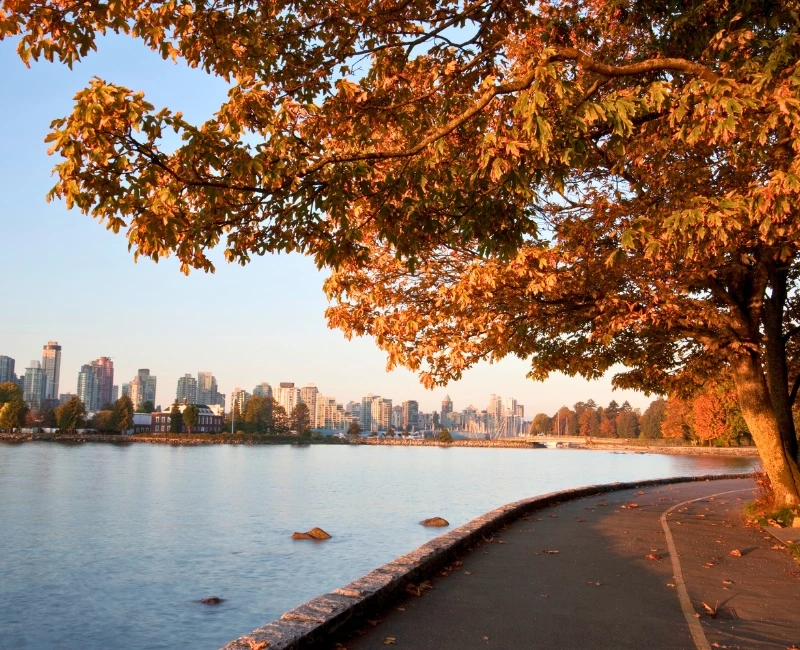
Stanley Park, a sprawling urban oasis adjacent to downtown Vancouver, offers an immersive introduction to the region’s temperate rainforest and coastal vistas. Covering over 400 hectares, it features the iconic Seawall—a nearly 10-kilometre paved path hugging the shoreline, perfect for cycling, walking, or rollerblading. As visitors circle the park, they encounter totem poles at Brockton Point, reflecting Indigenous heritage, and viewpoints showcasing the North Shore Mountains and Burrard Inlet. Along the route, tranquil beaches like Second Beach invite rest stops with sandy shores and ocean breezes. Deeper into the park, trails wind through dense forest, revealing cedar and fir trees draped in moss, creating a sense of wilderness just minutes from the city. Beaver Lake and Lost Lagoon provide serene water reflections and birdwatching opportunities, with migratory waterfowl and local waterbirds visible in different seasons.Beyond passive exploration, Stanley Park offers structured experiences: guided nature walks to learn about local flora, fauna, and ecology; horse-drawn carriage rides that narrate historical anecdotes; and seasonal events such as outdoor concerts or movie nights. The Vancouver Aquarium, located within the park, educates about marine life conservation and allows close encounters with sea creatures, appealing to families and curious travellers. Picnic areas equipped with facilities enable leisurely lunches amid towering trees. For active visitors, designated trails support jogging or trail running under the forest canopy, while photographers will find countless vantage points capturing misty mornings or golden-hour light filtering through foliage.Safety and accessibility are prioritized: well-maintained signage guides visitors, and accessible routes ensure that those with mobility considerations can still enjoy scenic segments. Rentable bicycles and equipment are available nearby, with options for guided cycling tours that highlight cultural and natural landmarks. Seasonal considerations: spring brings blossoming rhododendrons and cherry blossoms near park entrances; summer offers extended daylight for longer explorations; autumn displays vivid leaf colours; winter, though quieter, reveals peaceful trails and the possibility of frost-kissed scenery.Whether seeking a gentle stroll, active adventure, or educational insight into British Columbia’s ecosystem, Stanley Park delivers a versatile experience. Combining natural wonder with cultural significance and recreational facilities, it exemplifies Vancouver’s ethos of integrating urban life with environmental stewardship. Visitors leave with a deeper appreciation of local landscapes and a refreshed spirit, ready to explore the city or simply savor the calm after returning to downtown accommodations.
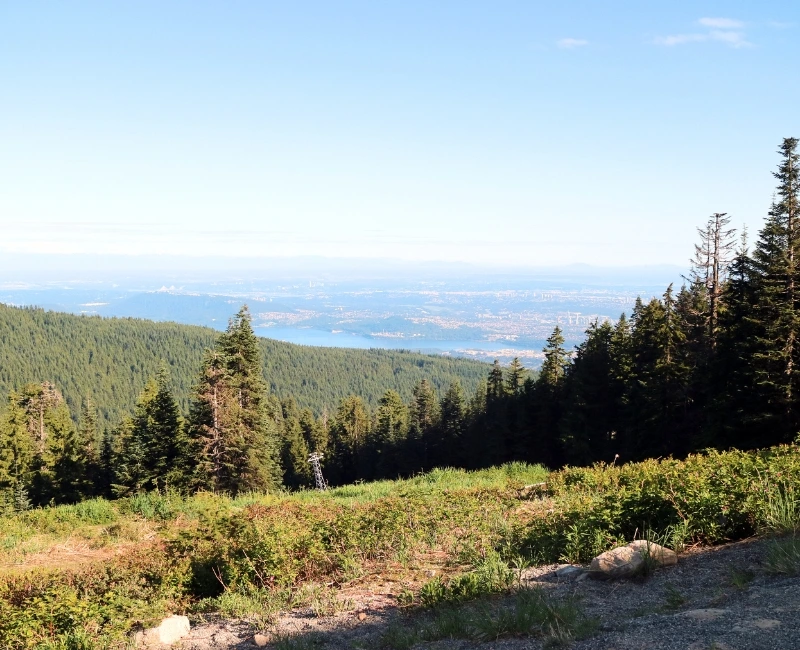
Grouse Mountain, often called the “Peak of Vancouver,” rises dramatically above the city, offering year-round activities that cater to thrill-seekers and leisure travellers alike. A comfortable gondola ride from the base whisks visitors to alpine terrain where panoramic vistas of Vancouver, the Pacific Ocean, and surrounding mountains unfold. Upon arrival, a range of experiences awaits: in summer, guided eco-walks explore subalpine meadows filled with wildflowers, while lumberjack shows and wildlife encounters—featuring resident grizzly bears in a protected habitat—educate about local fauna and conservation efforts. For adrenaline seekers, the Grouse Grind trail challenges hikers with a steep ascent; completing this “Mother Nature’s Stairmaster” rewards participants with a sense of accomplishment and awe-inspiring views.Winter transforms Grouse Mountain into a ski and snowboard haven close to the city. Well-groomed slopes, terrain parks, and night skiing options make it a convenient alternative to resorts farther afield. Snowshoeing and ice skating provide additional seasonal enjoyment, and après-ski at mountaintop lodges offers comfort with hot beverages and local culinary treats while gazing at city lights below. Ski lessons and equipment rentals accommodate beginners, while experienced riders can seek varied runs. Safety-conscious operations include avalanche control and well-marked trails.Grouse Mountain’s commitment to sustainable tourism is evident in its eco-friendly operations: energy-efficient gondolas, wildlife protection programs, and educational signage about local ecosystems. Seasonal events—such as winter light displays or summer outdoor concerts—enhance the visit, creating memorable experiences for families and couples. Photographers capture sunrise or sunset panoramas over the city skyline and water beyond. Alternative summer attractions include zip-lining adjacent peaks and mountain biking trails on neighboring slopes.Accessibility features ensure inclusive enjoyment: accessible gondolas, clear pathways, and facilities designed to accommodate different needs. On-site dining emphasizes regional ingredients, from hearty stews to locally sourced seafood chowders. Retail outlets offer souvenirs crafted by Indigenous artisans, connecting visitors to cultural heritage. For those seeking guided adventures, interpretive tours delve into geology, climate patterns, and forest ecosystems.Grouse Mountain’s proximity to downtown Vancouver makes it an essential day excursion: within 15-20 minutes from the city center, travellers transition from urban hustle to alpine serenity. Whether aiming to conquer the Grouse Grind, skim powdery slopes, or simply savor panoramic vistas while sipping a warm drink, Grouse Mountain delivers a versatile mountain experience. The blend of adventure, education, and natural beauty ensures that each trip feels both enriching and exhilarating, embodying Vancouver’s seamless merge of city life and wild landscapes.
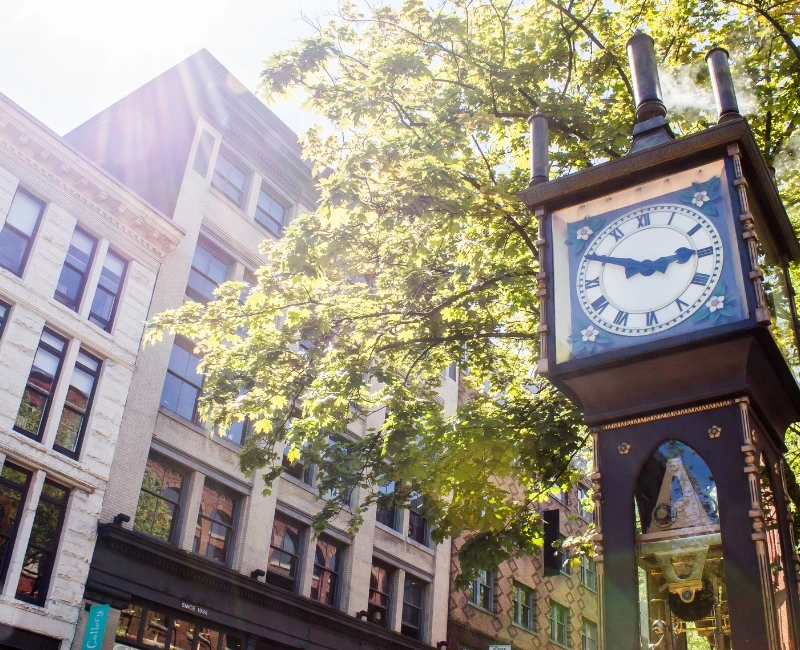
Gastown, Vancouver’s oldest neighbourhood, encapsulates historic charm alongside contemporary flair. Cobblestone streets wind past heritage buildings, steam clock landmarks, and eclectic boutiques, creating a sense of stepping back in time while surrounded by modern creativity. Guided walking tours reveal tales of the city’s origins, from lumber trading roots to its evolution into a cosmopolitan hub. Architectural details—brick façades, wrought-iron balconies, vintage signage—invite photography and exploration. Independent retailers showcase local designers, artisanal crafts, and unique souvenirs that reflect Vancouver’s creative spirit.Cultural immersion extends beyond Gastown into surrounding districts like Chinatown, one of North America’s oldest. Here, ornate gates, traditional herbal shops, and dim-sum eateries evoke a blend of history and renewal. Seasonal festivals—Lunar New Year celebrations, cultural fairs—offer vibrant displays of heritage through performances and cuisine. Nearby, the Dr. Sun Yat-Sen Classical Chinese Garden offers a serene oasis with meticulously crafted pavilions and water features, demonstrating classical Chinese landscaping principles and fostering meditative experiences within an urban setting.Historic districts also encompass Yaletown, where converted heritage warehouses house trendy restaurants, bars, and art galleries. Waterfront promenades in this area invite sunset strolls or water-taxi rides to other parts of the city. Public art installations pepper neighbourhoods, reflecting local narratives and inviting engagement. Museums such as the Vancouver Maritime Museum and the Museum of Vancouver deepen understanding of regional history, maritime heritage, and Indigenous cultures. Interactive exhibits and curated collections provide context for Vancouver’s development and its connections to First Nations communities.Culinary stops in historic areas range from traditional fare—authentic Chinese, Japanese, and Southeast Asian dishes—to inventive fusion concepts blending West Coast ingredients with global influences. Coffee roasters set up shop in heritage buildings, offering specialty brews in stylish café settings. Evening options include craft cocktail bars tucked into restored spaces, combining ambiance with approachable mixology.Accessibility is prioritized: most walking tours offer small-group options, wheelchair-accessible routes, and tailored experiences for different interests (architecture, food, history). Local guides often share insider tips on hidden alleys, photo-worthy spots, and lesser-known galleries. Shopping hours vary by season, with markets and pop-up events adding spontaneity for visitors.By exploring Gastown and other historic districts, travellers gain insight into Vancouver’s roots and evolution. The juxtaposition of preserved heritage and modern adaptations exemplifies the city’s respect for history alongside a forward-looking mindset. This blend of culture, gastronomy, and architecture within walkable neighbourhoods makes for a rich urban experience, enabling visitors to connect with Vancouver’s story while enjoying its contemporary vibrancy.
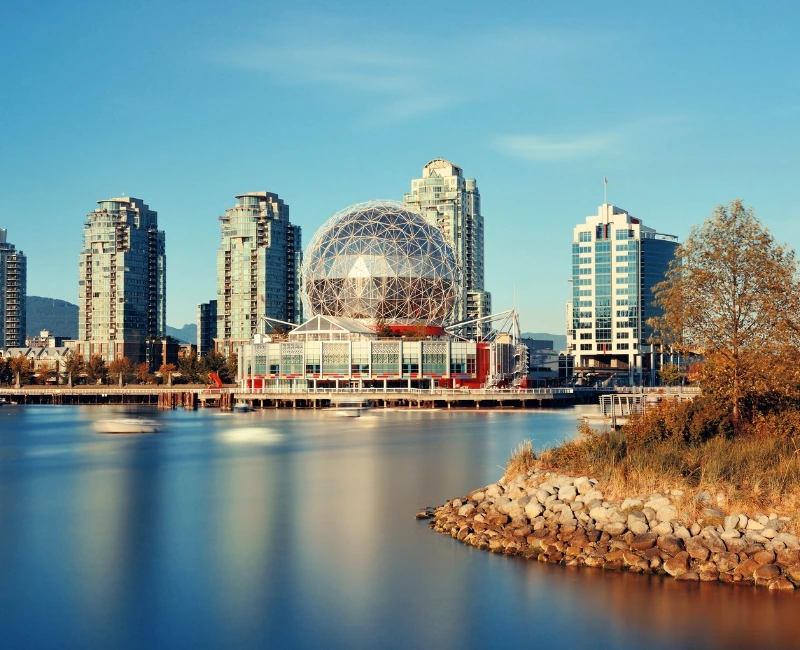
Vancouver’s cultural landscape shines through its diverse museums and galleries, offering engaging experiences for art lovers, history buffs, and curious travellers. The Vancouver Art Gallery, housed in a Beaux-Arts building, features rotating exhibitions of Canadian and international artists, often spotlighting Indigenous creators. Thought-provoking installations and retrospective surveys provide insight into regional narratives and global dialogues. Guided tours and artist talks deepen appreciation of contemporary practices and historical contexts.Smaller galleries across neighbourhoods highlight emerging talent. Mount Pleasant and Chinatown host independent spaces showcasing photography, mixed media, and performance art, fostering creative exchange between artists and audiences. Public art initiatives—murals, sculptures, and installations in parks or transit hubs—encourage discovery beyond formal venues. Self-guided public art walks allow visitors to track thematic trails and engage with community stories visually embedded in cityscapes.History comes alive at institutions like the Museum of Vancouver, which chronicles the city’s evolution from Indigenous homelands through colonial development to modern multicultural society. Interactive exhibits on urban planning, transportation, and social movements invite reflection on Vancouver’s identity and future. The Vancouver Maritime Museum explores seafaring heritage, featuring historic vessels and maritime artefacts that connect visitors to the Pacific’s significance.Science and nature intersect at the Vancouver Aquarium, where marine exhibits highlight conservation efforts for local and exotic species. Educational programs emphasize ocean stewardship and sustainable practices. Nearby science centres and environmental learning facilities often collaborate with universities on public outreach, offering workshops and family-friendly activities focusing on biodiversity and climate awareness.Performing arts venues complement museums with live theatre, dance, and music performances in spaces like the Queen Elizabeth Theatre and Orpheum. While not a gallery per se, attending a performance enriches cultural understanding and showcases local and international talent. Seasonal festivals often use gallery spaces for pop-up exhibitions or interactive installations, creating dynamic intersections between different art forms.Practical considerations: many museums and galleries offer free or reduced admission days, encouraging budget-conscious travellers to plan visits during off-peak hours. Audio guides, multilingual signage, and accessibility services ensure inclusive experiences. Café spaces within institutions provide opportunities to reflect on exhibits over local snacks and beverages. Gift shops support local artisans by offering prints, books, and crafts related to exhibitions.Whether seeking contemporary art dialogues, historical perspectives, or interactive science exhibits, Vancouver’s museums and galleries deliver enriching experiences. They foster an understanding of local heritage, global connections, and environmental interdependence. Incorporating visits into itineraries adds depth to the Vancouver travel experience, balancing outdoor adventures with thoughtful engagement in cultural and educational settings.

Vancouver’s culinary scene is a mosaic of flavours reflecting its coastal location and diverse communities. Start at Granville Island Public Market, where stalls overflow with fresh seafood—wild salmon, spot prawns in season—and artisanal products like cheeses, baked goods, and gourmet preserves. Early risers can sample freshly baked pastries and specialty coffee. Seasonal produce from nearby farms highlights farm-to-table restaurants that emphasize sustainability and local sourcing—heirloom vegetables, berries, mushrooms, and foraged ingredients appear on menus in creative dishes.Ethnic enclaves deliver authentic dining experiences: Richmond’s Asian eateries serve award-winning dim sum, sushi bars showcase Pacific seafood, and neighbourhoods like Punjabi Market offer rich curries and street-food snacks. Food tours guide travellers through hidden gems and local favourites, decoding menus and sharing cultural contexts. Vancouver’s commitment to inclusive dining ensures vegetarian, vegan, and gluten-free establishments are plentiful, often matching omnivore standards for creativity and flavour.Craft beverage culture thrives: independent microbreweries craft IPAs and stouts inspired by local ingredients; cideries produce apple-based ales; distilleries create small-batch spirits infused with regional botanicals. Brewpub tours or tasting flights allow sampling of multiple offerings, paired with bar snacks or light meals. Coffee aficionados find cafés roasting beans locally, with baristas skilled in latte art and sourcing ethically traded coffee.Fine dining experiences showcase internationally trained chefs interpreting West Coast produce. Menus often change with seasons, offering tasting menus that highlight local seafood, game, and produce through innovative techniques. Waterfront or rooftop dining settings enhance ambience, with cityscape or ocean views complementing the meal. Reservations are recommended during peak seasons; many establishments offer lunch specials or prix-fixe options for budget-conscious gourmets.Casual experiences include food trucks serving fusion street food—tacos with Pacific seafood fillings, Asian-inspired bowls, or creative plant-based options. Evening markets or pop-up events bring communities together, offering live music alongside food stalls. Cooking classes and workshops provide hands-on engagement: learn how to prepare sushi with West Coast fish, bake Indigenous-inspired bannock, or create vegan comfort dishes using local mushrooms and grains.Safety and health considerations are prioritized: many venues adhere to high cleanliness standards, and outdoor patio dining is widespread, offering scenic settings. Apps and online platforms facilitate reservations, menus, and contactless payments. For travellers with dietary restrictions or allergies, clear labeling and staff awareness enhance confidence while dining.Exploring Vancouver through its cuisine connects travellers to the region’s environment and cultural tapestry. From sourcing seafood responsibly to celebrating multicultural influences, culinary experiences in Vancouver delight the palate while reflecting the city’s commitment to sustainability, diversity, and innovation. Whether indulging in fine dining or sampling street eats, food-focused exploration becomes a highlight of any Vancouver itinerary.

Vancouver’s neighbourhoods brim with independent cafés and craft breweries, making for leisurely days of tasting local creations. Café culture emphasizes quality roasting, single-origin beans, and inventive preparations—pour-over, cold brew, and specialty lattes. Quaint coffee shops often pair drinks with fresh pastries, artisanal sandwiches, or plant-based snacks, inviting visitors to linger over work, reading, or conversation. Many cafés showcase local art on walls, creating community hubs where travellers can mingle with residents and absorb neighbourhood character.Craft breweries celebrate British Columbia’s rich hop production and artisanal spirit traditions. Breweries range from small-batch operations in industrial areas to brewpubs in restored heritage buildings. Visitors can join brewery tours to see the brewing process, learn about ingredient sourcing, and sample hop-forward ales, stouts, and seasonal brews incorporating local fruits or herbs. Taprooms often feature food pairings—cheese boards, charcuterie, or street-food pop-ups—enhancing the tasting experience. Brewery festivals or tap takeovers bring together multiple producers, offering opportunities to compare styles and meet brewmasters.For cider enthusiasts, cideries craft apple-based beverages using regional orchard produce. Tasting rooms provide relaxed settings to sample crisp, fruity ciders often paired with artisanal snacks. Distilleries focusing on gin, whiskey, or liqueurs highlight local botanicals—Douglas fir, berries, or wild herbs—blending innovation with tradition. Guided tastings elucidate distillation techniques and flavour profiles, enhancing appreciation.Neighbourhoods like Mount Pleasant, East Vancouver, and Olympic Village are hotspots for café and brewery trails. Self-guided maps or organized tours guide visitors to multiple stops, each with unique ambiance—from minimalist Scandinavian-inspired cafés to rustic taprooms with community tables. Seasonal events, like winter warmers at breweries or summer patio pop-ups at cafés, encourage revisiting favourites and discovering new spots. Sustainability is a theme: many venues use compostable packaging, support local suppliers, and implement waste-reduction practices.For those interested in hands-on experiences, some breweries offer brew-your-own sessions or workshops on homebrewing basics, while coffee roasters sometimes host barista classes. These interactive activities deepen understanding of craft processes and allow travellers to create personal mementos—like small homebrew batches or latte art skills.Exploring Vancouver’s cafés and breweries provides a down-to-earth perspective of daily life, connecting visitors to community rhythms and local craftsmanship. Whether sampling a seasonal IPA, sipping a carefully brewed coffee, or chatting with artisanal producers about their passion, travellers gain insight into Vancouver’s vibrant small-business culture. This guide ensures memorable tasting experiences that complement broader explorations of the city..
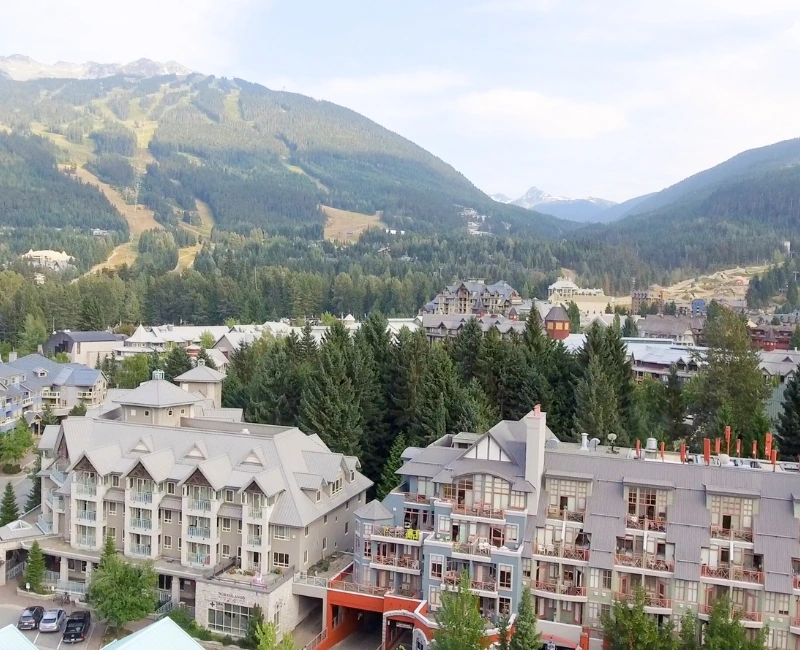
A getaway to Whistler, approximately two hours’ drive from Vancouver, offers an iconic mountain experience easily planned as a day trip or extended stay. The scenic Sea-to-Sky Highway itself is part of the attraction: ocean vistas give way to coastal rainforest and mountain passes, with lookout points ideal for photo stops. Along the route, attractions such as Shannon Falls Provincial Park provide short hikes to cascading waterfalls. Arriving in Whistler Village, travellers encounter pedestrian-friendly streets lined with shops, cafés, and galleries, all set against dramatic mountain peaks.Outdoor activities in Whistler vary by season: summer invites mountain biking on world-class trails, zip-lining through forest canopies, and hiking around alpine lakes. The Peak 2 Peak Gondola connects Whistler and Blackcomb mountains, offering breathtaking aerial views. In winter, Whistler Blackcomb is renowned for its extensive ski terrain, suitable for all levels. Snowshoeing and cross-country skiing trails also abound. Guided glacier tours and snowmobile excursions add adventure for those seeking off-piste experiences. Family-friendly attractions include the Coca-Cola Tube Park and indoor climbing facilities, ensuring fun for younger travellers.Culinary options in Whistler range from casual mountain cafés serving hearty stews and local beers to upscale restaurants featuring Pacific Northwest cuisine. Après-ski or après-adventure scenes encourage relaxing by fireplace lounges or outdoor patios overlooking slopes. Wellness offerings—spas, hot tubs, yoga classes—provide rejuvenation after active pursuits. For convenience, guided day-trip packages from Vancouver often include transport, gear rental, and sometimes meals, simplifying logistics for travellers without a rental car. Alternatively, drive-yourself or coach services along the Sea-to-Sky Highway allow flexibility in timing and stops.Cultural experiences in Whistler include art galleries showcasing Indigenous and local artists, educational tours about mountain ecology, and festivals like the Whistler Film Festival or summer music events. Wildlife sightings—black bears, eagles—are possible with mindful observation and guided eco-tours emphasizing responsible viewing practices. Safety considerations include preparing for variable mountain weather, carrying layers, and following trail guidelines. Many operators provide all necessary equipment and guidance to ensure a safe, enjoyable outing.Returning to Vancouver in the evening, travellers reflect on the contrast between urban exploration and alpine adventure within the same day. The Whistler day trip exemplifies British Columbia’s landscape diversity: coastal cityscapes to rugged mountains within easy reach. This experience suits travellers seeking variety—whether adrenaline-fueled activities or scenic relaxation—making Whistler a must-see complement to Vancouver’s urban offerings.
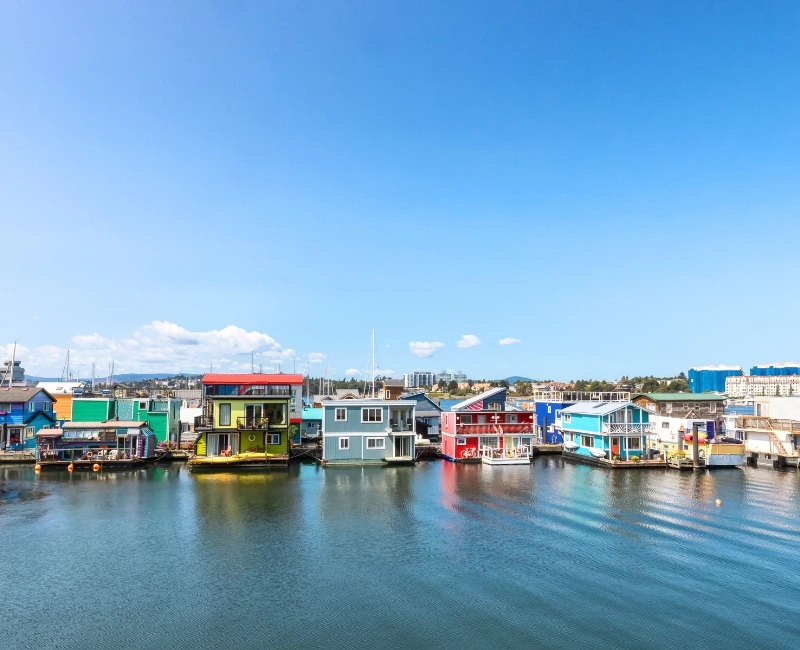
A journey to Victoria and the Gulf Islands combines coastal ferry rides with exploration of British Columbia’s island charms. Departing from downtown Vancouver, travellers board a ferry (SeaBus and connecting transport) or scenic floatplane (for those seeking aerial perspectives) to Victoria, the provincial capital located on Vancouver Island. Upon arrival, Victoria’s compact Inner Harbour area invites leisurely strolling past historic architecture, the iconic Parliament Buildings, and handcrafted shops. Seasonal flower displays at Butchart Gardens are a highlight, with vibrant blooms and themed lighting events that appeal to garden enthusiasts and photographers alike.Beyond Victoria, the Gulf Islands—accessible via ferry from Victoria or Vancouver—offer tranquil escapes. Salt Spring Island, the largest, features artisan markets, organic farms, and scenic trails. Visitors can sample handmade cheeses, local ciders, and artisanal crafts at Saturday markets. Kayaking around sheltered bays reveals secluded beaches and marine life; guided wildlife tours may include otter or seal sightings. Cycling routes traverse gentle hills and farmland, connecting small villages with cafés and galleries.Other islands such as Galiano, Pender, and Mayne each possess distinct character: hiking trails through coastal forests, viewpoints overlooking ocean channels, and opportunities for kayaking or paddleboarding in calm waters. Island accommodations range from cozy B&Bs to waterfront lodges, offering restful nights under starry skies with minimal light pollution. Local dining emphasizes fresh seafood, farm-to-table produce, and small-batch beverages.Practical details include planning ferry schedules in advance, especially during peak summer months, and considering multi-day itineraries to fully appreciate each island’s slower pace. Rental vehicles may be available on larger islands, but many travellers opt for bicycles or local transit on smaller isles. Guided tours offer insights into Indigenous histories and local conservation initiatives, deepening understanding of the region’s cultural and environmental importance. Photography enthusiasts find abundant subjects: rugged shorelines, wildflower meadows, and charming village scenes.Returning to Vancouver, travellers carry memories of both vibrant city life and island serenity, appreciating the ease with which British Columbia’s varied landscapes connect. This day trip (or overnight excursion) to Victoria and the Gulf Islands highlights the West Coast’s maritime heritage and natural diversity, providing a balanced contrast to urban adventures and enriching any Vancouver-centric itinerary.
No ads. No trails. No commitments


Alice Roses
London, England
51 ST MATTHIAS ROAD
NOTTINGHAM, NOTTINGHAMSHIRE
NG3 2HF
Hours: 8:00 - 17:00, Mon - Sat
support@johnsonholidays.com