 Northern Ireland Travel
Guide
Northern Ireland Travel
Guide
Paris is known around the world as the “capital of love,” and even if you don't understand the history of Paris at all

1.5 Hours
£3.50
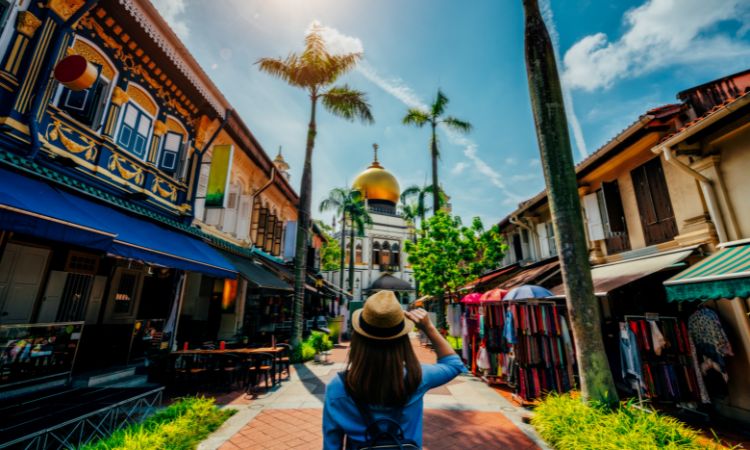
Northern Ireland’s landscape is remarkably varied within compact distances—from the basalt columns of the Giant’s Causeway to the rolling peaks of the Mourne Mountains, and from rugged cliffs along the Causeway Coastal Route to tranquil lough shores inland. Outdoor enthusiasts can hike, cycle, kayak, or simply enjoy scenic drives that reveal ever-changing vistas. The contrast between sea and mountains, the patchwork of green valleys, and the dramatic coastline create picture-postcard moments at every turn. Whether you chase sunrise at a cliff edge or pause by a glacial lake, the diversity here invigorates and inspires, making it a prime reason to book your trip.
Learn More
Northern Ireland’s history spans ancient myths, medieval kingdoms, and modern transformations. Explore prehistoric sites and medieval castles that whisper of centuries past, visit heritage centres that chronicle local tales, and discover how Belfast has reinvented itself from industrial roots to a vibrant cultural capital. Learn about the Titanic’s story in Belfast’s dedicated exhibitions, or walk the historic walls of Derry~Londonderry. Local guides and museums provide deep insights into the region’s evolution, while festivals and events celebrate traditional music, literature, and contemporary arts. This rich tapestry of history and culture invites curious travellers to connect with place and people authentically.
Learn More
Visitors often remark on the warmth and friendliness of Northern Ireland’s people. From welcoming B&B hosts offering local breakfast specialties to pub sessions where musicians play traditional tunes, you’ll encounter genuine hospitality. Small-town communities and urban locals alike share recommendations, offer stories, and help you feel at home. Authentic experiences abound: join a guided walking tour led by locals, attend a community festival, or take part in a cooking class featuring regional ingredients. This sense of genuine connection deepens your trip beyond sightseeing—Northern Ireland’s people ensure memories that resonate long after you return home.
Learn More
Belfast stands out as a dynamic city break destination. Its revitalised docklands, creative districts, street art, museums, and culinary scene provide ample attractions for short stays. Discover lively markets, innovative restaurants serving farm-to-table fare, craft beer pubs, and vibrant nightlife. Beyond Belfast, cities like Derry~Londonderry blend historic architecture with thriving arts scenes. Each urban centre balances heritage with modern flair, offering galleries, theatre performances, music venues, shopping districts, and comfortable accommodations that cater to diverse tastes. A city break here packs culture, history, and contemporary buzz into a compact area.
Learn More
Northern Ireland’s compact size makes self-drive touring especially rewarding. The Causeway Coastal Route is renowned globally for driving enthusiasts: winding roads along dramatic cliffs, stops at quaint villages, beaches, and landmarks like Carrick-a-Rede Rope Bridge. Inland routes lead to serene loughs and mountain trails. Signposted routes and well-maintained roads allow travellers to cover highlights within a few days, yet the experience never feels rushed because each stop reveals new perspectives. Even those relying on guided tours find well-organised itineraries that maximize time and deliver comfortable, memorable journeys.
Learn More
Northern Irish cuisine blends hearty traditions with modern creativity. Savour freshly caught seafood—oysters, mussels, salmon—at seaside cafés and fine-dining restaurants alike. Taste artisanal cheeses, farm-fresh produce, and innovative dishes in Belfast’s acclaimed eateries. Pubs serve comforting classics such as stews, soda bread, and local specialties, often accompanied by live music. Explore distilleries producing Irish whiskey and local breweries crafting award-winning beers. Food and drink trails allow you to sample regional flavours, meet producers, and learn about culinary heritage—perfect for gourmets and casual diners seeking authentic tastes.
Learn More
Lorem ipsum dolor, sit amet consectetur adipisicing elit. At illo adipisci iusto
From

Because more than 268 other customers have loved us too

Demonstrates commitment to user data security through encryption and secure payment practices
Learn More
Demonstrates commitment to user data security through encryption and secure payment practices
Learn More
Demonstrates commitment to user data security through encryption and secure payment practices
Learn More
Demonstrates commitment to user data security through encryption and secure payment practices
Learn More
Quality as judged by customers. Book at the ideal price!


/ person
/ person
/ person
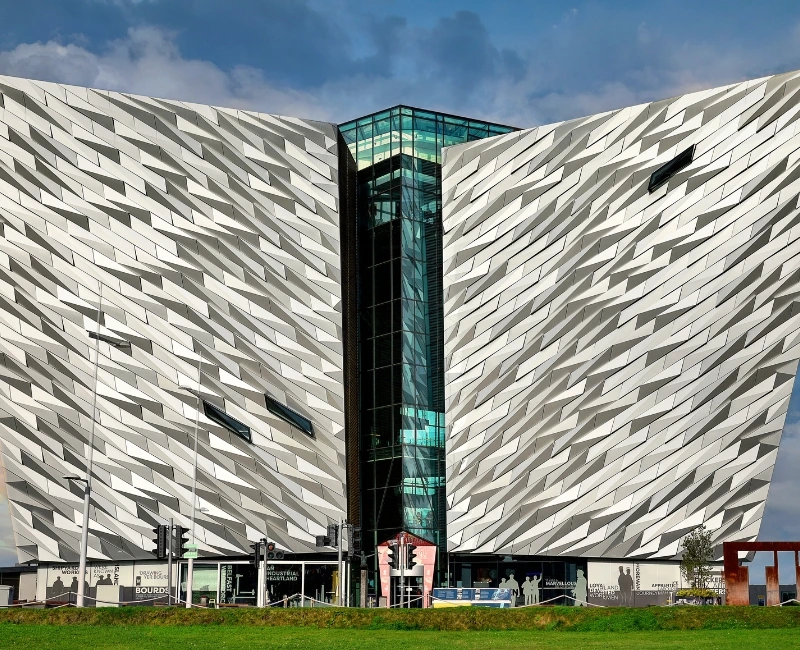
Belfast’s Titanic Quarter embodies the city’s journey from industrial roots to a modern cultural hub, making it a must for travellers interested in heritage and innovation. Begin at Titanic Belfast, an architectural landmark whose angular façade evokes ship hulls. Inside, engaging galleries guide you chronologically through the Titanic story: conception, building process, launch, tragic sinking, and legacy. Immersive exhibits combine artefacts, high-quality replicas, interactive displays, and multimedia storytelling to suit varied interests—from history buffs to families with children. Allocate at least two to three hours to absorb the exhibits fully, pausing at detailed displays about shipbuilding craftsmanship and personal stories of crew and passengers.After the museum, step outside to explore the regenerated docklands. The SS Nomadic, White Star Line’s tender vessel, has been meticulously restored; boarding reveals first-class and steerage areas, offering tangible insight into early 20th-century maritime travel. Walking the dockside promenade, you’ll find creative hubs and pop-up art installations that reflect Belfast’s thriving arts scene; pause for a coffee at a café serving locally roasted beans. Seek out street art murals in adjacent neighbourhoods, which narrate social history and contemporary identity. Along the waterfront, interpretive signage highlights how shipbuilding shaped local communities.Dining in the Titanic Quarter area showcases Northern Irish produce. Choose from casual eateries offering locally sourced seafood or contemporary restaurants where chefs reinterpret traditional flavours. A tasting menu may feature freshwater salmon, root vegetables from nearby farms, or artisanal breads. In the evening, venture to nearby pubs for live music sessions: traditional tunes on fiddle or uilleann pipes, or gigs by emerging artists blending folk and modern genres. Engaging with locals over a pint fosters authentic connection and reveals insider tips for further exploration.For further context, consider guided walking tours led by local historians who recount Belfast’s transformation, from shipyards to creative districts. Some tours combine Titanic Quarter with adjacent neighbourhoods, explaining how the city has revitalised former industrial zones. If time allows, take a short stroll to Hamilton Dock or join a river cruise on the Lagan for alternate perspectives of the skyline.Practical tips: Belfast International (BFS) or George Best Belfast City (BHD) airports both provide access; allow time for transfers into the city. Purchase Titanic Belfast tickets in advance during peak season (May–September) to secure preferred timeslots. Comfortable walking shoes are recommended, as the area invites exploration on foot. This guide ensures you experience the full narrative arc: the marvel of shipbuilding heritage, Belfast’s creative resurgence, and genuine local hospitality that makes visiting Titanic Quarter memorable.
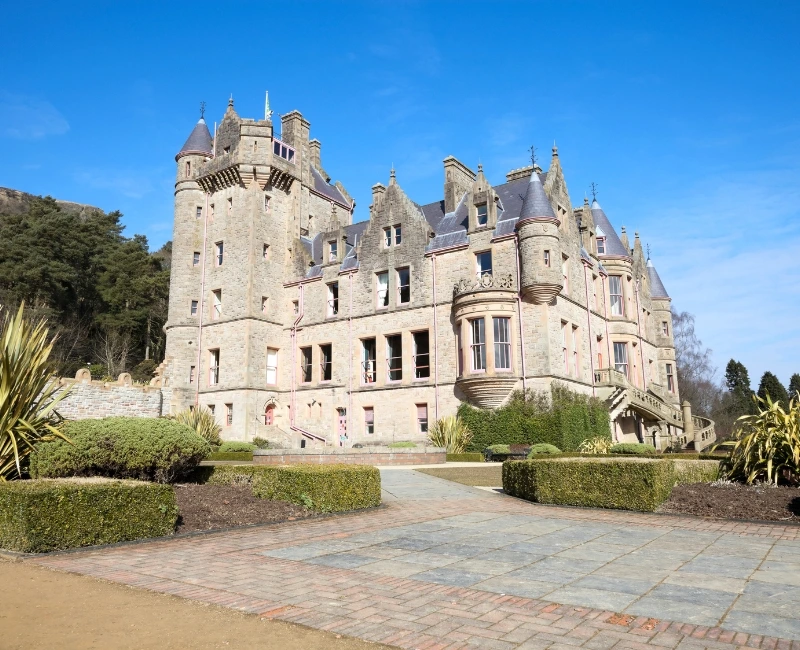
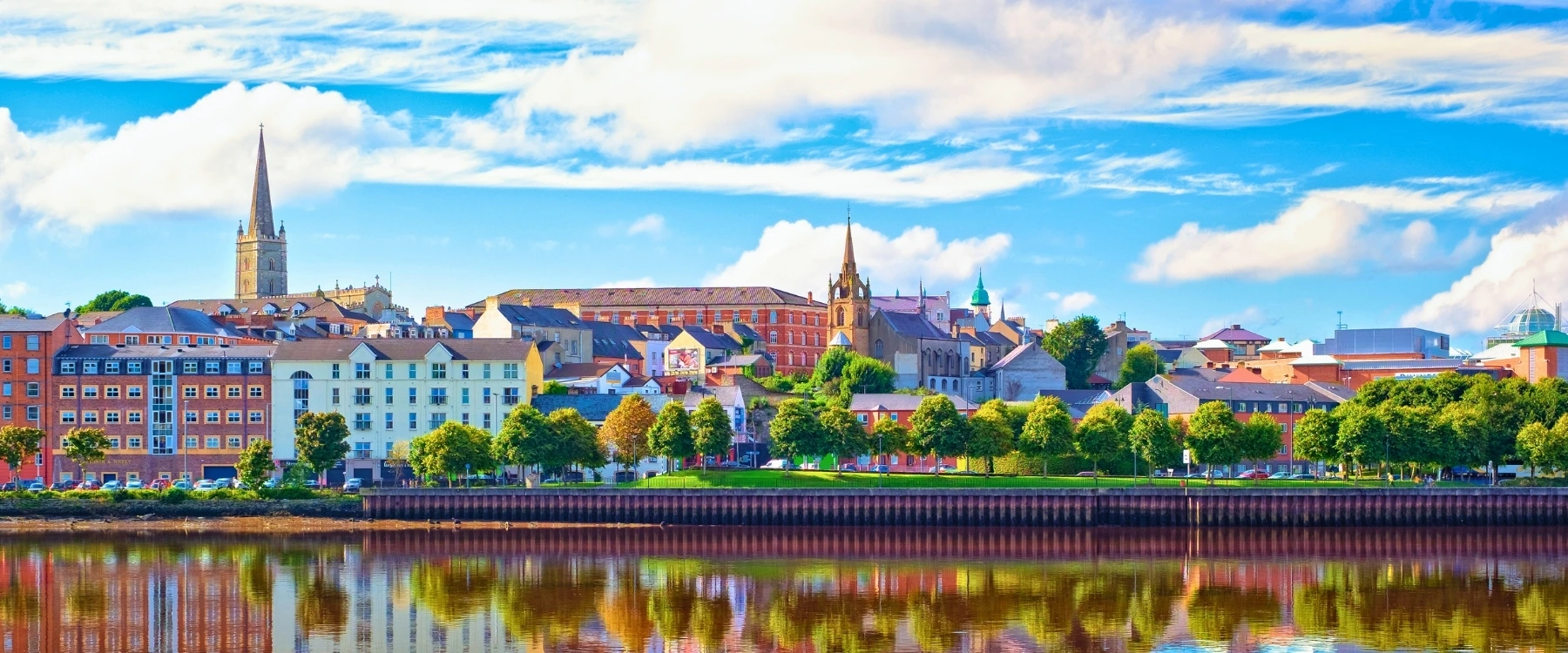
Northern Ireland’s tapestry of castles, ruins, and heritage centres offers travellers a deep dive into centuries of history, legends, and architectural splendour. Begin with Carrickfergus Castle on Belfast Lough, one of the best-preserved medieval fortresses in Ireland. Dating from the late 12th century, its stone keep and curtain walls have witnessed sieges and maritime defence. Self-guided audio or on-site interpretive panels describe defensive strategies, medieval life, and later roles in regional conflicts. Spend time exploring towers, battlements, and the surrounding shore; the juxtaposition of ancient stone against modern harbour activity highlights continuity and change.Next, journey to Dunluce Castle on the Antrim coast. Perched dramatically atop basalt cliffs, its evocative ruins have inspired poets and filmmakers. Reachable via short coastal walks, Dunluce offers sweeping sea vistas; imagine the castle’s heyday as you wander collapsed chambers and battlement fragments. Nearby visitor information explains archaeological findings and local folklore, such as tales of kitchens slipping into the sea. Photographers will appreciate golden-hour light illuminating weathered stones against the Atlantic backdrop.Inland, Hillsborough Castle and Gardens provide a refined contrast: an official royal residence with stately rooms and landscaped gardens reflecting centuries of horticultural design. Guided tours detail political history and the role of the estate in regional affairs. Gardens include ornamental terraces, rose gardens, and woodland walks; seasonal blooms ensure year-round interest, from spring bulbs to autumn foliage.Heritage centres enrich understanding of rural life and traditions. The Ulster Folk and Transport Museum near Belfast recreates period cottages, craft workshops, and vintage transport displays. Walking through recreated village streets, you encounter costumed interpreters demonstrating weaving, blacksmithing, or baking soda bread, illustrating daily life in past eras. Transport exhibits showcase vintage buses, trams, and historic vehicles, offering perspective on technological and social change.In Derry~Londonderry, the intact city walls dating to the early 17th century afford a living museum: a circuit around the walls features interpretive plaques recounting sieges, cultural resilience, and civic evolution. From the walls, look down on the River Foyle and historic neighbourhoods; guided walks often include stories of murals and peace-building efforts in recent decades.For deeper insights, consider specialised tours: archaeology-focused excursions to ancient monastic sites or standing stones in County Down; folklore walks recounting legends tied to locations; or blended cultural tours pairing castle visits with local storytelling sessions. Practical advice: check opening times and any seasonal closures; wear sturdy footwear for uneven terrain; combine nearby sites in a day trip to maximise time. This guide ensures you traverse Northern Ireland’s heritage mosaic—from coastal strongholds to rural traditions—immersing in narratives that shape identity and reveal connections between past and present.
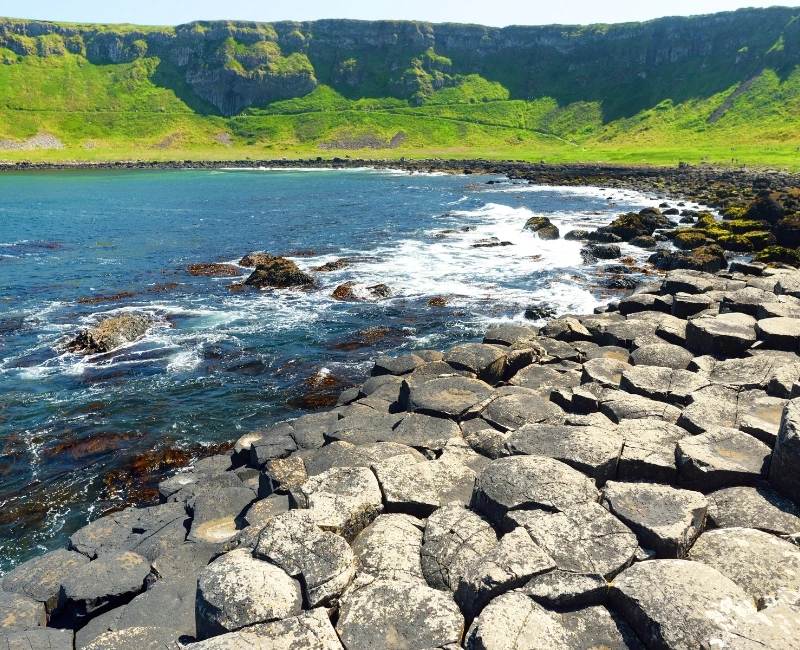
The Giant’s Causeway, a UNESCO World Heritage Site, stands as Northern Ireland’s emblem of geological wonder and mythic allure. Formed by ancient volcanic activity around 60 million years ago, approximately 40,000 interlocking basalt columns create a tessellated platform meeting the Atlantic’s waves. To make the most of your visit, arrive early (especially in summer months) to avoid peak crowds and witness shifting light on the column surfaces. Begin at the visitor centre, where discreet interpretation introduces geological formation processes alongside Irish folklore of Finn McCool. Then descend to the causeway itself: sturdy walking shoes are essential for navigating sometimes slippery stones. Pause at vantage points to observe wave patterns carving sea stacks, and listen to the rhythmic sound of ocean swell against rock.Beyond the main viewing area, explore coastal trails that lead to quieter outlooks. A path northward ascends along cliffs offering panoramic sea views, while southern trails lead to hidden coves where seabirds nest and seals may be spotted offshore. Nature photographers will find dramatic compositions regardless of weather: moody skies can heighten the sense of raw landscape. Birdwatchers can identify species such as guillemots or fulmars on rocky ledges. Bring layers and waterproofs, as coastal weather can shift rapidly.Extend the experience by driving or cycling the adjacent sections of the Causeway Coastal Route. From the causeway, head toward Dunseverick Castle ruins perched above the sea—its solitary tower ruination evokes bygone eras. Continue to Ballintoy Harbour, a small fishing village with painted boathouses and viewpoints down to a rocky inlet. Walk short trails around the harbour, enjoying fresh sea air and locally sourced seafood at casual cafés or picnic spots.Further along, visit Carrick-a-Rede Rope Bridge for a thrilling crossing above swirling waters, providing exhilarating vistas of coastline and islands. If heights and wind permit, the experience is memorable and photo-worthy. Then proceed to views at White Park Bay or Portbraddan, where sandy stretches contrast with rugged headlands. Seasonal blooms of coastal wildflowers add colour to cliffside walks.Practical tips: check tide times and weather forecasts; allow 2–3 hours at the Giant’s Causeway itself plus additional time for surrounding trails; car parks can fill quickly in peak season—consider public transport or tours if arriving midday. Bring a packed snack or water; visitor centre cafés provide refreshments but queues form in busy periods. This guide ensures you experience both iconic basalt formations and surrounding coastal landscapes, balancing iconic photo stops with lesser-known paths for an immersive appreciation of Northern Ireland’s natural wonders.
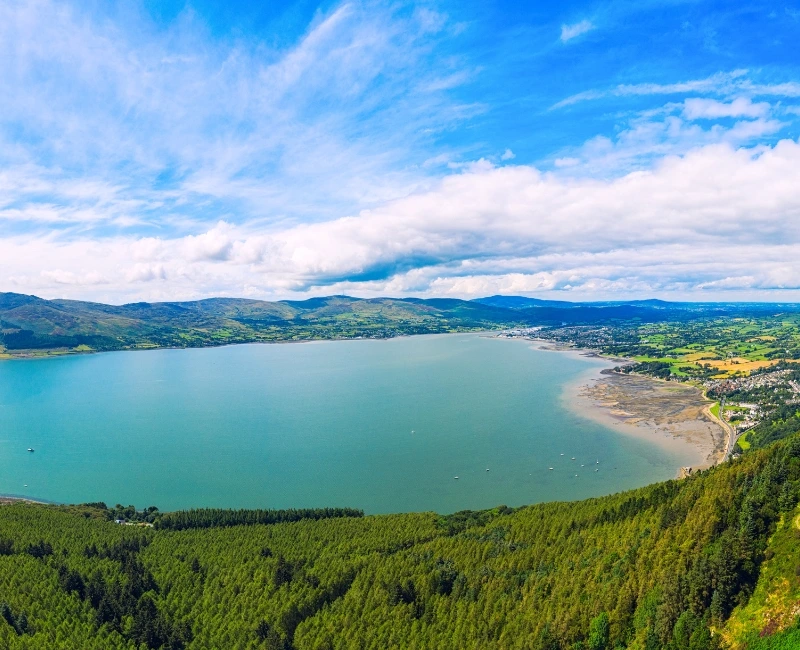
The Mourne Mountains in County Down present one of Northern Ireland’s most rewarding hiking destinations, blending rugged peaks, glacial valleys, and scenic reservoirs. Slieve Donard, at 850 meters, is the highest summit and a popular challenge offering panoramic views over Strangford Lough, the Irish Sea, and, on clear days, distant hills in the Republic of Ireland. Start early to avoid afternoon weather shifts and allow time for ascent and descent at a comfortable pace. Well-maintained trails lead from car parks near Newcastle; wear sturdy boots, pack layers, waterproof jacket, and sufficient water and snacks. The climb takes approximately 4–6 hours round-trip depending on pace and conditions.For experienced hikers seeking extended ridge walks, consider the Mourne Wall circuit: a challenging route traversing multiple summits such as Slieve Bearnagh and Slieve Meelmore. Navigation skills are crucial as weather can change rapidly, with fog or wind altering visibility. Hiring a local guide or joining a guided hiking group enhances safety and provides insights into geology, flora, fauna, and local folklore tied to mountain features. In valleys like Annalong or Glen River, gentler walks follow riverside paths with waterfalls, old mills, and native woodlands. These routes suit those seeking serene nature immersion rather than summit challenges.Mourne’s reservoirs (Silent Valley, Ben Crom) offer tranquil walks along dam walls and surrounding trails, with water reflecting mountain silhouettes on calm days. Birdwatchers may spot peregrine falcons or meadow pipits among rocky outcrops; botanists can identify mountain wildflowers in season. Photography opportunities abound: sunrise or sunset light casts dramatic shadows across ridges, and autumn hues transform the landscape into a tapestry of gold and crimson.Accommodation options in nearby towns and villages include cosy B&Bs serving hearty breakfasts of local produce, guesthouses with mountain views, or self-catering cottages for multi-day stays. Local pubs provide warming meals and a chance to mingle with residents, gaining insider trail tips. For logistics, check public transport or arrange car hire; some operators offer shuttle services to trailheads. Always inform someone of your planned route and expected return time; mobile reception can be patchy. This guide equips you for a fulfilling Mourne Mountains adventure: prepare adequately, choose routes matching ability, and immerse in mountain landscapes that inspire both challenge and contemplation.
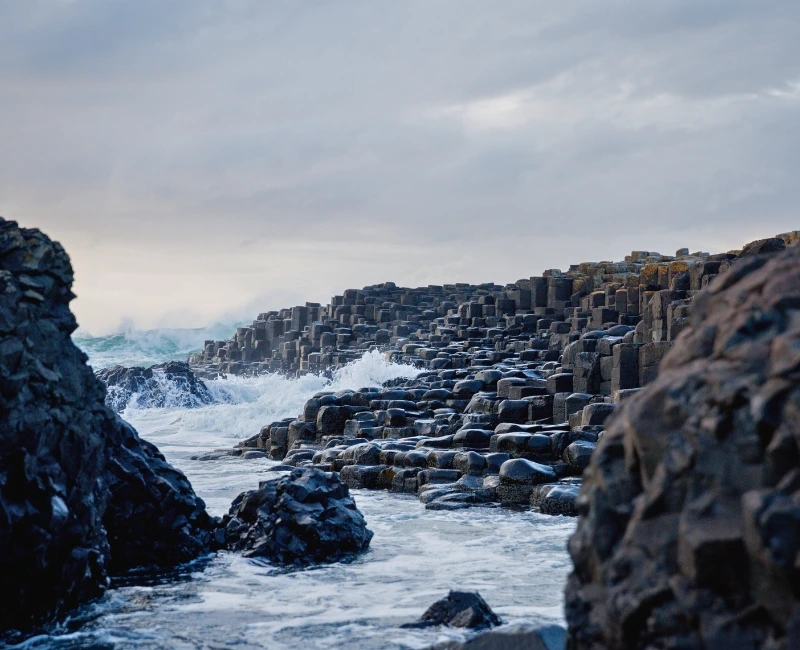
The Causeway Coastal Route is acclaimed as one of the world’s premier scenic drives, stretching roughly 120 miles from Belfast to Derry~Londonderry along Northern Ireland’s Atlantic shoreline. Allocate at least two to three days to savour highlights without rush, with optional overnight stays in coastal villages. Begin near Belfast or Larne, then follow well-signposted roads toward Carrickfergus Castle as a warm-up stop before coastal vistas. Proceed through Ballygally, where a brief cliff walk reveals panoramic sea views, then onward to Cushendun, pausing at scenic pull-ins for photos of rugged headlands.At Carrick-a-Rede, experience the rope bridge crossing to a tiny island, offering thrilling vistas of churning waters and distant coastline. Time your visit for lighter winds and off-peak hours to avoid long queues. Nearby Ballintoy Harbour, a small fishing settlement, invites short walks to concealed coves; sample freshly caught seafood in simple cafés or bring picnic supplies. Next is Dunluce Castle, perched dramatically above crashing waves: wander ruins with interpretive panels explaining medieval life and local legends; the adjacent cliff paths offer exceptional photography.Continue to Bushmills, home to the world’s oldest licensed distillery. Even if you visit the distillery tour later, the village itself offers eateries for lunch. From Bushmills, proceed to the Giant’s Causeway; arrive earlier or later in the day for quieter exploration of basalt columns. After the causeway, head west toward Portstewart and Portrush, where sandy beaches like Portstewart Strand provide relaxation or water-sport opportunities (surfing, kayaking) depending on conditions. Portrush’s promenades and cafes are ideal for afternoon breaks.Further west, explore coastal cliffs near Castlerock and Magilligan Point, before crossing into Derry~Londonderry. If time allows, detour along inland loops to scenic spots such as Murlough Bay, offering tranquil seclusion, or the Dark Hedges for an atmospheric tree tunnel. Plan overnight stops in charming guesthouses or boutique hotels in coastal towns; book ahead in peak season (May–September). Ensure fuel stops are planned, as remote stretches have fewer services. Check weather forecasts daily, as coastal weather can change quickly; pack layers and waterproof gear. This guide outlines day-by-day segments, driving tips (speed limits, local driving norms), recommended rest stops, and highlights for photography, dining, and cultural immersion—ensuring a memorable journey along one of Europe’s most dramatic coastlines.
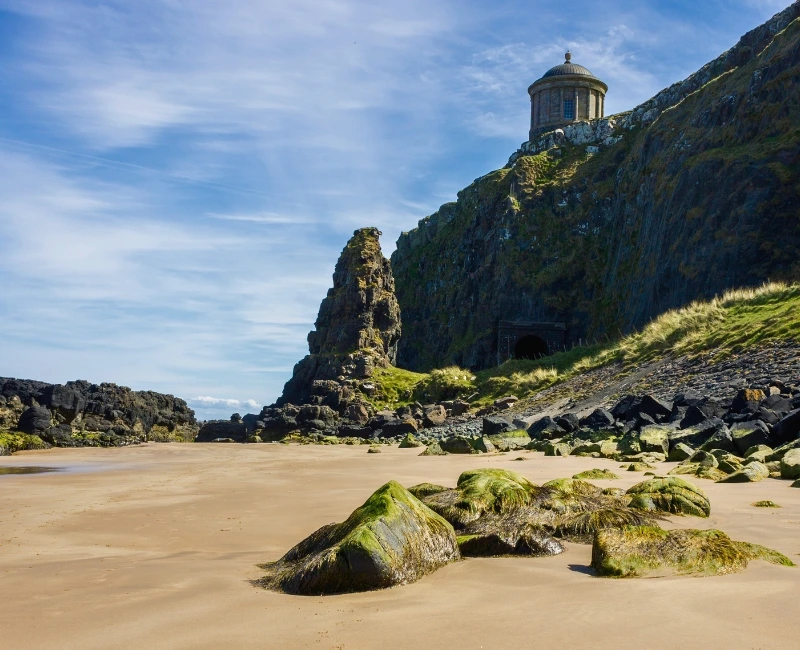
Northern Ireland’s coastline offers varied beaches and water-based adventures alongside dramatic cliffs. For family-friendly beach days, Portstewart Strand features long golden sands backed by dunes—ideal for beach games, picnics, and gentle coastal walks. Murlough National Nature Reserve near Dundrum Bay provides dune ecosystems with boardwalk trails and birdwatching opportunities, especially during migration seasons. Check tide timetables before planning shoreline exploration to ensure safety.Adventure seekers can surf at beaches around Portrush and Portstewart when swell permits; local surf schools offer lessons and equipment rental. Kayaking excursions depart from sheltered coves, guiding participants through sea caves, arches, and quiet inlets. Guided tours include safety briefings on tides and weather. For a thrilling perspective, try coasteering: traversing rocky shorelines by swimming, climbing, and jumping under professional supervision. Always book with licensed operators to ensure safety standards.Fishing charters from coastal harbours offer sea angling experiences; seasons and targeted species vary, so consult local operators. Dolphin or seal-watching boat trips depart from select harbours; while sightings cannot be guaranteed, calm weather increases chances. Birdwatchers can visit RSPB reserves along the coast for seabird colonies and migratory species.For relaxation, beaches such as Whiterocks near Portrush showcase dramatic limestone formations; bring a picnic or enjoy refreshments at nearby cafés. Sunset beach walks reveal changing colours on cliffs and seascapes. Accommodations close to beaches range from boutique guesthouses to self-catering cottages—ideal for multi-day stays combining rest and activity.Practical advice: check weather forecasts and tide times; wear appropriate footwear for rocky areas; book water-activity sessions in advance during peak season. Carry waterproof bags for belongings and layers for changing conditions. Respect wildlife and protected areas by following guidelines. This guide ensures travelers balance relaxation and adventure: from tranquil beach retreats to adrenaline-filled water sports, experiencing Northern Ireland’s coastline in diverse ways..

Northern Irish culinary heritage blends hearty traditions with innovative modern approaches. Begin mornings with an Ulster fry: locally sourced bacon, sausages, eggs, soda bread, and potato bread, often served in cosy cafés or B&Bs—with a strong tea or coffee. Explore farmers’ markets in Belfast (weekend markets) or smaller towns like Enniskillen: sample artisanal cheeses made from local dairy, preserves crafted from seasonal fruits, and freshly baked breads. Chat with producers about traditional methods and emerging trends in farm-to-table practices.For seafood enthusiasts, coastal villages provide direct access to freshly caught shellfish—oysters, mussels, crab, and salmon. Seek out casual seafood shacks or harbourside eateries where simplicity highlights ingredient quality. In Belfast’s restaurants, innovative chefs reinterpret Northern Irish flavours: dishes combining lamb from local farms, wild mushrooms foraged regionally, and root vegetables with heritage grains. Many menus emphasize sustainability and provenance; ask staff about ingredient sourcing to deepen appreciation.Structured food trails guide travellers through culinary landscapes: a County Down trail might include visits to family-run farms, artisan bakeries, and mountain-dairy cheese makers. Participate in cooking workshops: learn to bake soda bread or prepare seasonal stews using regional produce. Some venues offer combined farm visits and tasting sessions, providing context on agricultural cycles and traditional recipes handed through generations.Don’t miss sampling local desserts: examples include buttery tray bakes or seasonal fruit tarts made with berries from local farms. Pair meals with Northern Irish craft beers or a dram of Irish whiskey at nearby distilleries. Many breweries and distilleries host tasting sessions, which can be complemented by cheese platters featuring regional varieties. For an immersive evening, join a food-and-drink pairing dinner where chefs and brewers collaborate to showcase harmonious flavour profiles.Practical tips: book popular restaurants and workshops in advance, especially during peak season; consider dietary preferences by checking menus ahead; balance fine-dining experiences with casual local eateries for variety. Use local recommendations from hosts or guides to discover hidden gems. This guide equips food-centric travellers to taste Northern Ireland’s culinary diversity: from hearty breakfasts to gourmet dinners, weaving together flavours, stories, and connections with producers that enrich travel experiences.
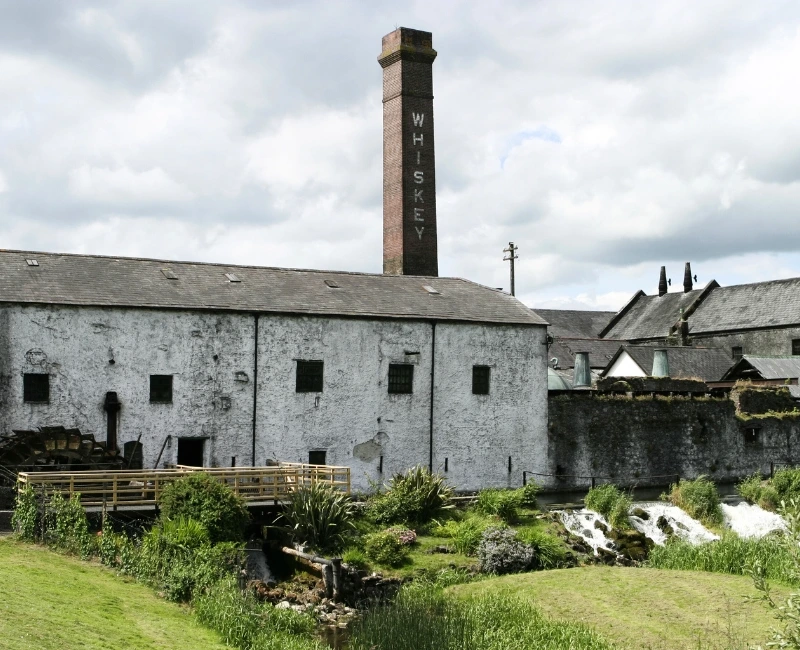
Northern Ireland’s drink culture has seen a renaissance, with distilleries and breweries offering immersive behind-the-scenes experiences and tastings. Begin with a distillery tour: historic sites or new craft distilleries invite visitors to learn about malting, mash bills, fermentation, distillation, and maturation. Guides explain how local water sources, barley varieties, and cask selections influence final whiskey flavours. Tastings typically include core expressions and limited releases; savour notes of malt, vanilla, spice, and regional terroir. Some distilleries offer blending workshops, allowing you to create a personalized small-batch sample to take home.Craft breweries across Belfast and smaller towns produce a range of ales, stouts, lagers, and seasonal brews. Brewery tours highlight ingredient sourcing—often local hops, specialty malts, or experimental additions like botanicals. Witness brewing equipment in action, then relax in taprooms sampling flight boards that guide you through flavour profiles: from crisp, hoppy pale ales to rich, chocolatey stouts. Brewery cafés or paired tasting sessions may offer local cheese or charcuterie platters that accentuate beer characteristics. Seasonal events such as beer festivals or launch parties provide opportunities to meet brewers and fellow enthusiasts.For an organized itinerary, follow a mapped trail combining distillery visits with brewery stops. Some regions offer shuttle services or guided tours to ensure safe transport between venues. In Belfast, craft beer bars concentrate offerings from local breweries, enabling comparative tastings in one evening. Complement with pub visits where you can try classic Irish whiskey brands alongside new labels emerging from Northern Ireland. Attend whiskey-pairing dinners where chefs design courses to enhance tasting notes—such as smoked dishes paired with peated whiskies or chocolate desserts matched to sweeter cask finishes.Responsible tasting is paramount: pace visits over multiple days, hydrate between sessions, and arrange transport or designate a driver. Check opening times and book tours in advance, as spaces can fill quickly. Distilleries and breweries often have on-site shops selling bottles, branded glassware, or merchandise—consider purchasing as souvenirs. This guide ensures drink aficionados experience Northern Ireland’s vibrant beverage scene: understanding production processes, tasting diverse expressions, and connecting with passionate producers behind each dram or pint.
No ads. No trails. No commitments


Alice Roses
London, England
51 ST MATTHIAS ROAD
NOTTINGHAM, NOTTINGHAMSHIRE
NG3 2HF
Hours: 8:00 - 17:00, Mon - Sat
support@johnsonholidays.com