 Istanbul Travel
Guide
Istanbul Travel
Guide
Paris is known around the world as the “capital of love,” and even if you don't understand the history of Paris at all

4 Hours
£2.54
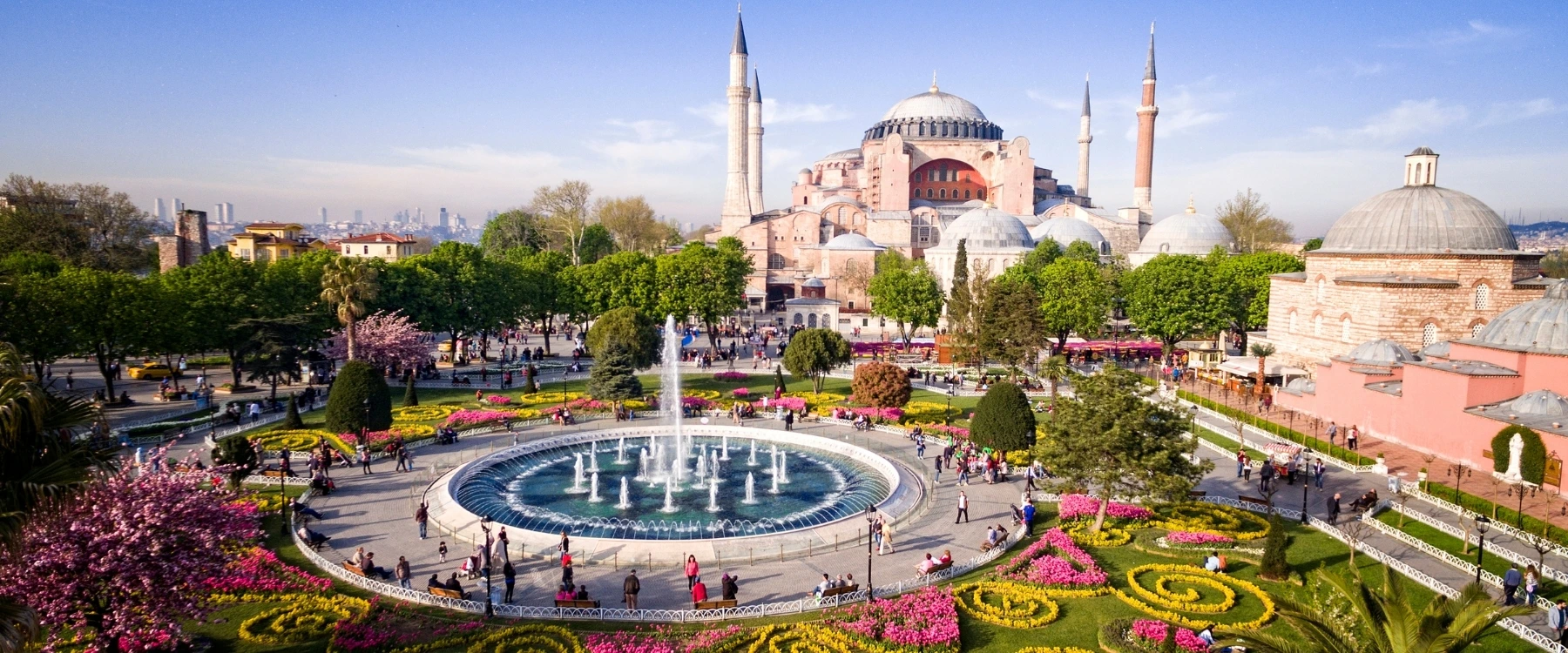
Istanbul’s skyline narrates centuries: Byzantine churches converted to mosques, Ottoman palaces overlooking the sea, and modern bridges linking continents. Visitors stand before Hagia Sophia, witnessing innovations in dome construction and ornate mosaics; explore Topkapı Palace, once the heart of an empire; and marvel at the architectural finesse of the Süleymaniye Mosque. Beyond the iconic monuments, neighbourhoods like Sultanahmet and Fener-Balat reveal layered histories in winding lanes, restored Ottoman houses, and hidden Byzantine remnants. Walking through these quarters offers insight into the interplay of cultures over millennia: Roman walls framing modern cafés, Byzantine churches repurposed as art galleries, and historic hamams still serving locals. This rich heritage makes Istanbul a living museum where every corner holds a story, ideal for travellers eager to connect with the past.
Learn More
Istanbul’s culinary scene is legendary, offering an array from street snacks to Michelin-starred establishments. Start with simit vendors at dawn, sip çay (Turkish tea) in local teahouses, then sample gözleme (filled flatbreads) in markets. Meze spreads—hummus, eggplant salad, stuffed mussels—unfold on communal tables, encouraging shared dining. Seafood restaurants on the Bosphorus serve freshly grilled fish with views of waterfront palaces. For dessert, indulge in baklava, künefe, or seasonal fruit treats in historic patisseries. Modern chefs reinterpret Turkish classics, merging local ingredients with global techniques—imagine lamb kofta sliders or Ottoman-inspired tasting menus. Cooking classes allow hands-on exploration of spice blends, pastry techniques, and meze preparation, ensuring travellers take flavours home. Whether budget-conscious or seeking luxury gastronomic experiences, Istanbul delivers a memorable culinary journey that reflects its cross-continental identity.
Learn More
Istanbul’s markets are an immersive sensory journey. The Grand Bazaar, one of the world’s oldest covered markets, houses thousands of shops selling jewellery, carpets, ceramics, spices, and textiles; bargaining here is part of the tradition. The Spice Bazaar enchants with colourful piles of saffron, dried fruits, and Turkish delight. Beyond historic bazaars, modern shopping districts like Nişantaşı and Karaköy showcase designer boutiques, contemporary art galleries, and concept stores featuring local designers. Artisan workshops in neighbourhoods such as Balat and Kadıköy reveal handcrafted goods—leather items, ceramics, and handwoven textiles. For food shopping, local markets brim with seasonal produce, olives, cheeses, and street-food stalls, ideal for picnics by the Bosphorus. This diversity caters to collectors seeking antiques, fashion enthusiasts exploring local labels, and foodies hunting authentic ingredients.
Learn More
No trip to Istanbul is complete without a Bosphorus cruise. Daytime cruises offer panoramic views of waterfront palaces like Dolmabahçe and Ortaköy Mosque framed against the strait. Sunset cruises reveal the city in golden hues, with silhouettes of minarets reflecting on the water. For a slower pace, ferry rides to the Princes’ Islands provide car-free tranquility: rent bicycles on Büyükada, savour seafood by the shore, and stroll among historic wooden mansions. Private yacht charters enable bespoke itineraries—swim in secluded coves or enjoy onboard dining under Istanbul’s skyline. These maritime experiences highlight how Istanbul’s identity is intertwined with its waterways, offering relaxation and romance away from urban bustle.
Learn More
Istanbul’s cultural calendar is packed year-round. Museums such as Istanbul Modern and Pera Museum showcase contemporary art and Ottoman-era collections. Biennales, film festivals, and performances at historic venues like Süleymaniye or modern theatres create dynamic cultural engagement. Traditional arts—ebru (paper marbling), calligraphy workshops, and classical music concerts—offer insight into Ottoman heritage. Street art in neighbourhoods like Karaköy displays modern creativity, while galleries in Beyoğlu support emerging Turkish artists. Seasonal events—tulip festivals in spring, music festivals in summer, autumn literary gatherings—ensure visitors encounter Istanbul’s artistic pulse. This cultural richness appeals to travellers seeking intellectual stimulation, creative inspiration, and connection with local communities.
Learn More
Istanbul uniquely merges Eastern traditions with Western influences. Contemporary cafés occupy historic buildings, rooftop bars offer skyline vistas, and co-working spaces thrive alongside centuries-old hamams. The city’s cosmopolitan vibe attracts entrepreneurs, digital nomads, and creatives, fostering a start-up culture infused with Turkish hospitality. Public transport improvements—metro lines crossing continents via Marmaray tunnel—make exploration seamless. Festivals celebrate global and local cultures; neighbourhoods like Moda in Kadıköy host craft markets and live music, while Istiklal Avenue buzzes with international brands and street performers. This juxtaposition of tradition and innovation makes Istanbul an exciting destination for travellers who enjoy modern comforts without losing connection to deep-rooted heritage.
Learn More
Lorem ipsum dolor, sit amet consectetur adipisicing elit. At illo adipisci iusto
From

Because more than 268 other customers have loved us too

Demonstrates commitment to user data security through encryption and secure payment practices
Learn More
Demonstrates commitment to user data security through encryption and secure payment practices
Learn More
Demonstrates commitment to user data security through encryption and secure payment practices
Learn More
Demonstrates commitment to user data security through encryption and secure payment practices
Learn More
Quality as judged by customers. Book at the ideal price!


/ person
/ person
/ person
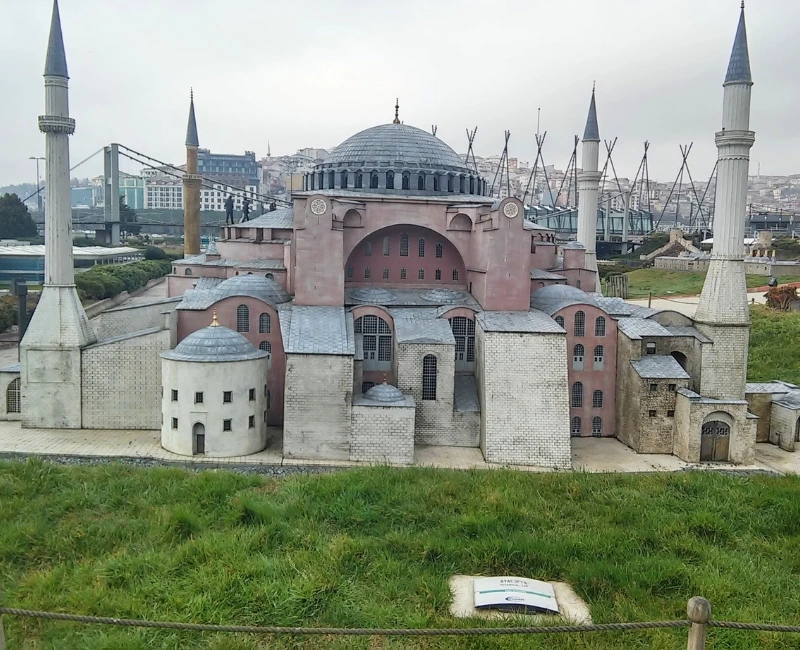
Istanbul’s historic landmarks define its identity as a city where empires once thrived, leaving architectural treasures at every turn. Begin in Sultanahmet Square, the heart of the historic peninsula: the Hagia Sophia stands as a testament to Byzantine ingenuity, its vast dome and intricate mosaics reflecting centuries of religious and political shifts. Nearby, the Blue Mosque enchants with its six minarets and cascading domes, adorned inside with hand-painted blue İznik tiles. Across the square, the Basilica Cistern offers a subterranean world of ancient columns mirrored on still waters, evoking the engineering marvels of Constantinople.Topkapı Palace, once the Ottoman sultans’ residence, reveals opulent pavilions, sacred relics in the Imperial Treasury, and gardens overlooking the Bosphorus. Visitors can linger in the Harem section to understand palace life and court protocols. A short walk leads to the Hippodrome’s obelisks and serpent column remnants, recalling chariot races and public gatherings of Byzantine Constantinople. The nearby Arasta Bazaar retains old-world charm, with artisan shops offering handcrafted ceramics and textiles.Venturing eastward, explore the Süleymaniye Mosque complex: designed by Mimar Sinan, the mosque’s graceful silhouette crowns a hill, offering panoramic city views. The complex includes a külliye—charitable institutions such as a soup kitchen and hospitals—showcasing how Ottoman architecture integrated spiritual and social functions. Further afield, glimpses of ancient city walls and Byzantine remains appear in neighbourhoods like Yedikule and Balat, where narrow streets and restored houses evoke layers of history. Pelicans near the Golden Horn and the rust-red roofs of historic fish restaurants connect natural and built heritage.A less-trodden route leads to the Chora Church in Edirnekapı, famed for its exquisite frescoes and mosaics depicting biblical scenes, reflecting late Byzantine artistry. While the original church functions as a museum, the art inside conveys spiritual narratives that predate Ottoman rule. Equally intriguing is the Rustem Pasha Mosque, a smaller gem with richly decorated İznik tilework, often less crowded yet radiating intricate beauty.For a comprehensive understanding, guided walking tours or audio guides can deepen appreciation of architectural styles—from Roman and Byzantine foundations to Ottoman grandeur. Evening visits to illuminated landmarks, such as seeing the Blue Mosque lit against night skies or the Hagia Sophia’s glow, reveal another layer of magic. Photographers will find endless compositions: minarets framed by ancient walls, sunbeams streaming through mosque windows, and reflections in Bosphorus waters.Historic landmarks in Istanbul are not isolated monuments but parts of living neighbourhoods. Cafés and tea gardens near these sites encourage pauses to reflect on the city’s narrative, while local shops offer souvenirs rooted in centuries-old crafts. This blend of discovery and contemplation makes exploring Istanbul’s landmarks a profound journey through time.
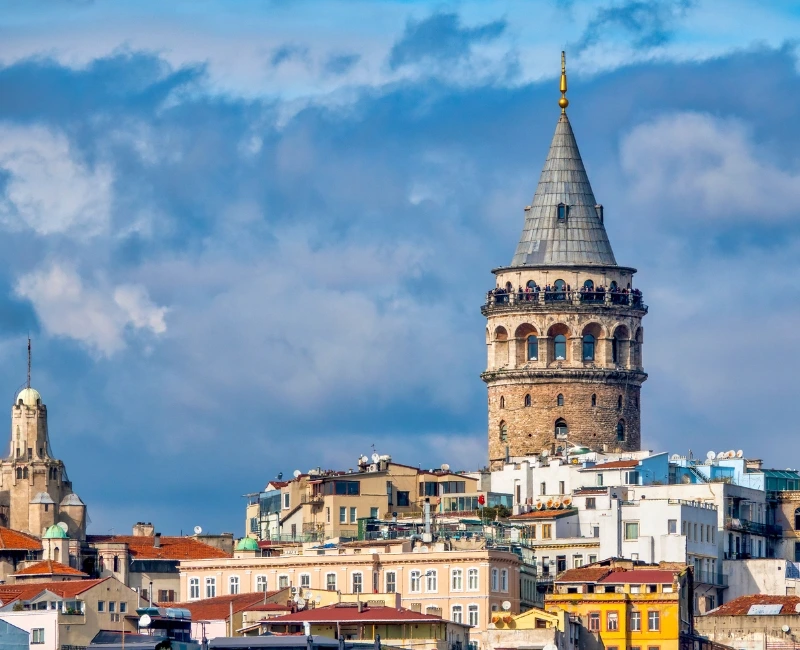
Istanbul’s museum and gallery scene bridges its storied past with contemporary creativity. Istanbul Modern, on the waterfront in Karaköy, showcases Turkish and international modern art, with rotating exhibitions, installations, and film screenings. The museum’s architecture and Bosphorus views add context to artworks reflecting Turkey’s evolving social landscape. Nearby, SALT Galata offers interdisciplinary exhibits in a historic bank building, presenting research-driven projects on Ottoman history, urban transformation, and design.For Ottoman-era art and artifacts, the Pera Museum houses Orientalist paintings, Anatolian weights and measures, and decorative arts collections. Its temporary exhibitions often feature cross-cultural dialogues, pairing Ottoman heritage with global art movements. The museum café occupies a renovated historic space, offering respite between galleries. The Rahmi M. Koç Museum on the Golden Horn focuses on industry, transport, and communications history; housed in a former anchor factory, it displays vintage vehicles, maritime artifacts, and interactive exhibits appealing to families and history enthusiasts.Traditional arts thrive in workshops offering ebru (marbling), calligraphy, and tile-painting classes. Participants learn techniques passed down over centuries, creating personalized souvenirs and deepening understanding of Ottoman artistic traditions. Visiting ceramics ateliers in Üsküdar or Beyoğlu reveals craftspeople shaping tiles and pottery, intertwining heritage and modern design. Textile workshops produce handwoven carpets and kilims, often structured as immersive visits where visitors see artisans at work and learn about symbolism in motifs.Beyond permanent collections, Istanbul hosts biennales and art fairs that inject dynamic energy. The Istanbul Biennial brings contemporary voices to historic venues—warehouses, old docks, or palaces—juxtaposing art installations with architectural backdrops. Film festivals, poetry readings, and performance art events occur year-round, often in unconventional spaces such as converted factories or waterfront warehouses. Check local listings under “More About Istanbul” to time visits with these cultural happenings.Niche museums add depth: the Museum of Turkish and Islamic Arts displays calligraphy, textiles, and manuscripts in the former palace building near Sultanahmet. The Istanbul Archaeology Museums reveal artifacts from ancient Anatolia and beyond, from Hittite reliefs to Roman sarcophagi. For design enthusiasts, the Borusan Contemporary in Istinye Park presents site-specific installations in a repurposed industrial space. Photography exhibitions appear in independent galleries across Beyoğlu and Kadıköy, spotlighting local and international photographers.Many museums offer guided tours or audio guides in English, enhancing engagement with artifacts and themes. Visitors can plan a museum day: begin with a seafood lunch by the Golden Horn, then explore Rahmi M. Koç Museum, followed by coffee in a historic café, concluding with modern art at Istanbul Modern at sunset. Such curated itineraries allow both depth and variety, appealing to travellers seeking intellectual stimulation and visual inspiration.Istanbul’s museum and gallery offerings reflect its duality: honoring rich heritage while embracing global contemporary trends. Whether delving into Ottoman miniatures or engaging with avant-garde installations, travellers discover layers of meaning that enrich their understanding of this transcontinental city’s past, present, and future.
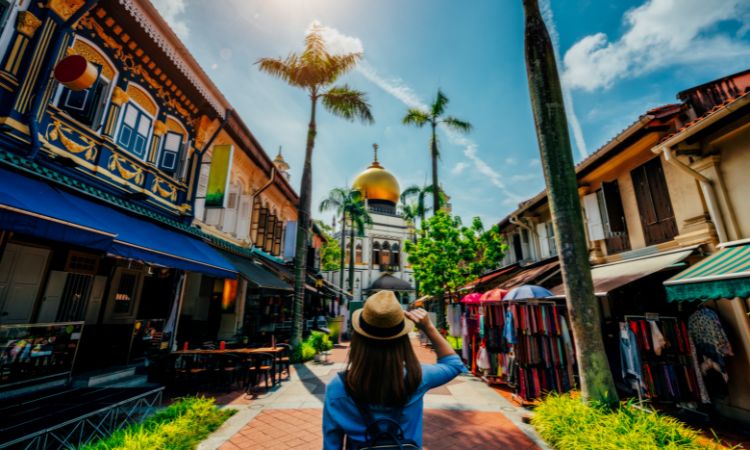
Turkish cuisine in Istanbul marries centuries-old traditions with contemporary innovation, inviting travellers on a gastronomic odyssey. Street food culture thrives: simit (sesame-encrusted bread rings) vendors appear at every corner, perfect for a breakfast on-the-go; çiğ köfte stalls offer a spicy, vegetarian-friendly snack made from bulgur and spices; mid-afternoon, pick up roasted chestnuts or corn on the cob from mobile carts. For a heartier meal, gözleme stands in markets serve freshly rolled dough filled with cheese, spinach, or spiced meat, cooked on a griddle and wrapped for easy eating while exploring bazaars.Classic dishes await in traditional lokantas and meyhane taverns: try kebabs—be it şiş kebap, döner, or Adana-style for a spicy kick—paired with pilav (rice) and cacık (yogurt with cucumber and herbs). Meze spreads feature small plates like hummus, ezme (spicy tomato dip), stuffed vine leaves, and mücver (zucchini fritters), encouraging communal dining. Seafood restaurants along the Bosphorus serve grilled fish varieties—sea bass, sea bream—often accompanied by rakı (anise-flavoured spirit) and meze. Seasonal specialties include anchovies in winter, fresh produce in summer, and festive desserts during holidays.For those seeking refined experiences, Istanbul’s fine-dining scene reinterprets Turkish ingredients: Michelin-recognized chefs present tasting menus highlighting locally sourced produce, heritage grains, and innovative pairings. Dining venues blend historic settings—restored mansions or waterfront pavilions—with modern aesthetics, creating atmospheric backdrops for culinary artistry.Market visits deepen appreciation of ingredients: the Spice Bazaar entices with aromatic piles of spices, dried fruits, nuts, and teas; emerging in adjacent streets, food stalls offer samples of unique items. Neighborhood produce markets in Kadıköy or Beşiktaş showcase seasonal fruits, vegetables, cheeses, olives, and honey, ideal for travellers to assemble picnic baskets for seaside lunches. Guided food tours facilitate interactions with vendors, learning about olive oil grades, local cheese varieties, and artisanal honey.Turkish coffee and tea culture play a central role: sip thick, aromatic Turkish coffee in historic cafés, learning the ritual of brewing and fortune-telling from coffee grounds. Tea gardens in Üsküdar or Besiktas offer relaxing settings overlooking the water, where locals gather for endless rounds of çay and conversation. For dessert, sample baklava in renowned patisseries, or try künefe (shredded pastry with cheese, soaked in syrup) in specialised eateries. Seasonal street sweets—roasted chestnuts in winter, fresh fruit juices in summer—add to the culinary tapestry.Cooking classes provide hands-on immersion: under local chefs’ guidance, travellers prepare börek pastries, stuffed vegetables, and classic desserts, learning spice blends and techniques to recreate dishes at home. Workshops often include market visits beforehand, selecting ingredients and understanding regional variations.Budget travellers can experience this world of flavours affordably through street stalls and local eateries, while luxury travellers can opt for private dining experiences or curated gastronomic tours. Istanbul’s food scene epitomizes its role as a crossroads: influences from Anatolia, the Mediterranean, the Middle East, and the Balkans converge in every bite, making it an essential part of any visit.
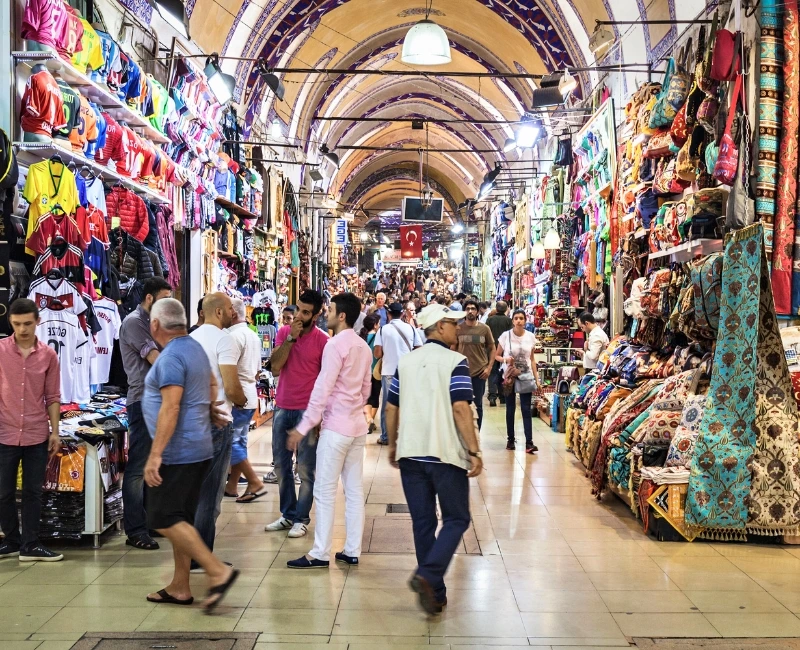
Istanbul’s bazaars are living legacies of historic trade routes and cultural exchanges. The Grand Bazaar, established in the 15th century, unfolds like a labyrinth of lanes under vaulted ceilings, with over 4,000 shops offering jewellery, carpets, ceramics, textiles, leather goods, and souvenirs. Entering the bazaar is sensory immersion: glinting lamps overhead, the tactile feel of handwoven kilims, craftsmen repairing carpets in back alleys, and the rhythmic call of shopkeepers inviting bargain talks. Navigating requires patience and curiosity; following less-travelled side streets leads to workshops where artisans fashion metalware or emboss leather, offering insights into centuries-old techniques rarely seen elsewhere.The Spice Bazaar specializes in culinary treasures: aisles brim with saffron, sumac, dried fruits, nuts, teas, and lokum (Turkish delight) in myriad flavours. Aromas envelop visitors as they sample spices and sweets, learning from vendors about sourcing and uses in Turkish cuisine. Nearby, shops sell Turkish coffee in elegant tins, unique spice blends for kebabs or meze, and souvenir spices packaged in decorative jars. Exploring at different times—morning visits when vendors arrange displays or late afternoons when light filters through windows—reveals changing atmospheres.Beyond main bazaars, neighbourhood markets in Kadıköy (on the Asian side) offer authentic local experiences: fish stalls at dawn showcase fresh catches from the Marmara Sea; vegetable and fruit stands display seasonal produce; cheese shops present varieties from Anatolian regions. Visiting these markets early allows sampling breakfast items like börek and menemen in nearby cafés, then roaming stalls alongside locals buying daily ingredients. For an insider’s view, join a guided market tour that includes tasting sessions, vendor introductions, and explanations of regional specialties like Black Sea anchovy dishes or Anatolian cheeses.Shopping etiquette: bargaining is customary in Grand Bazaar and Spice Bazaar, approached with respect and good humour; in neighbourhood markets, prices may be fixed but friendly interactions enhance the experience. Carry reusable bags for purchases and allow time to explore hidden passages leading to unexpected finds such as antique dealers or vintage bookshops.Seasonal market events add layers: spring tulip festivals bring flower markets to life; harvest time sees stalls featuring pomegranates and figs; winter markets sell roasted chestnuts and festive treats. Such seasonal rhythms underscore Istanbul’s connection to agricultural cycles and cultural traditions. Visitors interested in crafts can participate in workshops within bazaar premises, learning tile-painting or calligraphy, often guided by master artisans preserving these crafts.Photographic opportunities abound: close-ups of vibrant spices, patterns in textiles, reflections in copperware, and portraits of vendors at work. However, always ask permission before photographing individuals. After explorations, rest in nearby tea gardens sampling çay and gözleme, reflecting on the convergence of commerce, culture, and community that bazaars embody.Spice and Grand Bazaar exploration encapsulates Istanbul’s enduring role as a crossroads of trade and culture. This immersive journey through markets enriches understanding of local life, culinary traditions, and artisanal heritage, making it an essential component of any Istanbul itinerary.
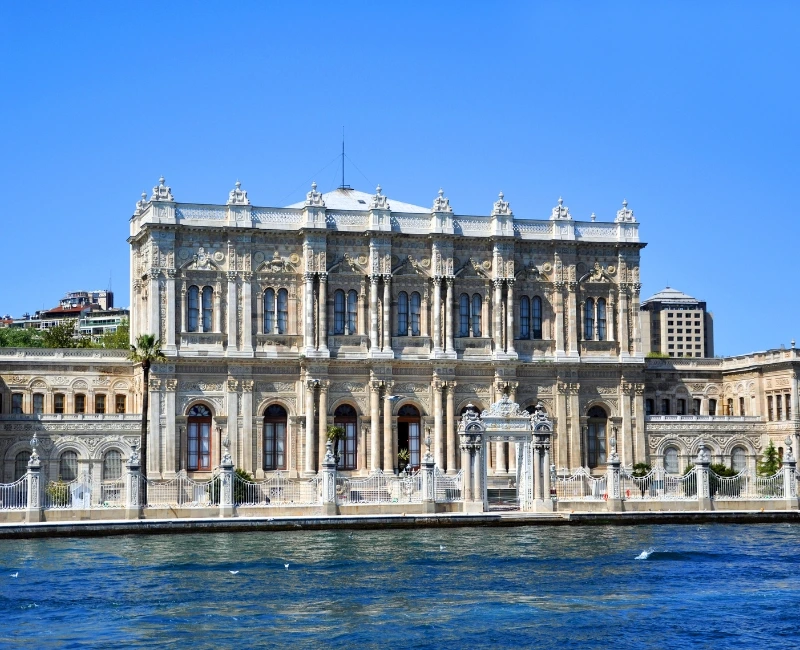
The Bosphorus Strait defines Istanbul’s geography and character, offering a watery thoroughfare where Europe meets Asia. A Bosphorus cruise provides unique vantage points of historic and modern landmarks lining its shores. Daytime public ferry cruises present panoramic views: on the European side, glimpse Dolmabahçe Palace’s ornate façade, Rumeli Fortress’s imposing walls, and waterfront mansions (yalı) reflecting Ottoman aristocratic tastes. On the Asian shore, Üsküdar’s skyline features historic mosques and hillside neighbourhoods. Commentary on onboard tours explains sites’ historical contexts, enriching appreciation of how the strait facilitated trade, defence, and cultural exchange.Sunset cruises elevate the experience: as daylight fades, silhouettes of mosques and minarets emerge against colourful skies, while lights illuminate shores. Select cruises include onboard dining—fresh seafood mezes and Turkish wine or rakı—combining scenery with flavours. For privacy and luxury, private yacht charters allow customised itineraries: anchor in off-the-beaten-path coves for swimming, or linger near maiden’s tower (Kız Kulesi) at dusk. Photographers benefit from shifting light conditions, capturing reflections, bridges, and hillside panoramas with varying moods.Beyond cruises, waterfront promenades invite exploration on foot. The European shore’s Ortaköy area buzzes with cafés and vendors offering kumpir (baked potato with fillings), set against the backdrop of the Bosphorus Bridge. Bebek on the European side and Caddebostan on the Asian side offer seaside parks ideal for leisurely strolls, café hopping, and sunset views. Ferries connect to Salacak’s waterfront near Maiden’s Tower, where legends entwine with vistas of the old city.A more adventurous approach involves combining Bosphorus cruises with culinary experiences: some operators offer brunch cruises featuring Turkish breakfast spreads, including cheeses, olives, pastries, and honey, enjoyed while gliding past palaces. Others host dinner cruises with live music or whirling dervish performances onboard. These themed cruises blend entertainment, gastronomy, and scenery, appealing to varied travel styles.For active travellers, kayaking tours along calmer sections of the Bosphorus reveal hidden shores and local villages, offering a different perspective compared to larger vessels. Guided paddling tours often include stops at local piers where fishermen gather, connecting travellers with everyday Bosphorus life.Understanding the Bosphorus also involves learning about its ecology: boat tours by environmental groups highlight marine life, water quality concerns, and conservation efforts, adding an educational dimension. Seasonal variations—spring’s mild weather, autumn’s crisp air—impact cruise experiences; plan accordingly.Whether via public ferries for budget travellers or private charters for luxury seekers, Bosphorus experiences are central to Istanbul. They reveal how the city’s dual identity is anchored in waterways, offering relaxation, cultural insight, and unforgettable vistas.
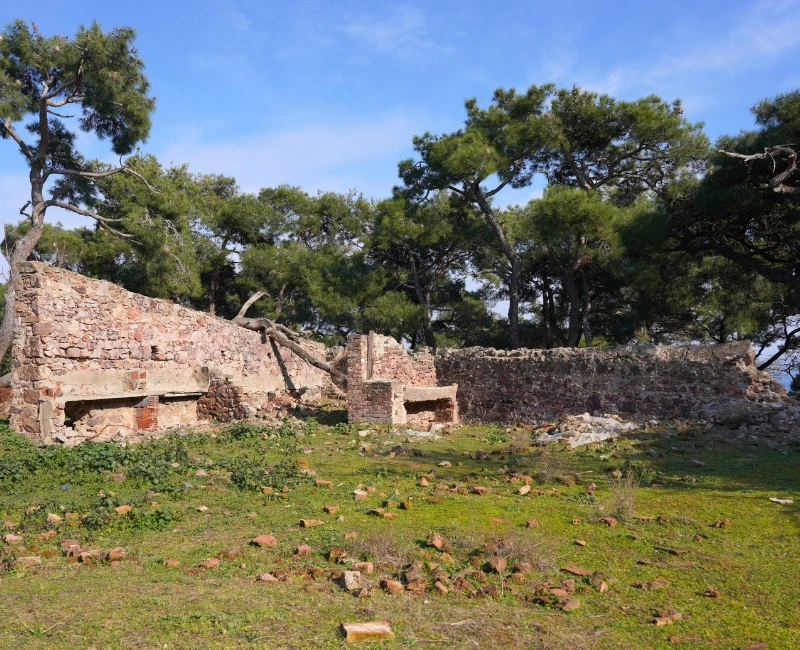
A short ferry ride from Istanbul leads to the Princes’ Islands, a cluster of car-free havens in the Sea of Marmara, offering serene retreats from the city’s bustle. Büyükada, the largest island, features historic wooden mansions shaded by pine trees, accessible via horse-drawn carriages (or electric golf carts in line with local regulations). Renting bicycles allows exploration of quiet lanes, seaside cafés, and viewpoints offering glimpses of Istanbul’s skyline across the water. Picnic spots near Aya Yorgi Church hill reward hikers with panoramic vistas, while seafood restaurants along the waterfront serve freshly caught fish and meze.Heybeliada, a shorter ferry ride away, offers wooded trails and bays for swimming; its naval academy adds historical interest. Burgazada and Kınalıada provide smaller crowds, ideal for beach outings and exploring local neighbourhood life. Each island has distinct character: Burgazada’s literary heritage (home to famous Turkish writers) and Kınalıada’s reddish soil landscapes. Seasonal considerations matter: summer months see more day-trippers, while late spring and early autumn offer milder weather and fewer crowds, making exploration more relaxed.Beyond Princes’ Islands, coastal escapes include day trips to nearby natural attractions accessible via organised tours: the Belgrad Forest on the city outskirts provides hiking trails through pine woods and picnic areas; Polonezköy village offers a rural retreat with Polish heritage and nature walks; Şile and Ağva on the Black Sea coast reveal charming seaside towns with beaches, riverside restaurants, and historic lighthouses. These trips typically require transport by minibus or private tour, but reward travellers with contrasting scenery to the urban core.For those seeking wellness experiences, seaside hammams and spa retreats along coastal areas provide relaxation after urban exploration. Wellness centres may offer Turkish baths overlooking sea views, combining traditional treatments with modern comforts. Fishing villages along the Marmara coast sometimes host local eateries serving meze and seafood straight off the boat—a genuine connection to regional food culture.Birdwatchers and nature enthusiasts can explore wetland areas near the city, such as Büyükçekmece or Kızılırmak Delta (a longer trip), encountering migratory birds. Boat tours from Istanbul sometimes include stops at lesser-known islets or fishing piers for sampling local seafood and observing fishermen’s daily routines.Logistics: ferries depart regularly from Eminönü, Kabataş, or Bostancı docks; timetables vary by season, so check schedules in advance. Accommodation options on islands range from boutique guesthouses to day-trip facilities; staying overnight allows enjoying sunset and early-morning tranquillity free from day-trip crowds. Pack appropriately: comfortable shoes for cobblestone lanes, swimwear for summer swims, and light layers for variable weather.Princes’ Islands and coastal escapes enrich an Istanbul itinerary by offering calm, nature-infused interludes complementing the city’s dynamic energy, making for balanced holidays that blend history, relaxation, and authentic local experiences..
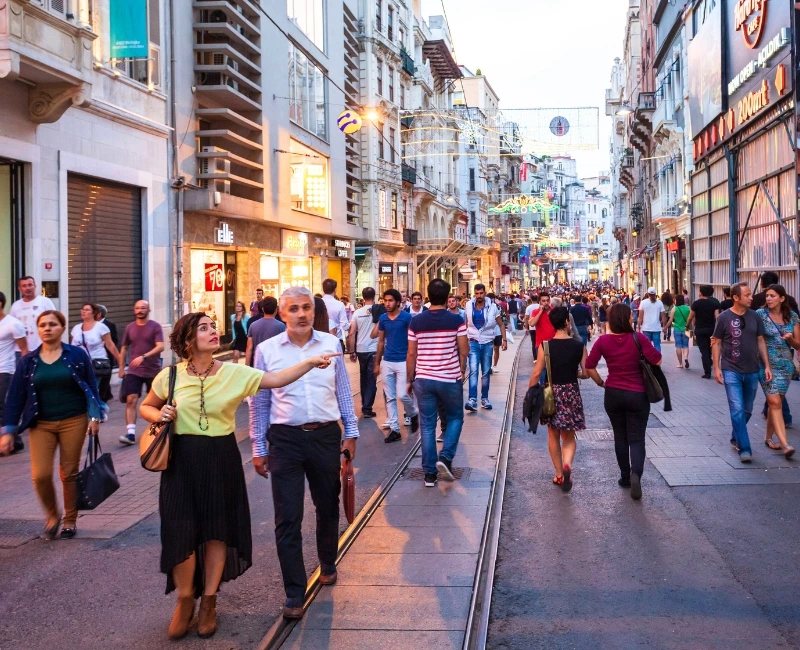
Istanbul’s modern neighbourhoods showcase its cosmopolitan side, blending innovation with tradition. Beyoğlu’s Istiklal Avenue buzzes day and night: historic tram lines traverse streets lined with cafés, bookstores, art galleries, theaters, and international brand outlets. Side streets reveal hidden cocktail bars in repurposed buildings, and rooftop terraces offer skyline views amid lively ambiance. Karaköy has transformed from port area to creative hub: graffiti-adorned alleys host cafés roasting local coffee beans, galleries exhibiting emerging artists, and bakeries reinventing Ottoman pastries.On the Asian side, Kadıköy and Moda exude neighbourhood charm: markets and cafés coexist, with weekend brunch spots serving Turkish and international fusion dishes. Moda’s seaside promenade invites evening strolls, stopping at tea gardens or seafood eateries watching ferries glide across the water. Üsküdar’s waterfront views offer a quieter vibe, with historic mosques lit at night, and local eateries serving traditional desserts and tea.Nightlife in Istanbul spans genres and atmospheres: live music venues host jazz, rock, and traditional Turkish music; clubs in Taksim and Şişli districts cater to electronic and international DJs; lounges and rooftop bars serve cocktails against illuminated cityscapes. During summer, open-air concerts and cultural festivals in parks and historic venues bring locals and travellers together. For a unique experience, attend a whirling dervish performance in restored caravanserais or cultural centers, offering spiritual and artistic insights.Culinary nightlife includes late-night meyhane visits: long dinners filled with meze plates, raki pours, and live Turkish music create convivial atmospheres. Street-food vendors emerge after dark, offering grilled corn, kokoreç (spiced offal), or midye dolma (stuffed mussels), sustaining night owls exploring until early hours.Work and leisure merge as co-working spaces in neighbourhoods like Levent and Maslak attract digital nomads and entrepreneurs, offering modern facilities and networking events. Cafés with reliable Wi-Fi cater to remote workers craving local ambiance. Art residencies and pop-up events frequently occur in converted warehouses or galleries, allowing travellers to engage with Istanbul’s creative communities.Seasonal events amplify urban life: film festivals in winter, music festivals in summer, fashion semanas showcasing Turkish designers, and design fairs in autumn. Joining these events provides insider access to contemporary cultural dialogues. For shopping, weekend designer markets and craft fairs highlight local artisans, offering accessories, clothing, and homewares with Turkish flair.Transport connectivity (metro lines, ferries, shared bikes) makes hopping between neighbourhoods efficient, encouraging exploration across both sides of the Bosphorus. Each district has its rhythm: quiet mornings in residential lanes shifting to lively evenings in entertainment zones. Accommodation ranges from boutique hotels in historic buildings to modern serviced apartments, aligning with travellers’ lifestyle preferences.Exploring modern Istanbul reveals a city in continual evolution, where global influences merge with local traditions. Nightlife and neighbourhood culture reflect this dynamism, ensuring visitors encounter both cutting-edge creativity and warm hospitality at every turn.
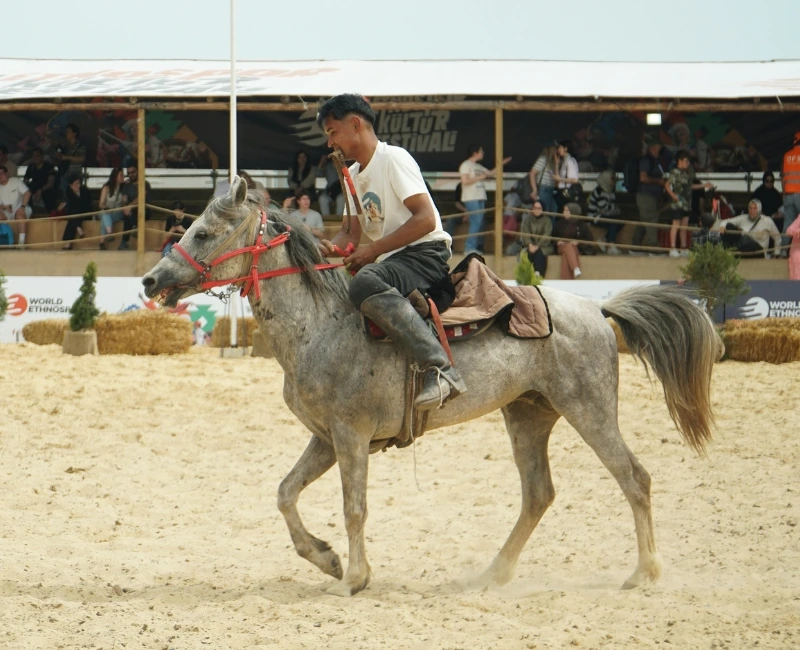
Istanbul’s event calendar pulses year-round, reflecting its cultural diversity and creative vitality. Spring ushers in tulip festivals: parks like Emirgan display millions of tulips in vibrant arrangements, symbolizing renewal and drawing locals and tourists alike. Cherry blossom-like scenes along waterfront promenades create perfect photo backdrops. Cultural festivals in spring include film festivals showcasing Turkish and international cinema, music concerts featuring classical, jazz, and contemporary artists in indoor and outdoor venues, and art fairs presenting local and global talents.Summer months (June to August) mark peak tourism and festival season. Open-air concerts take place in parks, historic courtyards, and waterfront stages; Bosphorus concerts on boats blend music with scenic vistas. Theatre and dance performances often occur outdoors under starry skies, from Shakespeare adaptations in historic fortresses to contemporary dance showcases. Culinary festivals celebrate street food, seafood, and international flavours, inviting visitors to sample local delicacies while enjoying live entertainment. Night markets and extended opening hours in shopping districts allow late-night shopping and socializing.Autumn ushers in cultural conferences, literary festivals, and design exhibitions. Istanbul Biennial (when scheduled) transforms unconventional spaces—warehouses, old docks, historic mansions—into art venues, presenting thought-provoking installations and performances. Film festivals in autumn highlight emerging filmmakers, often held in independent cinemas across Beyoğlu and Kadıköy. Gastronomy events focus on harvest produce: olive oil tastings, pomegranate festivals, and wine events featuring Anatolian vineyards. The milder weather makes walking tours and outdoor activities comfortable, ideal for exploring neighbourhoods and historic sites without summer crowds.Winter, though cooler, offers unique experiences: historic hammams provide warmth and relaxation; indoor cultural events—classical music concerts in restored palaces, art exhibitions in galleries—invite exploration away from chill. Shopping sales in January-February allow bargain hunting in Grand Bazaar and modern malls. Seasonal celebrations include New Year events by the Bosphorus, special menus in restaurants, and festive decorations in hotels. Culinary delights such as soups and stews feature prominently in menus, reflecting local winter traditions.Ramadan period (dates vary annually) offers a lens into local culture: fasting hours balanced by iftar dinners, where many restaurants host communal feasts. Experiencing iftar or visiting mosques during Ramadan provides insight into spiritual rhythms and community cohesion. Eid celebrations bring festive atmospheres, markets offering sweets and gifts, and family gatherings in homes and restaurants.Outdoor events like Istanbul Marathon in autumn draw participants and spectators through city streets and across Bosphorus via bridge crossings. Sports and wellness events—cycling tours, yoga sessions by the water—appeal to active travellers. Photography festivals and walking tours led by local experts reveal hidden gems, from street art in Karaköy to historic courtyards in Fatih.Planning ahead is key: check event calendars under “More About Istanbul” to align visits with interests. Booking accommodations early during peak festivals ensures availability. Participating in events offers authentic engagement with local communities and creative scenes, enriching understanding of Istanbul beyond typical sightseeing. From tulip blooms to winter concerts, Istanbul’s seasons each bring distinctive highlights that make any time of year rewarding for travellers.
No ads. No trails. No commitments


Alice Roses
London, England
51 ST MATTHIAS ROAD
NOTTINGHAM, NOTTINGHAMSHIRE
NG3 2HF
Hours: 8:00 - 17:00, Mon - Sat
support@johnsonholidays.com