 Jerusalem Travel
Guide
Jerusalem Travel
Guide
Paris is known around the world as the “capital of love,” and even if you don't understand the history of Paris at all

6 Hours
£5.80
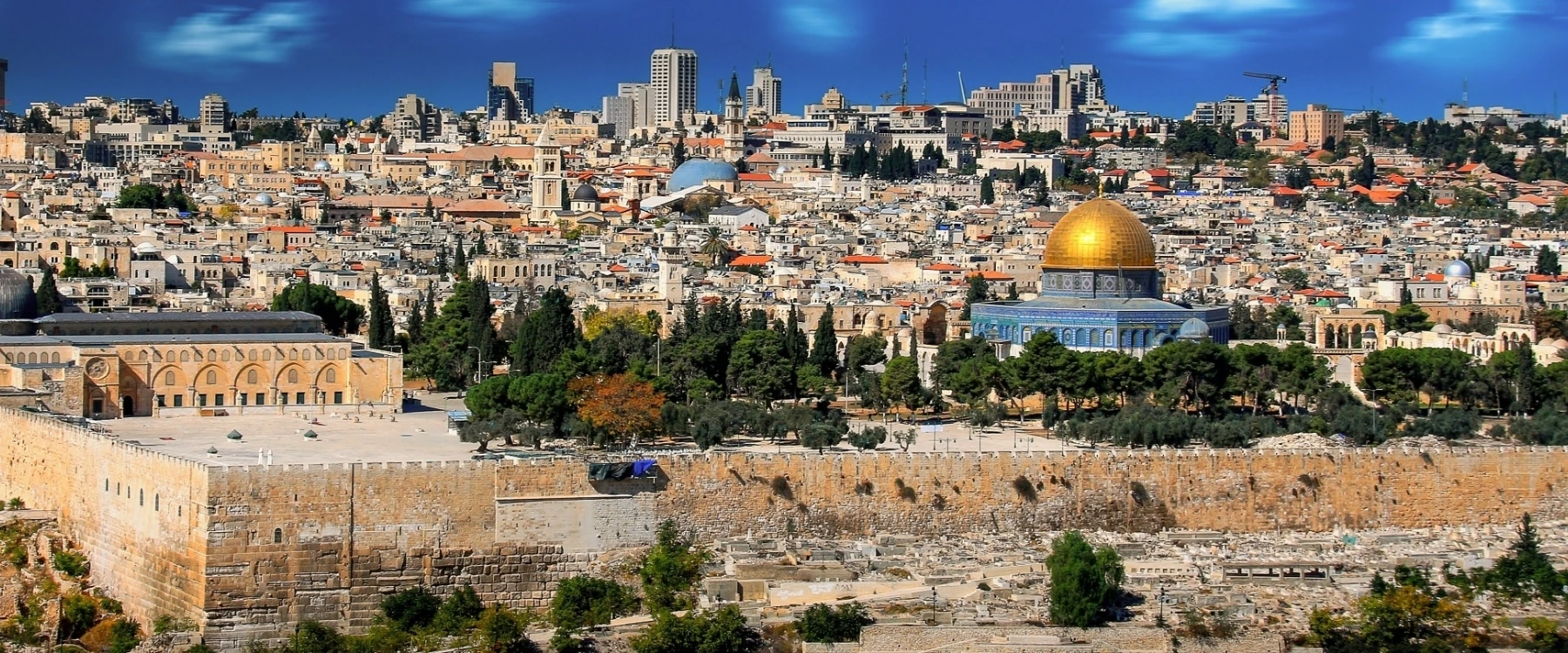
Jerusalem’s history spans thousands of years, leaving behind a wealth of archaeological treasures and storied landmarks. From the ancient ramparts of the Old City to the layers beneath its streets, every corner tells a tale of empires, faiths and cultures that have shaped human civilization. Booking a trip here means immersing yourself in narratives that resonate globally: walk where prophets and pilgrims once journeyed, explore excavations revealing Roman streets or Byzantine mosaics, and feel connected to traditions that endure. Our expert guides and thoughtfully curated itineraries ensure you unlock the significance behind each site, helping you appreciate both the grand sweep of history and the intimate moments hidden in lesser-known alleys.
Learn More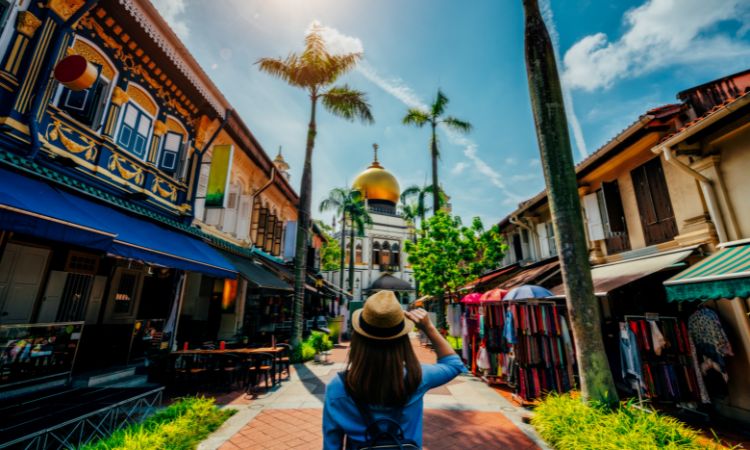
As a center for Judaism, Christianity and Islam, Jerusalem holds profound spiritual meaning for millions worldwide. Visiting sacred sites such as the Western Wall, the Church of the Holy Sepulchre and Al-Aqsa compound offers more than sightseeing—it provides insight into living traditions and rituals. Beyond worshippers, culture seekers benefit from a peaceful atmosphere at sunrise, meditation sessions near holy stones, or interfaith tours illuminating shared values. Festivals and ceremonies throughout the year allow you to witness ceremonies deeply rooted in history. By booking with us, you gain respectful access and contextual understanding, ensuring your experience is enriching, sensitive and authentic, whether you seek reflection, cultural exchange or personal connection to sacred heritage.
Learn More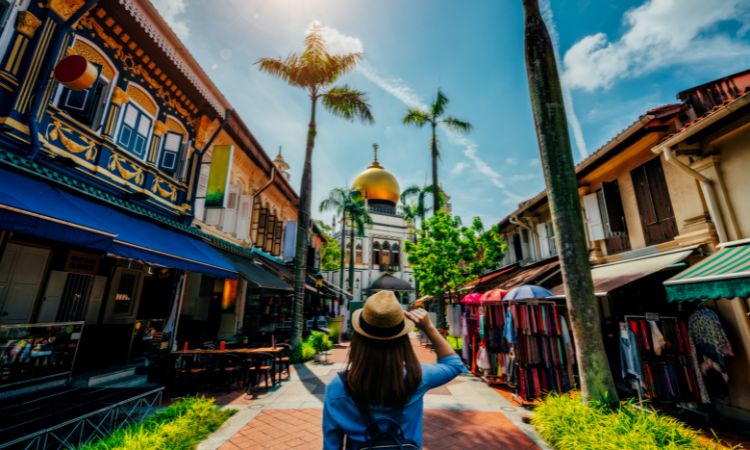
Jerusalem’s food culture blends Middle Eastern, Mediterranean and global influences in a vibrant tapestry of flavors. Dive into bustling markets to sample freshly made hummus, silky tahini, fragrant pita bread and sweet halvah. Street stalls offer falafel wraps, shawarma or sabich, fueling your exploration. For sit-down meals, chefs transform local ingredients—olive oil, fresh produce, herbs—into inventive dishes that reflect both tradition and innovation. Our culinary tours and recommendations guide you through authentic eateries, hidden gems and contemporary dining spots. Whether you prefer casual bites in a lively market hall or a refined multi-course meal overlooking city vistas, you’ll savor unforgettable tastes that tell Jerusalem’s story through its cuisine.
Learn More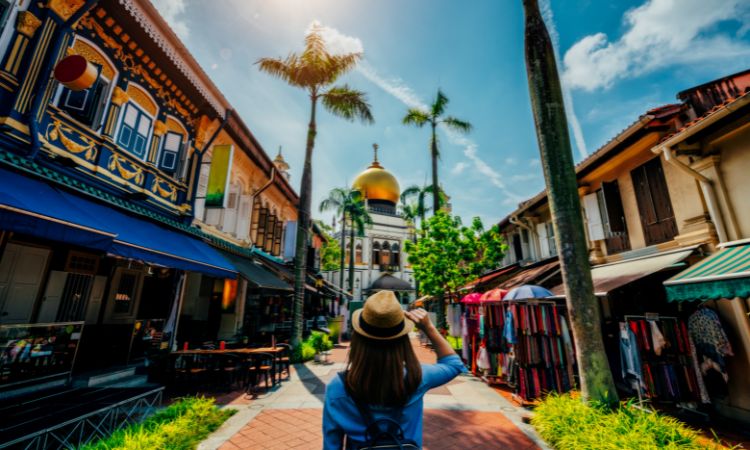
Beyond famous landmarks, Jerusalem’s neighborhoods reveal daily life and creative energy. Stroll through artistic districts where galleries and street art coexist, or explore residential quarters where markets brim with fresh produce. Cafés and co-working spaces attract young locals, reflecting a modern urban pulse. Our local insider access connects you with community initiatives, artisan workshops or cultural events off the beaten path. Discover how traditions adapt in contemporary settings, from boutique shops selling handcrafted goods to community-run food cooperatives. Booking with us opens doors to interactions with residents, letting you experience authentic rhythms—from morning market routines to lively evening gatherings—giving a well-rounded understanding of Jerusalem’s evolving identity.
Learn More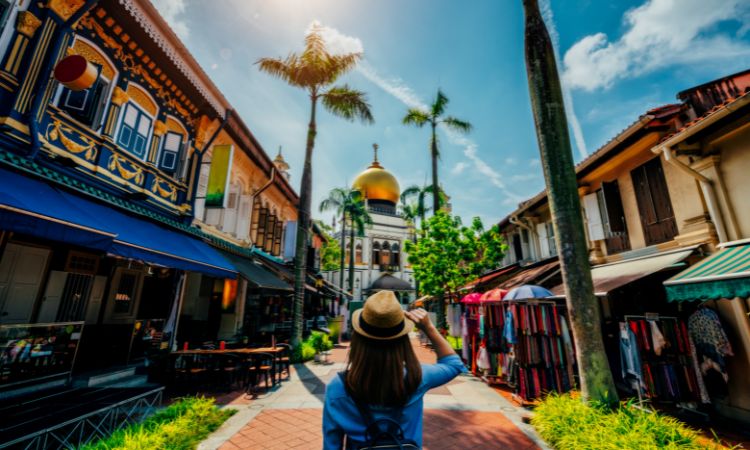
Jerusalem serves as an ideal base for exploring iconic surrounding destinations. Experience the buoyant waters of the Dead Sea and its therapeutic mud baths, or hike the dramatic cliffs of Masada at sunrise. Venture to Bethlehem to learn about local culture and history, or journey into the Judean Hills for olive grove walks and vineyard visits. Our guided excursions and flexible day-trip options accommodate varied interests—historical tours, nature treks, wellness retreats or culinary adventures in neighboring towns. With seamless logistics and knowledgeable guides, you maximize time and comfort, turning each side trip into a memorable extension of your Jerusalem experience.
Learn More
Jerusalem’s calendar features festivals celebrating music, film, dance, heritage and food. Seasonal events like spring flower festivals, summer music concerts, art biennales or holiday celebrations offer vibrant experiences alongside traditional sightseeing. Our planning ensures you coincide with events that match your interests: enjoy open-air performances under historic walls, participate in cultural workshops, or attend local holiday ceremonies with respectful guidance. Even in quieter periods, curated experiences—workshops in traditional crafts, cooking classes, photography tours—bring the city’s spirit to life. Booking with us provides insider knowledge of timing, tickets and local etiquette, ensuring your journey is enriched by the lively cultural pulse of Jerusalem year-round.
Learn More
Lorem ipsum dolor, sit amet consectetur adipisicing elit. At illo adipisci iusto
From

Because more than 268 other customers have loved us too

Demonstrates commitment to user data security through encryption and secure payment practices
Learn More
Demonstrates commitment to user data security through encryption and secure payment practices
Learn More
Demonstrates commitment to user data security through encryption and secure payment practices
Learn More
Demonstrates commitment to user data security through encryption and secure payment practices
Learn More
Quality as judged by customers. Book at the ideal price!


/ person
/ person
/ person
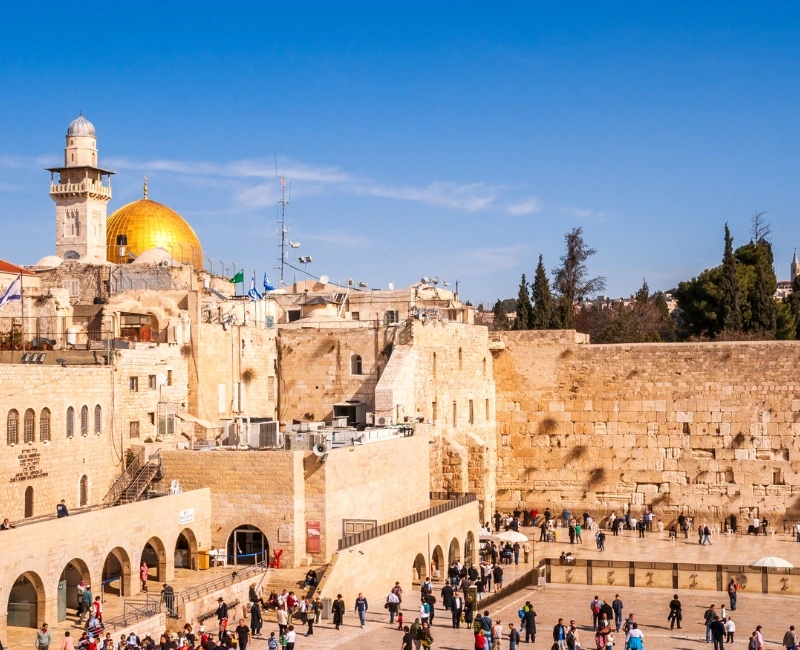
The Old City of Jerusalem is a compact microcosm of human history and faith. Enclosed by ancient walls, its narrow alleyways lead to sites revered by multiple religions. Begin at the Jaffa Gate, entering a maze where every turn reveals a new facet of heritage. In the Jewish Quarter, ascend to the Western Wall Plaza: the last remnant of the Second Temple, where pilgrims place notes in its crevices—an intimate ritual connecting past and present. Feel the weight of centuries as you pause in quiet reflection. Continue toward the Southern Wall excavations, where archaeology reveals original steps used during ancient pilgrimages.In the Christian Quarter, follow the Via Dolorosa, retracing the steps believed to have been taken on the way to crucifixion. The path culminates at the Church of the Holy Sepulchre, encompassing the sites of crucifixion, burial and resurrection according to tradition. Its architecture blends diverse styles reflecting restorations over centuries. Observe pilgrims of many backgrounds weaving through chapels, each with unique rituals. Even if one is not of the faith, witnessing these practices offers profound insight into enduring devotion and the human quest for meaning.The Muslim Quarter leads to the Haram al-Sharif (Temple Mount) area, crowned by the Dome of the Rock’s iconic golden dome. While non-Muslim access is subject to specific hours and regulations, viewing from designated points underscores the site’s architectural splendor and spiritual importance. Nearby, the Al-Aqsa Mosque complex invites respectful observation of prayer rituals when permissible. Explore local souks buzzing with vendors selling spices, textiles and religious items—the atmosphere is sensory, with aromas of incense and spices interwoven with calls to prayer.Beyond these major shrines, the Old City holds hidden gems: small cafés tucked into alleys where you can rest with mint tea or coffee and observe daily life, artisan workshops crafting religious artifacts or traditional textiles, and rooftop vantage points offering sweeping views over a patchwork of domes and minarets. A guided walking tour provides deeper context: knowledgeable guides share stories of sieges, pilgrimages, and coexistence across centuries, illuminating how different communities shaped the cityscape. Evening visits reveal a different ambiance—illumination of walls and quieter lanes allow for contemplative exploration.Visiting the Old City requires respectful attire—covering shoulders and knees—and awareness of local customs. Plan for security checks at entrances. Wear comfortable shoes for uneven streets and steps. Allow time for unhurried observation: a single street may hold layers of history in inscriptions, architecture and everyday exchanges. Whether tracing ancient footpaths or pausing at a serene courtyard, the Old City experience blends tangible relics with intangible spiritual resonance, leaving an enduring impression long after departure.
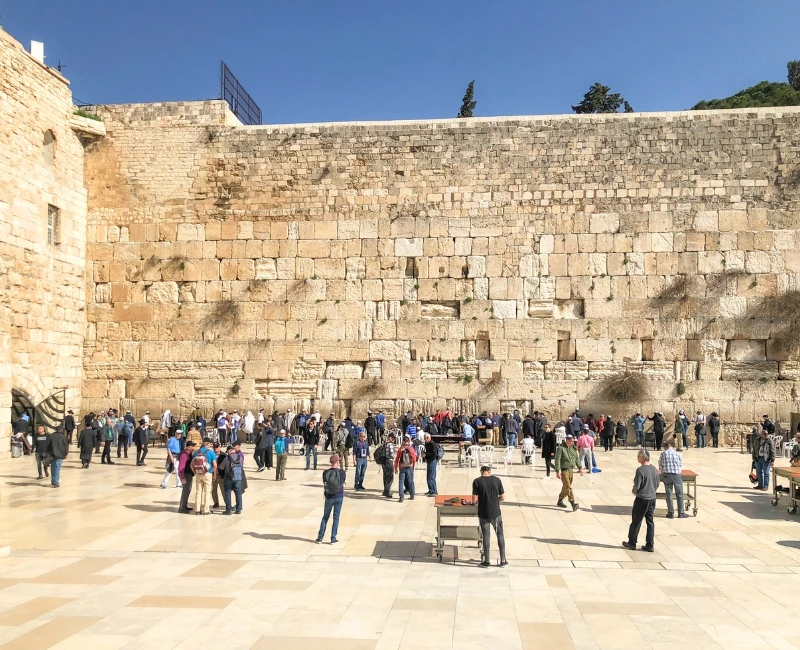
The Western Wall, also known as the Wailing Wall, stands as an emblem of continuity for Jewish heritage. Visiting this revered site is both a cultural and emotional journey. Situated on the western flank of the Temple Mount, its massive stones bear witness to millennia of devotion. Approach early in the morning or late afternoon to observe prayer services with fewer crowds, though at any hour the atmosphere is charged with solemnity. Men and women pray in separate sections; if you join or observe, maintain respectful silence or soft conversation.Many visitors write personal notes, tucking them between stones. This act symbolizes hopes and prayers reaching beyond time. Whether you participate or simply watch, the sense of shared humanity is profound. During festivals—such as Passover or Sukkot—the plaza fills with worshippers in colorful gatherings, creating an immersive experience of communal faith. For non-Jewish visitors, respectful observation offers insight into traditions that shaped Jewish identity across diaspora. Guides can explain the Wall’s historical context: remnants of Herodian expansions, the significance of Temple rituals, and archaeological findings beneath the plaza.Adjacent to the Wall, explore the Western Wall Tunnels: subterranean passages revealing hidden segments of the ancient structure. The tunnel tour requires advance booking but rewards with a glimpse into construction techniques and layers of urban development beneath the Old City. Informative guides share discoveries of ritual baths, water channels and other remnants that deepen understanding of Second Temple-era life. These subterranean corridors evoke a sense of exploration and connection to civilizations long past.Consider attending a traditional Bar or Bat Mitzvah celebration at the Wall, which often allows observers to experience joyous ceremonies. Alternatively, specialized tours focus on the Wall’s architecture, restoration efforts or its role in modern Israeli society. Photographers find compelling compositions: close-up shots of textured stones, portraits of prayerful individuals, and wide-angle views capturing the Wall against the backdrop of the golden Old City hues.Practical tips: dress modestly with shoulders and knees covered; bring a kippah or head covering (often provided on-site for men); carry water and wear comfortable shoes. Note security procedures at entrances. For spiritually inclined travelers, plan moments of quiet reflection at adjacent benches or designated prayer areas. For cultural enthusiasts, delve into narratives of survival, memory and identity intertwined with the Wall. The Western Wall experience is more than sightseeing: it is a bridge between past and present, faith and humanity, offering a moment to pause, reflect and connect with universal themes of hope and resilience.
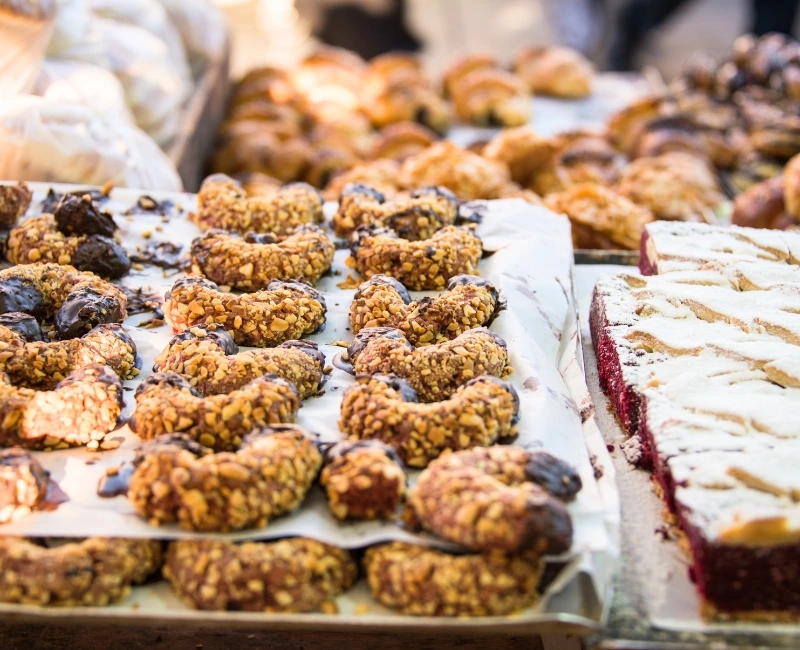
Mahane Yehuda Market, known locally as “The Shuk,” epitomizes Jerusalem’s lively urban pulse. By day, it is a sensory extravaganza: stalls brim with colorful fruits, vegetables, spices, nuts, cheeses and pastries. Vendors beckon with samples of olives cured in aromatic herbs, za’atar blends, and freshly baked challah or rugelach. Wander lanes tasting local delicacies: creamy labneh, flavorful halva, spicy zhug, and seasonal treats like figs or pomegranates. Photographers capture vibrant produce displays and interactions between sellers and shoppers—residents stocking daily staples and tourists seeking authentic bites.By evening, the market transforms into a social hub where bars, pop-up kitchens and live music create festive ambiance. Sample craft beers brewed locally, taste small plates at intimate eateries, or join a guided culinary crawl highlighting favorite hotspots. Local chefs often blend traditional ingredients with modern techniques, offering dishes that tell stories of cultural fusion. Beyond food, Mahane Yehuda area hosts art galleries, boutique shops selling handmade jewelry or textiles, and street art that adds an edgy backdrop to historic walls.Neighborhood life extends beyond the market. Stroll into adjacent streets to discover cafés where locals work on laptops, mingle over coffee or discuss ideas in co-working spaces. Community centers and cultural venues offer workshops in crafts, photography or dance, inviting visitors to participate. Explore boutiques selling Israeli design, from ceramics to fashion, reflecting a creative scene rooted in tradition yet forward-looking. Interactions with shop owners and artisans provide insight into everyday Jerusalem: pride in heritage, entrepreneurial spirit and warmth toward guests.For a deeper connection, join a guided “day in the life” tour, meeting a local family or community leader. Experience a home-cooked meal or volunteer briefly in a neighborhood initiative—perhaps planting in a community garden or assisting in cultural programming. These authentic encounters enrich understanding of how modern Jerusalem balances reverence for history with contemporary challenges and aspirations.Practical advice: visit early morning for the freshest produce; carry reusable bags for purchases; in summer, start before midday heat intensifies; in winter, enjoy comfort foods and hot beverages. Respect local norms: modest attire in certain parts, polite bargaining where appropriate, and a friendly demeanor. Engage with residents by learning a few Hebrew or Arabic greetings—simple phrases often spark smiles and goodwill. Mahane Yehuda and surrounding neighborhoods offer a microcosm of Jerusalem’s evolving identity, where ancient traditions meet modern creativity, making it an indispensable part of your journey.
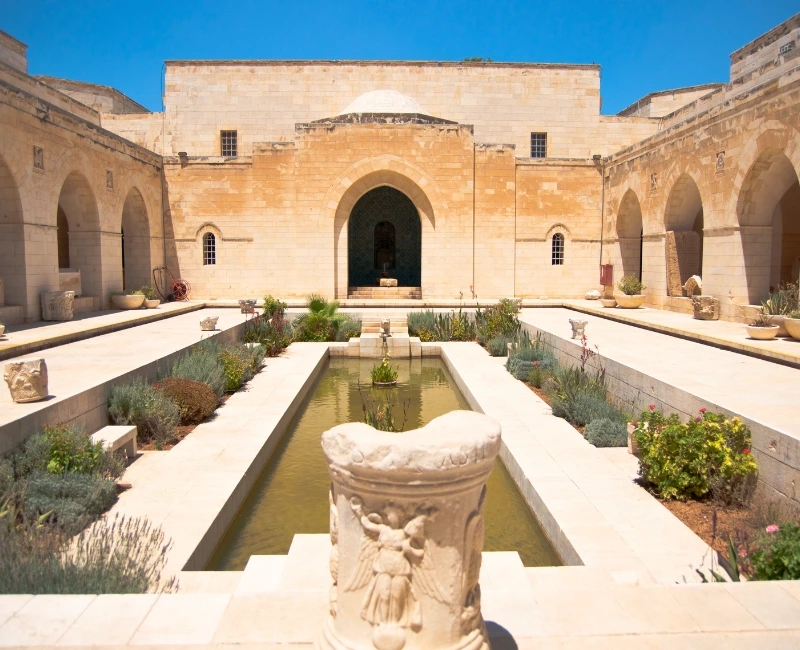
Jerusalem’s museum scene encompasses a spectrum from archaeological treasures to contemporary art. The Israel Museum, set on a hillside overlooking the city, houses the Dead Sea Scrolls Shrine, showcasing ancient manuscripts that revolutionized our understanding of religious history. Galleries display artifacts from excavations across the region: pottery, coins, ritual objects revealing everyday life in antiquity. The sculpture garden features modern works set amid landscaped grounds, inviting reflection on artistic dialogues between past and present.Beyond the flagship, specialized museums illuminate facets of Jerusalem’s story. A museum dedicated to local history traces the city’s evolution from ancient settlements to modern capital, with multimedia exhibits situating developments in regional and global contexts. Art venues highlight Israeli artists working in painting, photography, video or installation, exploring themes from identity and memory to social issues and innovation. Smaller galleries often host rotating exhibitions by emerging talents, fostering a vibrant creative community.Cultural centers provide interactive experiences: workshops in traditional crafts such as mosaic-making, calligraphy or pottery connect you to ancient techniques still practiced today. Lecture series and panel discussions feature scholars, writers and thought leaders engaging with Jerusalem’s multifaceted heritage. Music performances range from classical concerts in historic halls to contemporary fusion shows blending Middle Eastern rhythms with global genres. Theater productions and dance ensembles further enrich the cultural calendar, often staged in intimate venues that foster close audience engagement.For families, many museums offer interactive activities tailored to children, making history accessible and engaging. Teen-oriented programs invite participation in digital storytelling or creative labs. Seasonal festivals may coincide with exhibitions, adding layers of experience: night-time openings with light installations, art walks linking multiple galleries, or culinary pairings that marry art and taste. Audio guides and multilingual signage ensure accessibility for diverse visitors. Guided tours led by experts reveal hidden details: inscriptions on artifacts, symbolic meanings in artworks, or conservation efforts preserving treasures for future generations.Plan visits according to interests and time: some museums require several hours to explore fully, while smaller galleries can be combined in an afternoon. Purchase tickets in advance during peak seasons or special exhibitions. Check opening hours, as timings may vary on weekends or public holidays. Dress comfortably, and allow breaks in museum cafés or outdoor terraces with city views. Jerusalem’s museums and cultural centers enrich your trip by deepening appreciation of the city’s layered narratives, creative expression and ongoing dialogue between tradition and innovation.

Jerusalem’s culinary landscape is a gateway to understanding its cultural mosaic. Embark on guided food tours that weave through markets, hidden eateries and family-run establishments. Start with signature dishes: fluffy falafel, rich hummus drizzled with olive oil, and fresh salads bursting with herbs. Savor shakshuka at breakfast tables, enjoy grilled meats spiced with regional blends, and sample pastries like knafeh or baklava. Each bite tells a story of trade routes, migrations and local innovation.For hands-on enthusiasts, workshops teach you to prepare classic recipes. Learn the art of kneading dough for pita, mastering spice blends like za’atar or baharat, and crafting sauces such as amba or tehina. Workshops often take place in home kitchens or culinary studios, led by local chefs or home cooks keen to share family traditions. Beyond recipes, discussions cover seasonal produce, dietary customs tied to festivals, and ways Jerusalem’s cuisine adapts to modern dietary trends. Leaving with recipes and newfound skills adds a personal dimension to your memories.Explore specialty experiences: wine tastings in Judean Hills vineyards, pairing local varietals with regional cheeses; olive oil tastings tracing production from grove to table; spice trail excursions focusing on aromatic blends that define Middle Eastern cooking. Visit artisan producers of honey, preserves or pickles, learning preservation techniques passed down through generations. For coffee aficionados, participate in Arabic coffee ceremonies, understanding preparation methods and customs surrounding hospitality.Evening experiences spotlight Jerusalem’s nightlife and culinary creativity: dine at contemporary restaurants where chefs fuse traditions with global influences, or join pop-up supper clubs in unconventional settings. Street food tours after dark reveal transformed market stalls offering craft beers, gourmet street bites and live music. Pair food with conversations about social entrepreneurship in food cooperatives or initiatives supporting local farmers. These immersive experiences go beyond tasting—they connect you to communities, sustainability efforts and the evolving culinary identity of Jerusalem.Practical tips: book tours and workshops in advance, especially during peak seasons; inform hosts of dietary restrictions ahead of time; wear comfortable attire for walking between venues; bring an appetite and openness to new flavors. Many experiences include moderate walking and standing; plan hydration and rest as needed. Whether you’re a foodie seeking authentic tastes or a curious traveler eager to understand cultural intersections through cuisine, Jerusalem’s culinary tours and workshops offer rich, flavorful insights that nourish both body and mind.
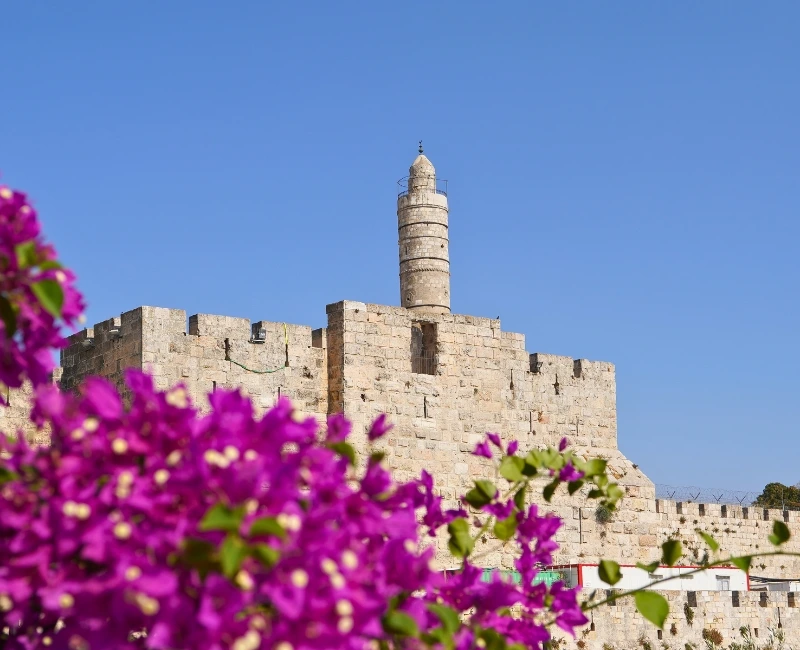
While Jerusalem is often associated with historical and spiritual exploration, its nightlife and cultural events offer vibrant evening experiences. As dusk falls, neighborhoods like Mahane Yehuda transform: market stalls close and bars, restaurants and pop-up venues fill with locals enjoying live music, craft cocktails or casual gatherings. Follow a curated nightlife route that combines tasting craft beers brewed locally with listening to indie bands in intimate settings. The contrast between ancient stone walls and contemporary beats creates a memorable atmosphere.Cultural events take place year-round: open-air concerts in historic courtyards, film screenings under the stars, dance performances combining traditional and modern forms, and theater productions exploring local narratives. Seasonal festivals spotlight music genres from classical to electronic, arts festivals showcasing multimedia installations, and holiday-related celebrations where communities come together in performances and rituals. Stay informed of event calendars to align your visit with performances that match your interests. Booking tickets in advance helps secure seats for popular shows.Late-night culinary offerings cater to night owls: street food vendors often open until late, serving warming dishes or sweet treats. Some cafés operate into the evening, offering coffee, tea and light bites for post-show conversations. Rooftop bars in modern neighborhoods provide panoramic views of a softly lit cityscape, ideal for unwinding after a day of exploration. Engage with local art scenes by visiting gallery openings or artist talks; many take place in alternative venues, reflecting Jerusalem’s evolving creative community.For a different perspective, consider night tours of the Old City or surrounding hills: guided walks by lantern light or stargazing excursions that reveal desert skies beyond the city glow. These experiences blend history, nature and reflection in a unique evening setting. Practical advice: check opening hours, as some venues close early on certain days due to local customs; arrange transport ahead of time, since public transport schedules can vary in the evening; dress appropriately for both style and comfort. Respect local norms around observance of religious hours, particularly on Friday evenings and Saturdays, when some neighborhoods quiet down.Jerusalem’s nightlife and cultural events showcase a side of the city that harmonizes ancient ambiance with modern creativity. Whether you prefer dancing to local bands, savoring late-night street food, or attending culturally rich performances in historic venues, the city’s evening offerings add depth to your visit and reveal dynamic facets of local life after sunset..
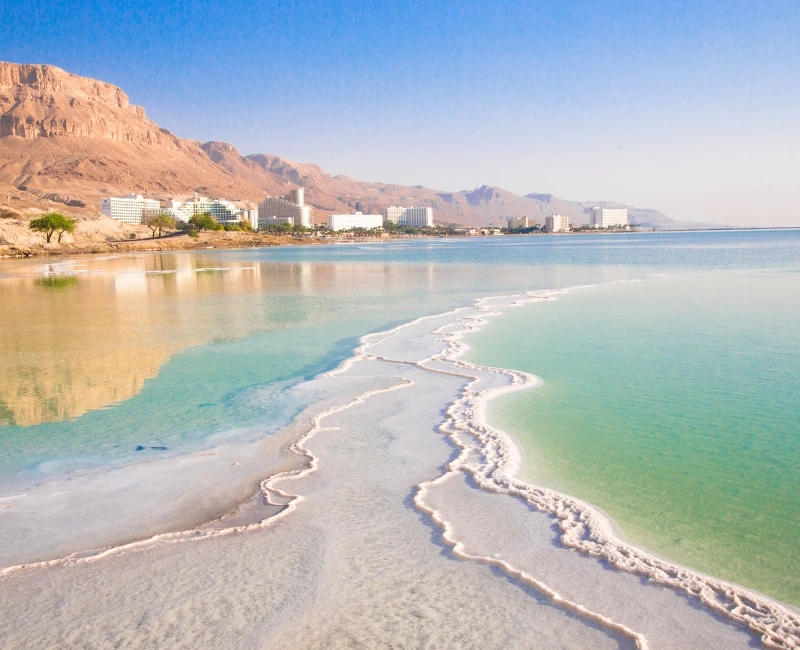
A day trip from Jerusalem to the Dead Sea and Masada combines natural wonder with dramatic history. Depart early to reach Masada before the midday heat. This ancient fortress, perched atop a plateau overlooking the Dead Sea, symbolizes resilience. Hike the Snake Path for sunrise views (for experienced hikers) or take the cable car if preferred. At the summit, explore ruins of palaces, storerooms and bathhouses, guided by stories of the siege that marked a pivotal moment in Jewish history. Interpretive signs and optional guided tours enrich understanding of archaeological findings and the site’s landscape context.After descending, proceed toward the Dead Sea shore. Known as the Earth’s lowest point on land, the sea’s hypersaline waters offer a surreal floating experience. Change into swimwear and experience the buoyancy—floating without effort is both fun and therapeutic. Spread mineral-rich mud on your skin, reputed for benefits such as exfoliation and nourishing properties. Facilities at public beaches provide showers to rinse off salt. For a more upscale experience, consider a spa resort offering Dead Sea treatments in a comfortable setting.Along the way or upon return, enjoy the stark beauty of the Judean Desert: dramatic cliffs, bleached rock formations and vast vistas. Photograph contrasts between deep blue waters and arid terrain. On the journey back to Jerusalem, reflect on the seamless blend of natural landscapes and historical narratives that characterize the region. Practical tips: carry sun protection, hat, sunglasses and plenty of water; bring towels and change of clothes; plan for early departure to avoid crowds and high temperatures; check seasonal weather, as summers can be extremely hot.Some tours combine additional stops: Ein Gedi Nature Reserve for short hikes to waterfalls, where vegetation contrasts sharply with the surrounding desert; Qumran Caves, where the Dead Sea Scrolls were discovered; or small communities offering local hospitality. If time allows, linger at a Bedouin-style camp for traditional refreshments and insights into desert life. Logistics: book a guided excursion or arrange private transport; ensure entry permissions and opening hours; pack snacks or enjoy simple meals at local restaurants near the Dead Sea.This excursion exemplifies Jerusalem’s appeal as a hub for varied experiences: spiritual richness in the city, juxtaposed with the dramatic heritage and landscapes beyond. A day immersed in Masada’s history and the Dead Sea’s unique environment leaves lasting memories of adventure, reflection and natural marvels.
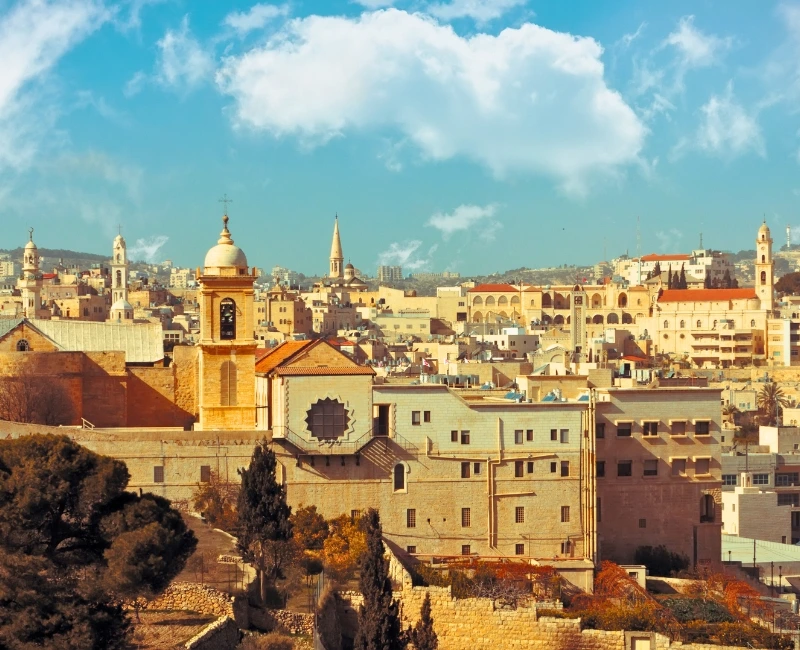
Bethlehem, located a short drive from Jerusalem, offers additional layers of cultural and historical context. Recognized as the birthplace of Jesus Christ, its Church of the Nativity draws Christian pilgrims year-round. Enter through ancient portals to view revered mosaics and chapels reflecting centuries of devotion and artistic heritage. Even if not of that faith, the site’s ambiance and architectural details—mosaics, stone columns and vaulted ceilings—reveal craftsmanship and cultural exchange across eras.Beyond the church, wander through Bethlehem’s old town: narrow streets lined with artisan workshops producing olive wood carvings, mother-of-pearl souvenirs and locally made textiles. Engage with artisans to learn about traditional techniques passed down through generations. Markets bustle with spices, sweets such as ma’amoul (date-filled pastries) and regional delicacies. Sampling these treats connects you to local flavors and hospitality. Guides often highlight how cultural influences converge here, reflecting both Palestinian heritage and broader regional links.Cultural centers and museums in Bethlehem provide insights into contemporary life, art and social dynamics. Exhibitions may address history, resilience and aspirations of local communities, offering balanced perspectives on complex narratives. Visiting sensitively and respectfully fosters understanding beyond typical tourist routes. Certain tours include meetings with community projects—NGOs focusing on arts, education or social entrepreneurship—allowing you to see daily life and support local initiatives.Surrounding villages and landscapes invite exploration: olive grove walks teach about ancient cultivation methods and seasonal harvests; local wineries in the West Bank produce wines with distinct terroir, offering tastings and vineyard tours. Some excursions combine cultural immersion with culinary or agricultural experiences, such as cooking classes featuring regional recipes or harvest participation during olive season. Logistics include checking border crossing guidelines and travel advisories; guided tours handle permissions and transport, maximizing safety and comfort.Return to Jerusalem in the late afternoon for evening experiences—perhaps enjoying a panoramic viewpoint overlooking both cities at sunset. Reflect on the interplay between Jerusalem’s historic centrality and Bethlehem’s complementary narratives. Visiting Bethlehem enriches your journey by deepening appreciation of regional heritage, human stories and connections that span faiths and cultures. This balanced excursion underscores thoughtful travel: honoring traditions, supporting local communities and gaining nuanced perspectives on a region central to global history.
No ads. No trails. No commitments


Alice Roses
London, England
51 ST MATTHIAS ROAD
NOTTINGHAM, NOTTINGHAMSHIRE
NG3 2HF
Hours: 8:00 - 17:00, Mon - Sat
support@johnsonholidays.com