

 Albania Travel Guide
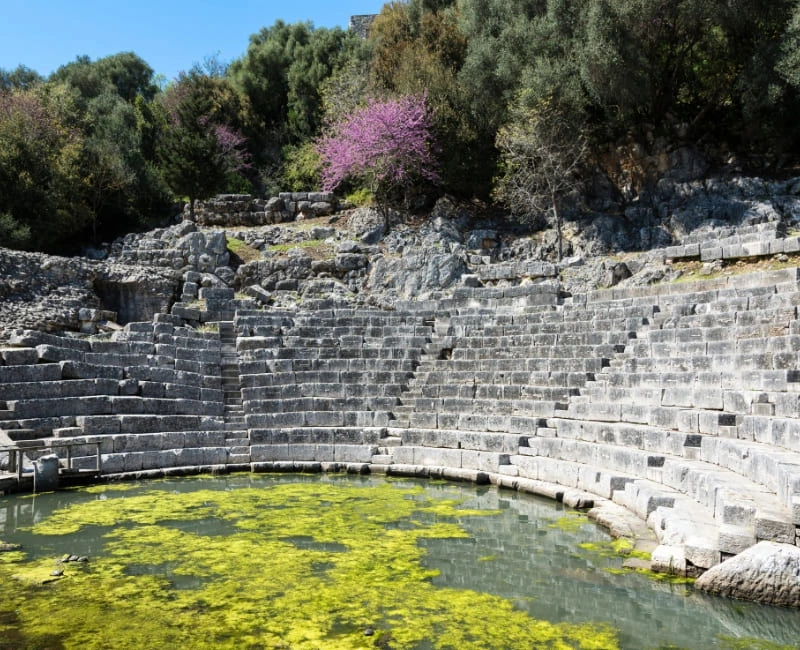
Albania’s archaeological tapestry is exceptionally rich, spanning Illyrian, Greek, Roman, Byzantine, and Ottoman eras. Exploring these layers reveals how this compact nation has been a crossroads of civilizations. Start in Butrint National Park near Sarandë: UNESCO-listed remains lie amid wetlands and olive groves, where a Hellenistic theatre, Roman forum, Byzantine basilicas, and Venetian fortifications coexist. Wandering the site, you imagine ancient spectators in the theatre or pilgrims at early Christian baptisteries. The entry cost in British pounds remains modest—encouraging lingering visits with local guides who share stories of mythic Illyrian origins and Roman trade routes.Moving inland, Berat’s hilltop citadel (“Kalaja”) perches above the city, its white Ottoman houses cascading down like “a thousand windows.” Within the fortress walls lie Byzantine churches with frescoes and Ottoman mosques; each structure tells of shifting empires. Strolling cobblestone lanes, you encounter small museums showcasing traditional costumes, ancient artifacts, and folk instruments. Berat’s low entry fees and affordable local cafés enable extended stays, allowing you to observe daily life in a living heritage site. Nearby Apollonia’s ruins, once a major Roman port city, lie amid olive groves: a well-preserved theatre, monastic remains, and scattered columns evoke a quieter reflection on antiquity. Entry remains budget-friendly, and local guesthouses offer home-cooked meals with regional olive oil and produce.Gjirokastër’s “Stone City,” another UNESCO gem, features Ottoman-era stone houses with distinctive roofs. The castle overlooks the town and contains exhibits on local history, including artifacts from various periods. Inside former Ottoman residences turned museums, objects illustrate rural life under different rulers. Walking through narrow alleys, you sense continuity between past and present: craftsmen practicing filigree jewellery or weaving, elders recounting family histories, and young artists interpreting heritage through contemporary art. Small entry fees in British pounds mean you can visit multiple sites without concern for high costs.Further north, archaeological parks like Amantia near Vlora reveal Illyrian and Roman vestiges set on hills with coastal vistas. Archaeological itineraries often include village visits where hosts share legends tied to ruins: how ancient temples once presided over pastoral landscapes or how Byzantine monks inhabited remote hermitages. Each site’s interpretive panels and modest museum entries provide context, while local guides enliven visits with oral traditions.In sum, Albania’s archaeological treasures offer an immersive journey through layered history. Affordable entry fees, authentic local hospitality, and compact geography mean you can traverse multiple eras within days. From amphitheatres to fortified citadels to rural ruins, each location grants insight into how past influences persist in architecture, folklore, and community identity. For culture enthusiasts, these ancient sites deliver depth and discovery at budget-friendly prices, making Albania a compelling destination for heritage exploration.
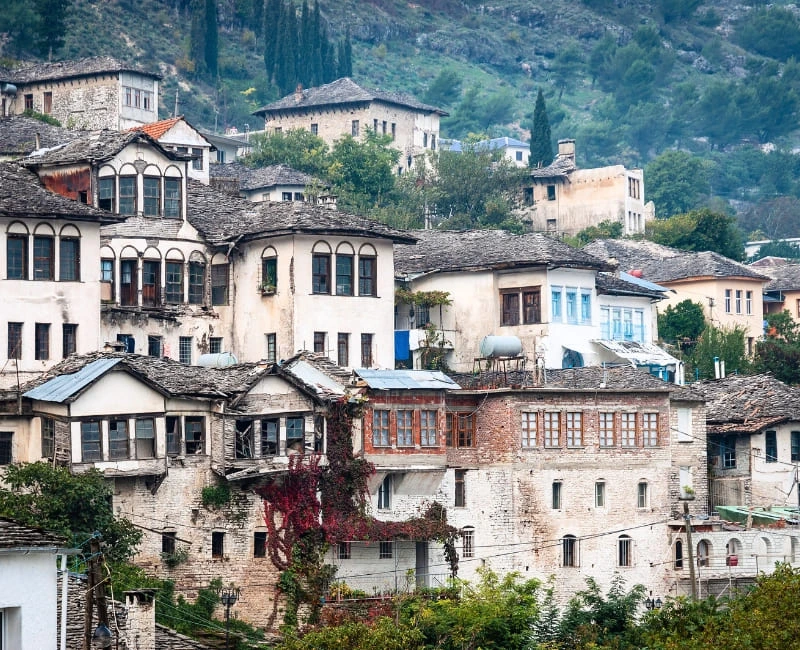
Albania’s Ottoman legacy is palpable in several well-preserved towns that feel like open-air living museums. Visiting these UNESCO-listed gems reveals centuries of urban life, architectural craftsmanship, and enduring traditions. Begin in Berat, often referred to as the “City of a Thousand Windows.” The fortified citadel area contains Ottoman-era houses with characteristic large windows overlooking the valley. Inside the citadel, Byzantine churches display frescoes; mosques with simple yet elegant ornamentation reflect the Ottoman era’s religious pluralism. Wandering narrow streets, you observe restored houses turned into guesthouses or craft workshops where artisans demonstrate ancient skills—wood carving, embroidery, or filigree jewellery. Affordable guesthouse stays (often under £40 per night) allow immersive experiences: hosts share home-cooked dishes—byrek, stews, local cheeses—and recount family histories that span Ottoman administration to modern times.Gjirokastër, the “Stone City,” provides another window into Ottoman urban planning: stone-tiled roofs, robust walls, and tower-like houses built for both residence and defense. The Ethnographic Museum, housed in a former Ottoman residence, displays period furniture, traditional clothing, and tools, illustrating rural and urban life. Climbing to the castle, you find military exhibits alongside panoramic views of valleys where villagers once tended livestock. Entry costs in British pounds remain low, enabling visits to multiple museums and sites in a single trip.Krujë, near Tirana, combines a hilltop castle associated with national hero Skanderbeg and an Ottoman bazaar below. The bazaar area, partly restored, is vibrant with stalls selling handicrafts—handwoven textiles, filigree silver, wood carvings. Tasting local sweets or sipping coffee in a family-run café immerses you in daily rhythms that have persisted for centuries. Entry fees to the museum within the castle are modest, and you gain insight into both medieval Albanian resistance and Ottoman rule.Shkodër, though less defined by Ottoman architecture, features Rozafa Castle with layers of Illyrian, Roman, and Ottoman influence, offering a broad historical perspective. Local cultural centers often host folk music performances, connecting visitors with intangible heritage. Across these towns, walking tours guided by local experts cost modestly (around £10–£20 per person) and include anecdotes about family traditions, architectural details, and community life.Staying in restored Ottoman houses deepens cultural immersion: waking to courtyard breakfasts of homemade jam, local bread, and strong coffee; conversing with hosts about festivals celebrating saints or harvest cycles. These experiences highlight Albania’s layered identity, where Ottoman influences blend with indigenous customs. Affordable pricing in British pounds means longer stays and deeper engagement. For travellers seeking authentic heritage, Albania’s Ottoman towns and UNESCO sites deliver narratives of resilience, adaptation, and continuity, all within a compact, accessible itinerary.