
Australia

Australia

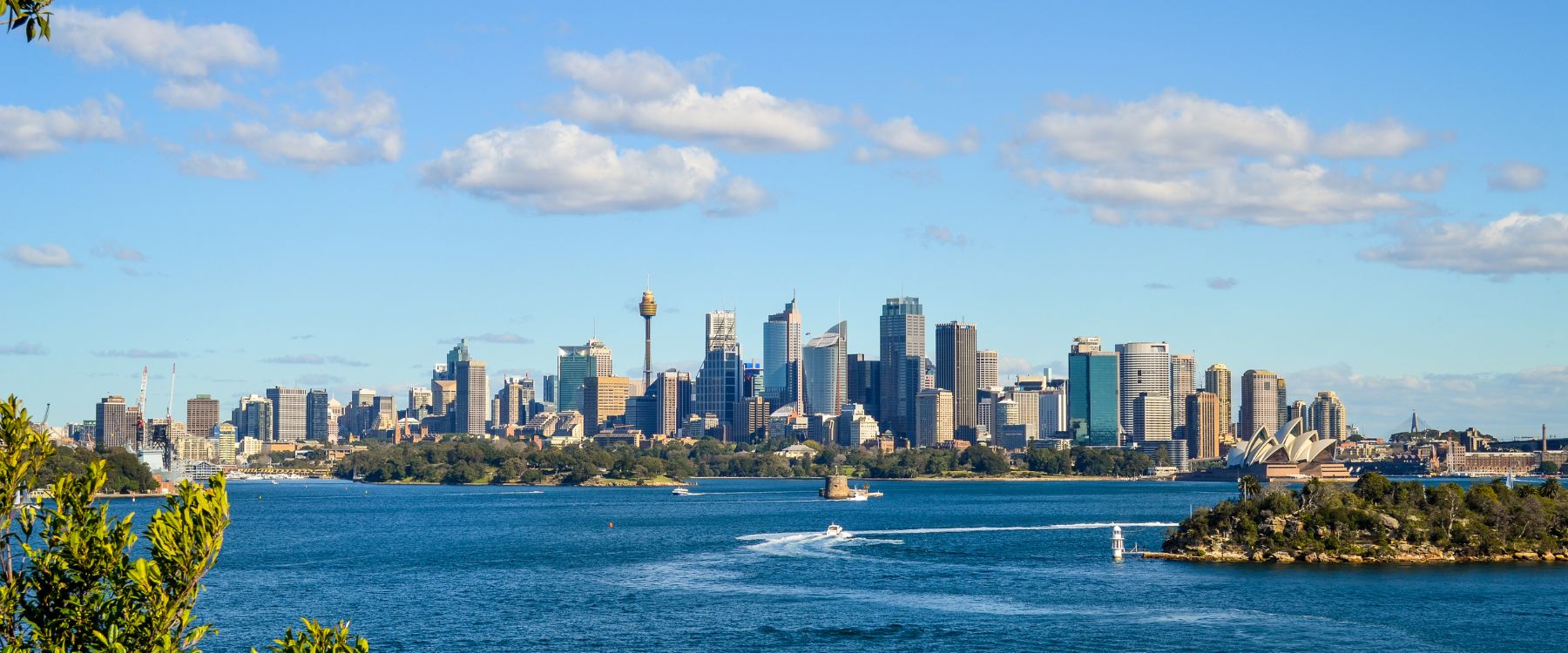
Australia stretches across an entire continent, offering travelers an extraordinary tapestry of landscapes, wildlife and cultural experiences. Its sun-drenched beaches sparkle under endless blue skies—from Sydney’s iconic Bondi shoreline to the turquoise bays of the Whitsundays—while the ancient rainforests of Queensland and the cool temperate woodlands of Tasmania teem with endemic flora and fauna. In the arid heart of the Outback, rust-colored terrain sprawls beneath vast skies, where Uluru rises in silent grandeur and the red sands of the Simpson Desert reveal tracks of kangaroos and emus at dawn.Urban centers such as Sydney, Melbourne, Brisbane and Perth captivate with world-class dining, dynamic art scenes and bustling nightlife. In Sydney, the Opera House’s sails glimmer at sunset over the Harbour Bridge, and hidden laneway bars beckon in Melbourne’s CBD. Perth’s riverside cafés and vibrant markets contrast with Brisbane’s subtropical riverfront promenades. Each city combines cosmopolitan energy with easy access to natural escapes—whether glass-fronted skyscrapers overlook pocket beaches or city trams whisk you to nearby national parks.The Great Barrier Reef, visible from space, invites travelers to dive among kaleidoscopic coral gardens and swim with majestic sea turtles. Inland, the lush Daintree Rainforest preserves some of the planet’s oldest plant lineages, while Kangaroo Island off South Australia provides a sanctuary for sea lions, koalas and rare bird species. Backcountry roads wind through the Barossa Valley and Margaret River wine regions, where cellar doors pour world-renowned Shiraz and Cabernet Sauvignon.Australia’s Indigenous heritage underpins the nation’s identity. Across the Northern Territory and Western Australia, guided tours reveal ancient rock-art galleries and convey Dreamtime narratives passed down for millennia. Cultural centers in urban areas showcase contemporary Aboriginal art, dance performances and bush-tucker experiences that illuminate connections to country.Travel infrastructure is robust: a network of domestic flights links distant capitals and regional hubs; highways such as the Great Ocean Road and Stuart Highway invite self-drive adventures; and accommodations range from budget-friendly hostels to eco-lodges and luxury resorts. Seasonal contrasts are pronounced—southern summers (December–February) beckon beach and bush explorations, while winter (June–August) in the north brings milder temperatures to tropical regions. Meanwhile, alpine areas around the Snowy Mountains open for skiing and snowboarding.Practically, English is the primary language, major credit cards are accepted nationwide, and ATMs are readily available, simplifying transactions. For those seeking immersive experiences, ecotourism initiatives emphasize sustainability and support for local communities. Whether embarking on a family road trip, a romantic glamping escape under Outback stars, a solo surf-and-music journey along the coast, or a small-group cultural expedition, Australia delivers unforgettable contrasts—ancient and modern, wilderness and city, sun and starlight—under an endless sky of possibility.

Travila Australia Travel Guide

What to know before Travelleing

Paris is known around the world as the “capital of love,” and even if you don't understand the history of Paris at all

Language: English
Peak Season: September to November & March to May
Time Zone: Varies (UTC+8 to UTC+10:30)
Currency: Australian Dollar (AUD)
Travila

22–24 hours

Average Flight Time

£4.50

Price Of Pint
Transport
Best time to visit

Top Destinations in Australia

Exploring the Outback

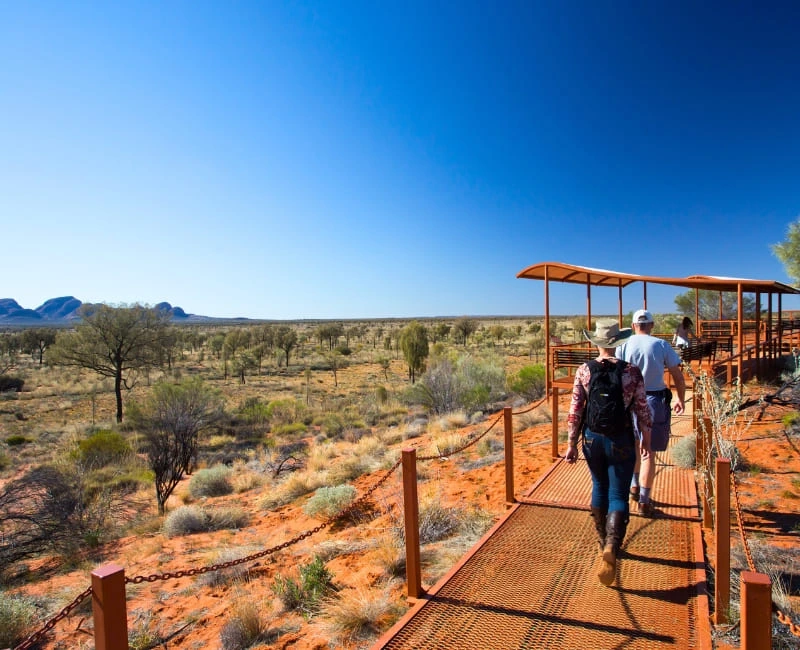
 Australia’s Outback encompasses vast arid landscapes, iconic red sands, and ancient geological formations that evoke a sense of timelessness. Centered around regions such as the Red Centre (Northern Territory), the Outback invites travelers to journey through remote highways, discover hidden waterholes, and witness sunrise and sunset that set the landscape ablaze with color. Beginning in Alice Springs, many itineraries guide visitors toward Uluru-Kata Tjuta National Park. Here, the massive sandstone monolith of Uluru stands as a spiritual heartland for the Anangu people. Engage in guided walks at the base, where Indigenous guides share Dreamtime stories and explain the significance of nearby rock art sites. Witness the Field of Light installation after dark for an immersive art-and-land encounter. Beyond Uluru, explore Kata Tjuta’s domed rock formations on the Valley of the Winds trail, offering panoramic vistas of the surrounding plains. Further afield, the Kings Canyon rim walk in Watarrka National Park reveals sheer cliffs, sandstone ridges, and lush “Garden of Eden” waterholes nestled amidst aridity. Camping under star-studded skies provides a profound Outback experience: minimal light pollution reveals the Milky Way in astonishing detail. Some travelers opt for multi-day 4WD expeditions, traversing the Simpson Desert or the Gibb River Road in Western Australia, encountering rugged terrain, salt lakes, and seasonal gorges. Accommodations range from basic bush camps to luxury wilderness lodges with all-inclusive meals and guided activities. Wildlife sightings include red kangaroos, dingoes, perentie lizards, and a variety of bird species adapted to harsh conditions. Important considerations include carrying ample water, fuel reserves, and emergency communication devices. Many providers offer small-group tours with experienced guides, ensuring safety and deep cultural understanding. Visiting during the cooler months (April–September) avoids extreme heat, making outdoor activities more comfortable. For photography enthusiasts, early mornings and late afternoons yield the best light on ochre-hued landscapes. The Outback journey is more than sightseeing; it’s an encounter with Australia’s heart and the living culture of its First Nations people. Prepare to be humbled by the scale, moved by the silence, and inspired by the resilience of life in this remarkable region.
Sydney Sights & Harbor Life

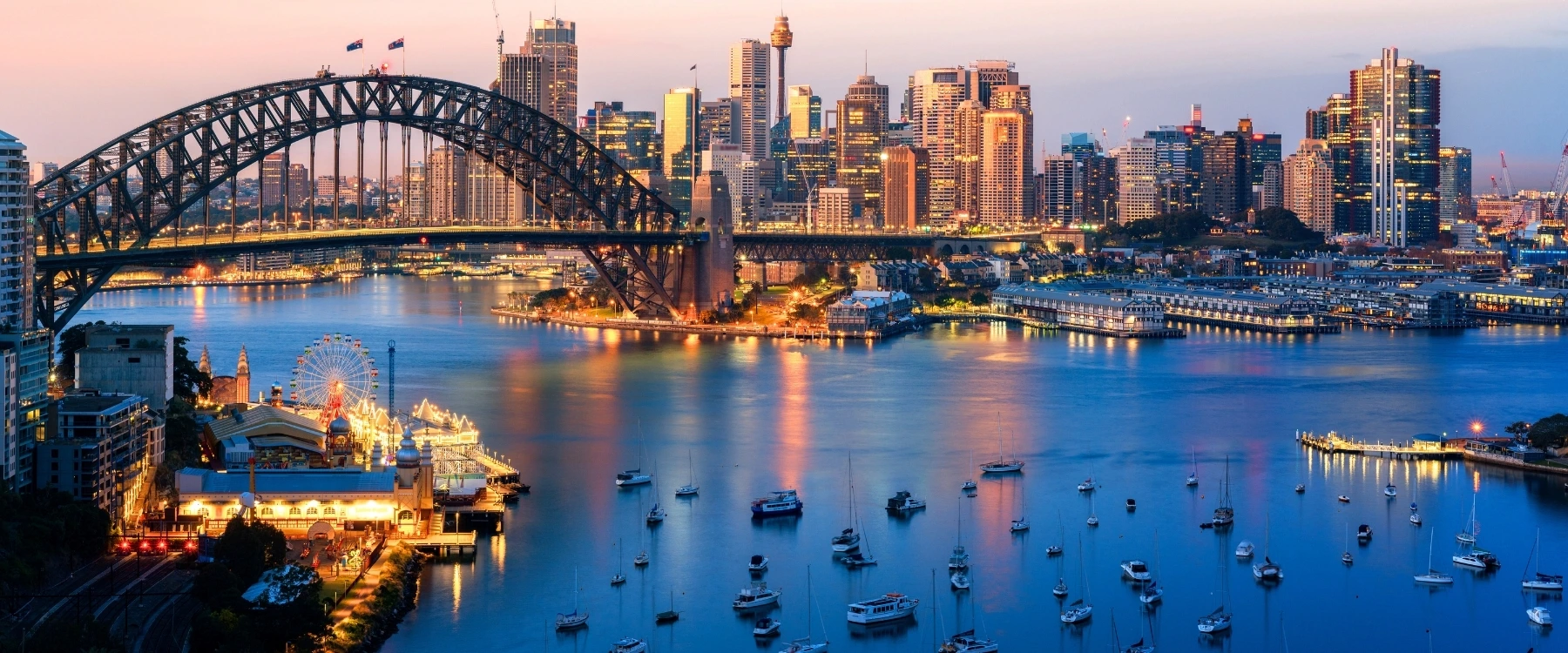
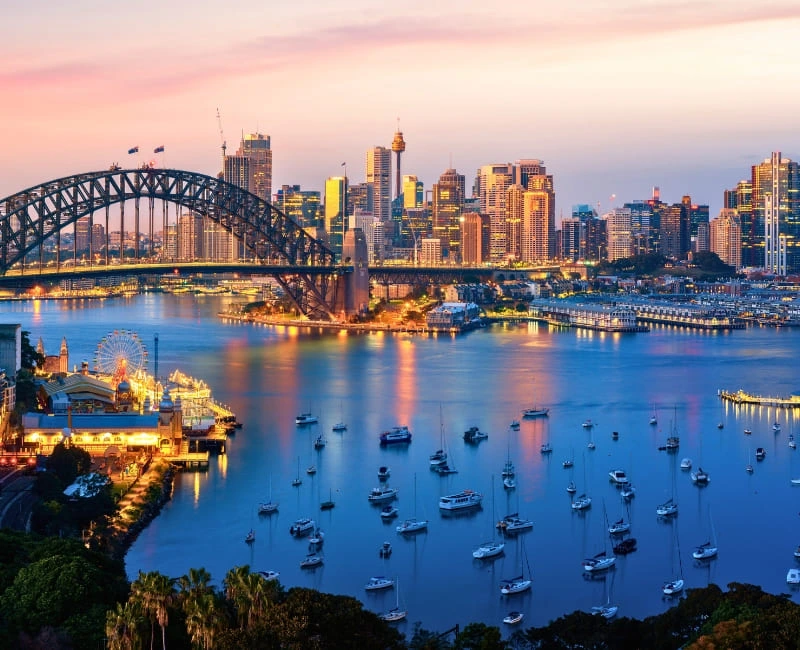
 Sydney’s defining feature is its stunning harbor, where the gleaming sails of the Opera House rise at Bennelong Point and the arch of the Harbour Bridge frames the city skyline. Begin your exploration at Circular Quay, the water-borne hub from which ferries depart to Manly, Taronga Zoo and Watsons Bay. Each harbor cruise—whether a swift commuter ferry or a leisurely dinner cruise—reveals different facets of the city’s geography and history.A guided tour of the Opera House offers backstage access, detailing Danish architect Jørn Utzon’s vision and the ­marble-lined concert halls within. Evenings come alive when curtains part on ballet, opera or contemporary performances. For unparalleled vistas, the BridgeClimb invites you to ascend the steel ribs of the Harbour Bridge, pausing at the summit to drink in sweeping panoramas of turquoise water and urban sprawl—especially breathtaking at sunrise or dusk.Step back in time amid The Rocks, Sydney’s oldest precinct. Cobblestone laneways host weekend markets, historic pubs dating to the 19th century and galleries featuring works by emerging Indigenous and Australian artists. Nearby, Barangaroo Reserve, a reclaimed headland, blends landscaped parkland with interpretive Aboriginal tours, explaining the relationship between local Gadigal people, the harbor’s ecology and traditional practices that stretch back over 30,000 years.No visit to Sydney is complete without time on its iconic beaches. At Bondi, join locals for early-morning ocean swims, take a surf lesson through one of the many surf schools, or simply stroll the coastal path linking Bondi to Coogee. Along the way, natural rock pools and vantage points beckon photographers at golden hour.Culture thrives in the city’s museums and galleries. The Art Gallery of New South Wales houses both European masterpieces and senior Aboriginal works, while the Museum of Contemporary Art Australia on Circular Quay curates provocative installations by visit­ing and local artists. For green retreats, the Royal Botanic Garden offers themed plantings—ranging from Australian natives to exotic collections—and sweeping harbor views.Sydney’s dining scene reflects its multicultural fabric. Waterfront restaurants in Darling Harbour and Circular Quay serve seafood platters, while inner-city neighbourhoods deliver global flavours—Chinatown’s dumpling houses, Newtown’s Middle Eastern bakeries and Surry Hills’ modern Australian bistros integrating native ingredients like finger lime and wattleseed.Beyond the city proper, day trips expand the horizon. The Blue Mountains, a two-hour train ride away, present dramatic sandstone escarpments and bushwalking trails in a UNESCO World Heritage Area. Alternatively, winery tours in the Hunter Valley, just north of Sydney, showcase semillon and shiraz amidst bucolic vineyards.Efficient trains, buses and ferries knit together this rich tapestry. Modern integrated ticketing means one card for all—and Oyster-style convenience. Accommodations range from heritage-listed hotels overlooking the harbor to boutique apartments in converted warehouses. Whether you arrive for a weekend or a fortnight, Sydney’s blend of natural wonders, Indigenous heritage, architectural icons and cosmopolitan spirit ensures an unforgettable introduction to Australia’s most famous city.
Wildlife Encounters

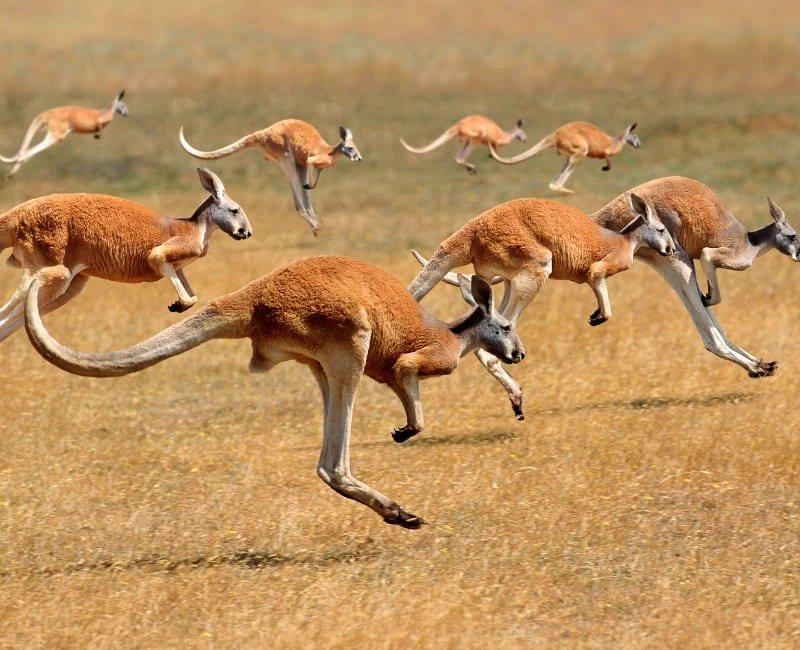
 Australia’s wildlife captivates through its unique marsupials, monotremes, birds and marine creatures, many found nowhere else on earth. On Kangaroo Island, conservation refuges guard koalas in eucalyptus groves, wallabies in open scrub, and glossy black cockatoos among ancient sugar gums. Guided nocturnal tours reveal possums, bandicoots and the island’s efforts to safeguard endangered species in a semi-wild setting.The Great Barrier Reef region, launched from Cairns or Port Douglas, immerses you in underwater wonder. Snorkel amid coral bommies where clownfish dart through anemones, or join certified dive operators who guide you alongside green and hawksbill turtles, vibrant reef sharks and gentle manta rays. For those preferring the surface, glass-bottom boats and semi-submersibles offer comfortable reef viewing. Research programs allow volunteers to assist in coral-monitoring or marine-debris surveys.Farther north, the Daintree Rainforest—believed to be over 100 million years old—invites both day and guided night walks. As darkness falls, elusive tree-kangaroos emerge in canopy shadows, swamp-dwelling crocodiles glide in riverbanks, and tiny green tree frogs call in the undergrowth. Its biodiversity also includes the cassowary, a flightless bird vital to rainforest regeneration, best spotted at dawn on quieter trails.In Tasmania, the island’s temperate wilderness shelters the enigmatic platypus paddling through freshwater streams, and the charismatic Tasmanian devil prowling nocturnal reserves. Sanctuaries like the Bonorong Wildlife Park offer educational encounters, where keepers discuss disease threats and breeding programs.Coastal regions feature their own spectacles. At Phillip Island in Victoria, the nightly Penguin Parade sees little fairy penguins waddle ashore in perfect formation. In Monkey Mia, Western Australia, wild bottlenose dolphins swim close to shore each morning, welcoming respectful interaction under park guidelines.Whale-watching cruises along the east coast—from Hervey Bay to Sydney—spot migrating humpback whales breaching and tail-slapping between May and November. In the Top End, boat tours in Kakadu National Park reveal jabiru storks, jabiru storks, and nesting egrets along floodplain waterways.Ethical wildlife tourism underpins these adventures. Operators limit group sizes, enforce no-touch policies and contribute to conservation through visitor fees. Seasonal timing is key: turtle nesting peaks November–March, whale migration May–November, and platypus activity at dawn or dusk year-round.Blending comfort and wilderness, stays range from eco-lodges perched on stilts above mangroves to reef-side resorts offering dive-in clubs. Every encounter—whether watching a koala snooze in a gum tree, hearing a distant dingo howl, or floating over living corals—imbues travelers with awe and a deepened commitment to preserving Australia’s extraordinary biodiversity.

Melbourne’s Arts & Culinary Scene

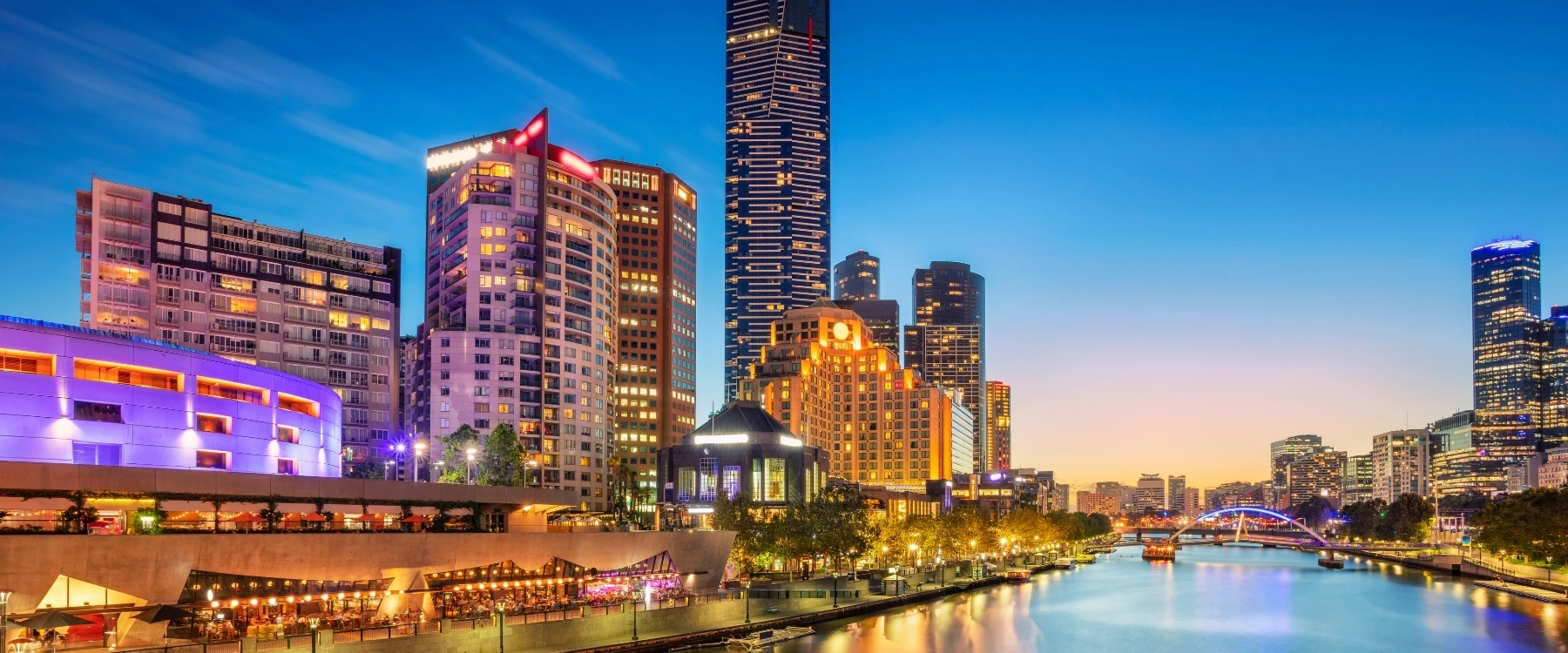
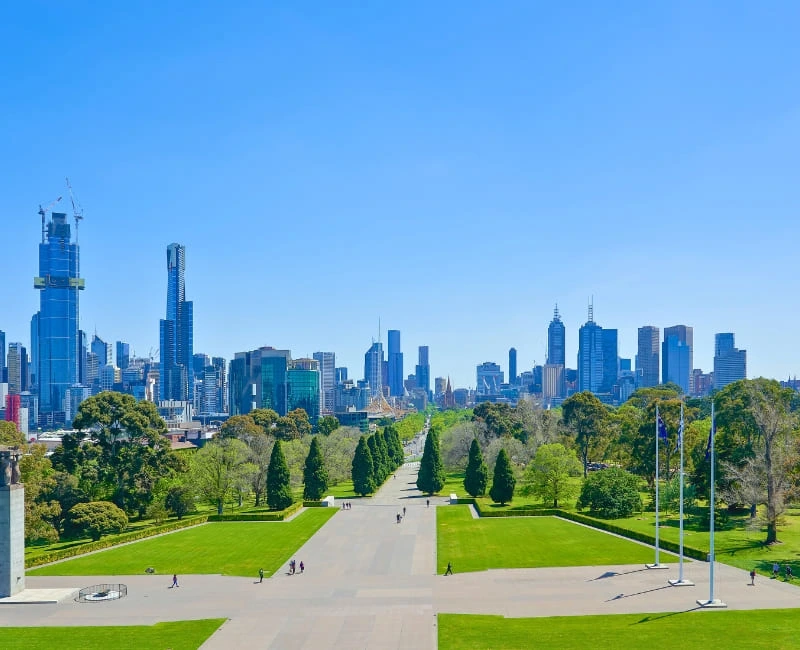
 Melbourne has earned a reputation as Australia’s cultural capital, where street art, laneway cafés and a dynamic food culture converge. The city’s laneways—Hosier Lane, AC/DC Lane and others—serve as ever-changing canvases for graffiti artists, and guided tours decode the symbolism behind intricate murals and guerilla installations.Art institutions reflect this creative heartbeat. The National Gallery of Victoria on St Kilda Road showcases an encyclopedic collection—from Renaissance works to Indigenous masterpieces—while the Australian Centre for Contemporary Art specializes in large-scale installations and moving-image exhibitions. Federation Square, a striking architectural landmark, hosts festivals, film screenings and market stalls in its open-air plaza.Melbourne’s coffee culture is legendary: baristas at small-batch roasteries craft specialty brews rivaling the world’s best. Morning rituals often begin in hidden street cafés, paired with gourmet brunch fare—avocado-topped sourdough, ricotta pancakes or locally smoked salmon. Throughout the day, Queen Victoria Market buzzes with vendors selling fresh produce, artisanal cheeses, baked goods and multicultural street food—dim sum, Middle Eastern pides and Italian gelato.Dining evolves as evening falls. In Fitzroy and Collingwood, gastropubs and brewpubs offer craft beers alongside modern Australian plates infused with Asian and European influences. Lygon Street in Carlton—known as Little Italy—delivers wood-fired pizzas and handmade pasta in family-run trattorias. Richmond’s Victoria Street pulses with Vietnamese pho houses and bánh mì shops.Vic-culture extends beyond food. Live music echoes from Brunswick’s indie venues, jazz clubs in the CBD and open-mic nights at suburban bars. The Melbourne Theatre Company and Arts Centre Melbourne present world-class drama and opera. Annual festivals—Laneway Festival, Melbourne International Comedy Festival, White Night—draw global audiences.Day trips reveal more of the region’s bounty. The Yarra Valley’s cool-climate wineries produce crisp chardonnay and velvety pinot noir, complemented by farm-gate gourmet experiences. The Mornington Peninsula blends seaside charm with hot springs, bayside restaurants and wildlife tours spotting seals and dolphins. The Dandenong Ranges offer charming villages, antique shops and Puffing Billy steam train rides through fern-gully rainforest.Efficient trams, trains and bike lanes encourage exploration; the city’s integrated ticketing system simplifies transfers. Accommodations range from luxury heritage hotels in the city center to eclectic boutique stays in converted factories. Seasonal changes invigorate Melbourne year-round—crisp autumn leaves at the Royal Botanic Gardens, winter warming festivals, spring flower displays and summer rooftop cinema.For a deeper connection, participate in cooking classes featuring native ingredients, attend artist-run workshops or take a barista course. By weaving together art, gastronomy and community events, Melbourne showcases a creative tapestry that invites travelers to dive beyond the obvious and embrace its endlessly evolving urban spirit.

Destination

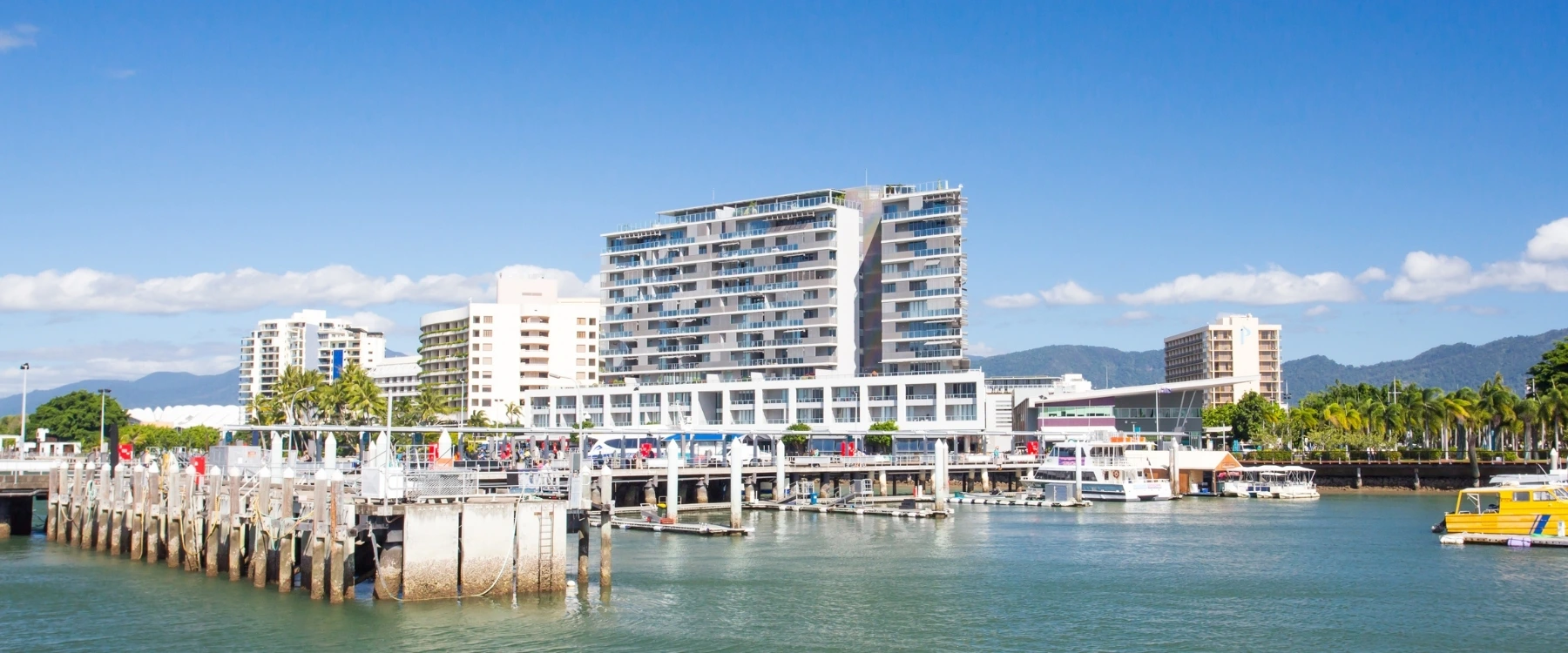
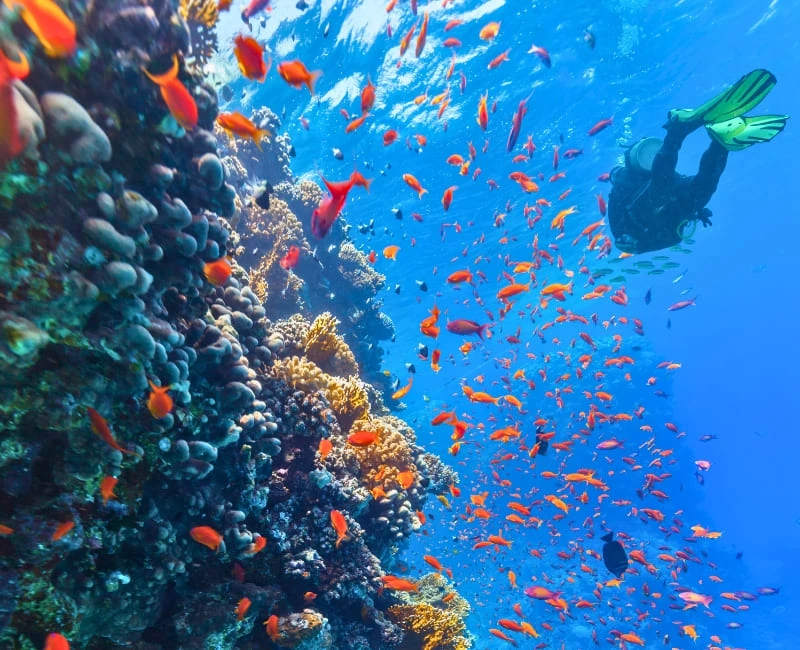
 The Great Barrier Reef, stretching more than 2,300 kilometers along Queensland’s coast, is the planet’s largest coral ecosystem and a mecca for marine enthusiasts. Departure hubs in Cairns, Port Douglas and the Whitsundays dispatch day-trip vessels and live-aboard yachts to explore fringing and outer reefs.Begin with a snorkeling excursion over shallow bommies—coral outcrops where thousands of reef fish swirl in emerald waters. Professional guides equip and brief novices on reef-friendly practices, ensuring minimal impact on corals and marine life. Certified dive operators lead deeper dives, introducing divers to green and loggerhead turtles gliding through coral tunnels, giant clams nestled on the reef floor, and graceful manta rays railroad-ing along cleaning stations. Night dives reveal a different spectrum of creatures: luminous brittle stars, hunting moray eels and nocturnal reef fish.Live-aboard experiences elevate reef immersion. Over several nights, you’ll reach remote locations such as Ribbon Reefs or Far Northern Reefs, free from day-trip crowds. These vessels often feature onboard marine biologists who explain coral bleaching phenomena, seasonal spawning events and ongoing reef restoration efforts. Participants can contribute to citizen-science programs, documenting coral health or collecting data on fish populations.Island platforms—on Hayman, Lizard or Hamilton Islands—offer comfortable resort bases with daily snorkel or dive transfers, educational presentations and on-site conservation centers. For a non-swimming perspective, glass-bottom boat tours and semi-submersible vessels reveal vibrant underwater landscapes without getting wet. Scenic seaplane or helicopter flights deliver breathtaking aerial views of the Reef’s vast mosaic pattern.Seasonal considerations matter: the stinger season (November to May) requires protective stinger suits to guard against box jellyfish in northern reaches, while winter and spring (June to October) yield optimal water clarity and cooler temperatures that favor comfort. Regardless of timing, sustainable tourism practices are paramount: choose operators who adhere to Reef Trust guidelines, avoid anchoring on coral, and support local Indigenous rangers involved in Reef guardianship.Pair reef adventures with rainforest stays in Daintree or Atherton Tablelands, where eco-lodges combine jungle walks and night-time wildlife spotting with coral encounters. For families, shallow snorkeling lagoons and accredited junior dive programs introduce children to marine exploration under expert supervision.Whether you are a seasoned scuba diver chasing pelagic species or a first-time snorkeler marveling at kaleidoscopic coral gardens, the Great Barrier Reef delivers transformative marine experiences. Each reef visit inspires both wonder and a renewed appreciation for the Reef’s fragility, underscoring the critical need to protect this UNESCO World Heritage treasure for generations to come.

Great Barrier Reef Diving & Marine Exploration

Discover world-famous destinations that continue to captivate travelers with their iconic landmarks, rich history, and vibrant cultures. These popular spots offer well-developed tourism infrastructure, diverse accommodation options, and countless activities for every type of traveler. While these destinations attract millions of visitors annually, they maintain their unique charm and continue to offer new experiences even for repeat visitors seeking to uncover hidden layers beyond the main attractions.

Hotel

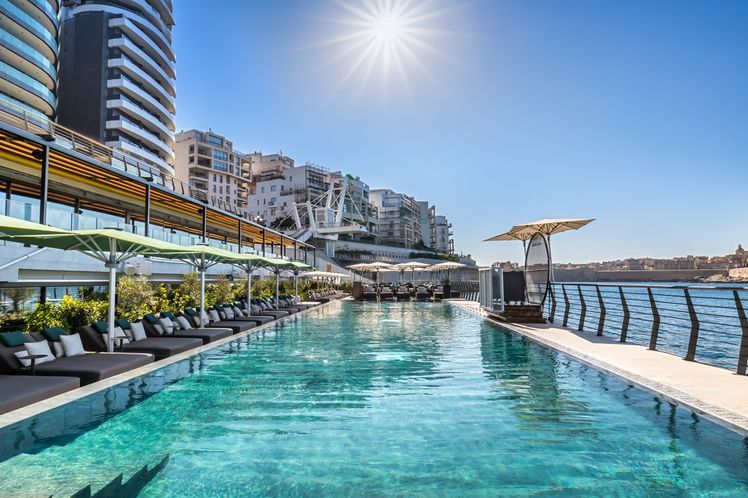
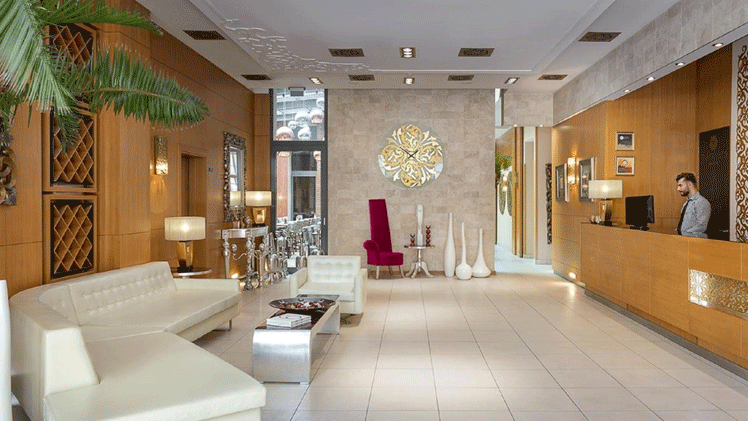
Indulge in premium accommodation options that offer exceptional service, world-class amenities, and exquisite dining experiences. Luxury hotels provide personalized attention, sophisticated design, and exclusive facilities that transform your stay into a memorable journey. From five-star city hotels to boutique resorts in exotic locations, these properties prioritize guest comfort and satisfaction while offering unique local experiences and impeccable hospitality standards.

Hotel

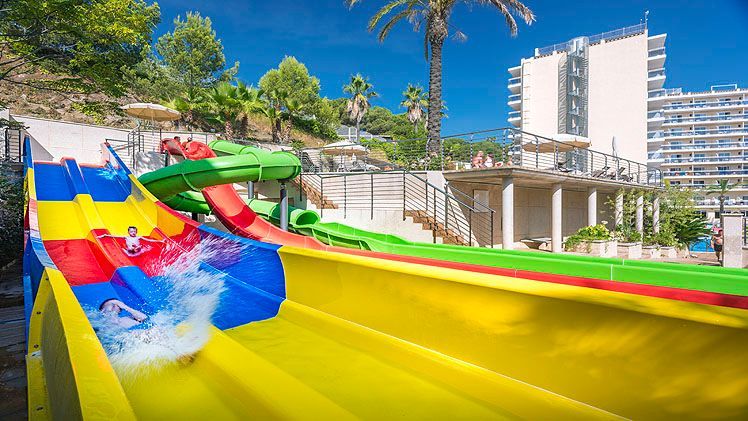
Find comfortable and affordable lodging options that don't compromise on quality or experience. Budget hotels, hostels, and guesthouses offer excellent value for money while providing clean, safe accommodations in convenient locations. Many budget options feature communal spaces that encourage social interaction, local recommendations from knowledgeable staff, and authentic experiences that allow travelers to stretch their budget further while exploring new destinations.

Join our newsletter
Subscribe to see secret deals prices drop the moment you sign up!

No ads. No trails. No commitments