

 Bermuda Travel Guide





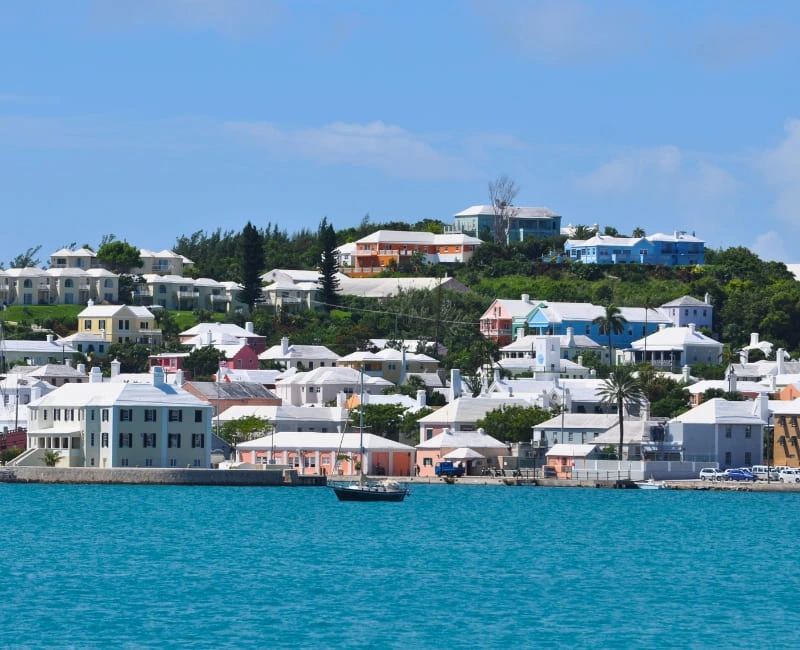
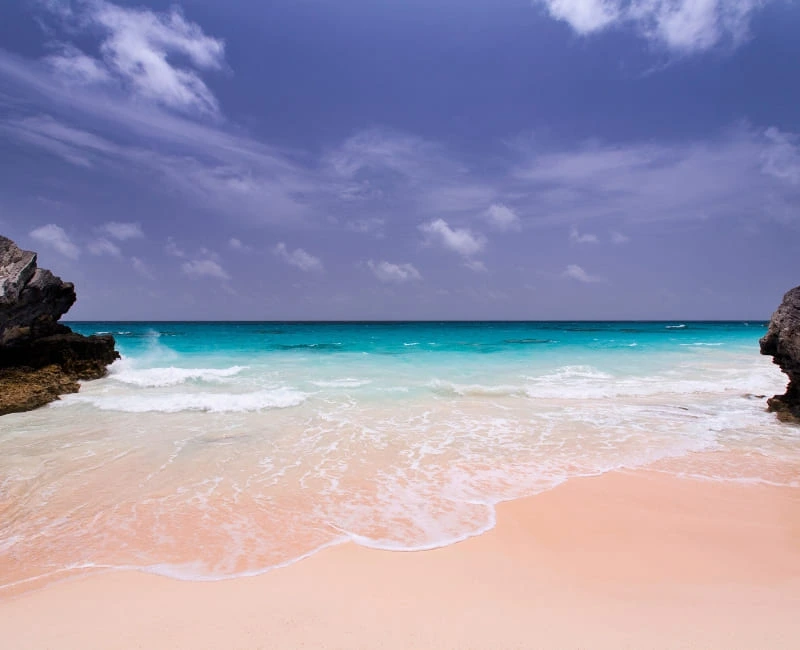
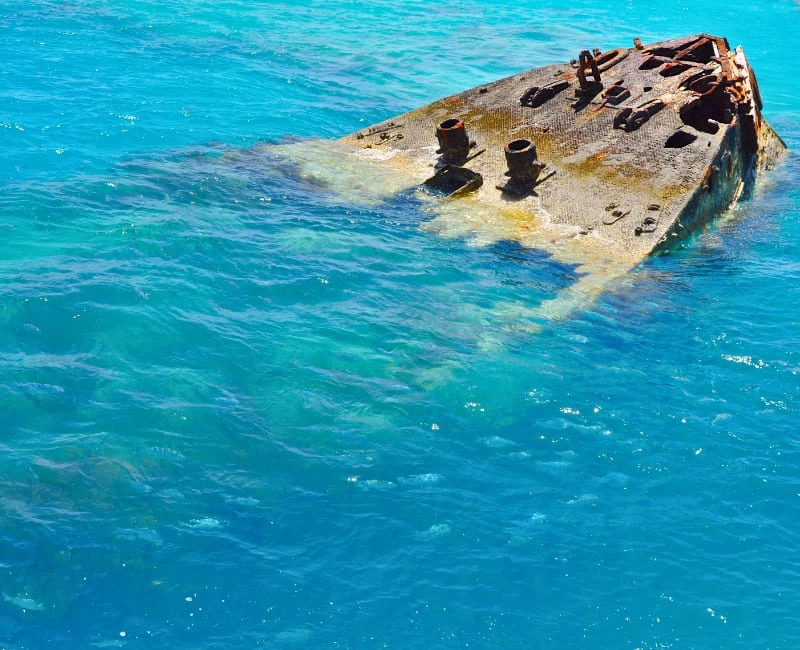
St. George’s, founded in 1612, stands as Bermuda’s living museum—its winding lanes and colonial edifices transport visitors back over 400 years. Begin your exploration at King’s Square, the heart of this UNESCO World Heritage Site. Here, pastel-hued cottages with shuttered windows line narrow streets, reflecting a timeless charm. Pause at the Town Hall Museum, where exhibits showcase artifacts from the Sea Venture shipwreck of 1609. That dramatic event, immortalized in Shakespeare’s “The Tempest,” led to Bermuda’s settlement; original relics—clay pipes, navigational instruments, and fragments of early trade goods—illuminate life in the fledgling colony.Wander northeast toward St. Peter’s Church, the oldest Anglican church in continuous use in the Western Hemisphere. Enter through its simple wooden door to discover stained-glass windows installed over centuries and stone tombs marking resting places of early settlers. The churchyard’s headstones tell stories of maritime adventures, epidemics, and colonial governance. Climb the small hill beside the church for vistas of St. George’s Harbour, where incoming ships once brought supplies and news from across the Atlantic.Next, venture to Fort St. Catherine at the eastern tip. This imposing fortress, perched on craggy limestone, offers interactive exhibits on Bermuda’s strategic military role. Walk ramparts that once scanned the horizon for enemy ships, explore underground magazines, and peer through restored cannons aimed at the wide Atlantic. Interpretive signage details centuries of fortification—from wooden palisades to 19th-century cannon batteries—illustrating how geography made Bermuda both a haven and a target. From the top, panoramic views reveal turquoise waters dotted with sailboats and the gentle curve of shorelines blending pink sands with lush greenery.Back in town, meander through Duke of York Street to spot traditional Bermudian architecture: stepped roofs designed for water collection, whitewashed walls, and shutters painted in cheerful hues. Pop into local artisan shops offering handcrafted jewelry, woven baskets, and artworks inspired by island life. Engage with residents eager to share Gombey traditions: the vibrant, rhythmic dance born of African and Caribbean heritage. If your visit coincides with a festival or National Heroes Day, you may witness troupes performing in elaborate costumes, drums beating in sync with spirited choreography.Don’t miss Ferry Reach Fort on the northern edge—its ruins reveal further colonial defense strategies and sweeping water views ideal for photography. Along the way, pause at cafés serving Bermuda onion soup or fish cakes, savoring flavors that echo centuries of trade and adaptation. Take time to join a guided walking tour: knowledgeable guides weave anecdotes of pirate lore, naval blockades, and island resilience, deepening appreciation for St. George’s role in Bermuda’s identity.By late afternoon, as sunlight softens, return to the waterfront for a sunset stroll. The interplay of pastel sky, pinkish tides, and historic skyline creates a scene both tranquil and evocative of the island’s layered past. Historic St. George’s is more than a static exhibit; it’s a living community preserving traditions, architecture, and stories. Whether you’re a history buff, a photographer, or a curious traveler, exploring St. George’s offers a richly textured narrative of Bermuda’s origins and enduring spirit.
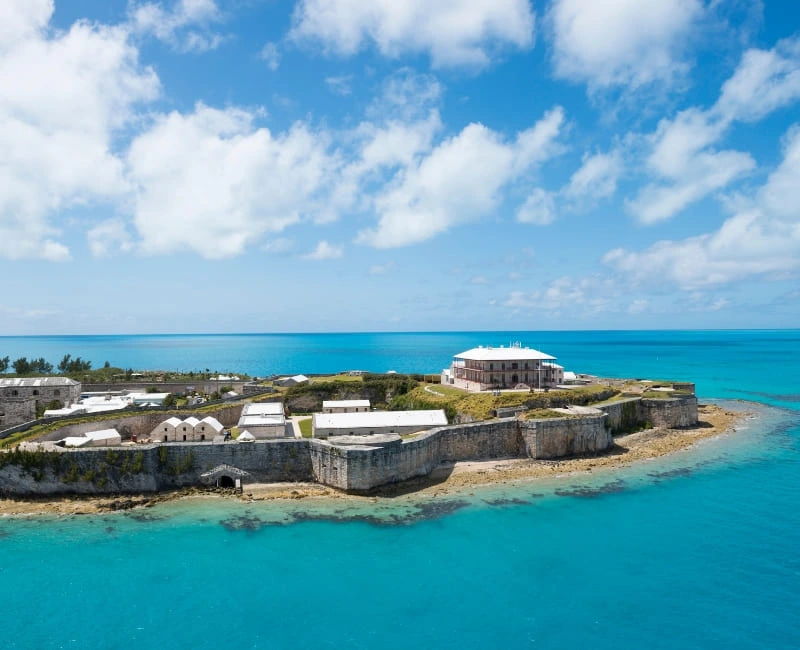
The Royal Naval Dockyard, perched on Bermuda’s western tip in Sandys Parish, marries naval heritage with modern leisure. Established in the early 19th century as the Royal Navy’s Atlantic stronghold, the Dockyard now pulses with cultural attractions, shopping, and waterfront recreation. Begin at the Clocktower Complex, where the National Museum of Bermuda resides. Inside, meticulously curated displays trace maritime history: scale models of 19th-century warships, navigational instruments, and multimedia exhibits recount Bermuda’s strategic role in colonial defense. Detailed panels explain shipbuilding techniques that leveraged local cedar, while oral histories capture life aboard naval vessels patrolling Atlantic waters.Outside the museum, restored naval warehouses house artisan boutiques offering Bermudian crafts: hand-painted pottery, island-inspired jewelry, and textiles reflecting pastel hues. Stroll the dockside promenade; the juxtaposition of weathered stone buildings and sparkling harbor invites leisurely discovery. Nearby, Dolphin Quest offers an unforgettable encounter with Atlantic bottlenose dolphins in a lagoon-like environment. Under expert guidance, swim or interact safely while learning about marine conservation efforts. This experience appeals to families and wildlife enthusiasts alike, fostering respect for ocean ecosystems.For a taste of local flavor, head to the Frog & Onion Pub, set within a former naval barracks. Relish Bermudian specialties—fish chowder with hint of black rum, spiny lobster when in season—and sample microbrews brewed on the island. The historic ambiance—exposed brick, timber beams, and nautical memorabilia—amplifies the sense of stepping into living history. After lunch, consider a guided kayak tour from the Dockyard harbor. Paddle through calm waters toward hidden coves, spotting sea turtles and indigenous bird species. Guides share insights on local ecology, including efforts to protect coral reefs visible beneath the surface.Artisans often set up pop-up stalls during weekends or special events; browse handcrafted artworks that celebrate Bermuda’s scenery and traditions. If timing aligns, join a maritime-themed workshop—rope-making demonstrations, model shipbuilding, or storytelling sessions on famous shipwrecks. Children particularly enjoy interactive exhibits at the museum, including simulated helm controls and discoveries of sailors’ daily routines.As afternoon light softens, embark on a short ferry to Hamilton for an urban contrast: vibrant cafés, boutique stores, and galleries featuring Bermudian artists. Alternatively, stay at Dockyard for a harbor cruise: sail along the coastline, observing historic forts from the water and learning nautical anecdotes from onboard narrators. Before sunset, return to the Dockyard waterfront to capture the glow bathing the Clocktower and moored vessels.Evening activities include live music nights at waterfront bars—reggae rhythms or acoustic island tunes—paired with signature cocktails like Rum Swizzle. The Dockyard area often hosts cultural festivals, including craft fairs showcasing local foods, music, and dance. By day’s end, the Royal Naval Dockyard has offered a full spectrum: deep dives into naval history, hands-on marine experiences, culinary delights, and artisanal discoveries. This blend of past and present ensures that visitors depart with both knowledge of Bermuda’s seafaring legacy and memories of contemporary island hospitality.