

 Brazil Travel Guide







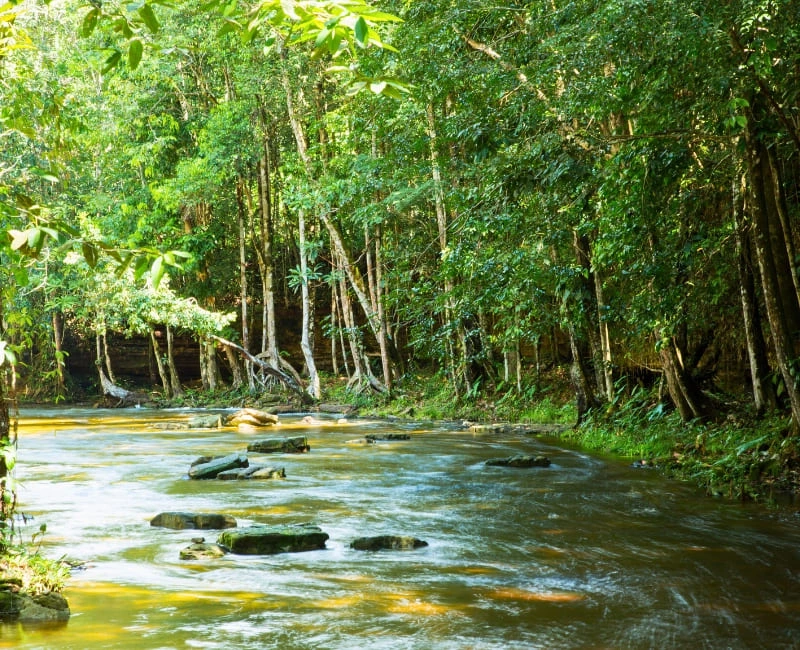
Venturing into the Amazon rainforest stands as one of the most iconic nature and adventure experiences in Brazil. The Amazon basin covers a vast area, and Brazil’s portion offers multiple entry points for exploration—Manaus being the primary hub for river cruises and jungle lodges. An Amazon expedition typically begins with a riverboat journey upriver, where travellers witness the gradual transition from urban surroundings to dense, untouched forest. Along the way, guides introduce the ecological complexity of the region: towering kapok and Brazil nut trees, vines entwining canopies, and the symbiotic relationships that define rainforest life.Jungle lodges, often reachable by smaller boats on tributaries, serve as home bases for multi-day excursions. Accommodations range from rustic eco-lodges to more comfortable jungle resorts, all designed to immerse visitors in nature while minimizing environmental impact. Guided hikes along forest trails reveal diverse wildlife: howler monkeys calling from the treetops, sloths moving deliberately among branches, and myriad bird species—macaws flashing brilliant colours, toucans perched high in the canopy, and hummingbirds darting among flowers. Nocturnal excursions by canoe or on foot unveil different facets: caiman eyes reflecting torchlight along riverbanks, insects droning in the darkness, and the chorus of frogs and insects forming an otherworldly soundscape.River excursions often include fishing for piranhas, offering insight into local subsistence methods and a thrilling experience. Spotting pink river dolphins is a highlight; these charismatic creatures often surface near boats at dawn or dusk, their distinctive colour making them memorable. Community visits to riverside villages provide cultural context: Indigenous and ribeirinho communities sharing traditional knowledge about medicinal plants, fishing techniques, and sustainable practices honed over generations. Participating in cultural exchanges—craft demonstrations, storytelling, or communal meals—deepens appreciation for human resilience and stewardship in this fragile ecosystem.Safety and comfort are paramount: lodges supply experienced guides, safety briefings for jungle trails, and insect-repellent measures. Meals typically feature regional ingredients: fresh fish from the river, tropical fruits, and local produce, ensuring both nourishment and a taste of Amazonian flavours. Travellers should pack lightweight clothing in neutral colours, waterproof gear for sudden rain showers, sturdy footwear for muddy trails, and binoculars and cameras to capture wildlife sightings.Responsible tourism principles guide Amazon expeditions: choosing operators committed to conservation, respecting wildlife by maintaining safe distances, and supporting community-led initiatives that reinvest tourism revenue into education and environmental protection. Many lodges collaborate on research projects, offering travellers the chance to learn about ongoing scientific efforts, such as monitoring biodiversity or studying climate impacts on rainforest ecosystems.An Amazon rainforest expedition is best timed during the high-water season (approximately December to May), when river levels rise and boat navigation reaches deeper forest channels, allowing access to remote areas. However, low-water season (June to November) reveals sandbanks and offers easier hiking on forest trails, with wildlife concentrated near smaller water bodies. Both seasons present unique experiences, so travellers can choose based on personal preference: expansive river cruises or in-depth trekking.In summary, Amazon rainforest expeditions deliver a profound immersion into one of the planet’s richest ecosystems. Travellers emerge with lasting memories of dawn mist over the river, wildlife encounters that spark awe, and cultural connections that highlight sustainable living. As one of Brazil’s quintessential adventure offerings, the Amazon journey combines exploration, education, and conservation awareness, making it an essential part of any nature-focused itinerary.
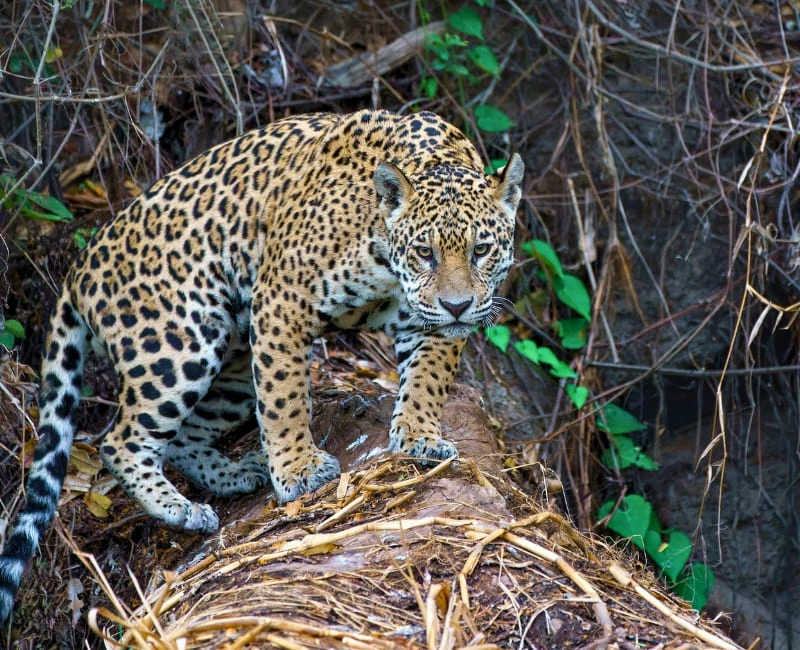
The Pantanal, the world’s largest tropical wetland, spans Brazil, Bolivia, and Paraguay, with Brazil containing the majority. This vast floodplain is renowned for exceptional wildlife sightings, making it a top choice for nature and adventure travellers. Pantanal safaris tend to be land- and water-based, combining 4x4 excursions, horseback rides, walking trails, and boat tours to maximize wildlife encounters.During the dry season (roughly May to October), water levels recede, concentrating aquatic life in remaining ponds and streams, which in turn attracts predators and birdlife, offering optimal viewing conditions. Travellers staying at eco-lodges experience early morning and late afternoon safaris when wildlife is most active. Guides trained in tracking spot jaguars, which, though elusive, can be observed hunting along riverbanks or resting under vegetation. Capybaras—the world’s largest rodents—gather in groups near water, often accompanied by coatis and caimans. Birdwatchers delight in sighting hyacinth macaws, jabirus, herons, and kingfishers; the Pantanal hosts one of the highest concentrations of bird species in the world.Boat safaris on rivers reveal aquatic life from a safe vantage: caimans basking on muddy banks; river turtles sunning themselves; and fish species unique to the wetland. Night safaris by boat or 4x4 yield sightings of nocturnal species: ocelots, giant anteaters, and owls active under the starlit sky. Many lodges offer night-time spotlight tours, where shining lights along trails may reveal eyeshine of nocturnal mammals.Accommodation in the Pantanal is typically in lodges built on stilts or raised platforms to accommodate flood cycles. These lodges balance comfort with ecological sensitivity: solar energy, waste management systems, and trained local staff ensure sustainable operations. Meals feature fresh regional produce and fish, offering a taste of Pantanal cuisine while supporting local communities.Cultural experiences include visiting ranches (fazendas) where cowboys—pantaneiros—demonstrate cattle ranching on horseback, an enduring regional tradition. Travellers learn about local livelihoods, interact with families, and may try horseback riding across open wetlands. During fishing excursions, guests learn traditional techniques and help prepare catch-of-the-day meals.Safety measures include following guides’ instructions, wearing neutral-coloured clothing for better wildlife observation, and using insect repellent. Lodges supply equipment as needed, such as binoculars and waterproof boots. Travellers should pack layers: mornings and evenings can be cool, while midday heat and humidity increase.Responsible travel in the Pantanal emphasizes minimal disturbance: maintaining respectful distances from wildlife, avoiding off-trail wandering, and supporting conservation efforts. Many operators contribute to research projects, such as jaguar monitoring and wetland preservation initiatives. Choosing lodges committed to local employment and environmental protection amplifies tourism’s positive impact.The best time for wildlife safaris is during the dry season when easier access and concentrated wildlife make sightings more reliable. However, visiting in the wet season (November to April) showcases the wetland at its fullest, with flooded landscapes, boat journeys into deeper areas, and unique bird migrations. Each season offers distinct photographic opportunities and immersive experiences.In essence, Pantanal wildlife safaris provide unparalleled access to iconic South American fauna in a setting of immense natural beauty. Through guided excursions, cultural interactions, and sustainable practices, travellers engage deeply with this remarkable ecosystem. A visit to the Pantanal is an essential nature-and-adventure highlight on any Brazil itinerary, promising memories of jaguars emerging at dawn, flocks of colourful birds sweeping across the sky, and the tranquil vastness of flooded plains.