

 Budapest Travel Guide




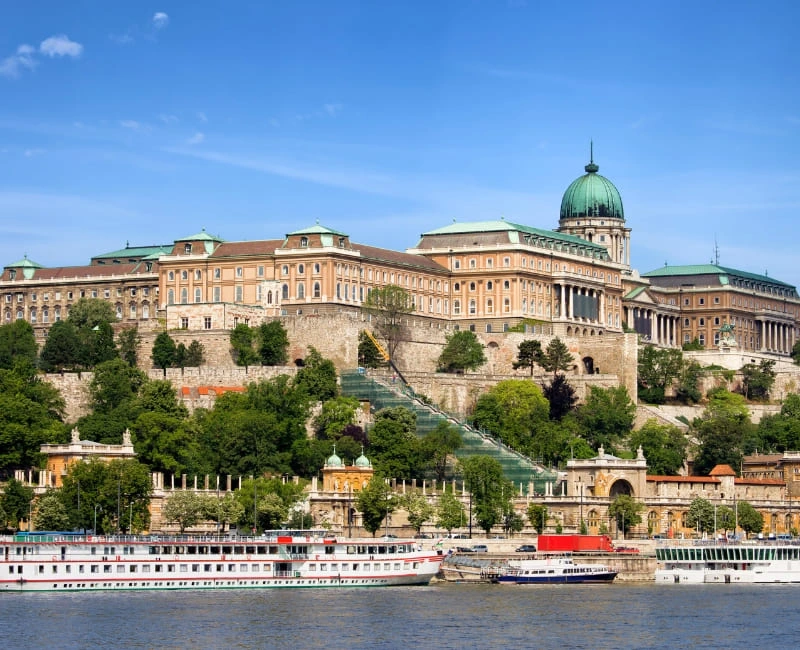
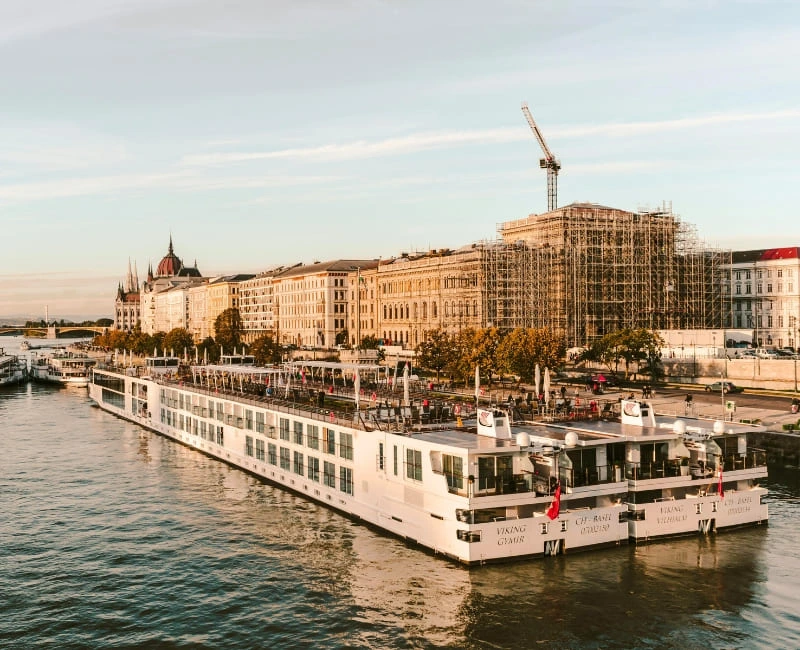
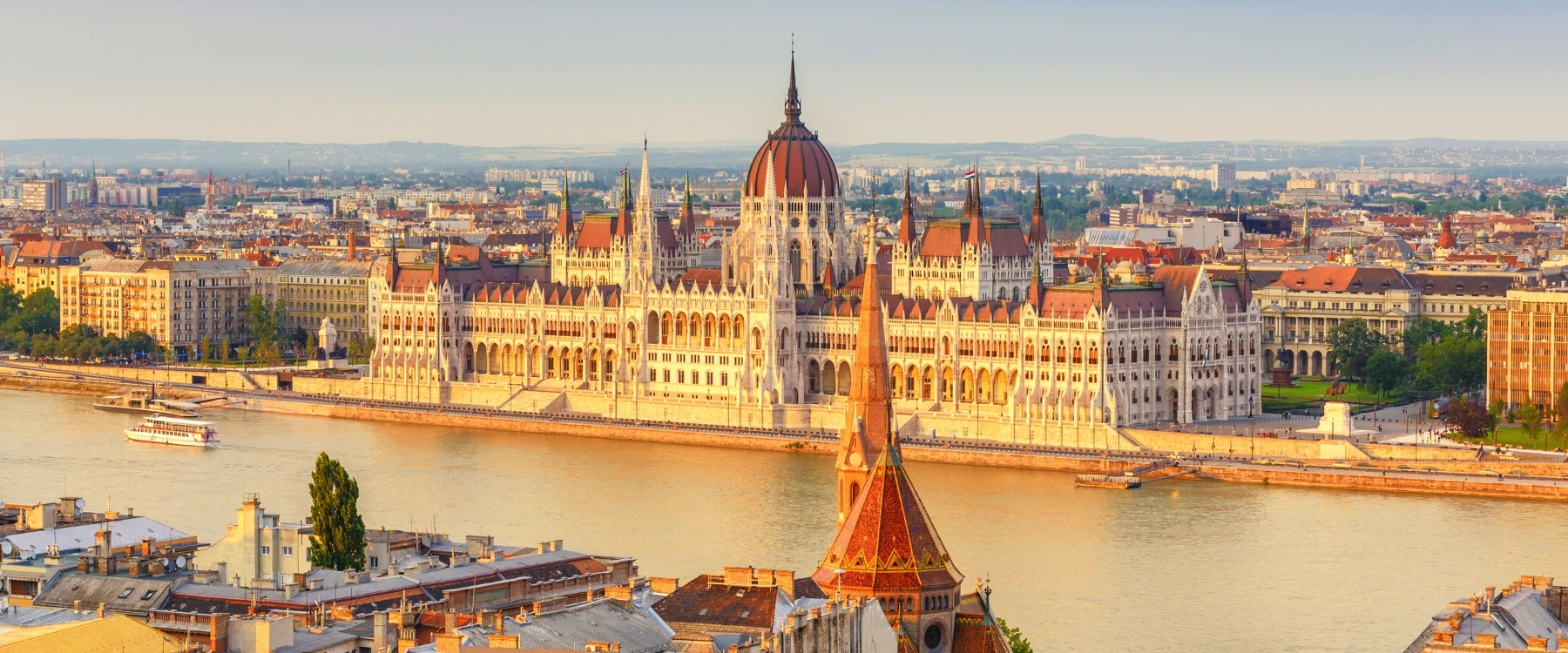
Budapest is a living museum of European history, and nowhere is this more evident than in its remarkable landmarks and monuments. The city’s iconic Chain Bridge, the first permanent bridge connecting Buda and Pest, is not only an engineering marvel but also a symbol of unity. Crossing it by foot or on a tram offers stunning views of the Danube and its scenic banks, both listed as UNESCO World Heritage Sites. On the Buda side, Castle Hill invites you to stroll its cobblestone streets as you uncover medieval charm. The magnificent Buda Castle, once a royal palace, now houses the Hungarian National Gallery and Budapest History Museum. Just a short walk away stands Fisherman’s Bastion, a neo-Romanesque terrace offering sweeping panoramas of Pest, especially the awe-inspiring Hungarian Parliament Building across the river—a masterpiece of neo-Gothic design that gleams under the sun and glows by night. Matthias Church, with its vividly tiled roof and centuries of stories, stands as a spiritual and architectural beacon. Meanwhile, on the Pest side, the Heroes' Square (Hősök tere) pays homage to Hungary’s founding figures and is flanked by the Museum of Fine Arts and the Hall of Art. From the grandeur of St. Stephen’s Basilica to the poignant Shoes on the Danube Bank memorial, Budapest’s landmarks not only dazzle the eyes but also tell the story of a nation that has endured and evolved with pride.
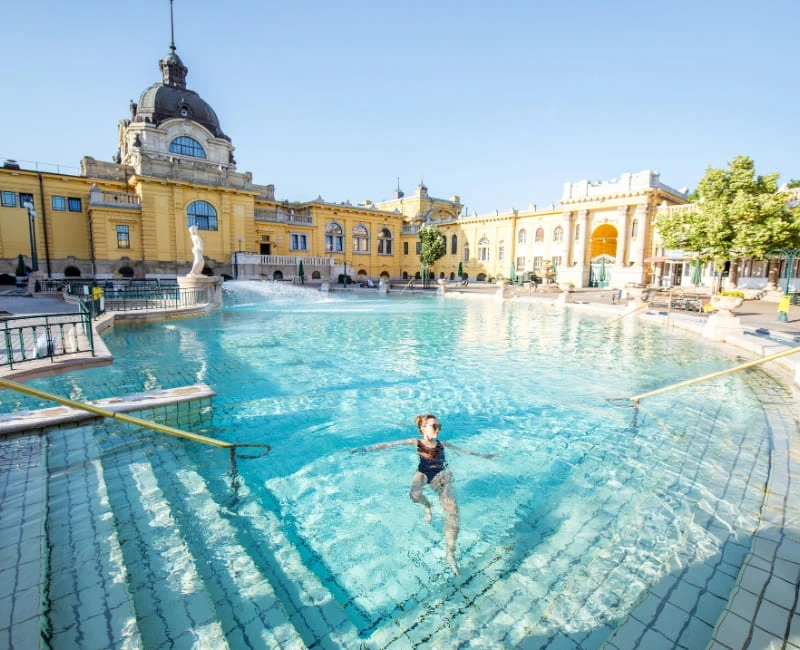
Few cities in the world can boast thermal waters flowing beneath their foundations like Budapest. Known as the “City of Spas,” it offers a truly unique experience where centuries-old traditions meet modern indulgence. Whether you’re seeking relief for tired muscles, a romantic soak under the stars, or just a tranquil day of wellness, Budapest’s thermal baths offer it all. The most famous is Széchenyi Thermal Bath, one of Europe’s largest and most iconic spa complexes. Housed in a majestic neo-Baroque building in City Park, its steaming outdoor pools remain open even in winter, making for an unforgettable contrast between warm waters and crisp air. Inside, you'll find whirlpools, saunas, steam rooms, and even spa treatments like mud wraps and massages. Gellért Baths, located inside the luxurious Gellért Hotel, is known for its ornate Art Nouveau architecture and mosaic-tiled pools. Other gems include the Rudas Baths, which date back to the 16th-century Ottoman era and still maintain a traditional Turkish-style dome and medicinal waters. The mineral-rich waters of these baths are believed to ease arthritis, improve circulation, and promote overall well-being. Whether you’re enjoying a hot soak after a day of sightseeing or indulging in a full spa ritual, Budapest’s wellness culture is an essential part of the city’s charm.