
Cayman Islands

Cayman Islands

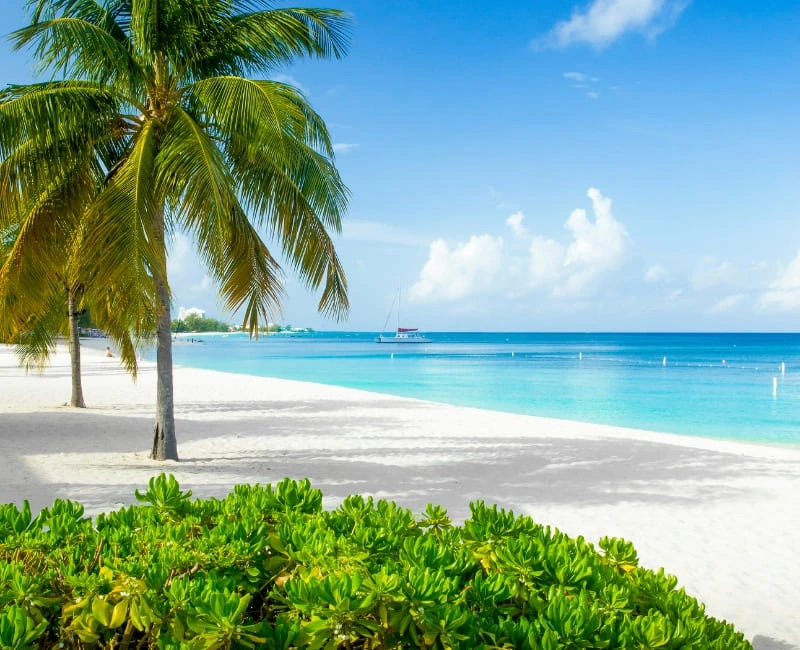
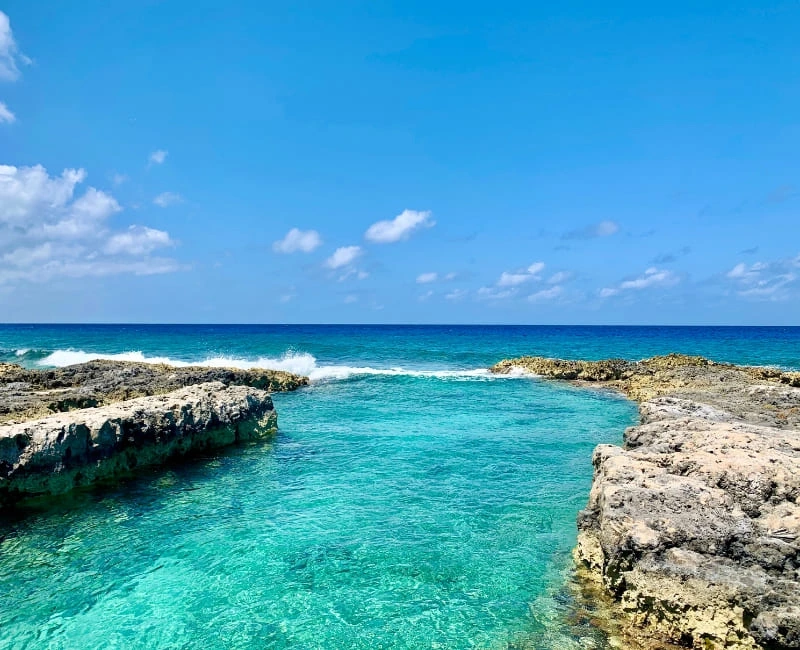
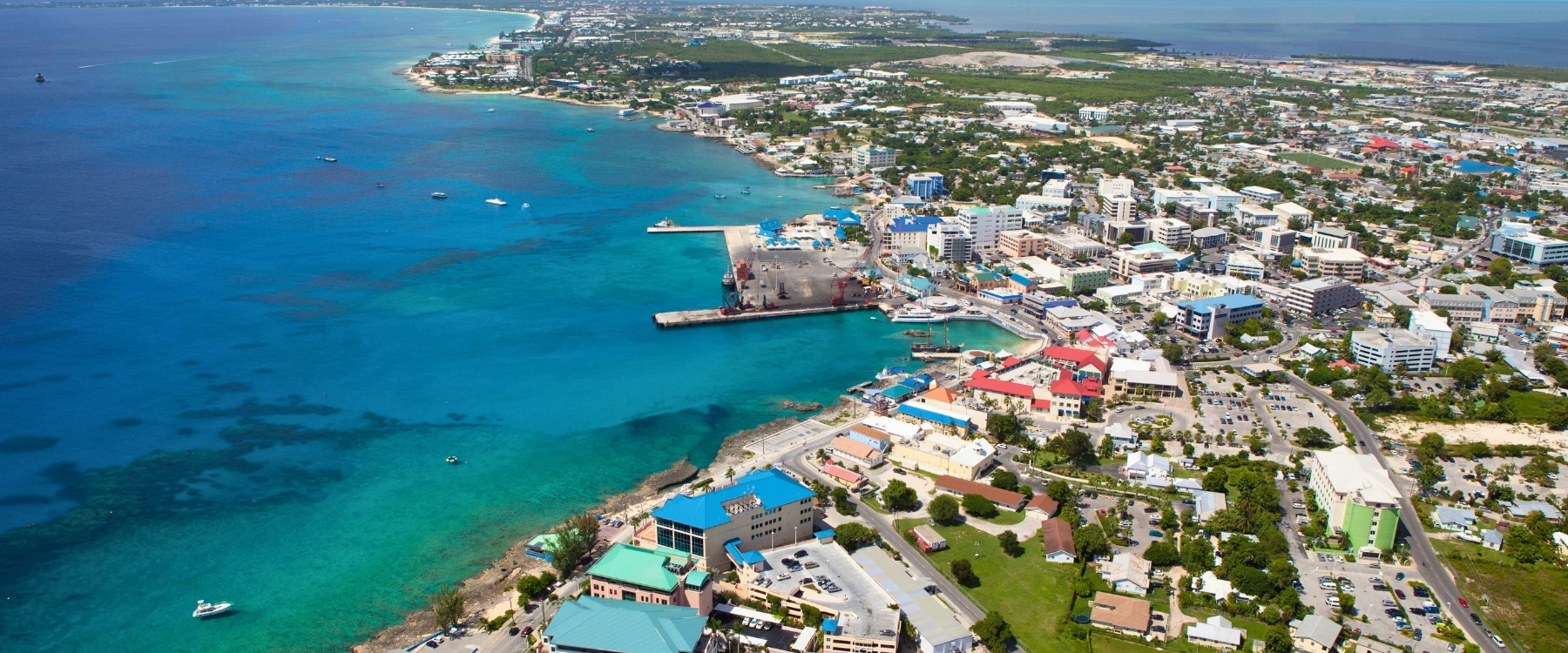
 The Cayman Islands, an overseas territory of the United Kingdom nestled in the western Caribbean Sea, offer an idyllic escape defined by turquoise waters, powdery white-sand beaches, and a laid-back yet sophisticated island lifestyle. Comprised of Grand Cayman, Cayman Brac, and Little Cayman, this tropical archipelago caters to a broad spectrum of travelers—luxury seekers, diving enthusiasts, families, couples, and adventurers alike. Grand Cayman, the largest and most developed island, is renowned for Seven Mile Beach’s gentle swells and upscale resorts. Meanwhile, Cayman Brac and Little Cayman beckon those in search of quieter retreats, unspoiled nature, and world-class diving sites that rival any in the Caribbean.Cultural influences meld British colonial heritage with Caribbean rhythms, creating a vibrant tapestry evident in local festivals, island cuisine, and community events. Sample Caymanian specialties—conch fritters, turtle stew (where permitted), and fresh seafood—alongside international fine dining options. Explore George Town’s colorful streets for duty-free shopping, or wander roadside markets and roadside stands for handcrafted souvenirs and local delicacies. Throughout the islands, warm hospitality and a reputation for safety make visitors feel welcomed and at ease.Underwater, the Cayman Islands shine as some of the world’s premier dive destinations. The famous Stingray City on Grand Cayman allows close encounters with friendly southern stingrays in shallow sandbars, while sites such as Bloody Bay Wall on Little Cayman provide dramatic drop-offs teeming with marine life. Snorkelers can explore vibrant reefs just offshore, and glass-bottom boat excursions showcase corals in crystal-clear visibility.For nature lovers, the islands harbor unique ecosystems: the Mastic Reserve’s native flora and fauna, the Queen Elizabeth II Botanic Park’s endemic Blue Iguana conservation efforts, and the bioluminescent plankton bay experiences after dark. Outdoor activities range from kayaking through mangroves to hiking trails on Cayman Brac’s bluff. Birdwatchers will delight in spotting migratory and endemic species.Cayman’s reputation as a financial center and upscale destination is balanced by its environmental stewardship: marine parks, protected areas, and sustainable tourism initiatives ensure that development coexists responsibly with natural beauty. Wellness offerings—from beachfront spa treatments to yoga overlooking the sea—enhance the rejuvenating island ambiance.Practical conveniences abound: Owen Roberts International Airport (GCM) connects to major hubs in North America and Europe, making the islands accessible. English is the official language, and the Cayman Islands Dollar (KYD), pegged to the US Dollar, simplifies budgeting for many travelers. Reliable infrastructure, high service standards, and safe roads contribute to stress-free exploration.Whether lounging under swaying palm trees, embarking on underwater adventures, sampling flavorful cuisine, or immersing in local culture, the Cayman Islands deliver an unforgettable blend of relaxation and discovery. Plan your visit during the peak season—when trade winds moderate temperatures and rainfall is minimal—or explore off-season for quieter beaches and potential savings. With something for every taste and a commitment to excellence, Cayman Islands holidays promise memories of crystalline waters, vibrant marine life, and the genuine warmth of island life.

Travila Cayman Islands Travel Guide

What to know before Travelleing

Paris is known around the world as the “capital of love,” and even if you don't understand the history of Paris at all

Language: English
Peak Season: November through April (dry season, moderate temperatures, minimal rainfall)
Time Zone: UTC-5 (EST)
Currency: Cayman Islands Dollar (KYD)
Travila

11–12 Hours

Average Flight Time

£ 6.55

Price Of Pint
Transport
Best time to visit
Seven Mile Beach Bliss

Seven Mile Beach, often cited among the world’s most beautiful shores, epitomizes Caribbean paradise with a wide expanse of powdery white sand lapped by calm, clear turquoise seas. Stretching along Grand Cayman’s western shore, this iconic beach area hosts an array of resorts, beachfront bars, and water sports operators, yet vast stretches remain unspoiled for quiet sunbathing or reflective walks at dawn. The shallow, gentle gradient is ideal for families: children can paddle safely while parents relax under swaying palms. Snorkeling just offshore reveals vibrant coral gardens teeming with tropical fish—a perfect complement to sun and sand. For active visitors, Seven Mile Beach offers paddleboarding, kayaking, and jet-skiing rentals. Sunset catamaran cruises depart nearby, promising photogenic horizons and possible dolphin sightings. Beachfront facilities typically include loungers, umbrellas, and beach bars serving refreshing drinks and light fare—ideal for midday breaks. Daytime yoga sessions on the sand, arranged by local instructors, blend wellness with scenic views. Although the beach area can attract crowds during peak season, its length ensures ample personal space. Early mornings reward visitors with serene vistas and occasional sea turtle sightings near the shore. At dusk, the sky’s pastel hues reflect on calm waters, creating a postcard-perfect ambiance. Safety is high: lifeguard stations, clear signage, and well-maintained walkways allow worry-free exploration. Beyond relaxation, the surrounding community features casual cafes and fine-dining restaurants within walking distance. Consider combining a beach day with an evening beachfront dinner under the stars. For those seeking a quieter alternative, explore smaller beaches north or south of the main stretch, where fewer facilities encourage a more secluded feel. Whether you plan a family day out, a romantic sunset stroll, or an active water-sports adventure, Seven Mile Beach is the heart of Cayman’s coastal charm.
Snorkeling & Diving Adventures

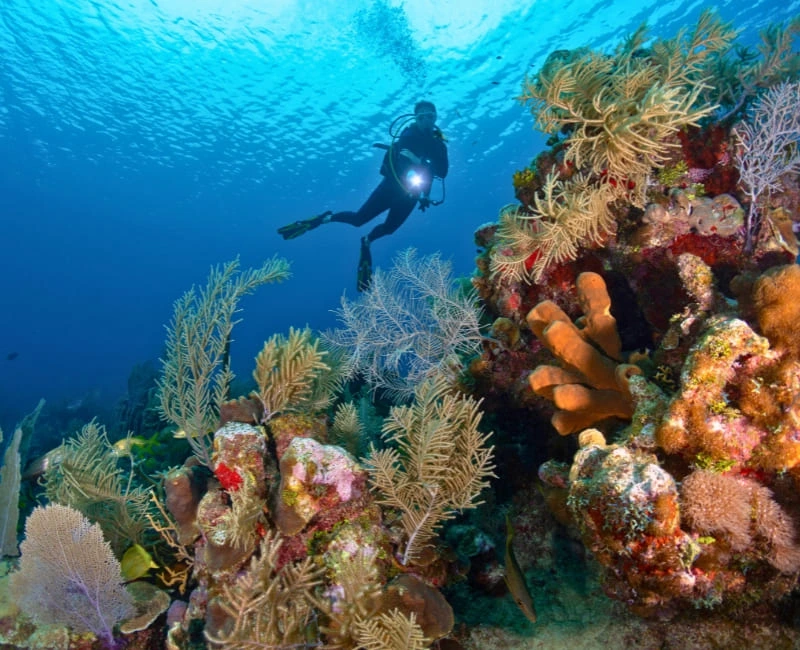
The Cayman Islands’ underwater realm ranks among the Caribbean’s finest for snorkeling and diving. With clear waters, healthy reefs, and abundant marine life, both beginners and seasoned divers find something extraordinary. On Grand Cayman, guided snorkeling tours depart regularly to Eden Rock and Devil’s Grotto—the gateway to vibrant coral walls alive with tropical fish. For a shallow yet thrilling experience, visit Stingray City: wade into shallow sandbars to interact with tame southern stingrays in crystal-clear water. Snorkelers often observe rays gliding gracefully, offering unforgettable photo opportunities and tactile encounters. Certified divers can explore dozens of dive sites. Grand Cayman’s typical dive begins with a descent to reef walls adorned with sponges, brain corals, and schools of fish. For wreck enthusiasts, the USS Kittiwake artificial reef near Seven Mile Beach provides an accessible wreck dive suitable for advanced beginners, its sunken hull now home to marine species. Cayman Brac and Little Cayman, less trafficked, boast deeper walls and dramatic drop-offs: Bloody Bay Wall on Little Cayman features near-vertical coral-covered cliffs descending hundreds of meters, attracting pelagic species such as eagle rays and reef sharks. Dive operators here cater to experienced divers seeking remote, pristine sites. Safety and sustainability are prioritized. Dive shops follow strict environmental guidelines: no-touch policies, reef-safe sunscreen recommendations, and marine park fees that fund conservation. Equipment rental and certification courses (Open Water through Advanced) are available island-wide, with professional instructors ensuring comfort and expertise. Night dives reveal bioluminescent plankton, crustaceans, and nocturnal marine life. Snorkel and dive trips often include boat charters to lesser-known spots, combining adventure with small-group intimacy. Family-friendly snorkeling excursions may include glass-bottom boat options for non-swimmers. Photographers appreciate underwater visibility often exceeding 30 meters, allowing striking imagery of corals, turtles, and schools of fish. Whether you’re dipping a mask for the first time or seeking to log another wall dive, Cayman’s water-based activities deliver unparalleled marine encounters in safe, well-regulated environments.
Caymanian Culture & Arts

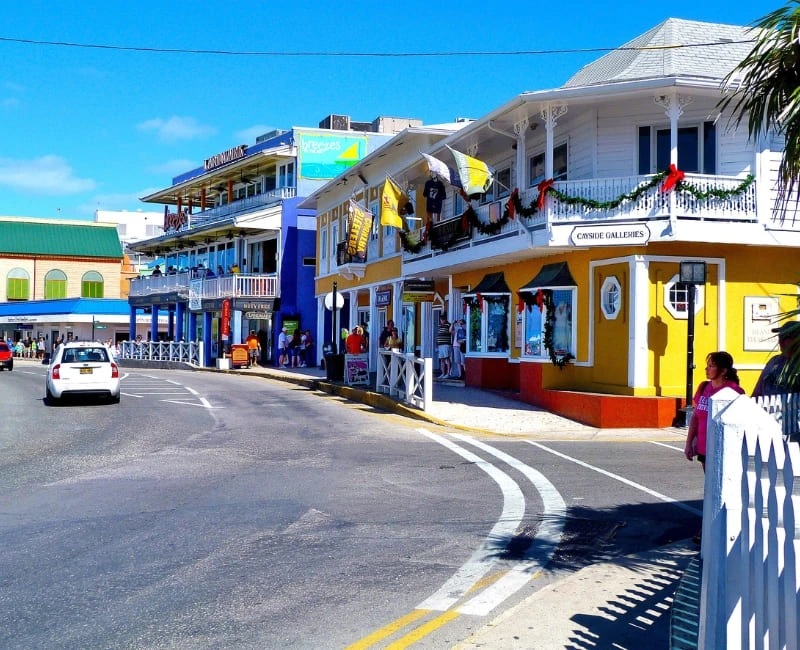
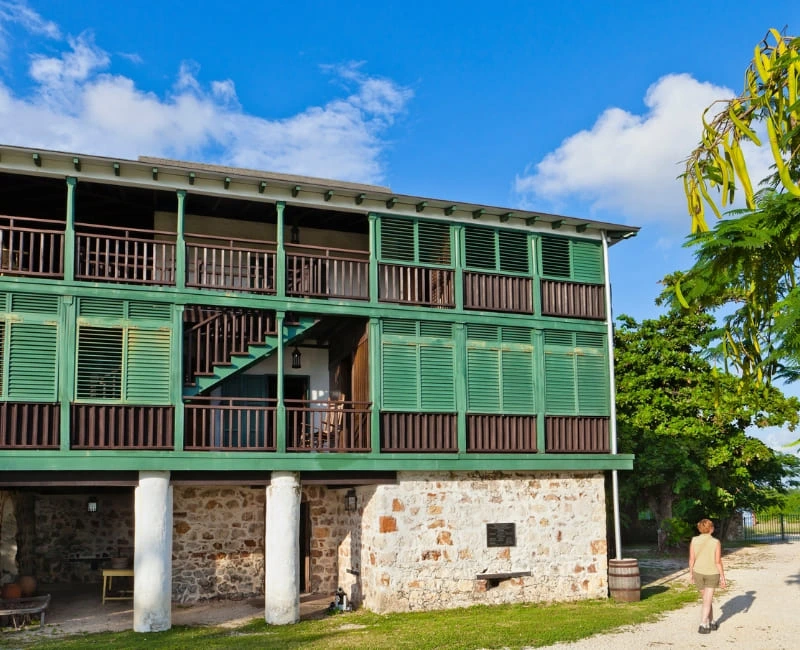
 Far beyond sun and sea, Caymanian culture offers a warm and enriching dimension to island life. Rooted in seafaring heritage, British colonial history, and Caribbean influences, local traditions flourish in community events, arts, and culinary practices. To immerse yourself, time your visit to coincide with Pirates Week (usually November), when colorful parades, costume contests, and boat races celebrate Cayman’s storied past. Traditional music—reggae, calypso, and folk rhythms—fills the air during festivals and local gatherings. Smaller cultural events include art markets showcasing works by Caymanian painters, sculptors, and craftspeople, reflecting island themes: marine life, tropical flora, and cultural motifs. George Town and Bodden Town feature galleries and public art installations. The National Gallery of the Cayman Islands and various community art centers exhibit rotating collections of Caribbean and international art. Workshops and artist talks often welcome visitors interested in local creative processes. For craft enthusiasts, roadside stalls sell handmade jewelry, woven baskets, and souvenirs crafted from local materials. Engaging with artisans offers insight into island life and traditions passed down through generations. Culinary culture is another facet of heritage. Family-run eateries and roadside stands serve Caymanian staples—salted fish, turtle stew (where legal and sustainable), conch dishes, and hearty stews—reflecting a history of seafaring provisions and island resourcefulness. Visiting farmers’ markets or community food events introduces you to locally grown tropical fruits and vegetables, such as breadfruit, plantain, and cassava. Cooking classes or food tours may be available through boutique operators, offering hands-on experiences. For a deeper historical perspective, visit heritage sites such as Pedro St. James, known as the “Birthplace of Democracy in the Cayman Islands,” which offers guided tours of a restored 18th-century great house, providing context on early settler life. Storytelling sessions or guided walks in older districts illuminate local lore, pirate tales, and maritime history. Engage respectfully: many Caymanians value privacy but welcome genuine curiosity about their heritage. The blend of tradition and modernity shows in island architecture—from pastel-painted cottages to contemporary resorts—and in community values that emphasize family, faith, and environmental stewardship. By participating in cultural tours, supporting local businesses, and attending festivals, visitors contribute directly to sustaining Cayman’s cultural fabric, ensuring that the islands’ heritage continues to thrive alongside tourism.

Historical Sites & Museums

 Although often celebrated for natural beauty, the Cayman Islands possess a compelling history showcased through a handful of well-curated sites and museums. Pedro St. James on Grand Cayman is a centerpiece: this restored 18th-century Great House sits on a bluff overlooking the Caribbean Sea. Guided tours delve into the island’s early settler era, governance beginnings, and pirate lore. The grounds include period gardens and offer scenic views, making it a must for history enthusiasts. Nearby interpretive signs and multimedia exhibits enrich understanding of Cayman’s evolution. The National Museum of the Cayman Islands in George Town presents artifacts and displays chronicling colonial life, maritime heritage, and the evolution of tourism and finance industries. Exhibits cover traditional fishing and boat-building techniques, archival photographs, and cultural items. Interactive elements may include audio recordings of oral histories from elders. Visiting the museum provides context on how Cayman transformed from a subsistence economy to an international financial hub without losing community values. On Cayman Brac, explore the bluff for remnants of early settlement sites and World War II-era installations; guided eco-historical tours combine natural and historical narratives. Little Cayman’s small population means fewer formal museums, but local guides share anecdotal history about shipwrecks and salt raking traditions. Heritage trails on sister islands often incorporate storyboards describing plantation-era practices and visits by passing ships. Historic churches, some dating to 19th century, dot the islands; attending a Sunday service (visitors welcome) offers insight into local faith traditions. Architectural contrasts between older wooden buildings and modern constructions illustrate changing social and economic landscapes. For maritime history buffs, inquire about historical boat-building demonstrations or visits to marinas where traditional caymanian sloops are still used for racing or fishing. The Cayman Islands also feature interpretive centers for marine conservation, linking history with present-day stewardship. Understanding past relationships between people and the sea—fishing, turtle harvesting, and trade—illuminates current conservation efforts. By visiting these sites, travelers gain a deeper appreciation for how Cayman’s identity has been shaped over centuries, enriching their holiday with meaningful connections to island heritage.

Destination

 Adventure seekers and nature lovers will find the Cayman Islands rife with experiences that combine thrill and tranquility. Mangrove kayaking excursions on Grand Cayman’s North Sound offer a peaceful foray through labyrinthine waterways teeming with juvenile fish, crabs, and birds. Guided tours explain mangrove ecology and its critical role in reef health. Paddling through still waters beneath mangrove canopies, you may spot herons, egrets, and the occasional nurse shark in shallow channels. A standout nighttime adventure is kayaking in bioluminescent waters. On certain nights, plankton in protected bays light up with each paddle stroke, creating a magical glow under the stars. While Grand Cayman has limited bioluminescent sites, Caymans Brac and Little Cayman boast darker skies and more isolated bays where guided tours reveal the mysterious luminescence—a highlight for romantics and photographers alike. Guides ensure minimal disturbance: paddlers follow no-flash policies and learn about plankton’s ecological importance. For hiking enthusiasts, Cayman Brac’s bluff trail offers moderate challenge with rewarding panoramic views of the Caribbean Sea. The terrain features tropical dry forest vegetation, and local guides point out native plants and bird species. On Little Cayman, the Booby Pond Nature Reserve is a birdwatcher’s paradise, home to red-footed boobies and other seabirds; boardwalks allow close but respectful observation. Seasonal migrations bring additional species, so binoculars are recommended. Coastal cave exploration on Cayman Brac reveals ancient sinkholes and bird rookeries, combining geology with wildlife observation. Experienced guides ensure safety while narrating folklore associated with caves. Fishing charters—from deep-sea sportfishing for marlin and tuna to bonefishing in flats—cater to anglers of different skill levels; catch-and-release practices help conserve fish stocks. For those seeking adrenaline, kiteboarding and windsurfing opportunities arise in breezy spots, often on the North Sound. Certified instructors and rental outlets support beginners. On land, guided bike tours circle quieter roads, allowing an up-close view of rural landscapes. Wellness enthusiasts may combine light adventure with relaxation by ending a kayaking day with a beachfront yoga session or sunset meditation. Safety is uniformly emphasized: guides supply appropriate gear, brief on local conditions, and adhere to environmental guidelines to protect fragile ecosystems. Adventure in Cayman balances excitement with ecological mindfulness, ensuring that each nature-based activity enhances connection to the islands’ vibrant environment while preserving it for years to come.

Kayaking & Bioluminescent Bay

Discover world-famous destinations that continue to captivate travelers with their iconic landmarks, rich history, and vibrant cultures. These popular spots offer well-developed tourism infrastructure, diverse accommodation options, and countless activities for every type of traveler. While these destinations attract millions of visitors annually, they maintain their unique charm and continue to offer new experiences even for repeat visitors seeking to uncover hidden layers beyond the main attractions.

Hotel

Indulge in premium accommodation options that offer exceptional service, world-class amenities, and exquisite dining experiences. Luxury hotels provide personalized attention, sophisticated design, and exclusive facilities that transform your stay into a memorable journey. From five-star city hotels to boutique resorts in exotic locations, these properties prioritize guest comfort and satisfaction while offering unique local experiences and impeccable hospitality standards.

Hotel

Find comfortable and affordable lodging options that don't compromise on quality or experience. Budget hotels, hostels, and guesthouses offer excellent value for money while providing clean, safe accommodations in convenient locations. Many budget options feature communal spaces that encourage social interaction, local recommendations from knowledgeable staff, and authentic experiences that allow travelers to stretch their budget further while exploring new destinations.

Join our newsletter
Subscribe to see secret deals prices drop the moment you sign up!

No ads. No trails. No commitments