


 Costa Rica Travel Guide






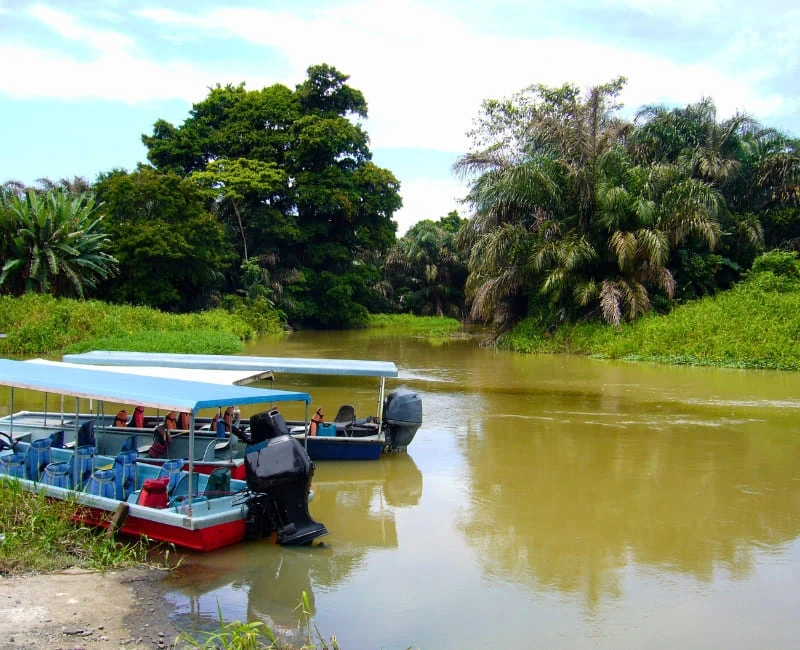
Costa Rica’s national parks are the heart and soul of its eco-tourism magic. With over a quarter of the country protected under national park or reserve status, Costa Rica offers an unrivalled opportunity to explore pristine rainforests, towering volcanoes, misty cloud forests, and untouched coastlines — all teeming with vibrant wildlife. One of the most iconic parks is Manuel Antonio National Park, located on the Pacific coast. Despite being one of the smallest parks, it’s incredibly biodiverse, with over 100 species of mammals and 180 species of birds. Visitors can spot sloths, white-faced capuchin monkeys, and iguanas as they stroll through well-marked jungle trails leading to postcard-worthy beaches. The juxtaposition of lush forest and turquoise sea makes it perfect for both hiking and relaxing. Head inland to the Arenal Volcano National Park, where the impressive cone-shaped volcano towers over the surrounding countryside. Though it's now in a resting phase, the area still bubbles with geothermal activity. You’ll find hot springs, lava rock trails, and rich wildlife, including toucans and howler monkeys. The nearby town of La Fortuna serves as a gateway to waterfall hikes and adventure tours, including ziplining and canyoning. If you’re looking for an ethereal experience, the Monteverde Cloud Forest Reserve is a must-visit. Perched high in the Cordillera de Tilarán, this mist-shrouded forest hosts a surreal ecosystem where the clouds touch the treetops. Hanging bridges and canopy tours offer a bird’s-eye view of the flora and fauna, including the elusive resplendent quetzal and countless species of orchids. It's a haven for birdwatchers and nature photographers alike. Over on the Caribbean coast lies Tortuguero National Park, accessible only by boat or small plane. Often dubbed the "Amazon of Costa Rica," its maze of canals and dense jungle is a sanctuary for wildlife — especially sea turtles. During nesting season (July to October), visitors can witness green sea turtles laying eggs on the beach — a truly unforgettable spectacle. Not to be overlooked is Corcovado National Park on the Osa Peninsula, regarded by National Geographic as “the most biologically intense place on Earth.” Its remote setting makes it ideal for serious nature lovers and adventurous souls. Expect to trek through rainforests, ford rivers, and encounter tapirs, scarlet macaws, and even elusive jaguars. Guided tours are recommended due to the park’s wild terrain. Costa Rica’s park system is well-regulated, with ranger stations, maps, and often bilingual guides to help you explore responsibly. Entry fees are modest, and many parks reinvest funds into conservation and education efforts. What makes the experience even richer is Costa Rica’s commitment to sustainability — you’re not just observing nature, but helping preserve it for future generations. Each park offers something unique — from lava fields to mangrove swamps, dry forests to cloud-covered mountains. Whether you're hiking, birdwatching, kayaking, or simply soaking in the natural beauty, Costa Rica's national parks provide a powerful connection to the natural world. Visiting multiple parks is easy thanks to the country’s compact size and well-maintained roads. You can explore Manuel Antonio’s beaches in the morning, soak in Arenal’s hot springs by evening, and be in Monteverde’s cloud forest the next day. No matter your travel style — family-friendly, romantic, or rugged adventure — there’s a park experience tailored just for you. For eco-conscious travellers, Costa Rica is more than a destination. It’s a movement. And its national parks are living proof that conservation, community, and tourism can coexist beautifully.
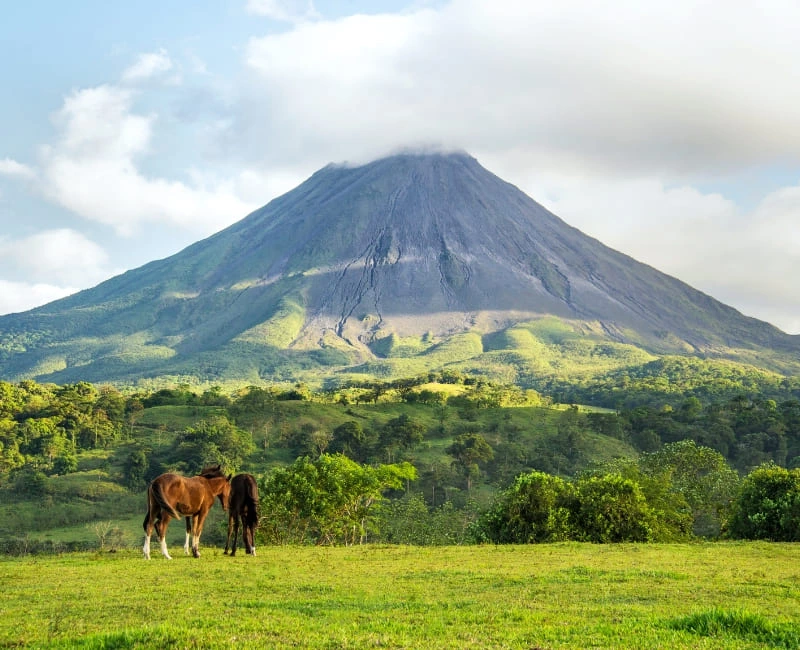
Costa Rica’s volcanoes and cloud forests are two of its most awe-inspiring natural features. Together, they offer a surreal landscape where earth, fire, and misty skies collide to form a traveller’s dream playground. Hiking volcanic trails and wandering cloud-shrouded forests isn’t just about sightseeing — it’s an immersive journey into the elemental forces that shape this stunning land. At the heart of it all lies Arenal Volcano, one of Costa Rica’s most iconic landmarks. Though its major eruptions ceased in 2010, the symmetrical volcano still commands awe as it towers over the surrounding region. Arenal Volcano National Park has a series of trails that lead you across ancient lava flows, past secondary forests and into areas alive with wildlife. Expect to see toucans, coatis, deer, and even snakes if you venture early in the morning or late afternoon. Nearby thermal hot springs like Tabacón or Ecotermales offer a relaxing end to an adventurous day. Another unmissable site is Rincón de la Vieja National Park in the northwest. This volcanic region is less visited, making it perfect for intrepid explorers. The park boasts boiling mud pots, steaming fumaroles, and mineral-rich waterfalls, making the entire area feel like a living laboratory of geology. The trek to the volcano's summit is challenging but rewarding, offering panoramic views across Costa Rica’s Guanacaste Province. When you head into the Monteverde Cloud Forest, you’ll feel like you’ve stepped into another world. This mystical region, located high in the mountains, is almost permanently blanketed in mist. The forest thrives in this cool, damp atmosphere, resulting in lush, green landscapes teeming with rare orchids, hummingbirds, and butterflies. Walk along sky-high hanging bridges, take guided night hikes, and listen as nature whispers all around you. The biodiversity is staggering — over 2,500 plant species and hundreds of bird species reside here. Los Angeles Cloud Forest and Santa Elena Reserve are less touristy alternatives to Monteverde but just as captivating. They're perfect for spotting the resplendent quetzal or exploring peaceful trails without the crowds. Guided tours often share fascinating insights into cloud forest ecology, which is crucial given their sensitive environments. Combining volcanoes and cloud forests in your itinerary offers a fascinating contrast — from raw geothermal power to serene, mist-draped canopies. Together, they represent Costa Rica’s deep connection to the Earth and its rhythms.