

 Cyprus Travel Guide



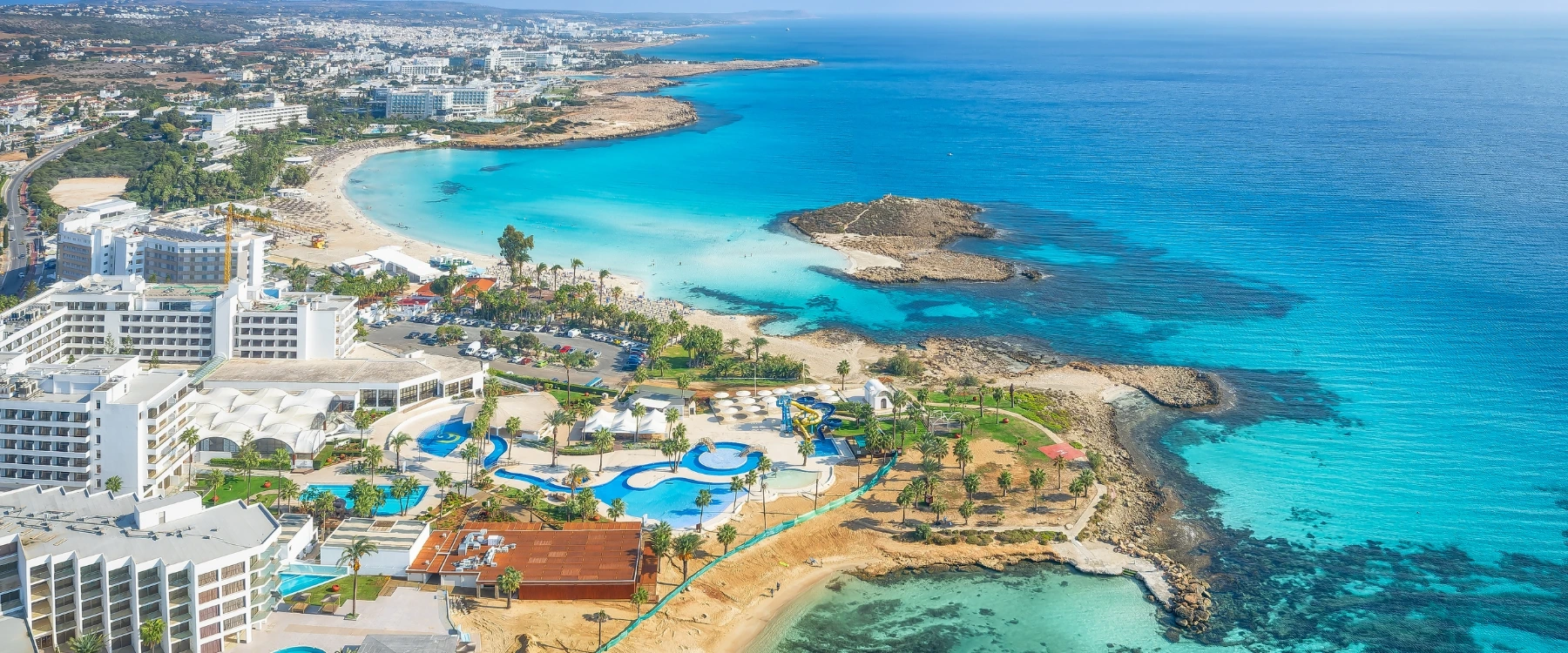

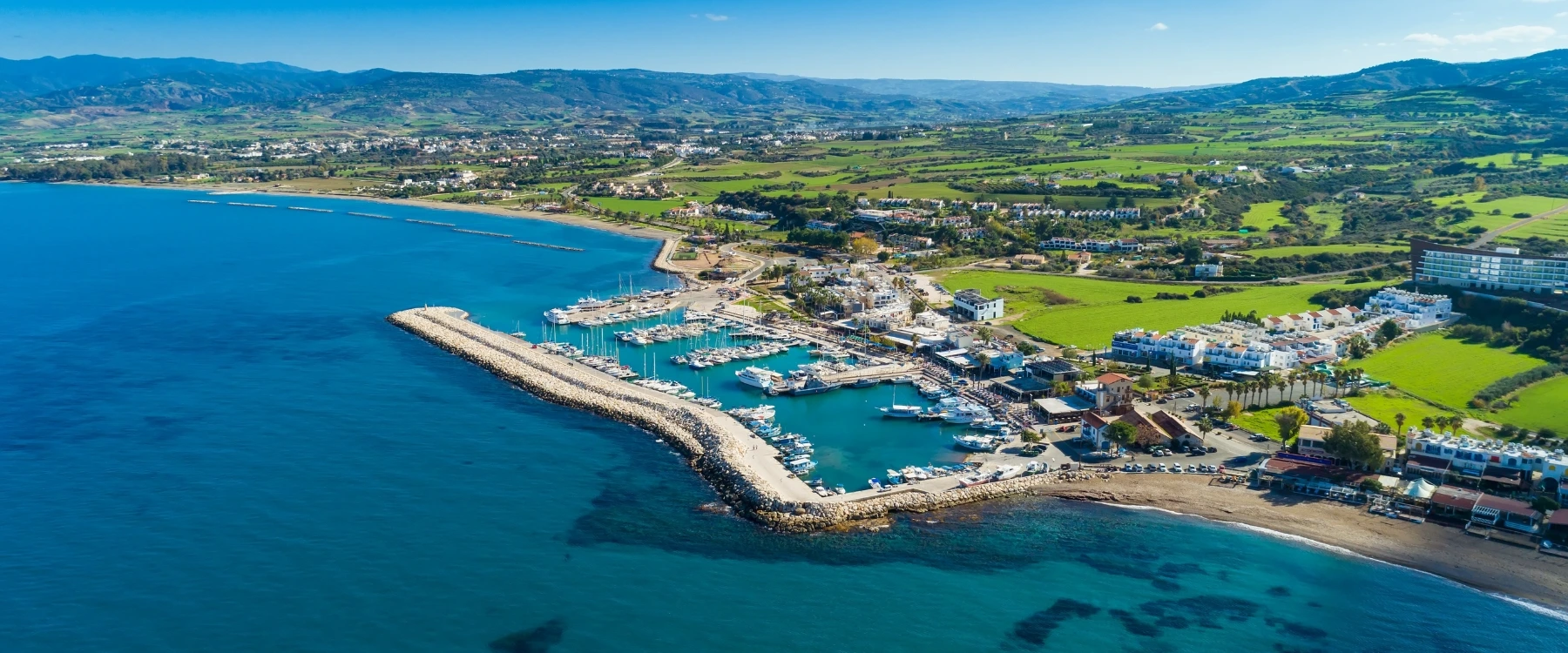
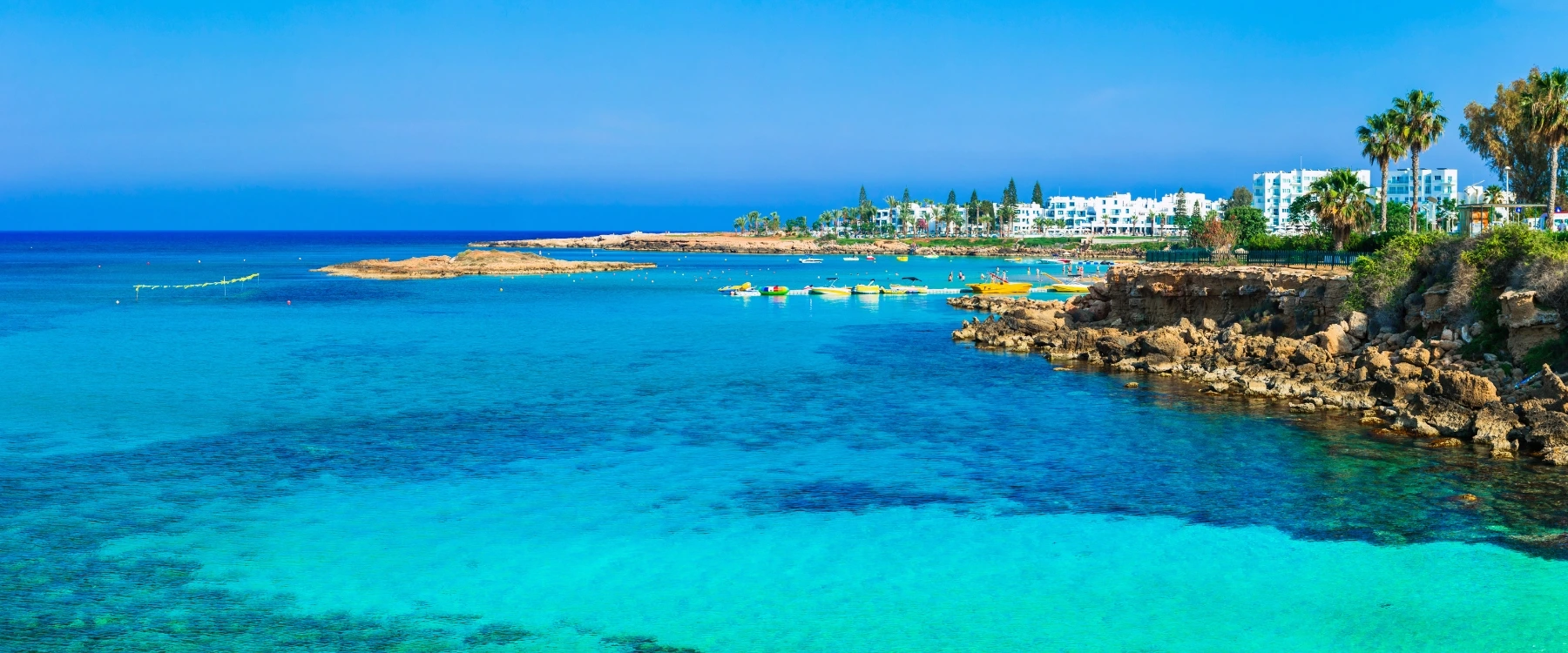
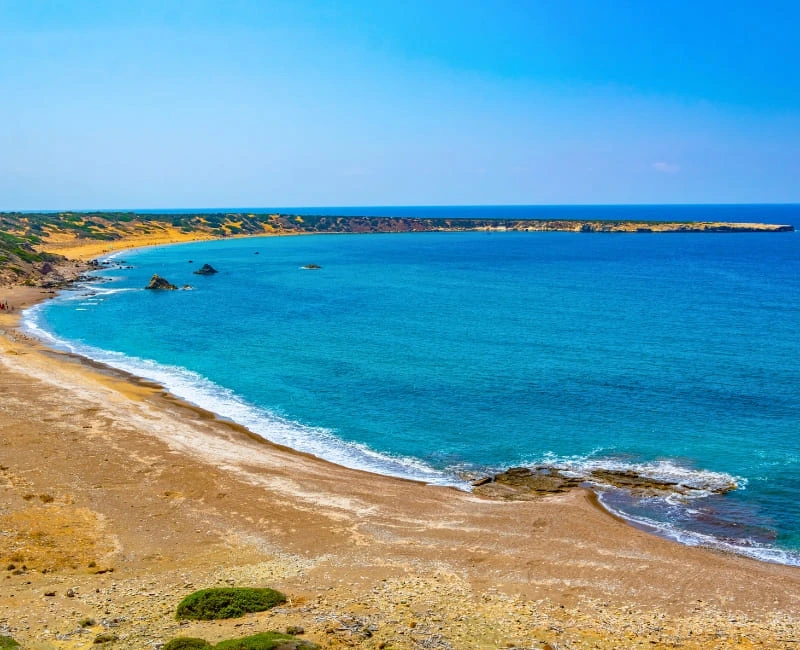
Cyprus boasts a dazzling array of beaches that cater to every type of holidaymaker. Whether you crave the buzz of a lively shore or the peace of a hidden cove, the island delivers with over 50 Blue Flag beaches—the highest concentration in Europe. Ayia Napa’s Nissi Beach is world-renowned, with its powdery white sands, crystal-clear turquoise waters, and upbeat atmosphere. Perfect for sunbathers and partygoers, it’s equipped with all modern amenities, including watersports and beach bars. If you prefer something more tranquil, head to Fig Tree Bay in Protaras. With gently shelving sands and calm, shallow waters, it’s ideal for families with young children. The beach gets its name from the solitary fig tree that has stood at its entrance for centuries. Coral Bay, near Paphos, offers golden sand and natural rock formations, creating a unique coastal landscape that appeals to swimmers and snorkelers alike. For nature lovers, Lara Bay is a must-visit. Part of the Akamas Peninsula, this unspoiled stretch is a protected nesting ground for endangered green and loggerhead turtles. Accessed by 4x4, it's off the beaten path but rewards visitors with pristine beauty and absolute serenity. The region is also great for eco-tourism and guided wildlife tours. The waters of Cyprus are warm enough for swimming from May to November, and the seas are among the clearest in Europe. Scuba divers will love exploring submerged caves, ancient shipwrecks like the Zenobia near Larnaca, and colorful marine life. Adventurous travelers can try windsurfing or parasailing along the southern coastlines, while those seeking romance can enjoy a sunset cruise from Limassol or Latchi. From beach clubs and sun loungers to quiet coves and dramatic cliffs, Cyprus beaches offer an unforgettable seaside escape that blends natural charm with modern comfort. Whether you're lounging, adventuring, or snorkeling, the Cypriot coast has something for everyone.
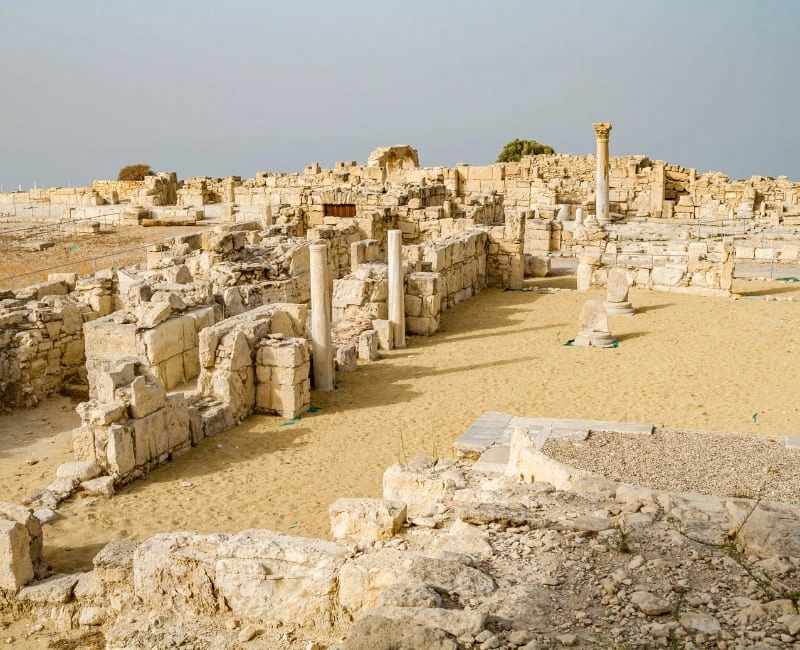
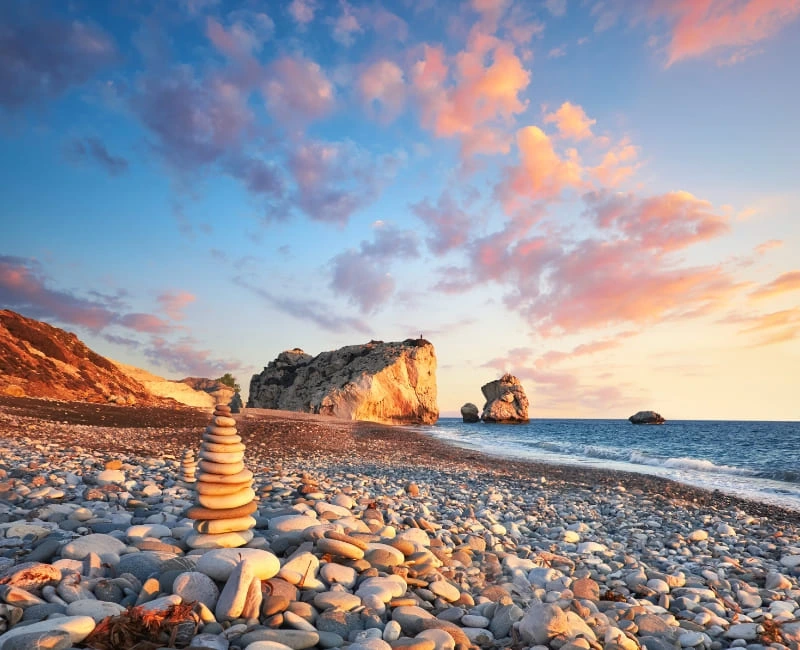
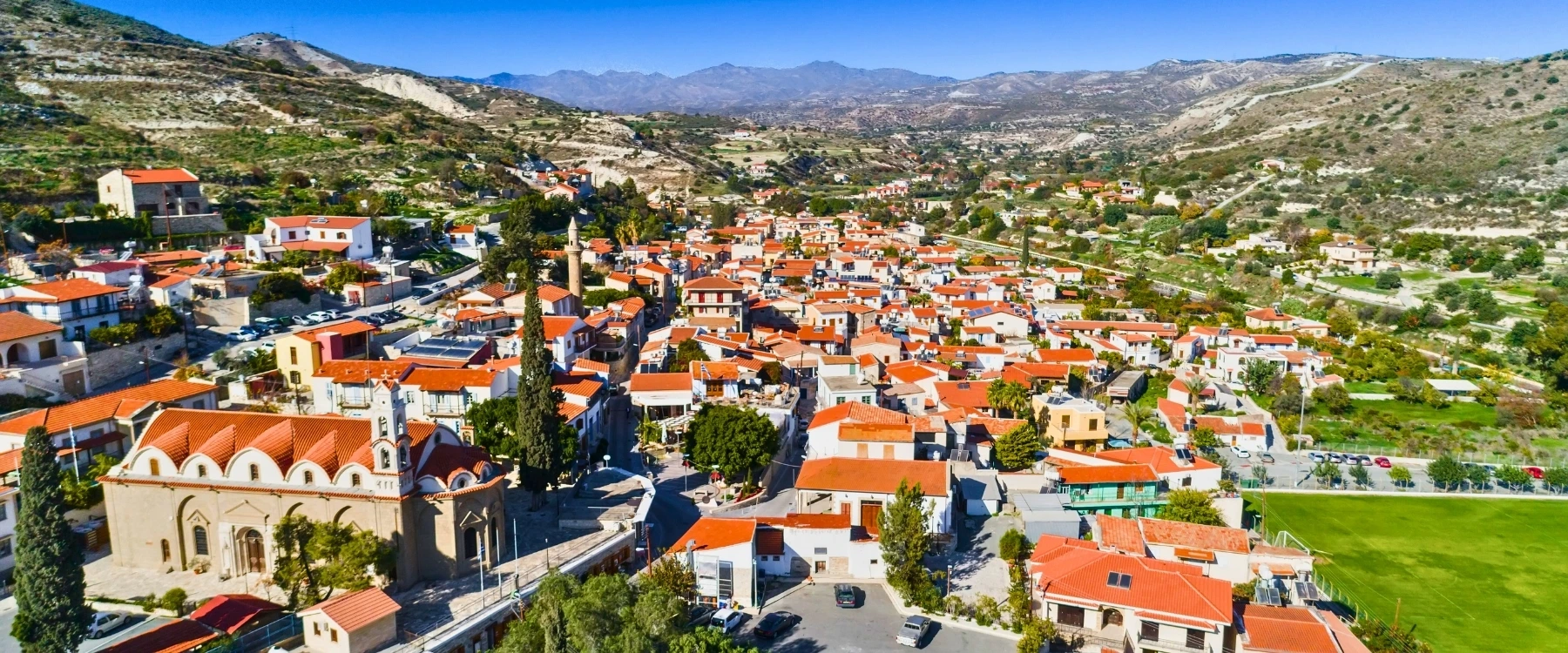
Cyprus’s layered history makes it one of the Mediterranean’s most culturally fascinating destinations. With over 10,000 years of human habitation, the island has been ruled by Mycenaeans, Romans, Byzantines, Ottomans, and the British—all of whom left their mark. From ancient ruins and religious relics to medieval fortresses and Ottoman baths, Cyprus is a living time capsule. Begin your journey in Paphos, a UNESCO World Heritage city. Here, the Archaeological Park showcases the House of Dionysus and other Roman villas, renowned for their intricate floor mosaics. Nearby, the Tombs of the Kings offers a dramatic setting—rock-cut tombs dating back to the 4th century BC that once housed high-ranking officials. Travel inland to visit the village of Kouklia, where the Sanctuary of Aphrodite stands—a tribute to the goddess of love, said to have been born from the sea foam at nearby Petra tou Romiou (Aphrodite’s Rock). This mythological heritage weaves deeply into the island’s identity and is still celebrated through art, festivals, and folklore. In Nicosia, the world’s last divided capital, history meets modern reality. The Venetian walls encircle the Old Town, and the Ledra Street crossing lets you step from the Greek-Cypriot south into the Turkish-Cypriot north. Museums like the Cyprus Museum and Leventis Municipal Museum provide compelling exhibits, while the Selimiye Mosque (once a Gothic cathedral) shows the architectural blend of East and West. Venture into the Troodos Mountains to discover Byzantine churches like Panagia tou Araka and Agios Nikolaos tis Stegis, many of which are UNESCO-listed for their frescoed interiors. These peaceful sanctuaries reflect the island’s Orthodox Christian traditions and are beautifully preserved. History in Cyprus isn’t limited to static sites. It’s alive in festivals like Kataklysmos (Festival of the Flood), ancient olive groves, traditional lace-making in Lefkara, and local storytelling. Whether you're an amateur historian or simply curious, Cyprus offers an enriching experience that brings the past into the present.