

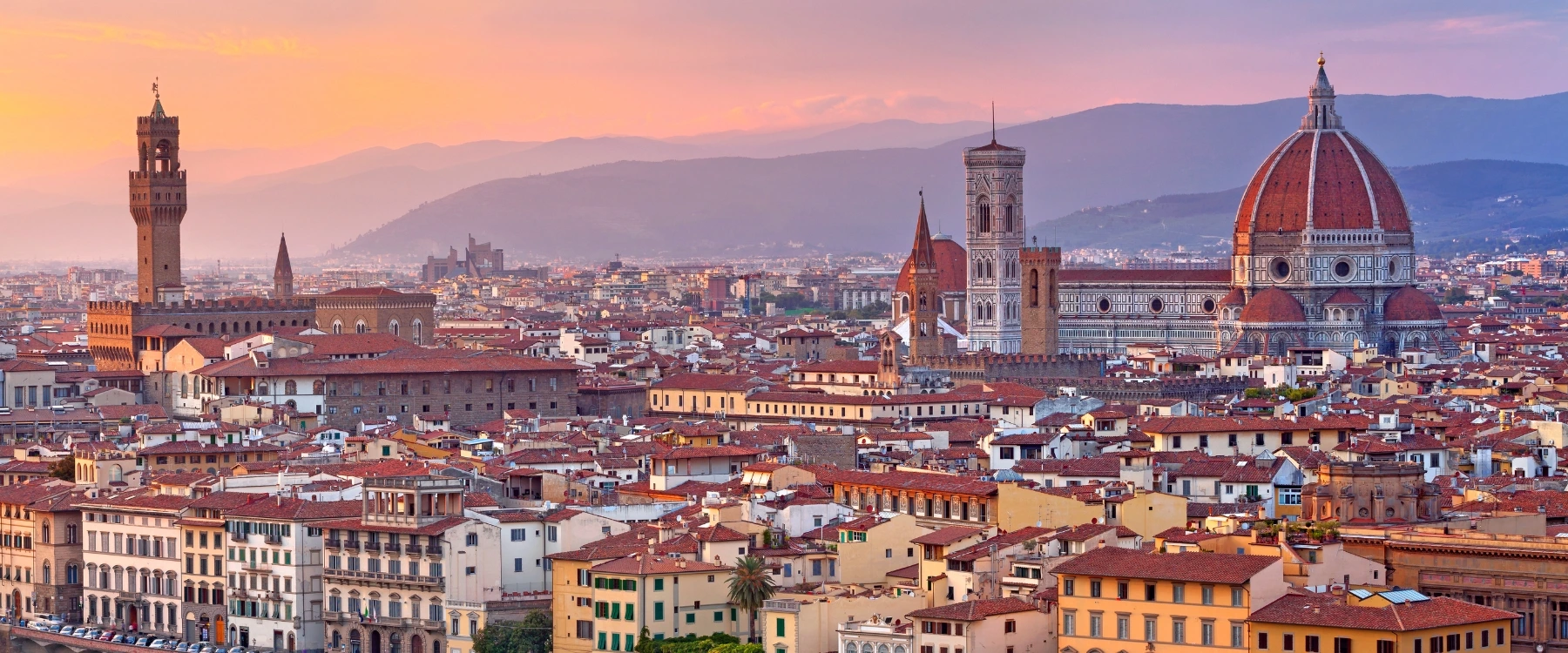
 Florence Travel Guide

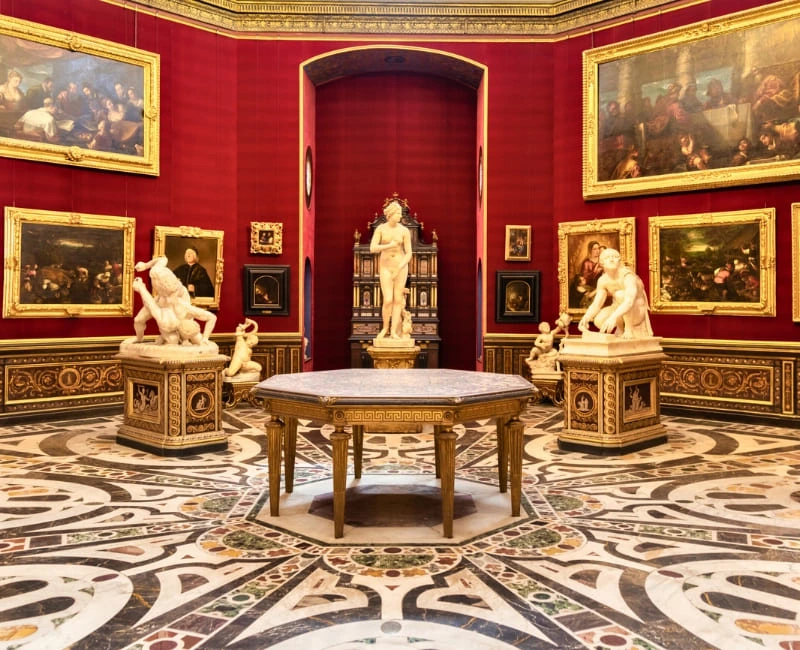
Florence is not just a city—it’s a living gallery. As the birthplace of the Renaissance, it has shaped the very foundation of Western art and culture. Walking through its historic centre is like stepping into a museum without walls. Every piazza, every street corner, and every church whispers the stories of artists, architects, and thinkers who changed the world. If you're passionate about history, art, and timeless beauty, Florence’s artistic legacy will captivate you at every turn. Start your journey at the Uffizi Gallery, one of the most revered art museums in the world. Housed in a historic building designed by Giorgio Vasari, the Uffizi is home to works by some of the greatest masters of the Renaissance. Stand in awe before Botticelli’s The Birth of Venus and Primavera, or admire masterpieces by Leonardo da Vinci, Raphael, Titian, and Caravaggio. The gallery is vast, so plan ahead and take your time to absorb the details that make each piece a marvel. Next, head over to the Accademia Gallery, where you’ll encounter Michelangelo’s iconic David. This 17-foot sculpture, carved from a single block of marble, represents not only biblical heroism but also the humanist ideals of the Renaissance. The Accademia also features Michelangelo’s unfinished Prisoners, offering a unique glimpse into the artist’s technique and creative process. The artistic spirit of Florence isn’t confined to museums. It spills into the city’s architecture, much of which dates back to the 14th to 16th centuries. The Florence Cathedral (Duomo) is a testament to this. With its massive red-tiled dome designed by Brunelleschi and the intricate marble facade, it’s both an engineering feat and a visual masterpiece. Climb to the top of the dome for a panoramic view of the city that has inspired centuries of artists. Nearby, the Baptistery of San Giovanni features dazzling mosaics on its ceiling and the famed bronze “Gates of Paradise” doors by Lorenzo Ghiberti. Each panel on the doors depicts scenes from the Old Testament with incredible detail and depth, showcasing the sculptor’s innovation in perspective and form. Florence’s churches are also treasure troves of art. Visit Santa Maria Novella, adorned with works by Masaccio, Ghirlandaio, and Giotto. The church of Santa Croce, final resting place of Michelangelo, Galileo, and Machiavelli, contains stunning frescoes by Giotto and sculptures by Donatello. Even lesser-known churches often house significant artworks by masters who might have been the star of the show in any other city. For a deeper understanding of how Florence influenced the world, visit Palazzo Vecchio. Once the seat of power for the Florentine Republic, this imposing fortress-like palace overlooks Piazza della Signoria and houses frescoes, decorative chambers, and the dramatic Hall of the Five Hundred. Its museum walks you through the political and artistic evolution of the city, intertwined with the legacy of the Medici family—Florence’s most influential patrons of the arts. Speaking of the Medici, a visit to Palazzo Medici Riccardi and Medici Chapels reveals how their wealth and taste sculpted Florence’s cultural landscape. The chapels, especially the New Sacristy designed by Michelangelo, exemplify the intersection of faith, art, and personal ambition that defined the Renaissance era. Don’t miss the Bargello Museum, particularly if you admire sculpture. Housed in a medieval palace, this museum features works by Donatello, Michelangelo, Cellini, and others. Donatello’s David—a bronze version predating Michelangelo’s—is especially noteworthy as one of the first free-standing nude male statues since antiquity. Florence also embraces contemporary art. The Museo Novecento in Piazza Santa Maria Novella focuses on Italian art from the 20th and 21st centuries, offering a modern counterpoint to the city’s classical treasures. Exhibitions, installations, and multi-media works here continue Florence’s long-standing tradition of pushing artistic boundaries. Beyond institutions, street art and small galleries dot the Oltrarno district, offering a fresh and modern take on creativity. Florence’s vibrant artisan culture also lives on through crafts like leatherworking, bookbinding, and goldsmithing—practices that have evolved over centuries and are still alive today in workshops and boutiques across the city. What truly makes Florence’s artistic legacy special is its accessibility. Whether you’re an art historian or a curious traveler, the city offers a deep and immersive experience that doesn’t require formal education—just open eyes and an open heart. The sheer volume and variety of art on display, often in settings that haven’t changed in centuries, make every visit a chance to learn, reflect, and be inspired. In Florence, art is not just something to observe—it’s something to feel. It's in the intricate carvings of a church door, the rhythmic lines of a dome, and the expressive brush strokes of a centuries-old canvas. Whether it’s your first time or your fiftieth, Florence’s artistic soul will move you and remind you of humanity’s incredible capacity to create beauty.
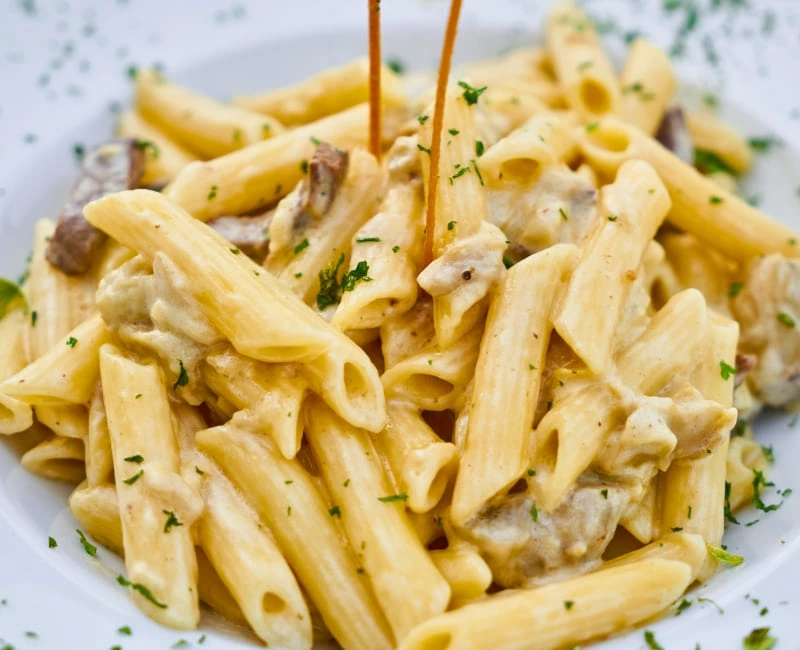
Florence is a dream destination for food lovers. Tuscan cuisine is rooted in simplicity, using fresh, locally sourced ingredients and traditional recipes that have stood the test of time. From the bustling markets to cozy trattorias, every meal in Florence is a journey through Italy’s rich culinary heritage. Start your food adventure at Mercato Centrale, Florence’s famous central market. Located in the San Lorenzo district, the market is a sensory delight. Downstairs, local vendors sell fresh produce, meats, cheeses, and baked goods. Upstairs, the modern food hall serves up everything from wood-fired pizza and handmade pasta to Florentine steak and artisanal gelato. It’s a great place to sample diverse dishes in a vibrant setting. One of the city’s culinary highlights is the Bistecca alla Fiorentina—a massive T-bone steak, grilled rare and seasoned with nothing more than salt, pepper, and a drizzle of olive oil. Best enjoyed at a traditional osteria or trattoria, it’s a must-try for meat lovers. Pair it with a glass of full-bodied Chianti wine and roasted Tuscan potatoes for a meal to remember. Florence is also the birthplace of lampredotto, a local street food delicacy made from the fourth stomach of a cow, slow-cooked in broth and served in a crusty roll with salsa verde or spicy sauce. While it may sound adventurous, lampredotto is beloved by locals and offers an authentic taste of Florence’s working-class food history. Pasta lovers will rejoice in dishes like pappardelle al cinghiale—broad ribbons of pasta topped with rich wild boar ragu, a Tuscan specialty. Or try ribollita, a hearty soup made with bread, cannellini beans, kale, and vegetables. Traditionally a peasant dish, it’s now a gourmet favourite that embodies Tuscany’s rustic charm. Florence is also known for its olive oil, pecorino cheese, and truffles, often featured in antipasti or drizzled over pasta. Visit a local enoteca to sample wine and small plates, or take a food tour to discover hidden gems and family-run establishments. And of course, no meal in Florence is complete without dessert. Treat yourself to cantucci (almond biscuits) dipped in Vin Santo, or indulge in creamy gelato from top spots like Gelateria dei Neri or La Carraia. Want to get hands-on? Join a cooking class and learn how to make fresh pasta, tiramisu, or pizza from scratch under the guidance of a local chef. These classes often include market visits and wine pairings, giving you a full farm-to-table experience. Whether you're dining under the stars on a rooftop terrace or grabbing a quick panino from a street vendor, Florence offers a feast for every palate and budget. It's a city where food is more than sustenance—it's a way of life.