

 Gambia Travel Guide

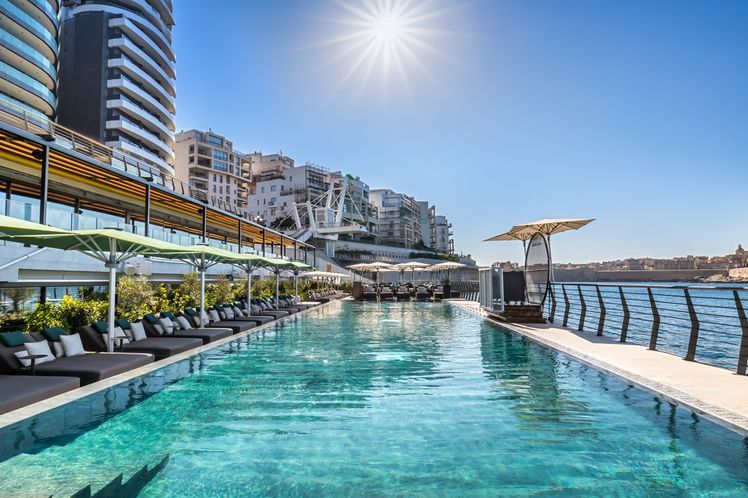




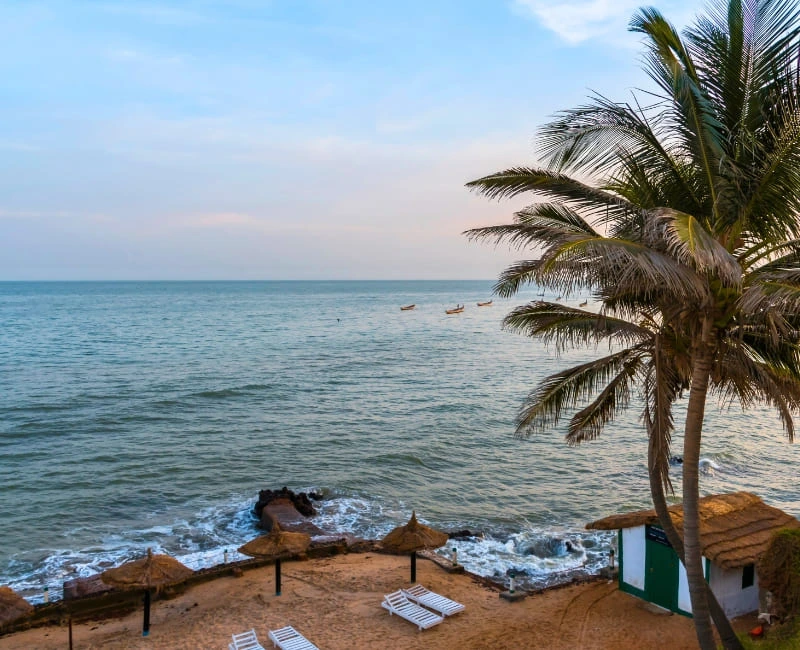
Gambia’s beaches are a true tropical escape, stretching along the Atlantic coast with soft golden sands, rustling palms, and warm, shallow waters. Though the country is compact, the coastline offers variety—from peaceful coves to vibrant beachfronts buzzing with life. Kololi Beach is one of the most popular, known for its lively atmosphere, nearby restaurants, and beach bars. It’s a hub for tourists looking to enjoy sunbathing by day and entertainment by night. If you seek something more laid-back, head to Cape Point Beach, a serene spot perfect for swimming or simply soaking in the coastal views. Bijilo Beach offers a wilder charm, often with fewer crowds, backed by dunes and forest. For a true local feel, Tanji Beach is ideal. Here, fishermen haul in their daily catch, and you can experience authentic market life. Many resorts line the coast, offering direct beach access, water sports, and spa services. Whether you’re watching the sunset over the Atlantic or taking a guided horse ride along the shore, Gambia’s beaches are an ideal setting for total relaxation.
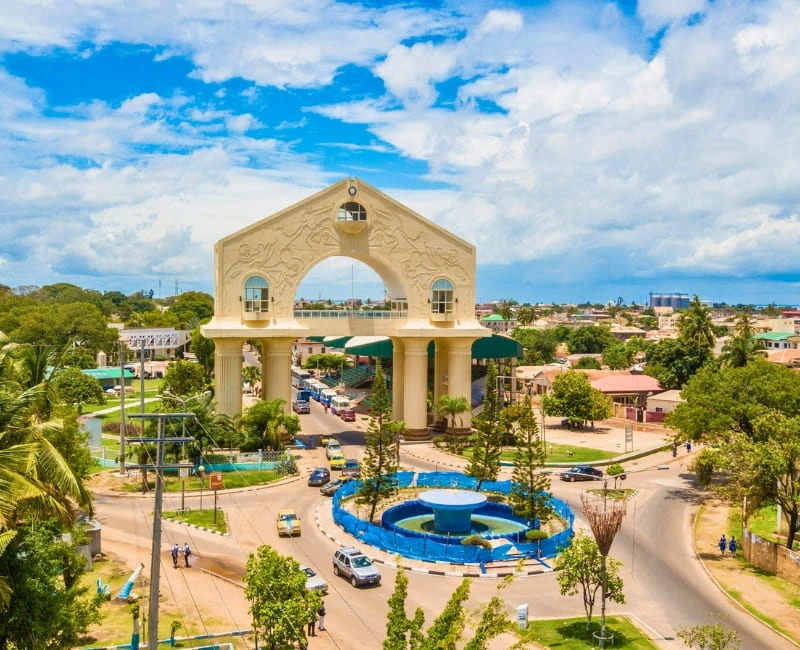
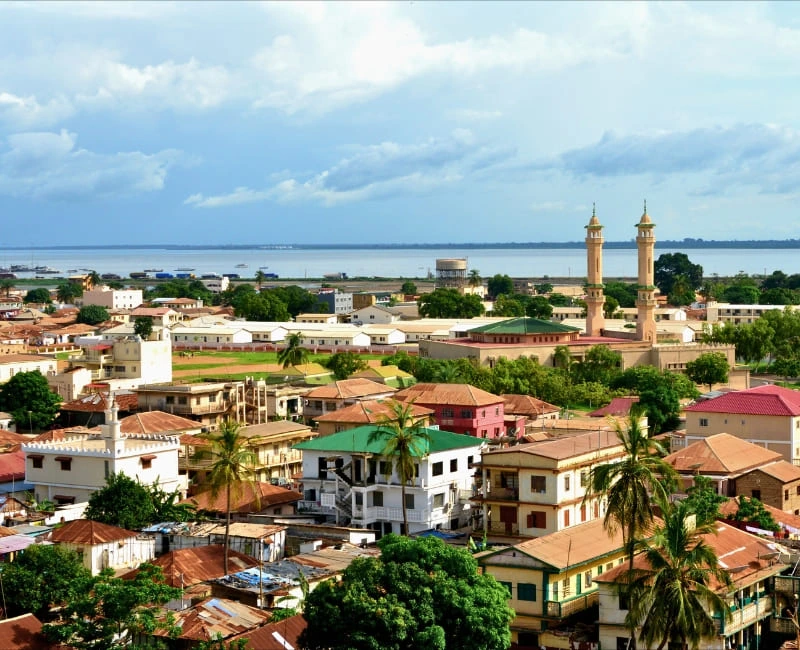
Category: Heritage & Traditions Gambia’s rich culture is deeply rooted in its tribal diversity, colonial history, and spiritual traditions. With ethnic groups such as the Mandinka, Wolof, and Fula contributing to a colorful cultural mosaic, visitors are welcomed into a society where music, storytelling, and dance are part of daily life. Start your cultural journey in Banjul, the capital. The National Museum offers insights into the country’s colonial past, independence movement, and traditional lifestyles. A visit to the Arch 22 monument provides panoramic views and a moving history lesson. No cultural tour is complete without a visit to the UNESCO-listed Kunta Kinteh Island, formerly James Island, a poignant reminder of the transatlantic slave trade. The ruins of Fort James and the stories attached to it are a powerful tribute to resilience and remembrance. Markets like Albert Market in Banjul or the bustling lanes of Serrekunda are cultural experiences in themselves. Taste local street food, shop for handwoven fabrics, and interact with artisans crafting everything from wood carvings to traditional instruments. Engage with local guides who can walk you through village customs, explain griot storytelling, and even offer lessons in West African drumming and dancing.