
Gibraltar

Gibraltar

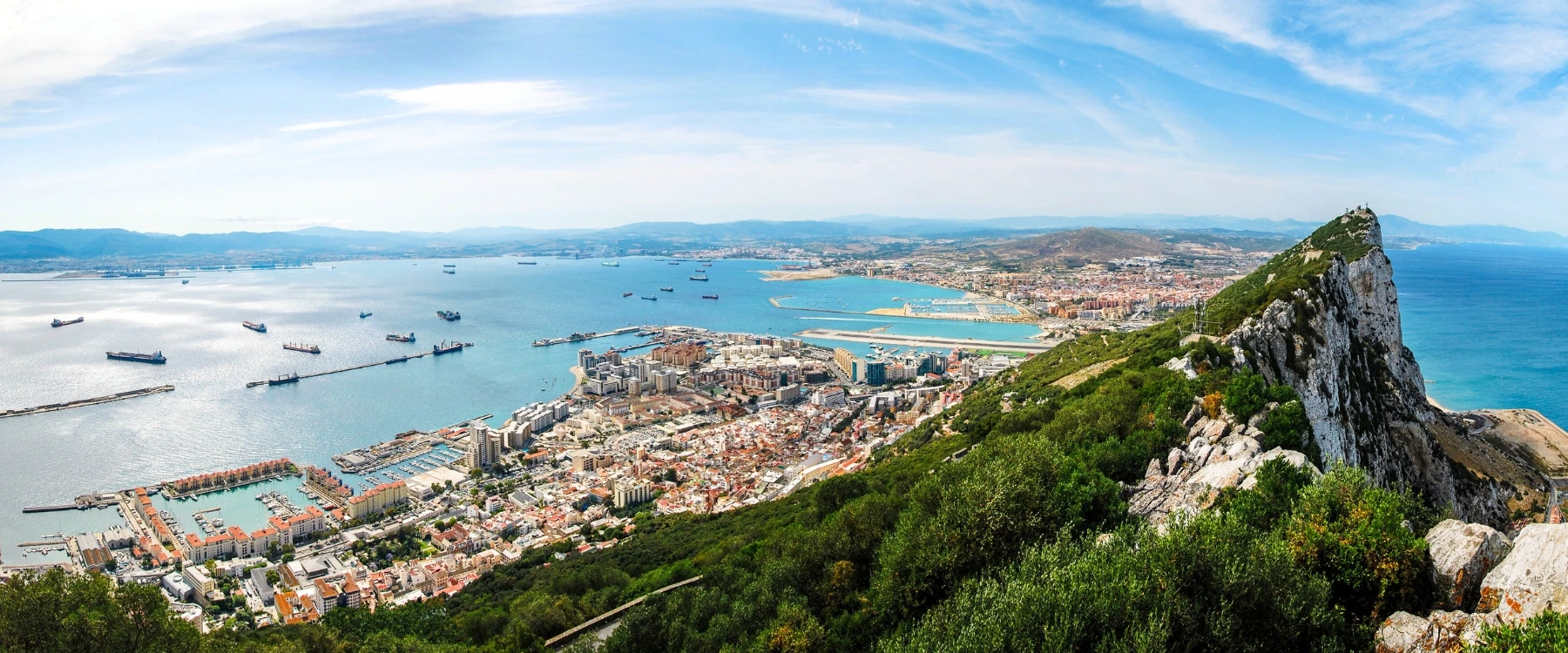
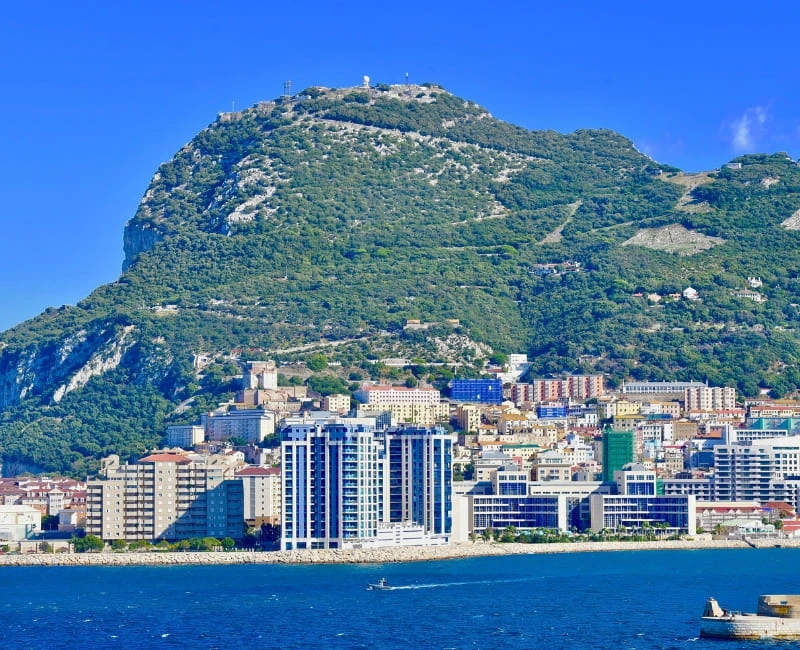
Gibraltar, the iconic “Rock” perched at the southern tip of the Iberian Peninsula, is a compact yet captivating destination that combines centuries of layered history, unique natural wonders, and a multicultural atmosphere. As a British Overseas Territory bordering Spain, Gibraltar’s strategic location at the entrance to the Mediterranean has shaped its historic significance—from Moorish and Spanish rule to its cession to Britain in 1713 under the Treaty of Utrecht. Visitors are drawn to the famed Rock of Gibraltar itself, whose limestone slopes rise steeply from the urban area below and host the only wild monkey population in Europe, the Barbary macaques.Beyond its dramatic geology, Gibraltar’s blend of British and Mediterranean influences permeates daily life. English is the official language, yet Spanish and the local vernacular Llanito are commonly heard alongside voices from diverse communities (Moroccan, Maltese, Indian, etc.) . Culinary offerings range from British-style pubs on Main Street to tapas-inspired eateries and fresh seafood overlooking the Bay. The compact size of the territory (just 6.8 km²) ensures that many attractions—historic fortifications, nature reserves, beaches—are within short reach of one another, enabling efficient exploration even on a brief stay.The Rock itself offers multiple access points: a cable car ride to the upper Rock affords panoramic vistas across the Strait of Gibraltar to Morocco and the Spanish coast; guided nature walks lead through protected Upper Rock Nature Reserve, where endemic flora mingles with winding tunnels and WWII-era fortifications. Wildlife highlights include encounters with the Barbary macaques, which, though habituated to humans, require respectful viewing practices. Alongside these vertical landscapes, Gibraltar’s coastline features several small beaches—such as Eastern Beach and Catalan Bay—where Mediterranean waters lap soft sands imported historically from the Sahara.Cultural heritage is also deeply rooted. Moorish Castle ruins and the 14th-century Tower of Homage speak to medieval periods, while the Great Siege Tunnels and wartime galleries reflect Gibraltar’s military role through Napoleonic conflicts and WWII. Museums such as the Gibraltar Museum showcase archaeological finds dating back to Neanderthal presence in the area. Equally, Gibraltar’s social calendar includes local festivals (e.g., Gibraltar National Day on 10 September) and cultural events that reveal its bicultural identity.For many travelers, Gibraltar is an excellent base for exploring southern Spain’s Costa del Sol or making day trips into Andalusia; ferry crossings to Morocco are also planned in various proposals, though currently access is by air or land via Spain. Yet, even without leaving its borders, Gibraltar’s combination of unique geology, layered history, and lively cultural tapestry ensures it stands as a destination in its own right. With modern amenities—boutique hotels in converted heritage buildings, reputable British-style service standards, and a well-connected small airport—Gibraltar balances small-territory charm with accessible facilities.Seasonally, Gibraltar enjoys a Mediterranean climate: warm, dry summers with average highs around 28°C, and mild winters rarely dropping below 17°C. This fosters year-round visitation potential, though peak months are May through September when sea temperatures appeal to beachgoers and outdoor activities flourish. A mild shoulder season (spring and autumn) can be particularly pleasant for sightseeing with fewer crowds.In sum, Gibraltar offers a distinctive travel experience: a compact destination where history, nature, and culture converge atop a dramatic limestone outcrop, yet seamlessly blend into a modern, multilingual community. Whether arriving for a day trip or an extended stay, travelers can delve into centuries-old tunnels, observe free-roaming macaques, stroll cosmopolitan streets offering global cuisines, and gaze across two continents from one vantage point. Gibraltar’s unique character makes it a memorable stop on any Mediterranean or Iberian itinerary.

Travila Gibraltar Travel Guide

What to know before Travelleing

Paris is known around the world as the “capital of love,” and even if you don't understand the history of Paris at all

Language: English
Peak Season: May to September
Time Zone: UTC+1 (CET)
Currency: Gibraltar Pound (GIP)
Travila

2–3 Hours

Average Flight Time

£4.00

Price Of Pint
Transport
Best time to visit
Exploring the Rock’s Historic Fortifications

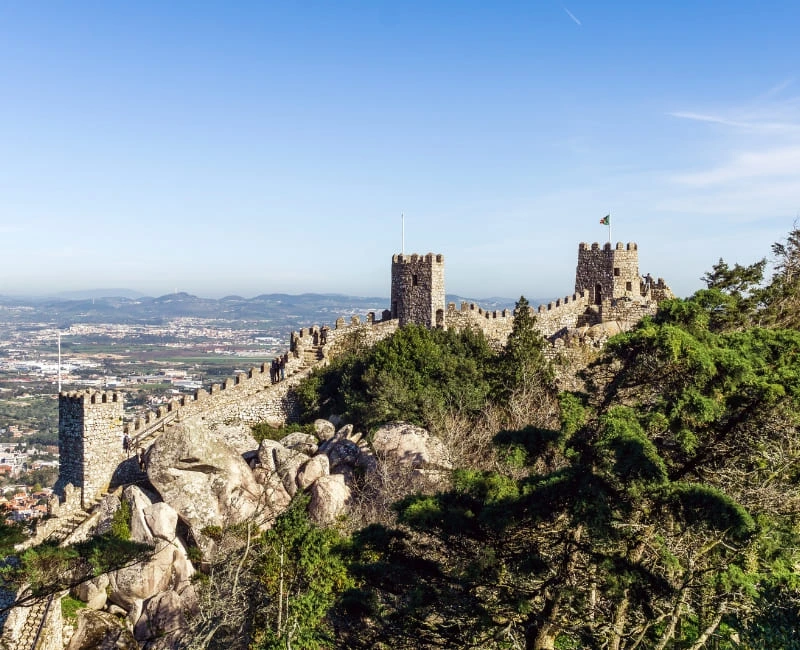
 Gibraltar’s strategic position at the Strait of Gibraltar has made it a prized fortress over centuries. This guide details how to explore the Rock’s key fortifications, from the Moorish Castle and Tower of Homage—dating to the 14th century Moorish rule—to the Great Siege Tunnels carved during the late 18th century Great Siege by Spanish and French forces. Visitors can trace layers of military engineering: Napoleonic-era batteries, 20th-century WWII galleries, and Cold War installations, each reflecting evolving defense needs. A recommended itinerary begins at the Moorish Castle, where interpretive panels outline early medieval significance. Proceed to the Upper Rock Nature Reserve to access the Great Siege Tunnels; guided tours reveal the human stories and technical feats behind blasting tunnels through solid limestone to mount artillery overlooking the Bay. The WWII-era Observation Post and tunnels further illustrate Gibraltar’s role controlling naval passage. Along these trails, signage and optional guided walks provide context on engineering methods, living conditions for garrison troops, and the wider geopolitical implications. Practical tips include timing visits to avoid midday heat, carrying water and sturdy footwear for uneven paths, and combining history with scenic viewpoints overlooking the Mediterranean and Atlantic. Photography enthusiasts will find dramatic contrasts: weathered stone walls perched over azure waters. This guide also advises on preservation etiquette—sticking to marked paths, respecting signage—and suggests local museum visits (e.g., Gibraltar Museum) to deepen understanding of artifacts unearthed from archaeological digs that predate recorded fortifications. By the end of this heritage trail, travelers gain insight into how Gibraltar’s fortifications shaped European and Mediterranean history, and how these structures have been integrated into today’s conservation and tourism offerings.
Gibraltar’s Museums & Cultural Landmarks

 Gibraltar’s compact urban area hosts a surprising array of cultural landmarks and museums that chronicle its diverse past and contemporary identity. This guide highlights must-visit sites: the Gibraltar Museum, located in a 14th-century courthouse building, presents exhibits on Neanderthal remains found at Gorham’s Cave, Phoenician and Roman artifacts, and displays on the Moorish and British eras. Adjacent exhibits delve into local flora, fauna, and maritime heritage. Another highlight is the Convent, the official residence of the Governor, blending historic architecture and ceremonial significance; visits can coincide with seeing the Governor’s parade on select dates. St. Michael’s Cave, a natural limestone cavern on the Rock’s upper slopes, combines geological wonder with cultural usage—occasional orchestral performances are held under its vaulted chambers. The Great Synagogue and the Cathedral of St. Mary the Crowned exemplify Gibraltar’s religious diversity, reflecting Jewish, Christian, and Muslim influences across centuries. Local art galleries exhibit Llanito-inspired works and contemporary pieces reflecting Gibraltar’s multicultural fabric. Annual events such as Gibraltar National Day (10 September) invigorate the streets with parades, music, and food stalls, offering an immersive cultural encounter. This guide provides practical advice on opening hours, booking guided tours for specialized insights, and combining visits with nearby cafes or restaurants to sample local dishes like calentita (chickpea flatbread) and tapa-style offerings. It also mentions walking routes along Main Street for heritage plaques, colourful shopfronts blending British and Mediterranean styles, and street art depicting local legends. For deeper context, the guide suggests reading up on the Treaty of Utrecht’s ramifications and Gibraltar’s modern political dynamics, which can be further explored via informative lectures or local tour operators. By following this cultural landmarks guide, travelers enrich their appreciation of Gibraltar beyond its iconic Rock silhouette, understanding how history, community, and creativity converge in this unique territory.
Barbary Macaques & Wildlife Encounters

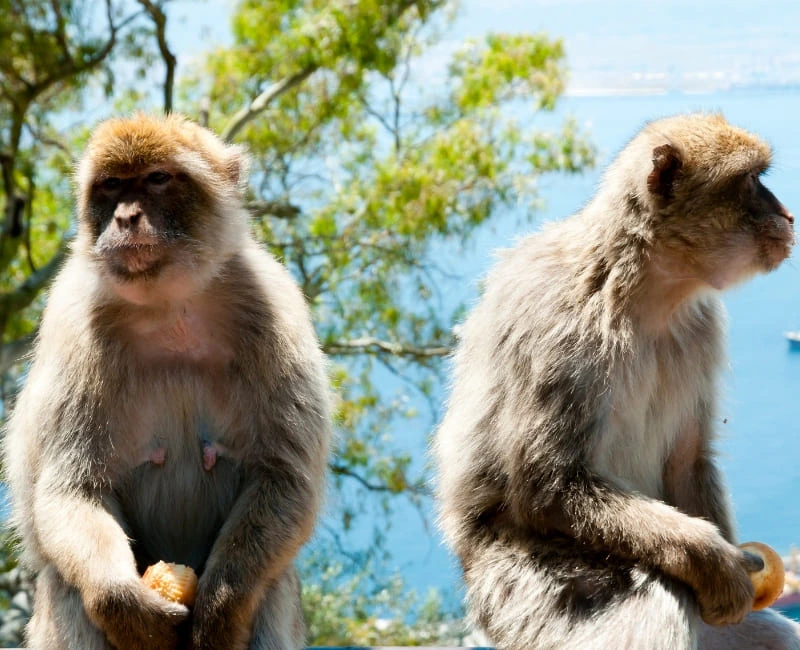
 One of Gibraltar’s signature attractions is its population of Barbary macaques—the only wild monkeys in Europe. This guide outlines safe and responsible ways to encounter these primates within the Upper Rock Nature Reserve. Beginning at the Ape’s Den area accessed via cable car or walking trails, visitors learn macaque behavior, feeding habits (note: feeding by visitors is prohibited), and the local lore that the macaques’ presence symbolizes Gibraltar’s continuity under British rule. Guided walks led by qualified naturalists offer insights into macaque social structure, conservation status, and human-wildlife interaction principles. Beyond the macaques, the Upper Rock Reserve shelters other fauna (various bird species, rabbits) and flora adapted to limestone slopes. The guide details walking routes: starting at the cable car station, taking the Mediterranean Steps path for active hikers, or more accessible trails to the Apes’ Den and Signal Station viewpoints. Seasonal considerations (spring wildflowers, migratory bird routes) and recommended gear (comfortable walking shoes, sun protection, binoculars) are provided. It also emphasizes respect for wildlife: keeping distance when macaques approach, securing belongings (macaques are curious), and following park regulations. For photographers, tips on capturing natural behaviors without disturbance are included. The guide suggests combining wildlife encounters with visits to nearby botanical interest spots and geological features such as caves and cliffside panoramas. Finally, guidance on interpreting the broader ecological significance of Gibraltar as a migration waypoint for birds crossing the Mediterranean is given, with advice on timing visits during spring or autumn migrations for birdwatching. By following this wildlife exploration guide, visitors gain not only memorable macaque experiences but also an appreciation for Gibraltar’s ecological niche at the crossroads of continents.

Beaches, Coastal Walks & Outdoor Activities

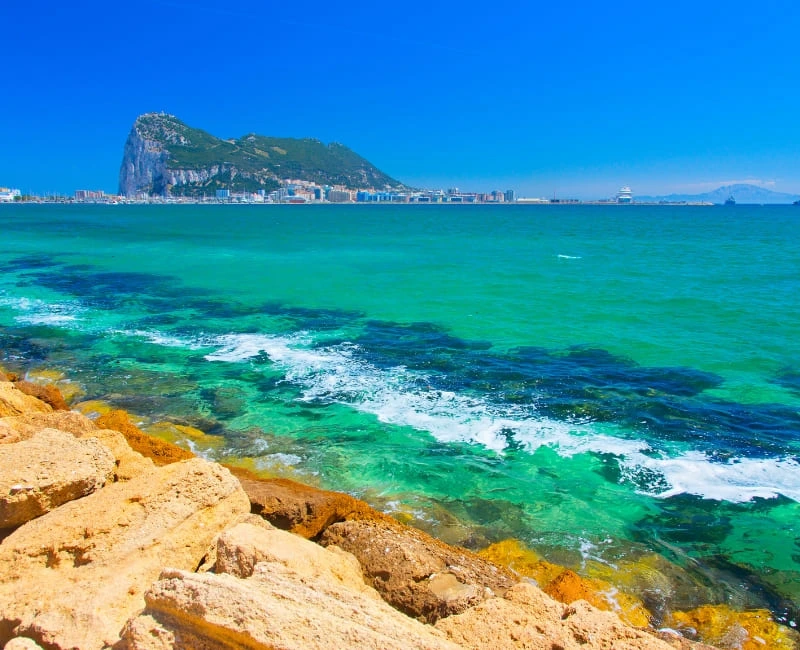
 While the Rock dominates Gibraltar’s skyline, its coastal fringes offer inviting beaches and outdoor activity options. This guide covers Eastern Beach, Catalan Bay, and Camp Bay—each with its character: Eastern Beach is the largest stretch of sand, suitable for swimming and watersports; Catalan Bay, with colourful fishermen’s cottages, offers a quieter ambiance and local eateries; Camp Bay provides rocky outcrops and pool-like areas overlooking the sea. Details include best times for swimming (summer months May–September), water conditions, and available amenities (beach cafés, sunbeds). For active travelers, the guide outlines coastal walking trails: the shoreline promenade towards Catalan Bay offers scenic views, while cliffside paths in the Upper Rock foothills present panoramas of the bay and beyond. Snorkeling and paddleboarding opportunities are noted, with guidance on equipment rental providers. Kayaking excursions around the base of the Rock reveal hidden coves and marine life; recommended local operators and booking tips are provided. For hikers, the guide describes routes such as the Mediterranean Steps (linking beaches to higher vantage points), advising on difficulty levels and safety (carry water, wear sturdy shoes). Seasonal weather considerations include mild winters suitable for off-season walks and birdwatching along the coast. The guide also mentions scuba diving sites off the Rock, where underwater topography and wreck sites can be explored with certified dive operators. For families, child-friendly beaches (gentle slopes, calm waters) and picnic spots are highlighted. Practical advice covers transportation (bus or taxis from town center), parking options for self-drive visitors, and accessibility notes for those with limited mobility (some beaches have walkways). Safety reminders include checking tide times and adhering to flagged swimming areas. By following this coastal adventures guide, travelers experience Gibraltar’s seaside offerings complementing its rocky interior, from relaxing beach days to invigorating hikes and water-based explorations.

Destination

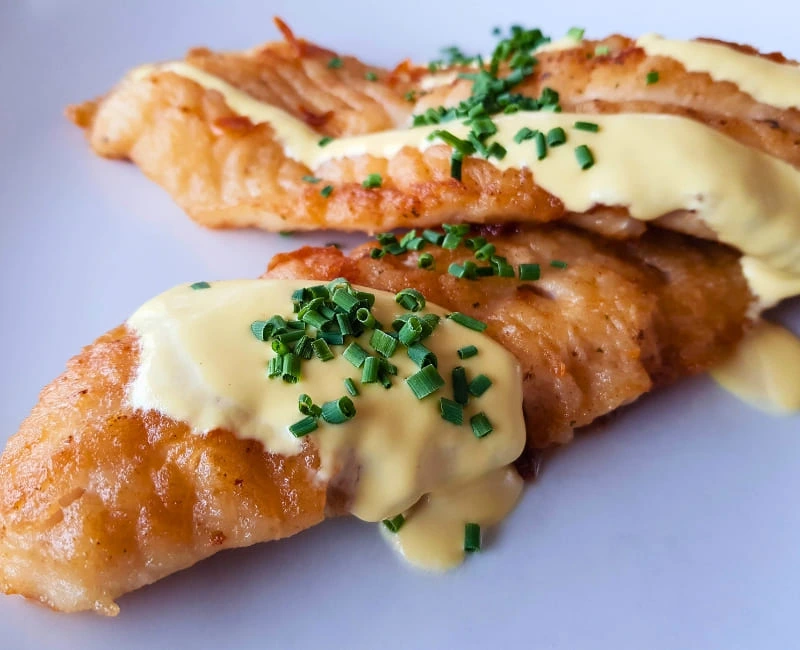
 Gibraltar’s culinary scene reflects its multicultural heritage: British influences sit alongside Spanish, Genoese, Maltese, Moroccan, and Indian flavors. This guide navigates where and what to eat, from casual snacks to fine dining. Start with local specialties: calentita, a chickpea-based flatbread akin to Italian farinata, sold at bakeries and street stalls; panissa, another chickpea dish; and puntillas (fried baby squid) reflecting Mediterranean seafood traditions. Visit Main Street cafés for British-style breakfasts or afternoon teas, while nearby tapas bars serve Spanish-inspired small plates. Market stalls and local bakeries offer sweet treats influenced by Mediterranean and North African recipes. For sit-down meals, the guide recommends seafront restaurants serving fresh fish and seafood paellas with views over the bay. It details where to find authentic Indian curries reflecting the subcontinental community, as well as Moroccan tagines available due to proximity to North Africa. Unique hybrid dishes may appear, e.g., fusion tapas with British ingredients or “Rock of Gibraltar” themed desserts in boutique patisseries. The guide covers practical aspects: peak dining hours (often later in Mediterranean fashion), reservation tips for popular venues, and dress codes (smart-casual for upscale establishments). It highlights pubs offering British ales alongside local beers, with live music on select evenings for an authentic social atmosphere. For budget travelers, it lists affordable eateries and takeaway options; for fine-dining seekers, it suggests hotels or standalone restaurants offering tasting menus paired with Gibraltarian or imported wines. Seasonal events such as food festivals or pop-up markets are noted, with advice on checking local event calendars. Finally, the guide includes etiquette notes: tipping practices align with UK norms (around 10–15% where service charge not included), and openness to trying local specialties is encouraged. By following this culinary journeys guide, visitors savor Gibraltar’s gastronomic diversity, understanding how history and geography converge on the plate.

Gibraltarian Cuisine & Dining Experiences

Discover world-famous destinations that continue to captivate travelers with their iconic landmarks, rich history, and vibrant cultures. These popular spots offer well-developed tourism infrastructure, diverse accommodation options, and countless activities for every type of traveler. While these destinations attract millions of visitors annually, they maintain their unique charm and continue to offer new experiences even for repeat visitors seeking to uncover hidden layers beyond the main attractions.

Hotel

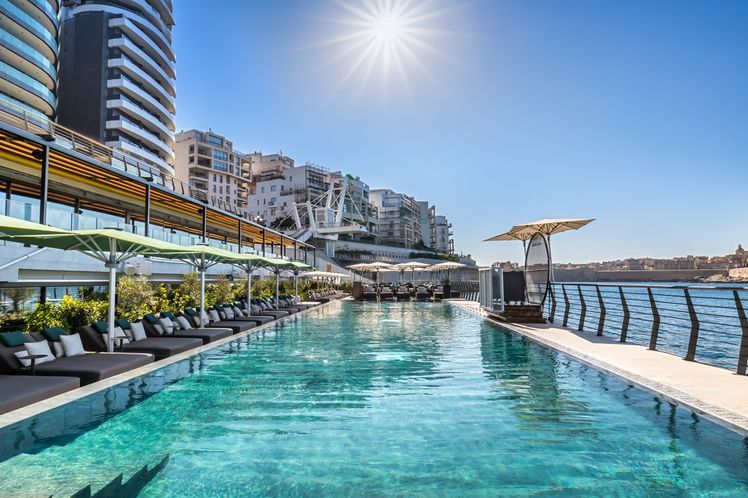
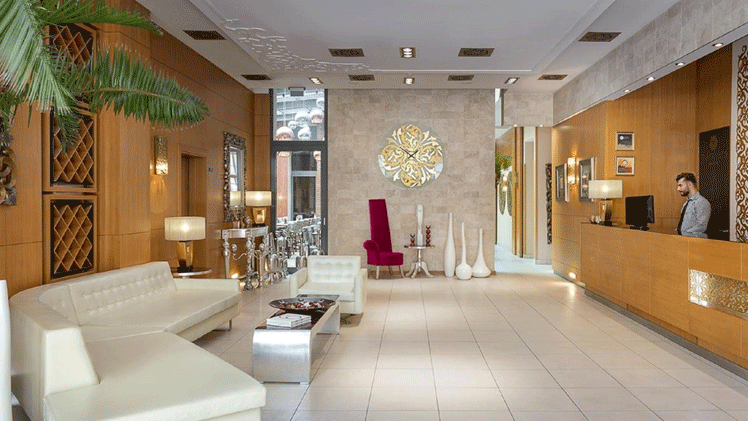
Indulge in premium accommodation options that offer exceptional service, world-class amenities, and exquisite dining experiences. Luxury hotels provide personalized attention, sophisticated design, and exclusive facilities that transform your stay into a memorable journey. From five-star city hotels to boutique resorts in exotic locations, these properties prioritize guest comfort and satisfaction while offering unique local experiences and impeccable hospitality standards.

Hotel

Find comfortable and affordable lodging options that don't compromise on quality or experience. Budget hotels, hostels, and guesthouses offer excellent value for money while providing clean, safe accommodations in convenient locations. Many budget options feature communal spaces that encourage social interaction, local recommendations from knowledgeable staff, and authentic experiences that allow travelers to stretch their budget further while exploring new destinations.

Join our newsletter
Subscribe to see secret deals prices drop the moment you sign up!

No ads. No trails. No commitments