

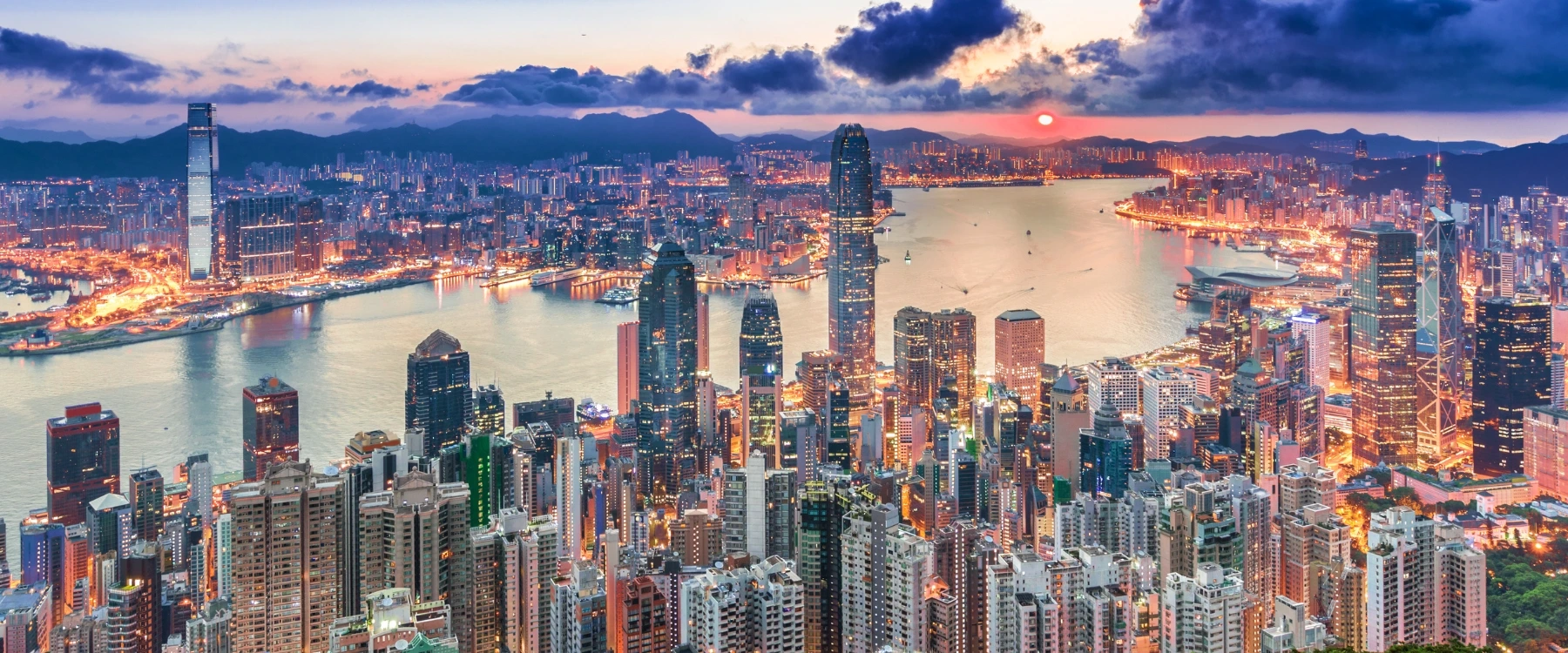
 Hong Kong Travel Guide
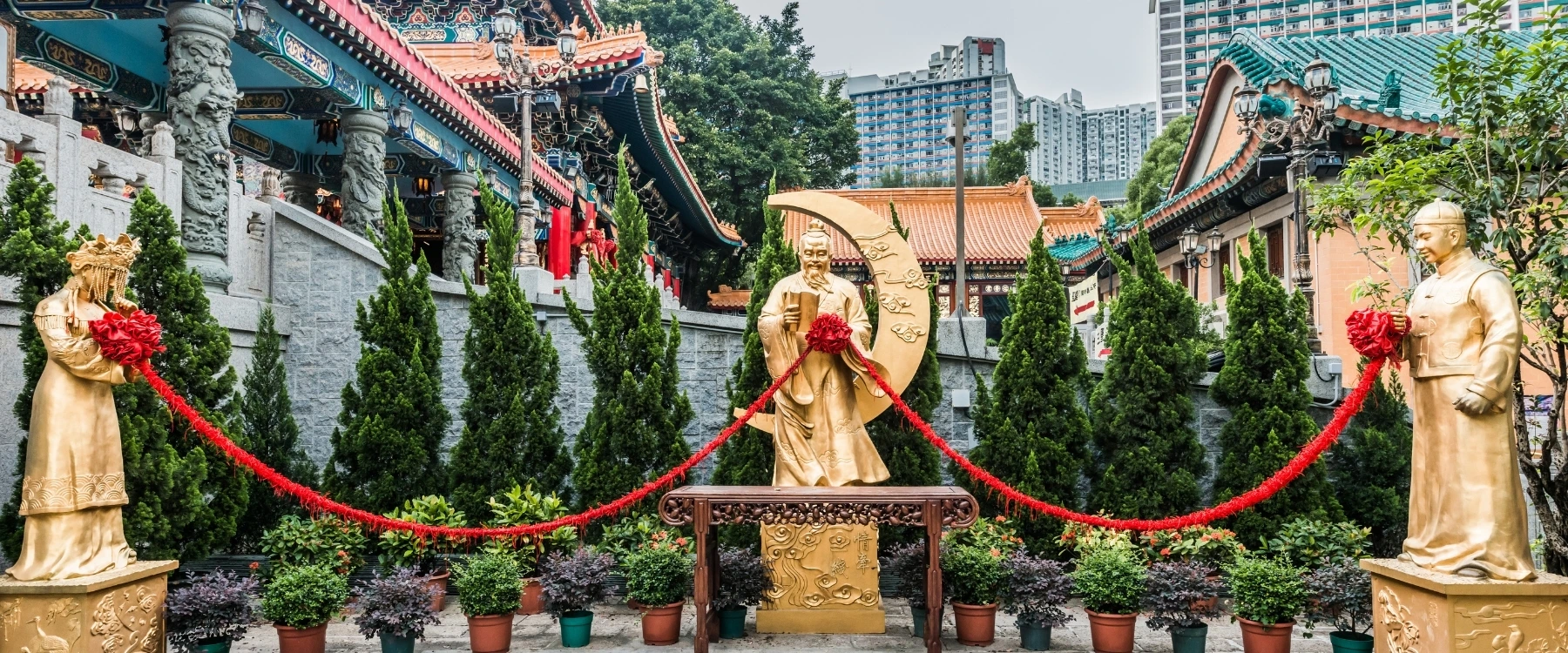
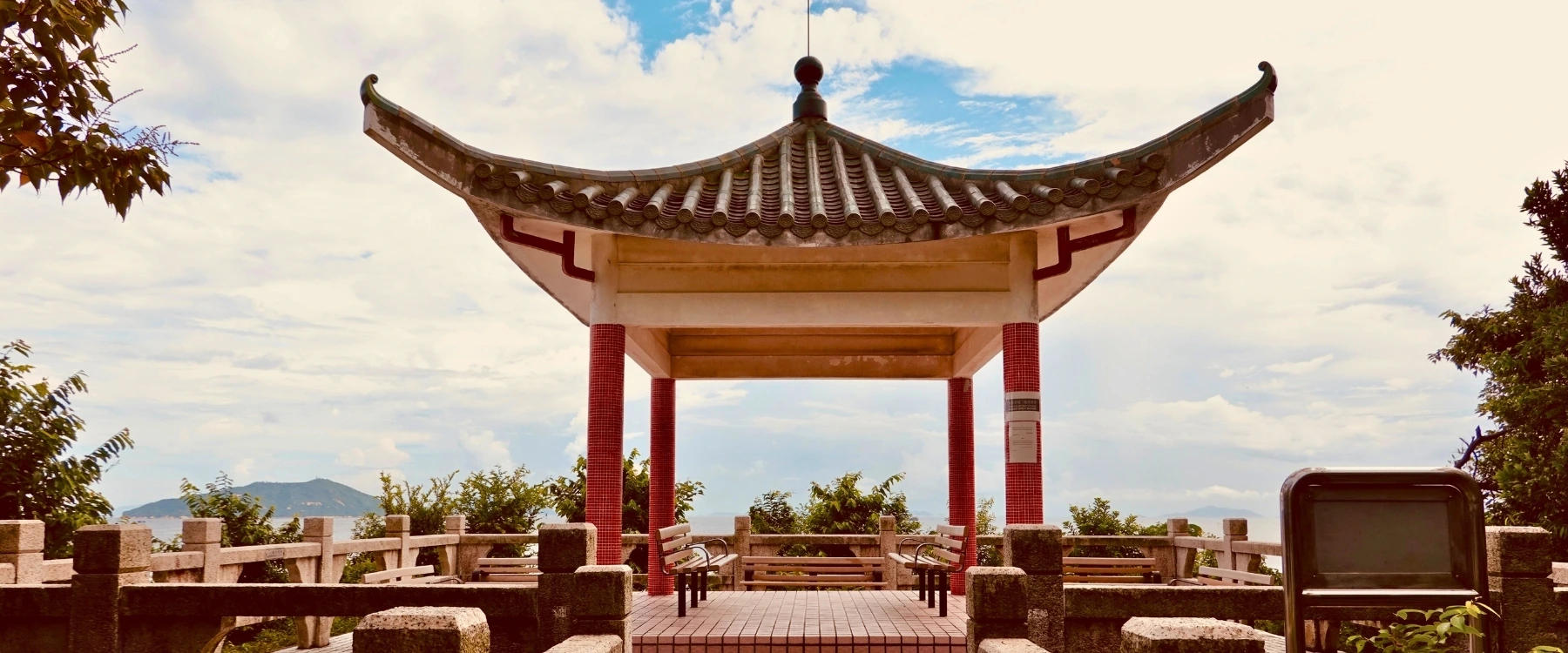

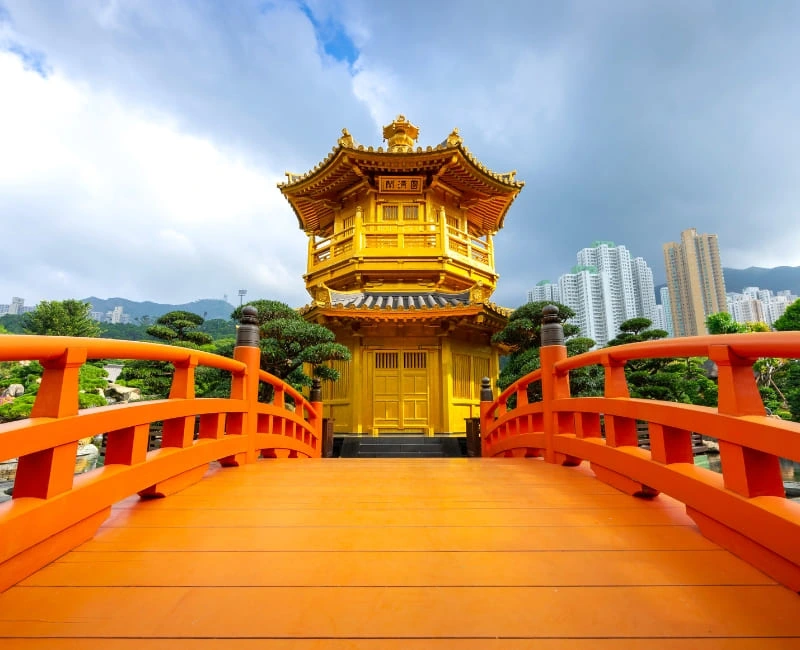
Hong Kong’s historical landmarks reflect a confluence of Chinese traditions and colonial influences, offering travellers an immersive journey into the city’s past. One must-visit site is Man Mo Temple on Hollywood Road, dedicated to the gods of literature (Man) and martial arts (Mo). Its incense coils and ornate altars evoke centuries-old worship practices. Nearby, the intriguing alleyways of Sheung Wan reveal colonial-era architecture and hidden ancestral halls. Wan Chai’s Blue House and surrounding heritage buildings showcase restoration efforts blending old neighbourhood charm with modern community spaces.In Kowloon, the Wong Tai Sin Temple welcomes visitors seeking good fortune, with its vibrant architecture, fortune sticks, and incense rituals. The temple’s lively atmosphere during festivals highlights local spirituality. Tai O Fishing Village on Lantau Island offers a glimpse of Hong Kong’s fishing heritage: stilt houses over tidal channels, salted fish drying racks, and traditional boat-making practices survive amid modernity. Strolling through narrow lanes reveals local crafts and community life. The historic Peak Tram, in operation since late 19th century, provides both a nostalgic ride and dramatic ascent to Victoria Peak, linking past transport engineering with rewarding city vistas.Central’s stately buildings such as the Former Marine Police Headquarters—now revitalised as Tai Kwun Centre for Heritage and Arts—demonstrate adaptive reuse preserving colonial-era structures while housing contemporary art exhibitions and cultural events. Nearby, the Colonial-era Murray Building and Central Market reflect efforts to maintain tangible links to the city’s development under British rule. Explore Hong Kong Museum of History in Tsim Sha Tsui to deepen understanding of the city’s evolution from a fishing village to a global hub: exhibits showcase archaeology, early settlements, wartime experiences, and post-war growth.Festivals like Chinese New Year, Mid-Autumn Festival, and the Dragon Boat Festival animate historical customs. Attending lantern displays, dragon boat races in Stanley or Shatin, and lion dance performances provides insight into communal traditions. Heritage walks led by local guides reveal hidden stories behind temples, ancestral halls, and historic neighbourhoods such as Sham Shui Po, where old shops and street stalls coexist with creative revitalisation projects. These experiences connect travellers to the living culture and layered history of Hong Kong.Preservation efforts have revitalised areas like Duddell Street Steps and Stone Walls, where heritage plaques and guided trails bring stories of early settlers and infrastructure. Maritime heritage is highlighted at Hong Kong Maritime Museum near Central Ferry Piers, tracing centuries of seafaring and trade shaping the city’s identity. For deeper engagement, participate in workshops on traditional crafts—jade carving, calligraphy, and paper lantern making—offered by community centres or cultural organisations. These hands-on activities let visitors appreciate craftsmanship passed through generations.Whether exploring temple rituals, colonial structures, fishing villages, or museum exhibits, Hong Kong’s historical landmarks invite reflection on resilience and adaptability. Combining these visits with local narratives shared by guides or community hosts enriches the journey, illuminating how heritage continues to influence present-day life. This category of experiences underscores why Hong Kong is more than a modern skyline: it is a place where history lives on, revealing the roots of a multifaceted metropolis.
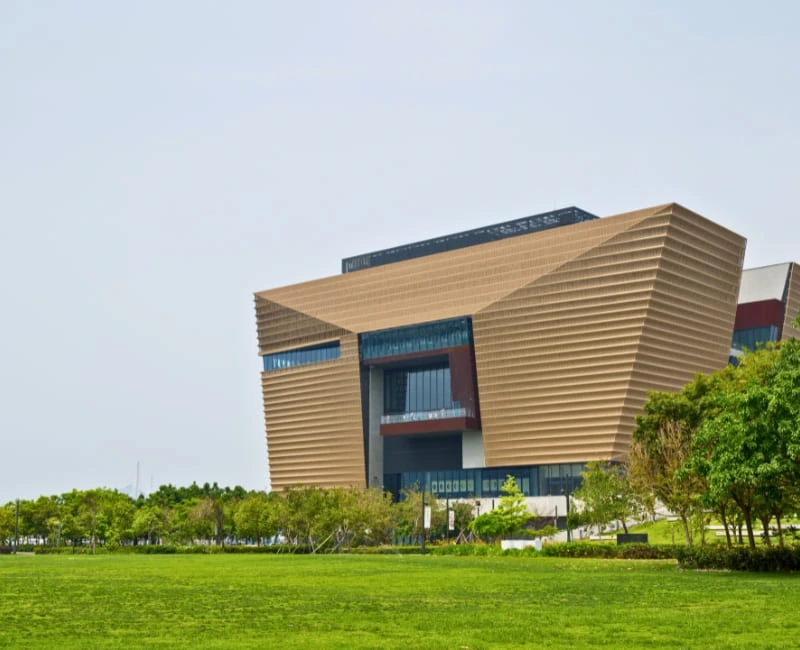
Museums and galleries in Hong Kong showcase a breadth of artistic expression, historical documentation, and cultural exchange, catering to diverse interests. The Hong Kong Museum of History in Tsim Sha Tsui presents comprehensive exhibits detailing local heritage: immersive displays on prehistoric Hong Kong, traditional village life, maritime trade, and wartime experiences provide context for the city’s evolution. The adjacent Hong Kong Science Museum offers interactive exhibits ideal for families, combining education and entertainment around science and technology themes.Art enthusiasts will appreciate M+ Museum in the West Kowloon Cultural District, a major museum of visual culture featuring contemporary art, design, architecture, and moving image works from Hong Kong, Asia, and beyond. Its striking architecture and curated exhibitions position Hong Kong as a growing center for contemporary art. Nearby, the Art Park and outdoor installations enrich the waterfront experience. The Hong Kong Museum of Art, also in Tsim Sha Tsui, houses collections spanning Chinese antiquities, calligraphy, ceramics, and modern art, bridging traditional and contemporary aesthetics.Smaller, specialised galleries abound in neighbourhoods like Sheung Wan and Central, where independent spaces showcase emerging artists, photography, and experimental media. Navigating these galleries on art walks reveals the city’s creative pulse and fosters interaction with local artists. The Tai Kwun Centre for Heritage and Arts repurposes historic police headquarters into a vibrant cultural hub hosting rotating exhibitions, performances, and community events, illustrating how heritage sites can become dynamic art venues.For niche interests, consider the Hong Kong Maritime Museum exploring maritime history, or the Hong Kong Railway Museum in Tai Po depicting steam locomotive heritage. The Hong Kong Trams Historic Gallery offers insights into the city’s iconic tram system. Heritage museums such as the Law Uk Folk Museum in Chai Wan preserve village dwellings and artefacts, while the Ping Shan Heritage Trail in the New Territories features ancestral halls and pagodas.Participation in workshops and guided tours at museums deepens engagement: calligraphy classes at cultural centres, jewellery design sessions linked to museum exhibits, or curator-led tours exploring thematic highlights enhance understanding. Special events such as art fairs (e.g., Art Basel Hong Kong) attract international galleries and collectors, reflecting the city’s growing global influence. Film festivals and independent screening programmes add cinematic perspectives to the cultural scene.Across these varied institutions, visitors experience Hong Kong’s role as a cultural crossroads. Traditional art forms coexist with cutting-edge contemporary practices, reflecting regional influences and global dialogues. Whether spending a day at M+ and the museum district or exploring hidden galleries in quiet lanes, this category offers enriching perspectives on creativity, history, and community engagement.