

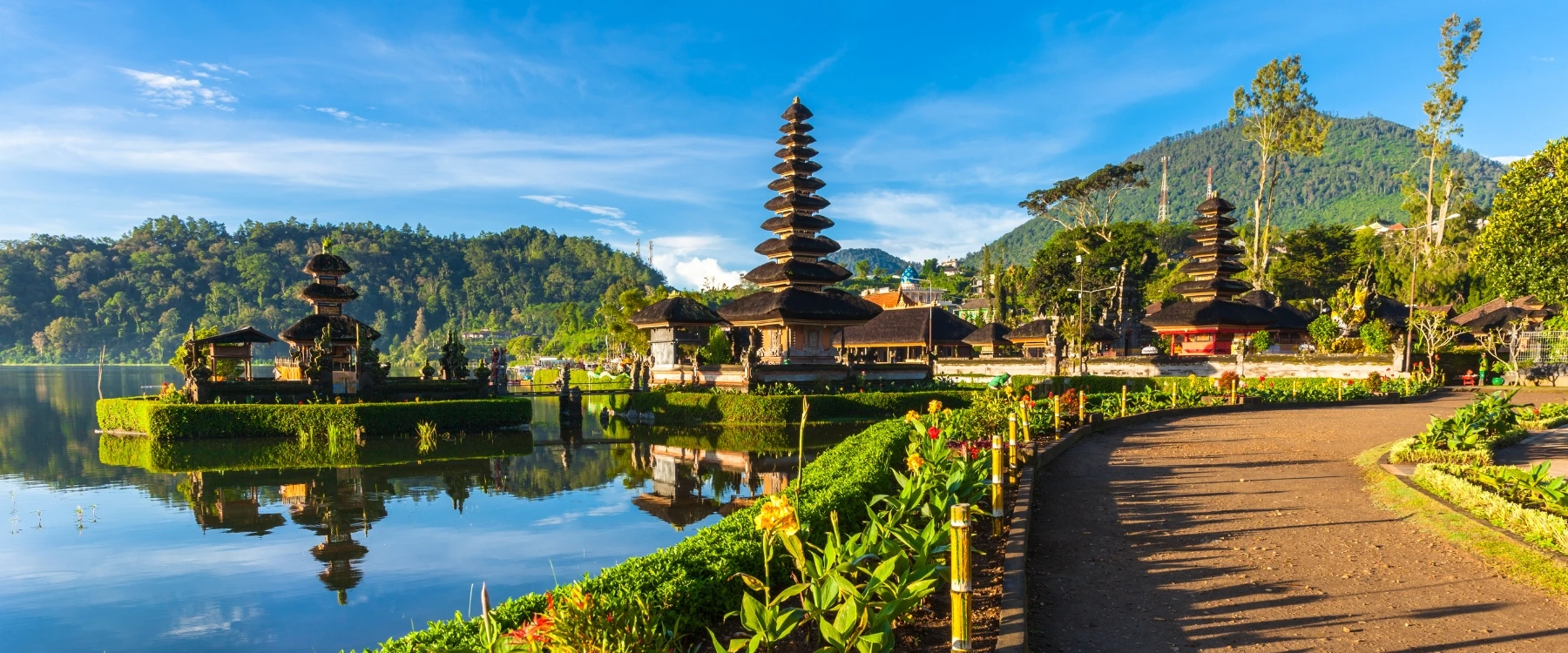
 Indonesia Travel Guide

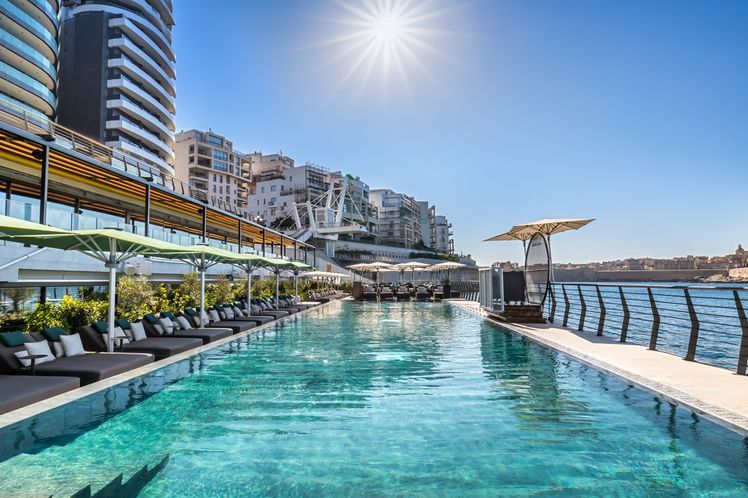




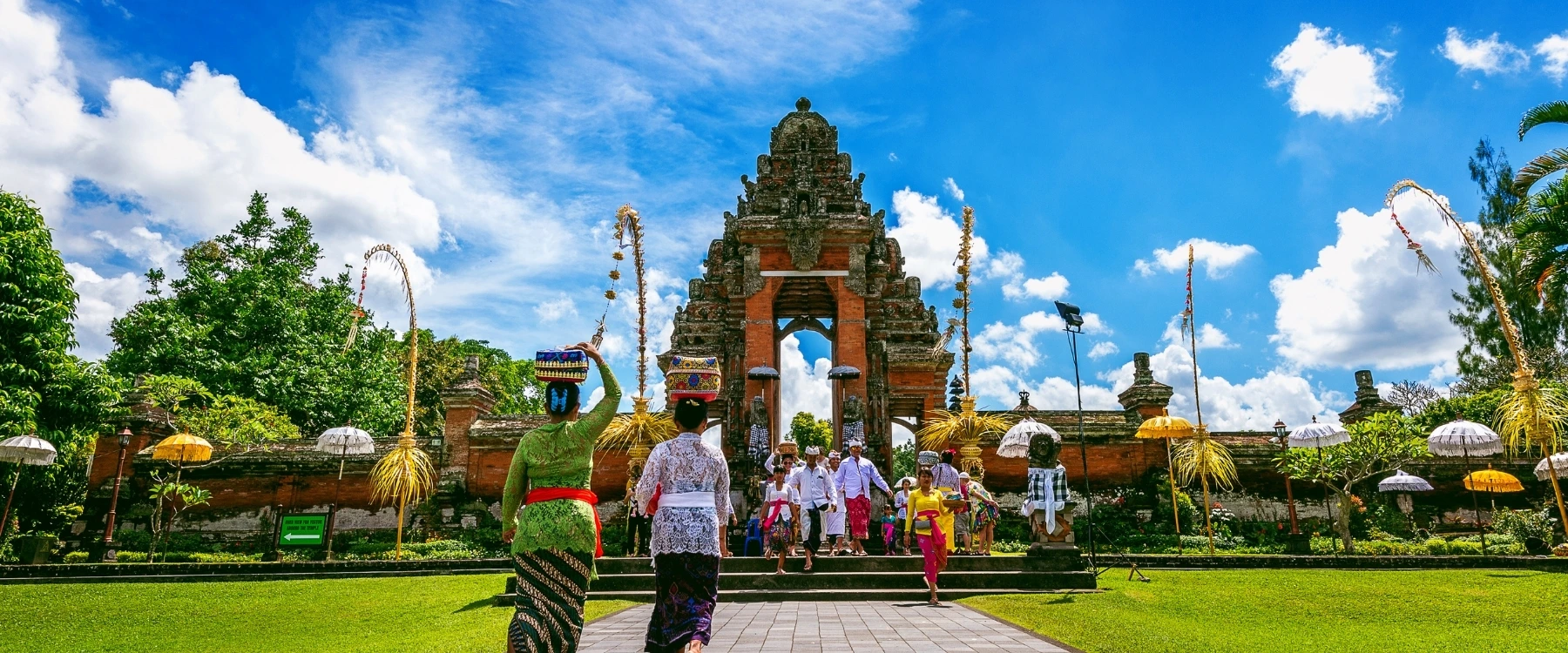
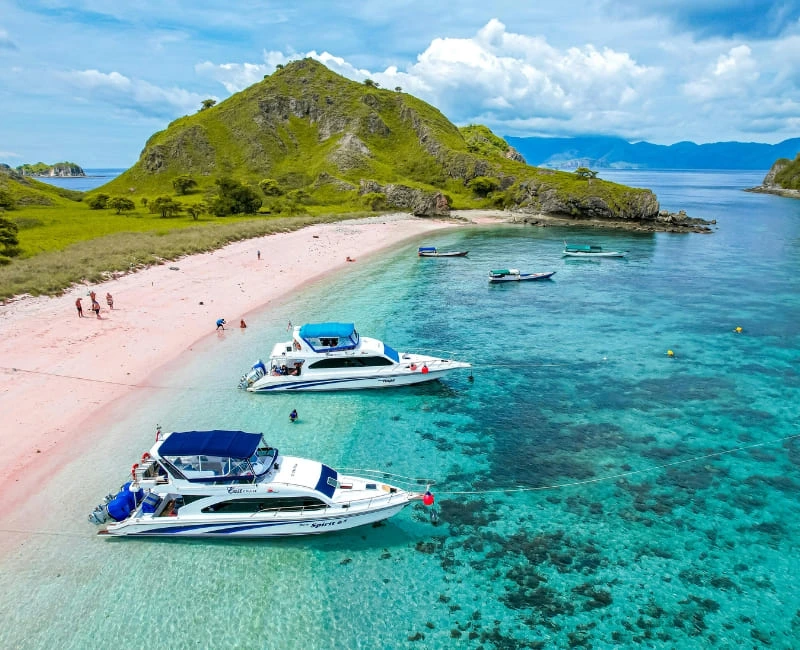
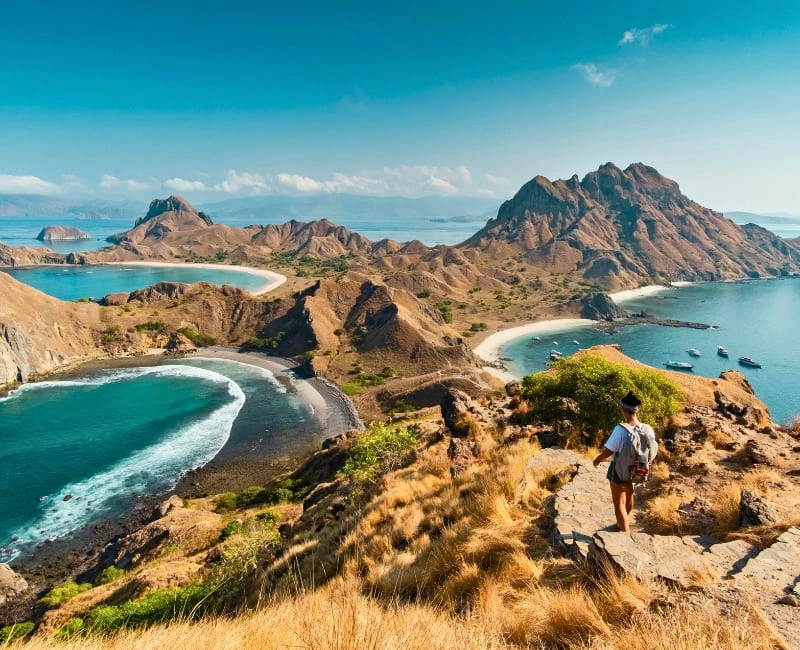
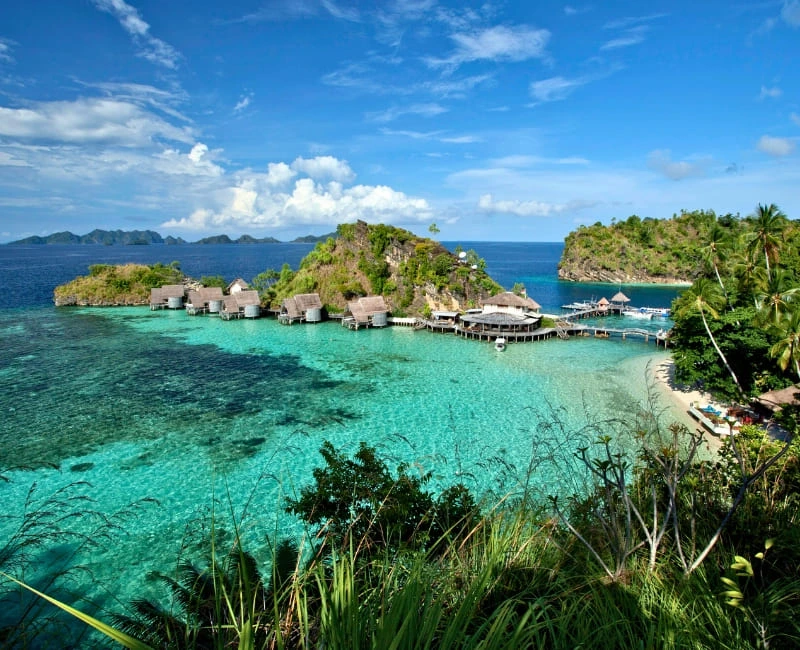
Indonesia, with its vast coastline spanning over 54,000 kilometers, is a beach lover’s dream. Whether you’re in search of lively beach bars or hidden, untouched sands, Indonesia delivers a variety of beach experiences that cater to every traveler's mood. Bali’s beaches are the most iconic—Kuta is famed for surfing and nightlife, Seminyak for upscale resorts and sunset cocktails, and Nusa Dua for calm, family-friendly waters. Yet, beyond Bali lies a treasure trove of lesser-known gems. On the eastern side, the Gili Islands (Gili Trawangan, Gili Meno, and Gili Air) offer white sand shores, coral reefs, and tranquil vibes—perfect for snorkelers, divers, and honeymooners. With no motor vehicles allowed, the islands are ideal for relaxation and eco-conscious tourism. To the west, Belitung Island enchants visitors with its smooth granite rock formations and glass-clear waters, creating postcard-worthy panoramas. Further afield, Pink Beach in Komodo National Park stuns with its rare rosy-colored sand, caused by crushed red coral mixing with white grains. This unique destination combines marine beauty with the thrill of spotting the legendary Komodo dragon. Surfers will find paradise in Uluwatu and Padang Padang, while Lombok’s Selong Belanak and Mawun beaches remain off-the-beaten-path favorites with soft sands and gentle waves. Whether your idea of a beach holiday involves adventurous water sports or sunbathing with a tropical drink in hand, Indonesia’s beaches promise unmatched variety and beauty. Island-hopping, snorkeling, beachfront massages, and romantic walks on the sand are just a few of the many ways to enjoy these coastal havens.
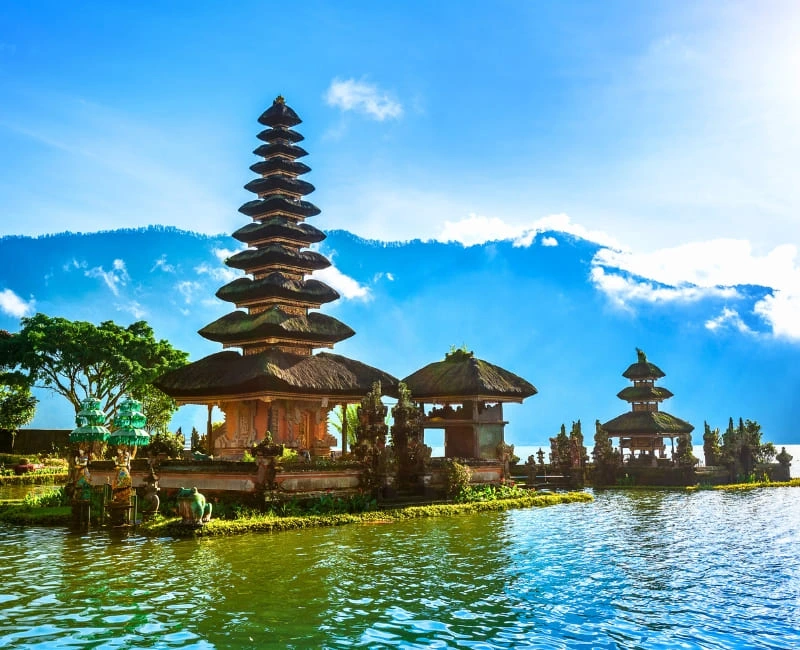
Indonesia’s rich cultural fabric is woven from centuries of traditions, shaped by a mosaic of over 300 ethnic groups and countless historical influences. Every island, and often each village, offers unique expressions of identity through language, dress, dance, and rituals. Java, the most populous island, is the heart of Indonesia’s history. Here, ancient temples like Borobudur and Prambanan stand as testaments to the region’s Buddhist and Hindu past. These UNESCO-listed sites are not only architectural marvels but also active centers of spiritual reflection and festivals. Bali, often associated with beaches and nightlife, is equally known for its deep-rooted Hindu customs. Daily offerings of flowers and incense, temple ceremonies, and colorful festivals like Galungan and Nyepi (Balinese New Year) immerse visitors in a vibrant religious life. Meanwhile, Toraja in Sulawesi showcases elaborate funerary rituals, where ceremonies can last several days, involving family feasts, buffalo sacrifices, and symbolic architecture. Music and dance are integral to Indonesian identity. Wayang kulit (shadow puppetry), gamelan orchestras, and traditional dances like the Balinese Legong or Javanese Bedhaya tell stories of gods, kings, and mythical creatures. Each region also contributes to the nation’s rich textile heritage—Sumatra’s songket, Java’s batik, and Sumba’s ikat are woven with symbolic patterns passed down generations. Traditional markets, palace tours, and art workshops allow travelers to engage with Indonesian heritage firsthand. As the country modernizes, many communities strive to preserve their ancestral customs, ensuring that cultural exploration in Indonesia is not just a passive experience, but a meaningful connection to the past and present of a proudly diverse nation.