

 Japan Travel Guide






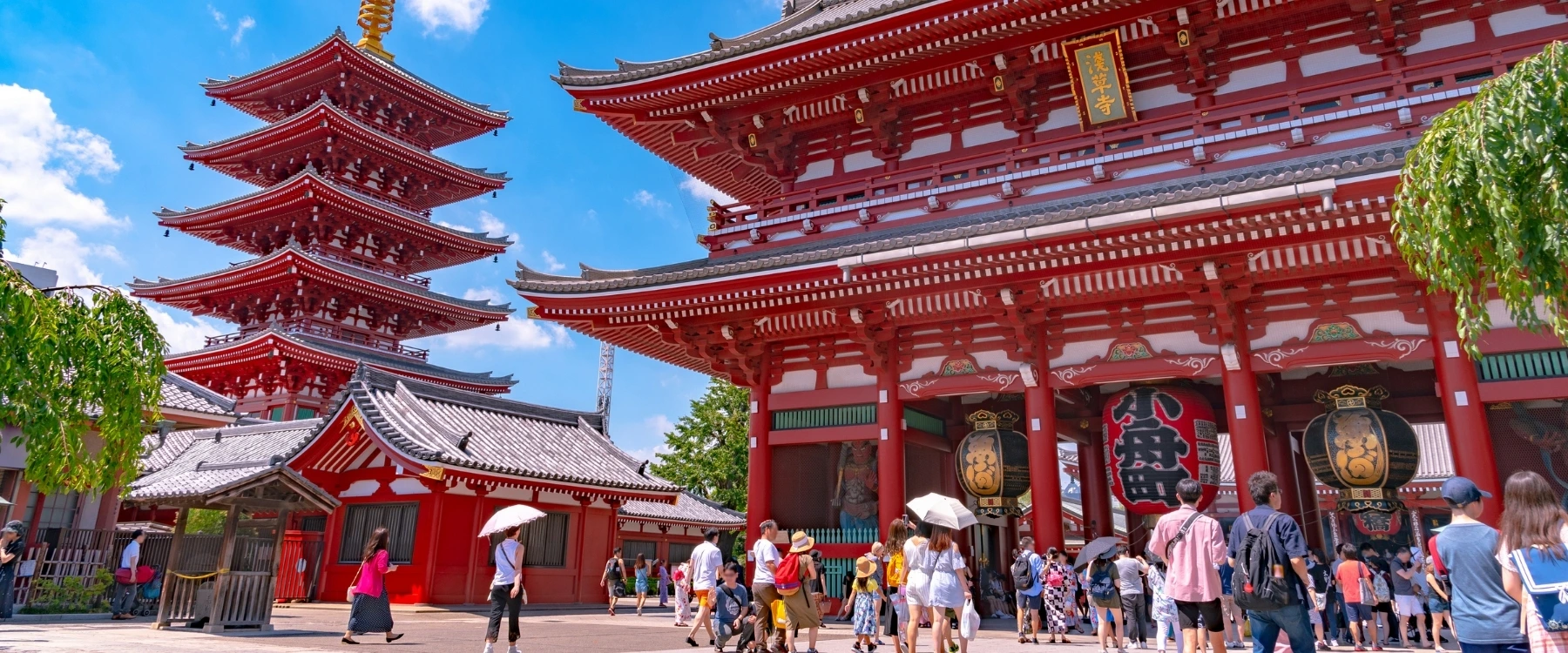

Japan’s spiritual landscape is woven through its countless temples and shrines, each reflecting centuries of belief, artistry, and community rituals. A journey to iconic sites such as Kyoto’s Kiyomizu-dera, Fushimi Inari Taisha, or Nara’s Todai-ji invites reflection on Buddhist and Shinto traditions. Kiyomizu-dera, perched on a hillside, offers panoramic views over Kyoto and embodies the Heian period’s architectural elegance, with its wooden terraces built without nails. Fushimi Inari’s thousands of vermilion torii gates winding up the mountain create an immersive pathway symbolizing offerings to Inari, the kami of rice and prosperity. In Nara, Todai-ji houses the Great Buddha statue in a grand wooden hall, demonstrating the scale and devotion invested in early Japanese Buddhist art.Beyond these famous locations, regional shrines and lesser-known temples hold deep local significance. Participating in morning rituals at temple lodging (shukubo) on Koyasan, where monks chant sutras at dawn, offers insight into monastic life. In Nikko, Tosho-gu’s ornate carvings and forested setting evoke Tokugawa-era reverence for ancestral shoguns. Smaller village shrines in the Japanese Alps reveal how rural communities honor nature deities, often hosting seasonal festivals that mark planting and harvest cycles. Approaching each site with respectful behavior—bowing at torii gates, cleansing hands at chozuya (purification font), offering coins and prayers—connects travelers to living traditions.Many temples offer meditative activities: zazen (seated meditation) sessions in Zen temples, sutra copying workshops, or walking meditation (kinhin) in tranquil gardens. Seasonal events such as lantern festivals, New Year shrine visits (hatsumode), or Obon rituals illuminate how Japanese people observe cycles of life and honor ancestors. Architecture and garden design are integral; strolling through rock gardens, moss-covered grounds, and teahouse gardens reveals principles of wabi-sabi (beauty in imperfection) and shakkei (borrowed scenery). Photography enthusiasts appreciate how changing light and seasonal motifs transform familiar sites into fresh experiences.Cultural etiquette enhances engagement: removing shoes before entering temple halls, speaking quietly, and following local guidance demonstrates respect. Guided tours led by local priests or volunteers shed light on symbolism—understanding the meaning behind torii colors, guardian statues, and ritual implements deepens appreciation. Collecting goshuin (temple stamps) in a dedicated notebook creates a personal keepsake of one’s spiritual journey.Whether seeking serene contemplation in mountain temples, marveling at architectural masterpieces, or participating in seasonal festivals that unite communities, exploring Japan’s spiritual heritage is both enlightening and humbling. Each shrine and temple tells a story of faith interwoven with nature, history, and daily life, rendering Japan’s cultural heart palpable for travelers.

Japan’s artistic heritage thrives through enduring crafts, performing arts, and vibrant festivals, each reflecting regional identity and historical evolution. Traditional crafts—such as pottery, textiles, lacquerware, and metalwork—are often produced in workshops with lineage stretching back centuries. For instance, Arita and Imari in Kyushu are renowned for porcelain; Bizen in Okayama is famous for unglazed pottery; and Kyoto’s Nishijin district preserves elaborate kimono weaving techniques. Travelers can visit artisan studios to observe kilns firing pottery or workshops weaving silk brocade, sometimes participating in guided sessions to create a small piece of their own: shaping clay, dyeing fabric with natural pigments, or painting lacquerware.Performing arts are integral to Japan’s cultural expression. Noh and Kyogen theater present stylized performances with masks and poetic language, often staged at historic theaters in Kyoto or regional festivals. Kabuki’s dramatic flair and elaborate makeup enthrall audiences in Tokyo or Osaka theaters. Bunraku puppet theater in Osaka demonstrates masterful craftsmanship in puppetry and narration. Many cities offer opportunities to watch rehearsals or attend short workshops explaining the art form’s origins, costumes, and music. Attending a performance connects travelers to Japan’s storytelling traditions and aesthetic principles.Festivals (matsuri) are dynamic celebrations that range from solemn rituals to exuberant street parades. In summer, Gion Matsuri in Kyoto features grand floats paraded through historic streets; Nebuta Matsuri in Aomori showcases illuminated floats depicting warriors and mythical creatures; and the Takayama Festival presents ornate floats against a mountain town backdrop. Winter illuminations and snow festivals, like Sapporo Snow Festival, display ice sculptures and light displays, blending artistry with communal spirit. Participating—whether carrying mikoshi (portable shrines), joining dances, or simply enjoying seasonal treats at festival stalls—immerses travelers in local culture. Observing festival rhythms deepens understanding of agricultural calendars, religious beliefs, and community bonds that persist despite modernization.Seasonal craft fairs and local markets often coincide with festivals, enabling travelers to purchase handcrafted souvenirs—from lacquered trays to hand-dyed textiles and artisanal knives. Workshops teach traditional techniques: indigo dyeing, papermaking (washi), woodblock printing (ukiyo-e style), and calligraphy. Learning from masters highlights the discipline and subtlety underpinning Japanese aesthetics: attention to detail, reverence for natural materials, and pursuit of harmony. Many artisans welcome visitors by appointment, offering personalized insight into how centuries-old methods adapt to contemporary contexts.Culinary arts intersect with festivals and craftsmanship: sweets (wagashi) crafted to reflect seasonal motifs, tea ceremony utensils made by potters, and sake breweries preserving brewing traditions. Visiting a sake brewery or attending a tea ceremony workshop elucidates the interplay between ingredient provenance, ritual formality, and sensory appreciation. Seasonal sweets workshops teach how to create wagashi shaped like cherry blossoms or autumn leaves, embodying respect for nature’s cycles.By engaging in traditional arts, witnessing performances, and joining festivals, travelers become active participants in Japan’s living heritage. This connection fosters respect for local communities preserving these customs and encourages mindful travel. Whether marveling at a handcrafted kimono’s intricate patterns, feeling the pulse of drums in a summer parade, or shaping one's own pottery under an artisan’s guidance, experiences in traditional arts and festivals reveal layers of meaning, history, and beauty that resonate long after the journey ends.